

This project was born to preserve the ecosystem of the Andes through ecotourism and provide a warm experience to the visitor through its hospitality and service. Polylepis lodge focuses on generating environmental responsibility through the connection between education, individuals, and sustainable practices.
Entdecken Sie unsere neuesten Nachrichten
18.09.2026
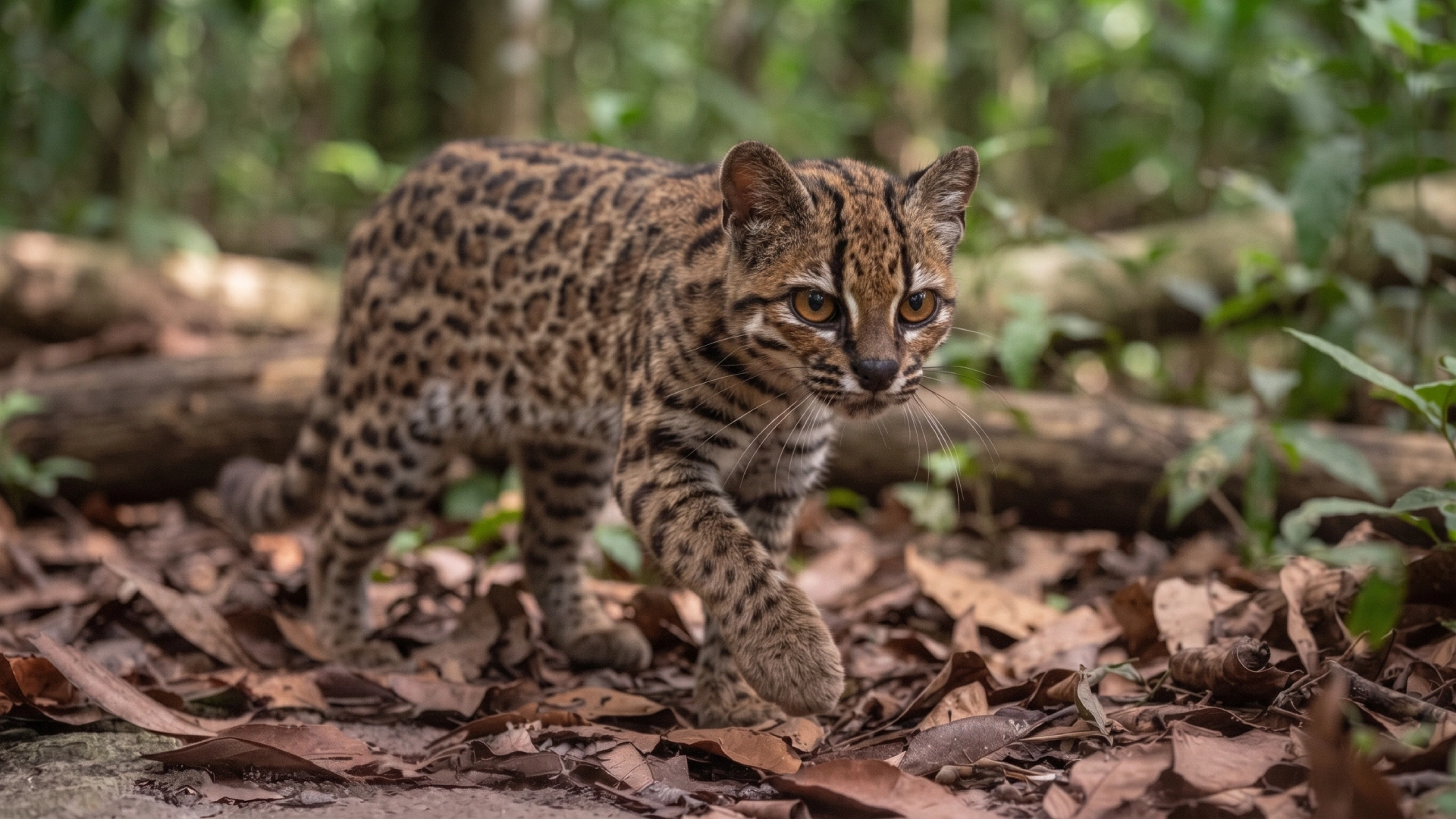
Fünf faszinierende Tiere Boliviens: Entdecken Sie die Tilcayo-Katze und weitere selten zu sehende Arten

04.08.2026
Huasquila Amazon Lodge: Lage, Anreise und Aktivitäten
03.08.2026
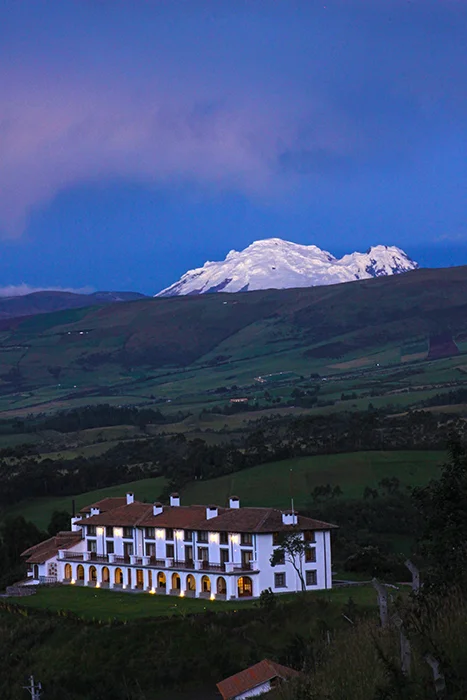
Nationalpark Antisana: Vulkan, Tierwelt und La Mica
29.07.2026
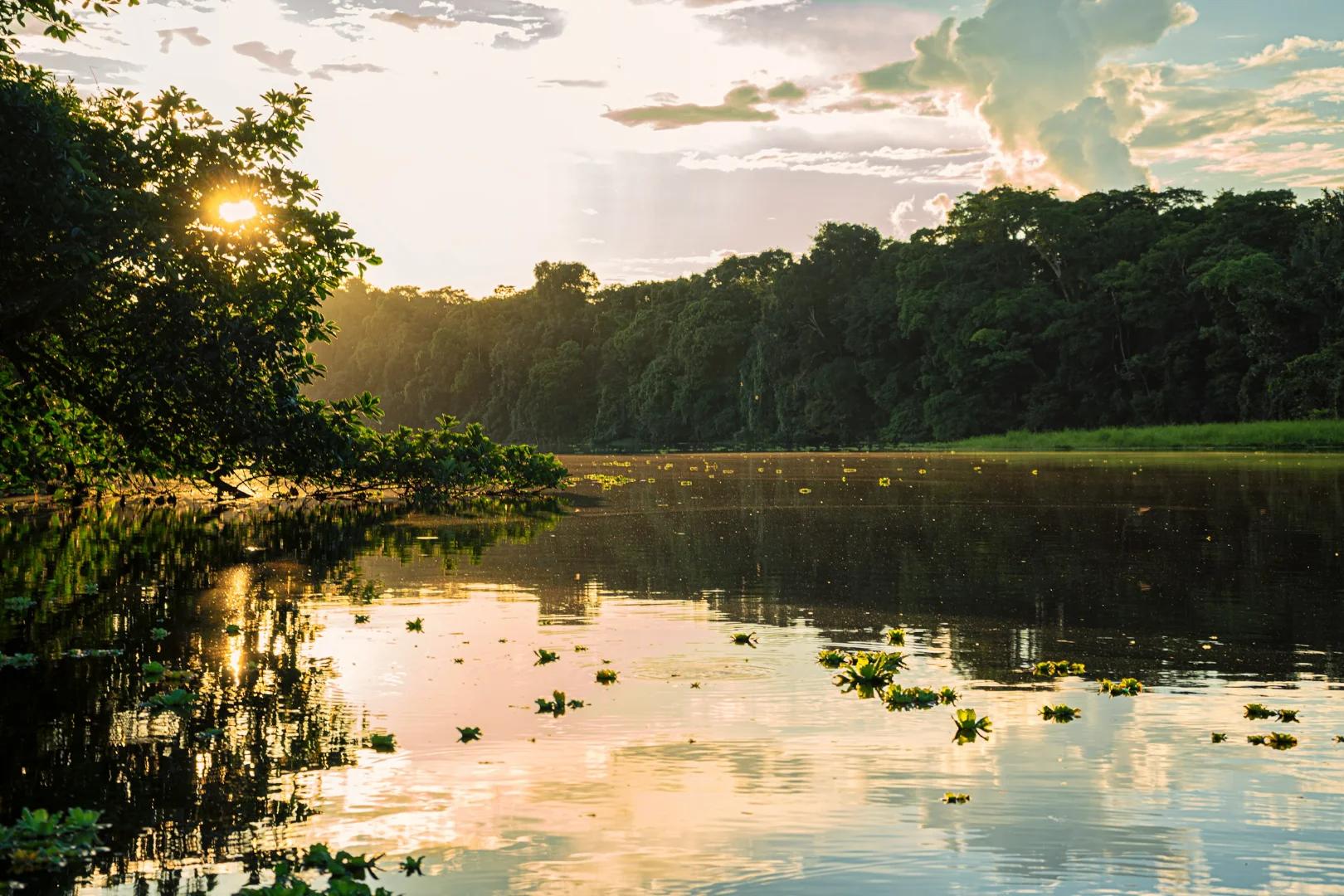
Schamanen in Ecuador: Eine Reise ins Herz der Weisheit des Amazonasgebiets
27.07.2026
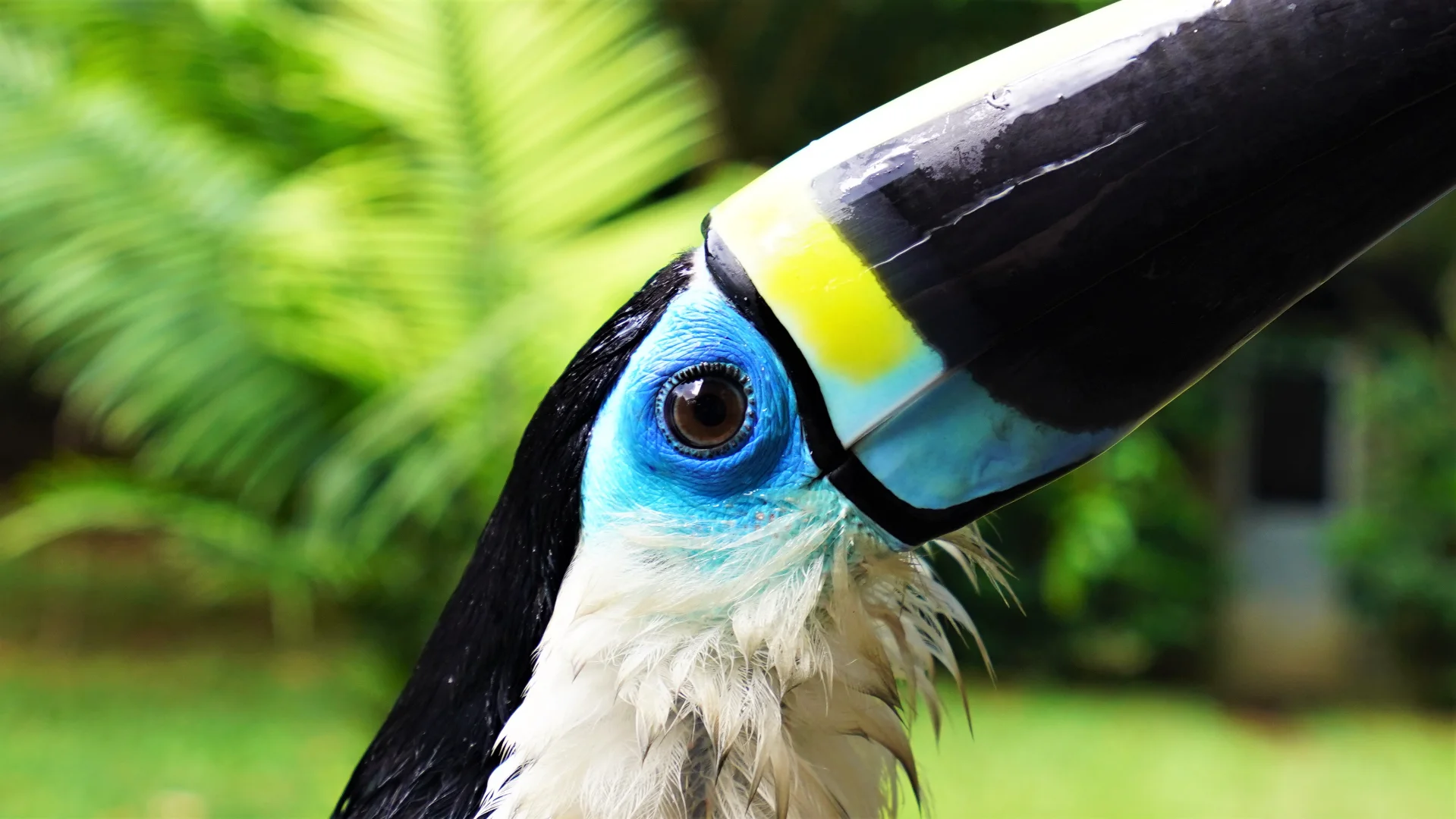
Einblick in den Stamm der Waorani: Das Schild des Amazonas
24.07.2026
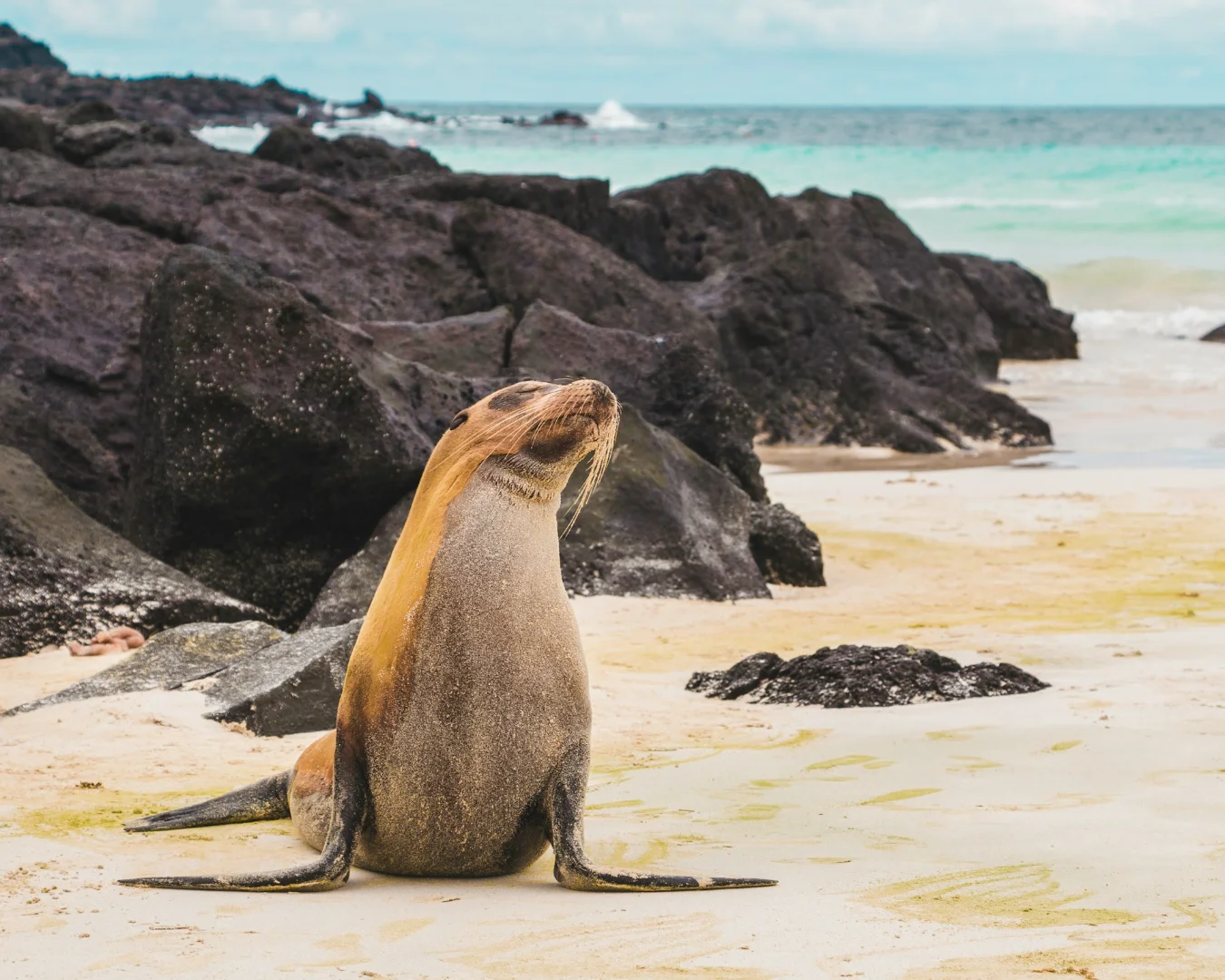
Welche Inseln hat Darwin während seiner Forschungsreise besucht?
Bestbewertete Inhalte
24.07.2026
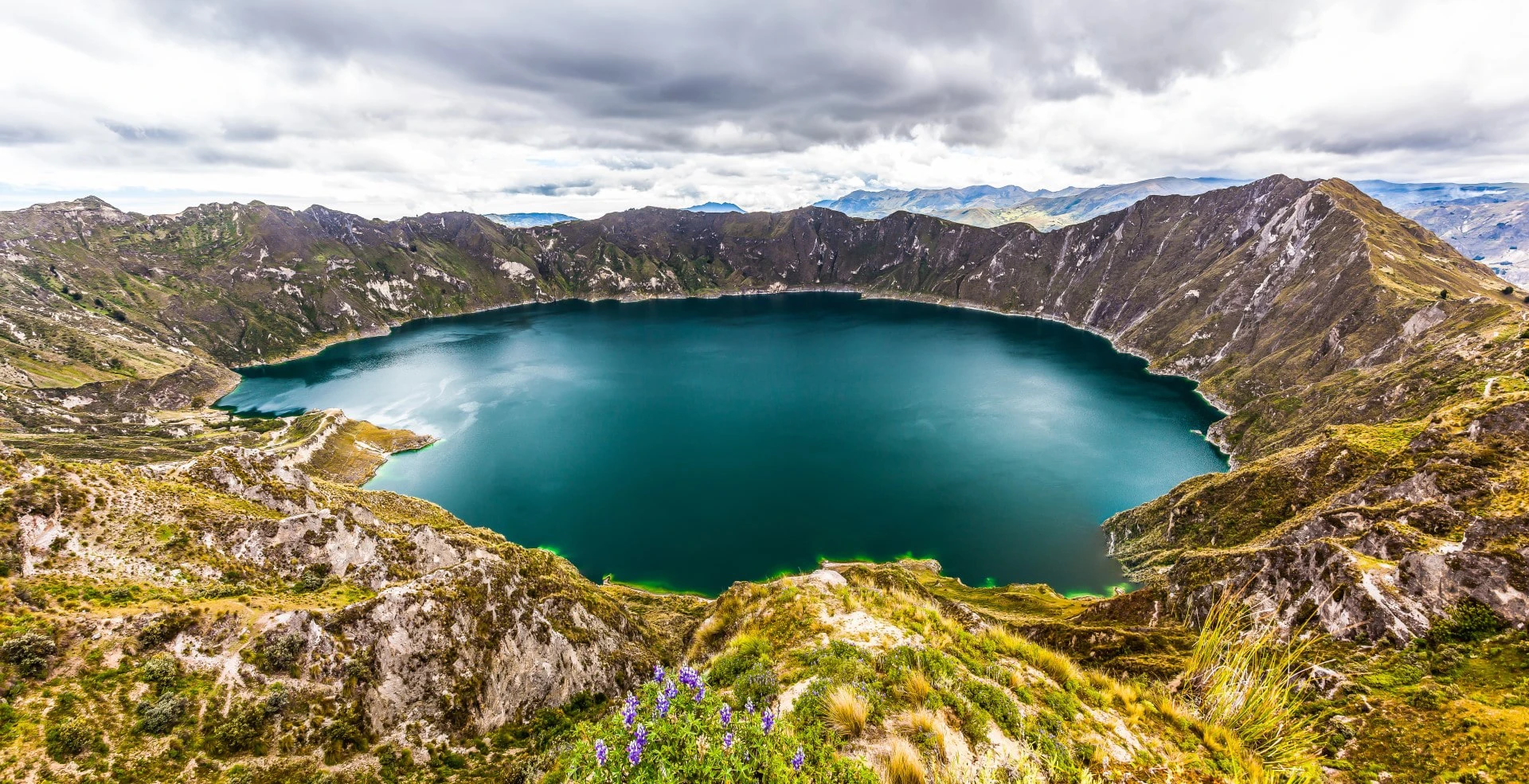
Die großen Seen und Lagunen Südamerikas: Landschaften voller Geschichte, Kultur und Natur
24.07.2026
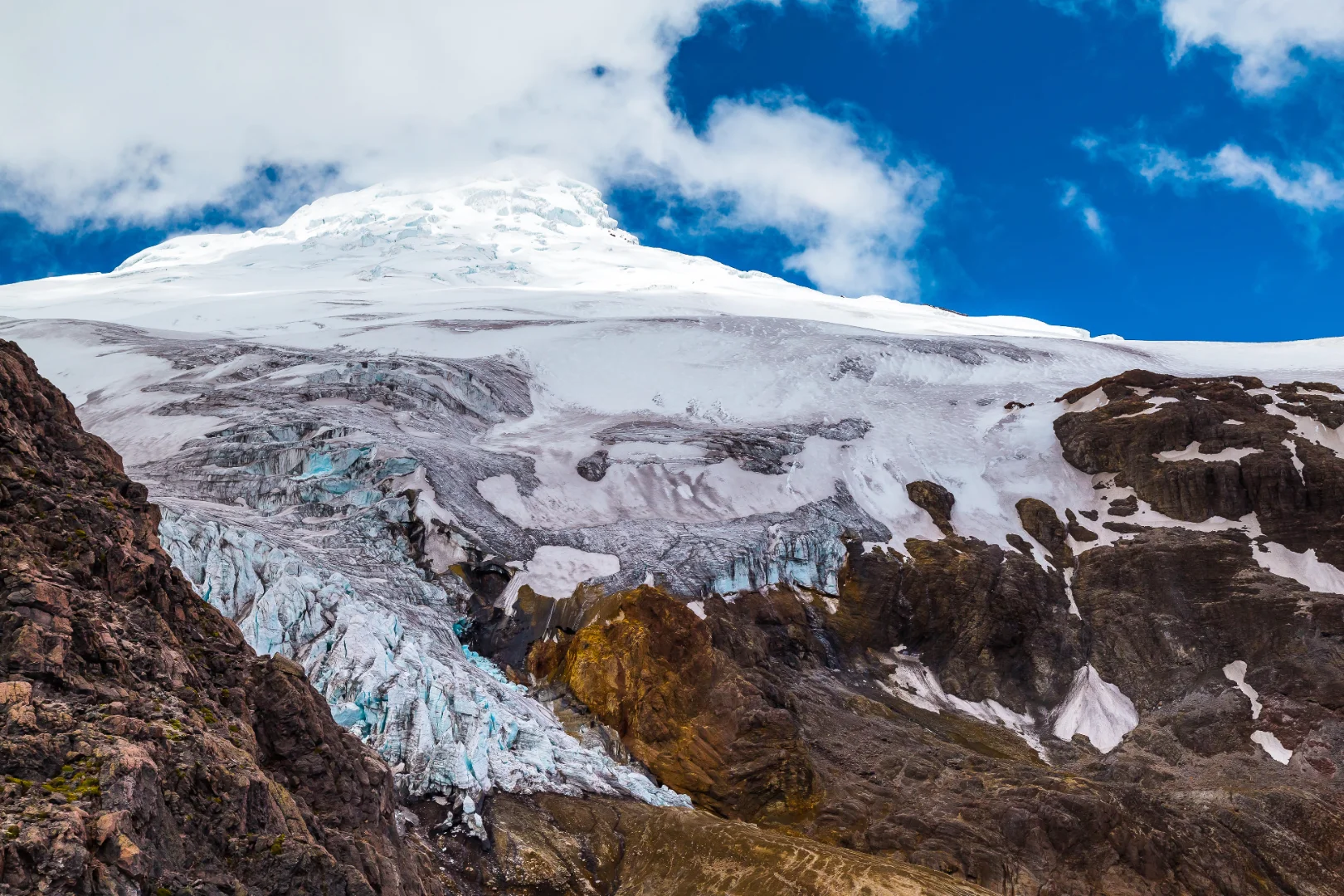
Wunderschöne Wanderwege in Ecuador, geeignet für Wanderer aller Leistungsstufen
23.07.2026
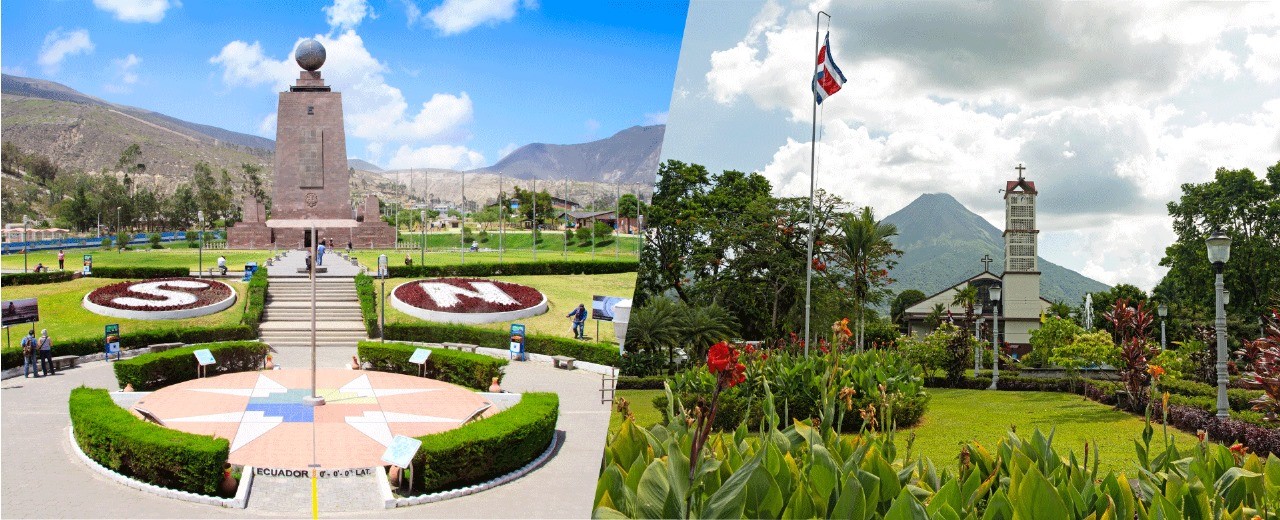
Costa Rica gegen Ecuador: Welches Land eignet sich besser für nachhaltiges Abenteuer?

16.07.2026
Feria de las Flores in Medellín: Ein Leitfaden zum Festival und zur Tradition der „Silleteros“

14.07.2026
Ruta del Spondylus Ecuador: Der ultimative Roadtrip entlang der Küste?
14.07.2026
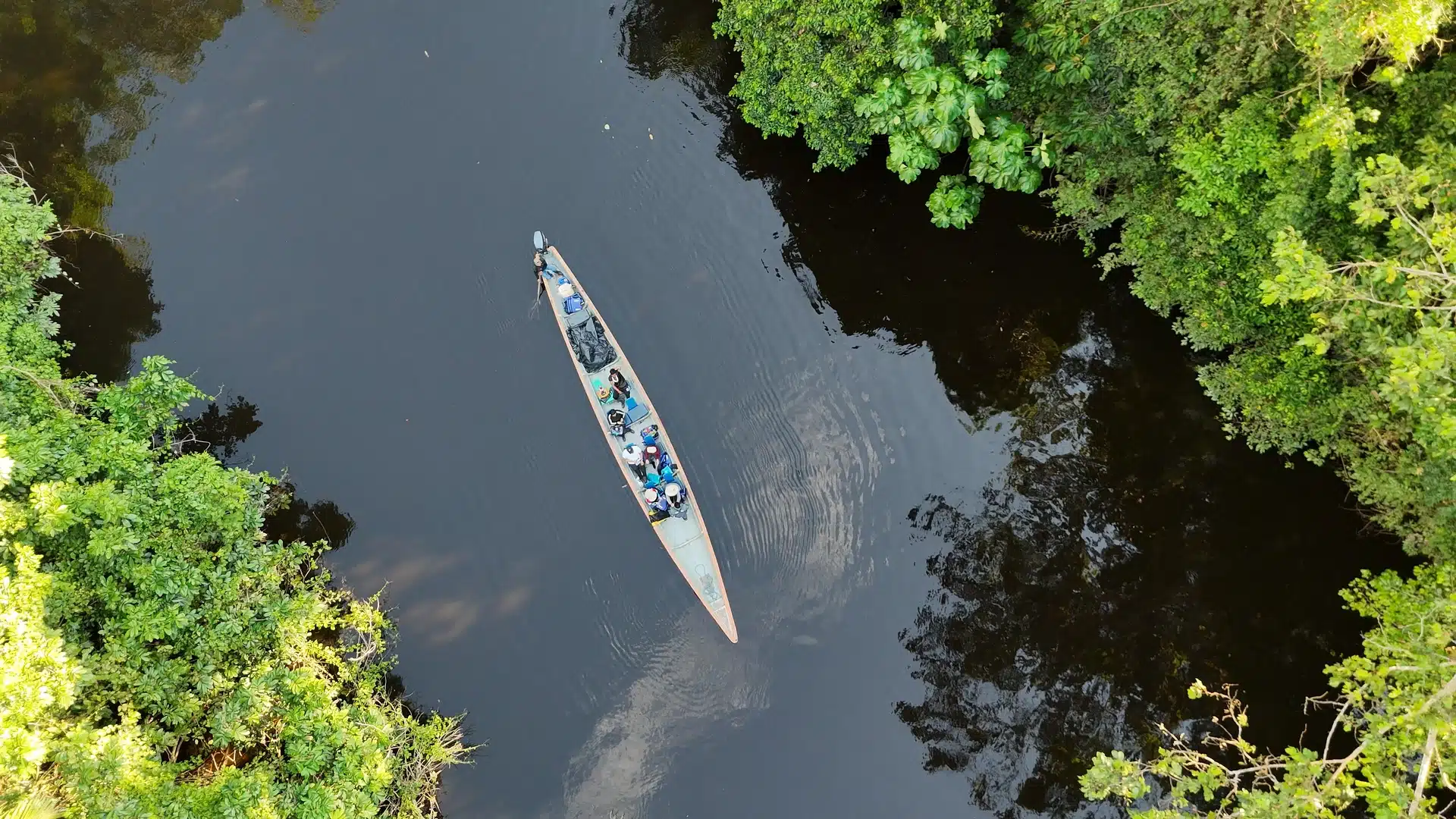
Das Naturschutzgebiet Cuyabeno – Ein einzigartiger ecuadorianischer Regenwald in Killas
Meistgesehene Inhalte
13.07.2026
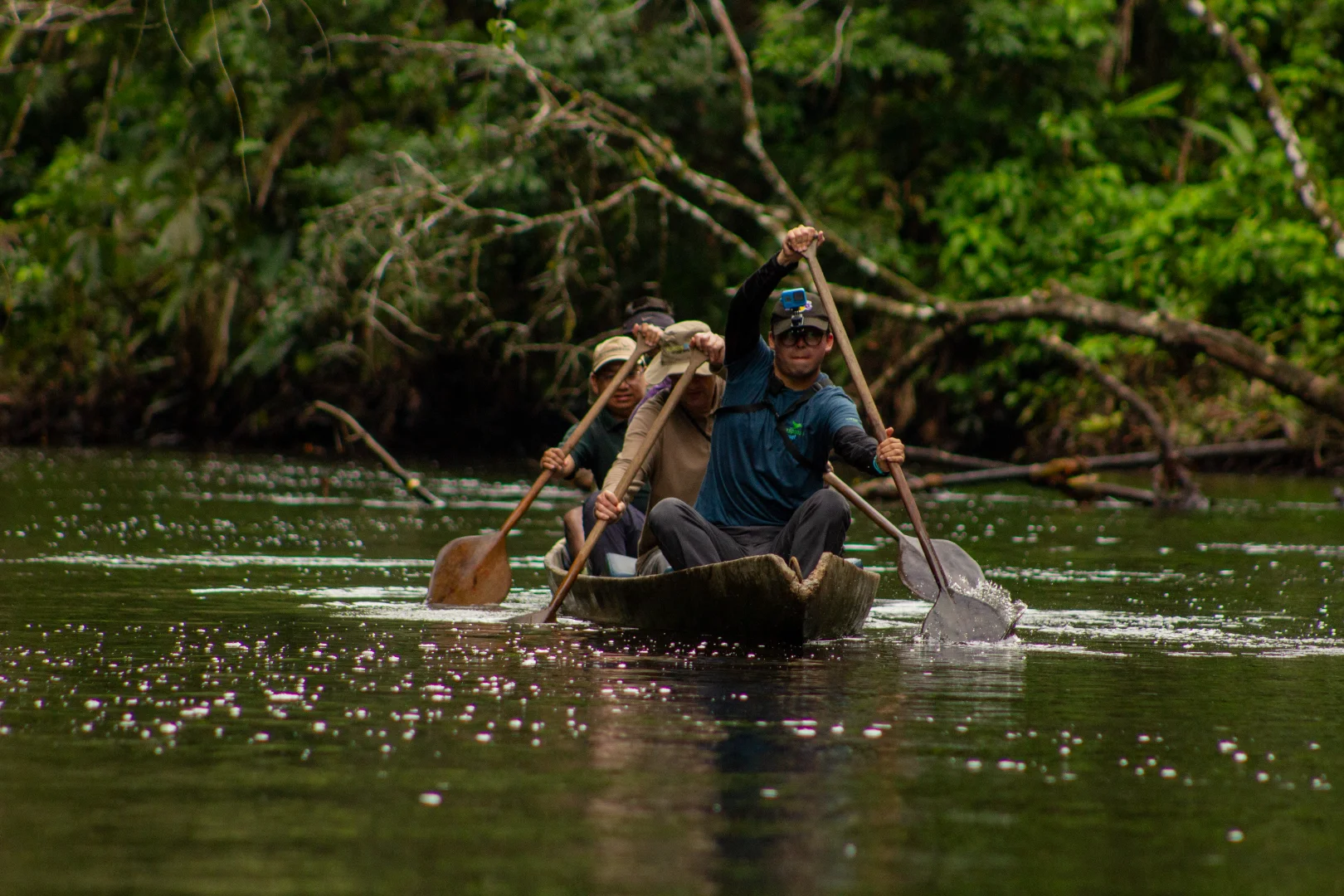
Traditionelle Amazonas-Kanus und die Geschichte hinter der Killas
06.07.2026
Warum solltest du an deinem Geburtstag verreisen?

21.05.2026
Was ist der „Día de los Muertos“ in Ecuador?
21.05.2026
Chimborazo, Ecuador 2023: Der Berg, den du nie vergessen wirst
21.05.2026
Die beliebtesten Reiseziele in Ecuador für 2023 und 2024
21.05.2026
The Best Tourist Places to See in Cusco ?

LOCATION
- The lodge lies in the Andean region, about 3 hours from the city of Quito.
- A private reserve is where it is located, adjacent to the El Angel Ecological Reserve.
BIODIVERSITY
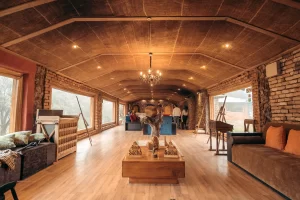
Being located in a wilderness area, the lodge offers a different environment that combines nature and culture.
- In the natural aspect, there exists a primary forest that represents the union of the Polylepis and the Frailejones moorland.
- On the other hand, the culture that emerges in this place makes it a center for research and safeguarding of objects, managing to find vestiges of the Pasto culture.
IMPORTANT ASPECTS OF POLYLEPIS LODGE
- Inside the lodge, you can carry out activities like hiking, horseback riding, hiking, bird watching, and research related to the biology of the area as well as that of the Ecological Reserve.
- The lodge stands out in gastronomy by utilizing local products, resulting in a mestizo fusion cuisine that features ingredients such as potatoes, oca, barley, and quinoa, among others.
- Several investigations have been carried out on the culture within the area. The lodge offers the possibility of visiting several museums that enhance this educational scope, including the Archaeological Museum “Pastos” (the largest in the north of the country), the Museum of Biology “Teska-Brito,” and the Living Natural Museum “Reserva Ecológica de El Ángel.”
- Sustainability is an important factor for the lodge. Consequently, the social aspect and education enhance this factor, fostering a new experience for visitors.
In short, the Polylepis lodge offers tranquility and adventure through environmental education based on the natural environment, peace, and comfort.
This project was born to preserve the ecosystem of the Andes through ecotourism and provide a warm experience to the visitor through its hospitality and service. Polylepis lodge focuses on generating environmental responsibility through the connection between education, individuals, and sustainable practices.
LOCATION
- The lodge lies in the Andean region, about 3 hours from the city of Quito.
- A private reserve is where it is located, adjacent to the El Angel Ecological Reserve.
BIODIVERSITY
Being located in a wilderness area, the lodge offers a different environment that combines nature and culture.
- In the natural aspect, there exists a primary forest that represents the union of the Polylepis and the Frailejones moorland.
- On the other hand, the culture that emerges in this place makes it a center for research and safeguarding of objects, managing to find vestiges of the Pasto culture.
IMPORTANT ASPECTS OF POLYLEPIS LODGE
- Inside the lodge, you can carry out activities like hiking, horseback riding, hiking, bird watching, and research related to the biology of the area as well as that of the Ecological Reserve.
- The lodge stands out in gastronomy by utilizing local products, resulting in a mestizo fusion cuisine that features ingredients such as potatoes, oca, barley, and quinoa, among others.
- Several investigations have been carried out on the culture within the area. The lodge offers the possibility of visiting several museums that enhance this educational scope, including the Archaeological Museum “Pastos” (the largest in the north of the country), the Museum of Biology “Teska-Brito,” and the Living Natural Museum “Reserva Ecológica de El Ángel.”
- Sustainability is an important factor for the lodge. Consequently, the social aspect and education enhance this factor, fostering a new experience for visitors.
In short, the Polylepis lodge offers tranquility and adventure through environmental education based on the natural environment, peace, and comfort.
Entdecken Sie unsere neuesten Nachrichten
18.09.2026
Fünf faszinierende Tiere Boliviens: Entdecken Sie die Tilcayo-Katze und weitere selten zu sehende Arten
04.08.2026
Huasquila Amazon Lodge: Lage, Anreise und Aktivitäten
03.08.2026
Nationalpark Antisana: Vulkan, Tierwelt und La Mica
29.07.2026
Schamanen in Ecuador: Eine Reise ins Herz der Weisheit des Amazonasgebiets
27.07.2026
Einblick in den Stamm der Waorani: Das Schild des Amazonas
24.07.2026
Welche Inseln hat Darwin während seiner Forschungsreise besucht?
Bestbewertete Inhalte
24.07.2026
Die großen Seen und Lagunen Südamerikas: Landschaften voller Geschichte, Kultur und Natur
24.07.2026
Wunderschöne Wanderwege in Ecuador, geeignet für Wanderer aller Leistungsstufen
23.07.2026
Costa Rica gegen Ecuador: Welches Land eignet sich besser für nachhaltiges Abenteuer?
16.07.2026
Feria de las Flores in Medellín: Ein Leitfaden zum Festival und zur Tradition der „Silleteros“
14.07.2026
Ruta del Spondylus Ecuador: Der ultimative Roadtrip entlang der Küste?
14.07.2026
Das Naturschutzgebiet Cuyabeno – Ein einzigartiger ecuadorianischer Regenwald in Killas
Meistgesehene Inhalte
13.07.2026
Traditionelle Amazonas-Kanus und die Geschichte hinter der Killas
06.07.2026
Warum solltest du an deinem Geburtstag verreisen?
21.05.2026
Was ist der „Día de los Muertos“ in Ecuador?
21.05.2026
Chimborazo, Ecuador 2023: Der Berg, den du nie vergessen wirst
21.05.2026
Die beliebtesten Reiseziele in Ecuador für 2023 und 2024
21.05.2026
The Best Tourist Places to See in Cusco ?