

The Amazon, in addition to being a biosphere center that houses a great variety of fauna and flora in the world, is also considered a lake center made up of several tributaries; however, the most important of all is the Napo River. This flow is one of the most important tributaries for this area, not only because of the life that emerges but also because of its ecosystem, which serves as a balance within the Ecuadorian Amazon.
Entdecken Sie unsere neuesten Nachrichten
18.09.2026
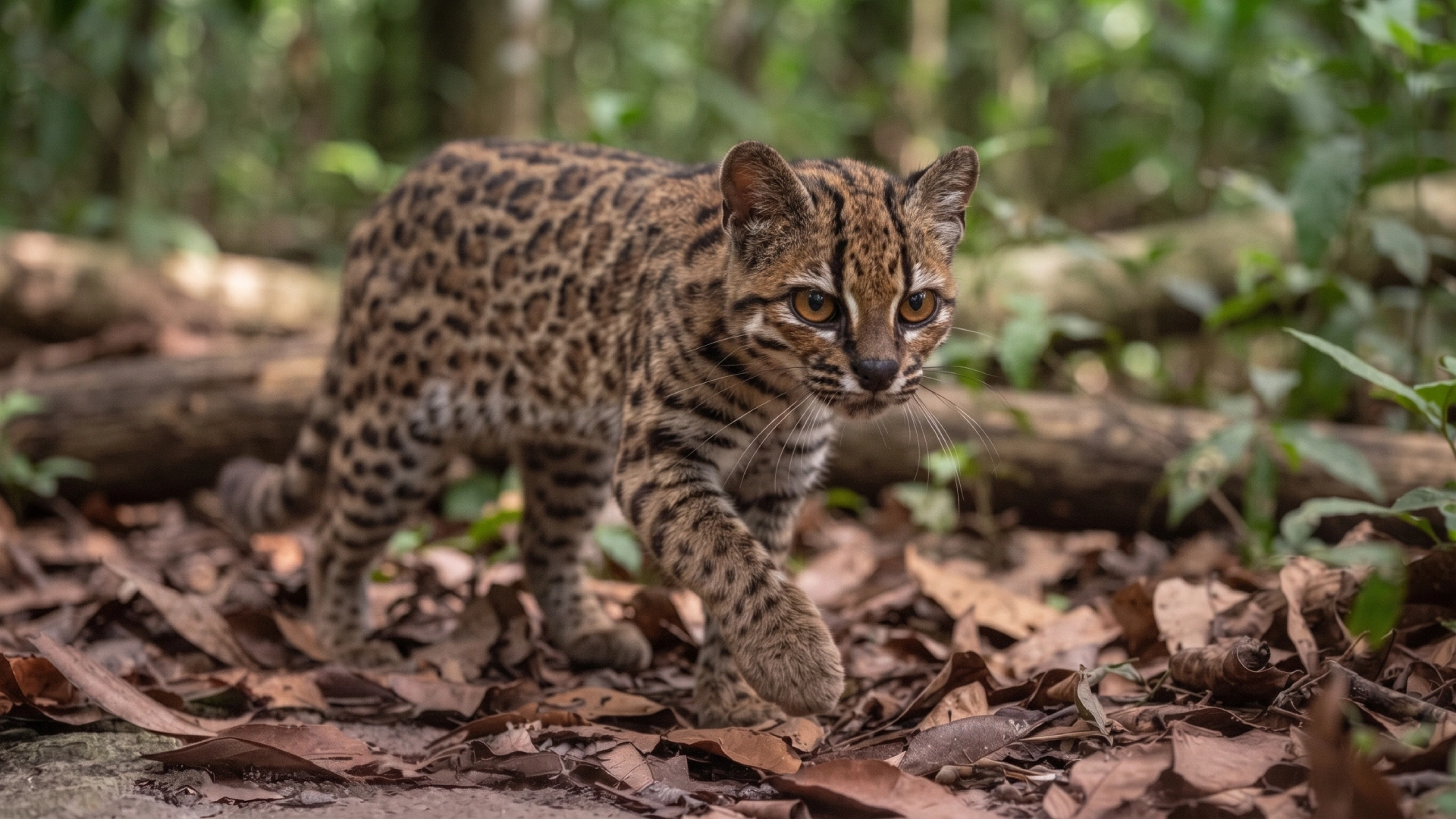
Fünf faszinierende Tiere Boliviens: Entdecken Sie die Tilcayo-Katze und weitere selten zu sehende Arten

04.08.2026
Huasquila Amazon Lodge: Lage, Anreise und Aktivitäten
03.08.2026
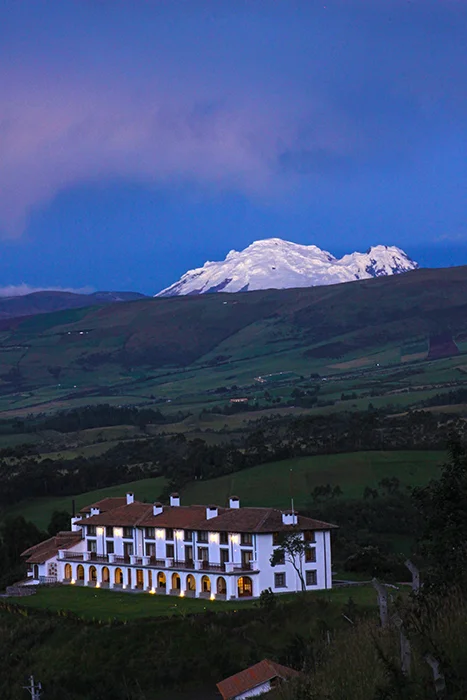
Nationalpark Antisana: Vulkan, Tierwelt und La Mica
29.07.2026
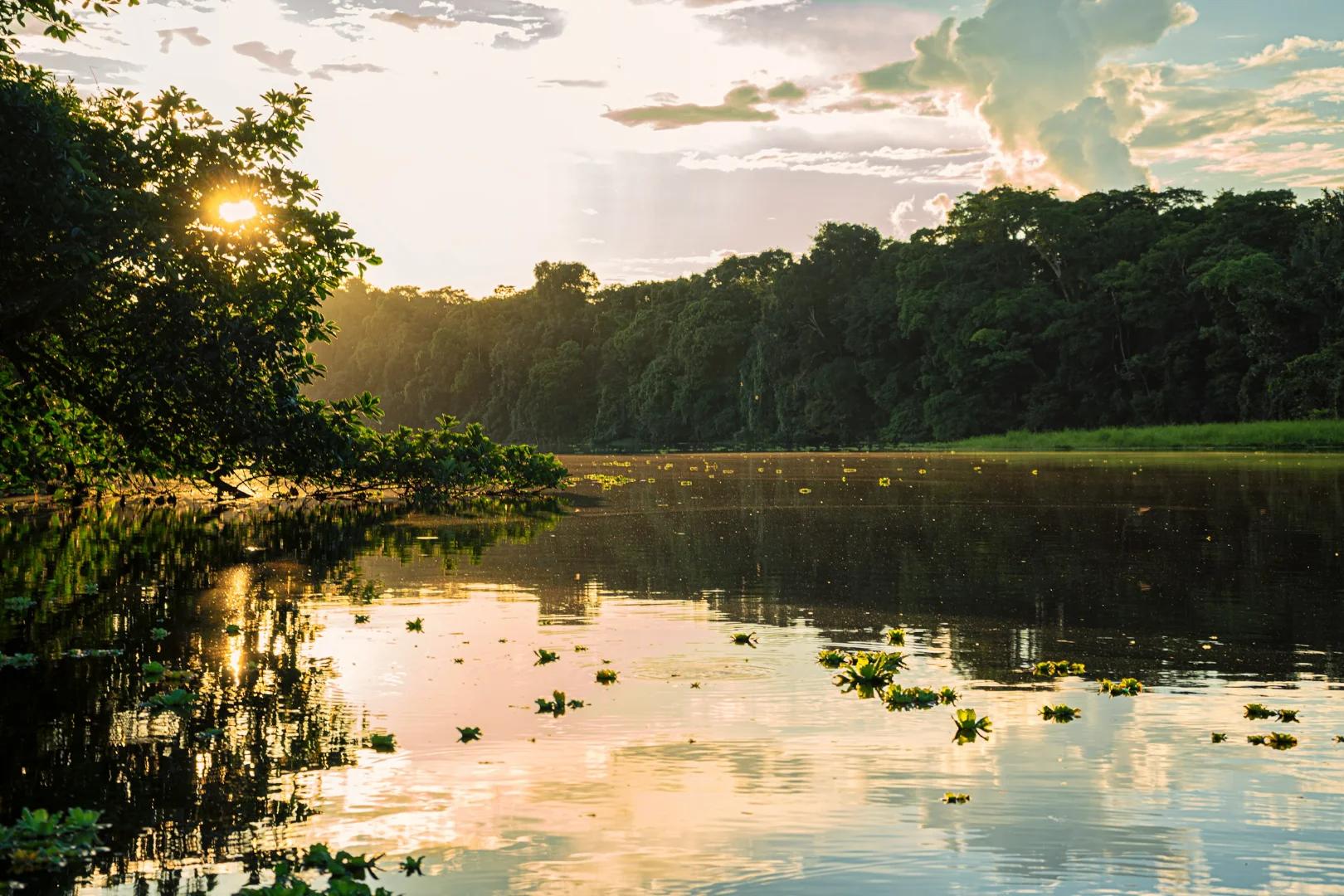
Schamanen in Ecuador: Eine Reise ins Herz der Weisheit des Amazonasgebiets
27.07.2026
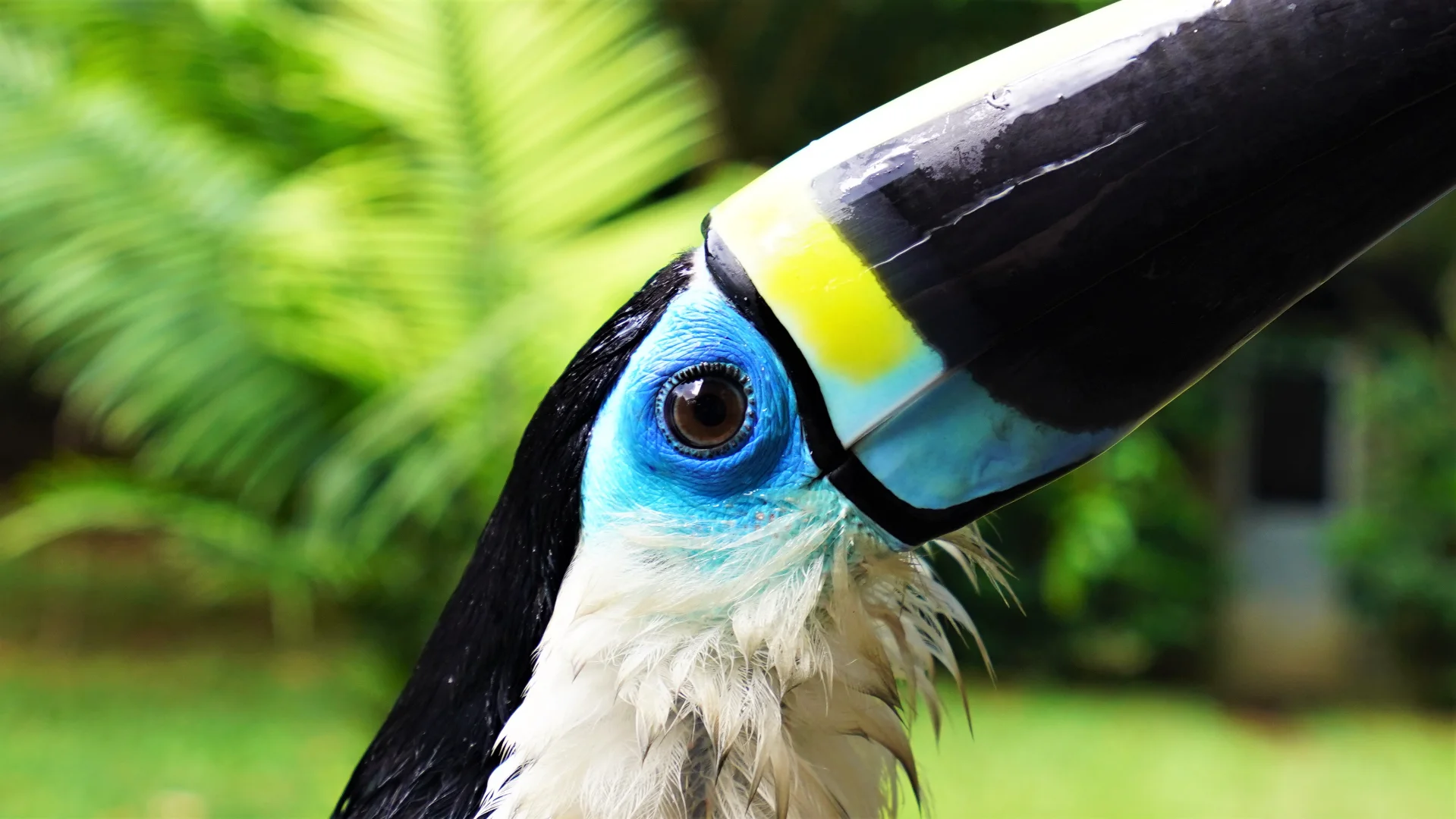
Einblick in den Stamm der Waorani: Das Schild des Amazonas
24.07.2026
Welche Inseln hat Darwin während seiner Forschungsreise besucht?
Bestbewertete Inhalte
24.07.2026
Die großen Seen und Lagunen Südamerikas: Landschaften voller Geschichte, Kultur und Natur
24.07.2026
Wunderschöne Wanderwege in Ecuador, geeignet für Wanderer aller Leistungsstufen
23.07.2026
Costa Rica gegen Ecuador: Welches Land eignet sich besser für nachhaltiges Abenteuer?

16.07.2026
Feria de las Flores in Medellín: Ein Leitfaden zum Festival und zur Tradition der „Silleteros“

14.07.2026
Ruta del Spondylus Ecuador: Der ultimative Roadtrip entlang der Küste?
14.07.2026
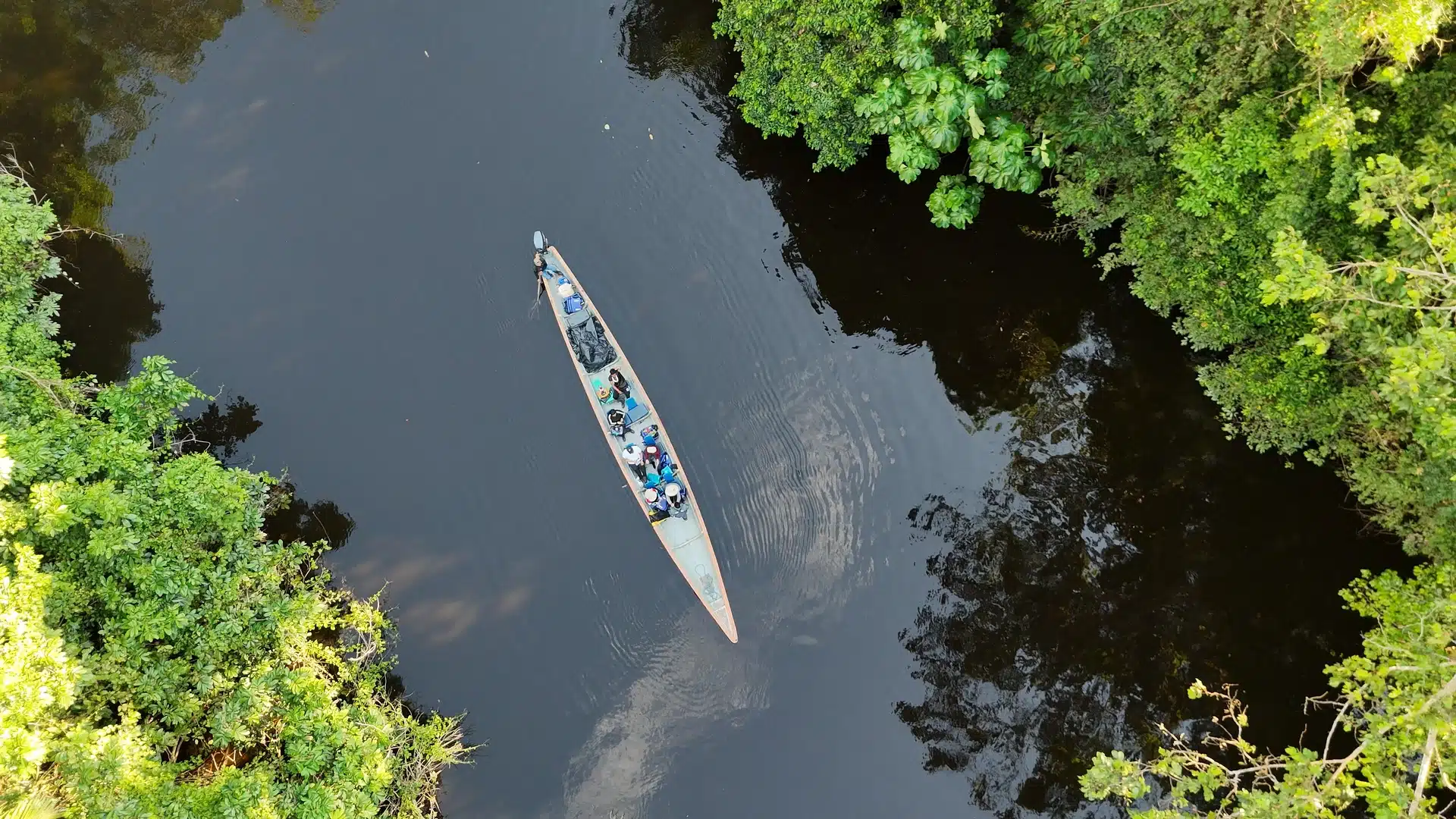
Das Naturschutzgebiet Cuyabeno – Ein einzigartiger ecuadorianischer Regenwald in Killas
Meistgesehene Inhalte
13.07.2026
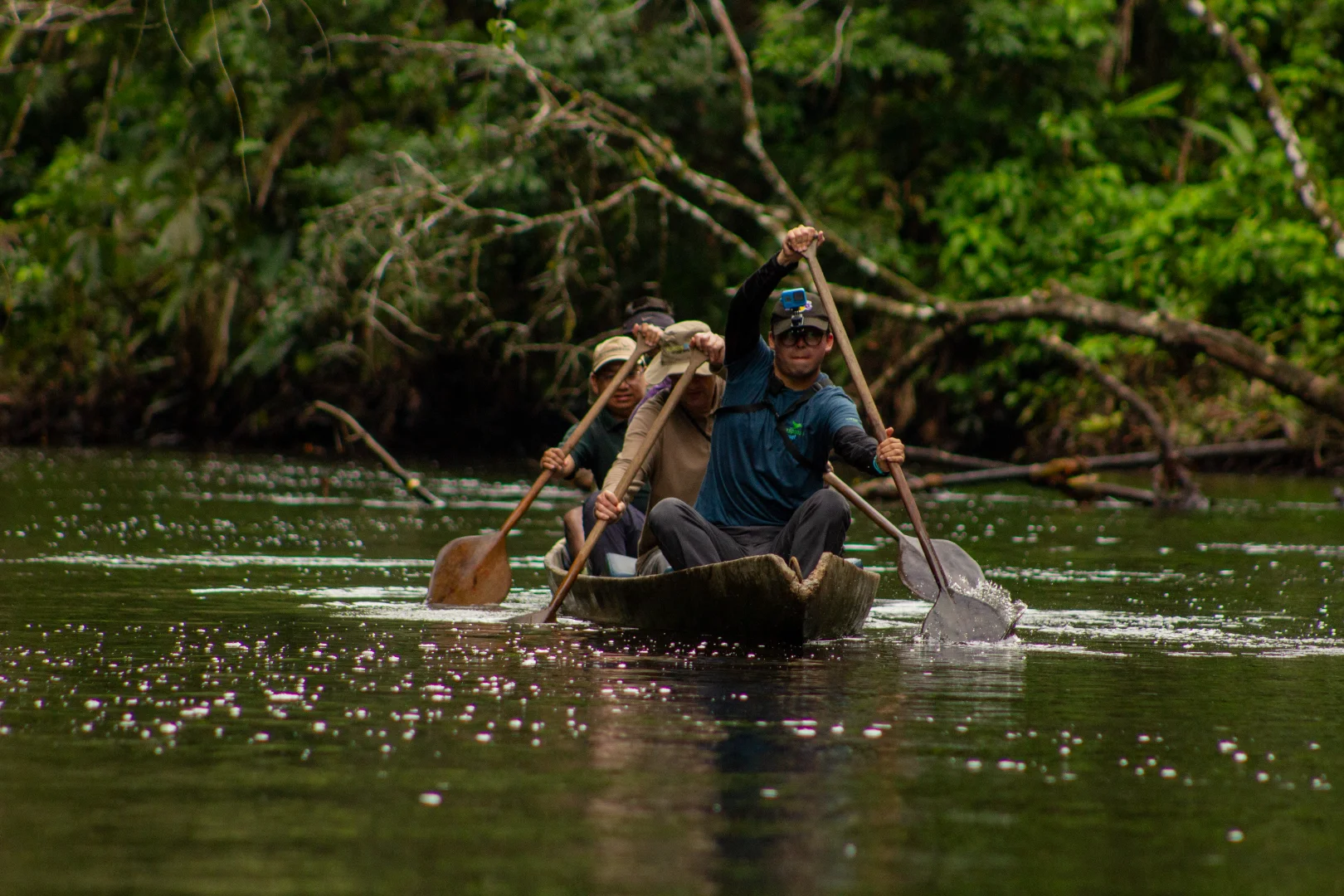
Traditionelle Amazonas-Kanus und die Geschichte hinter der Killas
06.07.2026
Warum solltest du an deinem Geburtstag verreisen?

21.05.2026
Was ist der „Día de los Muertos“ in Ecuador?
21.05.2026
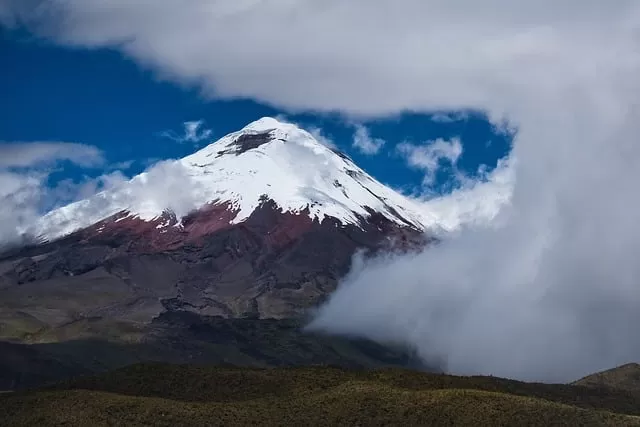
Chimborazo, Ecuador 2023: Der Berg, den du nie vergessen wirst
21.05.2026
Die beliebtesten Reiseziele in Ecuador für 2023 und 2024
21.05.2026
The Best Tourist Places to See in Cusco ?

DISCOVERING THE NAPO RIVER
The source of the Napo River comes from the Cotopaxi and Antisana volcanoes, as well as from the Andean slopes and headwaters of the Chalupas, Llanganates, and Guacamayos mountain ranges. It extends approximately 1,130 km from the Andean region to the Amazon. Among its tributaries are the Coca, Tiputini, Yasuní, Aguarico, Curaray, and Tamboryacu. However, its discovery dates back to the 16th century by European colonizers and missionaries, who descended until they reached the City of Quito.
IMPORTANCE
Now, the river basin occupies 60% of the national territory; Peru has the remaining 40%. This river serves as an ecological corridor for various species, including fish, dolphins, storks, macaws, otters, alligators, and snakes. Despite its non-navigable nature, it connects to protected areas like Yasuni and supports tourism projects, allowing these species to find essential nutrients and complete their life cycles.
Additionally, the river is also a connector of culture because, on its banks, it serves as a source of sustenance for the Kichwa, Waorani and Shuar communities; They can fish and establish connection.
IMPACTS
In the 1970s, the river underwent a transformation, since due to oil companies and the creation of roads, deforestation and pollution occurred, and this led to climate change, affecting the ecosystem and its surroundings. However, foundations and community tourism have managed to revitalize spaces to protect the environment of the Amazon.
THE GATEWAY TO ECUADOR’S AMAZON
The Napo River represents life and biodiversity, a link that unites communities, species, and ecosystems. Its safeguard not only guarantees the continuity of the Amazon region but also the ecological balance of the planet.
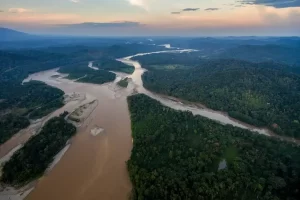
The Amazon, in addition to being a biosphere center that houses a great variety of fauna and flora in the world, is also considered a lake center made up of several tributaries; however, the most important of all is the Napo River. This flow is one of the most important tributaries for this area, not only because of the life that emerges but also because of its ecosystem, which serves as a balance within the Ecuadorian Amazon.
DISCOVERING THE NAPO RIVER
The source of the Napo River comes from the Cotopaxi and Antisana volcanoes, as well as from the Andean slopes and headwaters of the Chalupas, Llanganates, and Guacamayos mountain ranges. It extends approximately 1,130 km from the Andean region to the Amazon. Among its tributaries are the Coca, Tiputini, Yasuní, Aguarico, Curaray, and Tamboryacu. However, its discovery dates back to the 16th century by European colonizers and missionaries, who descended until they reached the City of Quito.
IMPORTANCE
Now, the river basin occupies 60% of the national territory; Peru has the remaining 40%. This river serves as an ecological corridor for various species, including fish, dolphins, storks, macaws, otters, alligators, and snakes. Despite its non-navigable nature, it connects to protected areas like Yasuni and supports tourism projects, allowing these species to find essential nutrients and complete their life cycles.
Additionally, the river is also a connector of culture because, on its banks, it serves as a source of sustenance for the Kichwa, Waorani and Shuar communities; They can fish and establish connection.
IMPACTS
In the 1970s, the river underwent a transformation, since due to oil companies and the creation of roads, deforestation and pollution occurred, and this led to climate change, affecting the ecosystem and its surroundings. However, foundations and community tourism have managed to revitalize spaces to protect the environment of the Amazon.
THE GATEWAY TO ECUADOR’S AMAZON
The Napo River represents life and biodiversity, a link that unites communities, species, and ecosystems. Its safeguard not only guarantees the continuity of the Amazon region but also the ecological balance of the planet.
Entdecken Sie unsere neuesten Nachrichten
18.09.2026
Fünf faszinierende Tiere Boliviens: Entdecken Sie die Tilcayo-Katze und weitere selten zu sehende Arten
04.08.2026
Huasquila Amazon Lodge: Lage, Anreise und Aktivitäten
03.08.2026
Nationalpark Antisana: Vulkan, Tierwelt und La Mica
29.07.2026
Schamanen in Ecuador: Eine Reise ins Herz der Weisheit des Amazonasgebiets
27.07.2026
Einblick in den Stamm der Waorani: Das Schild des Amazonas
24.07.2026
Welche Inseln hat Darwin während seiner Forschungsreise besucht?
Bestbewertete Inhalte
24.07.2026
Die großen Seen und Lagunen Südamerikas: Landschaften voller Geschichte, Kultur und Natur
24.07.2026
Wunderschöne Wanderwege in Ecuador, geeignet für Wanderer aller Leistungsstufen
23.07.2026
Costa Rica gegen Ecuador: Welches Land eignet sich besser für nachhaltiges Abenteuer?
16.07.2026
Feria de las Flores in Medellín: Ein Leitfaden zum Festival und zur Tradition der „Silleteros“
14.07.2026
Ruta del Spondylus Ecuador: Der ultimative Roadtrip entlang der Küste?
14.07.2026
Das Naturschutzgebiet Cuyabeno – Ein einzigartiger ecuadorianischer Regenwald in Killas
Meistgesehene Inhalte
13.07.2026
Traditionelle Amazonas-Kanus und die Geschichte hinter der Killas
06.07.2026
Warum solltest du an deinem Geburtstag verreisen?
21.05.2026
Was ist der „Día de los Muertos“ in Ecuador?
21.05.2026
Chimborazo, Ecuador 2023: Der Berg, den du nie vergessen wirst
21.05.2026
Die beliebtesten Reiseziele in Ecuador für 2023 und 2024
21.05.2026
The Best Tourist Places to See in Cusco ?