

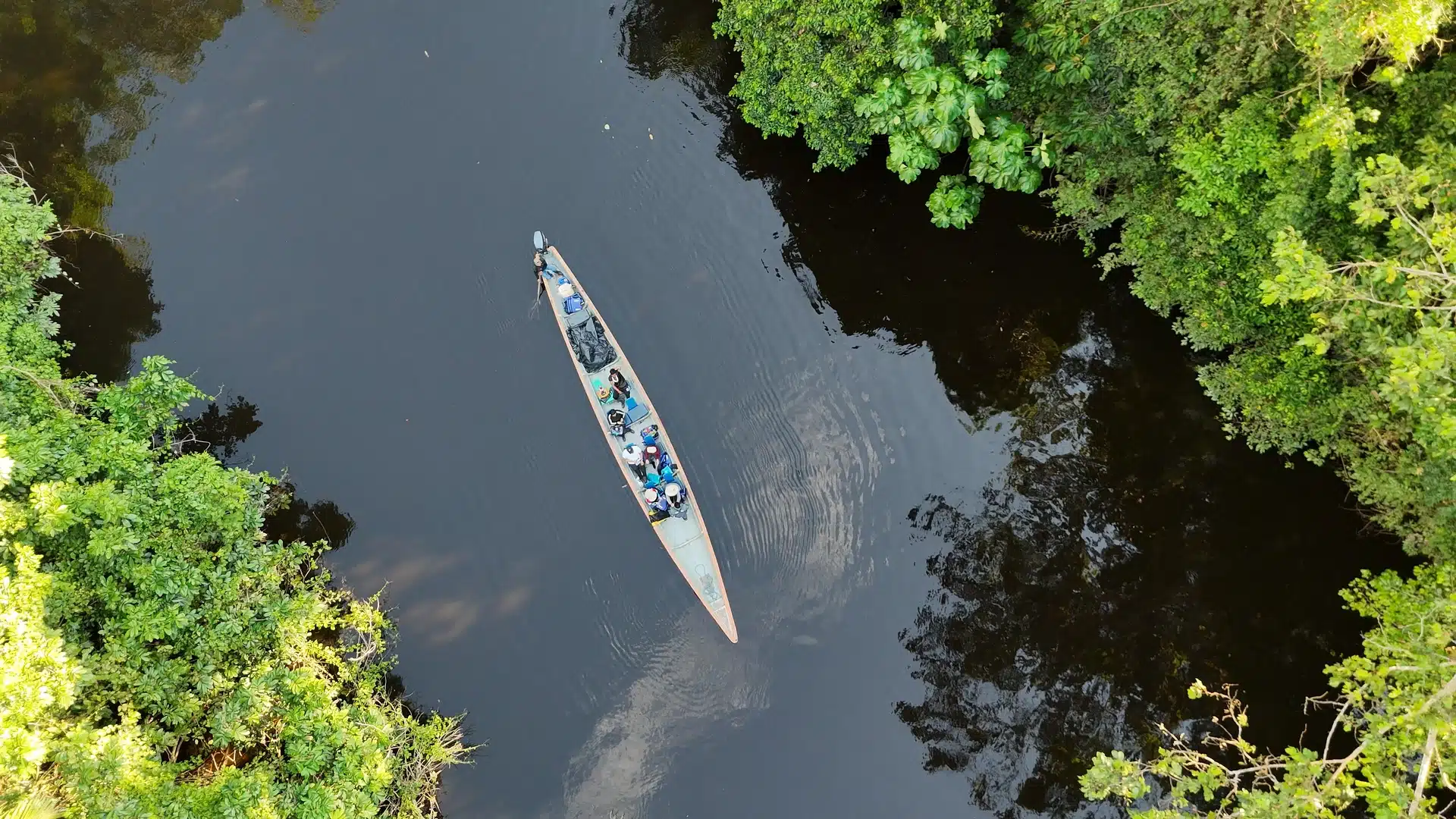
Cuyabeno ist einBlackwater-Amazonas-Reservatwo ausgedehnte Auwälder, ein Netz aus miteinander verflochtenen Lagunen und die seit Urzeiten praktizierte Schifffahrt durchKillasKanus prägen das Landschaftsbild.
Entdecken Sie unsere neuesten Nachrichten
18.09.2026
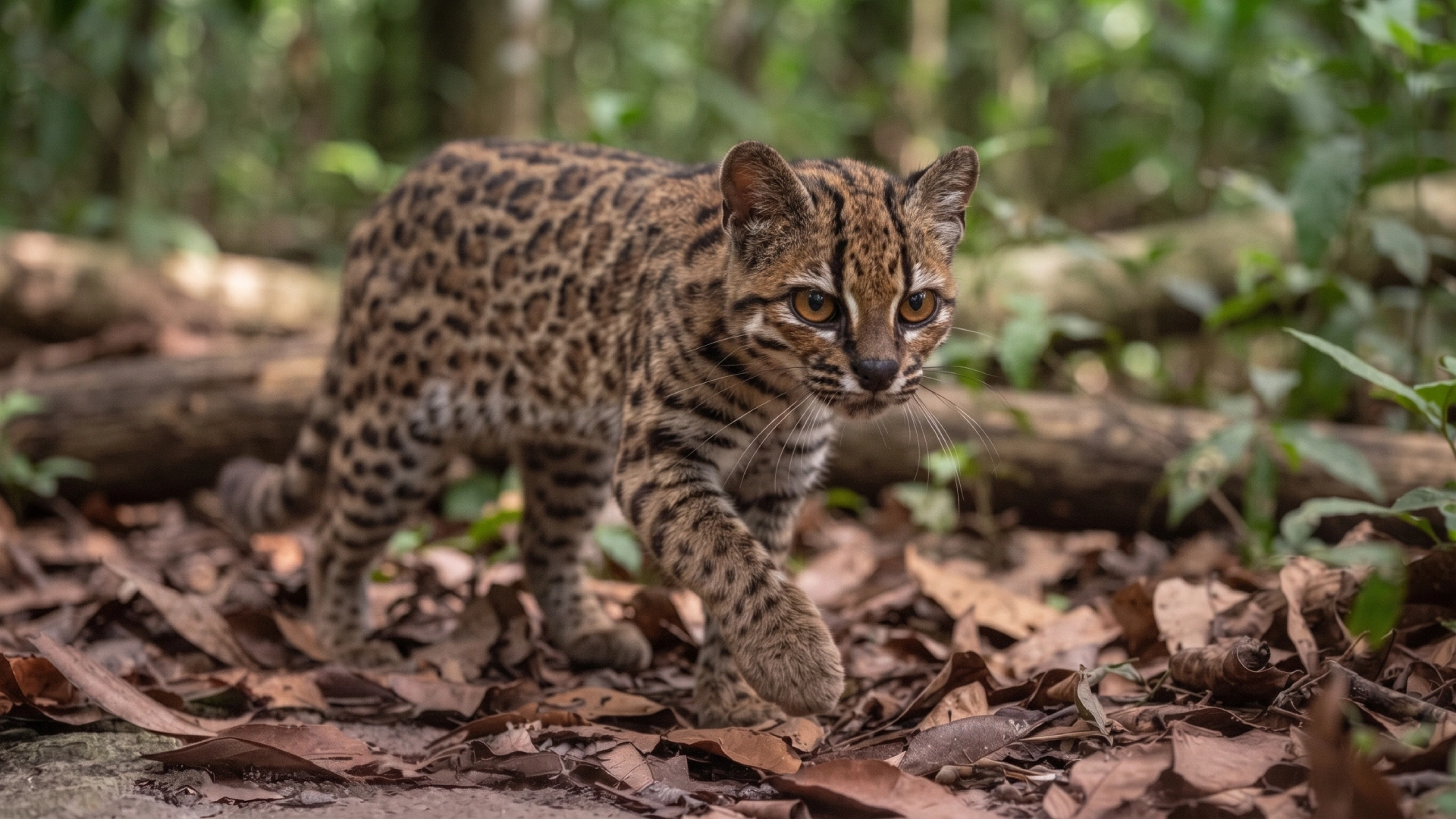
Fünf faszinierende Tiere Boliviens: Entdecken Sie die Tilcayo-Katze und weitere selten zu sehende Arten

04.08.2026
Huasquila Amazon Lodge: Lage, Anreise und Aktivitäten
03.08.2026
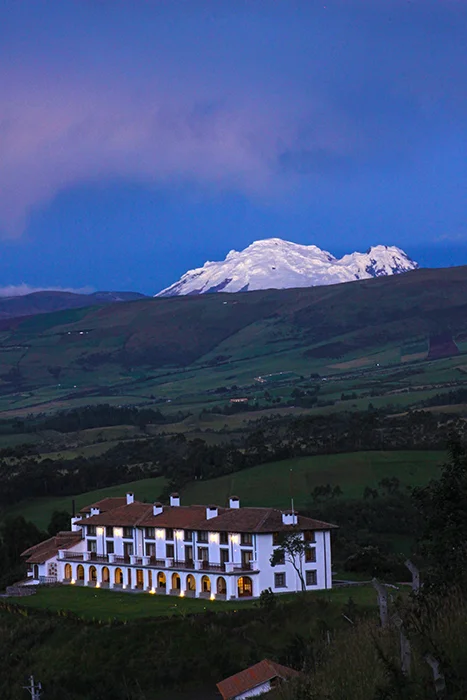
Nationalpark Antisana: Vulkan, Tierwelt und La Mica
29.07.2026
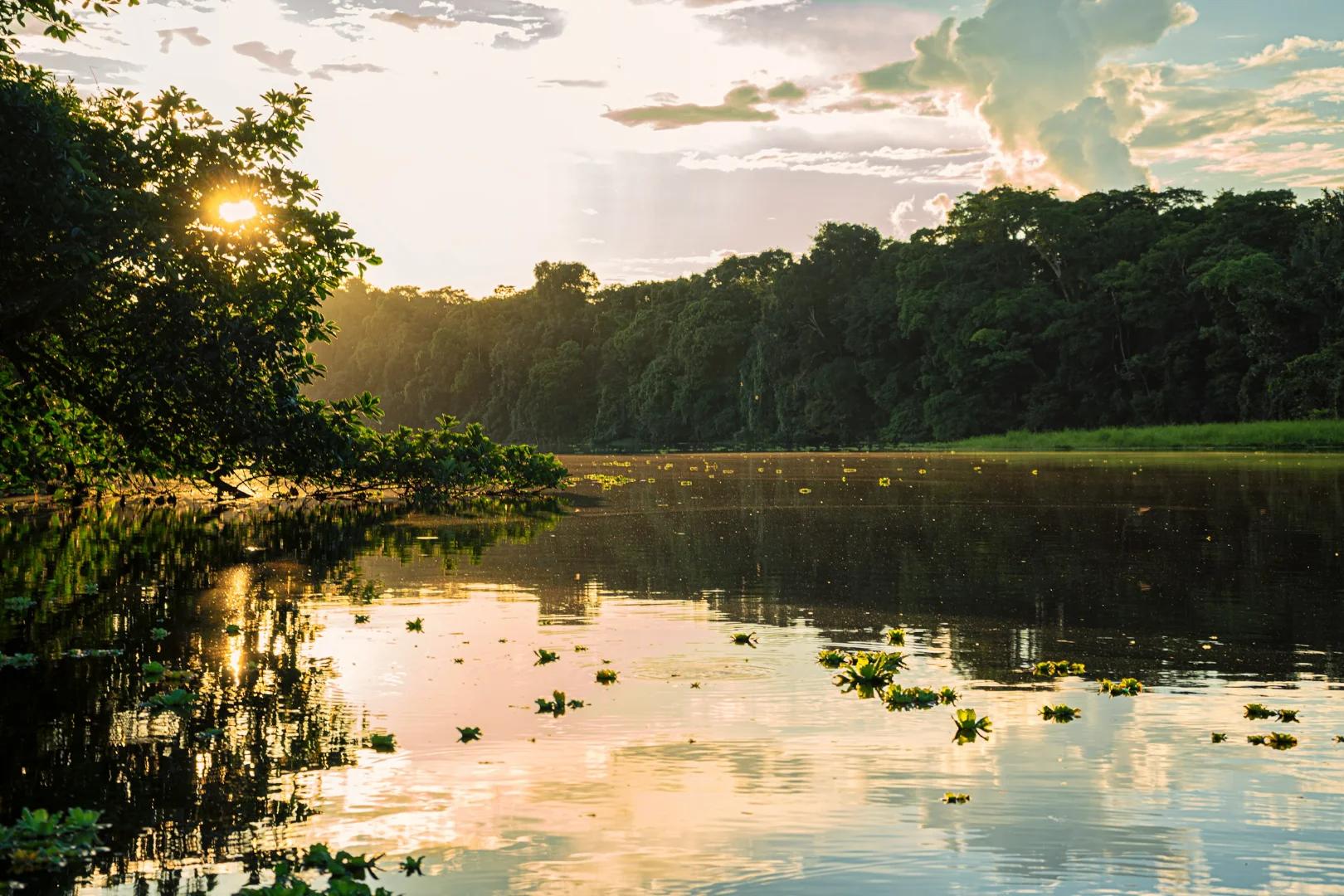
Schamanen in Ecuador: Eine Reise ins Herz der Weisheit des Amazonasgebiets
27.07.2026
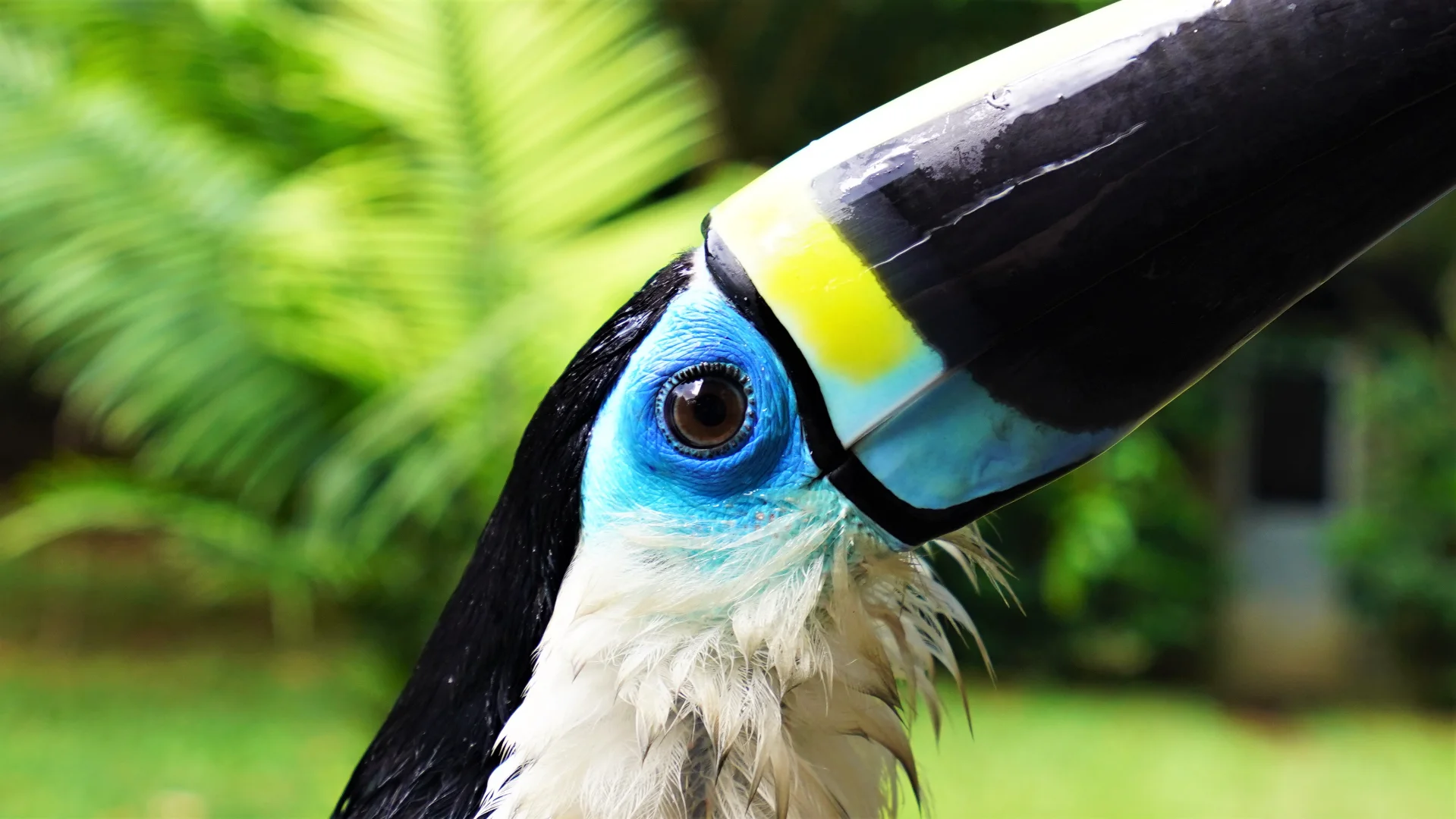
Einblick in den Stamm der Waorani: Das Schild des Amazonas
24.07.2026
Welche Inseln hat Darwin während seiner Forschungsreise besucht?
Bestbewertete Inhalte
24.07.2026
Die großen Seen und Lagunen Südamerikas: Landschaften voller Geschichte, Kultur und Natur
24.07.2026
Wunderschöne Wanderwege in Ecuador, geeignet für Wanderer aller Leistungsstufen
23.07.2026
Costa Rica gegen Ecuador: Welches Land eignet sich besser für nachhaltiges Abenteuer?

16.07.2026
Feria de las Flores in Medellín: Ein Leitfaden zum Festival und zur Tradition der „Silleteros“

14.07.2026
Ruta del Spondylus Ecuador: Der ultimative Roadtrip entlang der Küste?
14.07.2026
Das Naturschutzgebiet Cuyabeno – Ein einzigartiger ecuadorianischer Regenwald in Killas
Meistgesehene Inhalte
13.07.2026
Traditionelle Amazonas-Kanus und die Geschichte hinter der Killas
06.07.2026
Warum solltest du an deinem Geburtstag verreisen?

21.05.2026
Was ist der „Día de los Muertos“ in Ecuador?
21.05.2026
Chimborazo, Ecuador 2023: Der Berg, den du nie vergessen wirst
21.05.2026
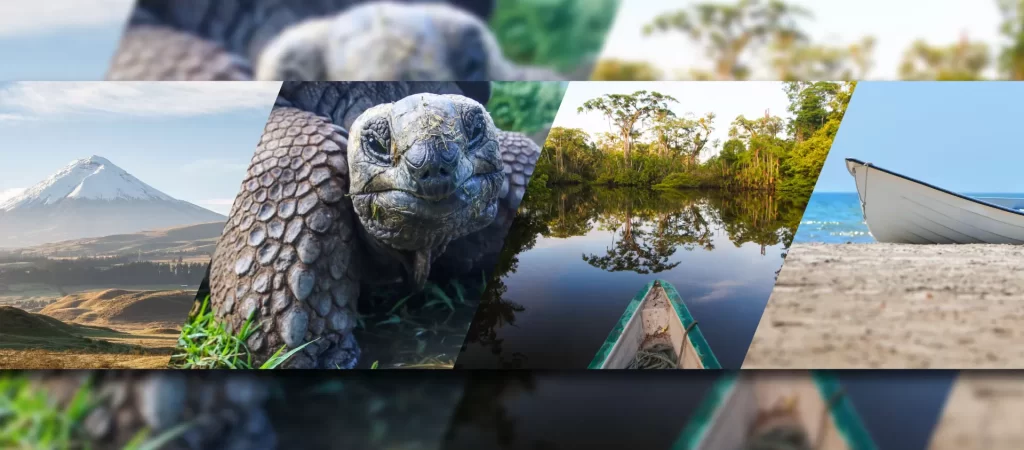
Die beliebtesten Reiseziele in Ecuador für 2023 und 2024
21.05.2026
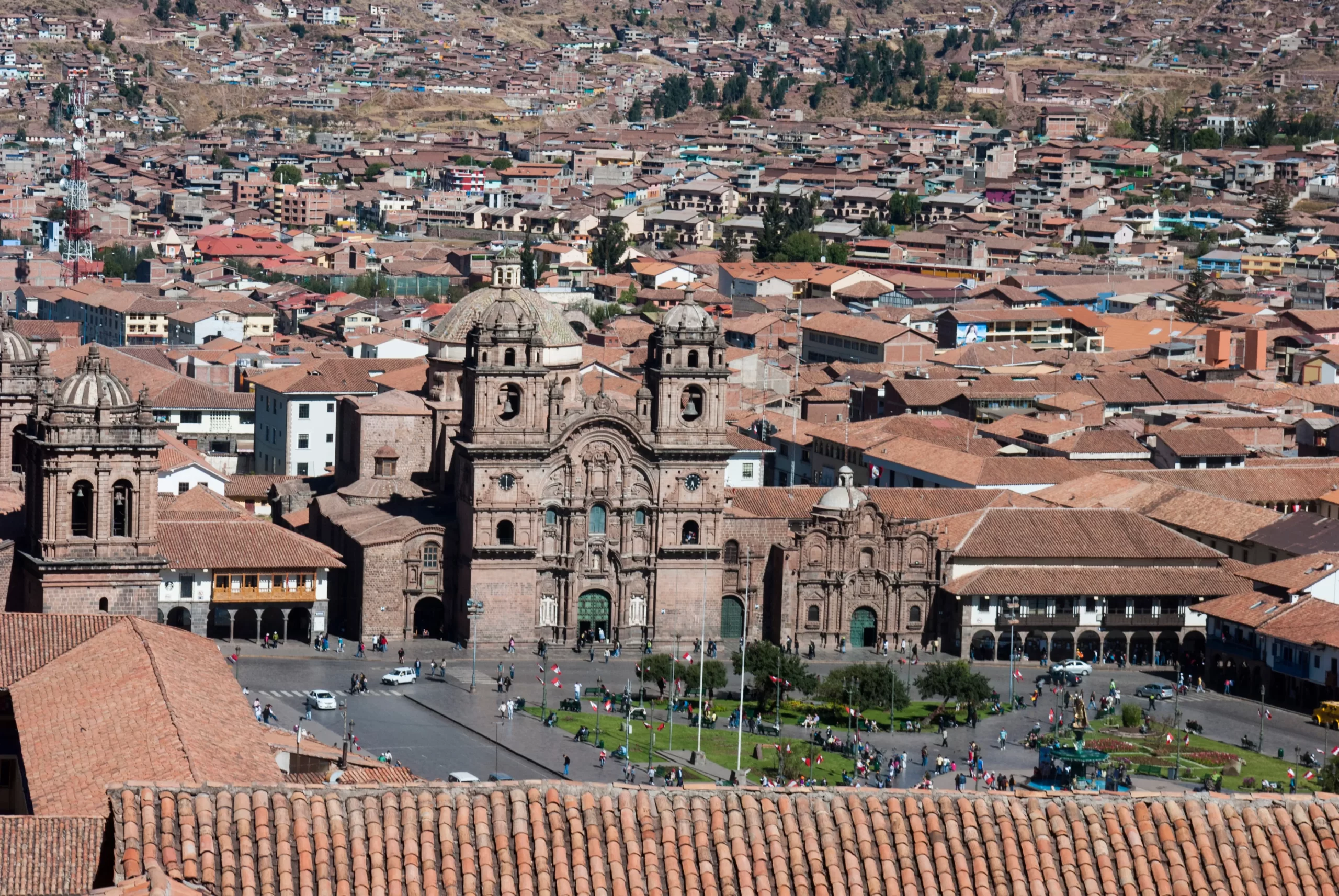
The Best Tourist Places to See in Cusco ?
Das Naturschutzgebiet Cuyabeno – Ein einzigartiger ecuadorianischer Regenwald in Killas
BY RESPONSIBLE TRAVEL
WARUM SOLLTE MAN CUYABENO BESUCHEN?
Cuyabeno bietet ein Erlebnis, das geprägt ist vondieDie Logik von Wasser und Wald im Zusammenspiel. Hier entstehen ökologische Muster aus den Wechselwirkungen zwischen saisonalen Überschwemmungen, der Flussführung und der strukturellen Komplexität tropischer Feuchtgebiete. Das Netz aus Schwarzwasserflüssen und -seen des Naturschutzgebiets dient nicht nur dem Wassertransport – esbestimmt, wo Arten fressen, brüten und wandern, und wie sich Gemeinschaften im Laufe der Geschichte durch den Wald bewegt und dort gelebt haben.
Diese Umgebung lädt zu einer anderen Art des Reisens ein: zu einer Reise, bei der Beobachtung die Eile ablöst und bei der das Verständnis daraus entsteht, dass man zusieht, wie sich das Leben nach seinen eigenen Rhythmen entfaltet.
WAS MACHT CUYABENO ZU MEHR ALS NUR EINEM NATURSCHUTZGEBIET?
Cuyabenobezieht sich sowohl auf eine größere Region im Amazonasgebiet als auch auf das offizielle Schutzgebiet, das alsNaturschutzgebiet Cuyabeno, gegründet 1979 und mit einer Fläche von fast590.000 Hektarim nordöstlichen Amazonasgebiet Ecuadors, das sich über die ProvinzenSucumbíos und Orellana.
Was Cuyabeno auszeichnet, istdie Kontinuität zwischen seiner ökologischen Funktion und der menschlichen Präsenz. Das Schutzgebiet bewahrt ein Mosaik ausÜberschwemmte Wälder, Schwarzwasserflüsse und saisonale Feuchtgebiete— Ökosysteme, die in direkter Verbindung mitGebiete und Kulturen indigener Völkerdie seit Generationen mit diesen Landschaften leben und von ihnen gelernt haben. In Cuyabeno verschmelzen Naturschutz und kulturelle Kontinuität zu einem Gebiet, in dem ökologische Prozesse und überliefertes Wissen nicht voneinander getrennt sind, sondern aktiv wirken und beobachtbar sind.
WIE FLÜSSE DAS LAND PRÄGEN
Am Zusammenfluss von Cuyabeno und Aguarico liegtLa Bocana, ein Ort von ökologischer und kultureller Bedeutung, an dem Wasserchemie, Strömungsverhältnisse und traditionelle Reisewege zusammenlaufen.
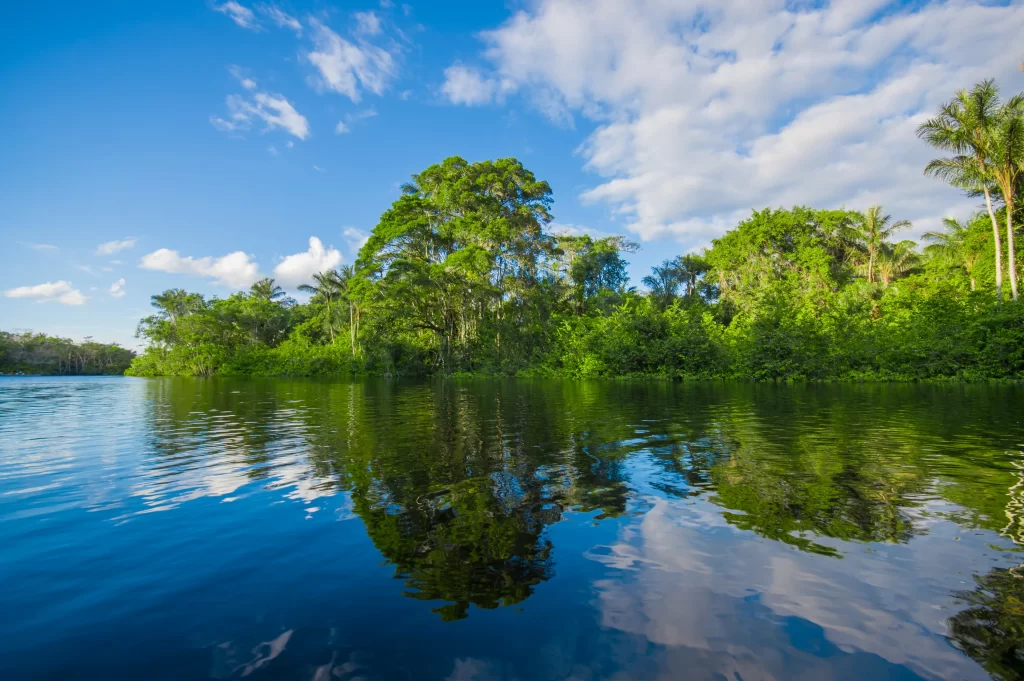
Flüsse bilden das Rückgrat der räumlichen und ökologischen Struktur von Cuyabeno. Zur Hydrologie des Schutzgebiets gehören wichtige Wasserläufe wie derFluss Aguarico, dasCuyabeno-Fluss, dasFluss Zábalo, und dieBalatá-Fluss, umrahmt von miteinander verbundenen Seen wieAgrio-SeeundLake Grande. Diese Wasserläufe bildendie wichtigsten Verkehrswege und ökologischen Korridore, wodurch sie Straßen praktisch ersetzen und die Art und Weise prägen, wie sich Tierarten und Menschen in diesem Gebiet fortbewegen.
REISEN DURCH CUYABENO: DAS KILLAS-ERLEBNIS
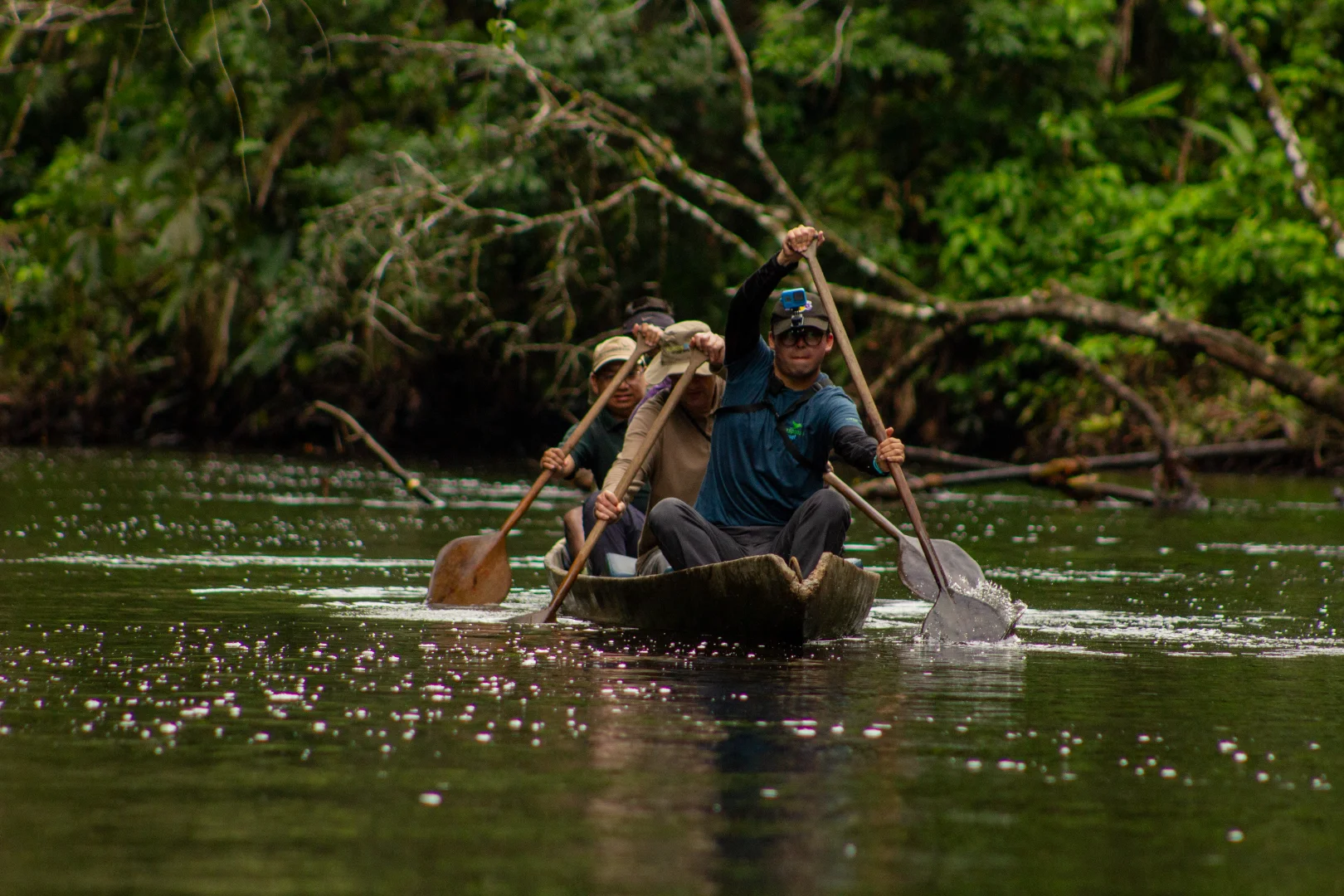
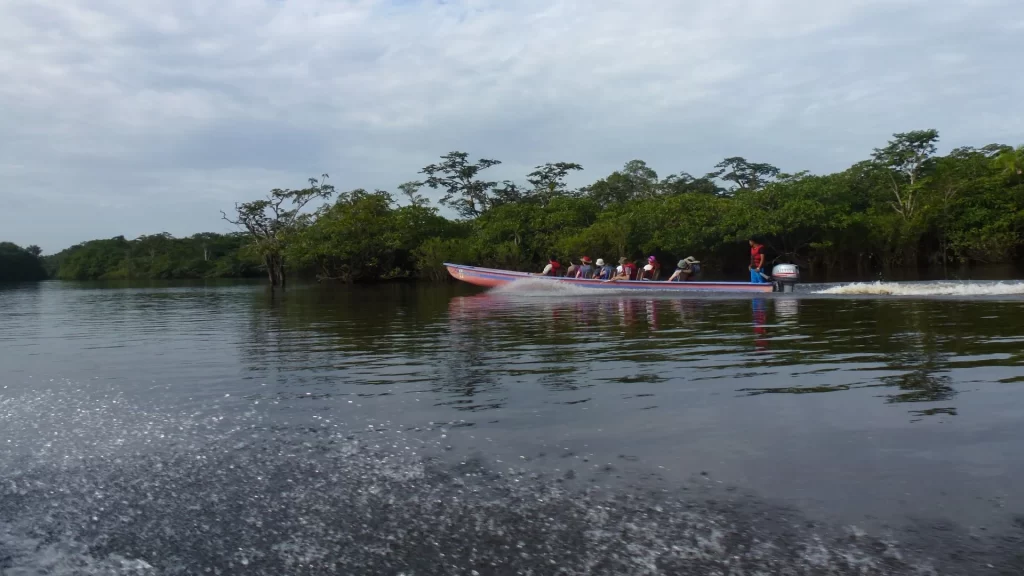
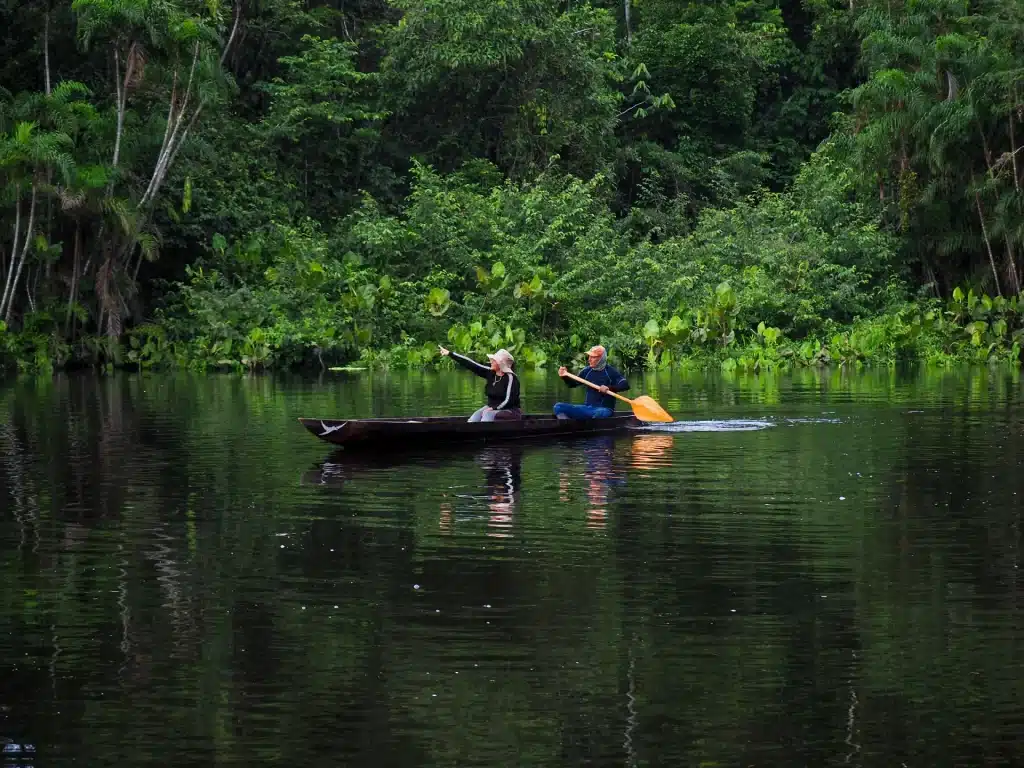
Die beste Art, dieses Gebiet zu erkunden, ist mit dem Kanu.Killas, traditionelle KanusSie werden von einheimischen Familien hergestellt und genutzt und bieten eine umweltfreundliche Fortbewegungsmöglichkeit. Mit Kanus können Besucher Gebiete erreichen, die mit Motorbooten nicht zugänglich sind. Ihre Nutzung fördert einen umweltverträglichen Tourismus und ermöglicht es einheimischen Führern, ihr Wissen weiterzugeben, das durch ihre Erfahrungen und ihr Leben am Fluss geprägt ist. In einigen Teilen des Naturschutzgebiets sind auch geführte Wanderungen möglich, insbesondere während der Trockenzeit.
WELCHE WILDTIERE LEBEN IN DIESEN FLÜSSEN UND WÄLDERN?
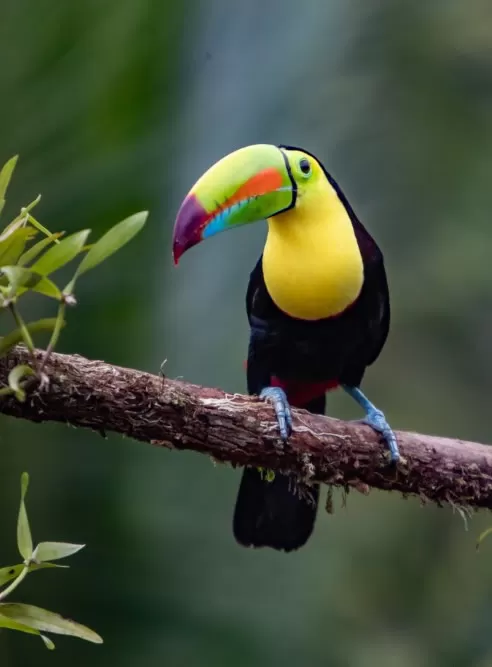
Mit über 550 nachgewiesenen Vogelarten, 12 Primatenarten und seltenen Sichtungen wie Riesenottern und Anakondas zählt das Schutzgebiet zu dendie Regionen mit der größten Artenvielfaltim oberen Amazonasgebiet. Doch in Cuyabeno geht es bei der Artenvielfalt nicht nur um Quantität – es gehtÜber die Verbindung.
IN DEN FLÜSSEN: ROSA DELFINE, OTTER UND KAIMANE
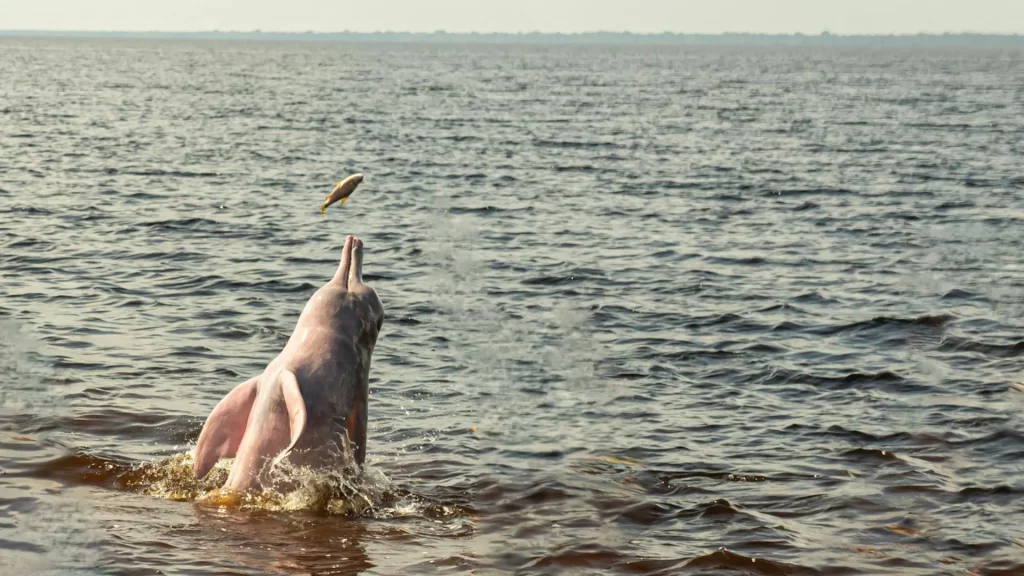
Amazonas-Rosa-Delfine
Oft tauchen sie lautlos in Ufernähe oder unter Ästen auf – am häufigsten in der Morgendämmerung oder in schattigen Lagunen.
Bemerkenswert:Ihre Anwesenheit gilt in den Weltbildern der indigenen Völker als Zeichen für ein gesundes aquatisches Ökosystem und ein spirituelles Gleichgewicht.
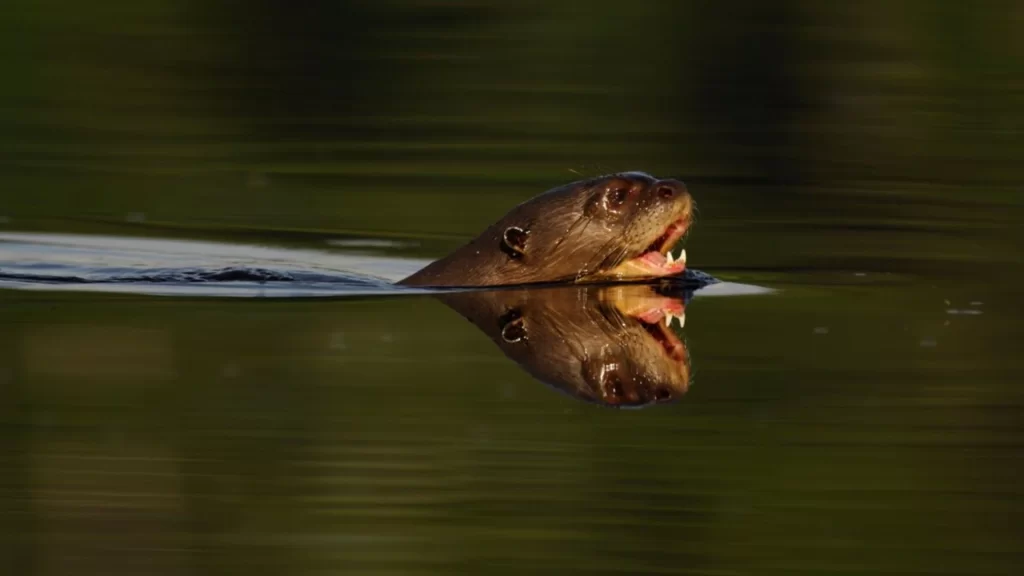
Riesenotter
Sie bewegen sich in eng verbundenen Familiengruppen, oft entlang umgestürzter Baumstämme oder an flachen Ufern entlang.
Bemerkenswert:Ihr synchronisiertes Schwimmen und ihre Lautäußerungen zeugen von einer ausgeprägten sozialen Organisation und einem ausgeprägten Revierbewusstsein.
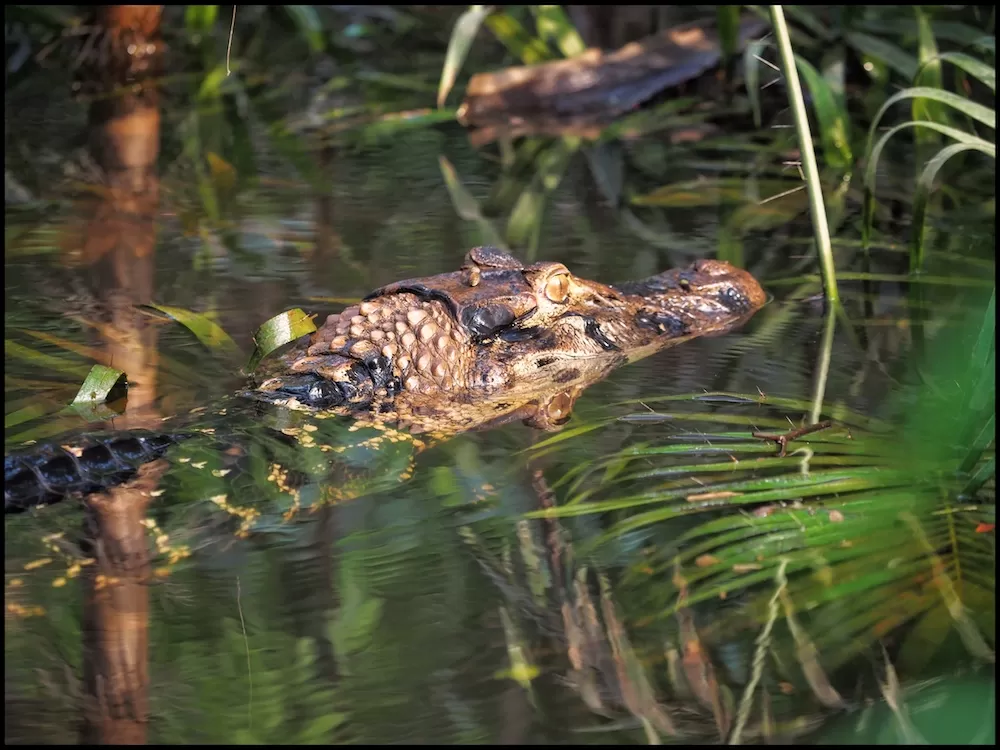
Kaimane
Werden Sie nachts besser sichtbar, wenn ihre Augen das Licht über der ruhigen Oberfläche reflektieren.
Bemerkenswert:Diese Reptilien sind Spitzenprädatoren im Wasser und tragen zur Regulierung der Fischbestände bei.
IN DEN BÄUMEN: ARAS, AFFEN UND HARPYIENADLER
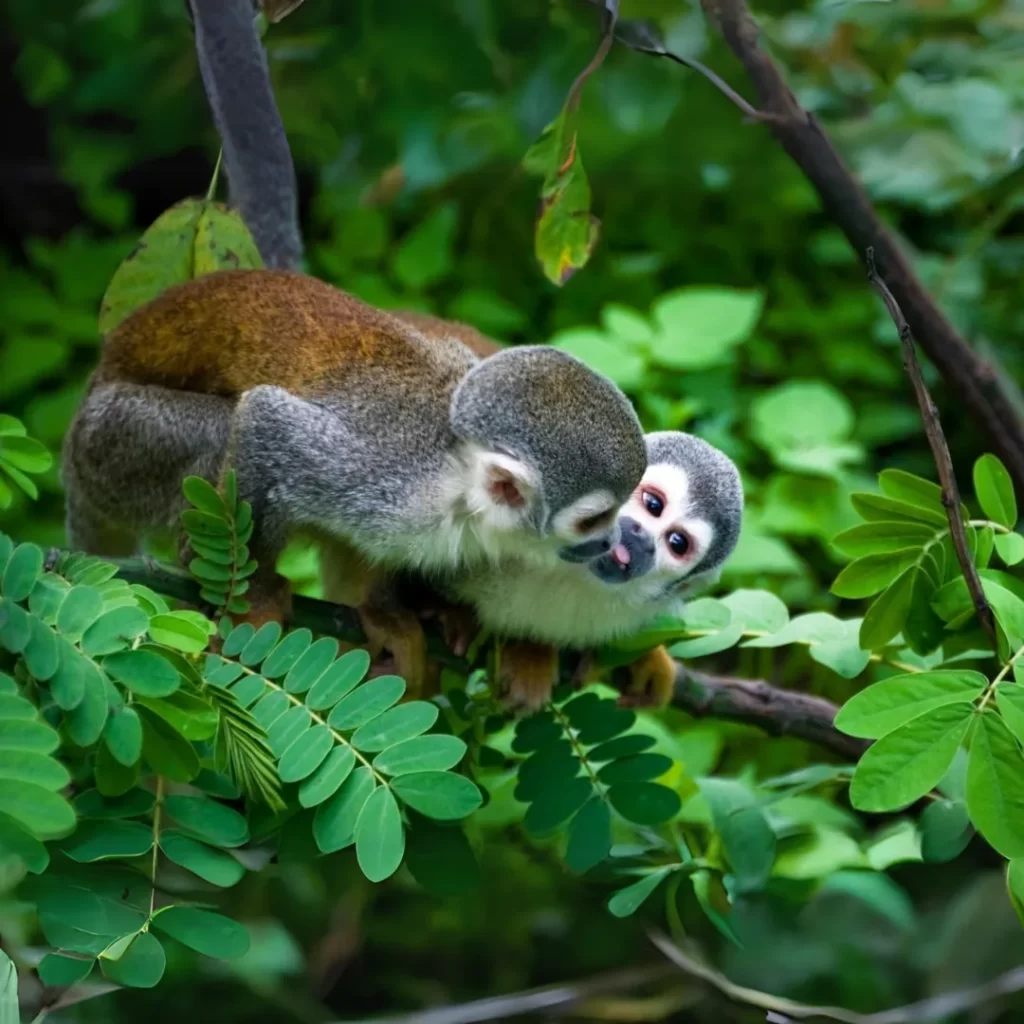
Brüllaffen, Eichhörnchenaffen und Kapuzineräffchen
Sie bilden kleine Gruppen, die sich durch das Blätterdach bewegen und nach Früchten und Insekten suchen.
Bemerkenswert:Brüllaffen dienen aufgrund ihrer empfindlichen Ernährung und ihres Stimmumfangs als Frühindikatoren für den Gesundheitszustand des Waldes.
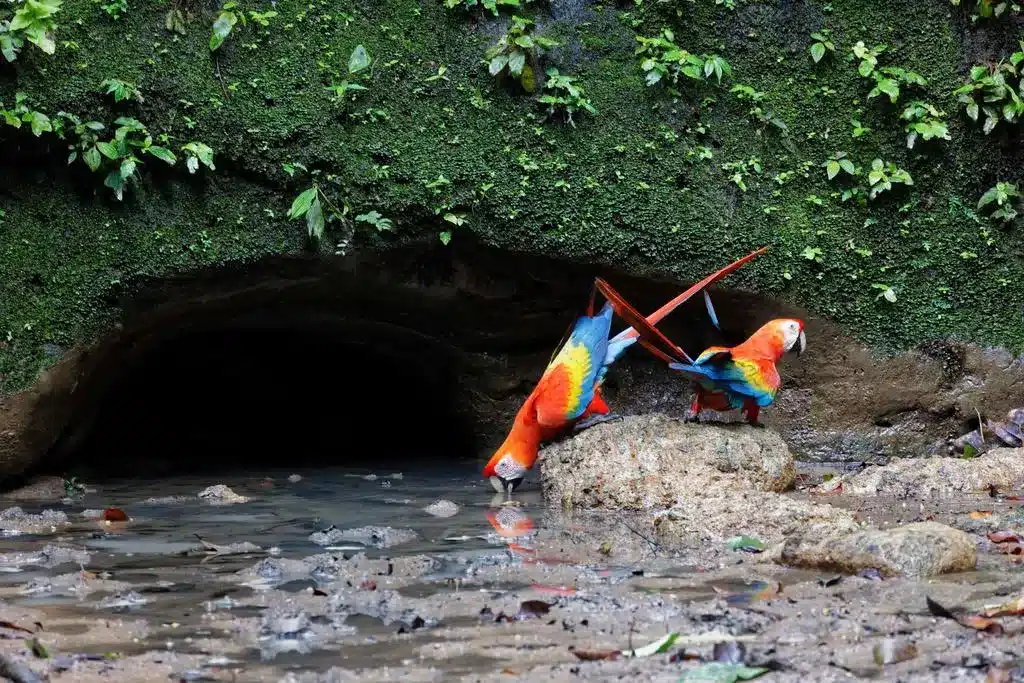
Aras
Sie fliegen bei Sonnenaufgang und Sonnenuntergang in lauten, bunten Schwärmen.
Bemerkenswert:Ihre Schnabelkraft und ihre Fressgewohnheiten tragen zur Samenverbreitung bei – was für die Waldverjüngung unerlässlich ist.
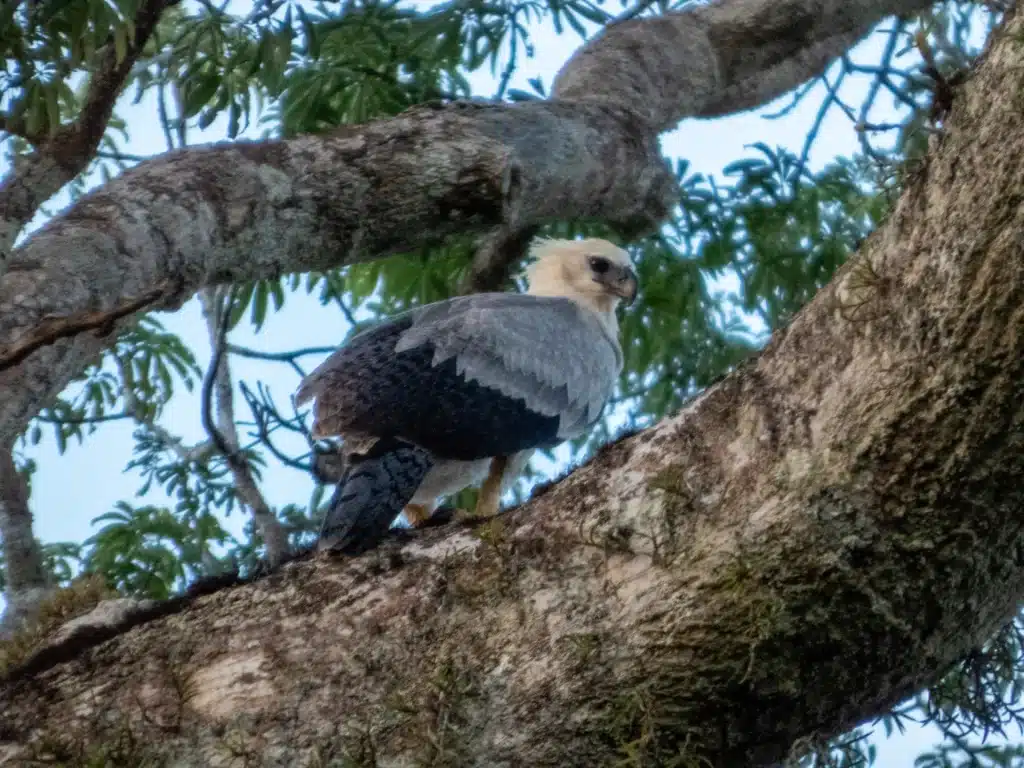
Harpyienadler
Obwohl sie nur selten zu sehen sind, leben sie in hohen, aus dem Wasser ragenden Bäumen.
Bemerkenswert:Ihre Anwesenheit deutet auf ein intaktes und ungestörtes Nahrungsnetz hin, da sie große Lebensräume und alte Wälder benötigen.
SICHTBAR UND UNSICHTBAR: DER RHYTHMUS DES WALDES
Nicht jede Begegnung findet in Sichtweite statt. Manche Tiere bleiben im Unterholz verborgen. Andere geben ihre Anwesenheit nur durch Geräusche, Gerüche oder sich bewegende Schatten preis.
Bemerkenswert:Der Wald belohnt die Stille – nicht mit Garantien, sondern mit Möglichkeiten.
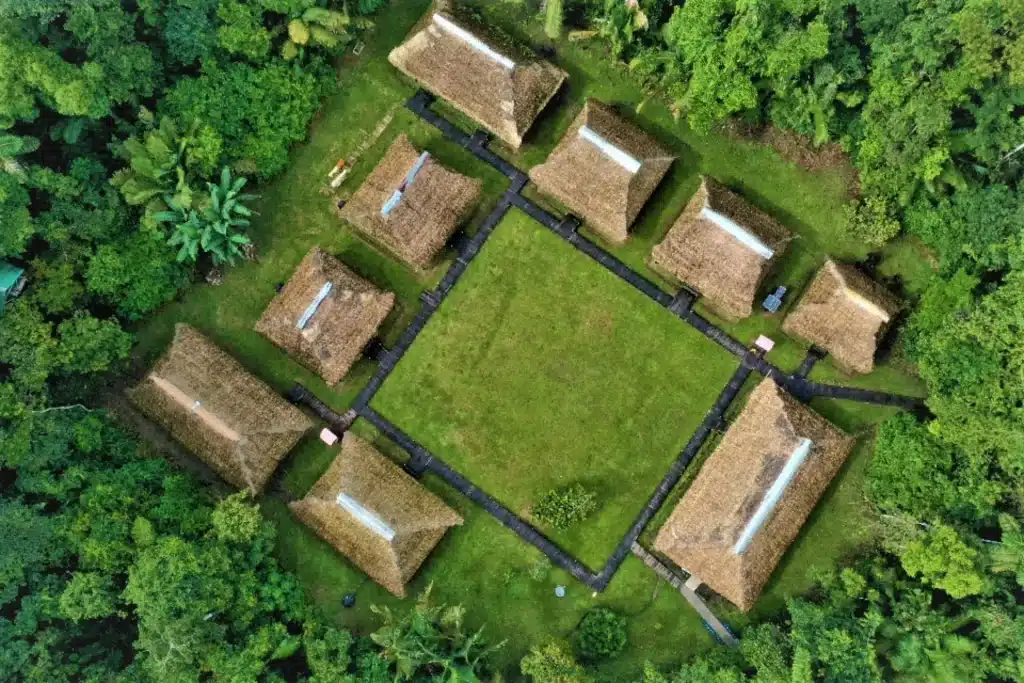
ÜBERNACHTEN IM RESERVAT: LOKALE UND DIREKT AM FLUSS GELEGENE LODGES
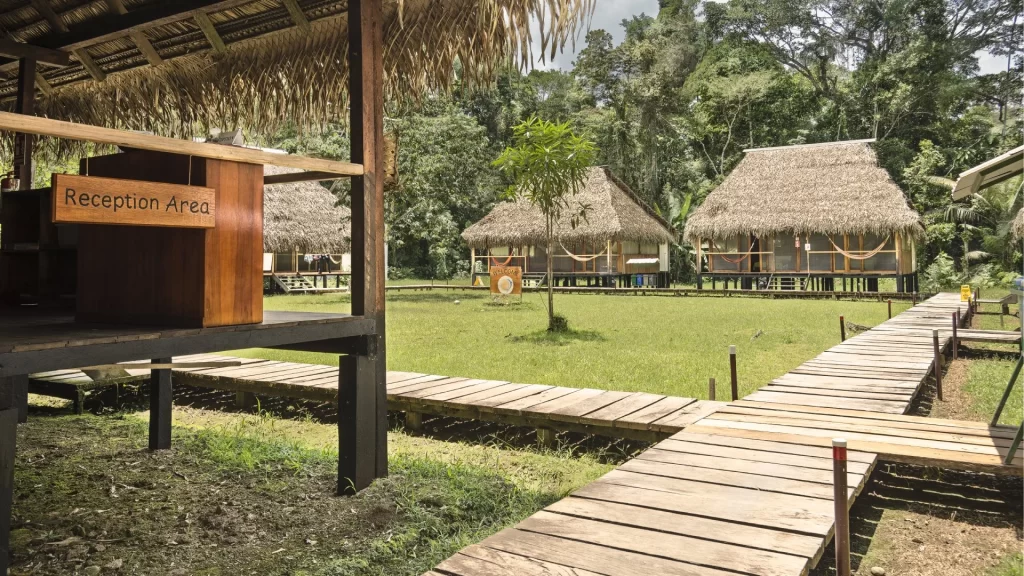
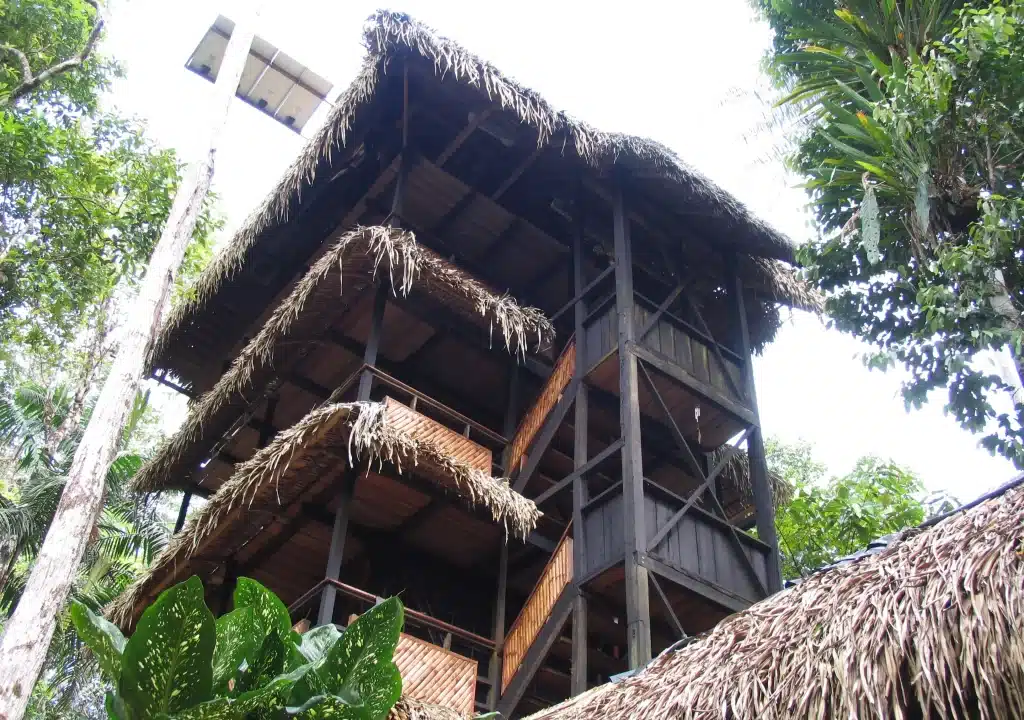
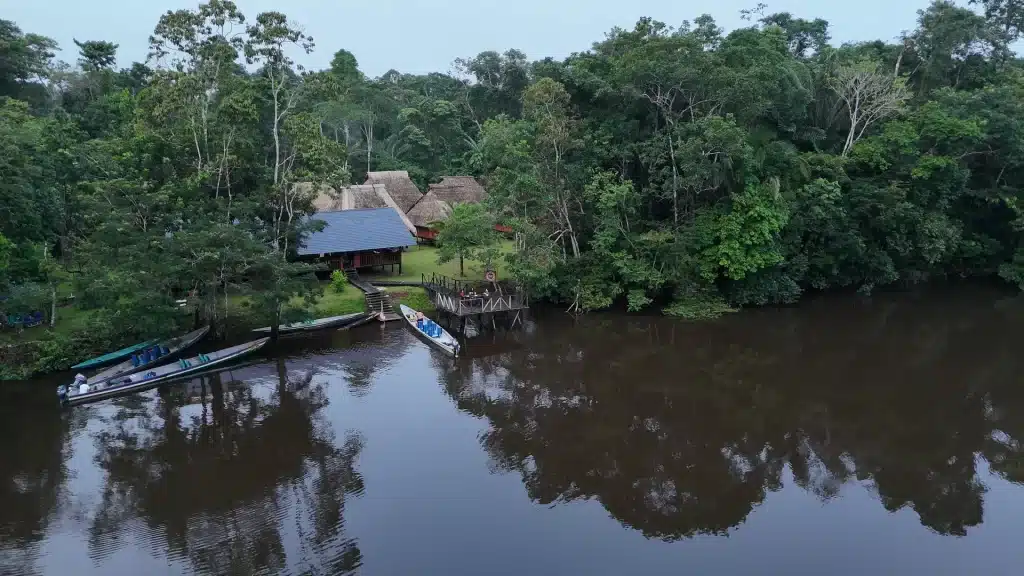
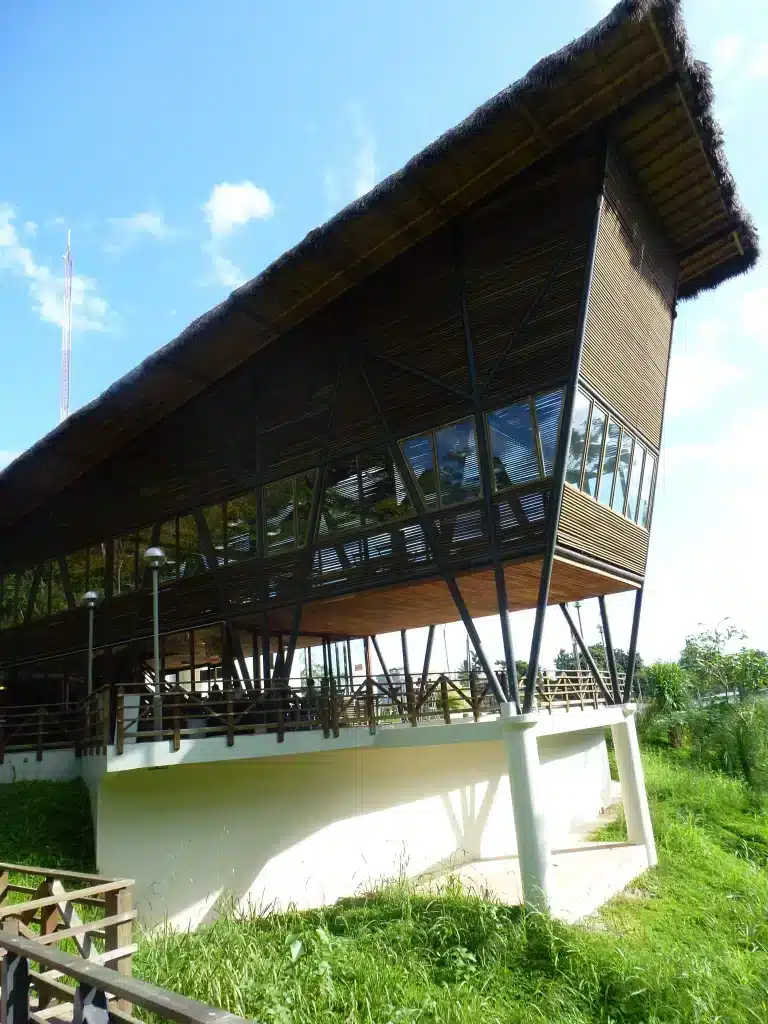
Cuyabeno bietet eine kleine, aber vielfältige Auswahl an Öko-Lodges, von denen die meisten nur über den Fluss erreichbar sind. Jede einzelne fügt sich auf ihre eigene Weise in die Landschaft ein – sei es durch ihre Architektur, die Zusammenarbeit mit den lokalen Gemeinschaften oder den Zugang zu bestimmten Ökosystemen. Während einige engere Beziehungen zu indigenen Gruppen aufgebaut haben, bieten alle Einblicke darin, wie man respektvoll im Regenwald leben kann.
TAPIR LODGE
In der Nähe des Flusses Cuyabeno
Die Tapir Lodge wurde in Zusammenarbeit mit dem Volk der Siona erbaut und verfügt über erhöhte Türme und Vogelbeobachtungsplattformen.
Bemerkenswert:Es werden geführte Kanutouren durch Igapó-Wälder angeboten, und das Projekt gilt als Vorbild für gemeindebasierten Tourismus.
WAITA LODGE
Unterer Cuyabeno-Fluss
Beschäftigt einen Großteil seiner Mitarbeiter aus den umliegenden Gemeinden.
Bemerkenswert:Legt den Schwerpunkt auf ruhige Aktivitäten wie Stand-up-Paddling und Ausflüge am frühen Morgen.
CUYABENO LODGE
Laguna Grande
Diese Lodge, die zu den ältesten der Region zählt, bietet Zugang zu einer der artenreichsten Lagunen des Naturschutzgebiets.
Bemerkenswert:Bietet bei Sonnenaufgang Kanufahrten im Nebel zur Vogelbeobachtung an.
CUYABENO RIVER LODGE
Flussbett des Cuyabeno
Eine eher abgeschiedene Option, die sich besonders für ruhige Erkundungstouren eignet.
Bemerkenswert:In der Nähe von weniger frequentierten Lagunen gelegen, die sich ideal für die Beobachtung von rosa Delfinen eignen.
TUCAN LODGE
Mittlerer Abschnitt des Cuyabeno-Flusses
Diese rustikale und kompakte Lodge ist auf kleine Gruppen und Individualreisende ausgerichtet.
Bemerkenswert:Bei Waldspaziergängen stehen Heilpflanzen und ihre traditionellen Verwendungszwecke im Mittelpunkt.
NICKY AMAZON LODGE
Ufer des Cuyabeno
Schafft ein Gleichgewicht zwischen Ausflügen in die Natur und Besuchen in den Gemeinden.
Bemerkenswert:Veranstaltet, sofern möglich, Erzählabende mit älteren Einwohnern der Region.
CUYABENO-WILDTIERZENTRUM
Innerer Bereich des Naturschutzgebiets
Konzipiert für intensive, längere Aufenthalte in abgelegenen Teilen des Naturschutzgebiets.
Bemerkenswert:Bei Nachtführungen lassen sich häufig Kaimane und nachtaktive Säugetiere beobachten.
WER SCHÜTZT DIESES GEBIET? DIE INDIGENEN GEMEINSCHAFTEN VON CUYABENO
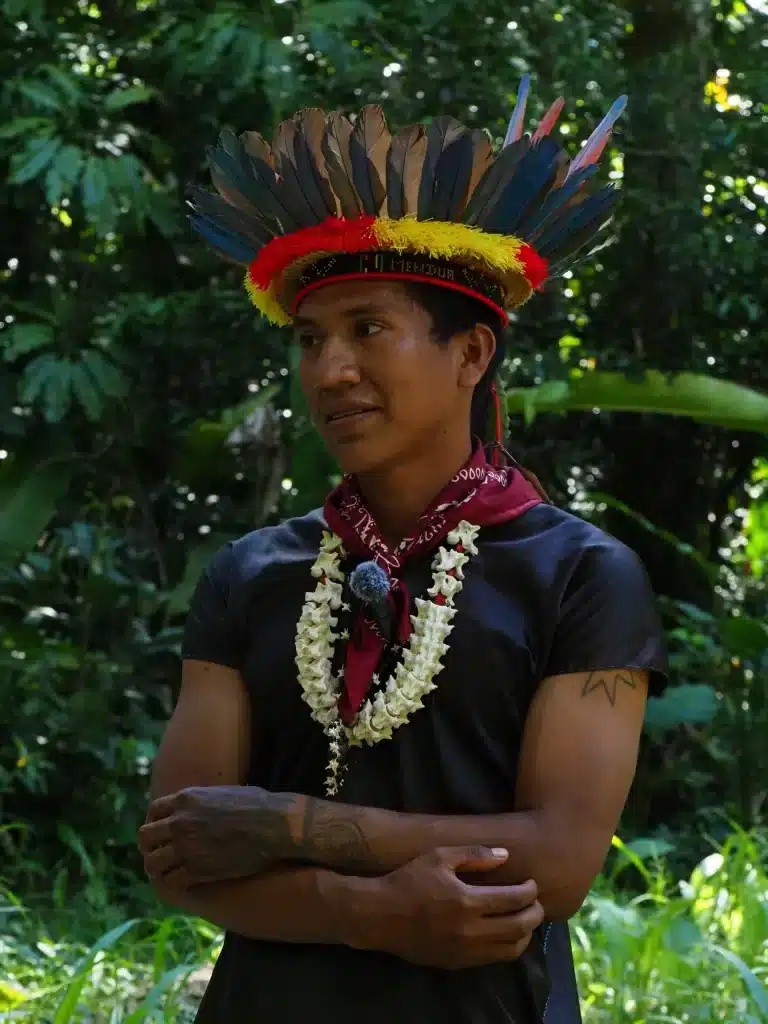
Cuyabeno ist zudem eine lebendige Kulturlandschaft. MehrereIndigene Völkerdie weiterhin in seinen Wäldern und Flüssen leben, jede mit ihrer eigenen Sprache, ihrer eigenen Erinnerung und ihrer eigenen Beziehung zum Land.
SIONA: DIE HÜTER DES WISSENS ÜBER DEN FLUSS
Die Siona, die hauptsächlich am Cuyabeno-Fluss leben, sind bekannt für ihre Fähigkeiten in den Bereichen Navigation, traditionelle Medizin und ihr Wissen über die zyklischen Abläufe des Waldes. Der zeremonielle Gebrauch von Yajé ist nach wie vor ein wesentlicher Bestandteil ihres spirituellen Lebens.
SECOYA: STIMMEN DER ZÁBALO
Die Secoya leben in der Nähe des Zábalo-Flusses und sind bekannt für ihre mündliche Erzähltradition, die Weitergabe ihrer Sprache von Generation zu Generation und ihre ökologischen Beobachtungen, die auf jahrhundertelanger Praxis beruhen.
COFÁN: DIE BESCHÜTZER DES AGUARICO
Entlang des Aguarico-Flusses verteidigen die Cofán weiterhin ihre angestammten Gebiete. Ihre Anführer sprechen oft vom Wald als einem Lehrer – einem Ort des Lernens, nicht nur des Lebens.
KICHWA: DIE BAUERN DES CHAKRA
Die Kichwa, die an den südlichen Rändern des Schutzgebiets leben, pflegen durch die „Chakras“ – Mischkulturgärten, die sowohl der Gemeinschaft als auch dem Boden zugutekommen – eine tiefe Verbundenheit mit der Waldlandwirtschaft.
LEBENDIGE PROJEKTE: NATURSCHUTZ ÜBER DEN BESUCH HINAUS
Neben der Tierbeobachtung bietet Cuyabeno verschiedenegemeinschaftsbezogene und auf den Naturschutz ausgerichtete Initiativendie ökologischen Schutz und kulturelle Kontinuität miteinander verbinden. Dabei handelt es sich nicht um „Touristenshows“ – sie stehen füraktive Reaktionen auf Umweltveränderungen, kulturelles Überleben und gemeinsame Verantwortung.
SCHUTZ DER CHARAPA-SCHILDKRÖTE – EINE INITIATIVE DER GEMEINDE UND IHRER PARTNER
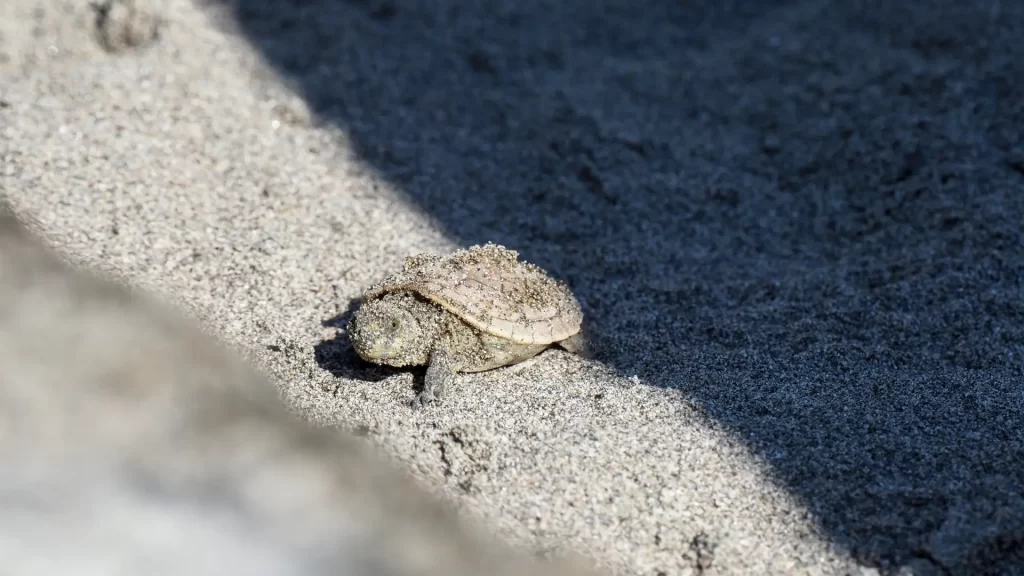
DieGemeinschaftsprogramm zum Charapa-Management (CCMP)In Zábalo engagieren sich die Anwohner gemeinsam für den Schutz der Flussschildkröten (Podocnemis unifilisundP. expansa). Nach einem deutlichen Rückgang der Schildkrötenpopulationen,Führungskräfte der örtlichen Gemeinde haben sich mit … zusammengetanWWF Ecuador, die Stiftung „Fundación Sobrevivencia Cofán“ und das ecuadorianische Nationale Institut für Biodiversität (INABIO)im Rahmen eines jahrzehntelangen Ansatzes zum Bestandsmanagement, der zu einem messbaren Anstieg der Populationsschätzungen geführt hat. Dieses Projekt verbindettraditionelle Wachsamkeit und moderne Überwachungsmethodenum den Bruterfolg an Flussufern zu sichern.
Mehrere Gemeinden am Flussufer pflegenHeilpflanzenbeetedie ethnobotanisches Wissen bewahren und weitergeben. Diese Gärten spiegeln überlieferte Heiltraditionen wider und dienen als informelle Sammelstellen fürlokal verwendete Heilpflanzen. Sie werden oft von Frauen geleitet und betreut, wodurch der verantwortungsvolle Umgang mit Pflanzen fest verankert wird inAlltag und Gesundheitspraktiken in der Gemeinschaft.
INDIGENES KUNSTHANDWERK UND KULTURELLE LERNPRAKTIKEN
Handwerkliche Produkte – wie Ohrringe, Halsketten und Schmuckstücke aus natürlichen Materialien – sind nach wie vor eineine kulturelle Praxis, die von Kindheit an weitergegeben wirdinnerhalb indigener Familien. Zwar hat der Tourismus die Nachfrage beeinflusst, doch diese Praktiken tragen dazu bei,Generationenübergreifendes Lernen und materielles Gedächtnisanstatt reine kommerzielle Artefakte zu sein.
VERANSTALTUNGEN ZUM KULTURELLEN AUSTAUSCH
In Dörfern wie Zábalo und anderen entlang des Flusskorridors teilen sich die Familien zeitweiseLieder, Tänze, Sprache und Geschichtenmit Besuchern. Dabei handelt es sich nicht um inszenierte Darbietungen, sondernAusdrucksformen gelebter Erkenntnistheorien, und zeigt dabei auf, wie Wissen und Identität an einem Ort aufrechterhalten werden.
CUYABENO KICHWA LODGE – VON INDIGENEN GELEITETER NATURSCHUTZ UND GASTFREUNDSCHAFT
Gegründet im Jahr 2019 inStrände von Cuyabenovon der örtlichen Kichwa-Gemeinde und unter der Leitung indigener Führungskräfte,Cuyabeno Kichwa Lodge und Kichwa Wildlife Center S.A.S.betreibt touristische Aktivitäten, die die Lebensgrundlagen sichern und gleichzeitig fürnachhaltiges Engagement für die Gesundheit der Ökosysteme und das kulturelle Erbe. Dieses Projekt steht im Einklang mit mehreren Nachhaltigkeitszielen der Vereinten Nationen und verbindet das Wohlergehen der Gemeinschaft mit dem Umweltschutz.
AMAZON-NATURSCHUTZPROJEKT (ZUSAMMENARBEIT MIT DRITTEN)
Organisationen wie dieAmazonas-Naturschutzprojekt, in Zusammenarbeit mit lokalen Akteuren und forstwissenschaftlichen Initiativen, wie sie beispielsweise von derCuyabeno-Wildtierzentrum, darauf hinarbeitenlangfristiger Schutz der Ökosysteme des Amazonasgebietsdurch Überwachung, Aufklärung und Datenerhebung, die in umfassendere Naturschutznetzwerke einfließen.
BEVOR SIE LOSPADDELN: WICHTIGE INFORMATIONEN ZUR TOUR
Brauche ich eine Genehmigung, um das Naturschutzgebiet Cuyabeno zu betreten?
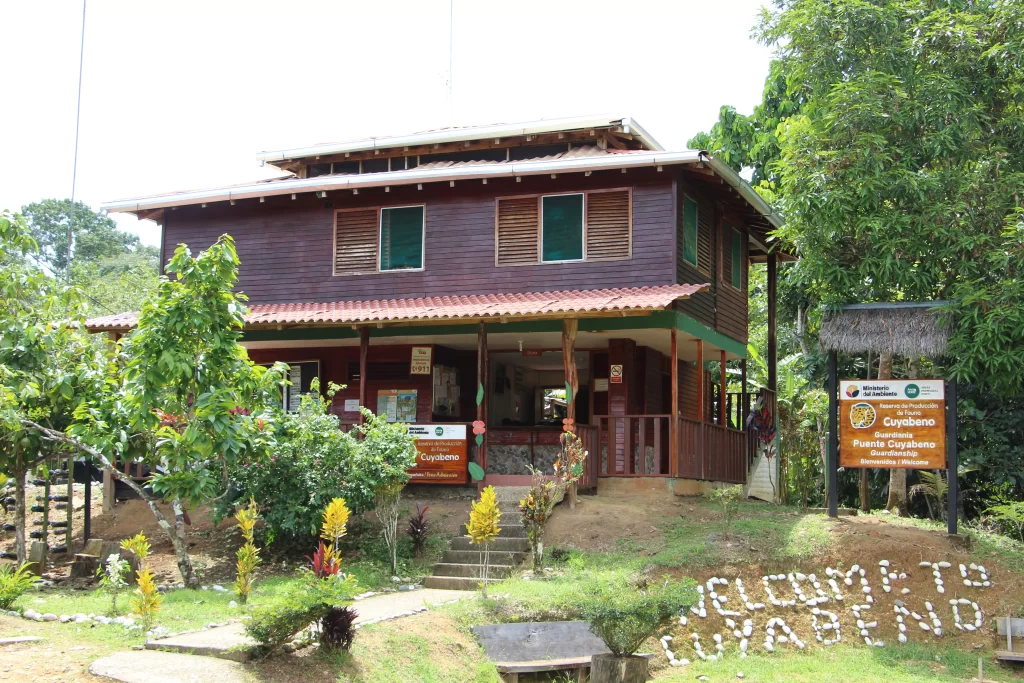
Der Zutritt zum Cuyabeno-Nationalpark ist kostenlos und erfordert keine gesonderte Genehmigung. Besucher müssen sich an der offiziellen Kontrollstelle (El Puente) anmelden und in Begleitung eines zugelassenen Reiseveranstalters den Park betreten. Dieses System dient der Sicherheit der Besucher und dem Umweltmanagement im Rahmen des ecuadorianischen Schutzgebietssystems (Umweltministerium / SNAP).
Kann man in Cuyabeno das ganze Jahr über Wildtiere beobachten?
Ja. Wildtiere sind das ganze Jahr über anzutreffen, doch die Sichtverhältnisse ändern sich je nach Wasserstand. In Zeiten hohen Wasserstands ziehen Schwarzwasserflüsse Wasserlebewesen an; bei niedrigem Wasserstand konzentrieren sich die Wildtiere entlang der Flussufer. Die besten Beobachtungsmöglichkeiten bieten sich am frühen Morgen und am späten Nachmittag.
Sind Schwarzwasserflüsse für die Schifffahrt und zum Schwimmen geeignet?
Die Flüsse von Blackwater sind für geführte Bootsfahrten sicher. Schwimmen ist in bestimmten Gebieten wie der Laguna Grande üblich, wo offenes Wasser und der natürliche Säuregehalt das Risiko verringern. Das Schwimmen erfolgt stets unter Aufsicht eines Führers und nur an dafür vorgesehenen Stellen.
Welche Grundausrüstung sollten Besucher mitbringen?
Leichte Kleidung mit langen Ärmeln, wasserdichtes Schuhwerk, Insektenschutzmittel, ein Fernglas, Sonnenschutz und eine wiederverwendbare Wasserflasche. Die meisten Lodges stellen Gummistiefel und Regenbekleidung zur Verfügung, dennoch wird empfohlen, eigene Komfortartikel mitzubringen.
Gibt es Regeln für den Umgang mit Wildtieren?
Ja. Wildtiere müssen aus respektvoller Entfernung beobachtet werden. Das Füttern von Tieren oder das Annähern an Nester ist verboten. Die Reiseleiter halten sich an Naturschutzvorschriften, die den ecuadorianischen Umweltbestimmungen entsprechen, um die Belastung der Tierarten zu verringern.
Inwiefern beteiligen sich indigene Gemeinschaften am Naturschutz?
Die Gemeinschaften der Siona, Secoya, Cofán und Kichwa leisten ihren Beitrag durch traditionelles ökologisches Wissen, Überwachungsprogramme und Naturschutzinitiativen wie den Schutz von Schildkröten und die Pflege von Lebensräumen.
Kann ich die Ausstellung ohne Führung besuchen?
Nein. Der eigenständige Zutritt ist nicht gestattet. Besucher müssen in Begleitung eines zugelassenen Naturführers über eine autorisierte Lodge das Gebiet betreten, um Sicherheit, Orientierung und Umweltschutz zu gewährleisten.
Das Naturschutzgebiet Cuyabeno – Ein einzigartiger ecuadorianischer Regenwald in Killas
BY RESPONSIBLE TRAVEL
Cuyabeno ist einBlackwater-Amazonas-Reservatwo ausgedehnte Auwälder, ein Netz aus miteinander verflochtenen Lagunen und die seit Urzeiten praktizierte Schifffahrt durchKillasKanus prägen das Landschaftsbild.
WARUM SOLLTE MAN CUYABENO BESUCHEN?
Cuyabeno bietet ein Erlebnis, das geprägt ist vondieDie Logik von Wasser und Wald im Zusammenspiel. Hier entstehen ökologische Muster aus den Wechselwirkungen zwischen saisonalen Überschwemmungen, der Flussführung und der strukturellen Komplexität tropischer Feuchtgebiete. Das Netz aus Schwarzwasserflüssen und -seen des Naturschutzgebiets dient nicht nur dem Wassertransport – esbestimmt, wo Arten fressen, brüten und wandern, und wie sich Gemeinschaften im Laufe der Geschichte durch den Wald bewegt und dort gelebt haben.
Diese Umgebung lädt zu einer anderen Art des Reisens ein: zu einer Reise, bei der Beobachtung die Eile ablöst und bei der das Verständnis daraus entsteht, dass man zusieht, wie sich das Leben nach seinen eigenen Rhythmen entfaltet.
WAS MACHT CUYABENO ZU MEHR ALS NUR EINEM NATURSCHUTZGEBIET?
Cuyabenobezieht sich sowohl auf eine größere Region im Amazonasgebiet als auch auf das offizielle Schutzgebiet, das alsNaturschutzgebiet Cuyabeno, gegründet 1979 und mit einer Fläche von fast590.000 Hektarim nordöstlichen Amazonasgebiet Ecuadors, das sich über die ProvinzenSucumbíos und Orellana.
Was Cuyabeno auszeichnet, istdie Kontinuität zwischen seiner ökologischen Funktion und der menschlichen Präsenz. Das Schutzgebiet bewahrt ein Mosaik ausÜberschwemmte Wälder, Schwarzwasserflüsse und saisonale Feuchtgebiete— Ökosysteme, die in direkter Verbindung mitGebiete und Kulturen indigener Völkerdie seit Generationen mit diesen Landschaften leben und von ihnen gelernt haben. In Cuyabeno verschmelzen Naturschutz und kulturelle Kontinuität zu einem Gebiet, in dem ökologische Prozesse und überliefertes Wissen nicht voneinander getrennt sind, sondern aktiv wirken und beobachtbar sind.
WIE FLÜSSE DAS LAND PRÄGEN
Am Zusammenfluss von Cuyabeno und Aguarico liegtLa Bocana, ein Ort von ökologischer und kultureller Bedeutung, an dem Wasserchemie, Strömungsverhältnisse und traditionelle Reisewege zusammenlaufen.
Flüsse bilden das Rückgrat der räumlichen und ökologischen Struktur von Cuyabeno. Zur Hydrologie des Schutzgebiets gehören wichtige Wasserläufe wie derFluss Aguarico, dasCuyabeno-Fluss, dasFluss Zábalo, und dieBalatá-Fluss, umrahmt von miteinander verbundenen Seen wieAgrio-SeeundLake Grande. Diese Wasserläufe bildendie wichtigsten Verkehrswege und ökologischen Korridore, wodurch sie Straßen praktisch ersetzen und die Art und Weise prägen, wie sich Tierarten und Menschen in diesem Gebiet fortbewegen.
REISEN DURCH CUYABENO: DAS KILLAS-ERLEBNIS
Die beste Art, dieses Gebiet zu erkunden, ist mit dem Kanu.Killas, traditionelle KanusSie werden von einheimischen Familien hergestellt und genutzt und bieten eine umweltfreundliche Fortbewegungsmöglichkeit. Mit Kanus können Besucher Gebiete erreichen, die mit Motorbooten nicht zugänglich sind. Ihre Nutzung fördert einen umweltverträglichen Tourismus und ermöglicht es einheimischen Führern, ihr Wissen weiterzugeben, das durch ihre Erfahrungen und ihr Leben am Fluss geprägt ist. In einigen Teilen des Naturschutzgebiets sind auch geführte Wanderungen möglich, insbesondere während der Trockenzeit.
WELCHE WILDTIERE LEBEN IN DIESEN FLÜSSEN UND WÄLDERN?
Mit über 550 nachgewiesenen Vogelarten, 12 Primatenarten und seltenen Sichtungen wie Riesenottern und Anakondas zählt das Schutzgebiet zu dendie Regionen mit der größten Artenvielfaltim oberen Amazonasgebiet. Doch in Cuyabeno geht es bei der Artenvielfalt nicht nur um Quantität – es gehtÜber die Verbindung.
IN DEN FLÜSSEN: ROSA DELFINE, OTTER UND KAIMANE
Amazonas-Rosa-Delfine
Oft tauchen sie lautlos in Ufernähe oder unter Ästen auf – am häufigsten in der Morgendämmerung oder in schattigen Lagunen.
Bemerkenswert:Ihre Anwesenheit gilt in den Weltbildern der indigenen Völker als Zeichen für ein gesundes aquatisches Ökosystem und ein spirituelles Gleichgewicht.
Riesenotter
Sie bewegen sich in eng verbundenen Familiengruppen, oft entlang umgestürzter Baumstämme oder an flachen Ufern entlang.
Bemerkenswert:Ihr synchronisiertes Schwimmen und ihre Lautäußerungen zeugen von einer ausgeprägten sozialen Organisation und einem ausgeprägten Revierbewusstsein.
Kaimane
Werden Sie nachts besser sichtbar, wenn ihre Augen das Licht über der ruhigen Oberfläche reflektieren.
Bemerkenswert:Diese Reptilien sind Spitzenprädatoren im Wasser und tragen zur Regulierung der Fischbestände bei.
IN DEN BÄUMEN: ARAS, AFFEN UND HARPYIENADLER
Brüllaffen, Eichhörnchenaffen und Kapuzineräffchen
Sie bilden kleine Gruppen, die sich durch das Blätterdach bewegen und nach Früchten und Insekten suchen.
Bemerkenswert:Brüllaffen dienen aufgrund ihrer empfindlichen Ernährung und ihres Stimmumfangs als Frühindikatoren für den Gesundheitszustand des Waldes.
Aras
Sie fliegen bei Sonnenaufgang und Sonnenuntergang in lauten, bunten Schwärmen.
Bemerkenswert:Ihre Schnabelkraft und ihre Fressgewohnheiten tragen zur Samenverbreitung bei – was für die Waldverjüngung unerlässlich ist.
Harpyienadler
Obwohl sie nur selten zu sehen sind, leben sie in hohen, aus dem Wasser ragenden Bäumen.
Bemerkenswert:Ihre Anwesenheit deutet auf ein intaktes und ungestörtes Nahrungsnetz hin, da sie große Lebensräume und alte Wälder benötigen.
SICHTBAR UND UNSICHTBAR: DER RHYTHMUS DES WALDES
Nicht jede Begegnung findet in Sichtweite statt. Manche Tiere bleiben im Unterholz verborgen. Andere geben ihre Anwesenheit nur durch Geräusche, Gerüche oder sich bewegende Schatten preis.
Bemerkenswert:Der Wald belohnt die Stille – nicht mit Garantien, sondern mit Möglichkeiten.
ÜBERNACHTEN IM RESERVAT: LOKALE UND DIREKT AM FLUSS GELEGENE LODGES
Cuyabeno bietet eine kleine, aber vielfältige Auswahl an Öko-Lodges, von denen die meisten nur über den Fluss erreichbar sind. Jede einzelne fügt sich auf ihre eigene Weise in die Landschaft ein – sei es durch ihre Architektur, die Zusammenarbeit mit den lokalen Gemeinschaften oder den Zugang zu bestimmten Ökosystemen. Während einige engere Beziehungen zu indigenen Gruppen aufgebaut haben, bieten alle Einblicke darin, wie man respektvoll im Regenwald leben kann.
TAPIR LODGE
In der Nähe des Flusses Cuyabeno
Die Tapir Lodge wurde in Zusammenarbeit mit dem Volk der Siona erbaut und verfügt über erhöhte Türme und Vogelbeobachtungsplattformen.
Bemerkenswert:Es werden geführte Kanutouren durch Igapó-Wälder angeboten, und das Projekt gilt als Vorbild für gemeindebasierten Tourismus.
WAITA LODGE
Unterer Cuyabeno-Fluss
Beschäftigt einen Großteil seiner Mitarbeiter aus den umliegenden Gemeinden.
Bemerkenswert:Legt den Schwerpunkt auf ruhige Aktivitäten wie Stand-up-Paddling und Ausflüge am frühen Morgen.
CUYABENO LODGE
Laguna Grande
Diese Lodge, die zu den ältesten der Region zählt, bietet Zugang zu einer der artenreichsten Lagunen des Naturschutzgebiets.
Bemerkenswert:Bietet bei Sonnenaufgang Kanufahrten im Nebel zur Vogelbeobachtung an.
CUYABENO RIVER LODGE
Flussbett des Cuyabeno
Eine eher abgeschiedene Option, die sich besonders für ruhige Erkundungstouren eignet.
Bemerkenswert:In der Nähe von weniger frequentierten Lagunen gelegen, die sich ideal für die Beobachtung von rosa Delfinen eignen.
TUCAN LODGE
Mittlerer Abschnitt des Cuyabeno-Flusses
Diese rustikale und kompakte Lodge ist auf kleine Gruppen und Individualreisende ausgerichtet.
Bemerkenswert:Bei Waldspaziergängen stehen Heilpflanzen und ihre traditionellen Verwendungszwecke im Mittelpunkt.
NICKY AMAZON LODGE
Ufer des Cuyabeno
Schafft ein Gleichgewicht zwischen Ausflügen in die Natur und Besuchen in den Gemeinden.
Bemerkenswert:Veranstaltet, sofern möglich, Erzählabende mit älteren Einwohnern der Region.
CUYABENO-WILDTIERZENTRUM
Innerer Bereich des Naturschutzgebiets
Konzipiert für intensive, längere Aufenthalte in abgelegenen Teilen des Naturschutzgebiets.
Bemerkenswert:Bei Nachtführungen lassen sich häufig Kaimane und nachtaktive Säugetiere beobachten.
WER SCHÜTZT DIESES GEBIET? DIE INDIGENEN GEMEINSCHAFTEN VON CUYABENO
Cuyabeno ist zudem eine lebendige Kulturlandschaft. MehrereIndigene Völkerdie weiterhin in seinen Wäldern und Flüssen leben, jede mit ihrer eigenen Sprache, ihrer eigenen Erinnerung und ihrer eigenen Beziehung zum Land.
SIONA: DIE HÜTER DES WISSENS ÜBER DEN FLUSS
Die Siona, die hauptsächlich am Cuyabeno-Fluss leben, sind bekannt für ihre Fähigkeiten in den Bereichen Navigation, traditionelle Medizin und ihr Wissen über die zyklischen Abläufe des Waldes. Der zeremonielle Gebrauch von Yajé ist nach wie vor ein wesentlicher Bestandteil ihres spirituellen Lebens.
SECOYA: STIMMEN DER ZÁBALO
Die Secoya leben in der Nähe des Zábalo-Flusses und sind bekannt für ihre mündliche Erzähltradition, die Weitergabe ihrer Sprache von Generation zu Generation und ihre ökologischen Beobachtungen, die auf jahrhundertelanger Praxis beruhen.
COFÁN: DIE BESCHÜTZER DES AGUARICO
Entlang des Aguarico-Flusses verteidigen die Cofán weiterhin ihre angestammten Gebiete. Ihre Anführer sprechen oft vom Wald als einem Lehrer – einem Ort des Lernens, nicht nur des Lebens.
KICHWA: DIE BAUERN DES CHAKRA
Die Kichwa, die an den südlichen Rändern des Schutzgebiets leben, pflegen durch die „Chakras“ – Mischkulturgärten, die sowohl der Gemeinschaft als auch dem Boden zugutekommen – eine tiefe Verbundenheit mit der Waldlandwirtschaft.
LEBENDIGE PROJEKTE: NATURSCHUTZ ÜBER DEN BESUCH HINAUS
Neben der Tierbeobachtung bietet Cuyabeno verschiedenegemeinschaftsbezogene und auf den Naturschutz ausgerichtete Initiativendie ökologischen Schutz und kulturelle Kontinuität miteinander verbinden. Dabei handelt es sich nicht um „Touristenshows“ – sie stehen füraktive Reaktionen auf Umweltveränderungen, kulturelles Überleben und gemeinsame Verantwortung.
SCHUTZ DER CHARAPA-SCHILDKRÖTE – EINE INITIATIVE DER GEMEINDE UND IHRER PARTNER
DieGemeinschaftsprogramm zum Charapa-Management (CCMP)In Zábalo engagieren sich die Anwohner gemeinsam für den Schutz der Flussschildkröten (Podocnemis unifilisundP. expansa). Nach einem deutlichen Rückgang der Schildkrötenpopulationen,Führungskräfte der örtlichen Gemeinde haben sich mit … zusammengetanWWF Ecuador, die Stiftung „Fundación Sobrevivencia Cofán“ und das ecuadorianische Nationale Institut für Biodiversität (INABIO)im Rahmen eines jahrzehntelangen Ansatzes zum Bestandsmanagement, der zu einem messbaren Anstieg der Populationsschätzungen geführt hat. Dieses Projekt verbindettraditionelle Wachsamkeit und moderne Überwachungsmethodenum den Bruterfolg an Flussufern zu sichern.
Mehrere Gemeinden am Flussufer pflegenHeilpflanzenbeetedie ethnobotanisches Wissen bewahren und weitergeben. Diese Gärten spiegeln überlieferte Heiltraditionen wider und dienen als informelle Sammelstellen fürlokal verwendete Heilpflanzen. Sie werden oft von Frauen geleitet und betreut, wodurch der verantwortungsvolle Umgang mit Pflanzen fest verankert wird inAlltag und Gesundheitspraktiken in der Gemeinschaft.
INDIGENES KUNSTHANDWERK UND KULTURELLE LERNPRAKTIKEN
Handwerkliche Produkte – wie Ohrringe, Halsketten und Schmuckstücke aus natürlichen Materialien – sind nach wie vor eineine kulturelle Praxis, die von Kindheit an weitergegeben wirdinnerhalb indigener Familien. Zwar hat der Tourismus die Nachfrage beeinflusst, doch diese Praktiken tragen dazu bei,Generationenübergreifendes Lernen und materielles Gedächtnisanstatt reine kommerzielle Artefakte zu sein.
VERANSTALTUNGEN ZUM KULTURELLEN AUSTAUSCH
In Dörfern wie Zábalo und anderen entlang des Flusskorridors teilen sich die Familien zeitweiseLieder, Tänze, Sprache und Geschichtenmit Besuchern. Dabei handelt es sich nicht um inszenierte Darbietungen, sondernAusdrucksformen gelebter Erkenntnistheorien, und zeigt dabei auf, wie Wissen und Identität an einem Ort aufrechterhalten werden.
CUYABENO KICHWA LODGE – VON INDIGENEN GELEITETER NATURSCHUTZ UND GASTFREUNDSCHAFT
Gegründet im Jahr 2019 inStrände von Cuyabenovon der örtlichen Kichwa-Gemeinde und unter der Leitung indigener Führungskräfte,Cuyabeno Kichwa Lodge und Kichwa Wildlife Center S.A.S.betreibt touristische Aktivitäten, die die Lebensgrundlagen sichern und gleichzeitig fürnachhaltiges Engagement für die Gesundheit der Ökosysteme und das kulturelle Erbe. Dieses Projekt steht im Einklang mit mehreren Nachhaltigkeitszielen der Vereinten Nationen und verbindet das Wohlergehen der Gemeinschaft mit dem Umweltschutz.
AMAZON-NATURSCHUTZPROJEKT (ZUSAMMENARBEIT MIT DRITTEN)
Organisationen wie dieAmazonas-Naturschutzprojekt, in Zusammenarbeit mit lokalen Akteuren und forstwissenschaftlichen Initiativen, wie sie beispielsweise von derCuyabeno-Wildtierzentrum, darauf hinarbeitenlangfristiger Schutz der Ökosysteme des Amazonasgebietsdurch Überwachung, Aufklärung und Datenerhebung, die in umfassendere Naturschutznetzwerke einfließen.
BEVOR SIE LOSPADDELN: WICHTIGE INFORMATIONEN ZUR TOUR
Brauche ich eine Genehmigung, um das Naturschutzgebiet Cuyabeno zu betreten?
Der Zutritt zum Cuyabeno-Nationalpark ist kostenlos und erfordert keine gesonderte Genehmigung. Besucher müssen sich an der offiziellen Kontrollstelle (El Puente) anmelden und in Begleitung eines zugelassenen Reiseveranstalters den Park betreten. Dieses System dient der Sicherheit der Besucher und dem Umweltmanagement im Rahmen des ecuadorianischen Schutzgebietssystems (Umweltministerium / SNAP).
Kann man in Cuyabeno das ganze Jahr über Wildtiere beobachten?
Ja. Wildtiere sind das ganze Jahr über anzutreffen, doch die Sichtverhältnisse ändern sich je nach Wasserstand. In Zeiten hohen Wasserstands ziehen Schwarzwasserflüsse Wasserlebewesen an; bei niedrigem Wasserstand konzentrieren sich die Wildtiere entlang der Flussufer. Die besten Beobachtungsmöglichkeiten bieten sich am frühen Morgen und am späten Nachmittag.
Sind Schwarzwasserflüsse für die Schifffahrt und zum Schwimmen geeignet?
Die Flüsse von Blackwater sind für geführte Bootsfahrten sicher. Schwimmen ist in bestimmten Gebieten wie der Laguna Grande üblich, wo offenes Wasser und der natürliche Säuregehalt das Risiko verringern. Das Schwimmen erfolgt stets unter Aufsicht eines Führers und nur an dafür vorgesehenen Stellen.
Welche Grundausrüstung sollten Besucher mitbringen?
Leichte Kleidung mit langen Ärmeln, wasserdichtes Schuhwerk, Insektenschutzmittel, ein Fernglas, Sonnenschutz und eine wiederverwendbare Wasserflasche. Die meisten Lodges stellen Gummistiefel und Regenbekleidung zur Verfügung, dennoch wird empfohlen, eigene Komfortartikel mitzubringen.
Gibt es Regeln für den Umgang mit Wildtieren?
Ja. Wildtiere müssen aus respektvoller Entfernung beobachtet werden. Das Füttern von Tieren oder das Annähern an Nester ist verboten. Die Reiseleiter halten sich an Naturschutzvorschriften, die den ecuadorianischen Umweltbestimmungen entsprechen, um die Belastung der Tierarten zu verringern.
Inwiefern beteiligen sich indigene Gemeinschaften am Naturschutz?
Die Gemeinschaften der Siona, Secoya, Cofán und Kichwa leisten ihren Beitrag durch traditionelles ökologisches Wissen, Überwachungsprogramme und Naturschutzinitiativen wie den Schutz von Schildkröten und die Pflege von Lebensräumen.
Kann ich die Ausstellung ohne Führung besuchen?
Nein. Der eigenständige Zutritt ist nicht gestattet. Besucher müssen in Begleitung eines zugelassenen Naturführers über eine autorisierte Lodge das Gebiet betreten, um Sicherheit, Orientierung und Umweltschutz zu gewährleisten.
Entdecken Sie unsere neuesten Nachrichten
18.09.2026
Fünf faszinierende Tiere Boliviens: Entdecken Sie die Tilcayo-Katze und weitere selten zu sehende Arten
04.08.2026
Huasquila Amazon Lodge: Lage, Anreise und Aktivitäten
03.08.2026
Nationalpark Antisana: Vulkan, Tierwelt und La Mica
29.07.2026
Schamanen in Ecuador: Eine Reise ins Herz der Weisheit des Amazonasgebiets
27.07.2026
Einblick in den Stamm der Waorani: Das Schild des Amazonas
24.07.2026
Welche Inseln hat Darwin während seiner Forschungsreise besucht?
Bestbewertete Inhalte
24.07.2026
Die großen Seen und Lagunen Südamerikas: Landschaften voller Geschichte, Kultur und Natur
24.07.2026
Wunderschöne Wanderwege in Ecuador, geeignet für Wanderer aller Leistungsstufen
23.07.2026
Costa Rica gegen Ecuador: Welches Land eignet sich besser für nachhaltiges Abenteuer?
16.07.2026
Feria de las Flores in Medellín: Ein Leitfaden zum Festival und zur Tradition der „Silleteros“
14.07.2026
Ruta del Spondylus Ecuador: Der ultimative Roadtrip entlang der Küste?
14.07.2026
Das Naturschutzgebiet Cuyabeno – Ein einzigartiger ecuadorianischer Regenwald in Killas
Meistgesehene Inhalte
13.07.2026
Traditionelle Amazonas-Kanus und die Geschichte hinter der Killas
06.07.2026
Warum solltest du an deinem Geburtstag verreisen?
21.05.2026
Was ist der „Día de los Muertos“ in Ecuador?
21.05.2026
Chimborazo, Ecuador 2023: Der Berg, den du nie vergessen wirst
21.05.2026
Die beliebtesten Reiseziele in Ecuador für 2023 und 2024
21.05.2026
The Best Tourist Places to See in Cusco ?