


Responsible Travel

Bolivia’s Rare Five: Meet the Tilcayo Cat and Other Elusive Wildlife

18/09/2026

BY RESPONSIBLE TRAVEL

Bolivia’s Rare Five: Meet the Tilcayo Cat and Other Elusive Wildlife
Summary

Bolivia’s Rare Five bring together five elusive mammals that represent very different ecosystems across the country: the Tilcayo cat, Andean cat, Andean bear, giant otter and maned wolf.

From the cloud forests of the Yungas to the high Andes, Amazonian rivers and eastern savannas, each species reveals a different side of Bolivia’s biodiversity. The recently described Tilcayo cat has brought new attention to this wildlife richness, while the other four species help show just how varied and difficult-to-spot Bolivia’s mammals can be.

At a Glance

Bolivia boasts wildlife that often eludes even the most seasoned nature travellers. From misty cloud forests to high Andean landscapes, Amazonian rivers, and tropical savannahs, each ecosystem conceals animals that many visitors might never see.

The recently described Tilcayo cat (Leopardus tilcayo) is a perfect example. In 2026, it gained formal recognition as a distinct species, marking the first time in over a century that a new living felid species was described. However, the Tilcayo represents just one chapter in a much larger narrative of wildlife.

Discover Bolivia’s Rare Five: five remarkable mammals that embody the country’s most fascinating and elusive wildlife. “Rare Five” serves as an editorial concept, distinguishing itself from an official scientific category.

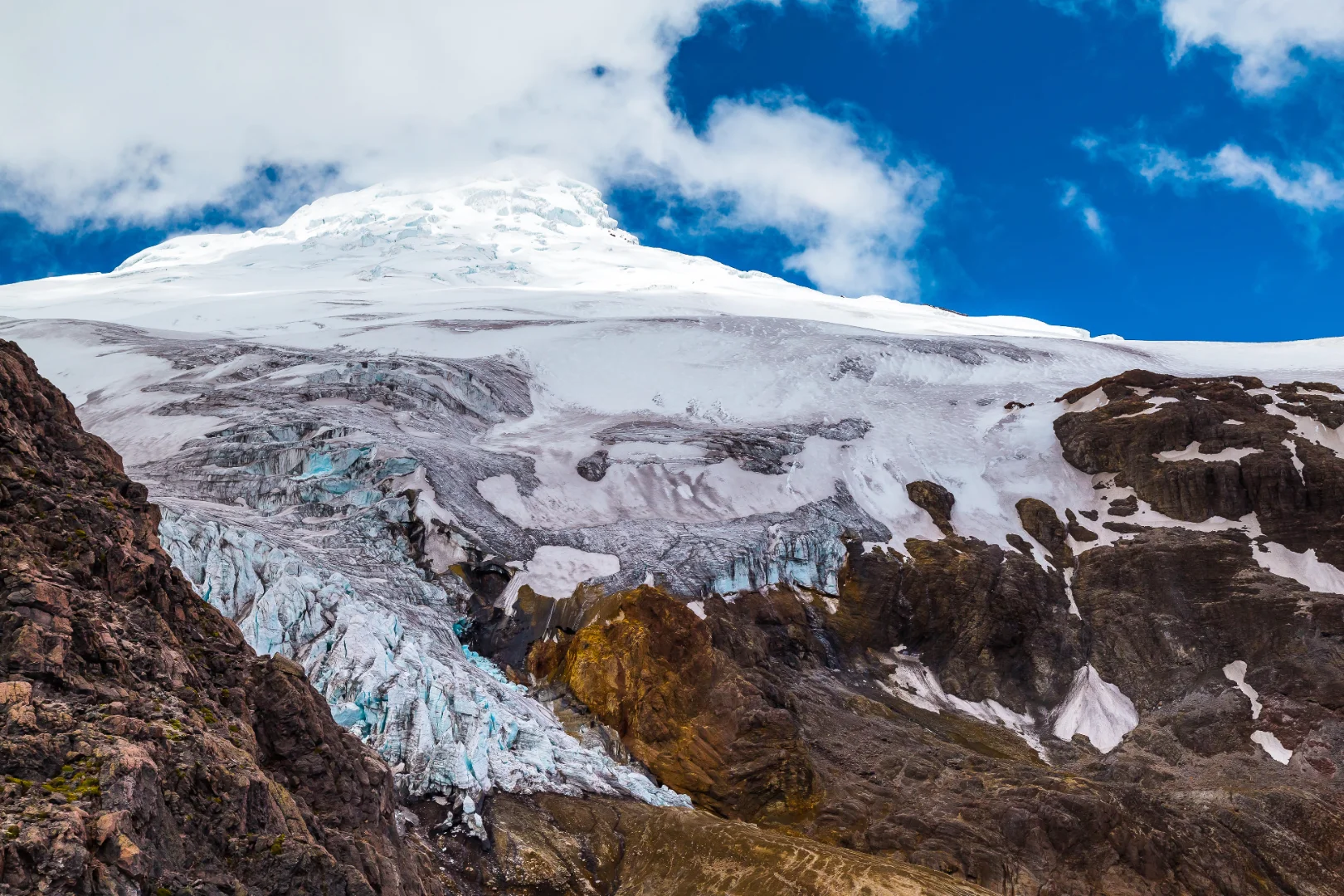
The glaciated summit of Nevado Condoriri rising above alpine lakes in the Bolivian Andes
The glaciated peak of Nevado Condoriri exemplifies the high-elevation Andean landscapes that frame Bolivia's remarkable wildlife diversity.

BOLIVIA’S RARE FIVE AT A GLANCE

SpeciesMain habitatWhere in BoliviaDifficulty of sighting
Tilcayo catCloud forestYungas, La PazExtremely difficult
Andean catHigh AndesApolobamba and AltiplanoExtremely difficult
Andean bearMontane forestYungas and MadidiDifficult
Giant otterRivers and wetlandsBolivian AmazonPossible with luck
Maned wolfSavannas and grasslandsEastern BoliviaDifficult

Wildlife sightings are never guaranteed. However, understanding where these species live can help travellers choose the right landscapes and explore Bolivia with realistic expectations.

1. TILCAYO CAT: BOLIVIA’S RECENTLY DESCRIBED WILD CAT

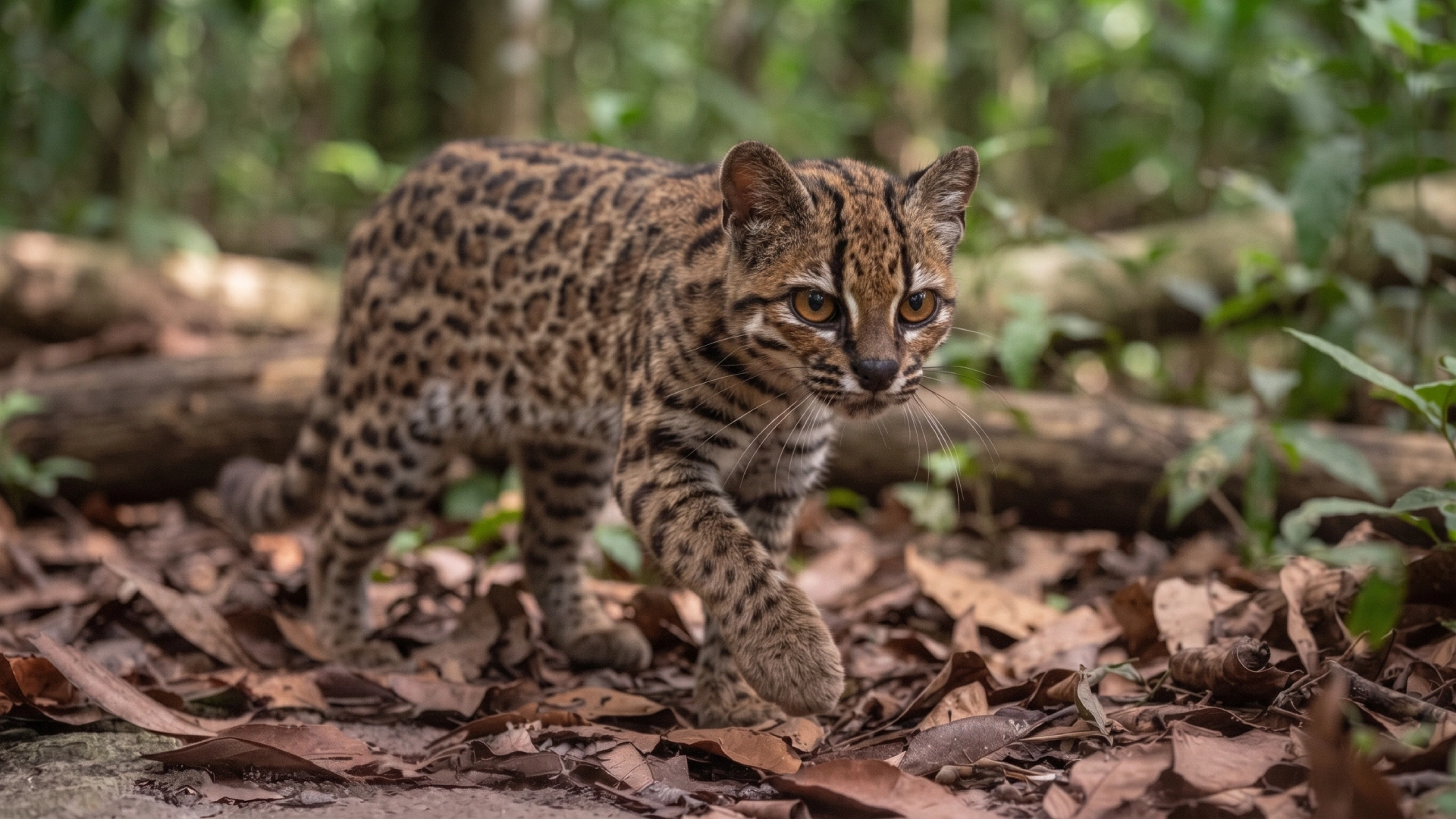
The Tilcayo cat captured international attention for Bolivia’s Yungas when scientists officially recognised Leopardus tilcayo as a distinct species in 2026.

The small spotted feline thrives in the cloud forests of La Paz, yet it remains remarkably underexplored. Currently, only a limited number of individuals and camera-trap records are documented. As a result, travellers cannot reliably anticipate encountering one in the wild.

Its significance extends well beyond mere sightings. The Tilcayo showcases the vast biodiversity that likely remains poorly understood within the forests linking the Andes and Amazon.

Tilcayo cat Leopardus tilcayo resting on a mossy cloud forest branch in Bolivia
Formally recognized in 2026, the Tilcayo cat (Leopardus tilcayo) is one of the newest and most elusive wild felids in the Americas.

2. ANDEAN CAT: A FELINE OF THE HIGH MOUNTAINS

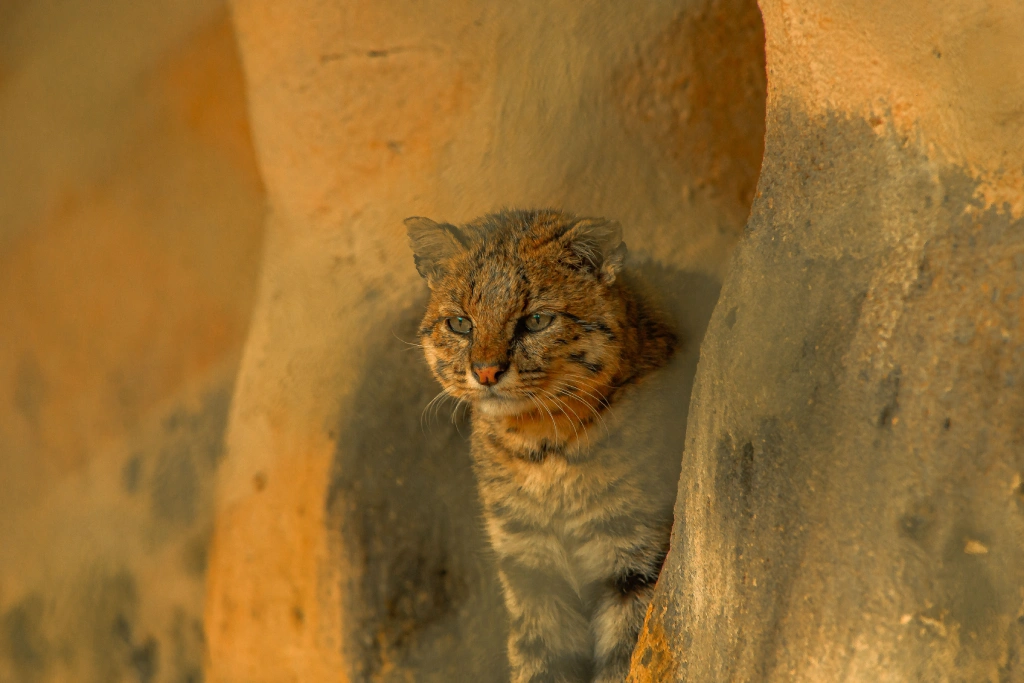
The Andean cat (Leopardus jacobita) thrives in remote, rocky high-altitude environments. In Bolivia, researchers have documented its presence in areas such as Apolobamba.

Its elusive behaviour, sparse population, and challenging habitat contribute to the rarity of encounters.

Exploring these landscapes opens up a world of opportunities beyond just discovering one species. Travellers will experience dramatic high-Andean scenery and seek out other wildlife, including vicuñas and condors.

Endangered Andean cat Leopardus jacobita navigating rocky terrain in high Andes
The endangered Andean cat (Leopardus jacobita) relies on remote, rocky high-altitude terrain in protected areas such as Apolobamba.

3. ANDEAN BEAR: SOUTH AMERICA’S ONLY BEAR

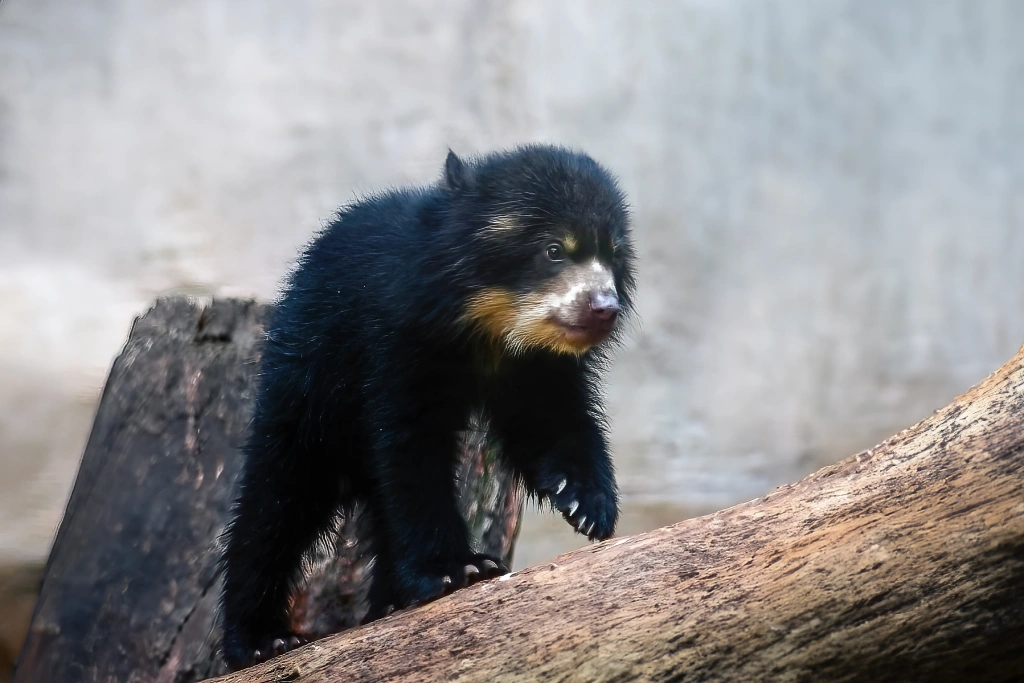
The Andean bear, or Tremarctos ornatus, stands out as the sole bear species native to South America.

In Bolivia, it thrives in the Yungas and montane forest landscapes, including regions linked to Madidi.

These bears stand out with the pale markings that frequently adorn their eyes and faces. Finding one in the wild demands patience, the right habitat, and a bit of luck.

Nature travellers seeking the Andean bear will also uncover the vibrant cloud forests, a habitat where countless birds, mammals, and plants thrive together.

Spectacled bear Tremarctos ornatus foraging in Bolivian montane forest
The Andean bear (Tremarctos ornatus), South America's only native bear, navigates the dense cloud forests of the Yungas and Madidi.

4. GIANT OTTER: WILDLIFE ALONG BOLIVIA’S RIVERS

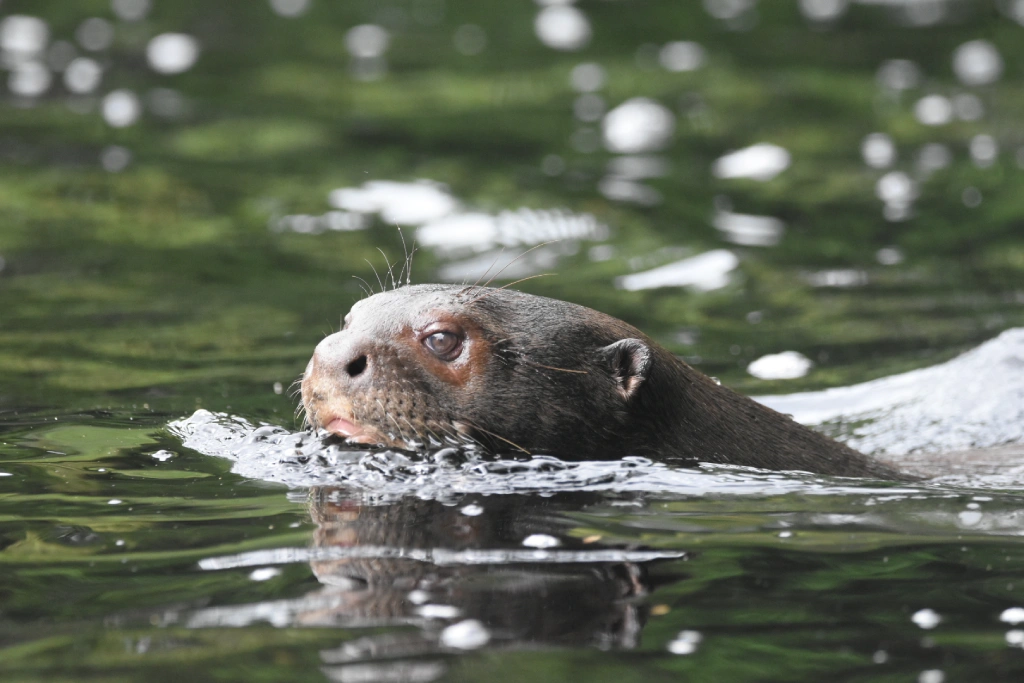
The giant otter (Pteronura brasiliensis) brings a vibrant new ecosystem to Bolivia’s Rare Five.

Giant otters thrive in tropical rivers, lakes, and wetlands instead of mountains or cloud forests. Researchers have documented them in Amazonian river systems, including Madidi.

In suitable environments, giant otters offer a more realistic wildlife-viewing opportunity than elusive wild cats. Ultimately, sightings rely on location, conditions, and a bit of luck.

Boat journeys through Amazonian landscapes reveal monkeys, caimans, macaws, tapirs, and many other species along the way.

Giant otter Pteronura brasiliensis swimming in the river waters of the Bolivian Amazon
Patrolling oxbow lakes and rivers, the giant otter (Pteronura brasiliensis) offers one of the Bolivian Amazon's most memorable wildlife encounters.

5. MANED WOLF: THE LONG-LEGGED SAVANNA HUNTER

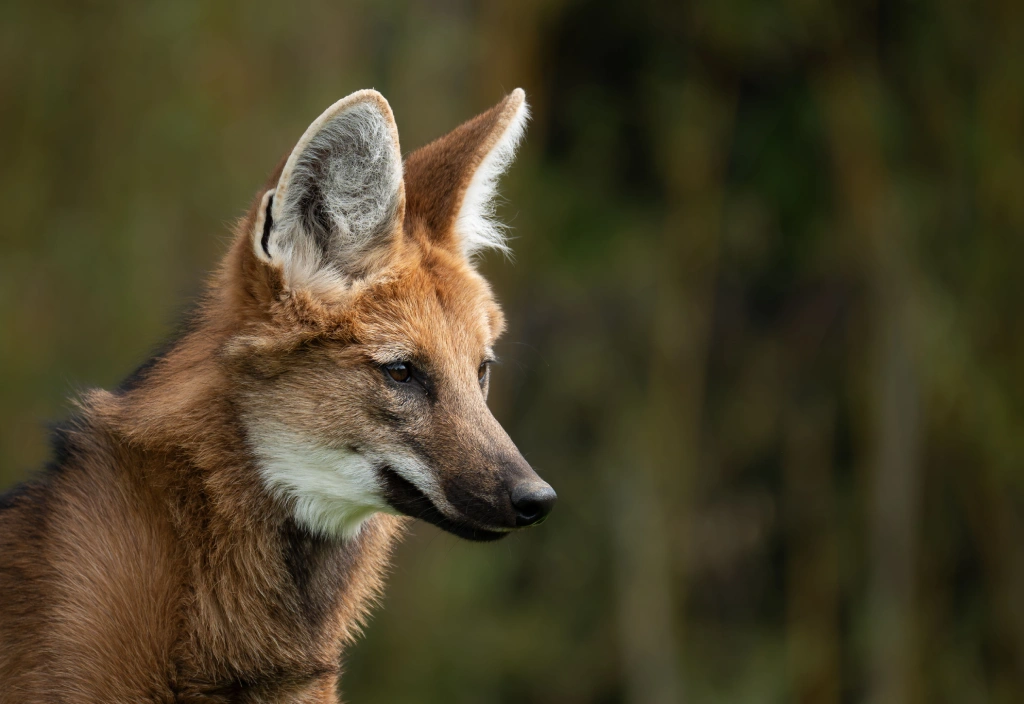
The maned wolf (Chrysocyon brachyurus) stands out distinctly among canids. Its exceptionally long legs enable it to navigate through tall grasses with ease, and its reddish coat paired with dark legs makes it instantly recognisable.

Rather than thriving in dense rainforest, the species flourishes in open grasslands and savannah environments.

In Bolivia, the maned wolf stands out as a vital representative of landscapes that differ significantly from the Yungas or high Andes. Sightings present challenges, yet their inclusion in the Rare Five highlights the remarkable diversity of Bolivia's wildlife across different regions.

Maned wolf Chrysocyon brachyurus stalking through the open savannas of eastern Bolivia
With its long legs and reddish coat, the maned wolf (Chrysocyon brachyurus) strides through the open grasslands and savannas of eastern Bolivia.

WHICH RARE FIVE EXPERIENCE MATCHES EACH LANDSCAPE?

LandscapeRare Five speciesWhat makes it special
YungasTilcayo cat, Andean bearMisty cloud forests between the Andes and Amazon
High AndesAndean catRemote rocky landscapes and high elevations
Madidi and AmazoniaGiant otter, Andean bearTropical forests, rivers and exceptional biodiversity
Eastern savannasManed wolfOpen grasslands, wetlands and savanna ecosystems

Madidi is particularly important because its vast landscape combines Amazonian forests, Yungas, savannas and high-Andean environments, creating habitat for an exceptional variety of wildlife.

HOW TO LOOK FOR RARE WILDLIFE RESPONSIBLY

Searching for rare animals should always respect their space.

Travel alongside knowledgeable local guides, keep a respectful distance, and avoid feeding or intentionally attracting wildlife. Additionally, refrain from disclosing exact locations of sensitive species and honour the restrictions in place within protected areas.

Travellers should embrace the journey without expecting guarantyd encounters. Supporting community-based and conservation-focused tourism enriches wildlife experiences and safeguards the ecosystems essential for these animals.

Traveller hiking along trails overlooking Lake Titicaca and Isla del Sol in Bolivia
Hiking with local guides and respecting natural trails ensures wildlife and local Bolivian communities thrive alongside responsible travel.

FIVE ANIMALS, FIVE DIFFERENT SIDES OF BOLIVIA

Bolivia’s Rare Five showcase the incredible diversity that one country can embody. The Tilcayo thrives in the Yungas cloud forests, the Andean cat roams the high mountain landscapes, the Andean bear navigates the montane forests, giant otters patrol the tropical waterways, and the maned wolf strides across the open savannahs.

You might not encounter all five, and that is exactly what makes them extraordinary. Rather than travelling with a checklist, explore the ecosystems that protect them. With Responsible Travel South America, you can experience Bolivia through thoughtfully planned and responsible journeys that bring you closer to its remarkable wild landscapes.