Responsible Travel

Cotopaxi Adventure: Volcano Trails Amid Unique Flora and Fauna

08.22.2025

BY Isaac

BlogAndes

Picture the brisk air refreshing your lungs. The horizon expands in all directions, and above a sea of golden grass, the perfect cone of the volcano commands the stillness. We arrive to witness the giant, yet those who observe with calmness uncover a different truth: here, life pulses in subtle ways—in flowers that bravely challenge the frost, in hummingbirds that hover like green sparks, in the shadows of birds that trace circles over the lagoon.

This guide empowers you to explore beyond the snowy profile: discover the flora and fauna of Cotopaxi, appreciate why the páramo is a treasure, and prepare for a responsible and safe encounter.
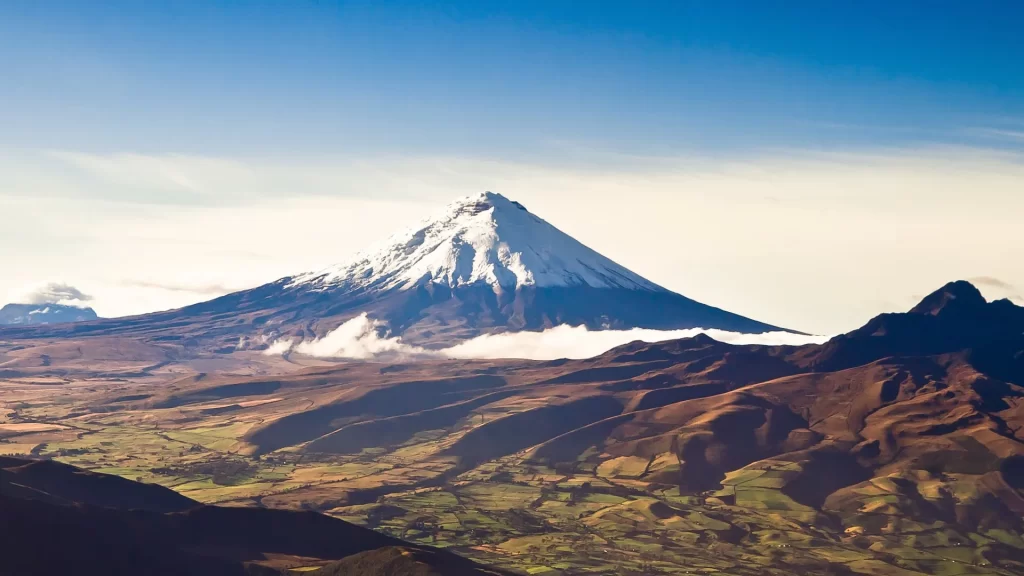
Cotopaxi-flora and fauna of Cotopaxi
Impressive panoramic view of Cotopaxi rising above the Andean landscape-It is one of the highest active volcanoes in the world, at 5,897 meters.

FLORA AND FAUNA OF COTOPAXI: THE PÁRAMO THAT BREATHES

Cotopaxi National Park protects one of the best-preserved páramos in the Andes. Here, the flora and fauna of Cotopaxi sustain a resilient system: tall grasses that slow the wind, wetlands that store water, and birds and mammals adapted to hypoxia and intense sunlight. It is a seemingly austere landscape… until we learn to read it.

Grasslands and super-moorlands serve as the vital skin of the ecosystem, regulating water, protecting the soil, and creating micro-refuges where wildlife can thrive and find rest.

FLORA THAT DEFIES THE ALTITUDE

ADAPTATIONS: STRONG SUN, COLD WIND, FRAGILE SOIL

At over 3,800 meters above sea level, plants take on the role of strategists. They develop small, leathery leaves to minimize water loss, create dense cushions that trap heat, and produce hairs and resins that shield against UV radiation. Their roots firmly anchor themselves in stony soils. Wetlands in flooded areas actively cushion nighttime frosts while supporting a vibrant ecosystem of insects and birds.

KEY PLANTS OF THE LANDSCAPE

  • Pajonal (sigse): the emblematic grass of the páramo; it fixes the soil and provides shelter for nests and small mammals.
  • Chuquiragua (“mountaineer’s flower”): bright orange flowers that attract hummingbirds even in the icy wind.
  • Lichens and mosses: pioneers that colonize rocks and absorb moisture in extreme conditions; in ponds, valerian and other herbs complete the mosaic. These assemblages—pajonal páramo, azonal superpáramo, and gelidiofitia—form the backdrop that sustains the flora and fauna of Cotopaxi. 

The chuquiragua, known as the “mountaineer's flower,” is distinguished by its intense orange color in the middle of the Ecuadorian moors-flora and fauna of Cotopaxi
The chuquiragua, known as the “mountaineer’s flower,” is distinguished by its intense orange color in the middle of the Ecuadorian moors-This plant is a symbol of resistance at high altitudes and grows between 3,000 and 5,000 meters above sea level.

THE FAUNA: AN UNFORGETTABLE ENCOUNTER

THE KING OF THE ANDES: THE ANDEAN CONDOR

Vast, quiet, captivating. A condor soaring over the park creates a memory that lasts a lifetime. It often harnesses mid-morning thermal currents, actively seeking silhouettes outlined against hillsides and canyons or gliding gracefully near rocky outcrops. This park serves as a promising habitat for this emblematic species, making it quite common to spot it on clear days.

LIVING JEWELS: HIGH-ALTITUDE HUMMINGBIRDS

At the pinnacle of the hummingbird realm thrive remarkable species like the Ecuadorian hillstar (Ecuadorian/Chimborazo Hillstar, Oreotrochilus chimborazo). It thrives at elevations of 3,500–5,200 m, visiting chuquiragua flowers and boldly facing the wind. Their presence shows us that the páramo thrives; it is a vibrant miniature garden.

OTHER INHABITANTS OF THE PÁRAMO

  • Andean fox (páramo wolf): opportunistic and stealthy, it often crosses trails at dawn.
  • High-altitude deer and rabbits: discreet, they move among grasses near the edges of wetlands.
  • Curiquingue caracara and other birds of prey: patrol the grasslands in search of rodents.
  • “Wild” horses (feral populations): herds grazing on open plains, photogenic against the volcano.

The Andean fox, with its distinctive orange fur, adopts a hunting stance, conveying the strength and elegance of this high-altitude predator-flora and fauna of Cotopaxi
The Andean fox, with its distinctive orange fur, adopts a hunting stance, conveying the strength and elegance of this high-altitude predator-It is one of the few species of canids that inhabits the Andes mountain range, adapted to cold climates and high-altitude ecosystems.

WHERE TO LOOK: MICROHABITATS THAT CONCENTRATE LIFE

LIMPIOPUNGO LAGOON

The park features a natural amphitheater, showcasing a stunning mirror of water, expansive grasslands, and the majestic silhouette of Rumiñahui in the background. Water birds such as coots, Andean gulls, and ducks gather here, while birds of prey circle overhead. The perimeter trail offers a perfect opportunity for observation without intrusion, making it an ideal spot for photography during sunrise or in the late afternoon.

MARISCAL SUCRE INTERPRETATION CENTER

Before exploring, stop by the Mariscal Sucre Interpretation Center: it helps you understand the geology, volcanism, and flora and fauna of Cotopaxi with clear panels and models. It’s a good place to ask about the day’s conditions and recommended routes.

PRACTICAL TIPS FOR HIGH ALTITUDES

  • Pace: walk slowly for the first 30–40 minutes; take frequent sips of water.
  • Layers: thermal base layer, windbreaker, hat, and gloves; the weather changes quickly.
  • High Andean sun: sunscreen + UV sunglasses.
  • Observation ethics: keep your distance from wildlife, do not feed animals, stay on the trail.
  • Camera and binoculars: a 300–400 mm telephoto lens helps with birds; 8x or 10x binoculars are sufficient.

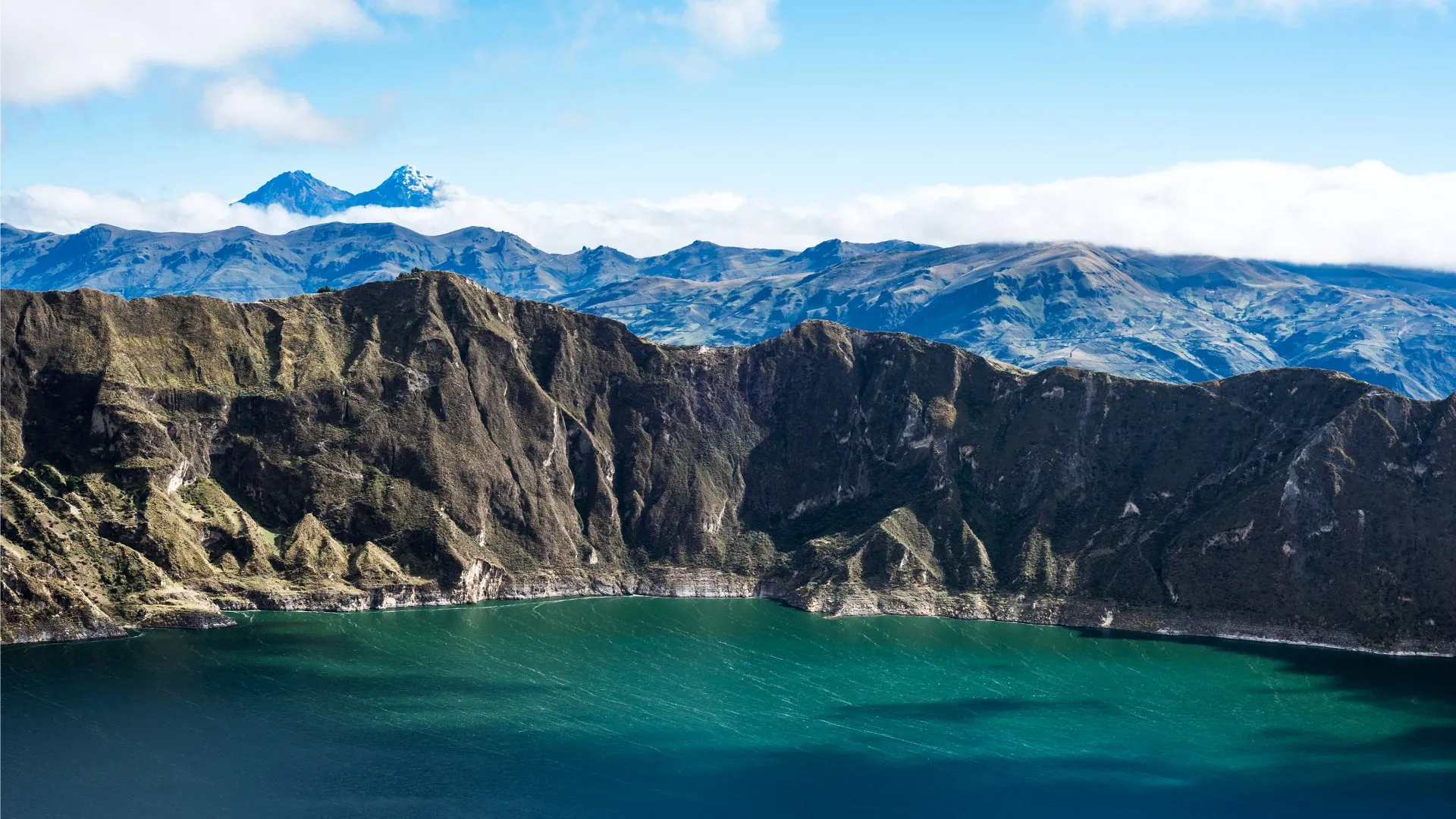
A traveler contemplates the impressive crater of Quilotoa, near Cotopaxi, dressed in warm clothing and equipped with the appropriate gear-flora and fauna of Cotopaxi
A traveler contemplates the impressive crater of Quilotoa, near Cotopaxi, dressed in warm clothing and equipped with the appropriate gear-Being well prepared for the altitude is essential in Cotopaxi, as the surrounding area exceeds 4,000 meters above sea level.

MINI NATURE ITINERARY

1-day option (from Quito)

  • Morning: Interpretation Center → Limpiopungo Lagoon (entire trail, observation breaks).
  • Noon: picnic in designated area or lunch at nearby hacienda.
  • Afternoon: viewpoints on the slopes of Rumiñahui to look for raptors and, with luck, condors.
  • Pro Tip: if there is strong wind, focus on sheltered areas of the trail; hummingbird activity tends to stay close to flowering chuquiraguas.

2-day option

  • Day 1: tour as above + sunset photography.
  • Day 2: sunrise at Limpiopungo → short walk in grasslands → departure from checkpoint with stops for scenery and searching for feral horses.

BEYOND COTOPAXI: CONNECTION WITH CUICOCHA

Natural history continues beyond any administrative boundary. As you head north, the Cuicocha Lagoon within the CotacachiCayapas Ecological Reserve reveals another stunning aspect of the high Andes: a magnificent crater, picturesque islands, and the vibrant borders of the páramo and high Andean forest. Ecological patterns such as grasslands, high-altitude birds of prey, and hummingbirds consistently reemerge, each time bringing their unique nuances. By combining Cotopaxi and Cuicocha, you gain a wider perspective of the Ecuadorian Andes in a short time. 

A sweeping view of Lake Cuicocha reveals its deep blue waters and the islands rising up from its center-flora and fauna of Cotopaxi
A sweeping view of Lake Cuicocha reveals its deep blue waters and the islands rising up from its center-This volcanic lake, located at the foot of Cotacachi, was formed after an eruption thousands of years ago and is considered a sacred site by indigenous communities.

ESSENTIAL CHECKLIST

  • Park reservations and documents.
  • Layered clothing + light raincoat.
  • Hat, sunscreen, lip balm.
  • Water + energy snack.
  • Binoculars and camera with telephoto lens.
  • Small amount of cash for entrance fees/services (if applicable).
  • Travel insurance.

WHY TRAVEL WITH US — RESPONSIBLE TRAVEL S.A.

At Responsible Travel S.A., we believe that exploring Cotopaxi means more than seeing a volcano — it’s about understanding the páramo, its flora, and its wildlife. Our expert naturalist guides help you spot hummingbirds, condors, and hidden plants, while sharing insights into their adaptations. We design itineraries that allow you to enjoy nature without rushing, always practicing observation ethics that minimize impact and protect habitats. With us, you don’t just visit Cotopaxi — you connect deeply with its living landscape.

COTOPAXI: A LIVING LEGACY

The páramo of Cotopaxi is a reminder that life flourishes even in the most demanding landscapes. Every grass, flower, bird, and mammal plays a role in sustaining this fragile high-Andean balance. Visiting means more than admiring the volcano — it’s about recognizing the resilience of nature and carrying that awareness with you, long after the journey ends.

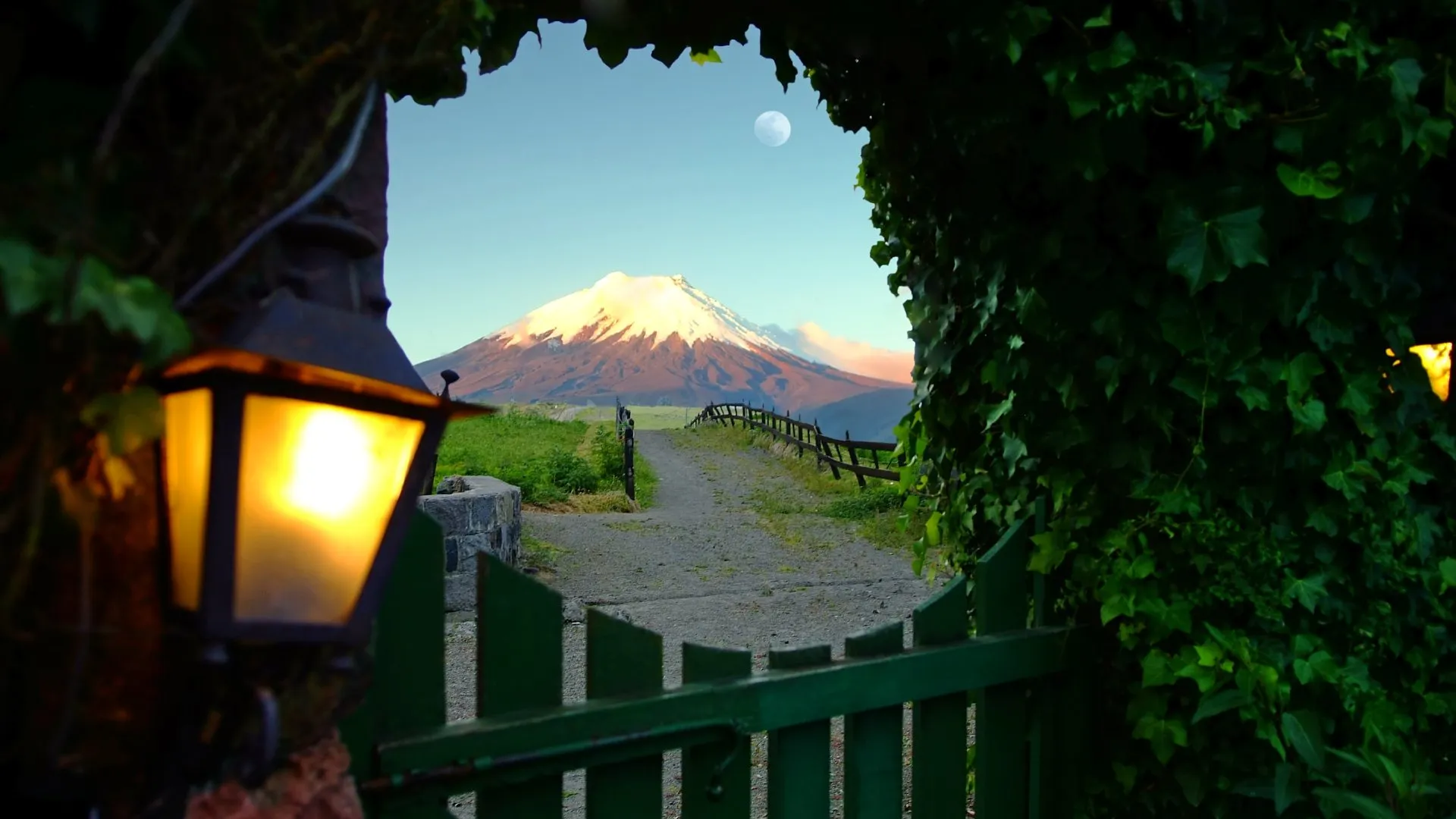
A view of Ecuador's active Cotopaxi Volcano framed by a rustic doorway in a natural setting.

Frequently Asked Questions About the Flora and Fauna of Cotopaxi

  1. When is the best time to see wildlife?

    Sunrise and late afternoon: less wind, soft light, and bird activity. Mid-morning thermal currents favor raptors such as condors.

  2. Which habitats should I focus on?

    Edges of wetlands (Limpiopungo), tall grasslands, and rocky slopes. Each microhabitat offers different food and shelter.

  3. Can I see hummingbirds at this altitude?

    Yes. Páramo hummingbirds such as the Ecuadorian hillstar take advantage of flowers such as chuquiragua even in cold and windy conditions.

  4.  What precautions should I take due to the altitude?

    Stay hydrated, walk slowly, avoid heavy meals before hiking, wear layers and sunscreen. If you feel unwell, rest and descend.

  5. Where do I start if this is my first time?

    Mariscal Sucre Interpretation Center → Limpiopungo Lagoon. This is the most educational and safest combination for understanding the flora and fauna of Cotopaxi.

  6. What if I want to expand my natural horizons?

    Add Cuicocha in Otavalo: you will see high Andean ecological continuity with other landscape perspectives

    Discover the best-kept secrets of Andean nature—your adventure awaits in Ecuador