

Responsible Travel

Cuenca, Ecuador: Where Past and Artistry Converge in Time

08.25.2025

BY Isaac

BlogCultureAndesTravel

Cuenca’s art and history create a sense of familiarity while adding rich layers to the city’s character. Imagine soft morning light illuminating cobblestones, blue-tiled domes gracefully rising above red-clay roofs, while the steady hush of the Tomebamba River flows beneath terraced parks. The city’s historic center boasts a UNESCO listing for its remarkable urban fabric. Travelers are captivated by its human scale, featuring walkable squares, inviting cafés, and vibrant studios where artisans continue to shape clay, weave straw, and hammer silver by hand. By August 2025, Cuenca’s UNESCO status highlights the preservation of its colonial core—setting the stage for three wonderfully relaxed days.

Discover who will embrace Cuenca and who may not find it to their liking. For those who love gallery-hopping, exploring heritage architecture, and leisurely urban strolls with a rewarding nature experience just beyond the city, Cuenca is the perfect destination. If you seek vibrant nightlife or sun-kissed beaches, think about combining Cuenca with the coast—our team will connect those experiences effortlessly.

Cuenca unfolds among mountains, displaying its churches and colonial architecture-Cuenca's art and history
Cuenca unfolds among mountains, displaying its churches and colonial architecture-Its historic center is a UNESCO World Heritage Site, famous for its cobblestone streets and red roofs.

THE HISTORIC HEART: LAYERS OF TIME ON EVERY BLOCK

BLUE-DOMED NEW CATHEDRAL & PLAZA DE LAS FLORES

The Cathedral of the Immaculate Conception, known as the “New Cathedral,” proudly anchors the skyline with its stunning blue domes. This iconic landmark serves as a perfect orientation point as you explore the charming colonial grid. Just steps away, the intimate Plaza de las Flores bursts with color and fragrance. Florists offer roses by the armful, while local life buzzes from dawn. Both are located within the UNESCO-listed core, allowing for easy exploration on foot.

STROLLING THE COLONIAL GRID: BALCONIES, COURTYARDS, STONE LANES

Cuenca celebrates a leisurely pace. Explore balconies adorned with vibrant geraniums, discover the charm of cool, tiled courtyards, and wander through inviting small squares. Look for artisan shops hidden behind unassuming façades; they often maintain traditional hours, with midday breaks being a common practice, contributing to the local rhythm.

MUSEO PUMAPUNGO: CAÑARI–INCA ROOTS AND ARCHAEOLOGICAL PARK

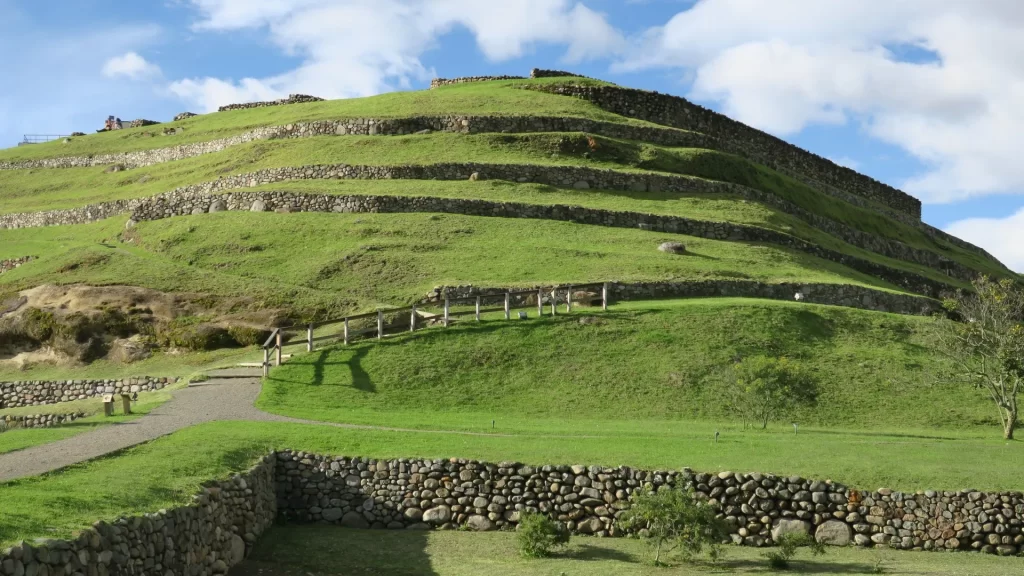
For a brief journey through time, visit Museo Pumapungo, located next to an archaeological park where crumbled walls reveal the remnants of the ancient Inca city. The galleries showcase the vibrant worlds of the Cañari and Inca, delve into ethnography, and highlight regional history. Meanwhile, the terraced ruins outside beckon for a reflective stroll.

Pumapungo combines ancient ruins with gardens that evoke history-Cuenca's art and history
Pumapungo combines ancient ruins with gardens that evoke history-It preserves Cañari and Inca vestiges, revealing the country’s cultural richness.

CUENCA’S CREATIVE PULSE: STUDIOS, GALLERIES, LIVING CRAFTS

TOQUILLA STRAW HAT (THE REAL “PANAMA”)—WORKSHOPS & SHOWROOMS

The well-known “Panama hat” proudly originates from Ecuador. The traditional weaving of the toquilla straw hat, practiced in vibrant centers like Cuenca and Montecristi, earned a place on UNESCO’s Intangible Cultural Heritage list in 2012. Explore a working studio to witness the meticulous handwork and find the perfect hat that complements your journey.

CERAMICS, TEXTILES, AND CONTEMPORARY GALLERIES

Cuenca goes beyond straw, showcasing a vibrant array of ceramic studios, textile ateliers, and modern galleries that breathe new life into Andean motifs. Many makers invite visitors by appointment—our team organizes thoughtful visits that honor artisans’ time and prevent crowding. Here, Cuenca’s art and history can be experienced firsthand, connecting traditional crafts with the city’s living culture.

CAFÉS AND CULTURE: WHERE TO LINGER BETWEEN MUSEUMS

Café culture thrives here: anticipate pour-overs sourced from nearby Andean growers, pastry cases featuring local ingredients like zambo seeds and naranjilla accents, and cozy spaces that transform into poetry nights or mini-galleries after dark. Planning museum–café–studio loops unfolds effortlessly, allowing for a relaxed pace.

A craftsman carefully weaves a toquilla straw hat-Cuenca's art and history
A craftsman carefully weaves a toquilla straw hat, demonstrating skill and tradition-Making the hat requires weeks of meticulous work.

NATURE NEXT DOOR: DAY TRIPS THAT RESET YOUR PACE

EL CAJAS NATIONAL PARK: HIGH PÁRAMO LAKES AND TRAILS

Just west of town, El Cajas National Park showcases high Andean wetlands and cloud-kissed ridgelines, adorned with hundreds of glacial lakes. The primary visitor orientation is typically the Toreadora sector, located about an hour’s drive from Cuenca. Here, well-marked circuits allow you to explore the páramo safely in just half a day. This park proudly holds the designation of a Ramsar Wetland of International Importance. Be prepared for sudden changes: the sun, mist, and wind can swap roles in just moments.

WHAT TO EXPECT: WEATHER, ALTITUDE, WAYMARKED CIRCUITS

Trails wind through spongy tussock and twisted polylepis stands, where footing may be slick. At altitudes above 3,000 m (9,800 ft), take your time, stay hydrated, and think about choosing an easier loop if you’re arriving on the same day as your flight. We actively plan for altitude-aware pacing and carry contingency options to adapt to changing weather.

TOMEBAMBA RIVER PARK: GOLDEN-HOUR RAMBLE IN TOWN

Stay in the city? The linear parks along the Tomebamba feature soft trails, stone steps, and riverside lawns, creating a vibrant space where students, families, and dog walkers come together. The early evening casts a magical spell on photos—blue domes glow with pastel hues as the river’s hush deepens.Wandering here, visitors can feel how Cuenca’s art and history shape even the everyday rhythm of the city.

ARTISAN LOOP: GUALACEO & CHORDELEG FOR TEXTILES AND FILIGREE

East of Cuenca, Gualaceo and Chordeleg actively preserve their craft traditions—backstrap weaving, ikat dyeing, and delicate silver filigree thrive here. Shops gather around small squares, and numerous workshops thrive as family-run businesses. It’s a simple cultural enhancement to complement your El Cajas day or to replace it if the skies become gloomy.

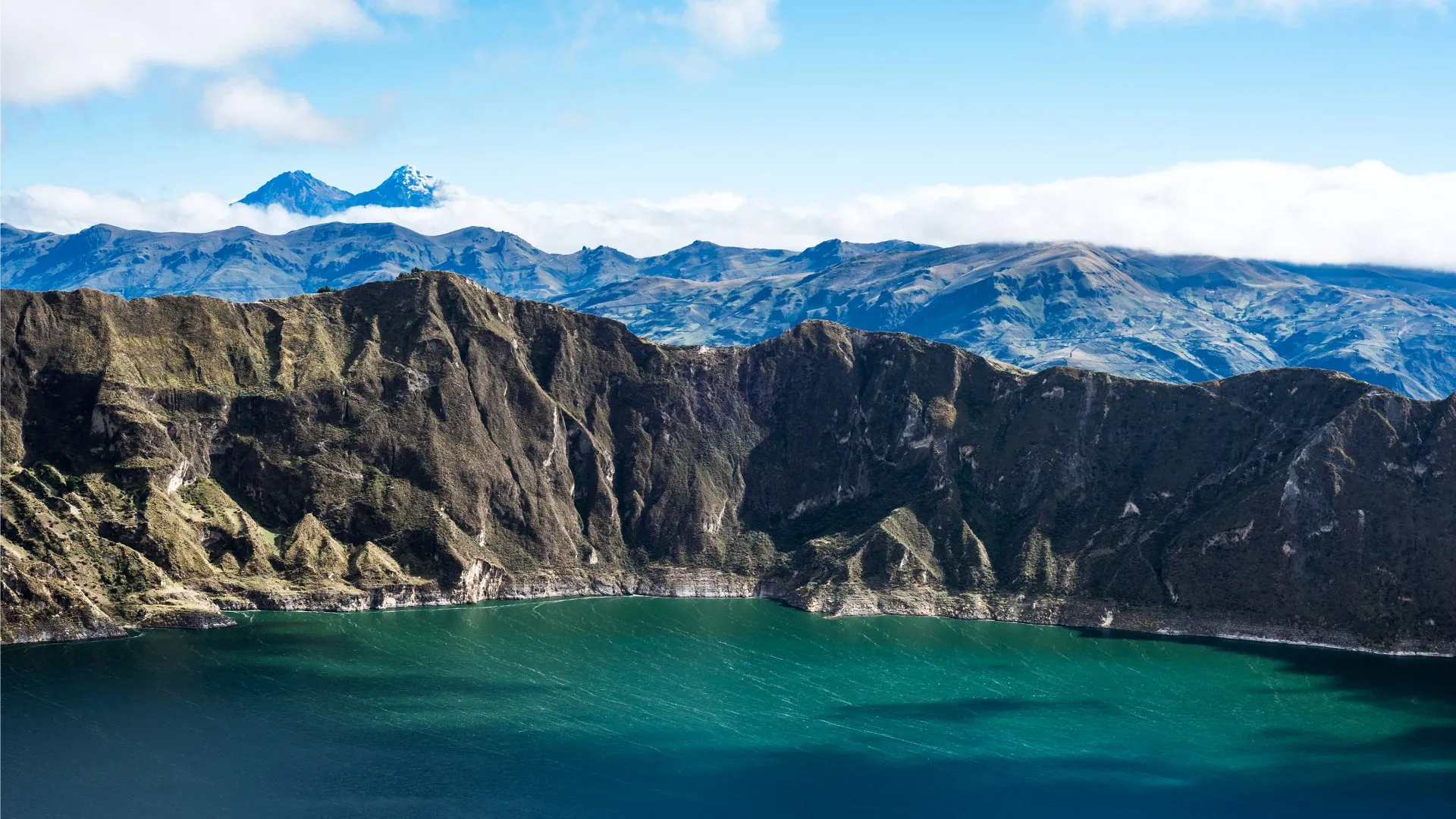
Lagoons, hills, and moors stretch across Cajas National Park-Cuenca's art and history
Lagoons, hills, and moors stretch across Cajas National Park-With more than 200 lagoons, it is a unique biodiversity refuge in the Ecuadorian Andes.

PRACTICAL CUENCA: GETTING IN, GETTING AROUND, STAYING SAFE

WHEN TO GO: DRY VS. GREEN SEASON IN THE SOUTHERN ANDES

The weather here offers a gentler experience compared to Quito’s extremes, yet it remains distinctly Andean. You can look forward to cool mornings, bright middays, and a possibility of drizzle throughout the year. From June to September, the weather shines with dryness and sunshine, making it a popular time for hiking. In contrast, October to May brings lush, green hillsides and a softer light that enhances the beauty of the landscape. Always pack layers, no matter the month.

TRANSPORT: FLIGHTS, INTERCITY COACHES, TAXIS, RIDESHARES

Cuenca connects through seasonal and variable air options, along with dependable intercity coaches from key Andean hubs. In town, walking serves as the foundation, while taxis and rideshares take care of the longer journeys. In El Cajas, choosing private transport or a guided day tour simplifies timing, ensures safety, and adapts to weather changes seamlessly.

SAFETY BASICS AND HOW WE PLAN LOW-FRICTION DAYS

Cuenca stands out as one of Ecuador’s more tranquil cities. We embrace common-sense measures: secure your valuables, opt for registered taxis after dark, and carry just the cash you require. We provide neighborhood-by-neighborhood tips, current opening hours, and alternative routes for closures or events in our briefings.

COMPARISON TABLE: EL CAJAS VS. ARTISAN LOOP DAY

FactorEl Cajas National ParkGualaceo & Chordeleg
For whomHikers, birders, landscape loversCulture seekers, shoppers, photographers
Time6–8 h door to door5–7 h door to door
EffortModerate (altitude, uneven trails)Easy (mostly flat, town strolling)
Weather riskHigh (fog, wind, sudden showers)Low–moderate
StandoutHigh páramo lakes & Ramsar wetlandsWeaving, ikat, silver filigree
Best seasonJun–Sep (drier), but year‑round with layersYear‑round

El Cajas is recognized as a Ramsar site; artisan towns are living cultural landscapes where purchases support families and craft lineages.

The letters “Gualaceo” stand out as a symbol of identity and welcome to the city-Cuenca's art and history
The letters “Gualaceo” stand out as a symbol of identity and welcome to the city-Gualaceo is known for its craftsmanship, especially in textiles and leather products.(Msgarzonr, CC BY-SA 4.0 https://creativecommons.org/licenses/by-sa/4.0, via Wikimedia Commons.)

CHECKLIST: BEFORE YOU GO / ON THE DAY / ESSENTIALS

Before you go

  • Confirm opening hours for museums and workshops (they can shift seasonally).
  • Pre‑book guided El Cajas hikes if you prefer expert pacing at altitude.
  • Carry travel insurance that covers high‑altitude day hikes.

On the day

  • Cash for small purchases; some studios are cash‑preferred.
  • Registered taxis or prearranged transport after dark.
  • Respect “no photo” signs in workshops unless invited.

Essentials

  • Layers (insulating mid‑layer + wind/rain shell), sun protection, hat.
  • Comfortable walking shoes with traction.
  • Reusable water bottle; go slow at altitude.

Planning ahead is the key to getting the most out of every travel experience-Cuenca's art and history
Planning ahead is the key to getting the most out of every travel experience-Good organization allows you to optimize your time and discover more at each destination.(Photo by lilartsy on Unsplash)

WHY TRAVEL WITH A LOCAL EXPERT (RESPONSIBLE TRAVEL S.A.)

HOW WE CURATE, COORDINATE, AND BRIEF FOR CUENCA

We stand out as a top local partners for travelers seeking depth and ease. We bring together small studios and makers who invite thoughtful visits, align schedules with midday closures, and share museum highlights to ensure you enjoy every moment without feeling rushed. At El Cajas, we actively adapt our routes to the weather and altitude, implement contingency plans, and collaborate with certified, responsible guides. In artisan towns, we focus on fair pricing, transparent sourcing, and creating space for meaningful conversations. This way, your purchases truly benefit the people who bring Cuenca’s art and history to life.

Responsible Travel S.A.—one of the best at turning complex logistics into a seamless, responsible journey—so you spend your time exploring, not troubleshooting.

PLAN YOUR TIMELESS CUENCA ESCAPE

Cuenca’s art and history come alive in a vibrant duet—blue domes and balcony geraniums, straw shaped by skilled hands, galleries nestled in old mansions, and a river that invites you to pause and appreciate. Include a day in the enchanting highlands of El Cajas or with skilled weavers and goldsmiths, and you’ve crafted a journey that resonates on a personal level.

Cathedral of the Immaculate Conception, known as the “New Cathedral,”-Cuenca's art and history

Frequently Asked Questions About Cuenca’s Art and History

  1. What is Cuenca best known for?

    Cuenca is famous for its colonial architecture, blue-domed cathedrals, artisan crafts, and UNESCO-listed historic center.

  2. How many days should I spend in Cuenca?

    Between 3 to 4 days allows you to explore the historic center, artisan towns, and nearby El Cajas National Park.

  3. Can I visit artisan workshops?

     Yes, many studios welcome visitors by appointment to watch straw hat weaving, ceramics, and silverwork.

  4. What is the best season to visit Cuenca?

    June to September offers dry, sunny weather ideal for walking and hiking, though the city is lovely year-round.

  5. How do I get around Cuenca?

    Walking is the best way to explore the historic center; taxis and rideshares handle longer trips or day tours.

  6. Are there family-friendly activities in Cuenca?

    Absolutely—linear parks along the Tomebamba, museums, and artisan towns are great for families of all ages.

    Trace the perfect line between heritage and creativity—your timeless Cuenca adventure awaits