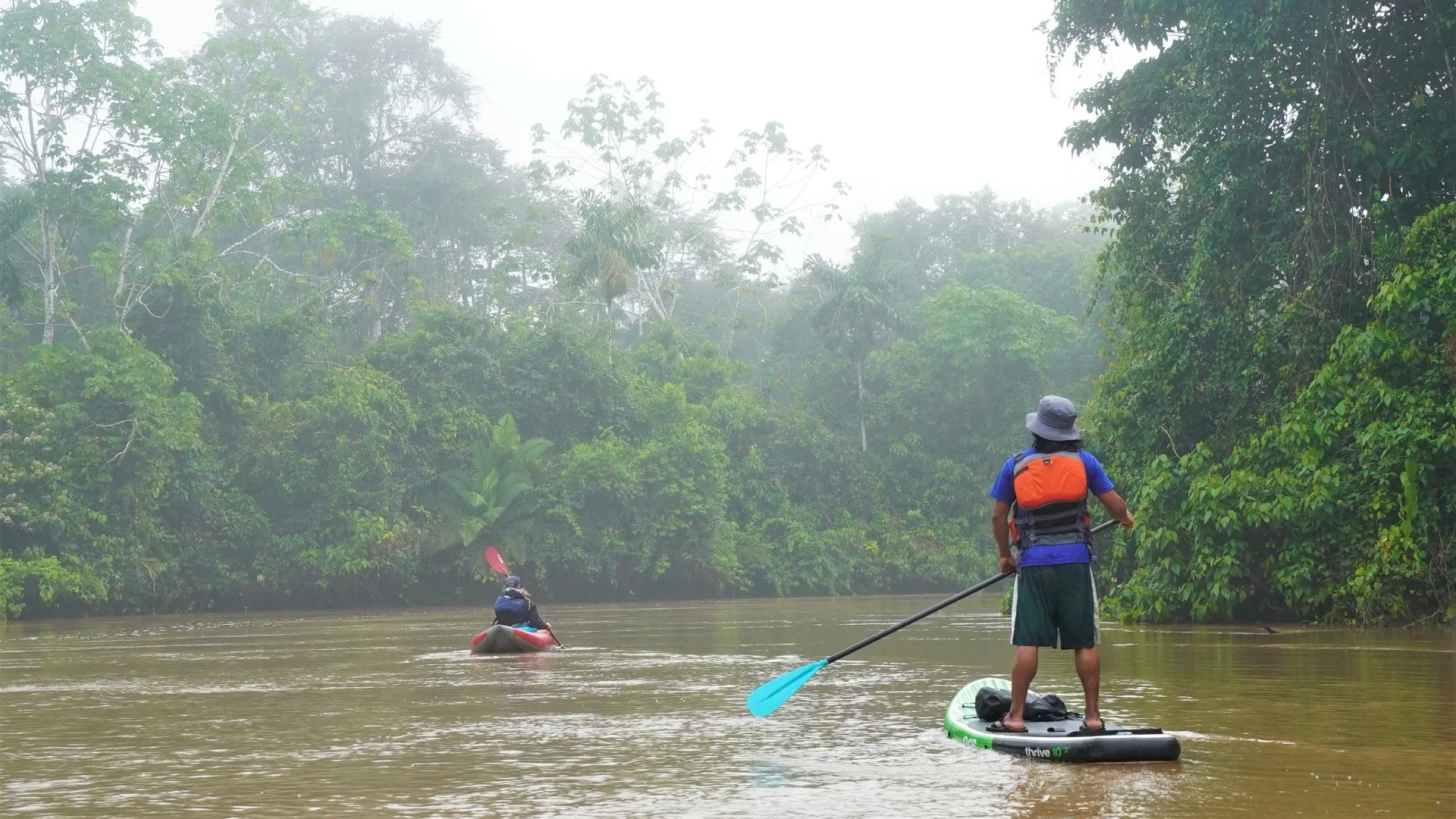
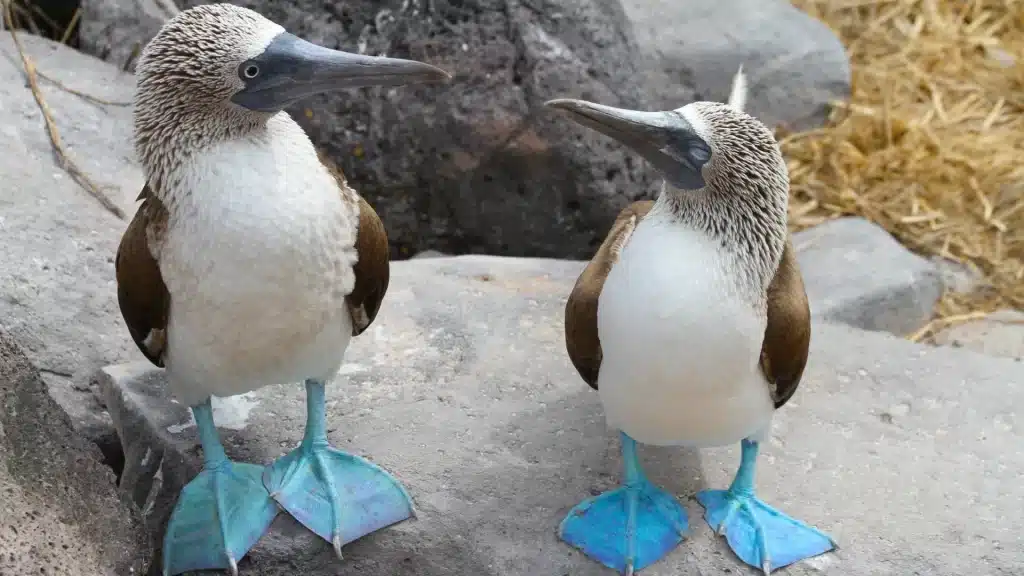
Sustainable tourism in Ecuador represents a significant movement. This is a chance to explore the world and contribute to its preservation. Whether you seek wildlife, culture, or the joy of a meticulously planned journey, we are ready to bring your vision to life with integrity, warmth, and unwavering determination.
Ecuador sustainable travel goes beyond just visiting beautiful places; it is about establishing meaningful connections, supporting local communities, and helping to protect the biodiversity that makes this country so unique.
We focus on personalized experiences instead of mass tourism. We provide personal, thoughtful, and enriching experiences.
We invite you to join us in this exciting journey.

Frequently Asked Questions AboutTraveling in Ecuador with Purpose
What makes Ecuador a megadiverse destination?
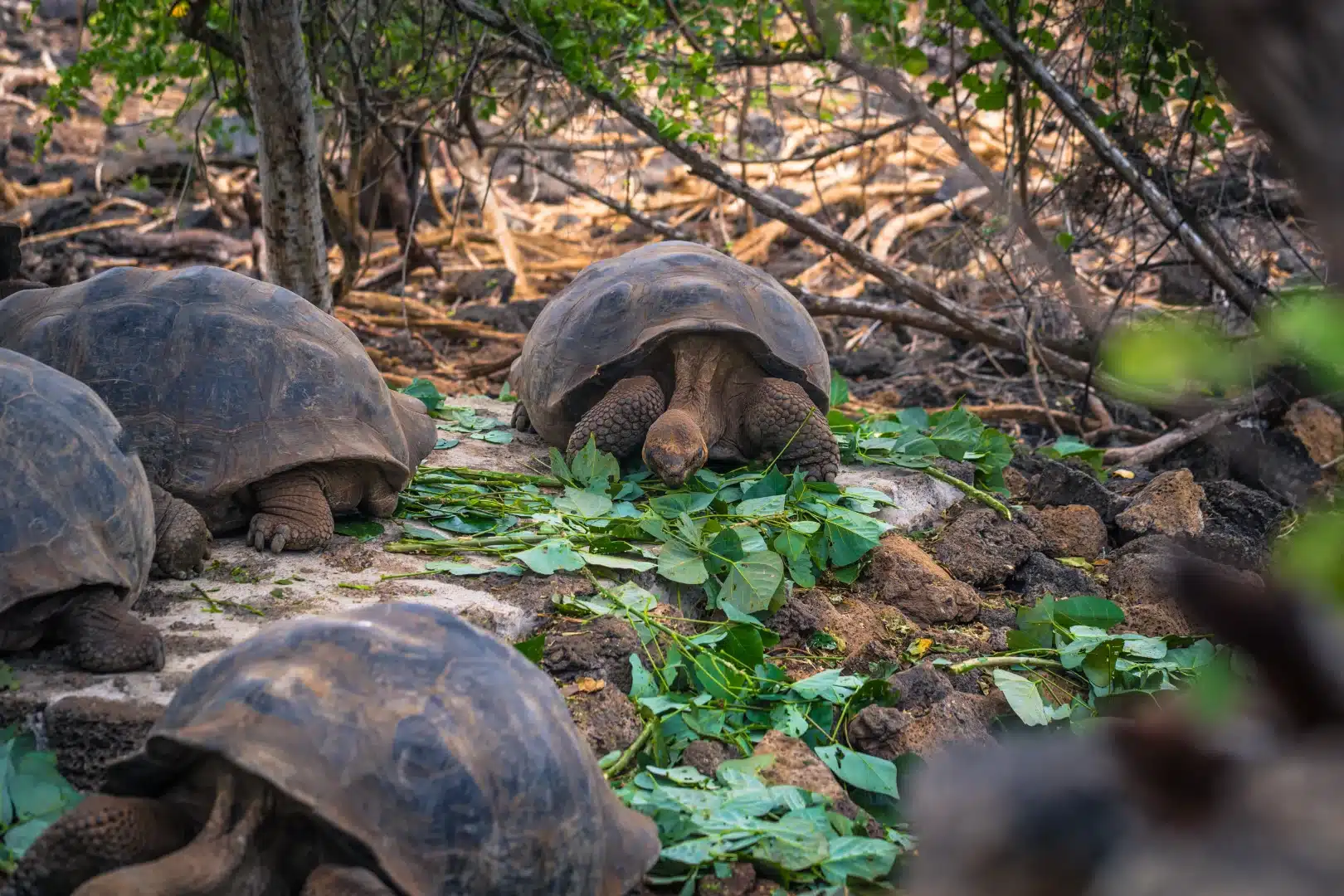
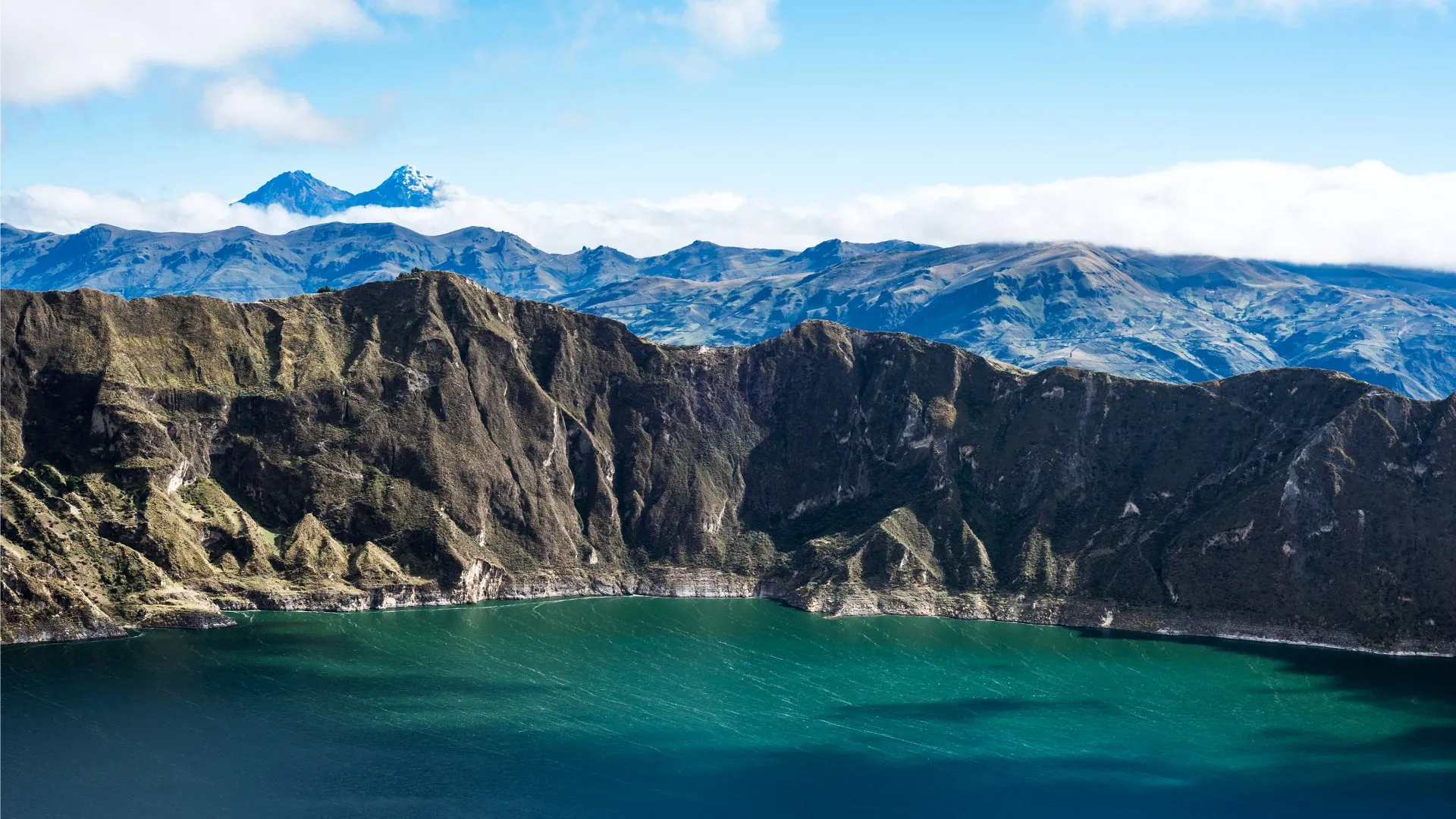
Despite its small size, Ecuador supports an unusually high number of ecosystems—from the Andes to the Amazon, coast and Galápagos islands. It ranks among the top countries globally in biodiversity, including many endemic species you find nowhere else.
How can travelers support sustainable conservation in Ecuador?
Opt for tours that partner with local communities, choose eco‑lodges that fund reforestation or wildlife research, buy crafts directly from artisans, avoid single-use plastics, and consider carbon‑offset options or cotourism programs.
What best time to visit for nature and community connection?
The dry season (April–October) is ideal for hiking and highland routes; the green season (November–March) brings lush rainforest landscapes and fewer crowds in the Amazon and cloud forest.
Are local communities benefiting from ecotourism?
Yes. Many remote communities earn income from guiding, hospitality, handicrafts, and sustainable farming. Indigenous guardians often manage protected zones, ensuring equitable benefits and cultural preservation.
Is it safe to visit remote natural areas in Ecuador?
Yes, when traveling with trusted local operators who know the terrain, culinary and altitude needs, weather conditions, and cultural protocols. Covid‑era infrastructure and regulations exist to ensure safety across ecosystems.
Embark on an eco-journey where your adventure helps protect what you explore