

The Ecuadorian Amazon is undoubtedly a “magical” place; it is also considered one of the most fascinating places due to its exuberant biodiversity of flora and fauna. This tropical region, also known as the “Oriente Ecuatoriano”, is located in the provinces of Sucumbíos, Orellana, Napo, Pastaza, Morona Santiago and Zamora Chinchipe. Under this preamble, we present important fact´s about this natural heritage.
Explore our latest news

15/04/2026
Why So Much of the World Fits Inside Ecuador’s Reserves

06/04/2026
Beyond Galápagos: The Ocean Ecuador Helps Protect With the World

02/04/2026
The Great lakes and Lagoons of South America: Landscapes Rich in History, Culture, and Nature

18/02/2026
Easter Island: The Hidden Secrets of the Ancient Stone Giants

18/02/2026
Romantic Places in Latin America for a Dream Valentine’s Trip

05/01/2026
Sustainable Travel Through Ecuador’s Protected Amazon Areas
Top rated content

26/12/2025
See How Responsible Tourism Supports Projects in Ecuador’s Amazon

26/12/2025
The Cuyabeno Nature Reserve One Unique Ecuadorian Rainforest of Killas

11/11/2025
Rediscovering Peru: Tracing Culture from Lima to the Nazca

10/11/2025
Why Is Colombia a Top Destination for Hiking and Nature?

06/11/2025
Uncover Amazonia’s Secrets: 5 Extraordinary Eco-Stays in Colombia’s Rainforest

30/10/2025
Quindío’s Iconic Spots: From Salento’s Colorful Streets to the Wax Palms of Cocora
Most viewed content

28/10/2025
Stunning Mompox: The Enduring Riverside Legacy

28/10/2025
Santa Marta: The Living Heart of Colombia’s Culture and Nature

24/10/2025
Villa de Leyva Culture: Inside the Living Heart of Heritage

16/10/2025
Explore the Real Colombia: Regions of Nature, Culture and Spirit

14/10/2025
Why Colombia? A vibrant life

14/10/2025
Cali Culture in Motion: Rhythm, Identity, and Urban Energy

CLIMATE
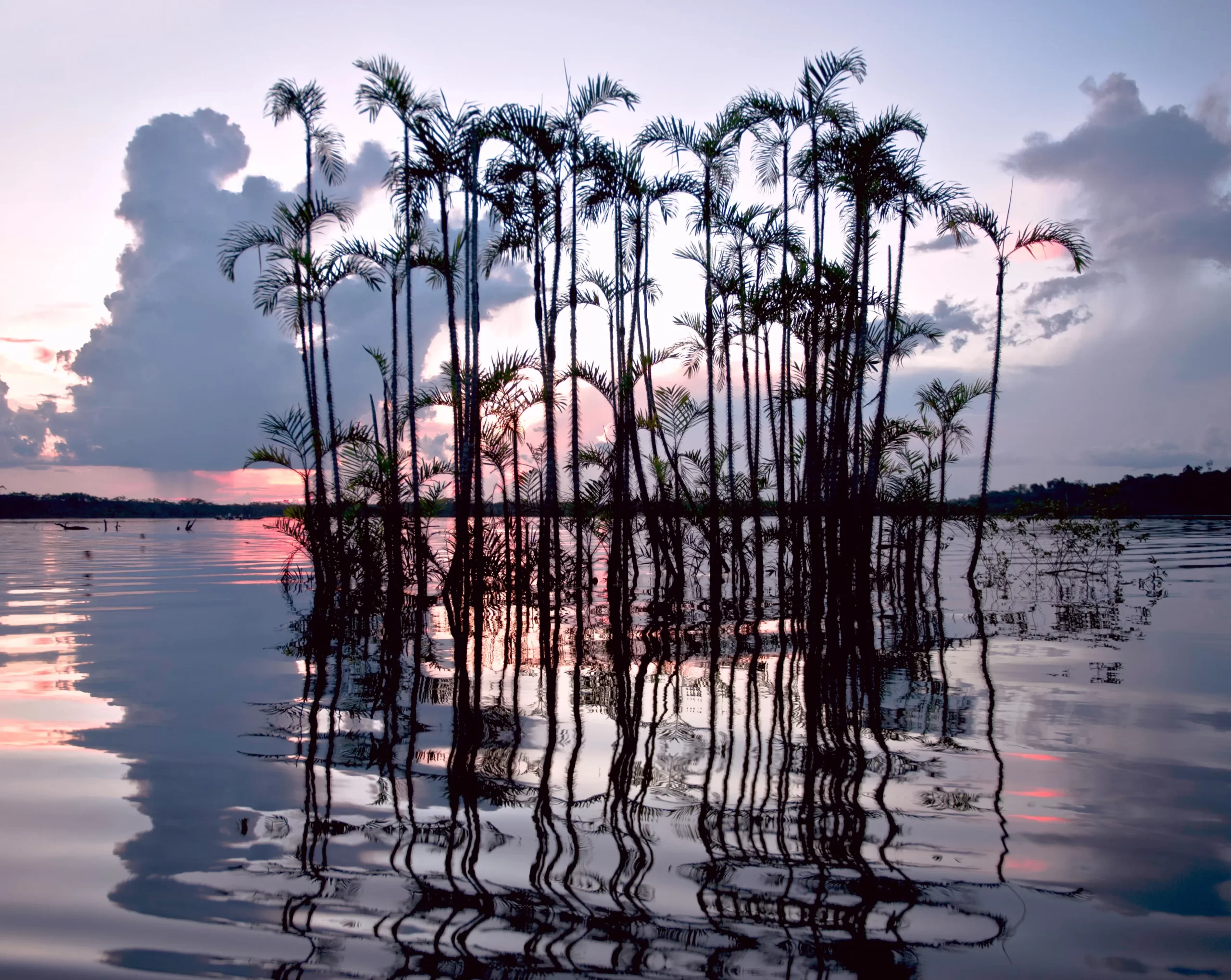
This is a region that occupies 40% of the national territory; this area has tropical, warm, and humid climates. These help the fauna and flora to act as a “big lung” helping the environment. In context, this area has two climates: “dry” and “rainy”. The first refers to the months of December to February with an average temperature of 30 degrees. On the other hand, for the other season, the months are from March to July, with an average of 28 degrees.
ECOLOGICAL WEALTH
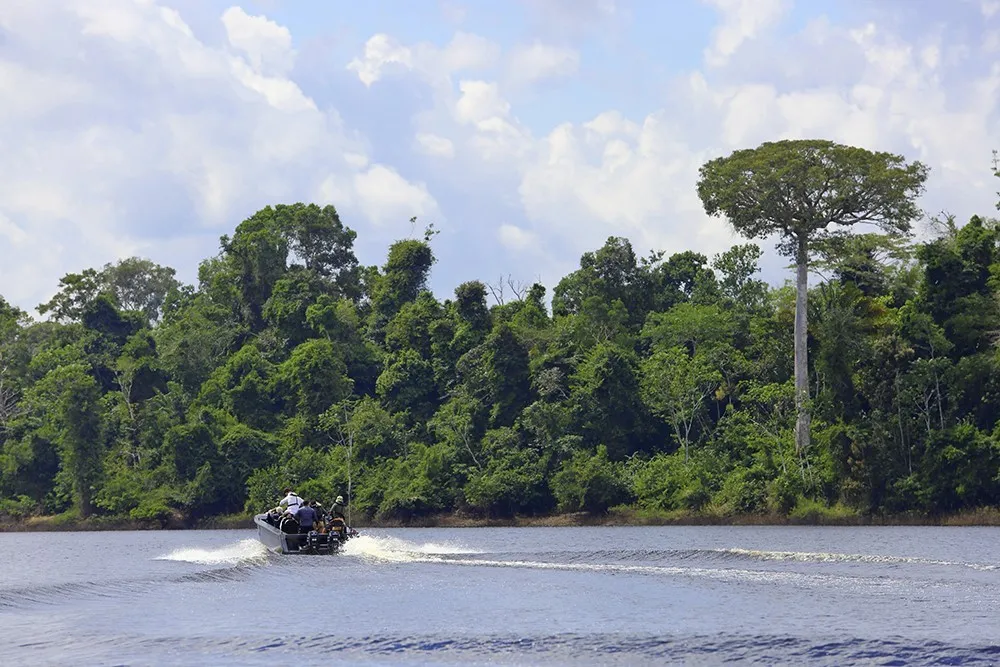
The Amazon, in addition to having a varied climate, has other factors that make it essential for the life of the species and the environment. It has rivers and wetlands that filter water, accumulating sediments and contaminants, finally supply pure water for local communities. Additionally, Amazon forests protect the land against erosion, preserve soil fertility and control the hydrological cycle, guaranteeing the presence of water for agriculture, hydroelectric energy production and human use.
FLORA Y FAUNA
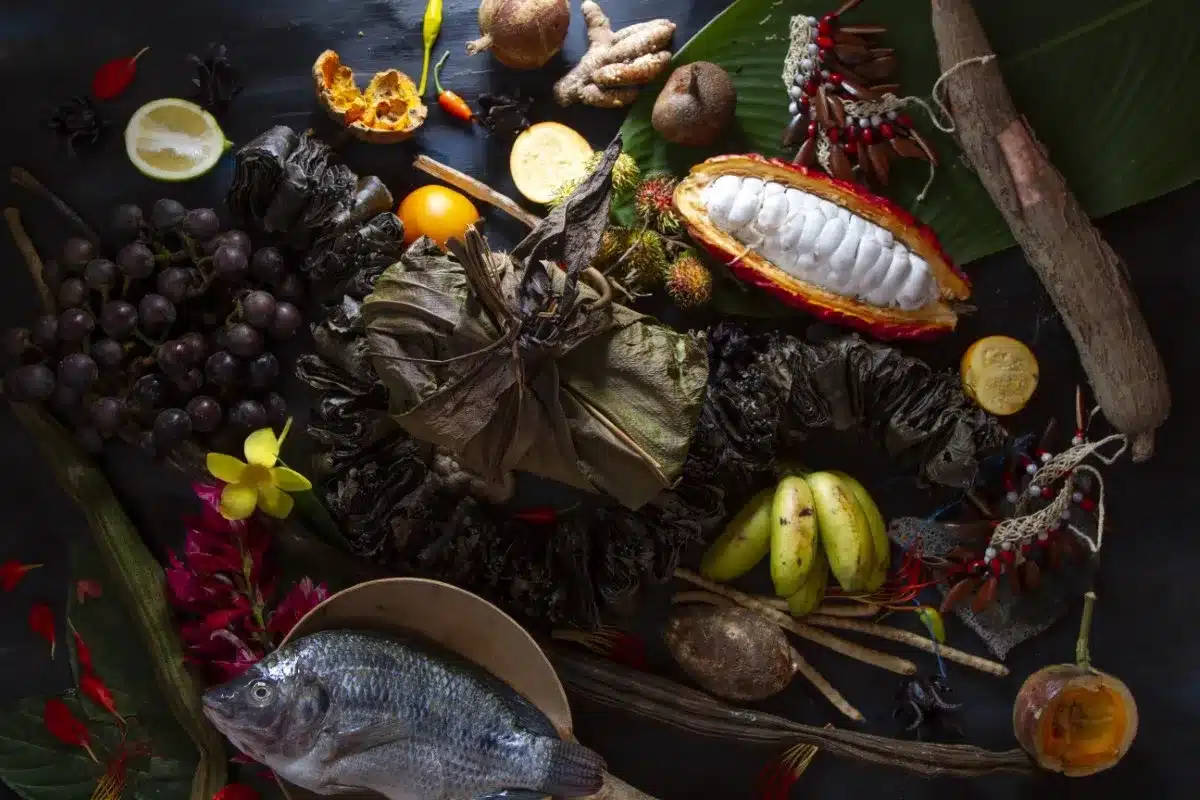
Within this biodiversity of the tropical Amazon, this place houses several emblematic species. Starting with the flora, this ecosystem has approximately 16,000 species of plants, such as bromeliads, orchids, and heliconias. Of this group, trees comprise 2,500 species, which include the ceiba, the ceibo and the balsa tree.
On the other hand, the fauna within the Amazon is one of the most diverse in the country, with more than 3 million species. The main ones are 600 species of fish, 165 species of mammals and 600 species of birds. However, the most emblematic species of this place include jaguars, giant otters, macaws, toucans, anacondas and caimans.
As an interesting fact, within the Ecuadorian Amazon there are symbiotic relationships between species. For example, some species of ants live in symbiosis with acacia trees. Ants find shelter and food in the cavities created by trees. In return, these ants defend the plant from herbivores and other threats, protecting its leaves and stems.
MOST BIODIVERSE AREA
Finally, within the Amazon region it can be considered that, apart from the flora and fauna of this place, the nationalities (contacted or in voluntary isolation) must be taken into account. Some of these are of Amazonian origin: Shuar, Achuar, Shiwiar, Huaorani, Cofán, Secoya, Siona, Zápara and Huaorani. These indigenous communities have resided in the jungle for centuries, forging a strong bond with nature and a deep understanding of its cycles and resources. For this reason, areas such as Yasuní and Cuyabeno are relevant for the protection of biodiversity through the undertaking of different lodges.
CONCLUSION
The biodiversity concentrated in the Amazon makes it challenging to protect it from several threats. However, to protect this natural heritage, cooperation and competition are essential for the survival of this ecosystem.
The Ecuadorian Amazon is undoubtedly a “magical” place; it is also considered one of the most fascinating places due to its exuberant biodiversity of flora and fauna. This tropical region, also known as the “Oriente Ecuatoriano”, is located in the provinces of Sucumbíos, Orellana, Napo, Pastaza, Morona Santiago and Zamora Chinchipe. Under this preamble, we present important fact´s about this natural heritage.
CLIMATE
This is a region that occupies 40% of the national territory; this area has tropical, warm, and humid climates. These help the fauna and flora to act as a “big lung” helping the environment. In context, this area has two climates: “dry” and “rainy”. The first refers to the months of December to February with an average temperature of 30 degrees. On the other hand, for the other season, the months are from March to July, with an average of 28 degrees.
ECOLOGICAL WEALTH
The Amazon, in addition to having a varied climate, has other factors that make it essential for the life of the species and the environment. It has rivers and wetlands that filter water, accumulating sediments and contaminants, finally supply pure water for local communities. Additionally, Amazon forests protect the land against erosion, preserve soil fertility and control the hydrological cycle, guaranteeing the presence of water for agriculture, hydroelectric energy production and human use.
FLORA Y FAUNA
Within this biodiversity of the tropical Amazon, this place houses several emblematic species. Starting with the flora, this ecosystem has approximately 16,000 species of plants, such as bromeliads, orchids, and heliconias. Of this group, trees comprise 2,500 species, which include the ceiba, the ceibo and the balsa tree.
On the other hand, the fauna within the Amazon is one of the most diverse in the country, with more than 3 million species. The main ones are 600 species of fish, 165 species of mammals and 600 species of birds. However, the most emblematic species of this place include jaguars, giant otters, macaws, toucans, anacondas and caimans.
As an interesting fact, within the Ecuadorian Amazon there are symbiotic relationships between species. For example, some species of ants live in symbiosis with acacia trees. Ants find shelter and food in the cavities created by trees. In return, these ants defend the plant from herbivores and other threats, protecting its leaves and stems.
MOST BIODIVERSE AREA
Finally, within the Amazon region it can be considered that, apart from the flora and fauna of this place, the nationalities (contacted or in voluntary isolation) must be taken into account. Some of these are of Amazonian origin: Shuar, Achuar, Shiwiar, Huaorani, Cofán, Secoya, Siona, Zápara and Huaorani. These indigenous communities have resided in the jungle for centuries, forging a strong bond with nature and a deep understanding of its cycles and resources. For this reason, areas such as Yasuní and Cuyabeno are relevant for the protection of biodiversity through the undertaking of different lodges.
CONCLUSION
The biodiversity concentrated in the Amazon makes it challenging to protect it from several threats. However, to protect this natural heritage, cooperation and competition are essential for the survival of this ecosystem.
Explore our latest news
15/04/2026
Why So Much of the World Fits Inside Ecuador’s Reserves
06/04/2026
Beyond Galápagos: The Ocean Ecuador Helps Protect With the World
02/04/2026
The Great lakes and Lagoons of South America: Landscapes Rich in History, Culture, and Nature
18/02/2026
Easter Island: The Hidden Secrets of the Ancient Stone Giants
18/02/2026
Romantic Places in Latin America for a Dream Valentine’s Trip
05/01/2026
Sustainable Travel Through Ecuador’s Protected Amazon Areas
Top rated content
26/12/2025
See How Responsible Tourism Supports Projects in Ecuador’s Amazon
26/12/2025
The Cuyabeno Nature Reserve One Unique Ecuadorian Rainforest of Killas
11/11/2025
Rediscovering Peru: Tracing Culture from Lima to the Nazca
10/11/2025
Why Is Colombia a Top Destination for Hiking and Nature?
06/11/2025
Uncover Amazonia’s Secrets: 5 Extraordinary Eco-Stays in Colombia’s Rainforest
30/10/2025
Quindío’s Iconic Spots: From Salento’s Colorful Streets to the Wax Palms of Cocora
Most viewed content
28/10/2025
Stunning Mompox: The Enduring Riverside Legacy
28/10/2025
Santa Marta: The Living Heart of Colombia’s Culture and Nature
24/10/2025
Villa de Leyva Culture: Inside the Living Heart of Heritage
16/10/2025
Explore the Real Colombia: Regions of Nature, Culture and Spirit
14/10/2025
Why Colombia? A vibrant life
14/10/2025
Cali Culture in Motion: Rhythm, Identity, and Urban Energy