

Consider the air you breathe and the rain that refreshes your city. A vast “river of vapor” rises from an ocean of trees in the distance. The Amazon exhales that vapor. It recycles moisture, seeds clouds, and guides storm tracks that nourish farms and cities across South America—and beyond. Scientists demonstrate how the forest’s cooling evapotranspiration and moisture transport actively stabilize regional climate systems.
EXPLORE OUR LATEST NEWS
04.15.2026
Blog
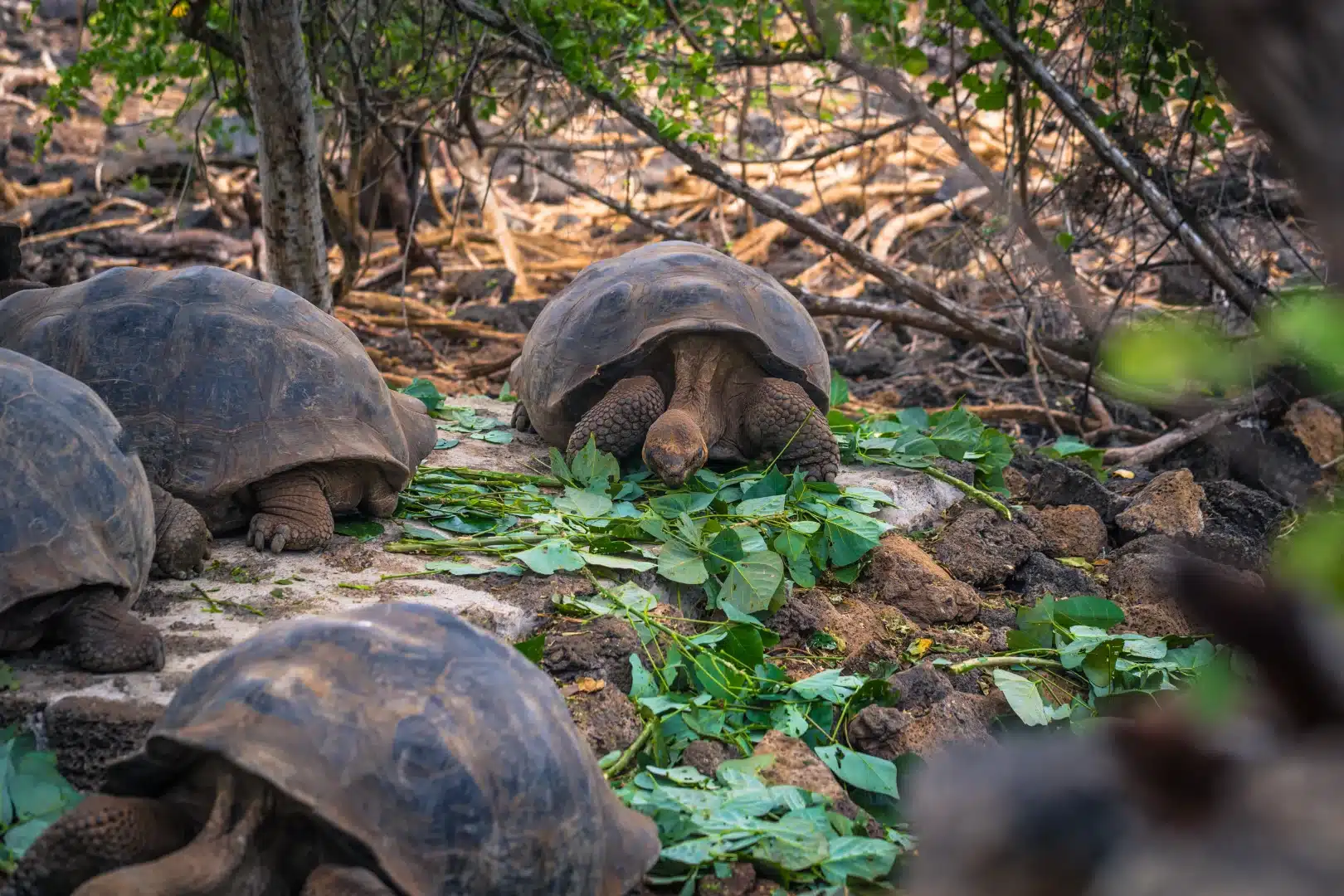
Why So Much of the World Fits Inside Ecuador’s Reserves

04.06.2026
Galapagos
Beyond Galápagos: The Ocean Ecuador Helps Protect With the World
04.02.2026
Blog
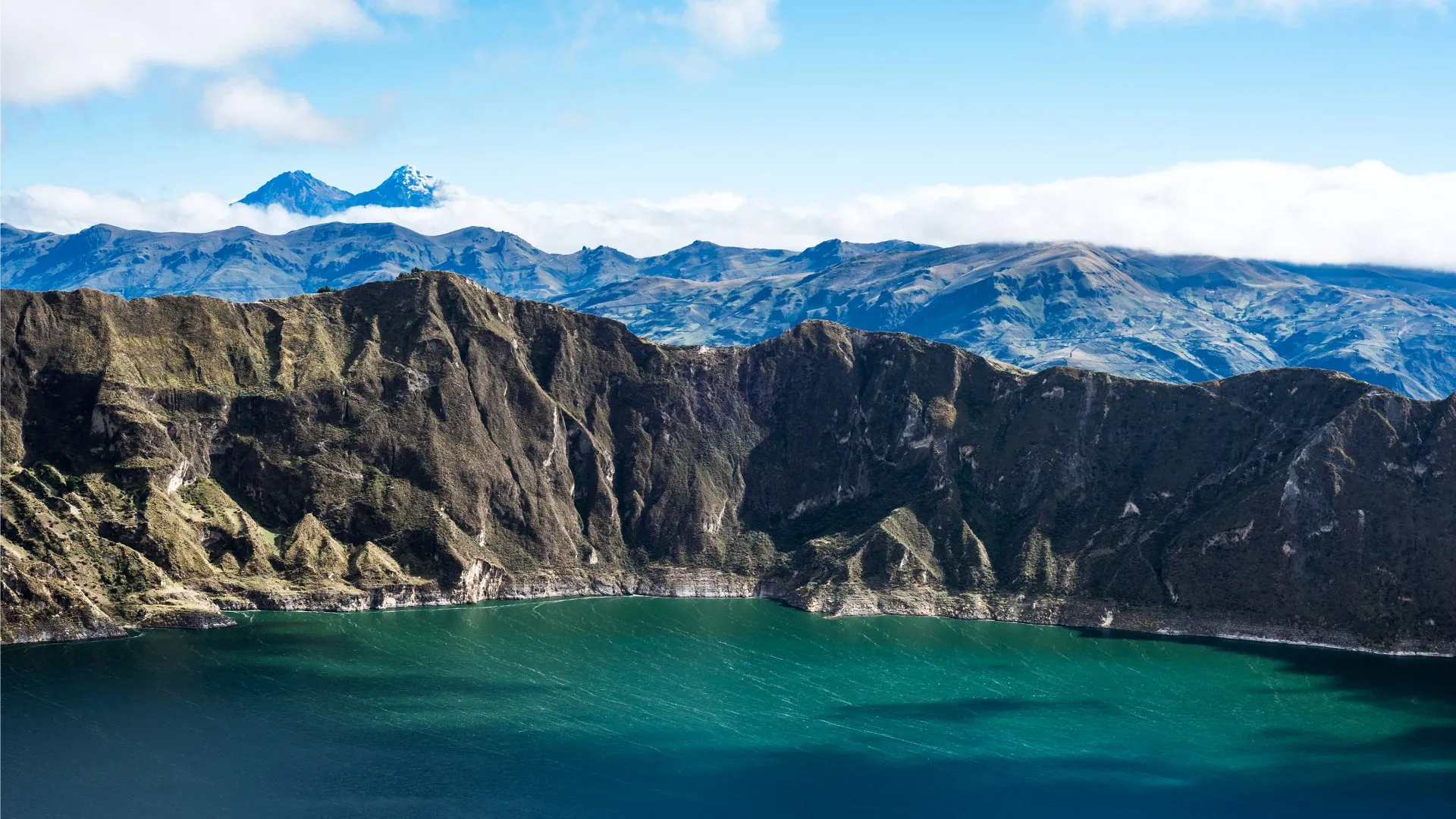
The Great lakes and Lagoons of South America: Landscapes Rich in History, Culture, and Nature
02.18.2026
Blog
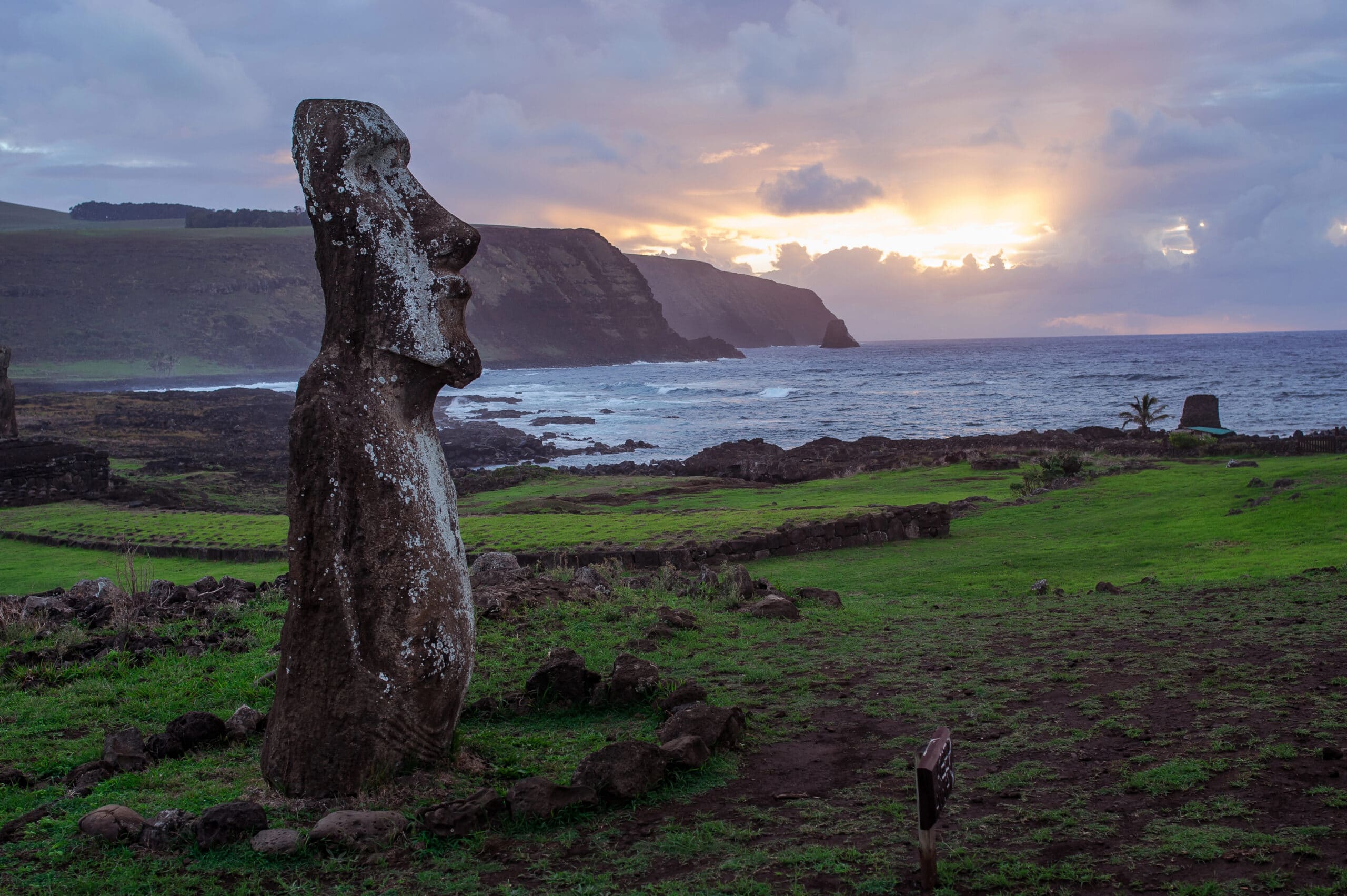
Easter Island: The Hidden Secrets of the Ancient Stone Giants
02.18.2026
Blog
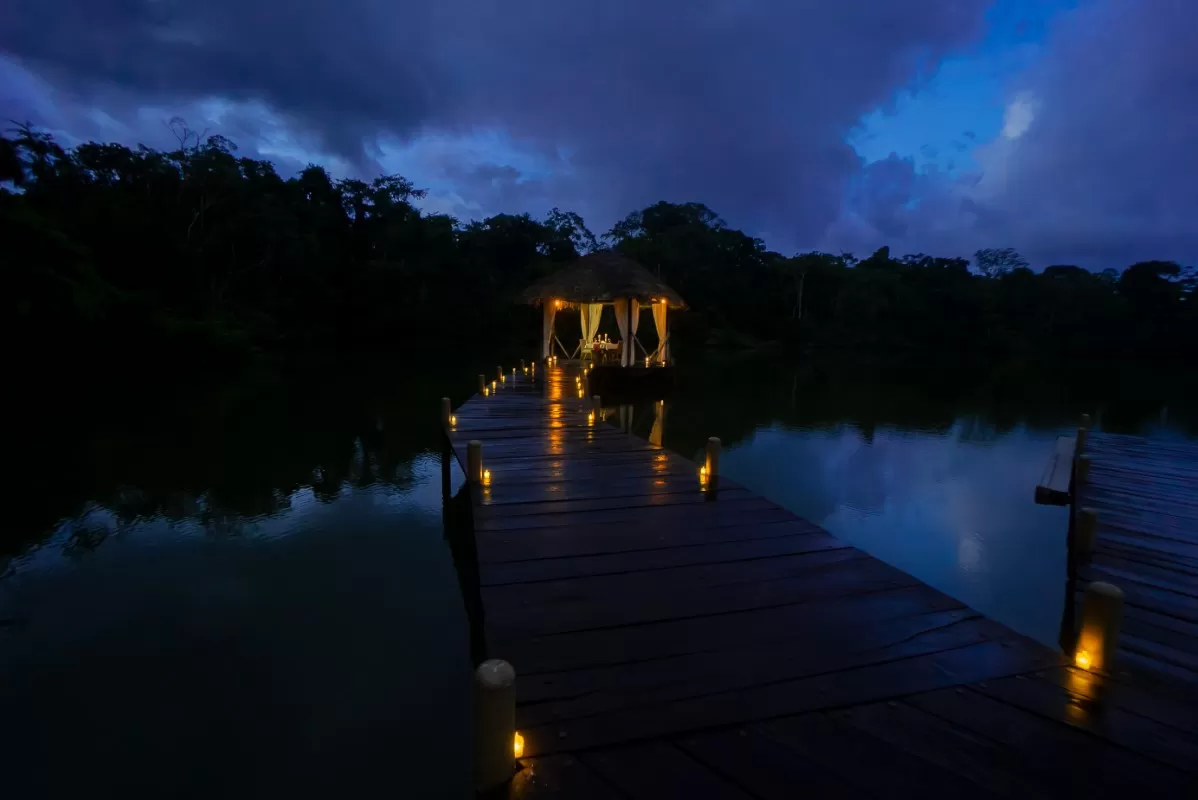
Romantic Places in Latin America for a Dream Valentine’s Trip
01.05.2026
Blog
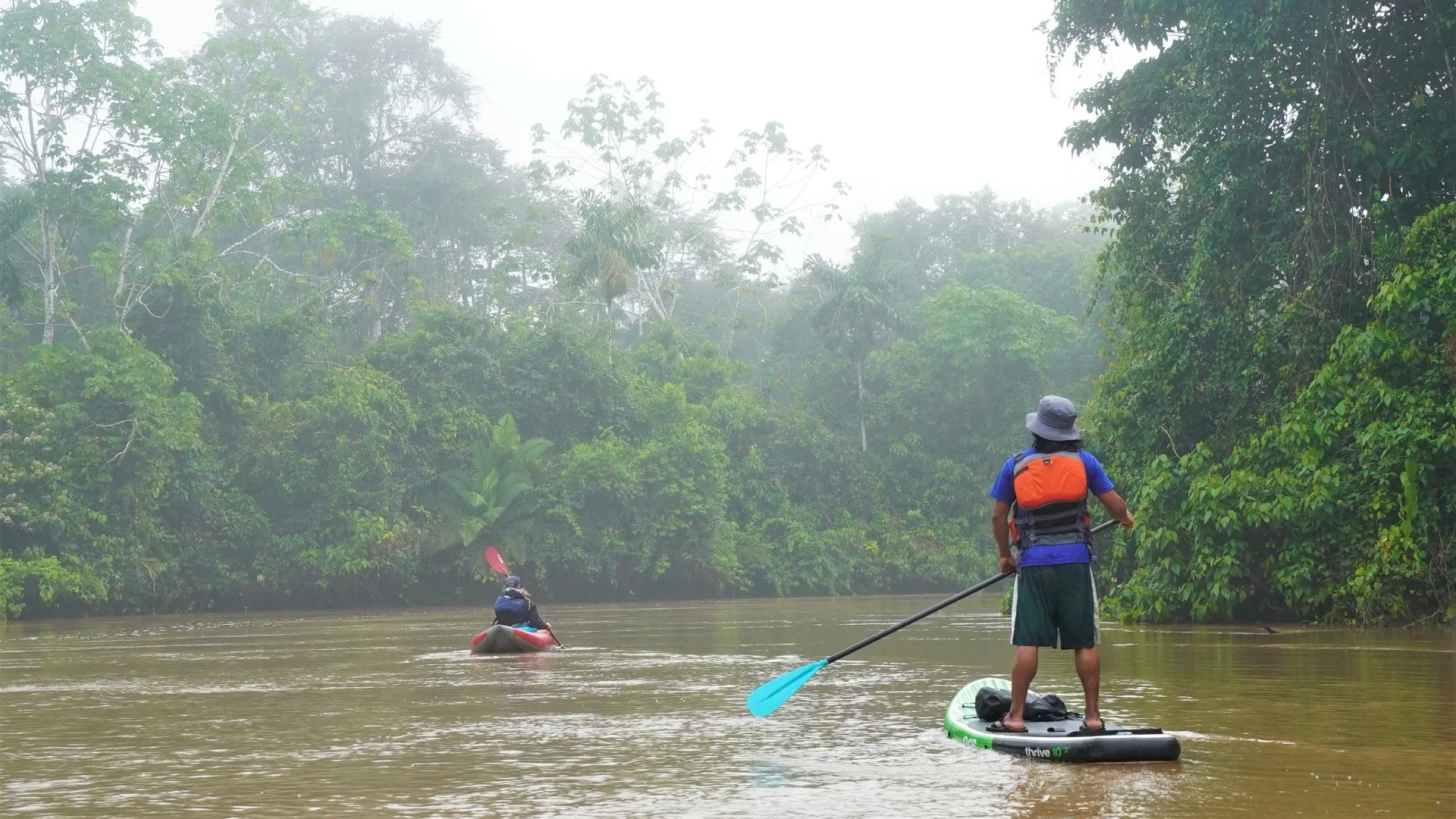
Sustainable Travel Through Ecuador’s Protected Amazon Areas
TOP RATED CONTENT
THE CARBON CYCLE, SIMPLY EXPLAINED
Trees as carbon vacuums
Each leaf acts as a miniature solar panel. Amazon trees actively pull carbon dioxide (CO₂) from the air through photosynthesis, locking it away in their trunks, soils, and roots. The Amazon collectively stores an impressive 150–200 gigatons of carbon, equivalent to about 15–20 years of current global CO₂ emissions.
Sink versus source: when balance shifts
A thriving rainforest acts as a carbon sink. However, when logging, fire, and drought occur, forests release more carbon than they take in. Recent high-resolution analyses throughout the “Arc of Deforestation” reveal a net annual carbon loss primarily caused by degradation, including selective logging, fire scars, and edge effects—not merely clear-cutting. Translation: even forests that appear “green” from space might be subtly releasing carbon.
Bottom line: Protecting intact forest and restoring degraded areas are as vital as stopping deforestation.

FLYING RIVERS: HOW THE FOREST MAKES RAIN
From evapotranspiration to distant storms
Amazon trees actively pump water vapor into the sky through a process known as evapotranspiration. This moisture actively seeds clouds and nourishes “flying rivers,” the atmospheric highways that transport humidity across the continent. The forest plays a crucial role in cooling the region through its water cycling, significantly contributing to climate stability.
Downwind effects—La Plata Basin & Buenos Aires
Recent work tracing water isotopes along the Andes–Amazon–Atlantic pathway finds that about a quarter of La Plata Basin rainfall is Amazon-derived moisture. That includes areas that influence Buenos Aires. In short: what happens in the Amazon doesn’t stay in the Amazon.
BIODIVERSITY = CLIMATE STABILITY
Ecosystem “architects”
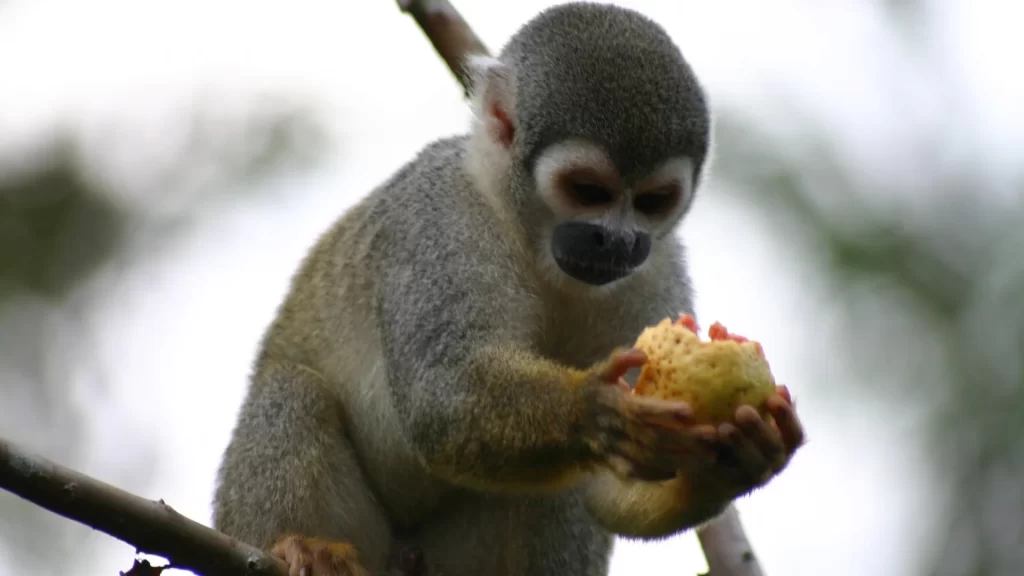
Monkeys actively disperse seeds, insects energetically pollinate flowers, and fish efficiently deliver nutrients across floodplains. This vibrant web sustains the forest’s regeneration, ensuring carbon remains stored and moisture continues to flow. The Amazon boasts over 10% of Earth’s terrestrial biodiversity, serving as a vital foundation for climate regulation and resilience.
Nature’s laboratory
Numerous Amazon plants, along with their accompanying microbes, await description by science. New medicines, materials, and climate solutions await discovery. Maintaining this library is more cost-effective than restoring climate stability in the future.
THE THREATS (AND OUR ROLE)
Deforestation, degradation & fires
Deforestation captures attention, yet scientists now estimate that degradation leads to most of the carbon losses in the Amazon. From logging scars to understory fires, these issues often go unnoticed in basic satellite maps. Hotter, drier seasons amplify fires, and El Niño years can be particularly harsh.
Droughts and warming
The 2023–2024 Amazon drought was among the worst on record, with historically low river levels and widespread ecological and economic impacts. Climate change made it significantly more likely. Drier, hotter conditions also mean more fire risk.
Methane pulses
Warming can increase methane (CH₄) emissions from tropical wetlands. Scientists observed a surge in 2024 that highlights the sensitivity of these systems to heat. The dynamics of methane are complex and vary by region. However, a warmer, drier Amazon poses a risk of transforming certain areas from a sink to a source of key greenhouse gases.
Your daily link
Routine choices—beef linked to deforestation, illegal gold, unsustainable hardwoods—echo in the Amazon. Choosing certified products (or skipping them) reduces pressure. (See also community and conservation programs below.)
AMAZONÍA REGULADOR CLIMÁTICO: WHAT IT REALLY MEANS
A regional system with global reach
“Amazonía Regulador Climático” represents a comprehensive perspective: carbon storage combined with moisture recycling and biodiversity feedbacks leads to climate regulation throughout South America and, by extension, the globe. By protecting the forest, we safeguard rainfall patterns, enhance crop yields, boost hydropower, and improve public health for those living downstream.
Why the next decade matters
A landmark synthesis highlights that 10–47% of Amazonian forests may encounter compounding disturbances by 2050, potentially leading to tipping points where forest patches transition to drier, degraded states. To shape a better future, we must act now by halting deforestation, reducing degradation, restoring edges, and empowering local stewards.

REALITY CHECK ON THE GROUND: RISKS & HOPE
Territorial tensions & illegal fires
Communities across the basin actively confront pressures from illegal mining, land grabs, and fire. In Ecuador, conservation institutions and Indigenous groups highlight budget gaps and policy changes that may undermine protections. Meanwhile, others advocate for innovative tools and enhanced community land security. Staying informed and actively supporting transparent, community-led solutions is key.
Responsible tourism as a shield
Travelers who select verified local operators and community lodges actively contribute to conservation efforts and decrease dependence on extractive activities, creating a positive impact. Community-based tourism in the Amazon demonstrates a powerful ability to enhance stewardship and reduce environmental crimes, especially when local benefits are prioritized.
Pro tip: In Ecuador, public–private–community initiatives are expanding connectivity between protected areas (e.g., ASL/GEF corridors), pairing conservation with livelihoods.
WHAT YOU CAN DO—TRAVEL WITH PURPOSE
Choose genuine ecotourism & local lodges.
Book with Responsible Travel S.A., a certified local operator whose guides are conservationists first. Your fees support conservation, fair jobs, and community projects. Ask operators about:
- community ownership or benefit-sharing,
- low-impact infrastructure,
- trained local naturalist guides,
- contributions to research or ranger patrols.
Support research & community guardians.
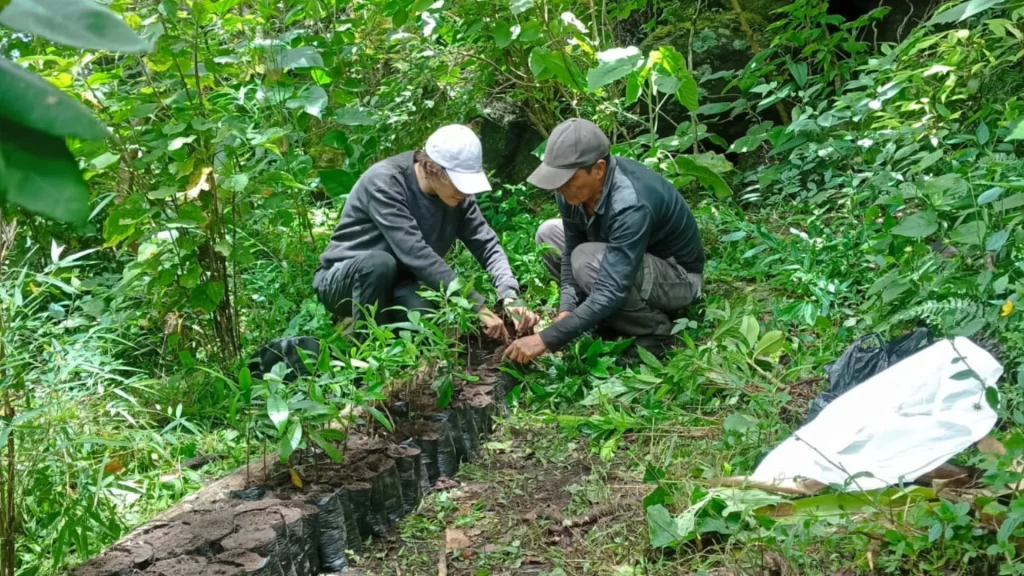
Get involved by donating or volunteering with organizations that support Indigenous land rights, ranger patrols, and restoration efforts. Evidence demonstrates that community patrolling significantly reduces environmental crime, while inclusive, benefit-sharing tourism fosters lasting conservation efforts.
FAST GUIDE: WHEN TO GO, WHAT TO PACK, SAFETY
SEASONS & TIMING (ECUADOR EXAMPLE)
- Drier months (roughly Jul–Dec): Clearer trails, easier overland logistics, but watch for local fire risk advisories.
- Wetter months (roughly Jan–Jun): Lush forest, high river access; some roads can be affected—check official updates.
SMART PACKING (CLIMATE- AND WILDLIFE-FRIENDLY)
- Neutral, lightweight clothing; rain shell.
- Closed shoes, extra socks; dry bags.
- Reusable water bottle & filter; reef-safe sunscreen.
- Binoculars; headlamp; spare batteries.
- Insect repellent (biodegradable) & personal meds.
SAFETY & OFFICIAL CHECKS (ECUADOR)
- Before you travel: verify park alerts and conservation rules with MAATE (Ecuador’s environment ministry).
- Road conditions: consult the national Estado de Vías tool (updated by authorities during El Niño/rainy seasons).
- Emergencies: note the ECU 911 system and app; it coordinates first responders nationwide.
- If boating/ferrying: MTOP regulations and local harbor master guidance apply; always follow operator safety briefings.

THE FOREST’S FUTURE IS OUR FUTURE
The Amazon stands as a vibrant climate control center, actively moderating heat, moving moisture, and anchoring biodiversity. Carbon storage and flying rivers actively influence your weather, food prices, and water security. Science shows us the way: protect intact forests, stop deforestation, minimize degradation, and uplift communities—and we ensure the climate engine continues to thrive. Select Responsible Travel S.A. for journeys that support conservation efforts and honor local expertise. Your choices today shape the forest and the climate we will all experience tomorrow.

Frequently Asked Questions About Amazon
Is the Amazon really “the lungs of the planet”?
It’s a metaphor. The Amazon stores vast carbon and cools regions via moisture recycling, which stabilizes climate. The phrase helps people grasp its global role, but the science is about carbon storage and “flying rivers,” not literal lungs.
Do “flying rivers” actually affect cities far away?
Yes. New isotope work shows ~24% of La Plata Basin rainfall originates as Amazon moisture—relevant for agricultural heartlands and cities influenced by that basin.
Isn’t stopping deforestation enough?
It’s essential, but not sufficient. Forest degradation (logging scars, edge drying, understory fires) causes large carbon losses—even where canopy remains. We must stop deforestation and reduce degradation while restoring damaged areas.
Is the Amazon already a net carbon source?
Parts of the basin and some seasons behave like sources due to warming and fire. A 2024 analysis shows net carbon losses across heavily impacted regions. The intact core still matters enormously for storage and cooling.
Does ecotourism really help conservation?
Yes—when it’s community-led and benefits stay local. Programs across the Amazon show meaningful conservation and social gains when communities share revenue and lead stewardship.
Why include Ecuador-specific agencies if the Amazon is international?
The basin spans many countries. In Ecuador, MAATE issues environmental guidance, ECU 911 handles emergencies, and MTOP posts road statuses—useful for travelers planning Amazon visits responsibly.
Discover the Amazon while helping protect its climate-regulating power
Consider the air you breathe and the rain that refreshes your city. A vast “river of vapor” rises from an ocean of trees in the distance. The Amazon exhales that vapor. It recycles moisture, seeds clouds, and guides storm tracks that nourish farms and cities across South America—and beyond. Scientists demonstrate how the forest’s cooling evapotranspiration and moisture transport actively stabilize regional climate systems.
THE CARBON CYCLE, SIMPLY EXPLAINED
Trees as carbon vacuums
Each leaf acts as a miniature solar panel. Amazon trees actively pull carbon dioxide (CO₂) from the air through photosynthesis, locking it away in their trunks, soils, and roots. The Amazon collectively stores an impressive 150–200 gigatons of carbon, equivalent to about 15–20 years of current global CO₂ emissions.
Sink versus source: when balance shifts
A thriving rainforest acts as a carbon sink. However, when logging, fire, and drought occur, forests release more carbon than they take in. Recent high-resolution analyses throughout the “Arc of Deforestation” reveal a net annual carbon loss primarily caused by degradation, including selective logging, fire scars, and edge effects—not merely clear-cutting. Translation: even forests that appear “green” from space might be subtly releasing carbon.
Bottom line: Protecting intact forest and restoring degraded areas are as vital as stopping deforestation.
FLYING RIVERS: HOW THE FOREST MAKES RAIN
From evapotranspiration to distant storms
Amazon trees actively pump water vapor into the sky through a process known as evapotranspiration. This moisture actively seeds clouds and nourishes “flying rivers,” the atmospheric highways that transport humidity across the continent. The forest plays a crucial role in cooling the region through its water cycling, significantly contributing to climate stability.
Downwind effects—La Plata Basin & Buenos Aires
Recent work tracing water isotopes along the Andes–Amazon–Atlantic pathway finds that about a quarter of La Plata Basin rainfall is Amazon-derived moisture. That includes areas that influence Buenos Aires. In short: what happens in the Amazon doesn’t stay in the Amazon.
BIODIVERSITY = CLIMATE STABILITY
Ecosystem “architects”
Monkeys actively disperse seeds, insects energetically pollinate flowers, and fish efficiently deliver nutrients across floodplains. This vibrant web sustains the forest’s regeneration, ensuring carbon remains stored and moisture continues to flow. The Amazon boasts over 10% of Earth’s terrestrial biodiversity, serving as a vital foundation for climate regulation and resilience.
Nature’s laboratory
Numerous Amazon plants, along with their accompanying microbes, await description by science. New medicines, materials, and climate solutions await discovery. Maintaining this library is more cost-effective than restoring climate stability in the future.
THE THREATS (AND OUR ROLE)
Deforestation, degradation & fires
Deforestation captures attention, yet scientists now estimate that degradation leads to most of the carbon losses in the Amazon. From logging scars to understory fires, these issues often go unnoticed in basic satellite maps. Hotter, drier seasons amplify fires, and El Niño years can be particularly harsh.
Droughts and warming
The 2023–2024 Amazon drought was among the worst on record, with historically low river levels and widespread ecological and economic impacts. Climate change made it significantly more likely. Drier, hotter conditions also mean more fire risk.
Methane pulses
Warming can increase methane (CH₄) emissions from tropical wetlands. Scientists observed a surge in 2024 that highlights the sensitivity of these systems to heat. The dynamics of methane are complex and vary by region. However, a warmer, drier Amazon poses a risk of transforming certain areas from a sink to a source of key greenhouse gases.
Your daily link
Routine choices—beef linked to deforestation, illegal gold, unsustainable hardwoods—echo in the Amazon. Choosing certified products (or skipping them) reduces pressure. (See also community and conservation programs below.)
AMAZONÍA REGULADOR CLIMÁTICO: WHAT IT REALLY MEANS
A regional system with global reach
“Amazonía Regulador Climático” represents a comprehensive perspective: carbon storage combined with moisture recycling and biodiversity feedbacks leads to climate regulation throughout South America and, by extension, the globe. By protecting the forest, we safeguard rainfall patterns, enhance crop yields, boost hydropower, and improve public health for those living downstream.
Why the next decade matters
A landmark synthesis highlights that 10–47% of Amazonian forests may encounter compounding disturbances by 2050, potentially leading to tipping points where forest patches transition to drier, degraded states. To shape a better future, we must act now by halting deforestation, reducing degradation, restoring edges, and empowering local stewards.
REALITY CHECK ON THE GROUND: RISKS & HOPE
Territorial tensions & illegal fires
Communities across the basin actively confront pressures from illegal mining, land grabs, and fire. In Ecuador, conservation institutions and Indigenous groups highlight budget gaps and policy changes that may undermine protections. Meanwhile, others advocate for innovative tools and enhanced community land security. Staying informed and actively supporting transparent, community-led solutions is key.
Responsible tourism as a shield
Travelers who select verified local operators and community lodges actively contribute to conservation efforts and decrease dependence on extractive activities, creating a positive impact. Community-based tourism in the Amazon demonstrates a powerful ability to enhance stewardship and reduce environmental crimes, especially when local benefits are prioritized.
Pro tip: In Ecuador, public–private–community initiatives are expanding connectivity between protected areas (e.g., ASL/GEF corridors), pairing conservation with livelihoods.
WHAT YOU CAN DO—TRAVEL WITH PURPOSE
Choose genuine ecotourism & local lodges.
Book with Responsible Travel S.A., a certified local operator whose guides are conservationists first. Your fees support conservation, fair jobs, and community projects. Ask operators about:
- community ownership or benefit-sharing,
- low-impact infrastructure,
- trained local naturalist guides,
- contributions to research or ranger patrols.
Support research & community guardians.
Get involved by donating or volunteering with organizations that support Indigenous land rights, ranger patrols, and restoration efforts. Evidence demonstrates that community patrolling significantly reduces environmental crime, while inclusive, benefit-sharing tourism fosters lasting conservation efforts.
FAST GUIDE: WHEN TO GO, WHAT TO PACK, SAFETY
SEASONS & TIMING (ECUADOR EXAMPLE)
- Drier months (roughly Jul–Dec): Clearer trails, easier overland logistics, but watch for local fire risk advisories.
- Wetter months (roughly Jan–Jun): Lush forest, high river access; some roads can be affected—check official updates.
SMART PACKING (CLIMATE- AND WILDLIFE-FRIENDLY)
- Neutral, lightweight clothing; rain shell.
- Closed shoes, extra socks; dry bags.
- Reusable water bottle & filter; reef-safe sunscreen.
- Binoculars; headlamp; spare batteries.
- Insect repellent (biodegradable) & personal meds.
SAFETY & OFFICIAL CHECKS (ECUADOR)
- Before you travel: verify park alerts and conservation rules with MAATE (Ecuador’s environment ministry).
- Road conditions: consult the national Estado de Vías tool (updated by authorities during El Niño/rainy seasons).
- Emergencies: note the ECU 911 system and app; it coordinates first responders nationwide.
- If boating/ferrying: MTOP regulations and local harbor master guidance apply; always follow operator safety briefings.
THE FOREST’S FUTURE IS OUR FUTURE
The Amazon stands as a vibrant climate control center, actively moderating heat, moving moisture, and anchoring biodiversity. Carbon storage and flying rivers actively influence your weather, food prices, and water security. Science shows us the way: protect intact forests, stop deforestation, minimize degradation, and uplift communities—and we ensure the climate engine continues to thrive. Select Responsible Travel S.A. for journeys that support conservation efforts and honor local expertise. Your choices today shape the forest and the climate we will all experience tomorrow.
Frequently Asked Questions About Amazon
Is the Amazon really “the lungs of the planet”?
It’s a metaphor. The Amazon stores vast carbon and cools regions via moisture recycling, which stabilizes climate. The phrase helps people grasp its global role, but the science is about carbon storage and “flying rivers,” not literal lungs.
Do “flying rivers” actually affect cities far away?
Yes. New isotope work shows ~24% of La Plata Basin rainfall originates as Amazon moisture—relevant for agricultural heartlands and cities influenced by that basin.
Isn’t stopping deforestation enough?
It’s essential, but not sufficient. Forest degradation (logging scars, edge drying, understory fires) causes large carbon losses—even where canopy remains. We must stop deforestation and reduce degradation while restoring damaged areas.
Is the Amazon already a net carbon source?
Parts of the basin and some seasons behave like sources due to warming and fire. A 2024 analysis shows net carbon losses across heavily impacted regions. The intact core still matters enormously for storage and cooling.
Does ecotourism really help conservation?
Yes—when it’s community-led and benefits stay local. Programs across the Amazon show meaningful conservation and social gains when communities share revenue and lead stewardship.
Why include Ecuador-specific agencies if the Amazon is international?
The basin spans many countries. In Ecuador, MAATE issues environmental guidance, ECU 911 handles emergencies, and MTOP posts road statuses—useful for travelers planning Amazon visits responsibly.
Discover the Amazon while helping protect its climate-regulating power
EXPLORE OUR LATEST NEWS
04.15.2026
Blog
Why So Much of the World Fits Inside Ecuador’s Reserves
04.06.2026
Galapagos
Beyond Galápagos: The Ocean Ecuador Helps Protect With the World
04.02.2026
Blog
The Great lakes and Lagoons of South America: Landscapes Rich in History, Culture, and Nature
02.18.2026
Blog
Easter Island: The Hidden Secrets of the Ancient Stone Giants
02.18.2026
Blog
Romantic Places in Latin America for a Dream Valentine’s Trip
01.05.2026
Blog
Sustainable Travel Through Ecuador’s Protected Amazon Areas