



Responsible Travel

Must-See Indigenous Markets in the Andes: Otavalo, Saquisilí & Guamote

08.19.2025

BY Isaac

BlogCultureEcuadorian handicrafts

Envision vibrant colors, hand-woven textiles, the scent of wood smoke in the crisp morning air, and the melodic exchange of Kichwa and Spanish as agreements are sealed with a handshake. Ecuador’s highland markets serve as vibrant community hubs, offering more than just shopping opportunities. Many travelers begin their journey at the renowned Otavalo Market, located about 110 km or roughly 2 hours north of Quito. From there, they often explore more local, less touristy markets such as Saquisilí and Guamote, allowing for a richer experience of Andean life.

Strategy note: You can embrace multiple options. Smart planning and an early start allow you to pair Otavalo with scenic food stops. Alternatively, dedicate a Thursday to Saquisilí or Guamote for an all-local experience—this becomes seamless when you travel with a knowledgeable driver-guide.

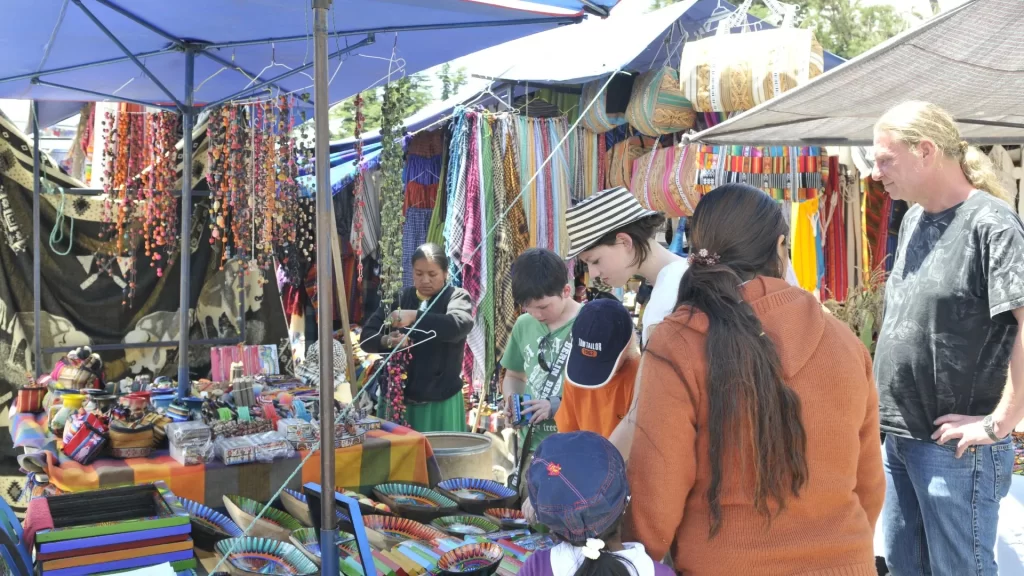
Handmade products-Ecuador’s highland markets
Colors, textures, and traditions reflected in authentic handmade products—Each handmade piece is unique and reflects the culture of its region.

1) THE CLASSIC ESSENTIAL — OTAVALO, THE HANDICRAFT CAPITAL

Reasons to go: Otavalo’s Plaza de los Ponchos. is the crown jewel of Ecuador’s highland markets, and one of the largest and best-known in South America. It operates every day from around 7:00 a.m. to about 6:00 p.m., and on Saturdays, the excitement grows as stalls extend into the nearby streets. Look forward to superb textiles, alpaca blends, hats, leather, woodcarving, jewelry, and musical instruments.

Reaching your destination from Quito: Drive approximately 2 hours north in a private vehicle along the Pan-American (E35). Bonus stops elevate your day: savor warm bizcochos (buttery Andean biscuits) in Cayambe, and pause at Lago San Pablo for stunning volcano-rimmed photos before you arrive in town.

What to buy (and how to buy well):

  • Textiles & throws — check stitching density on the reverse side; ask about natural vs. synthetic dyes.
  • Scarves & ponchos — soft alpaca blends pack small and travel well.
  • Hand-woven belts, hats, and bags — look for artisan signatures or community names.
  • Food to tryfritada con mote (crispy pork with hominy), fruit cups, fresh juices.

Enhance it with a professional touch: A knowledgeable guide reveals which stalls are genuinely artisan-run rather than resellers, ensuring you pay the right price, make ethical purchases, and discover the story behind your piece. It represents the distinction between “souvenir” and “heirloom.”

Otavalo market shines with vibrant colors and authentic Andean crafts-Ecuador’s highland markets
Otavalo market shines with vibrant colors and authentic Andean crafts-Every Saturday, the plaza transforms into one of the busiest trading spots in the Andes.

2) THE AUTHENTIC IMMERSION — SAQUISILÍ’S THURSDAY MARKETS

Reasons to go: Every Thursday, Saquisilí bursts to life with vibrant plazas of commerce—offering fresh produce, essential tools, colorful textiles, and a renowned animal market that springs to action at dawn. The market thrives for highland communities, serving as one of Ecuador’s highland markets rather than just an artisan showcase, and that’s exactly what makes it so appealing. Arrive early! The livestock section buzzes with activity around dawn and gradually winds down by mid-morning.

Here’s what you can look forward to: Truckloads of potatoes, grains, and herbs fill the scene. Bargaining in Kichwa creates a lively atmosphere. Bleating sheep and squealing piglets add to the charm, while steaming bowls of caldo (broth) from pop-up kitchens invite everyone to enjoy a warm meal. It’s vibrant and noisy, bursting with photogenic opportunities, and it encourages respectful behavior—always remember to ask before photographing people.

A guide proves beneficial in this situation: Layouts change from week to week. A local fixer guides you through scattered plazas, translates, introduces you to producers, and directs you to the cleanest, tastiest stalls.

Vibrant colors and fresh produce fill the traditional stalls of the Saquisilí market-Ecuador’s highland markets
Vibrant colors and fresh produce fill the traditional stalls of the Saquisilí market-This indigenous market is one of the largest and most authentic in the Ecuadorian Andes.(Photo: pamsai, “200,000 visits, thank you,” CC BY-SA 2.0, via Wikimedia Commons https://creativecommons.org/licenses/by-sa/2.0)

3) THE HIDDEN GEM — GUAMOTE’S DEEP-ANDES THURSDAY MARKET

Reasons to go: On Thursdays, Guamote stands out as Ecuador’s most authentic highland market. Stalls line the streets near the old rail line, showcasing distinct areas for animals and everyday goods. This destination shines with its local charm and stunning visuals, making it perfect for travelers eager for genuine experiences rather than mere convenience.

What it feels like: Wide-brim hats, layered polleras (skirts), and woven mantas everywhere; trading that’s clearly by locals for locals. Visitors are welcome, but you’re the guest—follow your guide’s lead on where to stand, when to shoot, and how to greet vendors.

SNAPSHOT: WHICH MARKET FITS YOU?

MarketBest Day(s) & HoursDistance from Quito (approx.)Focus & VibeBest For
Otavalo (Plaza de los Ponchos)Daily ~7 a.m.–6 p.m.; biggest on Sat~110 km / ~2 hrsHandicrafts, textiles, souvenirs; scenic detours via Cayambe & San Pablo LakeFirst-timers, craft lovers, great gifts
SaquisilíThu; animal market very early (wraps by ~10 a.m.)~2 hrs south (via Latacunga)Working Andean market across multiple plazas, produce + livestockCulture-seekers, photographers, early birds
GuamoteThu morning~3.5–4.5 hrs (Central Highlands)Deep-local market, multiple sections including animals & staplesHardcore market fans, off-the-beaten-path travelers
Two women from Guamote, dressed in traditional clothing, make their way to the market amid tradition and community-Ecuador’s highland markets
Two women from Guamote, dressed in traditional clothing, make their way to the market amid tradition and community-The Guamote market reflects Andean life, with 95% of its population being indigenous.

HOW TO PLAN A SMOOTH, RESPECTFUL MARKET DAY

TIMING & ROUTING (THE STRESS-FREE WAY)

  • Otavalo day: Depart Quito ~7:00 a.m.Cayambe bizcochos stopSan Pablo viewpointOtavalo by ~9:30 a.m. → lunch in town → optional weaving workshop or lake walk → back in Quito by early evening.
  • Thursday deep dive: Pick Saquisilí or Guamote—both happen on Thursdays and deserve an unhurried morning. Start pre-dawn if you want the animal market at Saquisilí.

CHOOSING YOUR OUTFIT AND ESSENTIALS

  • Prepare for cool mornings and strong midday sun with layers, comfortable shoes, a hat, sunscreen, and a small daypack.
  • Bring cash in small bills, as most stalls accept only cash. Secure your valuables by zipping them up and keeping them in front.
  • Vendors appreciate reusable totes for purchases.

BUYING WISELY (AND HAPPILY)

  • Explore first, then return to your favorites.
  • Engaging in polite bargaining is perfectly fine: flash a smile and ask, “¿Cuánto es?” Counter gently, understanding that handmade quality requires both time and skill.
  • Inquire about the story that lies behind a piece—its materials, the community involved, and the techniques used. It enhances the object and empowers the right creators.

PHOTOGRAPHY ETIQUETTE

  • Always ask before photographing people, especially elders and children. A few coins or buying from the stall you photograph is a kind gesture.

Planning ahead is the key to getting the most out of every travel experience-Ecuador’s highland markets
Planning ahead is the key to getting the most out of every travel experience-Good organization allows you to optimize your time and discover more at each destination.(Photo by lilartsy on Unsplash)

WHAT MAKES A GUIDED VISIT BETTER (AND FAIRER)

Explore Otavalo, Saquisilí, and Guamote on your own! A seasoned local operator transforms the equation from “interesting” to profoundly connective:

  • Cultural connections: A bilingual guide illuminates symbols, weaving patterns, and rituals that you might overlook, empowering you to engage with them respectfully.
  • Ethical shopping: They steer you to artisan-run stalls and cooperatives, ensuring your money stays in the community.
  • Market mechanics: They identify the first plaza to come alive, pinpoint the cleanest kitchens, and swiftly adapt when weather or roadworks alter the plan.
  • Safe, efficient transport: Door-to-door routing with vetted drivers means more time browsing, less time figuring out parking or detours.

What makes Responsible Travel SA the right choice? While they aren’t the only good operator, they stand out as one of the best at transforming market days into impactful cultural exchanges. Their success stems from strong community ties, thoughtful artisan introductions, and supportive coaching on etiquette. You will continue to bargain and choose freely; you will do so with context, comfort, and confidence.

QUICK REFERENCE: WHAT TO BUY WHERE

MarketSignature FindsFood to Try
OtavaloHand-loomed blankets, scarves, belts, hats, leather goods, jewelry, instrumentsFritada con mote, fresh fruit juices
SaquisilíEveryday Andean staples (grains, herbs), tools, livestockBroths, empanadas, roasted corn
GuamoteSubsistence goods, woven ponchos and mantas used by highland communitiesHearty soups, farm-fresh produce
A collection of toquilla straw hats, renowned for their elegance and tradition-Ecuador’s highland markets
A collection of toquilla straw hats, renowned for their elegance and tradition-The craftsmanship of these hats requires weeks of meticulous work and great manual skill.

FINAL WORD: MARKETS THAT MEET YOU WHERE YOU ARE

  • New to Andean markets? Start with Otavalo—it’s iconic for a reason, and the scenery en route is gorgeous.
  • Craving a raw, local scene? Set your Thursday alarm for Saquisilí or Guamote—and go with a guide for context, language support, and smart routing.

When you’re prepared to move beyond mere “shopping” and embrace connection, a considerate partner like Responsible Travel SA empowers you to experience Ecuador’s highland markets the right way—at your own pace, within your comfort zone, and with authentic benefits for the communities you’re exploring.

The colorful Plaza de los Ponchos in Otavalo, Ecuador, filled with indigenous crafts, textiles, and artisan stalls.

Frequently Asked Questions About Quick Guide to Andean Markets

  1. When is the best day to visit the Otavalo Market?

    The Otavalo Market is open every day, but the busiest day is Saturday, when the main square is filled with artisans and there is a wide variety of products. However, if you prefer fewer people, any other day of the week is excellent.

  2. What days of the week are the Saquisilí and Guamote markets held?

    Both markets, Saquisilí and Guamote, are held on Thursdays. These markets are famous for being a meeting point for local trade, offering a more traditional experience focused on agricultural products.

  3. How can I pay for my purchases at the markets?

    Most vendors at the markets only accept cash payments. It is advisable to bring small bills. Some larger artisans may accept payments through platforms such as PayPal.

  4.  Do I need a guide to visit these markets?

    A guide is highly recommended. Although Otavalo is easy to navigate, a guide will help you understand the culture of the Kichwa Otavalo people, communicate, and find the most authentic products. For more local markets such as Saquisilí or Guamote, a guide is key to your safety and understanding of the experience.

  5. How far are the markets from Quito?

    Otavalo is about 2 hours away from Quito, 110 km from the capital. Saquisilí and Guamote are in other directions from Quito and travel time may vary. However, all of these markets are accessible on a day trip.

    Discover the Andes through their legendary markets—and start planning your journey today