


Responsible Travel

Nightfall Expeditions: The Secret of the Andes After Dark

08.28.2025

BY Isaac

BlogAndes

Picture yourself on an Andean ridge at dusk: the final rays of light diminish, valleys gently soften, and a serene silence wraps around the landscape. This marks not the conclusion, but a remarkable transformation. As darkness deepens, a hidden world awakens, where birds, mammals, and insects each contribute to nature’s vibrant nocturnal symphony.

Step into that secret realm with this invitation. This guide will help you explore the ethics, logistics, and species you may encounter after sunset. Through Andes night hikes, you’ll experience the mystery in a responsible and safe manner, backed by profound knowledge and respect.

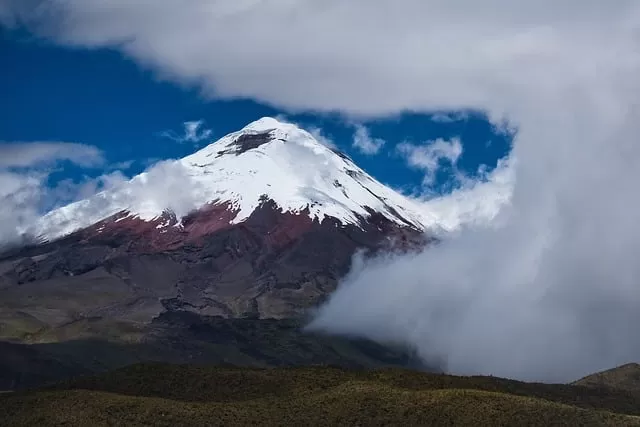
Chimborazo-Andes night hikes
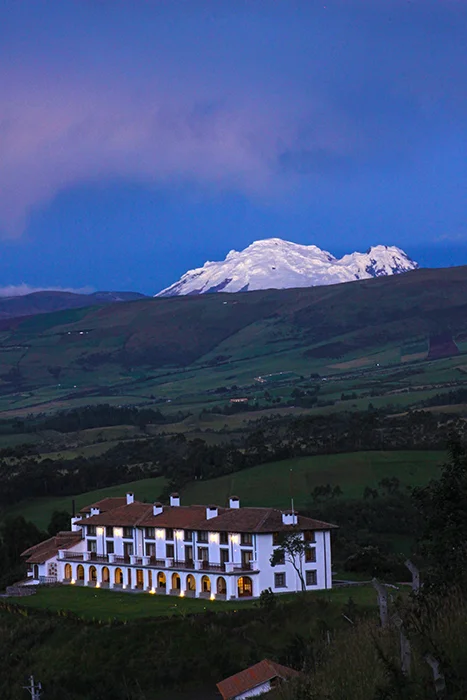
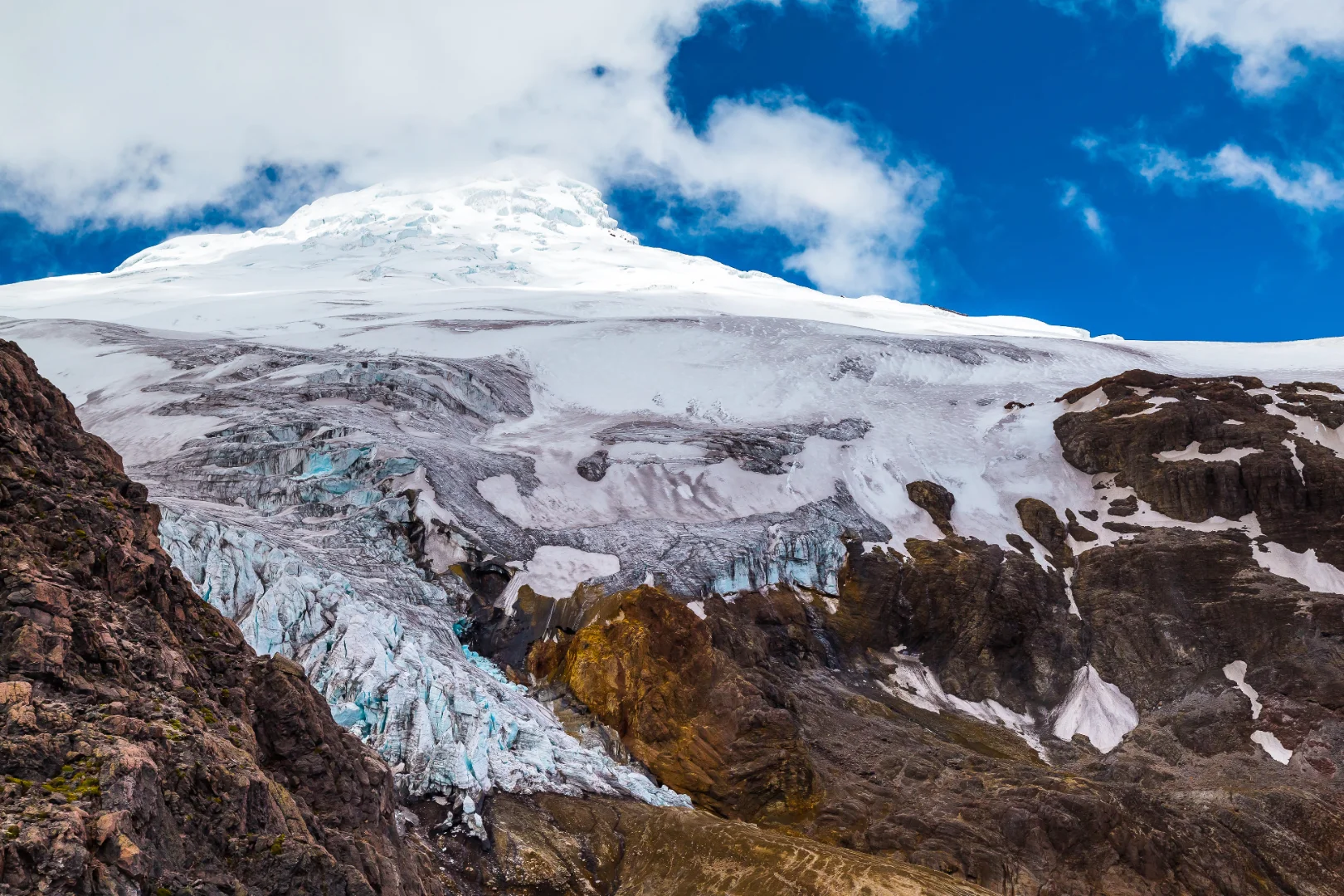
Majestic view of Chimborazo, the closest point to the sun-It’s the only place on the planet where you can “touch” the sky.

THE ANDES AWAKENS: A WORLD BEYOND SUNSET

THE ARCHITECTS OF THE NIGHT

Nocturnal animals are not out of place—they’re expert survivalists. Spectacled owls perch gracefully on mossy branches, while bats weave their invisible paths along the forest edges. Nightjars rest camouflaged on the forest floors, blending seamlessly into their surroundings. Each one thrives beautifully under the stars.

A SYMPHONY IN THE DARK

In the serene embrace of the Andes near Mindo and other cloud-forest areas, Andes night hikes immerse you in a vibrant soundscape. You can hear the rhythmic calls of insects, the gentle wingbeats of bats, and the captivating hoots or groans of owls. As your senses sharpen in the dark, each rustle unfolds a story waiting to be discovered.

Nightjar perched, showing its distinctive profile at night-Andes night hikes
Nightjar perched, showing its distinctive profile at night-These nocturnal birds are expert insect hunters at dusk.(Henggang Cui, CC0, via Wikimedia Commons)

YOUR NOCTURNAL WILDLIFE GUIDE

THE KING OF THE NIGHT: OWLS

  • Spectacled Owl (Pulsatrix perspicillata): Large, silent, and majestic—these owls perch in low forest midstory and issue deep, resonant calls.
  • Vermiculated Screech-Owl (Megascops vermiculatus): Smaller and elusive, with softer, wavering calls; blends into dead branches so well you might walk right past it.

Encountering both species is a rare and exciting experience. Responsible Travel S.A.‘s guides rely on sound detection and patience—not bright lights—to find them.

SKY HUNTERS: BATS AND NIGHTJARS

  • Bats: These aerial mammals hunt over streams and clearings. Mist notoriety aside, they’re vital insect controllers.
  • Nightjars: Masters of camouflage, they sit silently on forest floors or low branches—waiting until a guide plucks them from the dark.

These creatures rarely disrupt human presence—just stay still, use red light, and let them go about their business.

A Vermiculated Screech-Owl resting on a branch during the day-Andes night hikes
A Vermiculated Screech-Owl resting on a branch during the day-These nocturnal birds come to life at nightfall, when their song guides the expedition.(By Chris Jimenez from CR – Vermiculated Screech-Owl, CC BY-SA 2.0, https://commons.wikimedia.org/w/index.php?curid=36651128)

THE PURPOSEFUL ADVENTURE: ETHICAL NIGHT WALKS

THE LIGHT OF AWARENESS

Trekking after sunset is different from day hiking. Andes night hikes require mindful practices that protect wildlife and respect ecosystems. The Light of Awareness reminds us that white light captivates nocturnal vision and influences animal behavior. We will provide you with red-filter headlamps, the essential tool for mindful wildlife viewing. Flashes and spotlights are not allowed.

GUIDES WHO PROTECT THE NIGHT

White light captivates nocturnal vision and actively influences animal behavior. We will equip you with red-filter headlamps, the essential tool for enjoying wildlife viewing mindfully. No flashes or spotlights are permitted.

LEAVING FOOTPRINTS, NOT IMPACT

We believe in leaving a minimal footprint while showing maximum respect. Walk-only trails invite exploration, while keeping noise levels low and paths clear. Your participation directly supports conservation and strengthens the community. Your experience enhances the magic of the night, ensuring it thrives rather than diminishes.

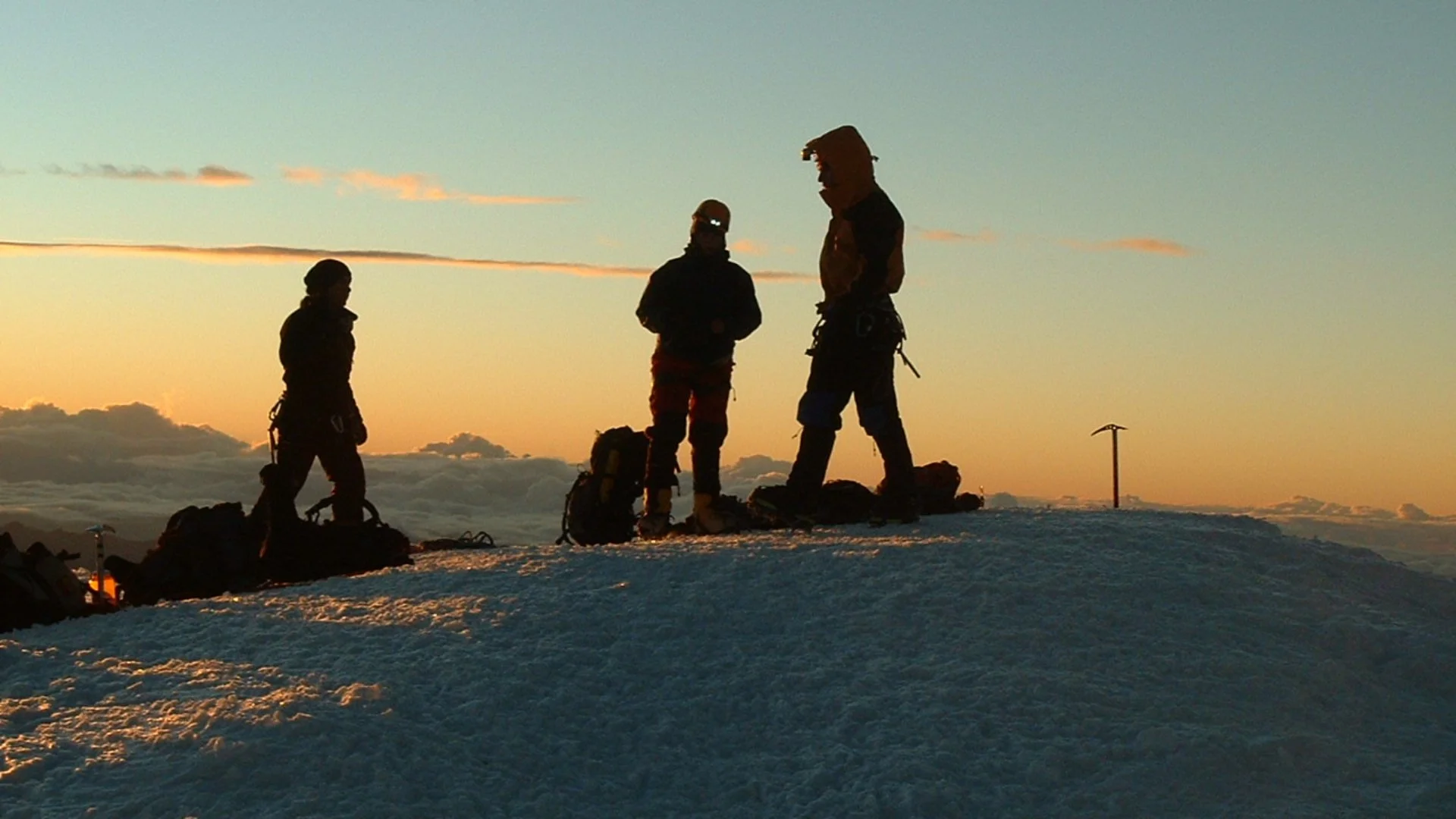
Hikers gathered before continuing the route in the dark-Andes night hikes
Hikers gathered before continuing the route in the dark-Night hikes require responsibility, and local guides are key to experiencing them safely.

LOGISTICS FOR A SAFE & RICH NIGHT HIKE

WHERE AND WHAT TO EXPECT

  • Locations: Premium spotlights include cloud-forest lodges near Mindo, or special reserves near Tandayapa or Papallacta. Lodges are often on property edges, between 1,500–2,500 meters—where night life is richest.
  • Weather & Clothes: High elevation nights are cool (8–12°C). Bring layers, a windbreaker, and waterproof outerwear in case of drizzle. Closed-toe shoes are non-negotiable—trail surfaces are uneven and damp.

WHAT GEAR TO BRING

  • Red-filter headlamp or flashlight with a red cellophane cover.
  • Insect repellent is essential as mosquitoes and midges come out after dusk.
  • Moisture-wicking layers, plus gloves and beanie
  • Ensure your camera excels in low light conditions, or consider bringing a fast prime lens if you’re passionate about capturing night flora or fauna photography.

Your guide will also offer binoculars or spotting scopes if needed.

A photographer holds his camera ready in the darkness-Andes night hikes
A photographer holds his camera ready in the darkness-Being well prepared is essential to making the most of every moment on a night expedition.(Photo by Jaro Bielik on Unsplash)

WHY CHOOSE RESPONSIBLE TRAVEL S.A. FOR YOUR NIGHT ADVENTURE

We design mountain-night walks that are safe, ethical, and deeply connected with conservation:

  • We carefully select: Only carefully selected lodges with secure perimeters, permits, and local ecological management—no improvised forest walks.
  • We coordinate: Night departures, reliable transport, guest briefings, and return logistics—so the night stays magical, not stressful.
  • We’ll prepare you: Before you enter the darkness, you’ll gain insight into the species you might encounter and discover how your actions enhance their protection.
  • We acknowledge our partners: We recognize other local operators who excel in nocturnal work in our briefings and itineraries, enhancing our collective conservation efforts.

Choosing Responsible Travel S.A. means trusting experts who know how to turn Andes night hikes into safe, meaningful, and unforgettable experiences—where conservation, community, and wonder come together under the stars.

A NIGHT THAT TRANSFORMS YOU

Andes night hikes offer more than just a novelty; they invite you to slow down, see the world through a new lens, and connect with nature at its most vibrant and vulnerable. As the world rests, you rise to the sound of wings, calls, and the gentle heartbeat of forest life. Every step you take at night strengthens your bond with the Andes, reminding you that true adventure is not only about discovery, but about protecting the fragile beauty that makes these highland nights unforgettable.

Hikers gathered before continuing the route in the dark-Andes night hikes

Frequently Asked Questions About Nighttime Explorations in the Andes

  1. Are nighttime tours safe?

    Yes. Our tours are always led by local experts who know the terrain and are prepared for any eventuality, making your safety our priority.

  2. Is it a difficult hike?

    Generally, the routes are easy. The main difficulty is adapting to the darkness.

  3. What equipment do I need for a night tour?

    A pair of closed-toe shoes, a warm jacket, and, if you have one, a headlamp. Our guides provide special lights with red filters so as not to disturb the animals.

  4. What is the difference between a night tour and a day tour?

    The wildlife and the sensations. The animals you will see, from owls to nightjars, are completely different from those you see during the day, and the atmosphere is much more mysterious.

  5. How do you practice ethical wildlife viewing at night?

    By avoiding loud noises, using special lights so as not to damage the animals’ eyes, and, above all, listening to and following your guide’s instructions.

    Ready to explore the secret nocturnal Andes? Join a safe, ethical night hike where the real adventure begins after dark