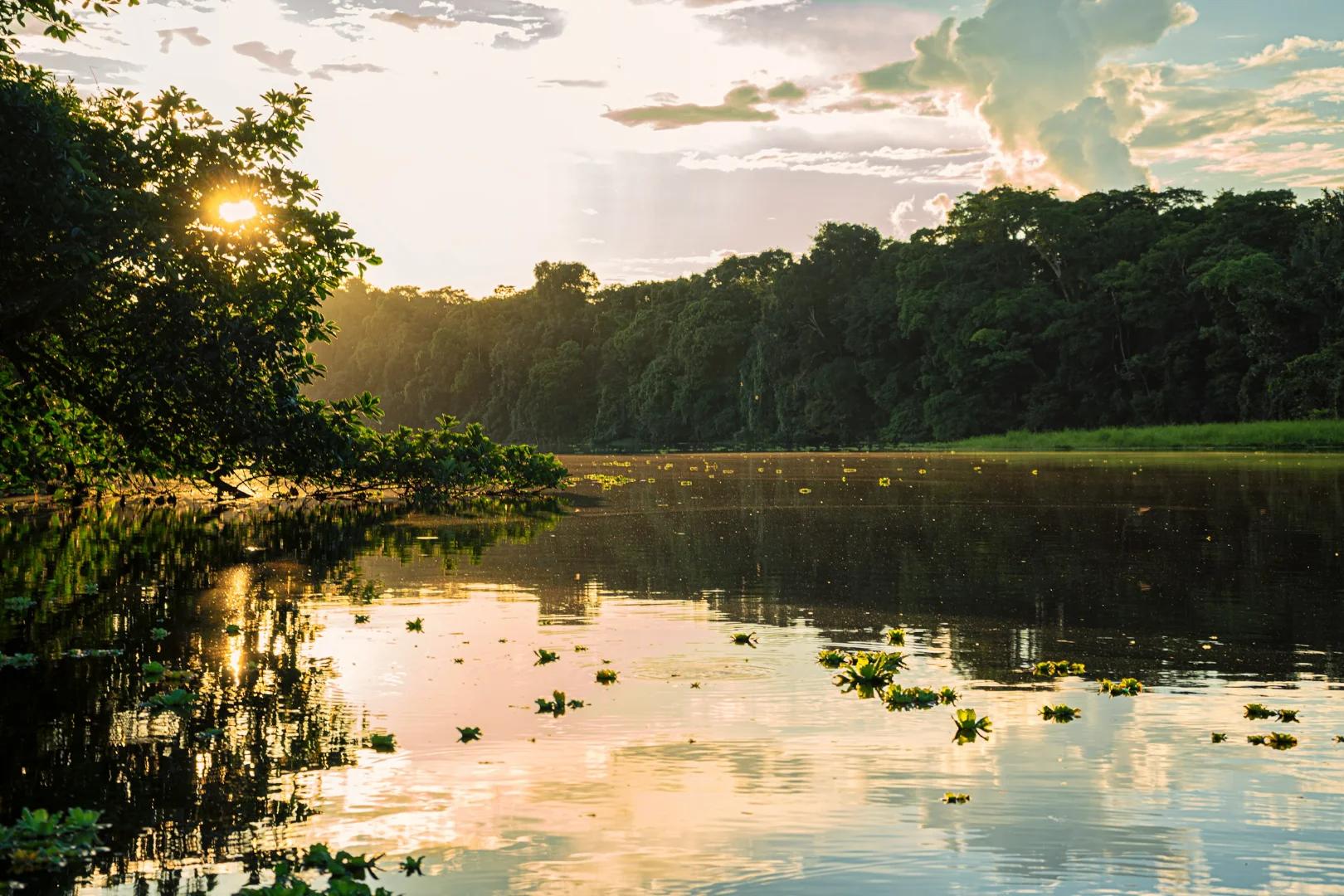
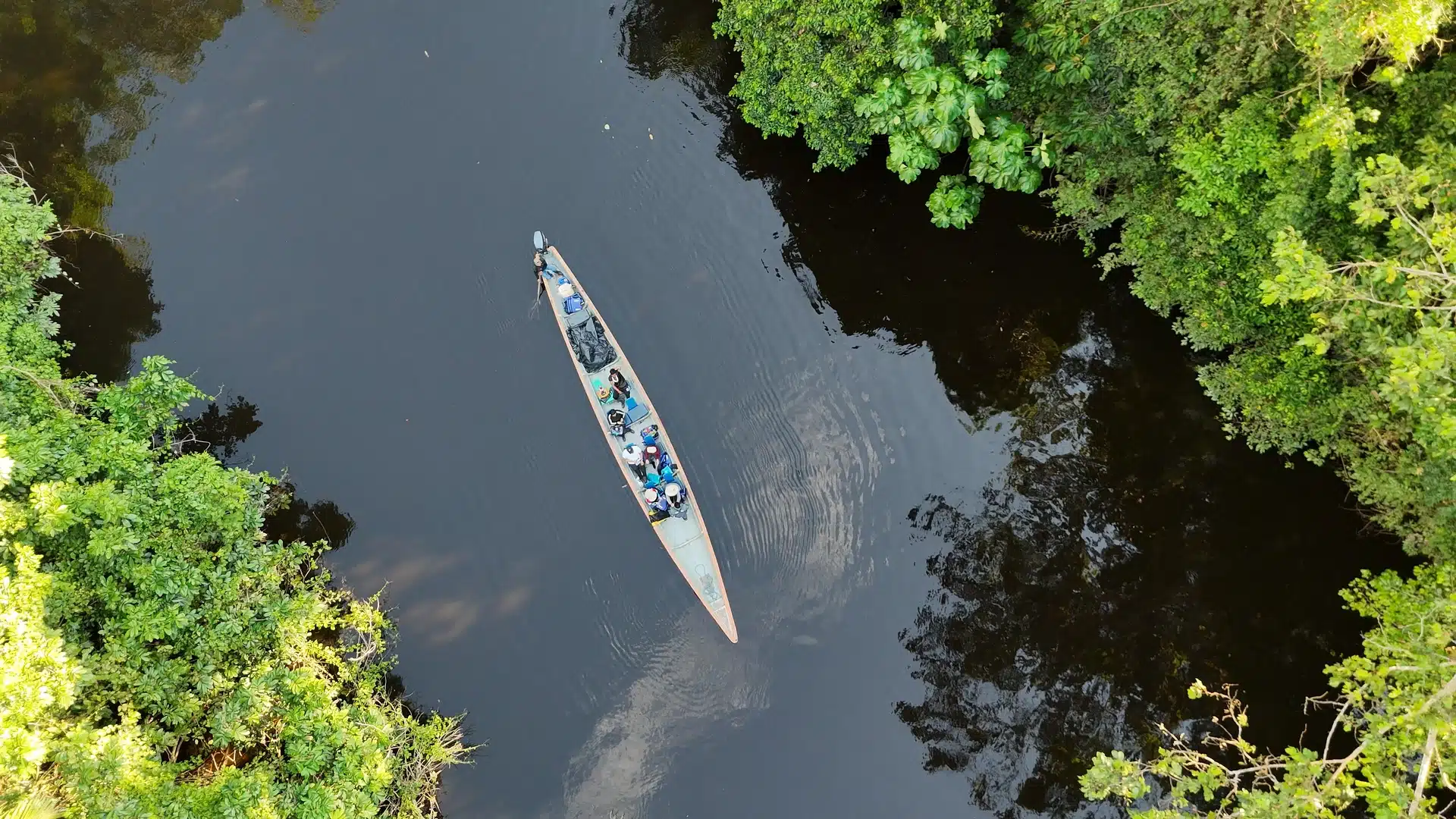
Parcels of land, often called tracts or tracts, make up most of the Amazonian habitat. Their location emphasizes areas close to the river, inhabited land or virgin land (primary forests), all of them nestled in a cloud forest. Amazonian soil, combined with vibrant flora, provides essential nutrients, water and oxygen. This powerful support system allows roots to thrive, enabling plants to grow and flourish spectacularly. It has long acted as a vital absorber, taking in substantial carbon dioxide from the air.
Usefulness:
- Agriculture: Most of the indigenous nationalities living in the Amazon have plots of land. These are designed for cultivation and livestock farming. This leads to the generation of agricultural projects and the planting of the most important crops for our country: fine cacao, bananas, cassava, organic products, etc.
- Sustainability: The Amazon thrives as a vibrant natural biosphere, receiving protection from various entities. Organizations and various projects work actively to safeguard this precious land.
- Home: The land acts as a base for the construction of malocas (communal houses) and is then used for vibrant rituals and heartfelt thanksgivings to the Pachamama.
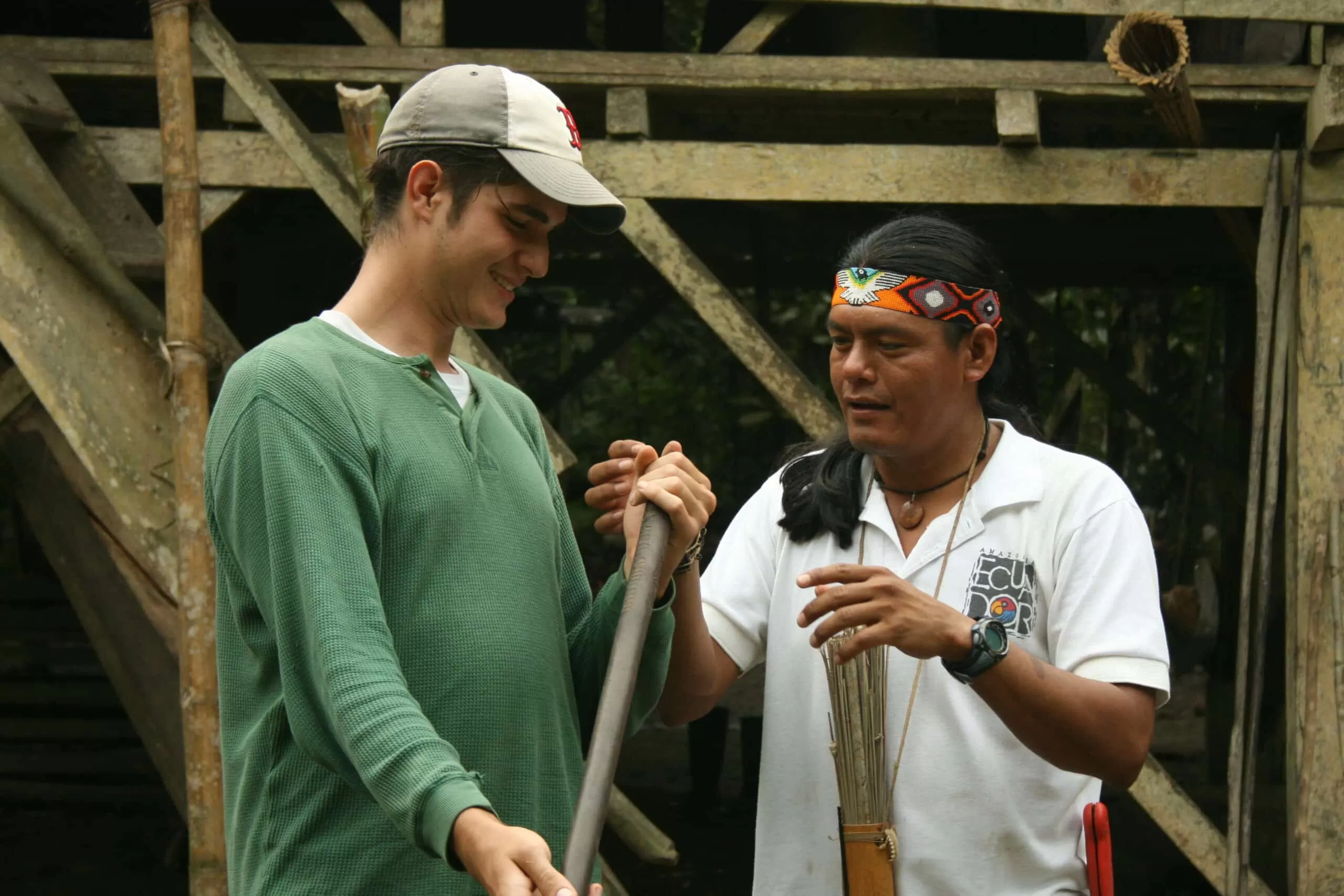
- Tourism: The importance of diversifying the economy within the communities has led to the creation of tourism projects in which people use the plots to redesign the trail for visitors and teach them about their history and culture.