

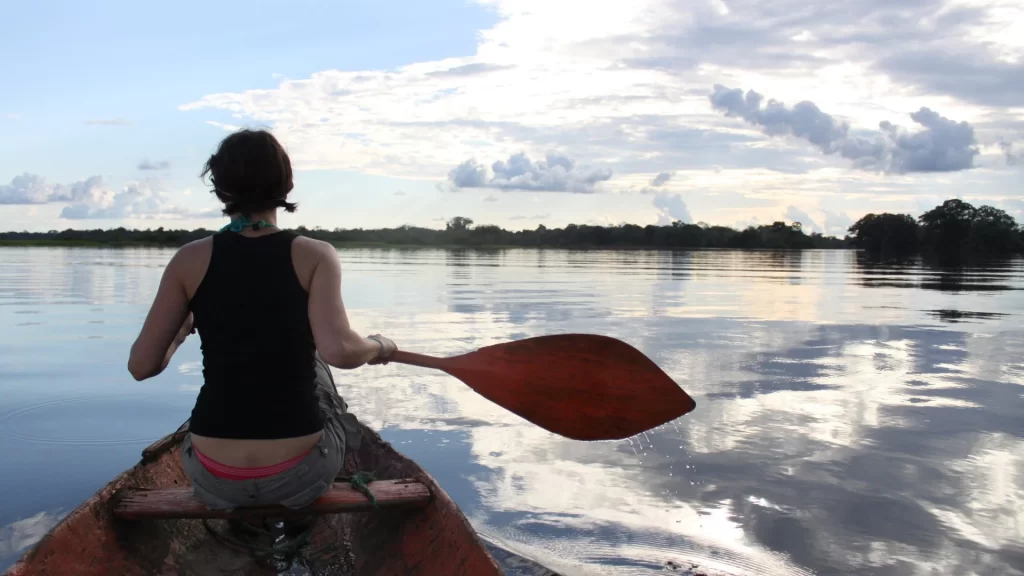
Picture a place where the river dictates the day’s tempo, and canoes gracefully glide at dawn, the only vehicles in sight. Puerto Nariño exemplifies community-led ecotourism in the Colombian Amazon. Here, pedestrian life and river transport define daily routines, while local culture and conservation thrive together.
EXPLORE OUR LATEST NEWS

04.15.2026
Blog
Why So Much of the World Fits Inside Ecuador’s Reserves

04.06.2026
Galapagos
Beyond Galápagos: The Ocean Ecuador Helps Protect With the World
04.02.2026
Blog
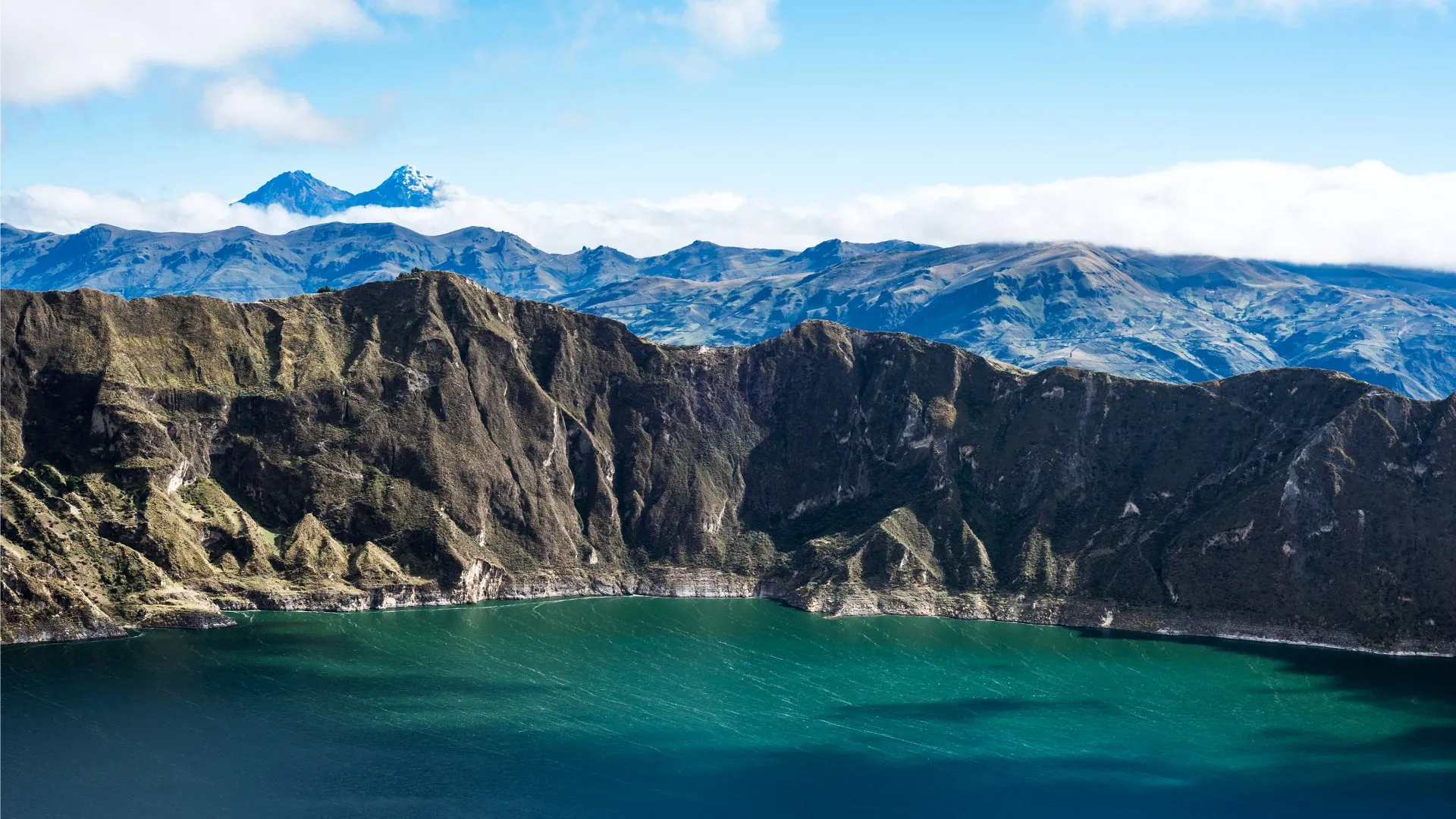
The Great lakes and Lagoons of South America: Landscapes Rich in History, Culture, and Nature
02.18.2026
Blog
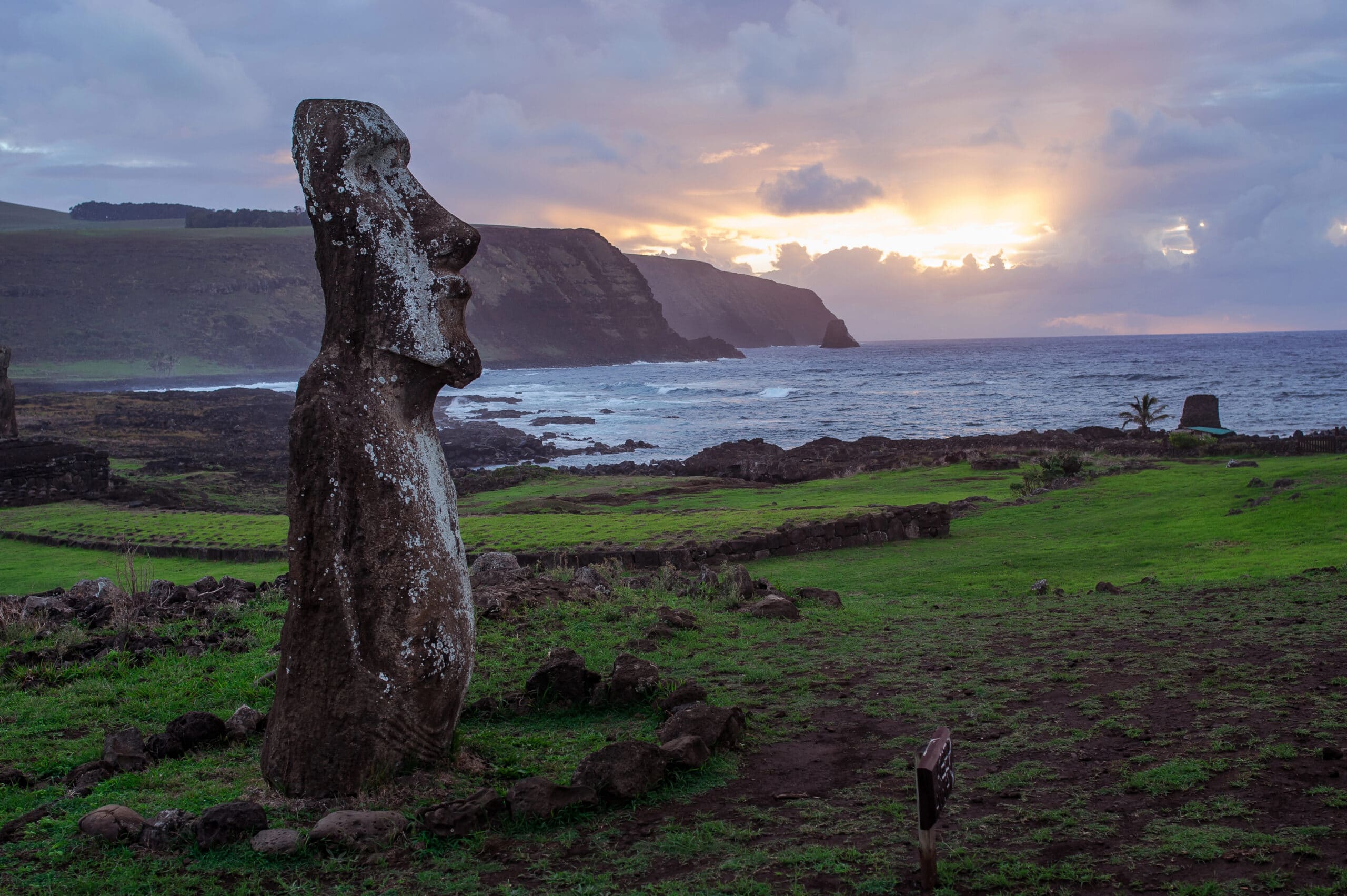
Easter Island: The Hidden Secrets of the Ancient Stone Giants
02.18.2026
Blog
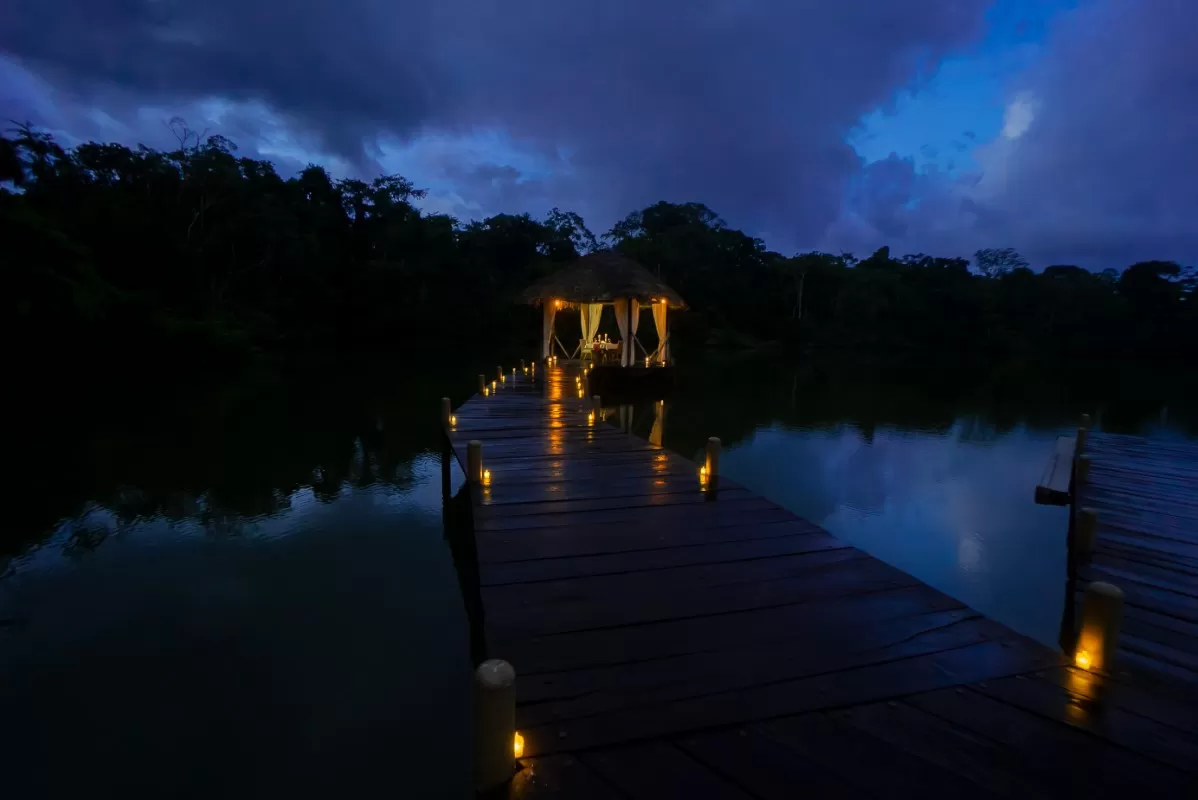
Romantic Places in Latin America for a Dream Valentine’s Trip
01.05.2026
Blog
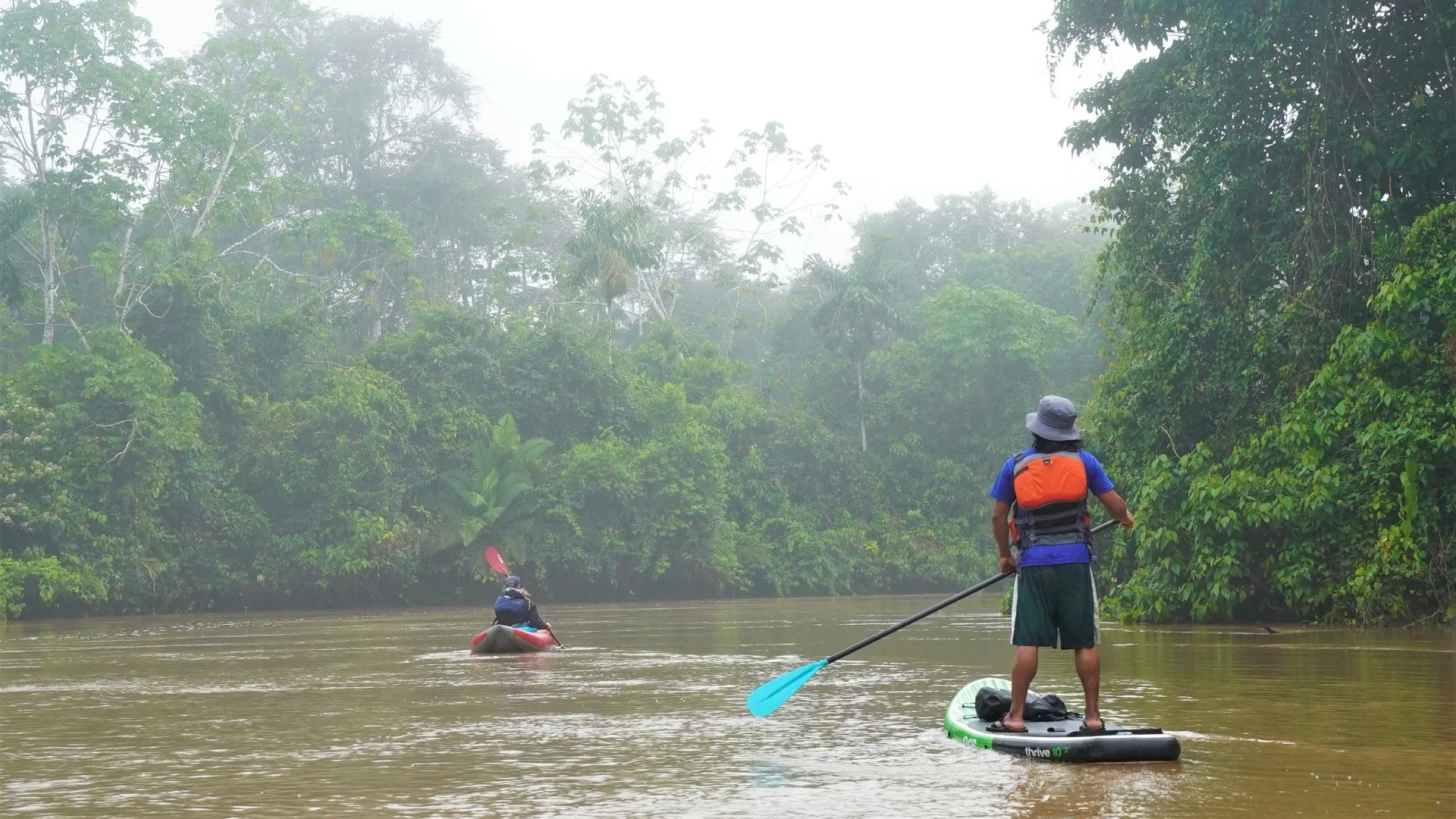
Sustainable Travel Through Ecuador’s Protected Amazon Areas
TOP RATED CONTENT
A RIVER-FIRST TOWN: WALKING AND CANOES AS DAILY TRANSPORT
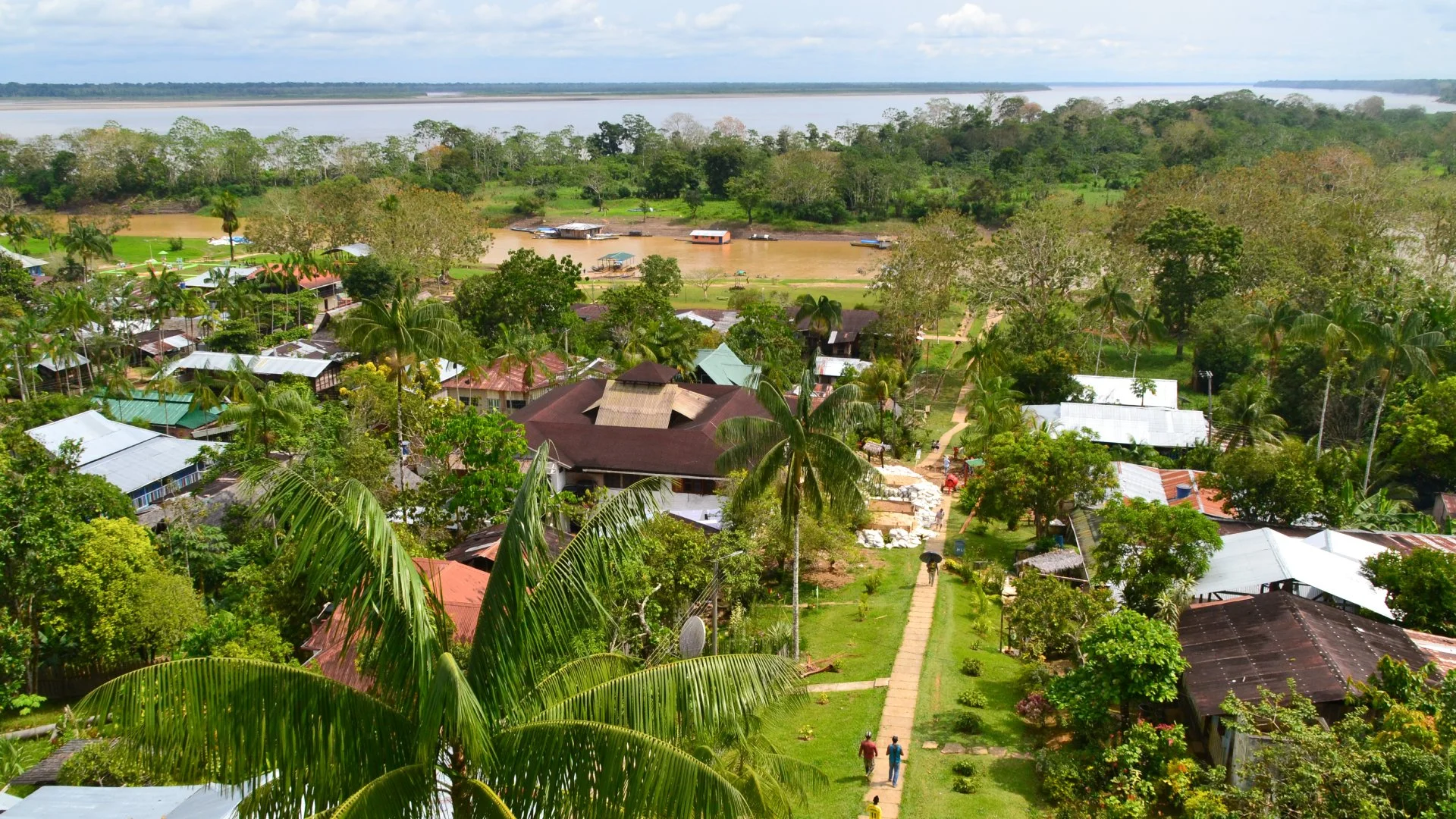
Puerto Nariño ecotourism thrives as a pedestrian-first community, where residents navigate primarily on foot and by canoe, fostering a serene, human-centered public life. Colorful wooden houses in the village line the dirt lanes and riverfront walkways. Each morning, the market unfolds along the shore, transforming the river into both a horizon and a thoroughfare.
Leticia offers an exciting river trip to Puerto Nariño, where public boats frequently navigate upriver. The journey usually lasts about two hours, allowing travelers to shift from the lively city atmosphere to the serene village ambiance. Scheduled river connections position Puerto Nariño as a naturally framed excursion from the regional hub.
THE PATHWAY IS A TRAIL: SIMPLE INFRASTRUCTURE, MEANINGFUL ENCOUNTERS
In Puerto Nariño, streets consist of simple earth paths and wooden walkways designed for people rather than cars, influencing the interactions between visitors and locals. Walking here sparks short conversations, encourages spontaneous market stops, and allows for unhurried observation of daily life. This, in turn, fosters respectful cultural exchange and directly supports community income.
COLOR AND COMMUNITY IN EVERY CORNER
Brightly painted houses and artisan murals create a vivid visual identity for Puerto Nariño, showcasing local pride and creativity. The vibrant palette of facades and public art showcases community vitality, inviting visitors to explore the crafts, textiles, and practical objects that beautifully express local culture.
Markets along the riverfront overflow with fresh produce, fish from nearby waters, and handmade goods from surrounding indigenous communities. These vibrant offerings present clear opportunities for direct, meaningful purchases that support families and local artisans.
THE MALOCA: THE COMMUNAL HEART OF CULTURAL LIFE
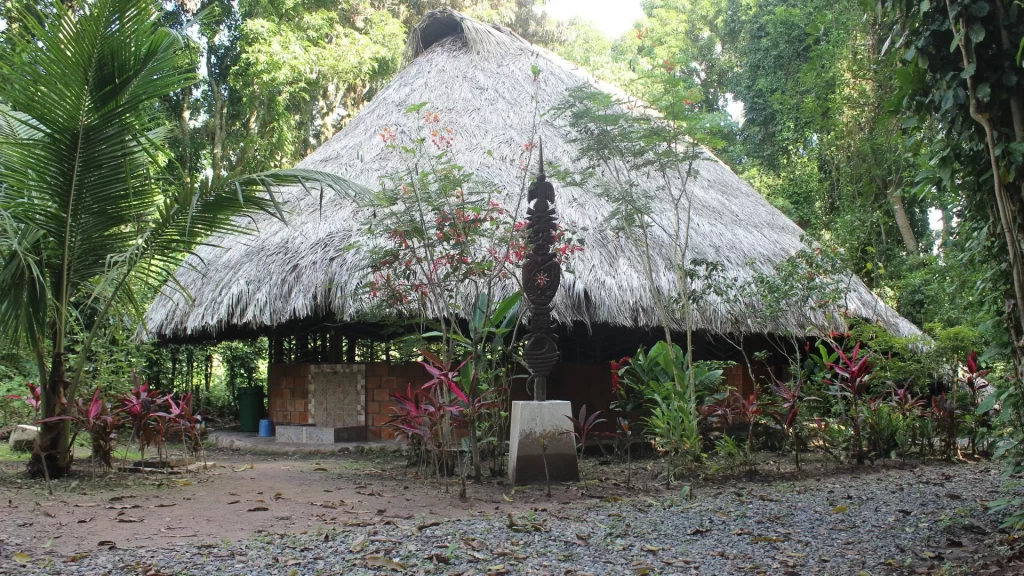
A traditional maloca—an open communal house—acts as the vibrant cultural center, where elders, leaders, and families come together to share stories, music, and ceremonies. Puerto Nariño ecotourism ensures that these spaces are visited respectfully, letting guests actively engage with living traditions while benefiting the local community.
Local organizations arrange cultural programs and maloca visits, ensuring that ceremonies, songs, and explanations are shared with respect and consent. This approach invites guests to engage with living traditions actively, rather than remaining passive observers.

ECOTOURISM WITH PURPOSE: BALANCING VISITORS AND CONSERVATION
Puerto Nariño ecotourism stands out as a prime example of community-based initiatives,, with local stakeholders actively shaping the tourism experience. The town highlights low-impact activities such as canoe trips, guided nature walks, and maloca visits. These initiatives not only circulate benefits locally but also safeguard the values of the ecosystem.
Local guides, primarily from the nearby indigenous communities, actively lead excursions and educational visits, ensuring that knowledge, stories, and revenue remain within the community network. This “local-first” model empowers visitors to learn directly from cultural stewards while fostering conservation through community income and stewardship.
WHAT YOU CAN SEE AND DO (WITHOUT MOTOR TRAFFIC)
- Meet the Tikuna community to learn about their traditions, crafts, and daily life along the river.
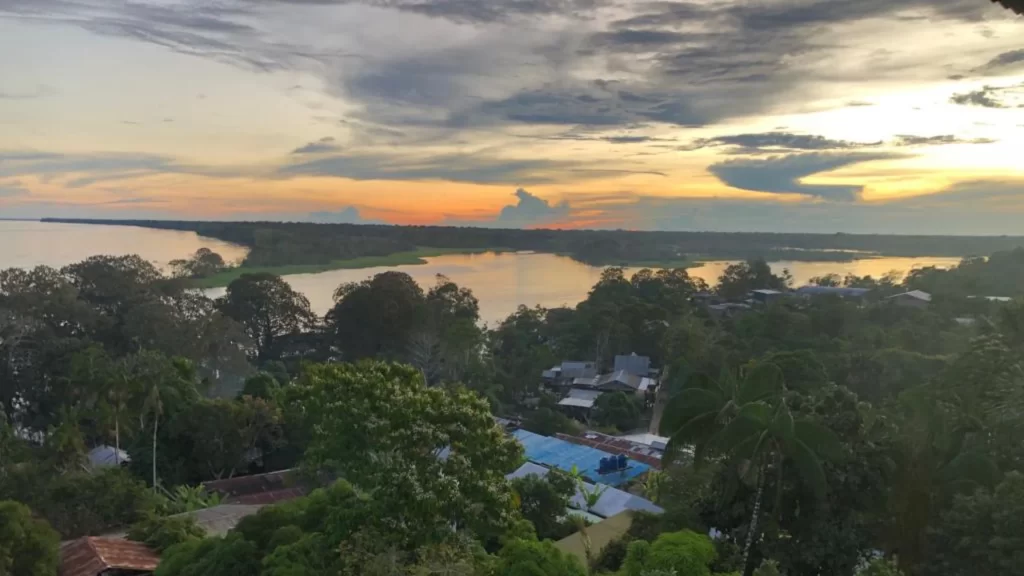
- Visit the Mirador de Naipatal for panoramic views of the surrounding jungle and river landscapes.
- Visit a maloca for music, storytelling, and cultural exchange led by indigenous hosts.
- Journey to Lago Tarapoto or neighboring waterbodies to watch pink and grey river dolphins and learn how local people relate to river wildlife.
These activities are structured to be low-impact and informative, and they create opportunities for visitors to contribute to local livelihoods.

COMMUNITY RESILIENCE AND CONTEMPORARY CHALLENGES (POSITIVE FRAMING)
Residents of Puerto Nariño actively embrace adaptive practices, blending traditional knowledge with modern strategies for resource management and engaging visitors. Community-led initiatives, such as craft cooperatives and environmental stewardship projects, actively strengthen local economies and reinforce cultural identity.
Investing in people and place demonstrates how small, well-designed tourism flows actively support broader goals. They engage young people in cultural work, fund local services, and create incentives to protect forests and waterways.
PRACTICAL NOTES THAT MATTER (PURELY PRACTICAL ORIENTATION)
Public boats frequently leave Leticia for Puerto Nariño, and the journey upriver usually takes about two hours, offering a serene and picturesque transfer that enhances the visitor experience. Choose to plan your travel with trusted local operators, ensuring that your arrival bolsters established community systems.
Local guides and community organizations actively coordinate most activities. By connecting with a licensed local guide or community tourism office, you ensure that your visits are respectful, informative, and aligned with local priorities.

WHY PUERTO NARIÑO IS AN INSPIRING EXAMPLE
Puerto Nariño stands out as an ecological, community-centered destination due to intentional decisions. It embraces human-scaled mobility, positions public markets as economic hubs, uses malocas as cultural anchors, and fosters locally governed tourism that emphasizes conservation and shared benefits. The village stands out as a prime destination for travelers eager to embrace low-impact, culturally rich experiences.
Puerto Nariño stands as a vibrant example of sustainable small-town life, demonstrating how travel serves as a tool for mutual benefit. When communities take the lead in planning and visitors arrive eager to learn, the possibilities are endless.
HARMONY IN THE AMAZON
Puerto Nariño ecotourism is more than a stop on an Amazon map—it is a community that has intentionally shaped how it welcomes visitors, how it protects its ecosystems, and how it preserves and shares culture. With the guidance of Responsible Travel SA, travelers who value low-impact, community-centered experiences can explore Puerto Nariño sustainably while engaging in meaningful cultural exchange.
Frequently Asked Questions About Puerto Nariño Ecotourism
Why is Puerto Nariño known as Colombia’s car-free town?
Because the community has chosen to rely on walking paths and canoes instead of cars, creating a quieter, more ecological lifestyle.
What cultural experiences are available in Puerto Nariño?
Visitors can join community-led activities such as maloca gatherings, artisan markets, and storytelling sessions hosted by indigenous leaders.
How does Puerto Nariño practice sustainable tourism?
Tourism is locally managed, with guides from indigenous communities, eco-friendly transport, and activities that directly support conservation.
Can you see wildlife near Puerto Nariño?
Yes, nearby lakes and river channels are home to pink dolphins, diverse birdlife, and seasonal aquatic habitats explored by canoe.
How do you reach Puerto Nariño from Leticia?
Regular boats connect Leticia and Puerto Nariño in about two hours, making it accessible while preserving its ecological character.
Explore the Amazon, live the culture, and let Puerto Nariño inspire your journey
Picture a place where the river dictates the day’s tempo, and canoes gracefully glide at dawn, the only vehicles in sight. Puerto Nariño exemplifies community-led ecotourism in the Colombian Amazon. Here, pedestrian life and river transport define daily routines, while local culture and conservation thrive together.
A RIVER-FIRST TOWN: WALKING AND CANOES AS DAILY TRANSPORT
Puerto Nariño ecotourism thrives as a pedestrian-first community, where residents navigate primarily on foot and by canoe, fostering a serene, human-centered public life. Colorful wooden houses in the village line the dirt lanes and riverfront walkways. Each morning, the market unfolds along the shore, transforming the river into both a horizon and a thoroughfare.
Leticia offers an exciting river trip to Puerto Nariño, where public boats frequently navigate upriver. The journey usually lasts about two hours, allowing travelers to shift from the lively city atmosphere to the serene village ambiance. Scheduled river connections position Puerto Nariño as a naturally framed excursion from the regional hub.
THE PATHWAY IS A TRAIL: SIMPLE INFRASTRUCTURE, MEANINGFUL ENCOUNTERS
In Puerto Nariño, streets consist of simple earth paths and wooden walkways designed for people rather than cars, influencing the interactions between visitors and locals. Walking here sparks short conversations, encourages spontaneous market stops, and allows for unhurried observation of daily life. This, in turn, fosters respectful cultural exchange and directly supports community income.
COLOR AND COMMUNITY IN EVERY CORNER
Brightly painted houses and artisan murals create a vivid visual identity for Puerto Nariño, showcasing local pride and creativity. The vibrant palette of facades and public art showcases community vitality, inviting visitors to explore the crafts, textiles, and practical objects that beautifully express local culture.
Markets along the riverfront overflow with fresh produce, fish from nearby waters, and handmade goods from surrounding indigenous communities. These vibrant offerings present clear opportunities for direct, meaningful purchases that support families and local artisans.
THE MALOCA: THE COMMUNAL HEART OF CULTURAL LIFE
A traditional maloca—an open communal house—acts as the vibrant cultural center, where elders, leaders, and families come together to share stories, music, and ceremonies. Puerto Nariño ecotourism ensures that these spaces are visited respectfully, letting guests actively engage with living traditions while benefiting the local community.
Local organizations arrange cultural programs and maloca visits, ensuring that ceremonies, songs, and explanations are shared with respect and consent. This approach invites guests to engage with living traditions actively, rather than remaining passive observers.
ECOTOURISM WITH PURPOSE: BALANCING VISITORS AND CONSERVATION
Puerto Nariño ecotourism stands out as a prime example of community-based initiatives,, with local stakeholders actively shaping the tourism experience. The town highlights low-impact activities such as canoe trips, guided nature walks, and maloca visits. These initiatives not only circulate benefits locally but also safeguard the values of the ecosystem.
Local guides, primarily from the nearby indigenous communities, actively lead excursions and educational visits, ensuring that knowledge, stories, and revenue remain within the community network. This “local-first” model empowers visitors to learn directly from cultural stewards while fostering conservation through community income and stewardship.
WHAT YOU CAN SEE AND DO (WITHOUT MOTOR TRAFFIC)
- Meet the Tikuna community to learn about their traditions, crafts, and daily life along the river.
- Visit the Mirador de Naipatal for panoramic views of the surrounding jungle and river landscapes.
- Visit a maloca for music, storytelling, and cultural exchange led by indigenous hosts.
- Journey to Lago Tarapoto or neighboring waterbodies to watch pink and grey river dolphins and learn how local people relate to river wildlife.
These activities are structured to be low-impact and informative, and they create opportunities for visitors to contribute to local livelihoods.
COMMUNITY RESILIENCE AND CONTEMPORARY CHALLENGES (POSITIVE FRAMING)
Residents of Puerto Nariño actively embrace adaptive practices, blending traditional knowledge with modern strategies for resource management and engaging visitors. Community-led initiatives, such as craft cooperatives and environmental stewardship projects, actively strengthen local economies and reinforce cultural identity.
Investing in people and place demonstrates how small, well-designed tourism flows actively support broader goals. They engage young people in cultural work, fund local services, and create incentives to protect forests and waterways.
PRACTICAL NOTES THAT MATTER (PURELY PRACTICAL ORIENTATION)
Public boats frequently leave Leticia for Puerto Nariño, and the journey upriver usually takes about two hours, offering a serene and picturesque transfer that enhances the visitor experience. Choose to plan your travel with trusted local operators, ensuring that your arrival bolsters established community systems.
Local guides and community organizations actively coordinate most activities. By connecting with a licensed local guide or community tourism office, you ensure that your visits are respectful, informative, and aligned with local priorities.
WHY PUERTO NARIÑO IS AN INSPIRING EXAMPLE
Puerto Nariño stands out as an ecological, community-centered destination due to intentional decisions. It embraces human-scaled mobility, positions public markets as economic hubs, uses malocas as cultural anchors, and fosters locally governed tourism that emphasizes conservation and shared benefits. The village stands out as a prime destination for travelers eager to embrace low-impact, culturally rich experiences.
Puerto Nariño stands as a vibrant example of sustainable small-town life, demonstrating how travel serves as a tool for mutual benefit. When communities take the lead in planning and visitors arrive eager to learn, the possibilities are endless.
HARMONY IN THE AMAZON
Puerto Nariño ecotourism is more than a stop on an Amazon map—it is a community that has intentionally shaped how it welcomes visitors, how it protects its ecosystems, and how it preserves and shares culture. With the guidance of Responsible Travel SA, travelers who value low-impact, community-centered experiences can explore Puerto Nariño sustainably while engaging in meaningful cultural exchange.
Frequently Asked Questions About Puerto Nariño Ecotourism
Why is Puerto Nariño known as Colombia’s car-free town?
Because the community has chosen to rely on walking paths and canoes instead of cars, creating a quieter, more ecological lifestyle.
What cultural experiences are available in Puerto Nariño?
Visitors can join community-led activities such as maloca gatherings, artisan markets, and storytelling sessions hosted by indigenous leaders.
How does Puerto Nariño practice sustainable tourism?
Tourism is locally managed, with guides from indigenous communities, eco-friendly transport, and activities that directly support conservation.
Can you see wildlife near Puerto Nariño?
Yes, nearby lakes and river channels are home to pink dolphins, diverse birdlife, and seasonal aquatic habitats explored by canoe.
How do you reach Puerto Nariño from Leticia?
Regular boats connect Leticia and Puerto Nariño in about two hours, making it accessible while preserving its ecological character.
Explore the Amazon, live the culture, and let Puerto Nariño inspire your journey
EXPLORE OUR LATEST NEWS
04.15.2026
Blog
Why So Much of the World Fits Inside Ecuador’s Reserves
04.06.2026
Galapagos
Beyond Galápagos: The Ocean Ecuador Helps Protect With the World
04.02.2026
Blog
The Great lakes and Lagoons of South America: Landscapes Rich in History, Culture, and Nature
02.18.2026
Blog
Easter Island: The Hidden Secrets of the Ancient Stone Giants
02.18.2026
Blog
Romantic Places in Latin America for a Dream Valentine’s Trip
01.05.2026
Blog
Sustainable Travel Through Ecuador’s Protected Amazon Areas