





Responsible Travel

Regenerative Travel in Colombia: Real People, Living Landscapes, Shared Transformation

06.04.2025

BY Elmer2

BlogAndesTravel

What is regenerative travel? Colombia is nurturing a richness that goes beyond its dreamlike landscapes and vibrant adventures.

In the heart of its jungles, moors, and coastlines, a new way of traveling is emerging. This approach not only respects life but also regenerates ecological, cultural, and spiritual aspects in every territory.

Today, the country actively embraces a tourism model that prioritizes the dignity of communities and the health of ecosystems. Native cacao in Guaviare and healing circles in the Sierra Nevada create transformative experiences for both travelers and hosts.

This change is intentional. A new institutional framework supports it. The Ministry of Commerce, Industry, and Tourism’s 2022–2026 Sectoral Tourism Plan emphasizes sustainability and its evolution toward regeneration as a key pillar of development [MinCIT, 2022]. Decree 646 of 2021 establishes a clear strategy for safeguarding natural and sociocultural heritage.
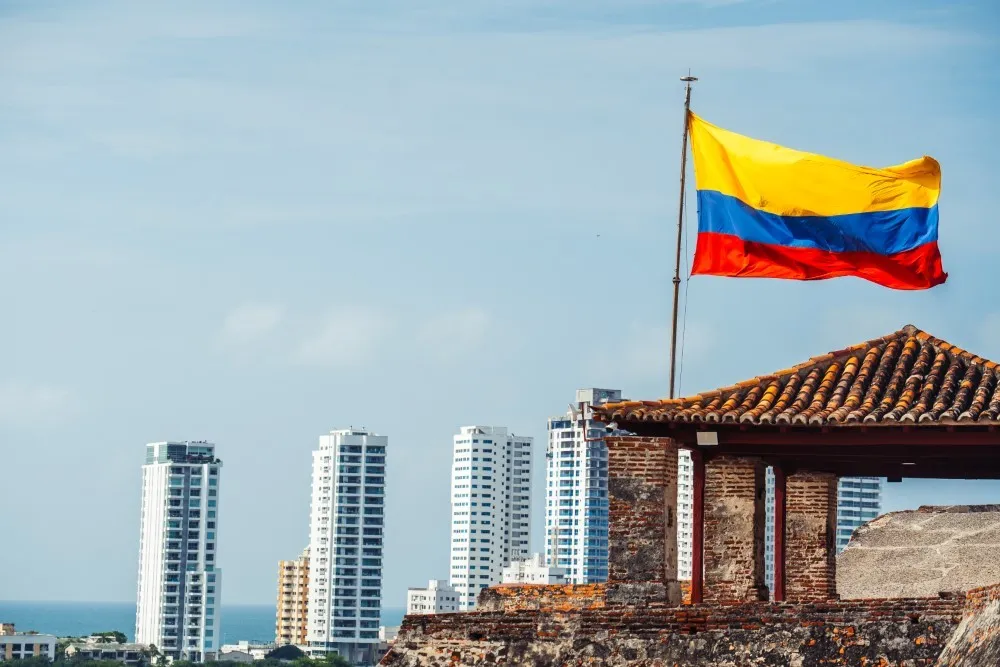
regenerative travel colombia- city

This is an invitation to embark on a journey filled with purpose, presence, and responsibility

help to help

A FRESH FRAMEWORK BUILT ON POLICY AND PURPOSE

Regenerative tourism in Colombia has evolved from a grassroots movement into a key component of the national strategy.

The Ministry of Commerce, Industry and Tourism (MinCIT) has published the 2022–2026 Tourism Sector Plan, which highlights sustainability as a guiding principle. It emphasizes the importance of community-led, inclusive, and environmentally responsible tourism models as essential pillars for development. These represent a strong commitment to redefine tourism as a powerful tool for peacebuilding, ecological restoration, and territorial equity.

👉 Read the full Sector Plan (PDF)

Decree 646 of 2021 enhances that vision by clearly outlining Colombia’s official Sustainable Tourism Policy. The decree emphasizes the preservation of biocultural heritage, fosters collaboration between communities and the tourism sector and establishes a framework to monitor its real impact over time.

👉 Explore Decree 646 and its key goals

These instruments create a foundation for a tourism model that transcends “less harm” and embraces “net positive” change. They actively support local economies, protect ecosystems, and honor cultural identities.

How do policies transform into lived experiences? Territory, trust, and travelers play a crucial role here.

TERRITORIES OF OPPORTUNITY: THE STARTING POINT FOR REGENERATION

In Colombia, regeneration unfolds through territories that once faced marginalization.

Programs like Territorios de Oportunidad (Territories of Opportunity), launched in partnership with local governments and development partners, serve as a model for transformation. These initiatives enable rural communities to take charge, transforming the narrative from “conflict zones” to vibrant living laboratories of peace, culture, and biodiversity.

👉 Discover how Territorios de Oportunidad is shaping inclusive development (World Bank PDF)

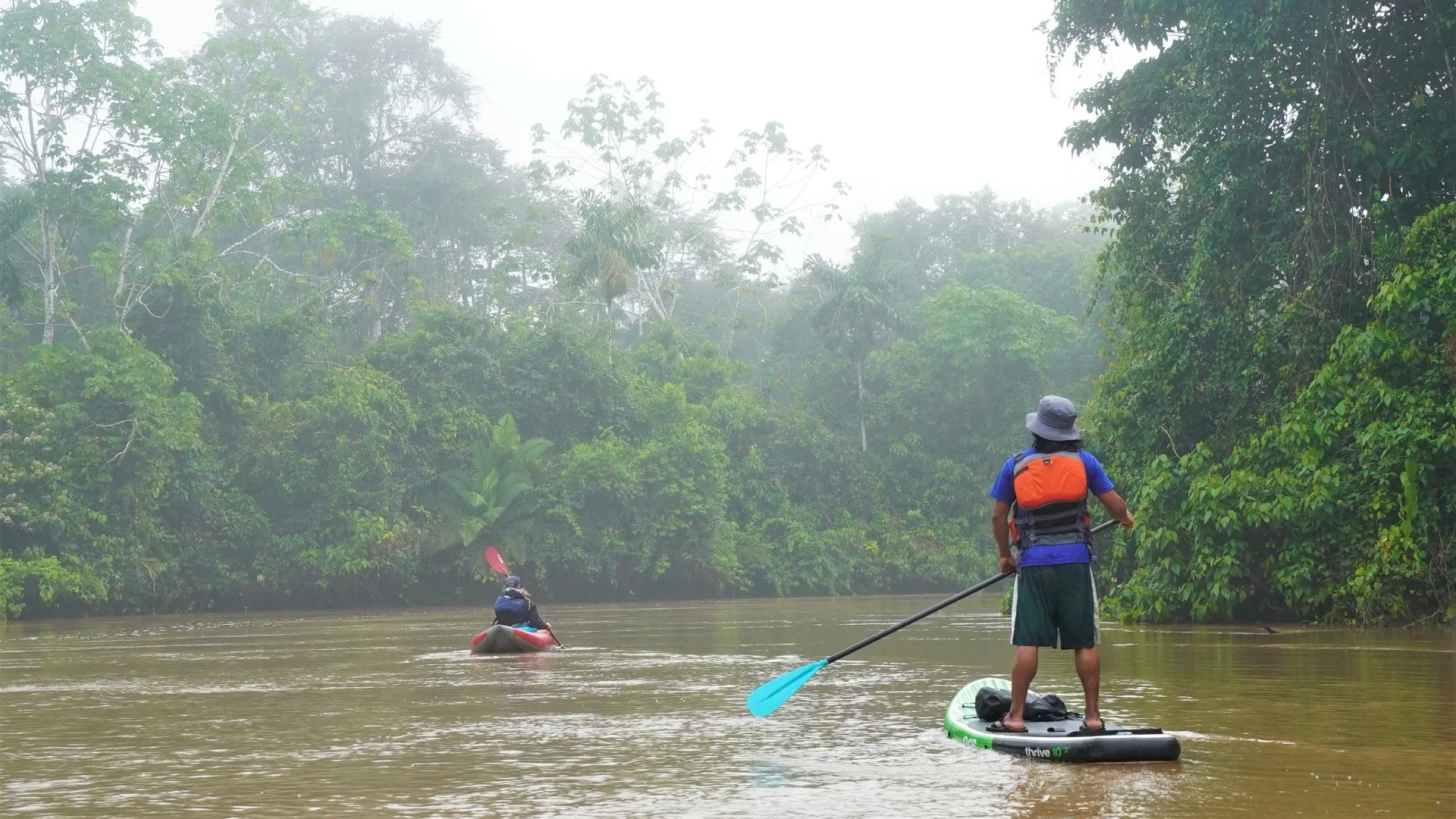
Local cooperatives are transforming travel experiences from the Amazon basin to the Caribbean coast. They are actively restoring ecosystems, reviving ancestral knowledge, and fostering dignified livelihoods. In Guaviare, travelers can interact with reforested lands and experience community-driven healing through regenerative cacao harvests.

These tours invite you to participate in a genuine transformation.

You walk alongside people who are actively shaping their future, rather than following predetermined paths.

You engage gradually, thoughtfully, and with your full attention.

It’s about embracing the moment. Being part of a story means contributing to a narrative that thrives even after you’re gone.

Colombia, Andes

IDENTIFYING A REGENERATIVE TRAVEL EXPERIENCE

Not every “eco” label reveals the complete picture.

As regenerative travel becomes more popular, numerous destinations are stepping up to embrace this concept. However, only a select few truly embody the depth that regenerative travel demands. How can you determine if an experience genuinely regenerates?

Begin by observing these signals:

1. Led by the community and deeply connected to the place.

Seek out initiatives created by local communities, rather than merely those that function within them. Regeneration begins as locals take the lead and define the vision.

2. Nature serves as a teacher, not just a backdrop.

Do ecosystems serve merely as scenery, or do they play a vital role in a narrative of healing, reciprocity, and protection? Regenerative experiences not only restore but also enrich beyond what they take.

3. Embrace slower rhythms to foster deeper connections.

Choose itineraries that allow you to explore deeper and truly appreciate the highlights. Regenerative travel encourages you to embrace stillness, cultivate presence, and build meaningful relationships with people, the land, and yourself.

4. Embrace transparency instead of striving for perfection.

Everyone makes mistakes. Honesty truly matters. Real regenerative operators openly share their challenges, embrace learning curves, and highlight their impact.

5. Creating net-positive footprints.

Is your visit improving the place? This may involve funding conservation efforts, supporting food sovereignty initiatives, or engaging in cultural exchanges that respect local practices.

📚 Explore the GSTC Criteria or dive into Regenerative Travel’s principles for deeper guidance.

Because ultimately, regenerative tourism isn’t a checklist — it’s a shift in worldview.

REGENERATION STARTS WITH YOU

Travel can actively create positive experiences. When approached with intention, it has the power to heal, connect, and renew.

In Colombia, regeneration stands as a fundamental principle. This response arises from rich histories, vibrant cultures, and landscapes that deserve our attention and care. As you share cacao stories in Guaviare or listen to the silence of the Sierra, each step holds significance.

Are you prepared to explore in a new way?

Allow our team at Responsible Travel to lead you on your journey.

We collaborate closely with local communities to provide experiences that rejuvenate both you and the destinations you explore.

👉 Discover our regenerative journeys in Colombia!

Feel free to connect and collaborate to create your ideal experience.

Your journey is important. Together, we can embrace regenerative travel.

FREQUENTLY ASKED QUESTIONS

What is regenerative travel and how is it different from sustainable tourism?

Regenerative travel goes beyond minimizing harm — it actively restores ecosystems and strengthens local cultures. It’s not just about “being less bad,” but about leaving places better than you found them.

Is it safe to travel to Colombia for regenerative tourism experiences?

Yes — many regenerative experiences take place in community-managed areas with deep local knowledge and safe, guided itineraries. We work with trusted partners committed to both visitor safety and local wellbeing.

How does my trip actually help local communities and the environment?

Your presence contributes to locally-owned businesses, regenerative farming, and cultural revitalization projects. These initiatives reinvest directly in education, reforestation, and inclusive economic opportunities.

How can I know if a travel experience in Colombia is truly regenerative?

Look for signs like community leadership, circular resource use, and ongoing ecological monitoring. You can also consult trusted frameworks like the GSTC Criteria or work with responsible operators who meet regenerative principles.