Responsible Travel

Why Bolivia Feels Like Stepping Into Another Dimension (And What Pachamama Teaches Us)

07.30.2025

BY Elmer2

BlogGalapagos

Have you ever dreamed of traveling at a pace that allows you to feel a place? That’s what Slow Travel Bolivia is all about: arriving slowly, savoring every moment, and forging deep connections with local communities and landscapes.

Through this journey, we invite you to slow down, connect with indigenous traditions, walk through silent salt flats, and open your mind and heart to the spirit of Pachamama.

WHY BOLIVIA IS A PERFECT MATCH FOR SLOW TRAVEL

The magic of Bolivia lies in its contrasts.

  • The impressive salt flats of Uyuni create a surreal stillness.
  • Its highland markets are full of colorful textiles, music, and community energy.
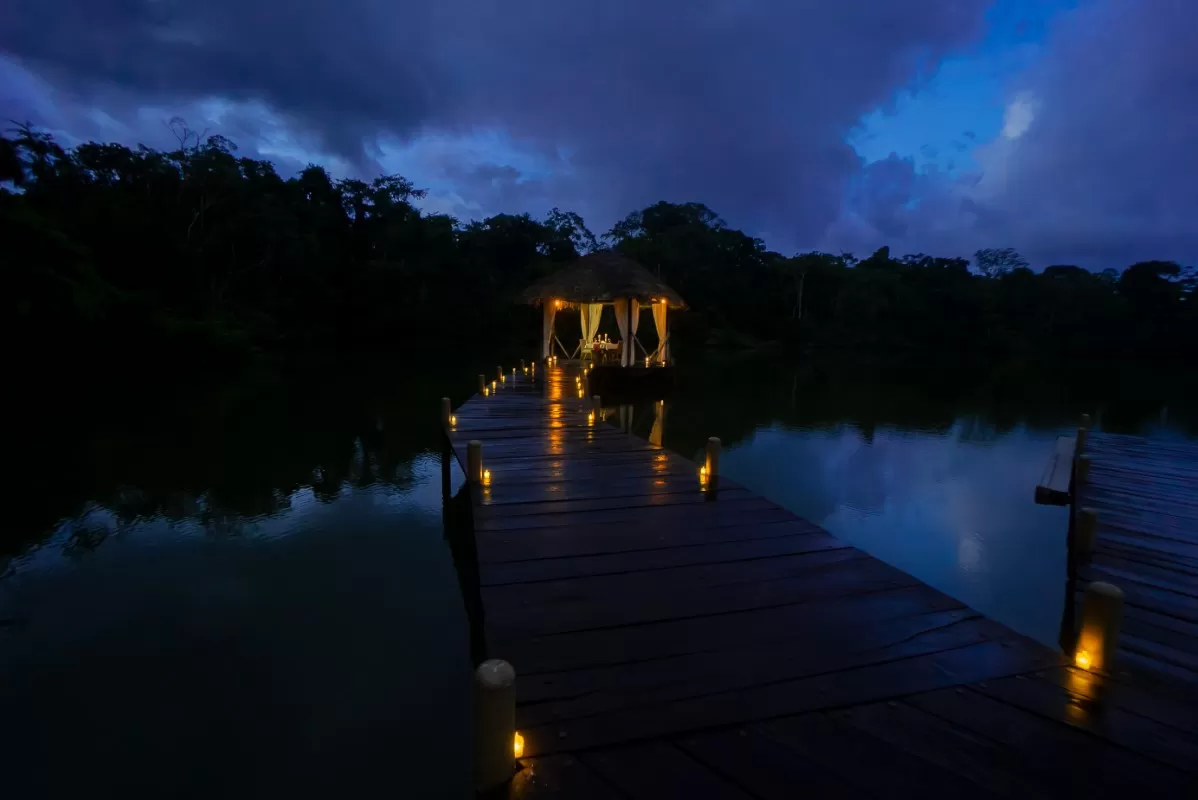
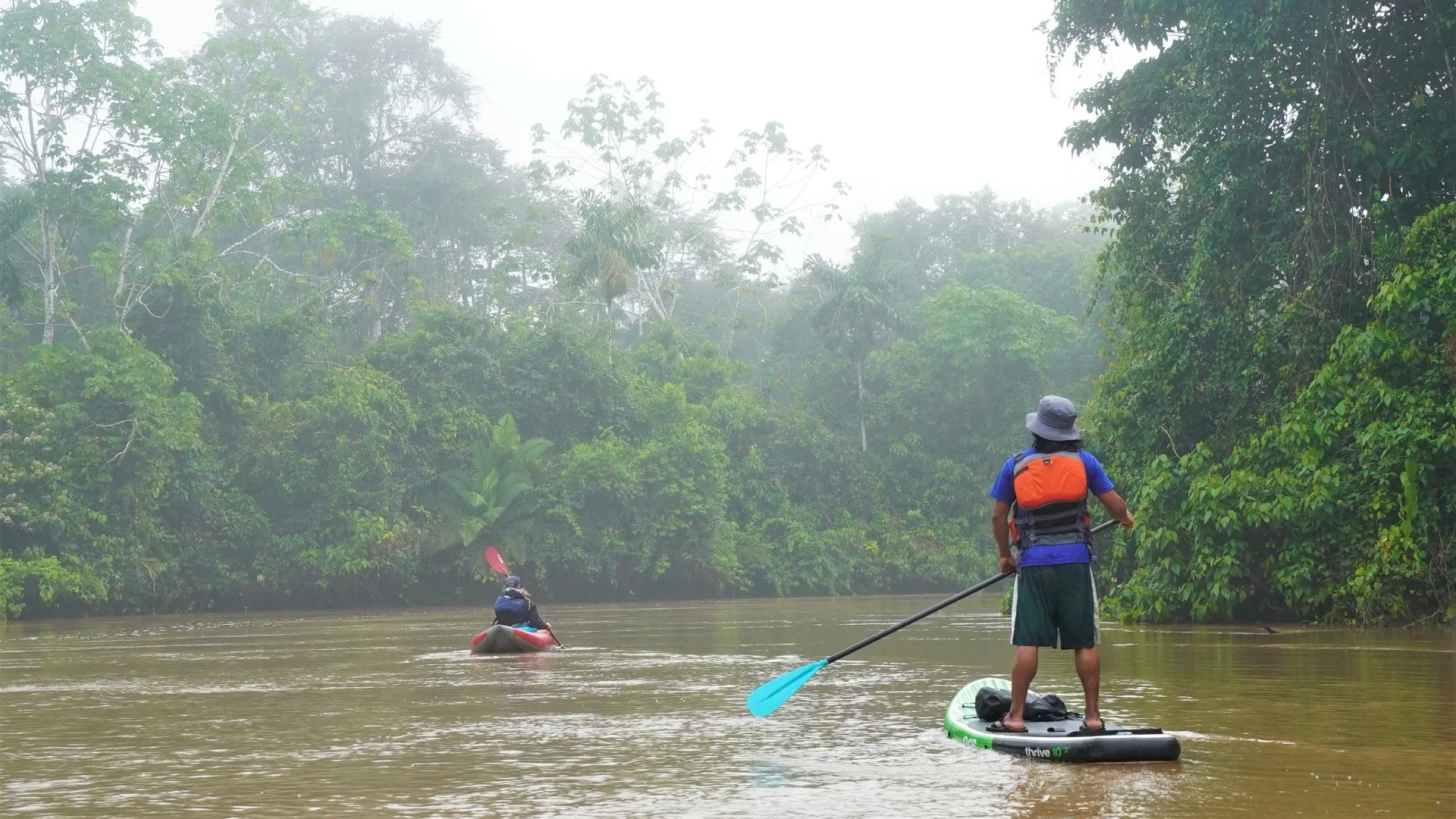
  • The Amazon offers warm rivers, jungle immersion, and ancient ways of life.
  • Ancient festivals, culinary traditions, and everyday wisdom coexist with spiritual reverence for the land.

This is slow tourism at its best: each region invites you to give it your time, attention, and presence.

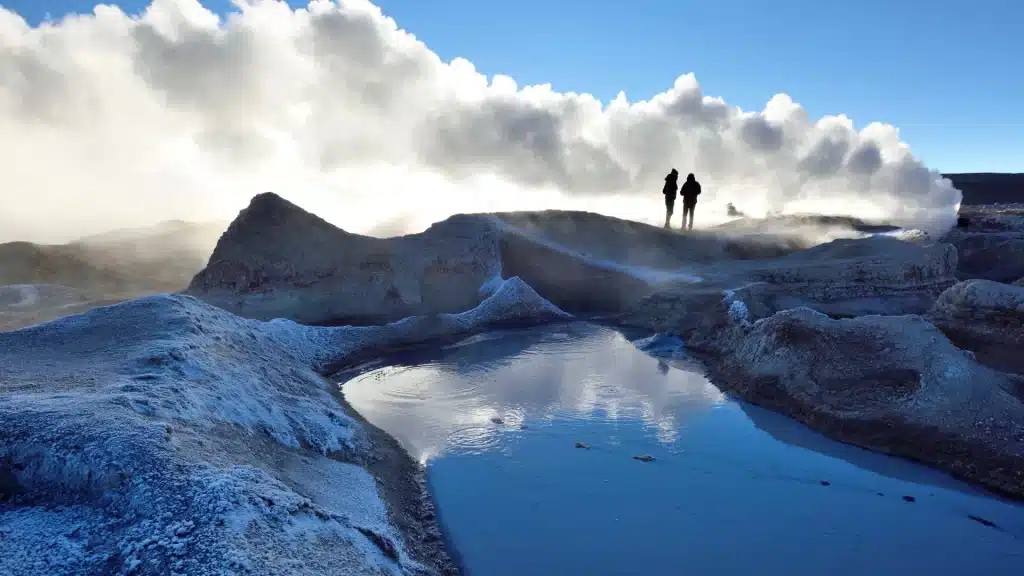
Silhouettes of two people walking near a steaming hot spring in the Bolivian Andes, with a shallow lake reflecting the soft light.
The Bolivian Andes are home to surreal geothermal landscapes where steaming waters meet high-altitude silence and serenity.

SLOW TRAVEL AND RESPONSIBLE TRAVEL: TWO SIDES OF THE SAME COIN

Slow Travel Bolivia and responsible tourism share a deep philosophy.

  • We encourage you to stay in one place, learning about the local rhythms, so you can enjoy different moments of a place.
  • Immersing yourself in local life, whether weaving in Tarabuco or eating in a family kitchen, gives meaning to every visit.
  • Communities benefit directly. Your trip supports local artisans, family-run accommodations, and guides.

A responsible traveler gets involved, respects, and invests in. That is the essence of our approach.

CONNECT WITH BOLIVIAN CULTURE—NOT JUST OBSERVE IT

EXPERIENCE FESTIVALS AND TRADITIONS

Join Urkupiña in Quillacollo or the vibrant Aymara New Year. Dance with the locals, get a close-up look at the ancestral costumes, and feel the energy of the community. These are more than just events; they are expressions of identity.

VISIT TRADITIONAL MARKETS

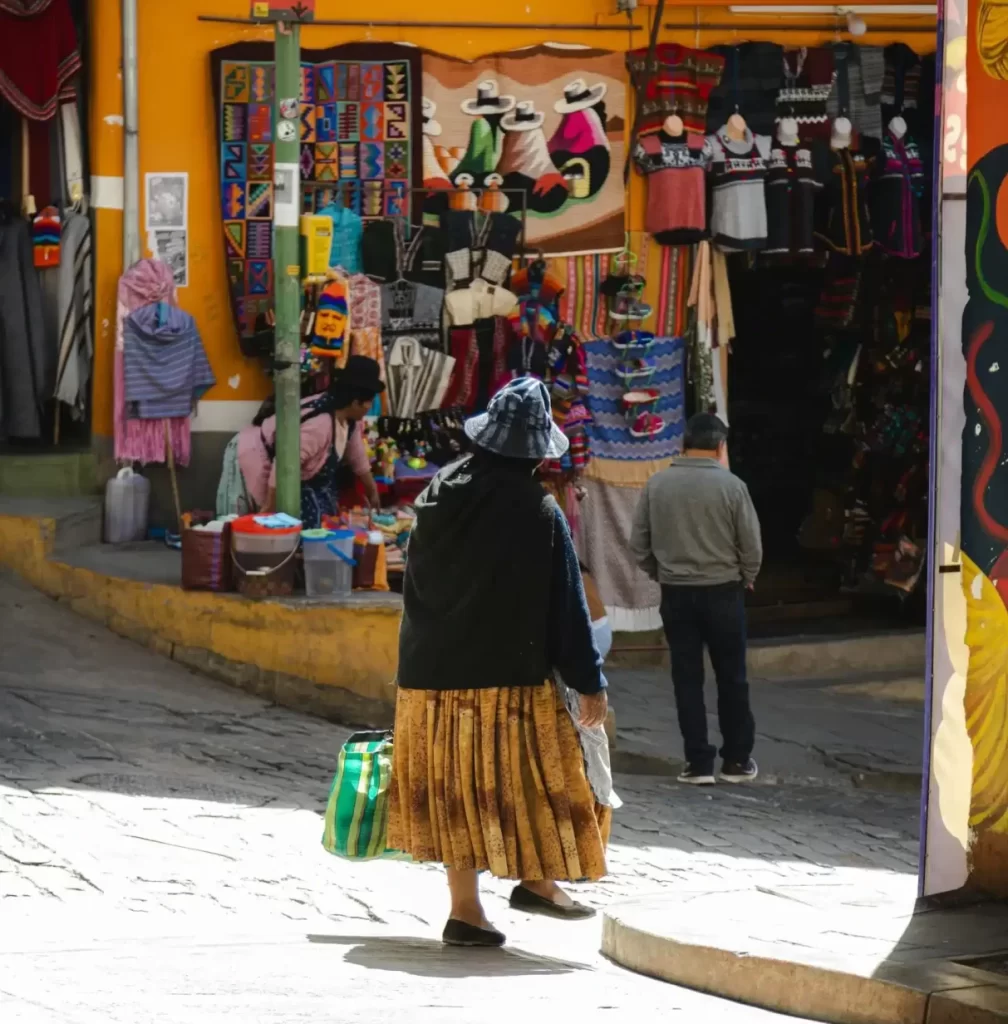
Stroll through the Mercado de las Brujas (Witches’ Market) in La Paz or the craft squares of Sucre. Try the local food, watch weaving techniques firsthand, or chat with vendors. These markets connect you to Bolivian life.

View of the Witches' Market in La Paz, Bolivia, featuring stalls with herbs, amulets, and traditional Andean spiritual items.
The Witches’ Market in La Paz blends mysticism and tradition, where you can find everything from healing herbs to talismans rooted in Andean cosmology. – Foto de Gabriel Ramos

BREATHE IN THE LANDSCAPES, DON’T RUSH THROUGH THEM

SALAR DE UYUNI

Imagine standing on flat white salt that mirrors the sky. A silence so deep it feels sacred. Walk slowly, take in the horizon, and let the desert invite reflection.

TITICACA AND ISLAND LIFE

Sail across the world’s highest navigable lake. Visit the serene Isla del Sol. Meet lake fishermen and feel the waters connect past and future.

HIGH MOUNTAIN HIGHWAYS

Ride or trek across the Andes. Pause in remote villages, watch llamas graze, breathe mountain air, walk in silence.

AMAZON RAINFOREST IMMERSION

Stay at a lodge run by a local community. Canoe at dawn, spot pink dolphins, share meals with your hosts. Time unfolds at river rhythm.

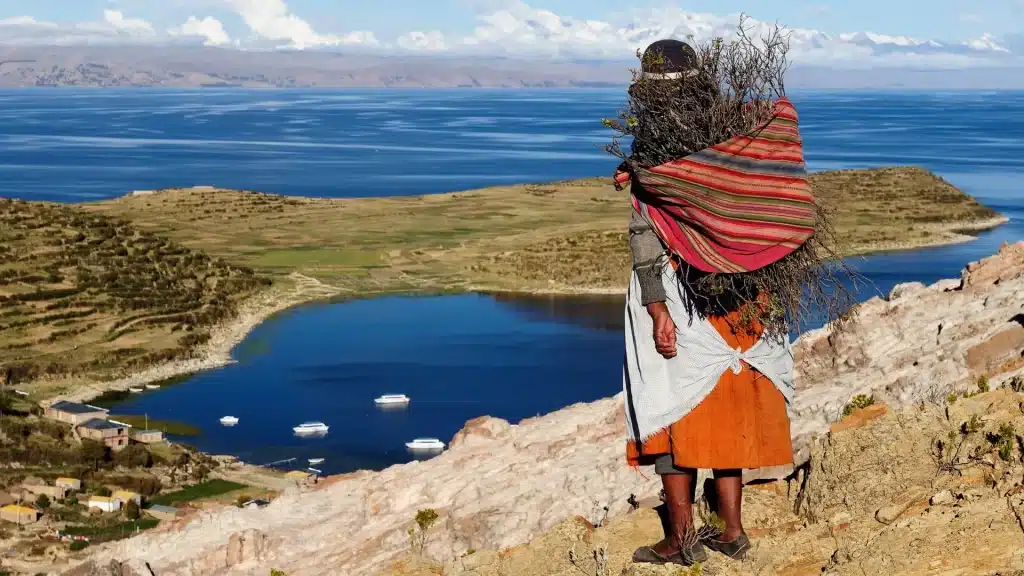
Aymara or Quechua woman in traditional clothing near the shores of Lake Titicaca, with the lake and Andes in the background.
At 3,812 meters above sea level, Lake Titicaca is the world’s highest navigable lake and a sacred site for Andean cultures.

FEEL THE SPIRIT OF PACHAMAMA

In Bolivia, land is more than just soil: it is sacred. The energy of Pachamama beats through festivals, agriculture, and rituals.

Participate in a ch’alla ceremony in August, offering crops or coca leaves to bless the earth and connect spiritually with the world around you.

Learn from local guides about the ancestral ways of honoring Pachamama in everyday life. Living traditions rooted in respect.

SAMPLE SLOW TRAVEL BOLIVIA PATHWAYS

CULTURAL IMMERSION

Spend several days in markets and villages in the highlands. Experience the art of weaving with artisans. Enjoy Andean cuisine. Attend a local ritual. Let your curiosity guide you.

EXPLORING THE LANDSCAPE

Travel at your own pace between Uyuni, Lake Titicaca, and the Amazon. Spend your nights under the stars. Walk on soft ground. Watch wildlife arrive in silence.

SPIRITUAL CONNECTION

Start your day with a sunrise in the mountains. Give thanks to the earth. Share stories of these lands. End your day with the sunset behind the Andean peaks.

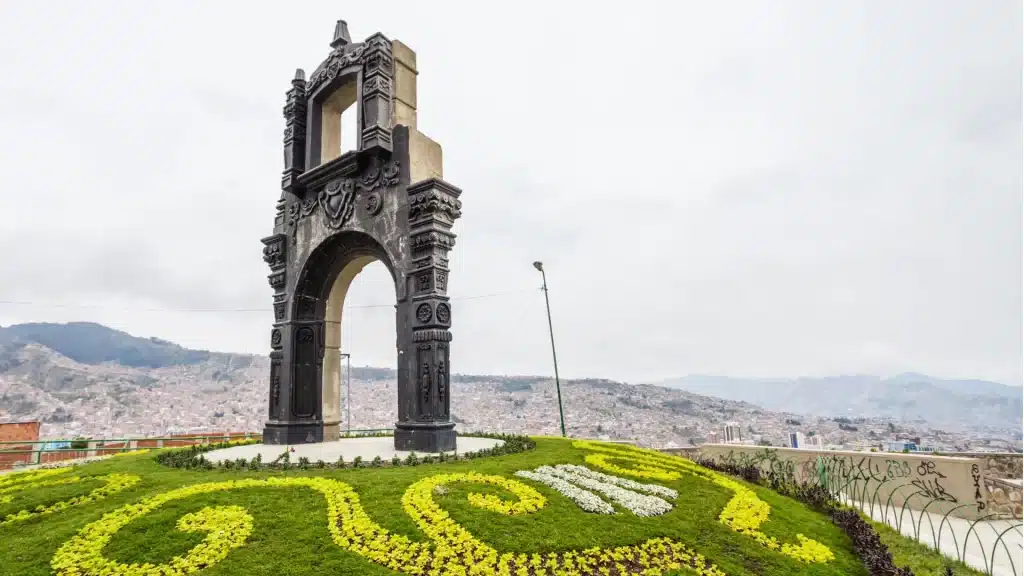
Panoramic view of La Paz, Bolivia, from the Killi Killi viewpoint, with the city and surrounding mountains in sight.
Killi Killi offers one of the most dramatic views of La Paz, where urban life meets towering Andean peaks.

WHAT TRAVELERS ASK ABOUT SLOW TRAVEL BOLIVIA

  • How much time should I set aside? At least 7 to 10 days to savor three different regions. Two weeks would be ideal to immerse yourself in the culture and nature.
  • Is it safe? Yes, as long as you travel responsibly with trusted local guides, stay in ethical community accommodations, and take care at high altitudes.
  • Do I need to speak Spanish or indigenous languages? Basic Spanish is useful. Local guides usually help with translation. Learning a few phrases in Quechua or Aymara is a gesture of respect and welcome.

Can I customize my itinerary? Of course. Whether you want more nature, rituals, culture, or solitude, we will design a trip tailored to your preferences.

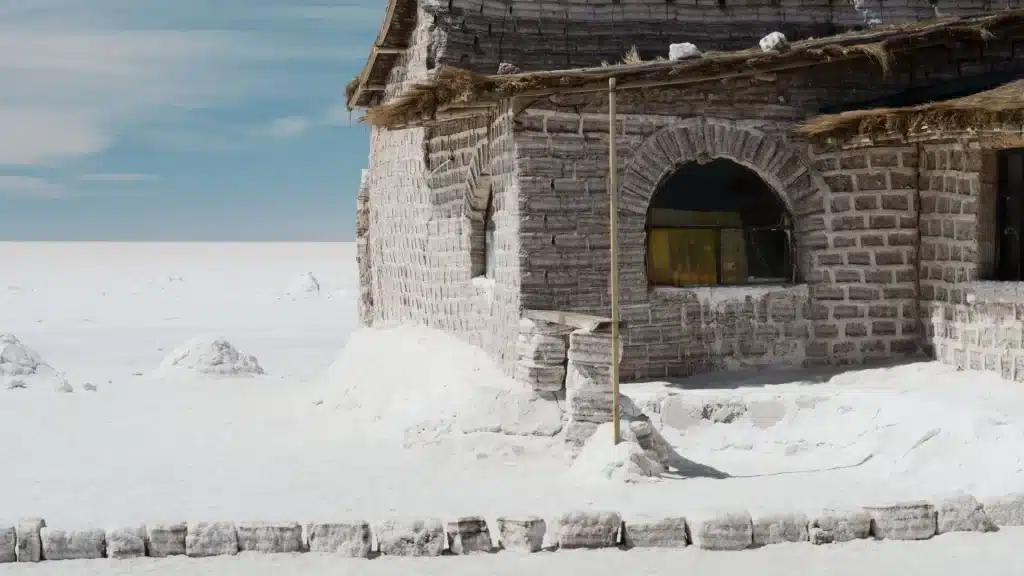
The Salt Hotel at Salar de Uyuni, Bolivia, built entirely from salt blocks on the world’s largest salt flat.
Staying at a hotel made of salt in the Uyuni Salt Flats offers a surreal and unforgettable high-altitude experience.

WHY SLOW TRAVEL BOLIVIA WITH US FEELS DIFFERENT

  • We’re locally rooted, with team members in Bolivia and strong indigenous connections.
  • Our trips emphasize connection over checklist: from guided weaving, to communal meals, to respectful ritual participation.
  • We partner with communities actively. Every peso you spend helps preserve traditions and landscapes.

We design for meaningful pacing, not just logistics—time for wonder, conversation, reflection.

PLAN TIPS FOR YOUR SLOW JOURNEY IN BOLIVIA

  • Go during shoulder season to avoid peak crowds and enjoy more serene experiences.
  • Stay longer in fewer places, rather than rushing many locations.
  • Pack for altitude: layers, water, sun protection. Blankets for cold desert nights.
  • Be curious and courteous: ask questions, listen, tread lightly.

TRAVEL SLOWER, FEEL DEEPER

Slow Travel Bolivia is not just a concept, it is an invitation. To pause, listen, and be mindful.

Here, every conversation with a craftsman, every sunrise over a salt flat, or every change in the weather on a mountain trail becomes a moment to reflect and connect.That is the journey that awaits you: a journey based on purpose, cultural empathy, and the wonder of experiences.
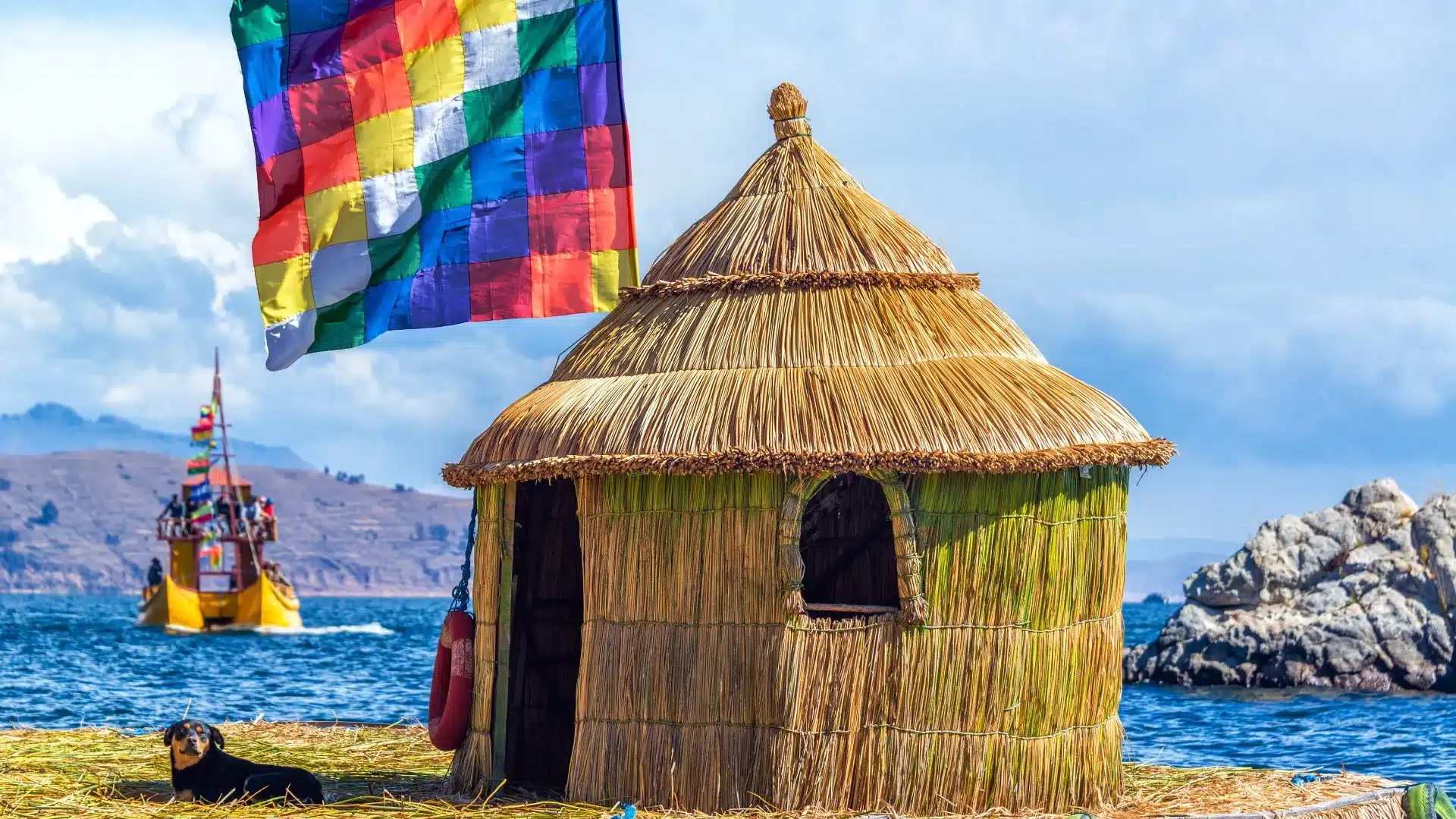
Traditional totora reed house on the Uros Floating Islands, with the Wiphala flag waving above Lake Titicaca.

FAQs – Slow Travel Bolivia

  1.  What is slow travel, and how does it work in Bolivia?

    Slow travel means spending more time in fewer places, connecting with local people, culture, and nature. In Bolivia, it might look like staying in a highland town for days, joining a weaving workshop, or exploring the Amazon at river pace.

  2. Is Bolivia a safe destination for mindful travelers?

    Yes. Traveling with trusted local partners, respecting local customs, and planning around weather and altitude makes Bolivia a welcoming destination for conscious travelers.

  3. What’s the best time of year to visit Bolivia slowly?

    April to October is the dry season—perfect for hiking, salt flats, and highland travel. The green season (November to March) brings lush landscapes in the Amazon, but expect occasional rain.

  4. Can I join local rituals or spiritual ceremonies as a traveler?

    Yes, when invited and guided respectfully. Some communities offer ways to experience Pachamama rituals or Aymara New Year—always with care and cultural sensitivity.

  5. How can I support local communities while traveling?

    Choose community-run lodges, hire local guides, buy directly from artisans, and stay longer in small towns. Your time and choices create real impact.

    Are you thinking about Bolivia for your next trip?