Responsible Travel

The Andean Waterways: A Journey to Ecuador’s Aquatic Heart

08.29.2025

BY Isaac

BlogAndes

Picture yourself next to a crystal-clear Andean stream, where sunlight dances through the lush cloud forest canopies, and the soothing rush of water blends beautifully with the melodic calls of distant birds. ✈️ The Andes ✈️ showcase their volcanoes and sweeping páramos, yet beneath that grandeur, a quieter world thrives — the aquatic heart of the highlands. Clear, cold rivers and tranquil lakes nurture rare species that thrive uniquely in these environments. Embark on a journey of connection with us — where patience reveals elusive creatures, and respect guarantees their protection.

Laguna de Papallacta-Andean waterways
The scenic Laguna de Papallacta in the Ecuadorian highlands-Located within the Cayambe-Coca Ecological Reserve.

GUARDIANS OF THE WATERWAYS: THE ELUSIVE ANDEAN RIVER OTTER

THE ANDEAN RIVER OTTER — A SENTINEL SPECIES

The Andean river otter (Lontra longicaudis) serves as a valuable indicator of the health of streams and watersheds. This sleek mammal actively regulates fish populations and maintains balance in rivers. Its presence indicates clean water and a thriving ecosystem — essential for both wildlife and local communities.

WHERE TO FIND THE OTTER

While sightings aren’t guaranteed, promising areas include tributaries within Cayambe-Coca National Park, mid-elevation zones near Papallacta Hot Springs, and protected streams in the Ecuadorian Avenue of Volcanoes corridor. These are places where guide-led tours adhere to local rules and respect sensitive habitats.

A MOMENT OF WILD GRACE

Glimpsing an otter offers a fleeting moment of wild elegance — a subtle splash and a flash of agile movement at the water’s edge. This experience lingers, leaving a lasting impression well beyond the day’s conclusion.

An Andean otter rests on a branch protruding from the water-Andean waterways
An Andean otter rests on a branch protruding from the water-This mammal is a guardian of Andean rivers and an indicator of healthy ecosystems.(Anthony Batista, CC BY 4.0 https://creativecommons.org/licenses/by/4.0, via Wikimedia Commons.)

BEYOND THE OTTER: THE BROADER AQUATIC COMMUNITY

The Andean waterways are living tapestries where species interact in delicate balance. From flowers that nourish hummingbirds to the insects that sustain amphibians, every ripple sustains a larger story of life.

HUMMINGBIRDS BY THE WATER

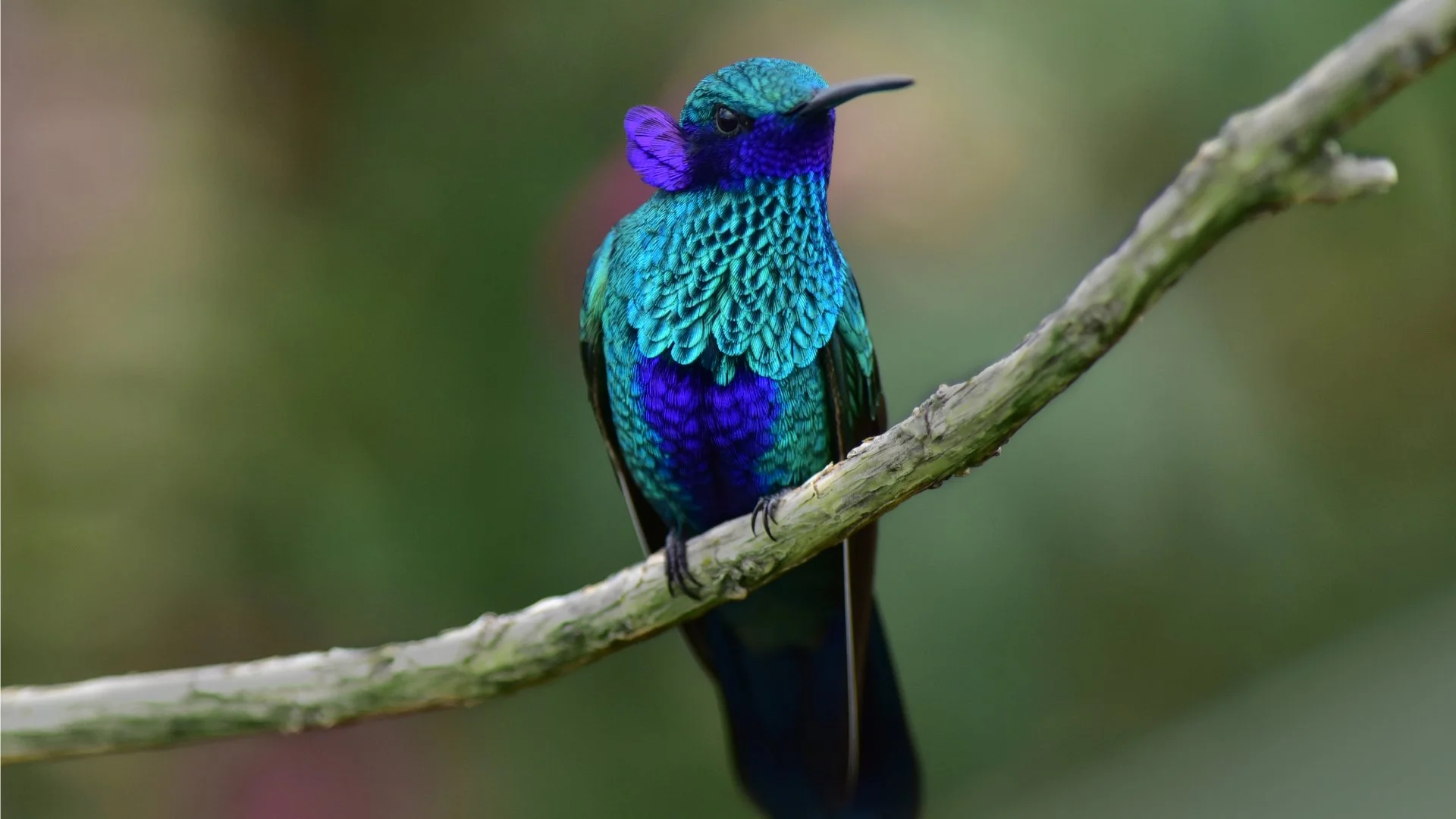
The moisture-rich banks nurture cloud forest flowers and mosses, drawing in hummingbirds — each sip showcases the beauty of interconnected ecosystems. Species such as the Sparkling Violetear hover near streams, attracted by the abundance of nectar and insects.

AMPHIBIANS & INSECTS ABOUND

Frogs and colorful dragonflies thrive in the perfect homes created by leaf litter and flowing water. These creatures form the next layer of the nighttime chorus. Sensitive to environmental shifts, they serve as living barometers for ecosystem health.

RIVERBANK FLORA — QUIET HEROES

High-altitude wetlands thrive with delicate grasses, orchids, and marsh plants that actively stabilize soils and filter water. Their presence fosters a habitat for amphibians and bolsters insect life, which is essential for birds and otters.

A Sparkling Violetear perches on a branch, displaying its bright green and blue hues-Andean waterways
A Sparkling Violetear perches on a branch, displaying its bright green and blue hues-This hummingbird is a frequent visitor to the Andean forests, where water and life intertwine in harmony.

ETHICAL EXPLORATION OF THE WATERWAYS

LOOK, DON’T TOUCH

Keeping a respectful distance is essential. Trailside platforms and quiet observation points invite you to watch without causing any disturbance. Stay clear of streams, avoid touching animals, and definitely do not feed them.

GUIDES AS CONSERVATION STEWARDS

Local guides possess conservation training — they understand the cracks in the trail, the seasonal breeding areas to avoid, and the precise locations where an otter might appear without harming the habitat. Numerous guides actively engage in citizen science and take part in stream clean-ups.

YOUR VISIT PROTECTS THE WATER

Every tour fee contributes to supporting clean-water initiatives, planting native vegetation, and enhancing local environmental education. By traveling with Responsible Travel S.A., you ensure that your visit directly benefits conservation programs and empowers local communities. Your adventure contributes to the solution — it’s more than just a fleeting spectacle.

Reforestation projects help restore essential ecosystems-Andean waterways
A simple gesture takes on meaning when planting life-Reforestation projects help restore essential ecosystems.

PLANNING YOUR AQUATIC DAY TRIP

ATTIRE AND ESSENTIALS

  • Hiking boots that are waterproof and provide excellent grip are essential, especially since riverbanks can be slick.
  • Light rain jackets and moisture-wicking layers.
  • Bring binoculars and a field guide to enhance your birding experience.
  • A reusable water bottle paired with a light snack
  • Use a camera equipped with a telephoto lens and refrain from using the flash.

These essentials not only keep you comfortable but also allow you to connect more deeply with the Andean waterways, experiencing their richness without disturbing their fragile balance.

BEST TIME TO VISIT

The dry months from June to September present clearer skies and enhanced visibility, while the rainy season awakens a vibrant chorus of creatures. Evening walks following light showers often reveal the most exciting otter activity and vibrant frog calls.

DAY TRIPS FROM QUITO OR CUENCA

Many sites are just a 1.5 to 3-hour drive away. Tours set off in the mid-afternoon, arrive at the streams by early evening, and head back later — providing you with a complete yet leisurely night experience without the hassle of overnight stays.

Planning ahead is the key to getting the most out of every travel experience-Andean waterways
Planning ahead is the key to getting the most out of every travel experience-Good organization allows you to optimize your time and discover more at each destination.(Photo by lilartsy en Unsplash)

PROTECTING SENSITIVE ZONES AND STAYING MINDFUL

  • Access may be limited in breeding or restoration areas — guides ensure tours respect seasonal closures.
  • No pollution: Avoid soaps, oils, or repellent near water. Carry out all litter.
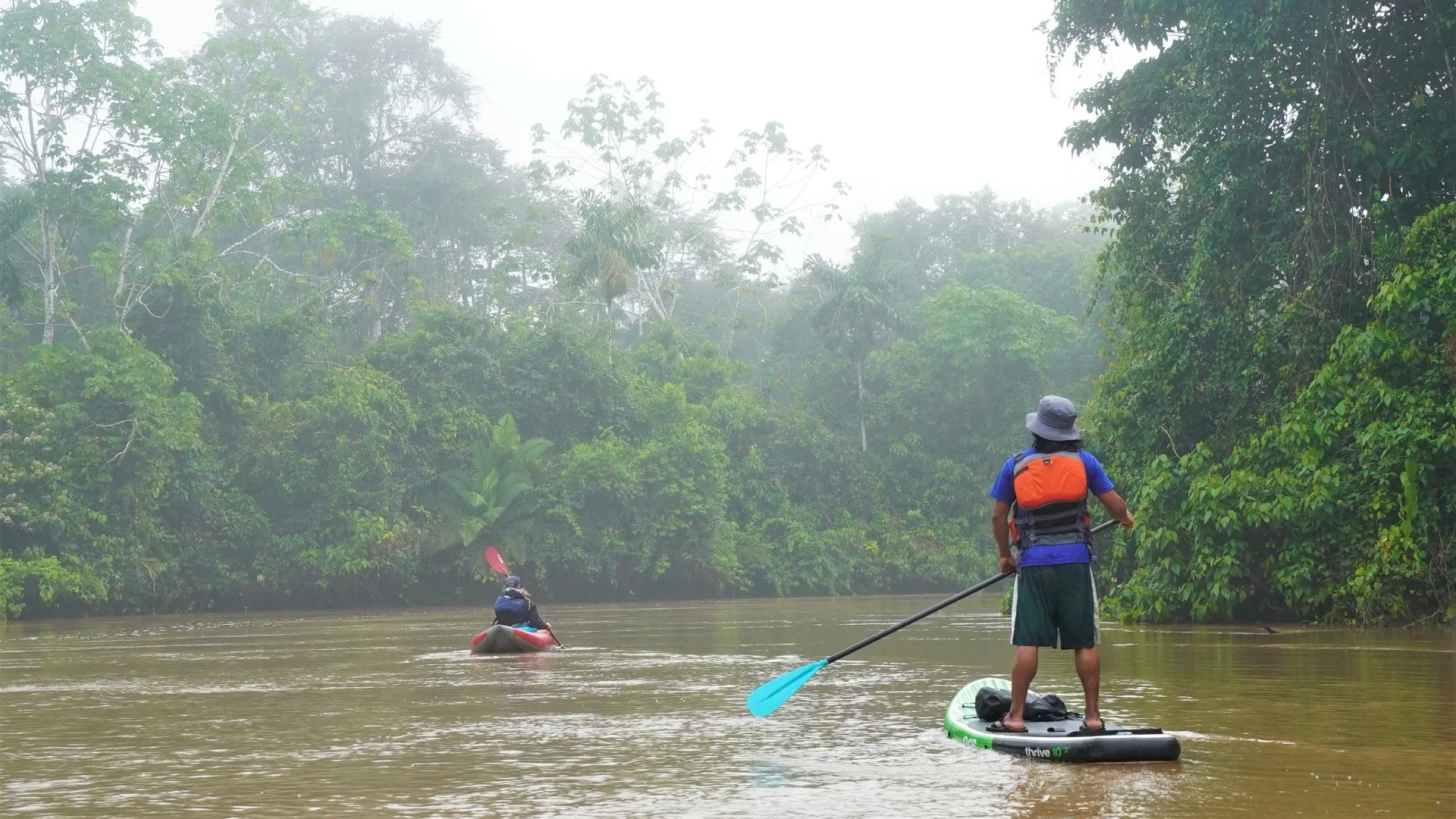
  • If using inflatable kayaks or rafts, restrict use to designated areas and avoid disruptive zones — guides enforce these restrictions during waterways tours.

A DIFFERENT KIND OF ADVENTURE

People have always been captivated by heights and horizons. Yet, the most profound connections often occur at water level — where life pulses quietly beneath our feet. Exploring Ecuador’s Andean waterways offers a stillness that speaks, a harmony that humbles, and a conservation story that truly matters. Here, every ripple carries meaning, every species reflects resilience, and every responsible visitor becomes part of safeguarding these fragile highland ecosystems for generations to come.
A Sparkling Violetear perches on a branch, displaying its bright green and blue hues-Andean waterways

Frequently Asked Questions About Andean Waterways

  1. Is otter sighting guaranteed on the tour?

    Wildlife sightings are never guaranteed. The Andean river otter is a very elusive species, and finding it requires patience, luck, and the expertise of a local guide. However, the adventure of exploring its habitat is worthwhile in itself.

  2. Is this tour suitable for children or seniors?

    Yes. These day tours focus on quiet observation and easy walks, as opposed to high-intensity hiking tours. They are an excellent option for the whole family looking for a more relaxed experience in nature.

  3. How can I know that my tour helps conservation?

    By choosing a tour with a responsible approach, your trip directly helps fund habitat protection and species monitoring projects. The guide will explain how tourism revenue supports local communities that act as guardians of the ecosystem.

  4. What equipment should I bring for a water excursion?

    We recommend wearing layers, a waterproof jacket, closed-toe, comfortable shoes (preferably waterproof), and binoculars. It is crucial to avoid using repellents or sunscreens that are not biodegradable, as they can contaminate the water.

  5. Are the waters of rivers and lakes safe?

    The waters of Andean lagoons and rivers are, for the most part, pristine. However, for the safety of the ecosystem and your own, you are not allowed to enter the water unless instructed to do so by your guide, especially in conservation areas.

    Ready to explore Ecuador’s Andean waterways? Join us for an adventure that inspires you and protects nature