









Responsible Travel

The Garden of the Andes: Ecuador’s Ultimate Birdwatching Escape

08.26.2025

BY Isaac

BlogAndesTravelBirding

Shut your eyes and pay attention. A hummingbird zips by your ear, while in the distance, a wild call resonates from a misty ridge. For bird lovers, Ecuador is the place where your life list truly soars. The Andean spine boasts over 1,600 bird species within a country the size of Colorado, creating one of the world’s richest birding circuits—often just a few hours’ drive from an international airport. By August 2025, conservation data continues to affirm what birders already sense on the trail: Ecuador may be small, but it stands strong as a haven for birds. Discover the reasons why birdwatching in the Ecuadorian Andes is incredibly rewarding. Explore the best locations, anticipate the species you’ll encounter, and learn how to minimize your impact—ensuring that your observations benefit the local communities and conservation efforts.

Green-crowned Brilliant perches delicately on a hand-birdwatching in the Ecuadorian Andes
Green-crowned Brilliant perches delicately on a hand-These birds feed on nectar and are a symbol of Andean biodiversity.

WHY ECUADOR IS A HIDDEN GEM FOR BIRDERS

MICROCLIMATES THAT MULTIPLY CHECKLISTS

The Andes run through Ecuador from north to south, meeting the Chocó cloud forests on the west and the Amazonian foothills on the east. This collision forms distinct altitudinal bands and a multitude of microclimates, each hosting its unique assembly of hummingbirds, tanagers, and antpittas. A single day can take you from páramo to a dripping cloud forest, allowing you to discover dozens of new species along the way. Ecuador stands out on the global stage as a megadiverse country, and this richness is palpable in the field.Birdwatching in the Ecuadorian Andes reveals how these microclimates create unparalleled opportunities to see species diversity in compact areas.

TRADITION, QUALITY, AND LOCAL STEWARDSHIP

Small reserves, community feeders, and family-run lodges anchor many Andean birding sites. These places focus on quality rather than quantity: they prioritize habitat protection, implement thoughtful trail design, and consistently support local guides who are knowledgeable about bird locations. Your visit—done right—ensures those forests thrive.

THE PARADISE IN NUMBERS

A WORLD IN MINIATURE

Ecuador hosts ~1,626 bird species (mainland + islands), an astonishing share for its size. That’s roughly 15% of the world’s birds in a single country, and one reason the Andes here feel like a living field guide.

FROM PÁRAMO TO CLOUD FOREST

At 4,000+ m, scan for Andean Condor and Carunculated Caracara; drop to 1,500–2,500 m and the world explodes with Andean Cock-of-the-rock, Plate-billed Mountain-Toucan, and a carousel of hummingbirds. These tight life zones are the secret behind Ecuador’s species density.

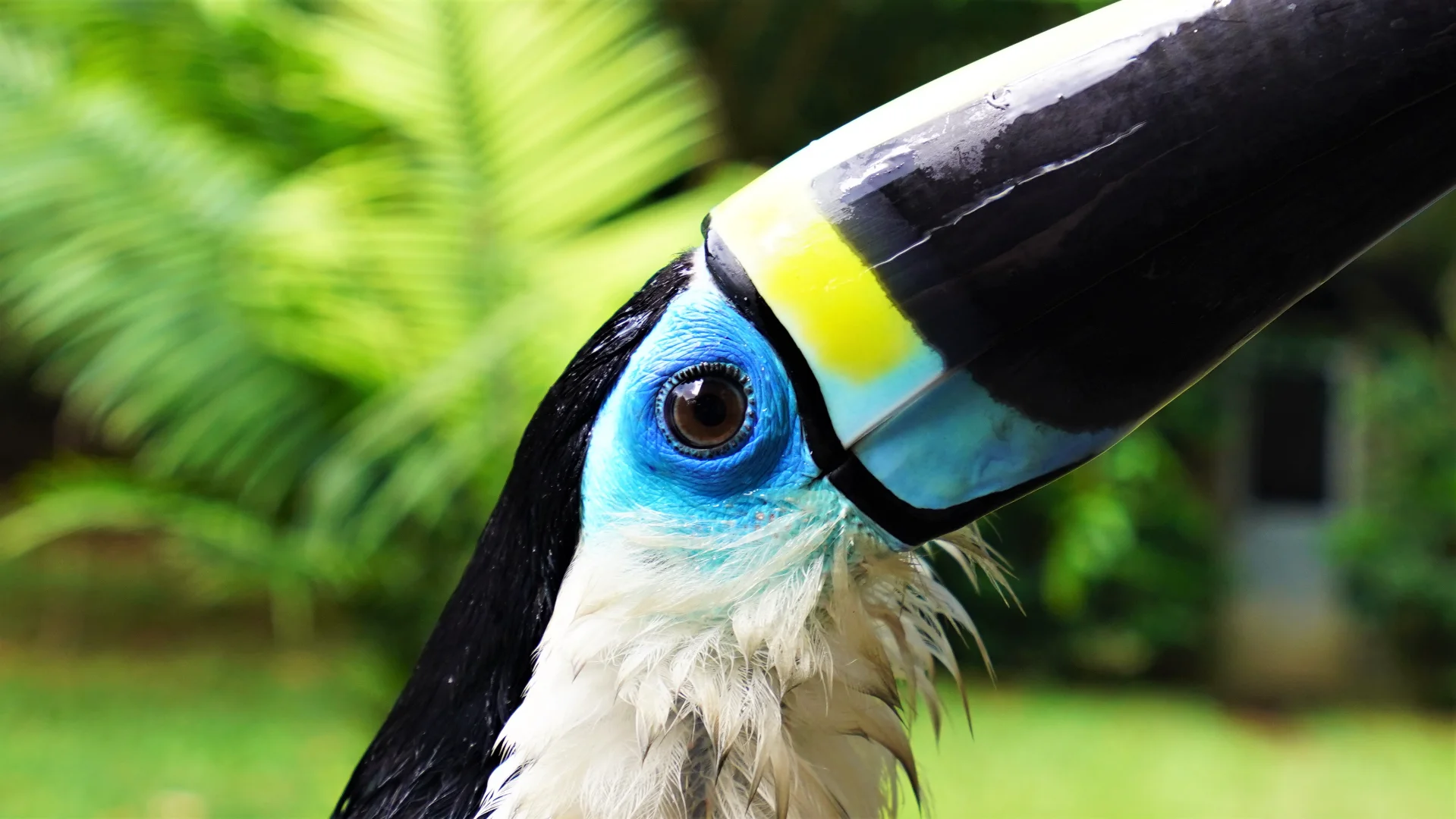
Plate-billed Mountain-Toucan perched on a branch, displaying its colorful beak-birdwatching in the Ecuadorian Andes
Plate-billed Mountain-Toucan perched on a branch, displaying its colorful beak-Its fruit-based diet contributes to seed dispersal in montane forests.

TOP ANDEAN HOTSPOTS (FIELD-TESTED)

MINDO & THE CHOCÓ ANDINO: CLOUD-FOREST ROYALTY

The Mindo–Tandayapa belt stands out as a premier destination for birding enthusiasts. The UNESCO Chocó Andino Biosphere Reserve showcases mossy slopes that host vibrant display “leks,” lively tanager flocks, and bustling feeder stations where sword-billed and booted racket-tail hummingbirds hover just within arm’s reach. Look forward to spotting the Andean Cock-of-the-rock, numerous quetzals, and lively mixed flocks that will keep your binoculars engaged throughout the morning.

Pro Tip: Start pre-dawn at a cock-of-the-rock lek, then work your way up a ridge road for tanager flocks as the light lifts.

The bright red plumage of the Andean Cock-of-the-rock during courtship-birdwatching in the Ecuadorian Andes
The bright red plumage of the Andean Cock-of-the-rock during courtship-Ecuador’s national bird, famous for its dances in the leks.

ANTISANA: LAND OF GIANTS

East of Quito, Antisana protects a world of big skies and bigger birds. Scan cliffs and thermals for Andean Condor (Vulnerable)—Ecuador’s national symbol—and sweep the La Mica lagoon for waterfowl and highland shorebirds. Adjacent Chakana/Antisanilla Reserve shelters one of the country’s most important condor roosting/feeding landscapes.

Species targets: Andean Condor, Andean Ibis, Black-faced Ibis, Ecuadorian Hillstar around chuquiragua shrubs, and the Giant Hummingbird along ravines. 

Condor displaying its imposing size-birdwatching in the Ecuadorian Andes
Condor displaying its imposing size—A symbol of freedom and an important scavenger in Andean ecosystems.

PODOCARPUS (LOJA/ZAMORA): THE SOUTHERN SWEET SPOT

Known as the “Botanical Garden of the Americas,” Podocarpus National Park seamlessly combines high paramo, elfin forest, and vibrant eastern slopes. The official park profile showcases approximately 560 bird species, featuring numerous foothill and cloud-forest treasures along with several regional endemics.

Species targets: Gray-breasted Mountain-Toucan, Orange-banded Flycatcher, White-breasted Parakeet, and mixed flocks storming the canopy.

The Orange-banded Flycatcher stands out with its orange band on its chest-birdwatching in the Ecuadorian Andes
The Orange-banded Flycatcher stands out with its orange band on its chest-It catches insects in flight, helping to maintain ecological balance.(Ana Agreda, Aves y Conservación, Public domain, via Wikimedia Commons.)

CAJAS (NEAR CUENCA): PÁRAMO LAKES & HIGHLAND SPECIALISTS

Cajas National Park showcases over 150 recorded species, blending stark beauty with glacial lakes, cushion plants, and paper-bark forests, all while attracting specialized birds. Mornings welcome siskins and ground-tyrants to open slopes, while Polylepis groves conceal charismatic furnariids and highland hummingbirds.

Species targets: Violet-throated Metaltail (local), Tit-like Dacnis (range-restricted nearby), Andean Teal, Silvery Grebe (occasional), and raptors cruising big skies.

Tit-like Dacnis displays its intense blue plumage among low branches-birdwatching in the Ecuadorian Andes
Tit-like Dacnis displays its intense blue plumage among low branches-It feeds on insects and fruit in humid Andean forests.(Francesco Veronesi from Italy, CC BY-SA 2.0 https://creativecommons.org/licenses/by-sa/2.0/, via Wikimedia Commons.)

HOTSPOT SNAPSHOT (COMPARE AT A GLANCE)

FactorMindo (Chocó Andino)Antisana & La MicaPodocarpus (South)Cajas (Cuenca)
HabitatCloud forest (1,200–2,500 m)Páramo & high Andean lakes (3,500–4,400 m)Cloud forest to foothills (900–3,600 m)High páramo & Polylepis (3,500–4,200 m)
Signature birdsCock-of-the-rock, tanagers, quetzals, many hummersAndean Condor, Ecuadorian Hillstar, Andean IbisFoothill specialties, regional endemicsHighland waterfowl, metaltails, ground-tyrants
Field feelFeeders + leks; dense activityWide-open scanning; wind & sunVaried trails; big species listsBracing weather; lagoon circuits
Access2–2.5 h from Quito~1.5–2 h from QuitoFlights/road to Loja/Zamora~45–60 min from Cuenca

WHEN TO COME & HOW TO PLAN

SEASONALITY

In Ecuador, birding thrives throughout the entire year. In the Andes, anticipate rapid changes—sunshine, mist, and drizzle—all within a single morning. Birdwatching in the Ecuadorian Andes is rewarding in any season, with shifting conditions only adding to the adventure.

EFFORT & ALTITUDE

Short, frequent stops with quiet observation out-bird long slogs. In high sites (3,500–4,500 m), plan gentle half-days to acclimatize, hydrate, and take warm layers.

Observers enjoy biodiversity from a suspension bridge-birdwatching in the Ecuadorian Andes
Observers enjoy biodiversity from a suspension bridge-Ecuador has more than 1,600 species, ideal for ecotourists.

ETHICAL BIRDING THAT HELPS CONSERVATION

RULES OF THE TRAIL

  • Keep voices low; avoid crowding a bird.
  • Use playback sparingly (or not at all) and defer to your guide.
  • Stay on trails; never approach nests; respect private land.
  • Drones: don’t—they stress wildlife and are often restricted.

The Andean Condor faces global vulnerability, and every disturbance counts. Active field behavior benefits both the species and the communities that safeguard roosts and feeding areas.

YOUR VISIT CREATES A POSITIVE IMPACT

At Condor Landscapes, such as Chakana and Antisanilla, well-managed tourism actively contributes real economic value to preserving the cliffs and páramo. Selecting certified guides and community-based reserves enhances that impact.

SAMPLE 4-DAY ANDEAN BIRDING LOOP

Day 1 — Quito to Mindo: Pre-dawn lek for Andean Cock-of-the-rock; mid-morning feeder circuit; afternoon river trail.
Day 2 — Upper Tandayapa: Ridge road for mixed flocks; antpittas with local guides; evening owling.
Day 3 — Antisana plateau: Condors and highland waterbirds at La Mica; hillstar stakeouts.
Day 4 — Quito museums or extra cloud-forest morning: Final feeder blitz before departure.

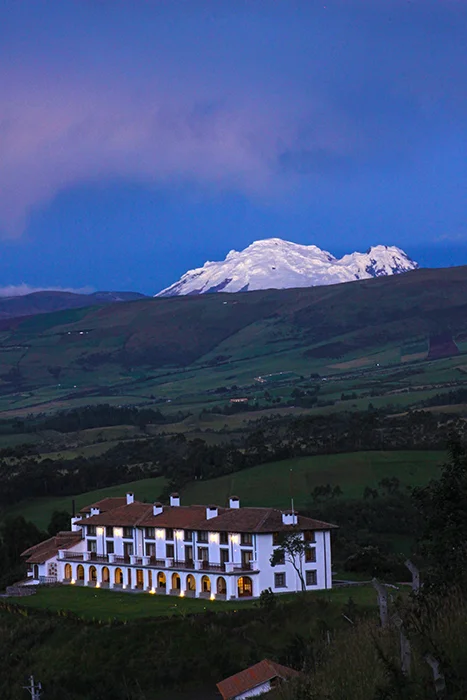
Stunning view of the Antisana volcano surrounded by Andean moorland-birdwatching in the Ecuadorian Andes
Stunning view of the Antisana volcano surrounded by Andean moorland-The Antisana Reserve is a top destination for high-altitude bird watching.

PLAN WITH CONFIDENCE: SAFETY & LOGISTICS

  • Transport: In the Andes, paved highways connect hotspots; last-mile access can be steep or muddy—4×4 helps in wet months.
  • Safety: Go with vetted guides; carry copies of ID; avoid night driving in rural curves.
  • Health: Altitude is real—ascend gradually, hydrate, and rest if you feel off. Sun protection is essential at 3,000+ m.

HOW WE SUPPORT BIRDWATCHING IN THE ECUADORIAN ANDES — RESPONSIBLE TRAVEL S.A.

We’re an Ecuador–German team and one of the most trusted local partners for Birdwatching in the Ecuadorian Andes. We carefully design routes around key species, seasonal activity, and prime habitats, coordinating access to reserves, leks, and feeders. Before you go, we provide detailed briefings so your days flow smoothly, your sightings are maximized, and your presence supports local communities and conservation efforts. By working with a certified local outfitter like Responsible Travel S.A., you can focus fully on your birdwatching experience in the Andes, while we handle all the logistics seamlessly.

A JOURNEY THAT LIFTS YOU

Birdwatching in the Ecuadorian Andes offers an extraordinary experience. This connection brings to life landscapes where condors soar on thermals and cloud forests resonate with the flutter of glittering wings. Join us for the lifers, and experience the satisfaction of knowing your journey safeguarded the incredible habitats you came to explore.

Observers enjoy biodiversity from a suspension bridge-birdwatching in the Ecuadorian Andes

Frequently Asked Questions About Birdwatching in the Ecuadorian Andes

  1. Do I need to be an expert to enjoy a birdwatching tour?

    Not at all. Our tours are for all skill levels. Our expert guides will help you spot and identify birds, making the experience enjoyable and educational for everyone.

  2. What is the best time of year for birdwatching in Ecuador?

    Ecuador is a year-round destination. However, the dry season (June to September) offers clearer skies, which can improve visibility in the highlands and make for better photo opportunities.

  3. What specific gear should I bring on a birdwatching tour?

    We recommend bringing comfortable hiking shoes, layered clothing, and a good pair of binoculars. Your guide will have a spotting scope, but a personal pair of binoculars is essential.

  4. What are some of the most sought-after species I can expect to see?

    You can look for iconic birds like the Andean Condor and the Andean Cock-of-the-rock, as well as over 50 species of hummingbirds, including the unique Giant Hummingbird.

  5. How does my tour support local conservation efforts?

    Your tour fee helps support the local communities and private reserves that are essential for protecting bird habitats. We partner with local guides who are invested in the preservation of these unique ecosystems.

    Ready for your Andean birding? Let us craft a custom, ethical route for unforgettable sightings