
Responsible Travel

Unveiling the Waorani: A Yasuní Expedition into the Heart of the Amazon

09.03.2025

BY Elmer2

BlogEcuadorian handicraftsAmazonFAQ question

WHY THIS EXPERIENCE IS IMPORTANT

Yasuní National Park is Ecuador’s largest protected area and a global biodiversity hotspot, home to an extraordinary wealth of fish, bird, mammal, and plant species.

The park overlaps with Waorani territory, and some Waorani communities choose to welcome visitors on their own terms.
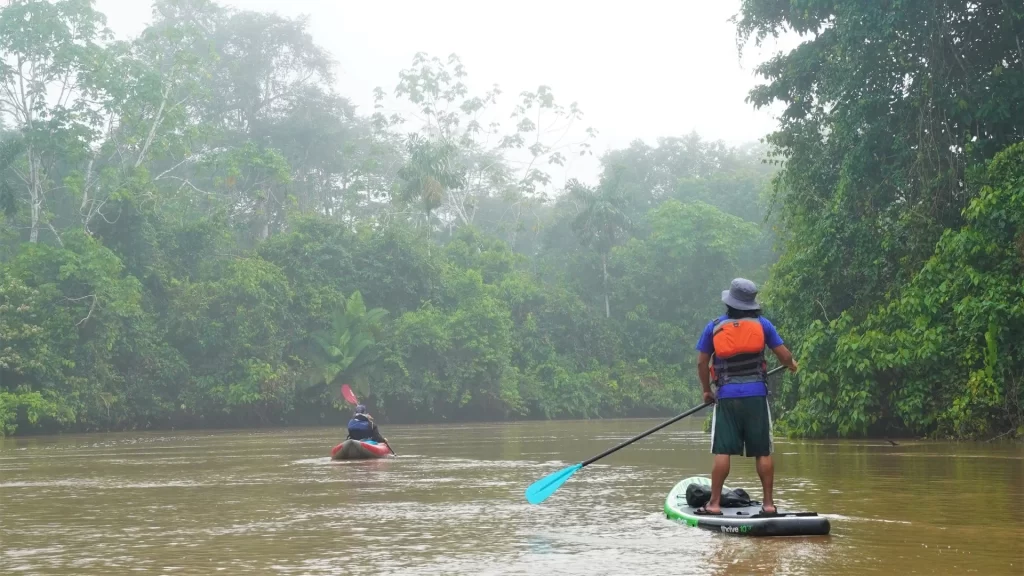
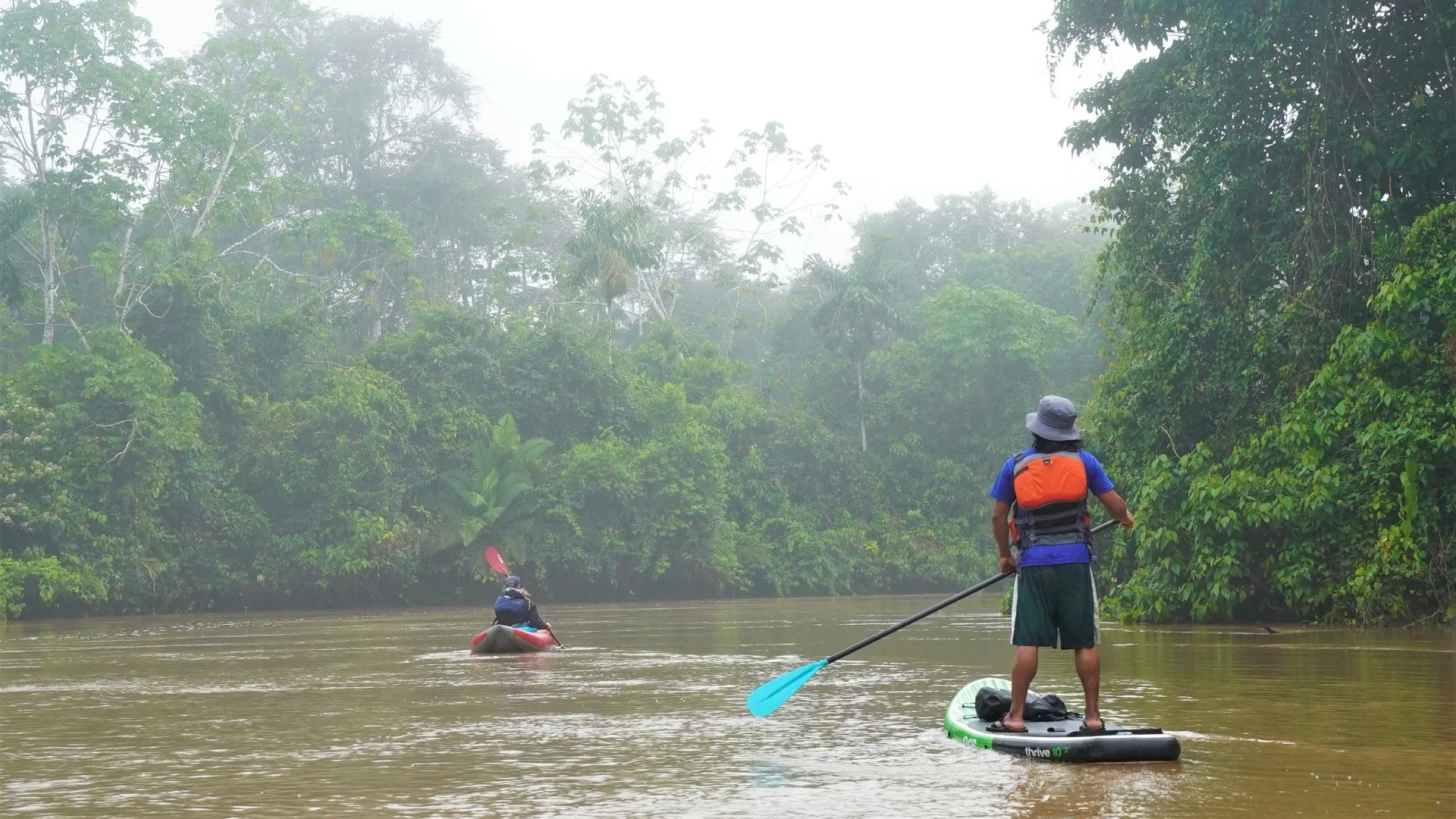
Two people navigating the Shiripuno River in Yasuni Biosphere Reserve, Ecuador, on a stand-up paddleboard and a kayak.
Adventure on the Shiripuno River, Yasuni Reserve: paddleboarding and kayaking in the Amazon.

THE WAORANI: GUARDIANS OF YASUNÍ

The Waorani (also spelled Waodani or Huaorani) are renowned hunter-gatherers of the Ecuadorian Amazon whose knowledge of the jungle has been passed down from generation to generation. Although many communities interact with visitors, several related groups live in voluntary isolation deep in the Yasuní; you should never approach them. Understanding this reality is the first step toward a respectful visit.

Why “guardians” goes further: Living in harmony with the forest, the Waorani’s knowledge ranges from the use of plants and architecture to navigation and wildlife behavior.

By inviting visitors through community-led initiatives, they share their way of life and strengthen their ability to protect it.

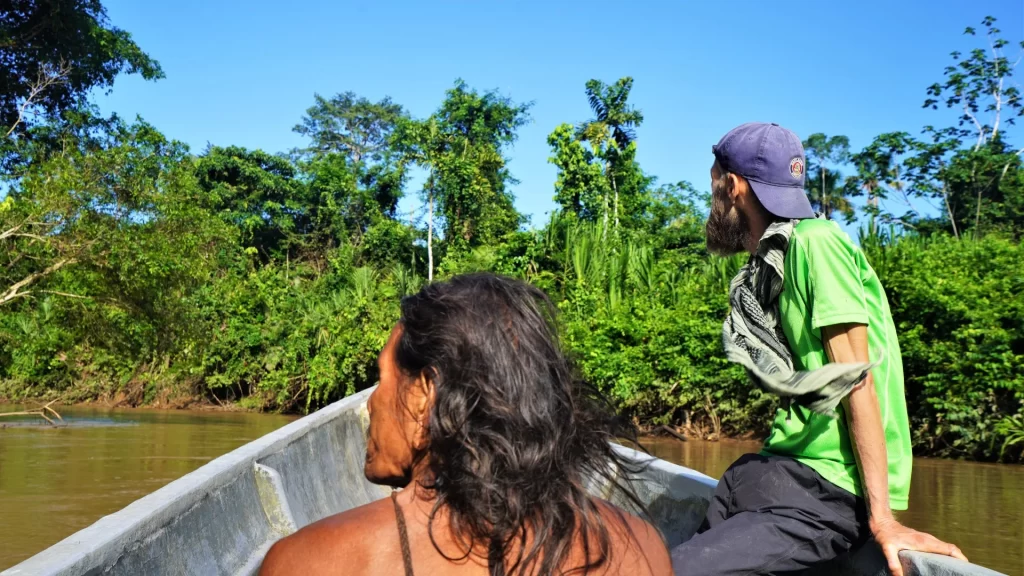
Canoe or kayak expedition in Yasuni National Park, Ecuadorian Amazon, during a multi-day jungle adventure.
Expedition by canoe and kayak in the Ecuadorian Amazon, exploring Yasuni National Park.

AN IMMERSION, NOT AN EXPEDITION

DAILY LIFE AND SHARED KNOWLEDGE

Mornings may begin with chicha (a traditional drink), food preparation, fishing in a rowboat, or learning about fibers and dyes for handicrafts.

Afternoons may include walks to learn about plants: how a leaf relieves a sting, how a vine becomes a basket, why certain trees mark animal trails.

Evenings are for telling stories: myths about origins, hunting ethics, and collective decisions. (Activities and protocols vary by community).

THE FOREST AS A TEACHER

The guides, in addition to being “tour leaders,” are custodians of culture and naturalists, all in one.

You will learn to read the forest: the difference between igapó and tierra firme, how to move silently, and why certain species signal others.

Observe, listen, pause: these habits turn a visit into a lesson that will stay with you for a lifetime.

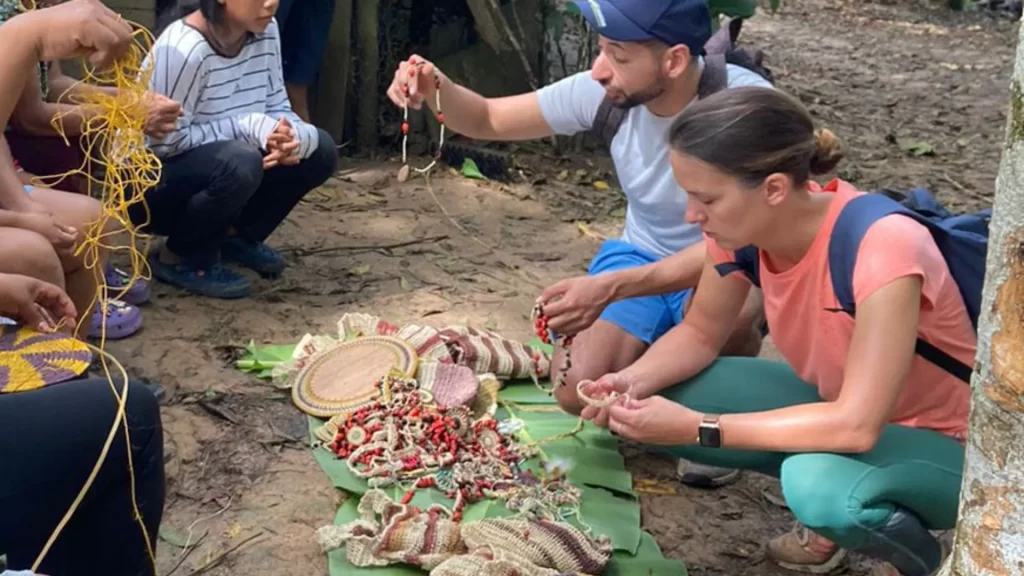
Tourists interacting with local artisans in a rural Amazonian community in Ecuador.
Cultural exchange between visitors and artisans in an Amazonian community of Ecuador.

THE IMPACT OF YOUR VISIT: THE ETHICAL FRAMEWORK

  • Designed by the community: Legitimate immersions in Waorani culture are organized by the community and for the community. Revenue goes toward education, health, river transportation, and other locally determined priorities.

Ecuador’s community tourism framework requires accredited guides and proper registration; ask operators to show you the relevant documentation.

  • A shield for the land: When tourism revenues are stable and distributed fairly, they help communities defend their territory and culture against illegal logging, hunting, or predatory projects. Recent regional court decisions and ongoing national processes underscore the need to protect prohibited areas and defend indigenous rights. Your ethical decisions matter.
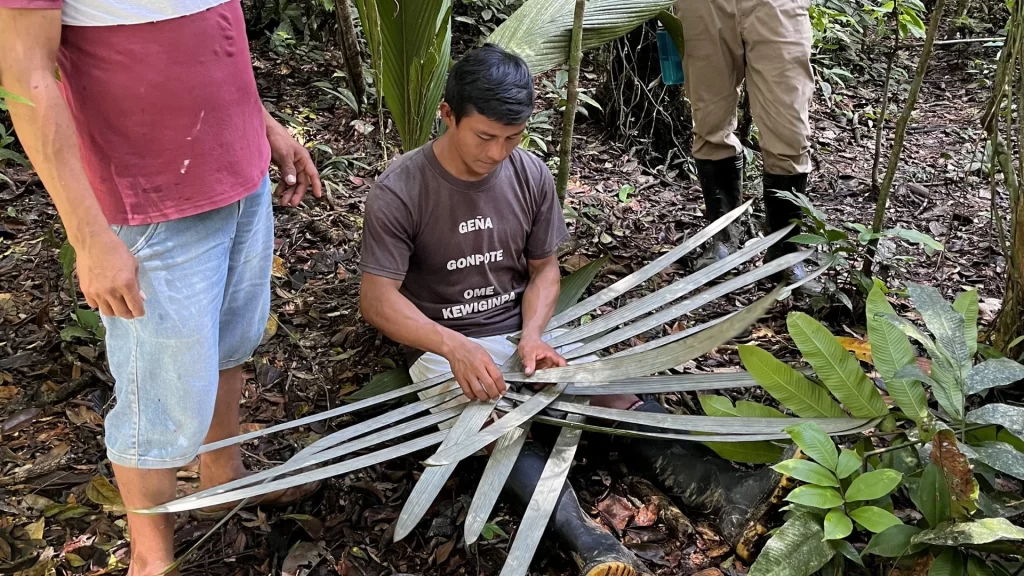
Indigenous man weaving large palm leaves in the Ecuadorian Amazon, creating a traditional structure.
An artisan weaving palm leaves in the Amazon rainforest of Ecuador.

MANAGING EXPECTATIONS (COMFORT, RHYTHM, FLEXIBILITY)

Expect rustic accommodations (mosquito nets, solar lights), variable schedules (rain, river levels, ceremonies), spotty cell phone reception, and simple but hearty meals.

The pace follows the life of the community and the weather, not a rigid schedule. That flexibility is part of the value.

BEFORE BOOKING: MINI OPERATOR CHECKLIST

Use these easy-to-read checks instead of a long questionnaire:

  • Community leadership is visible: the community governing body is named; revenue sharing is explained in writing.
  • Legal and safe: the operator displays its MINTUR registration and uses accredited guides; itineraries avoid the ZITT and respect park regulations.
  • Creating a culture of consent starts with implementing a clear policy on photography, cultural activities, and data usage. This approach guarantees that no identifiable images are shared without explicit consent.
  • Environmental practices: Waste management, bring and take, no single-use plastics, and low-impact transportation are standard practices (and explained).
  • Transparent logistics: Routes, permits, and contingency plans for river levels or weather are provided in advance.
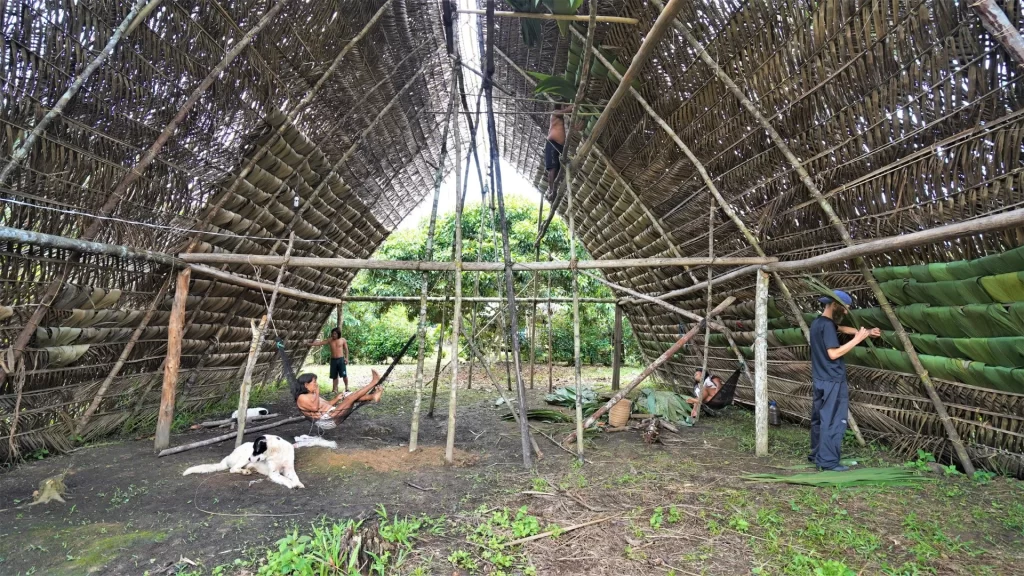
Interior of a traditional Waorani house in the Ecuadorian Amazon, built with palm leaves and wood.
Inside a traditional Waorani home in the Amazon, built with natural materials.

THE RESPONSIBLE TRAVEL S.A. DIFFERENCE

As a certified local operator, Responsible Travel S.A. curates community-led Waorani immersions with vetted partners. We:

  • Co-design programs with the host community;
  • Prioritize accredited Yasuní guides and fair pay;
  • Publish our no-go policy for ZITT and drone-free protocols;
  • Keep you briefed on road/river conditions and any regulatory changes.

Want sample itineraries or a private briefing? We’ll match your expectations (comfort-first, culture-first, or photo-focused) to the right community program.

WHAT YOU TAKE HOME

Experiencing Waorani culture goes beyond counting the species you’ve encountered. The lessons unfold as we gather by the fire, paddle at dawn, and embrace the art of listening rather than speaking. If you arrive with humility and leave a fair contribution, you help keep a culture—and an irreplaceable forest—alive for the next generation.

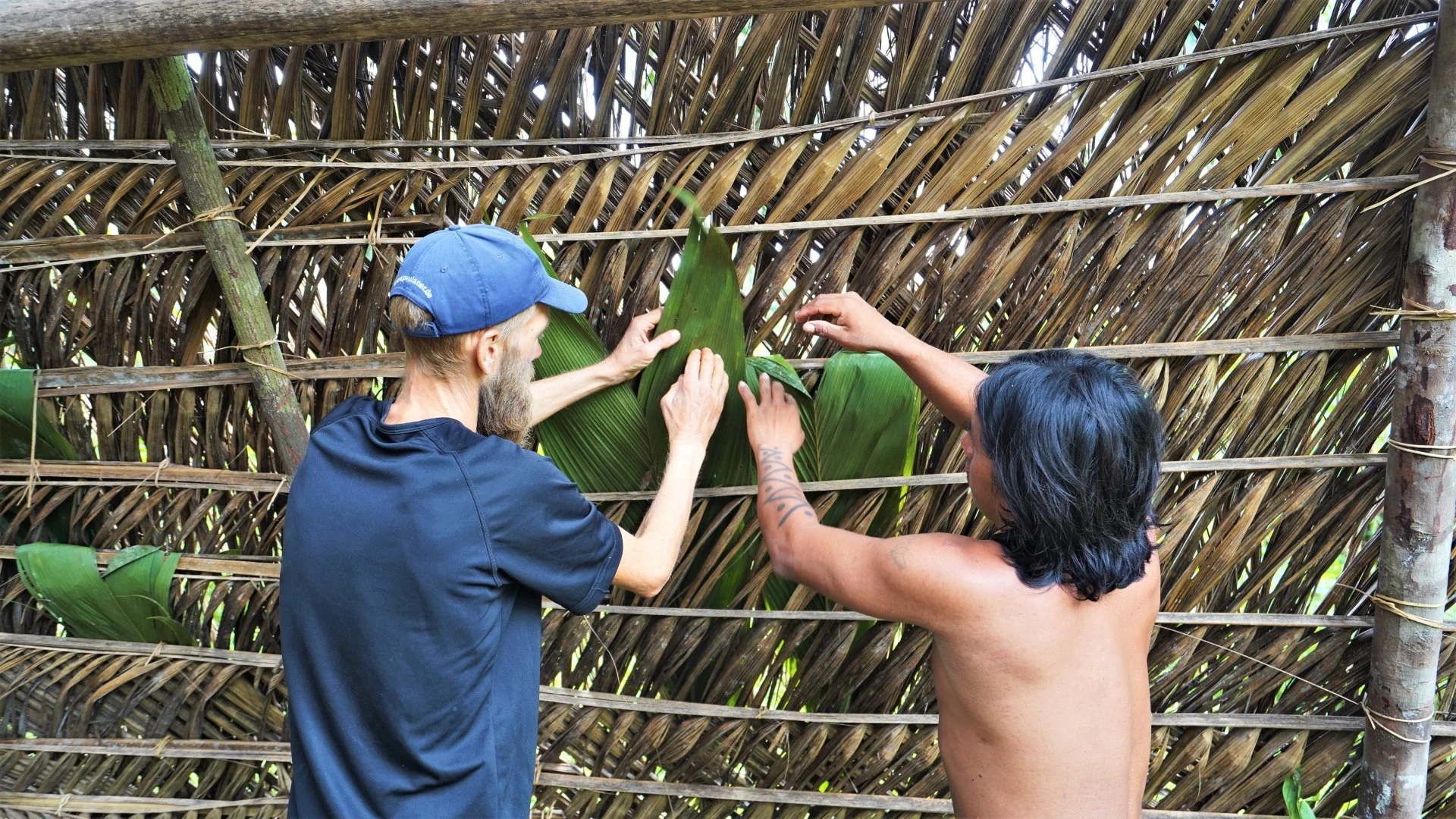
Tourists and Waorani community members working together to build a traditional house in the Ecuadorian Amazon.

FAQs

  1. Is it safe to visit Waorani communities?

    Yes—when visits are community-led, avoid restricted zones, and follow guide instructions.

  2. What language is spoken? Will I need a translator?

    Spanish is common; Waotededo (Waorani language) is spoken in homes and ceremonies. Many programs include bilingual guides; ask your operator to confirm translation needs in advance.

  3. Can I take photos?

    Only with express consent. Some moments or ceremonies may be private. Assume no drones unless you have written permission from both the community and authorities.

  4. What’s the best way to support the community directly?

    Choose community-run stays, buy crafts at fair prices, follow cultural guidance, and—if requested—support agreed projects (education/health) via transparent channels managed by the community.

    Yasuní’s biodiversity is astonishing; its people are its heart