

Every 1st and 2nd of November most Latin-American countries celebrate Día de los Muertos, including in Ecuador. The celebration consists in vigils and visits to the cementeries where flowers and traditional food are taken to the deceased. In this guide we want to let you know a bit more about how this day is celebrated in Ecuador.
Explore our latest news
18/09/2026
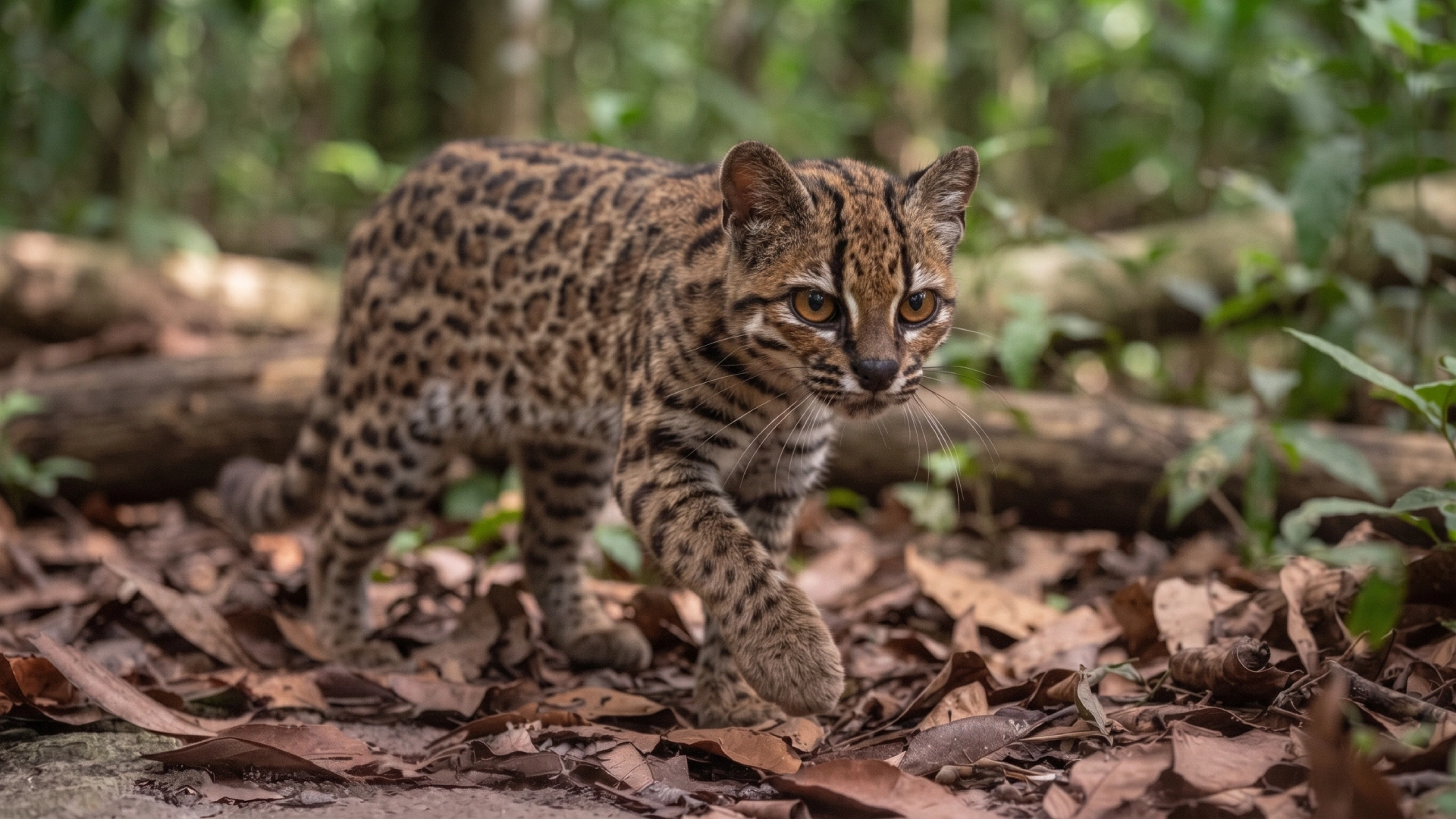
Bolivia’s Rare Five: Meet the Tilcayo Cat and Other Elusive Wildlife

04/08/2026
Huasquila Amazon Lodge: Location, Access and Activities
03/08/2026
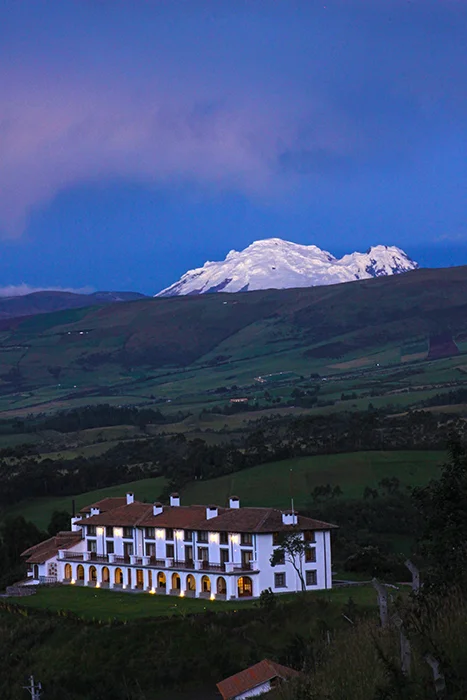
Antisana National Park: Volcano, Wildlife and La Mica
29/07/2026
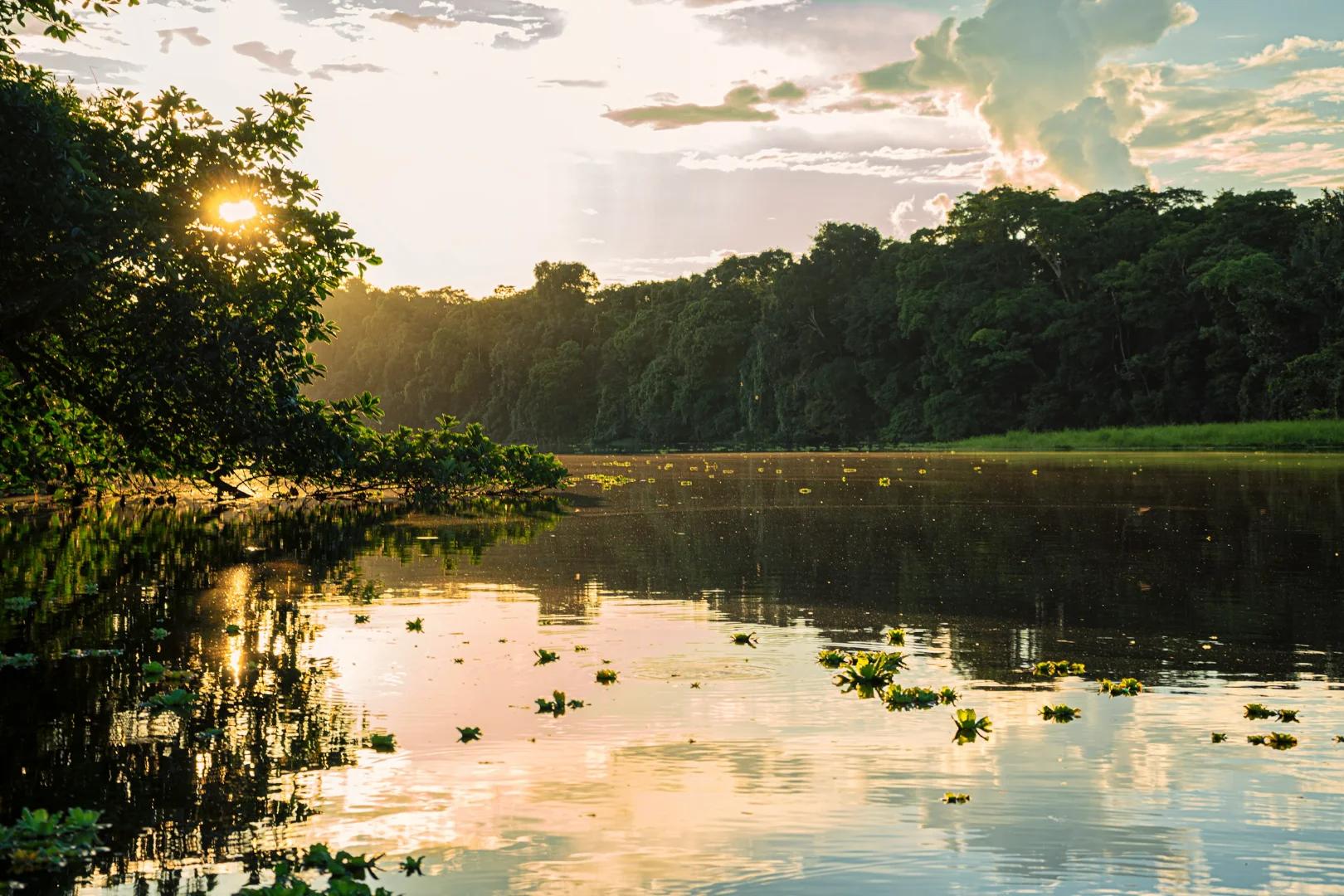
Shamans in Ecuador: Journey into the Heart of Amazonian Wisdom
27/07/2026
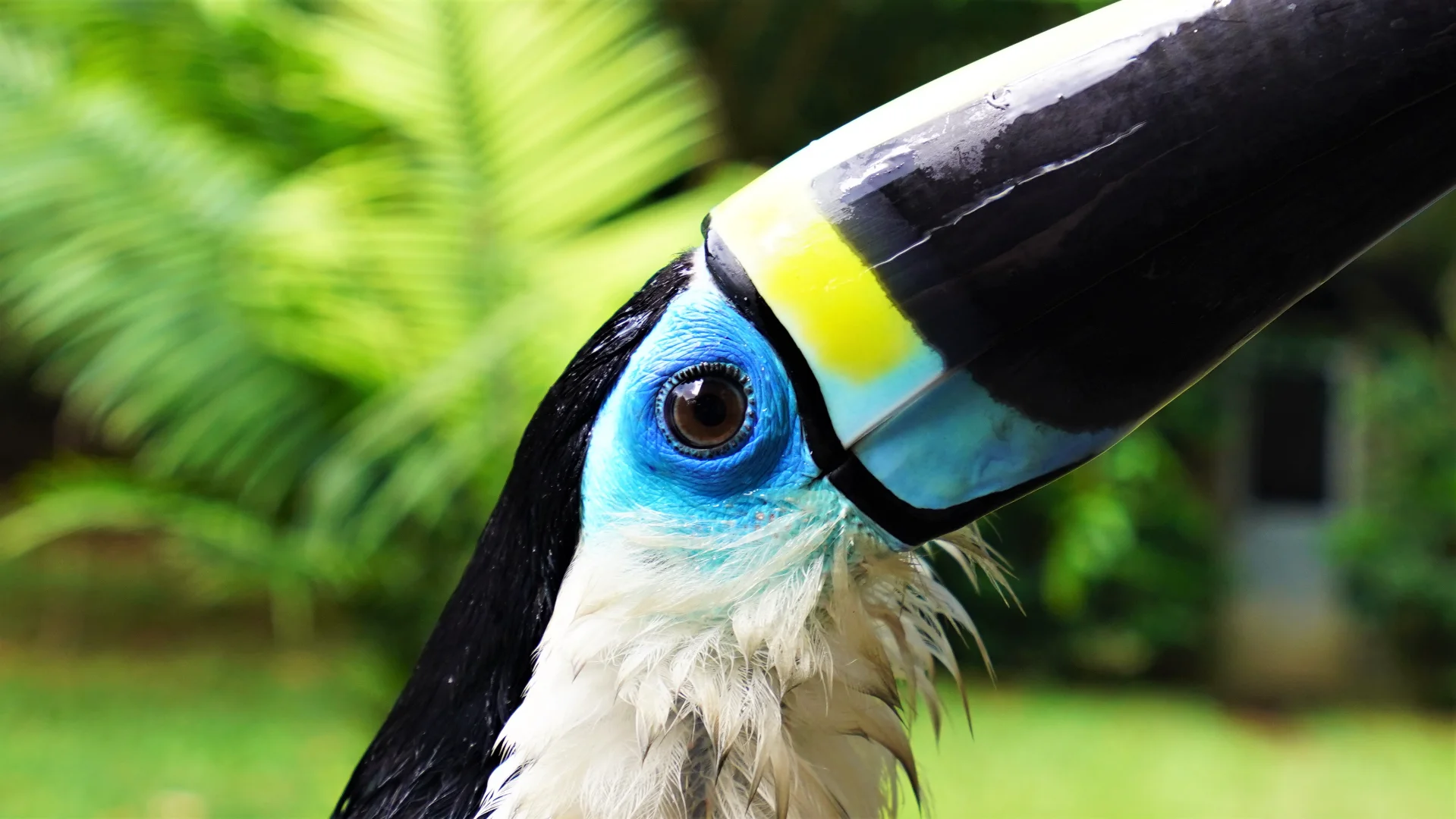
Entering the Waorani Tribe: Shield of the Amazon
24/07/2026
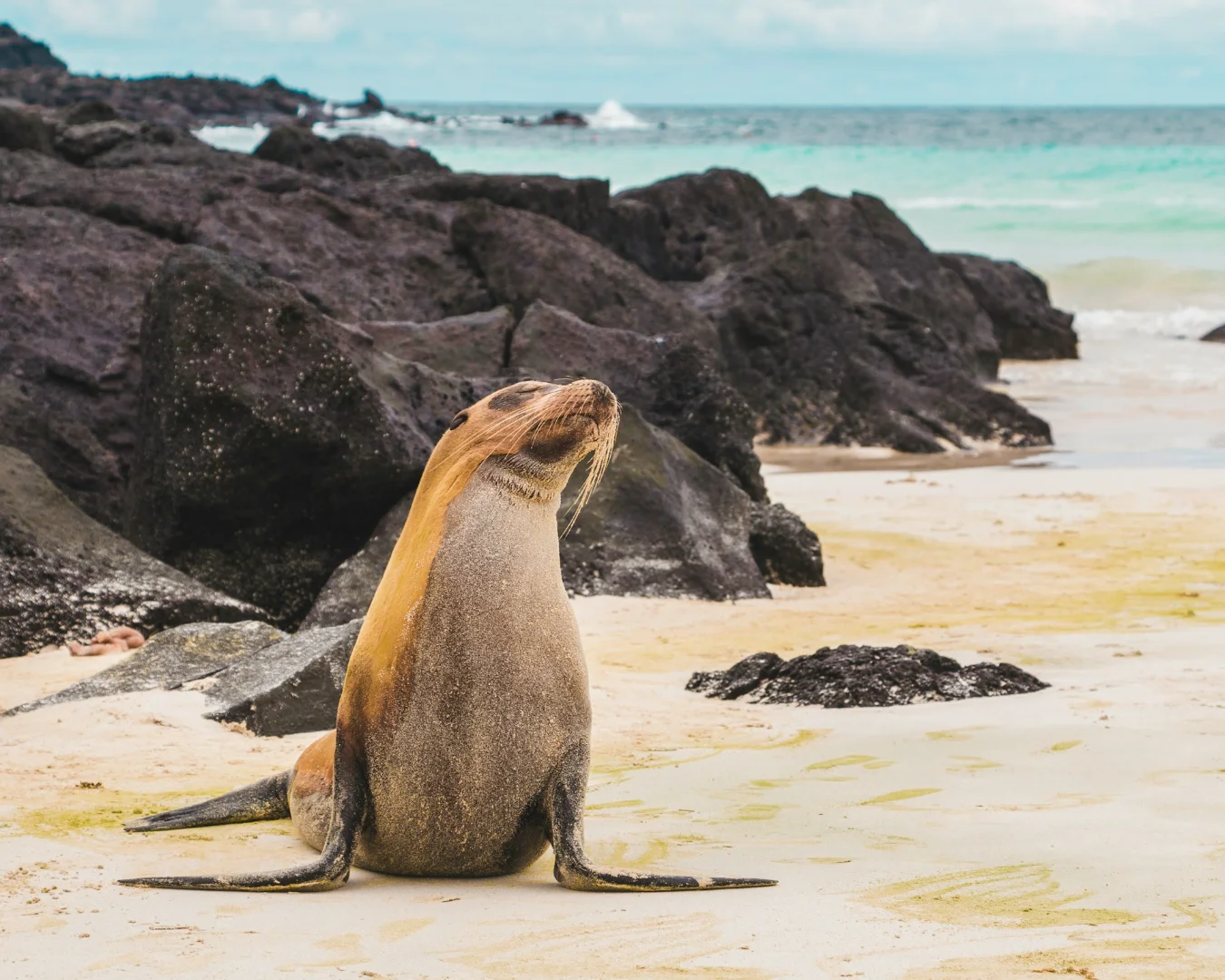
What islands did Darwin visit during his exploration?
Top rated content
24/07/2026
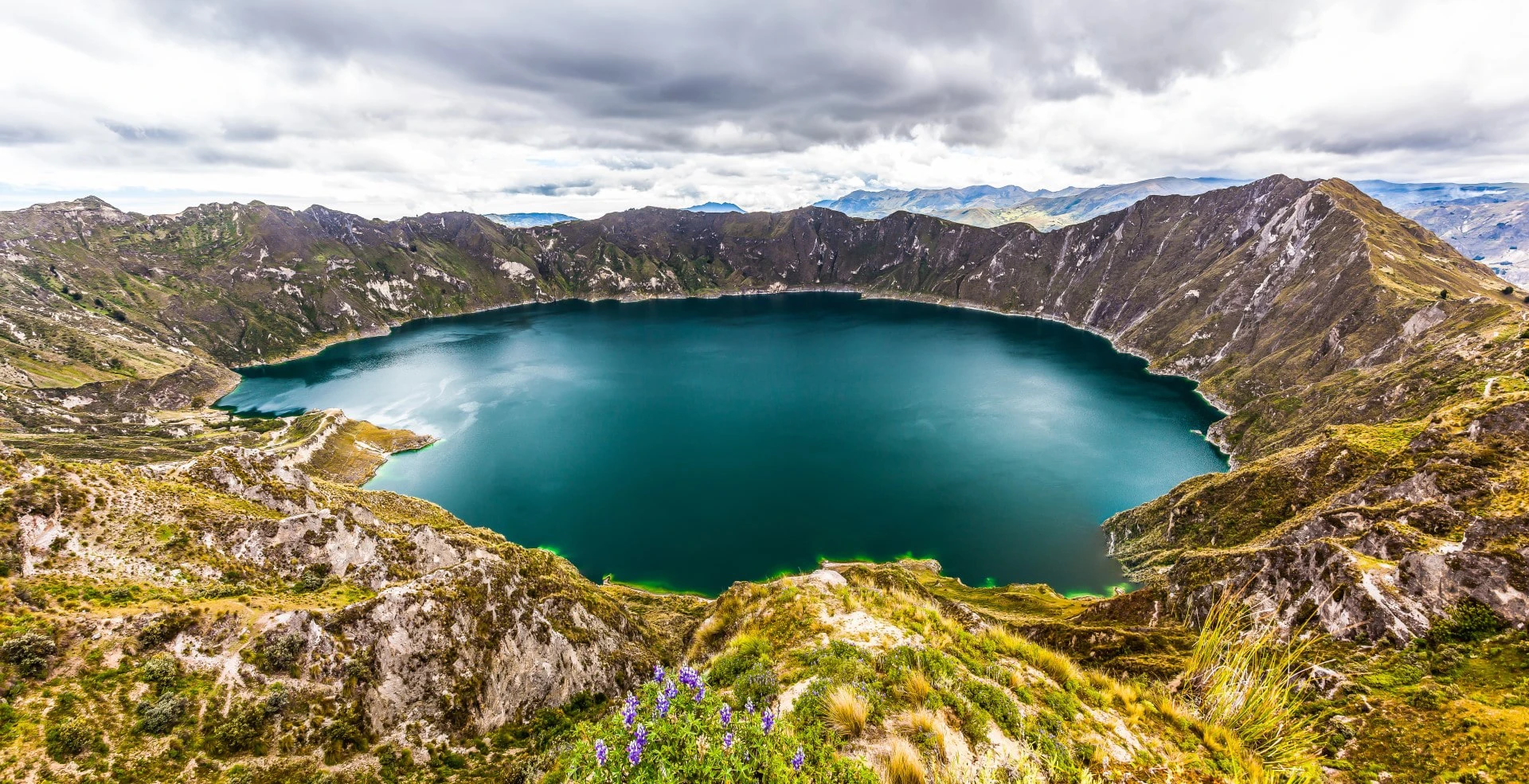
The Great lakes and Lagoons of South America: Landscapes Rich in History, Culture, and Nature
24/07/2026
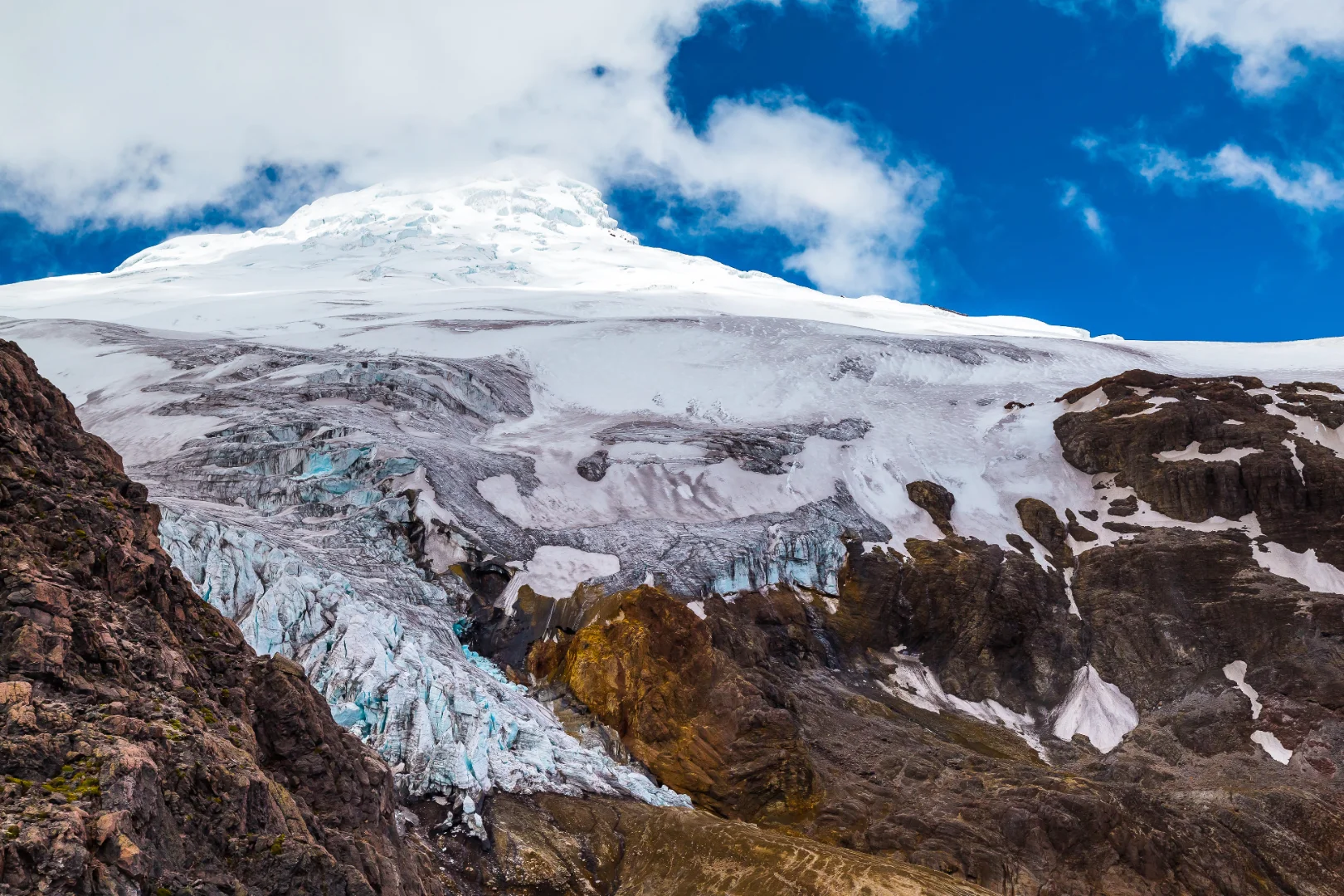
Wonderful hiking trails in Ecuador, suitable for hikers of all levels
23/07/2026
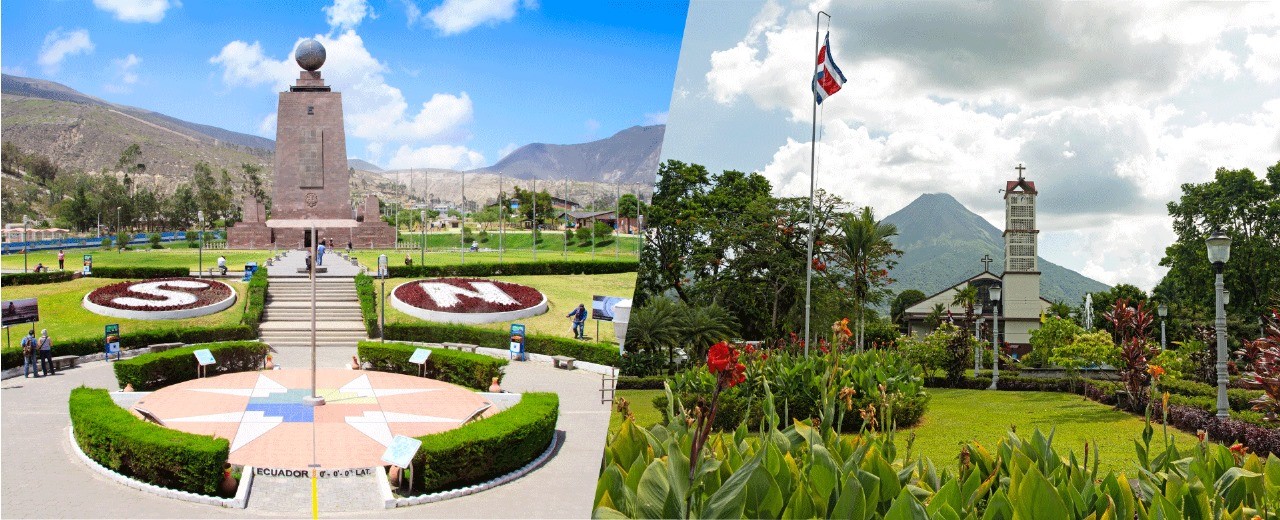
Costa Rica vs Ecuador: Which Is Better for Sustainable Adventure?

16/07/2026
Feria de las Flores Medellín: A Guide to the Festival and Silletero Tradition

14/07/2026
Ruta del Spondylus Ecuador: The Ultimate Coastal Road Trip?
14/07/2026
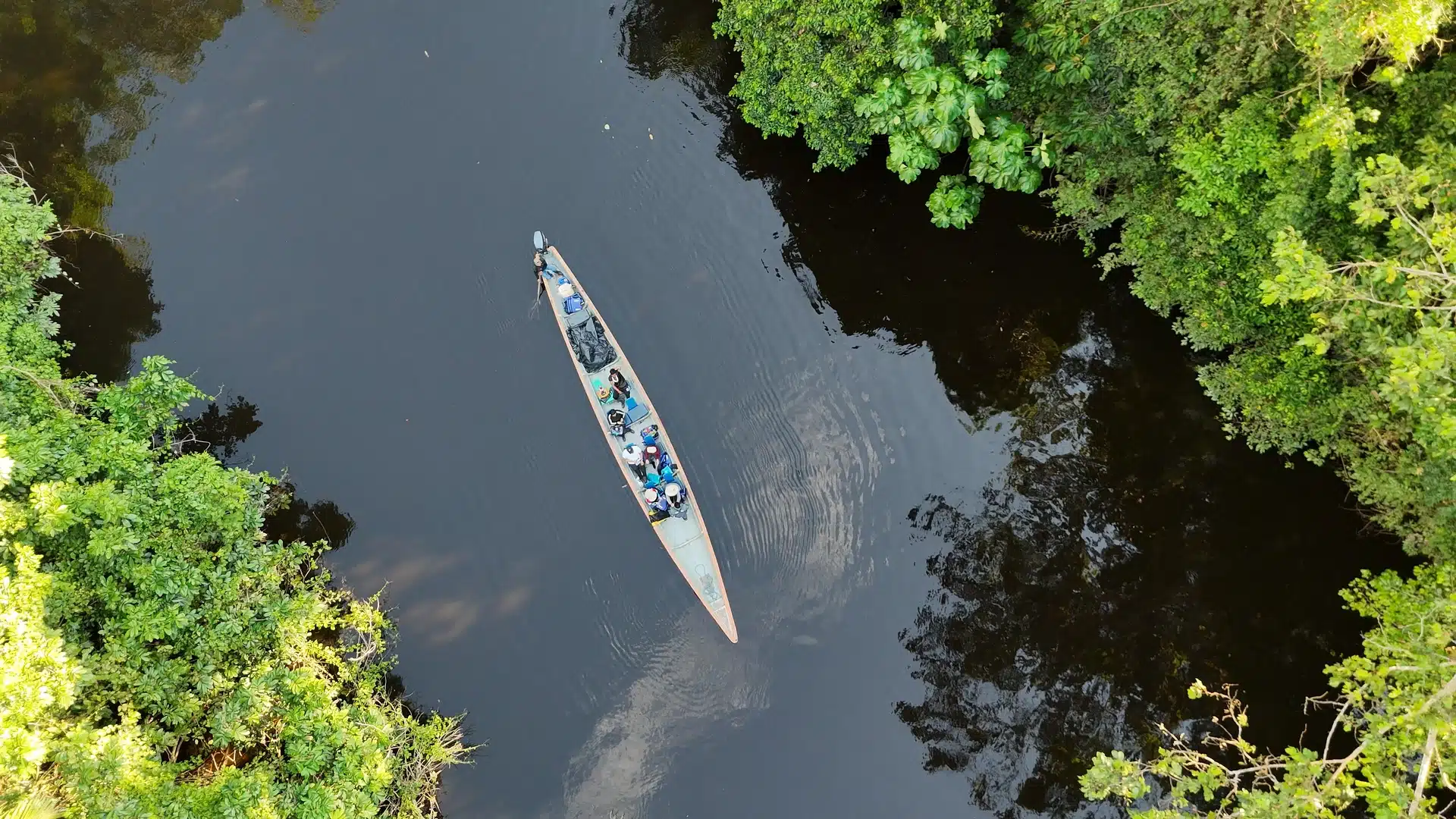
The Cuyabeno Nature Reserve One Unique Ecuadorian Rainforest of Killas
Most viewed content
13/07/2026
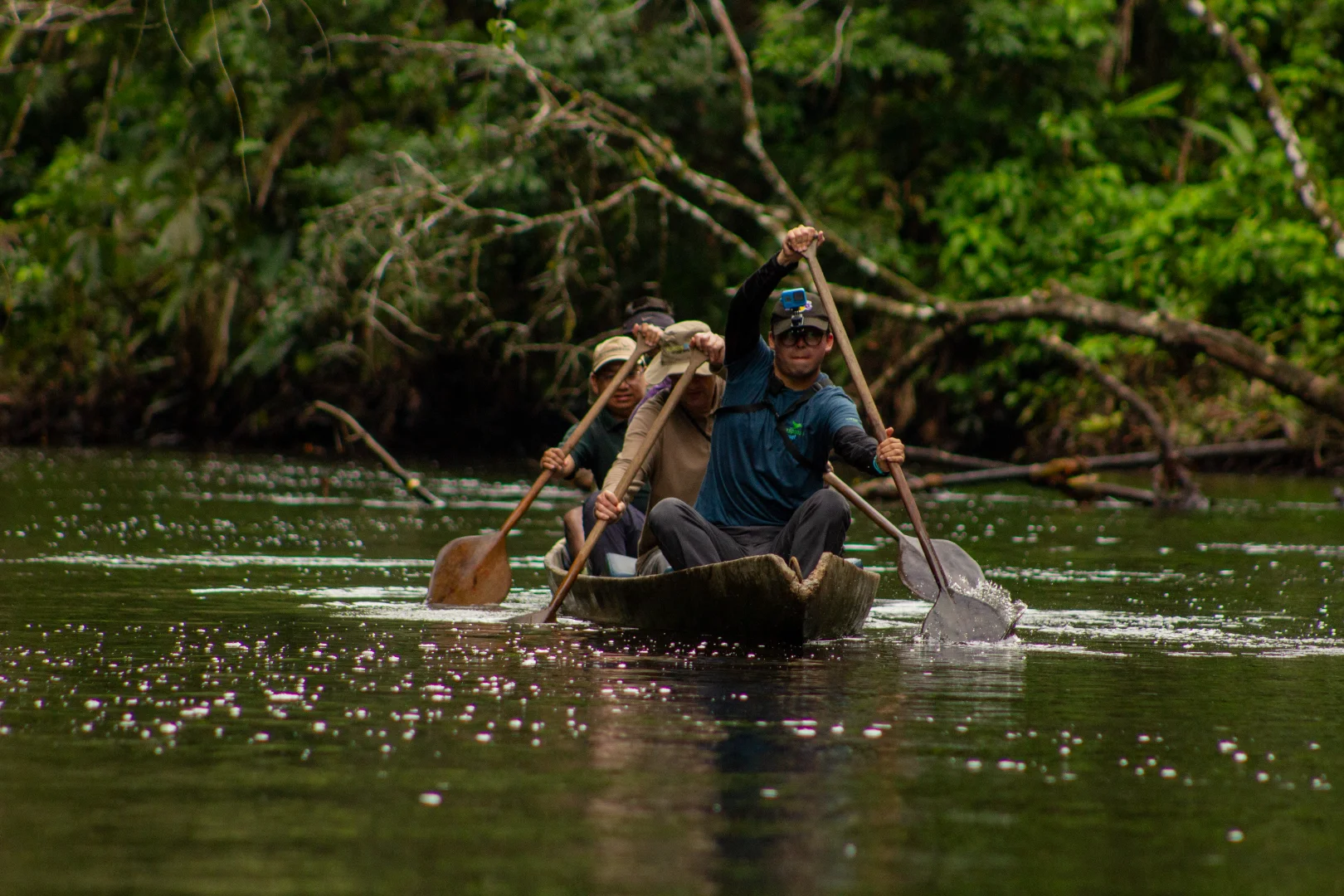
Traditional Amazon Canoes and the Story Behind the Killas Experience
06/07/2026
Why Traveling on your Birthday is something you should be doing?
21/05/2026
What is “Día de los Muertos” in Ecuador?
21/05/2026
Chimborazo Ecuador 2023: The Mountain You’ll Never Forget
21/05/2026
Top tourist places in Ecuador for 2023 & 2024
21/05/2026
The Best Tourist Places to See in Cusco ?
TWO DIFFERENT WORLDS:
Andean highlands were associated with numerous ceremonies, symbols, and meals, and pre-Hispanic societies held a deep regard for the deceased.
In ancient Inca territory (Tahuantinsuyo), the most common custom was visiting the deceased once a year and removing their remains. During their time together, they shared ritual foods like “colada morada” and performed other rituals to show respect.
In Ecuador (celebrated in Nov. 2nd) as in great part of South America, the blend of cultures is embodied in many aspects of the culture. The Catholic tradition establishes that November the 1st is the start of Día de los Muertos and in Ecuador the indigenous people accepted it as part of their rituals.
The tradition is fascinating, and one may learn more about the blending of cultures as demonstrated in the Otavalo cemetery.
Additionally, there is a cemetery for upper-class Europeans where the tombs are ordered and sober.
And the indigenous where you can often see families sharing a meal next to the grave of a loved one.
FOOD:
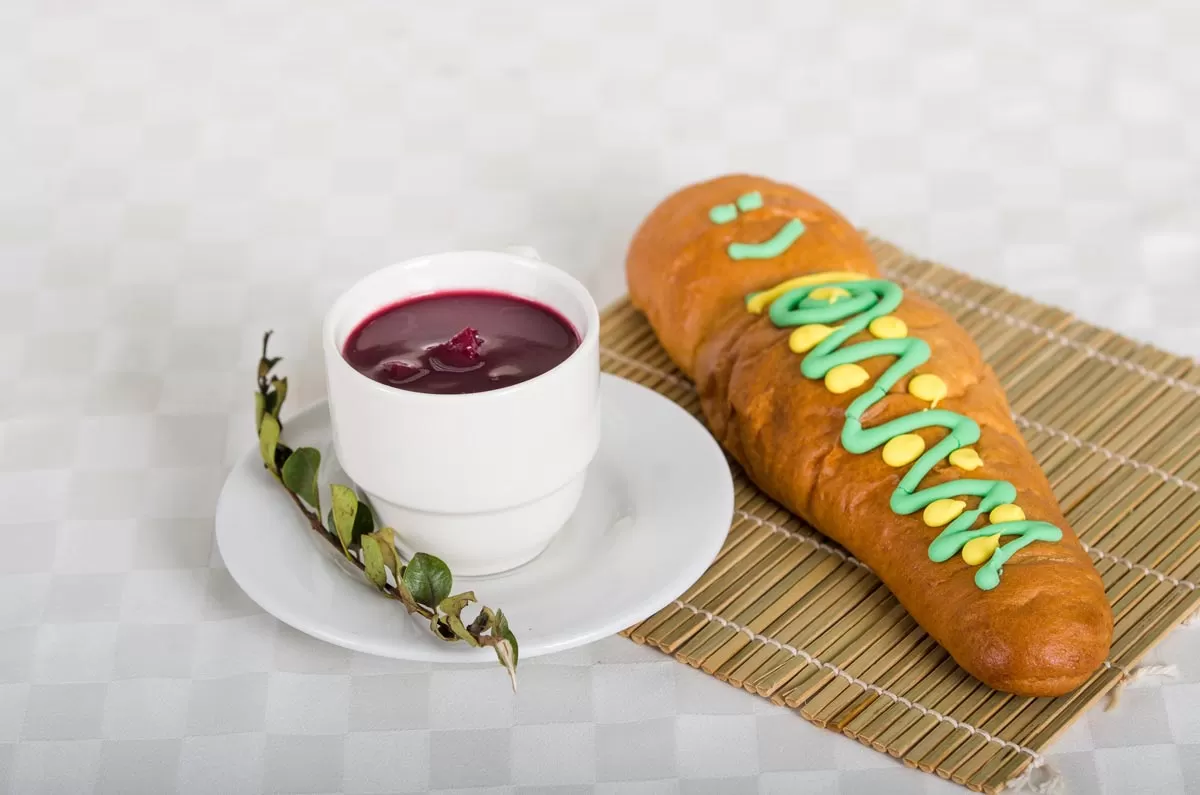
The culture and traditions are also reflected in the gastronomy as in the case of the preparation of “Colada morada”, a hot and thick beverage which is made with about 20 ingredients, among those the purple corn flour stands out, red fruits and unique plants that are found in the Ecuadorian Andes.
The “Colada morada” is complemented with “Guaguas de pan”, child-shaped figures made with french brioche dough, that usually have jam filling inside.
The colonization meant an exchange of culture and religious traditions. The Catholic church prohibited the removal of the dead from their grave because it was an act of desecration. Over time, guaguas de pan symbolically replaced the mummies of the dead.
In Quichua the word “guagua” means boy or girl. It is believed that guaguas de pan bear this name since they initially represented deceased children. There are also vestiges of ceremonial breads shaped like animals and sacred symbols.
In Latin American culture, death has a very deep meaning that is reflected in these kind of traditions. Most celebrations of the “Dia de los Muertos” are open to the public, but it is advisable to contact a local family to learn more about the traditions.
If you are planning to travel, we always recommend to have internet with an International eSIM, so you can enjoy better your trip
If you want to travel to Ecuador and learn more about its traditions and paradises, ask for a special tailored tour and a quote in: Contact Us
Every 1st and 2nd of November most Latin-American countries celebrate Día de los Muertos, including in Ecuador. The celebration consists in vigils and visits to the cementeries where flowers and traditional food are taken to the deceased. In this guide we want to let you know a bit more about how this day is celebrated in Ecuador.
TWO DIFFERENT WORLDS:
Andean highlands were associated with numerous ceremonies, symbols, and meals, and pre-Hispanic societies held a deep regard for the deceased.
In ancient Inca territory (Tahuantinsuyo), the most common custom was visiting the deceased once a year and removing their remains. During their time together, they shared ritual foods like “colada morada” and performed other rituals to show respect.
In Ecuador (celebrated in Nov. 2nd) as in great part of South America, the blend of cultures is embodied in many aspects of the culture. The Catholic tradition establishes that November the 1st is the start of Día de los Muertos and in Ecuador the indigenous people accepted it as part of their rituals.
The tradition is fascinating, and one may learn more about the blending of cultures as demonstrated in the Otavalo cemetery.
Additionally, there is a cemetery for upper-class Europeans where the tombs are ordered and sober.
And the indigenous where you can often see families sharing a meal next to the grave of a loved one.
FOOD:
The culture and traditions are also reflected in the gastronomy as in the case of the preparation of “Colada morada”, a hot and thick beverage which is made with about 20 ingredients, among those the purple corn flour stands out, red fruits and unique plants that are found in the Ecuadorian Andes.
The “Colada morada” is complemented with “Guaguas de pan”, child-shaped figures made with french brioche dough, that usually have jam filling inside.
The colonization meant an exchange of culture and religious traditions. The Catholic church prohibited the removal of the dead from their grave because it was an act of desecration. Over time, guaguas de pan symbolically replaced the mummies of the dead.
In Quichua the word “guagua” means boy or girl. It is believed that guaguas de pan bear this name since they initially represented deceased children. There are also vestiges of ceremonial breads shaped like animals and sacred symbols.
In Latin American culture, death has a very deep meaning that is reflected in these kind of traditions. Most celebrations of the “Dia de los Muertos” are open to the public, but it is advisable to contact a local family to learn more about the traditions.
If you are planning to travel, we always recommend to have internet with an International eSIM, so you can enjoy better your trip
If you want to travel to Ecuador and learn more about its traditions and paradises, ask for a special tailored tour and a quote in: Contact Us
Explore our latest news
18/09/2026
Bolivia’s Rare Five: Meet the Tilcayo Cat and Other Elusive Wildlife
04/08/2026
Huasquila Amazon Lodge: Location, Access and Activities
03/08/2026
Antisana National Park: Volcano, Wildlife and La Mica
29/07/2026
Shamans in Ecuador: Journey into the Heart of Amazonian Wisdom
27/07/2026
Entering the Waorani Tribe: Shield of the Amazon
24/07/2026
What islands did Darwin visit during his exploration?
Top rated content
24/07/2026
The Great lakes and Lagoons of South America: Landscapes Rich in History, Culture, and Nature
24/07/2026
Wonderful hiking trails in Ecuador, suitable for hikers of all levels
23/07/2026
Costa Rica vs Ecuador: Which Is Better for Sustainable Adventure?
16/07/2026
Feria de las Flores Medellín: A Guide to the Festival and Silletero Tradition
14/07/2026
Ruta del Spondylus Ecuador: The Ultimate Coastal Road Trip?
14/07/2026
The Cuyabeno Nature Reserve One Unique Ecuadorian Rainforest of Killas
Most viewed content
13/07/2026
Traditional Amazon Canoes and the Story Behind the Killas Experience
06/07/2026
Why Traveling on your Birthday is something you should be doing?
21/05/2026
What is “Día de los Muertos” in Ecuador?
21/05/2026
Chimborazo Ecuador 2023: The Mountain You’ll Never Forget
21/05/2026
Top tourist places in Ecuador for 2023 & 2024
21/05/2026
The Best Tourist Places to See in Cusco ?