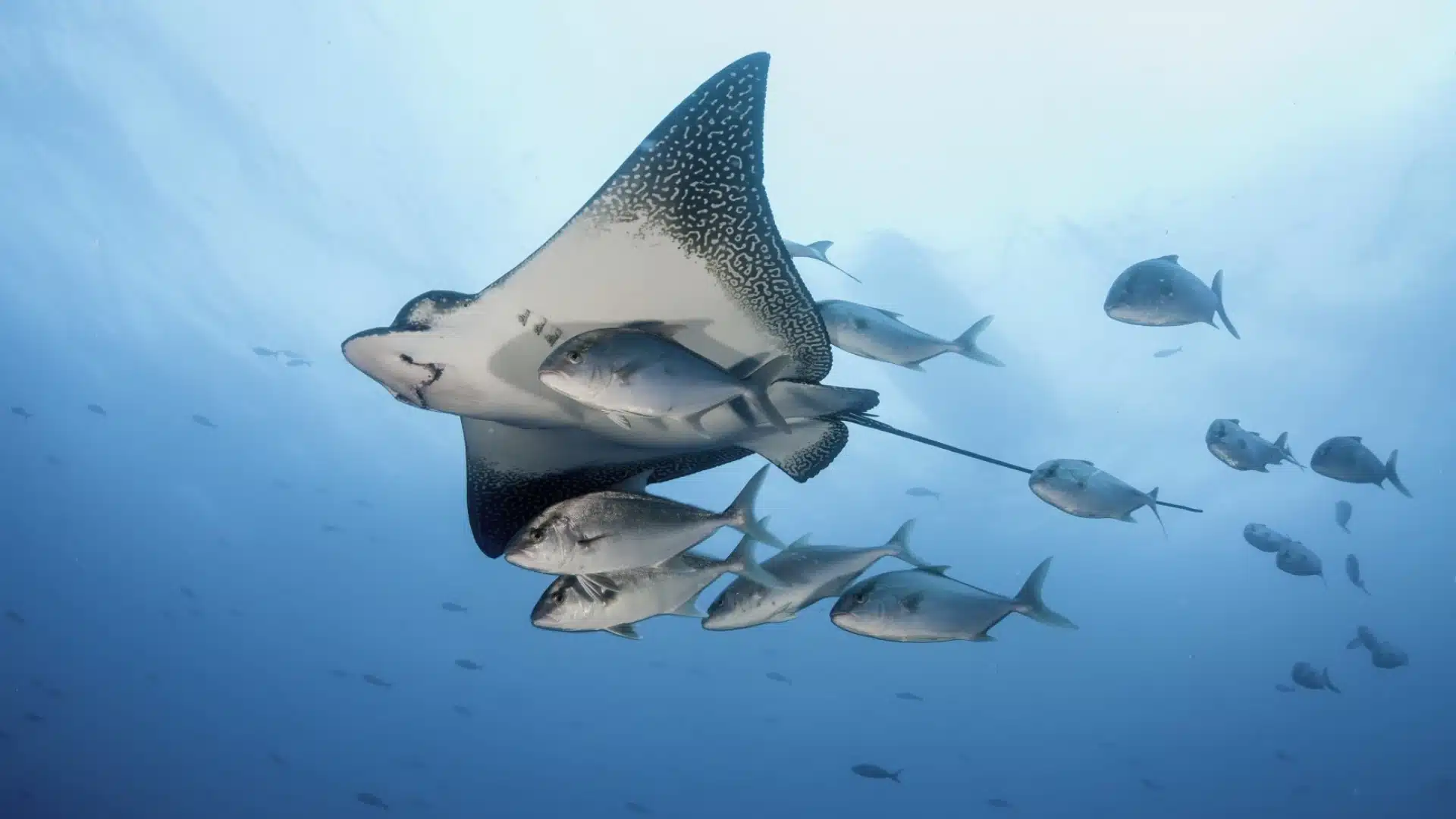



Responsible Travel

Why is Galapagos Island famous for?

07.16.2025

BY Isaac

BlogCultureGalapagos

The Galápagos Islands captivate the world with their remarkable biodiversity, stunning landscapes, and significant historical contributions to science.

These islands draw in nature lovers, scientists, photographers, and documentary crews from every continent.

What makes the Galápagos Islands so famous? Unique species, volcanic geography, and their essential role in shaping the theory of evolution come together to provide the answer.

These places serve not only as a tourist destination but also as a symbol of the natural world in its purest and most revealing form.

DARWIN AND THE EMERGENCE OF THE THEORY OF EVOLUTION

Charles Darwin is where much of the fame begins.

In 1835, Darwin explored the Galapagos while journeying on the HMS Beagle.

He had not yet become the father of evolution. The animals he encountered, particularly the finches and tortoises, sparked his curiosity and led him to ask questions.

What caused the variation in species across each island?

What caused the animals to behave so differently?

Darwin’s observations sparked a profound curiosity, which played a pivotal role in the famous story of the Galapagos Islands and ultimately led to the groundbreaking theory of natural selection.

The Galapagos emerged as a cornerstone of modern biology.

Charles Darwin-Why Galapagos Islands famous
Charles Darwin, the scientist who changed biology forever-His revolutionary theory of natural selection was born thanks to the Galápagos Islands.(Photo by Julia Margaret Cameron)

UNIQUE FAUNA THAT EXISTS ONLY IN THIS REGION

The Galapagos Islands are famous primarily for their incredible number of endemic species, animals that thrive nowhere else in the world.

The most iconic include:

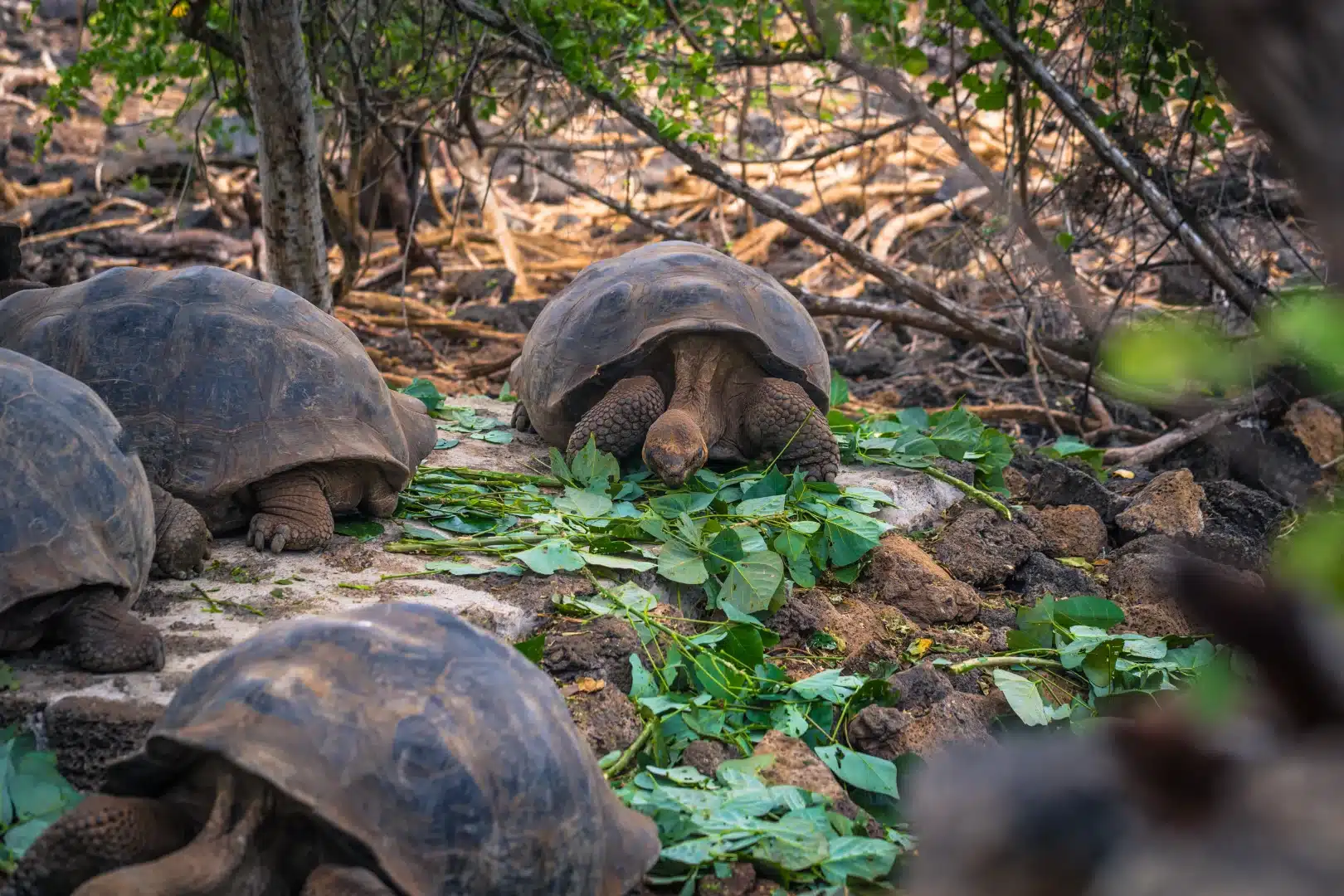
  • The shells of Galapagos giant tortoises uniquely shape themselves based on the island they inhabit.
  • Marine iguanas are the unique lizards that swim in the sea.
  • Blue-footed boobies captivate with their vibrant feet and engaging courtship dances.
  • Flightless cormorants are remarkable birds that have evolved to swim rather than fly.
  • Galapagos penguins are the only penguins that thrive north of the equator.

These animals play a crucial role in understanding how evolution operates in isolated ecosystems, and their rarity adds to their significance.

BOLD CREATURES AND THEIR INSTINCTIVE ACTIONS

Visitors are often surprised by the intrepid nature of the animals.

Birds stay close and do not fly away. Sea lions bask on the banks, enjoying a peaceful nap. Iguanas bask in the sun along the trails.

What’s the reason behind this?

These animals evolved in the absence of natural predators. Humans emerged later in their evolutionary journey.

This creates unique opportunities to engage with wildlife. Observe animals up close as they behave naturally.

This place serves as a paradise for biologists, photographers, and curious minds alike.

AN ACTIVE HUB FOR EVOLUTION

The Galapagos serve as a remarkable natural laboratory of evolution.”

Their isolation, diverse microclimates, and distinct species create an ideal environment for exploring how life adapts.

Darwin initiated the story, and today, scientists carry it forward.

Researchers actively track species changes in real time, observing shifts like finch beak size during droughts and alterations in iguana diets.

This is one of the rare places where you can truly witness evolution unfolding before your eyes.

Galapagos finche-Why Galapagos Islands famous
Galapagos finche, master of evolutionary adaptation—Its beak shows continuous adaptation to the environment.

UNESCO WORLD HERITAGE SITE OFFERS GLOBAL PROTECTION.

In 1978, UNESCO recognized the Galápagos Islands as a World Heritage Site.

This recognition solidified their position as a vital player in the global ecosystem.

Galápagos National Park safeguards 97% of the land, while the surrounding waters contribute to a vast marine reserve.

Strict visitor regulations effectively limit human impact, while conservation programs actively protect endangered species.

This exceptional level of protection stands out as a key factor contributing to the islands’ remarkable biological richness.

DYNAMIC VOLCANIC LANDSCAPES AND VIBRANT ECOSYSTEMS

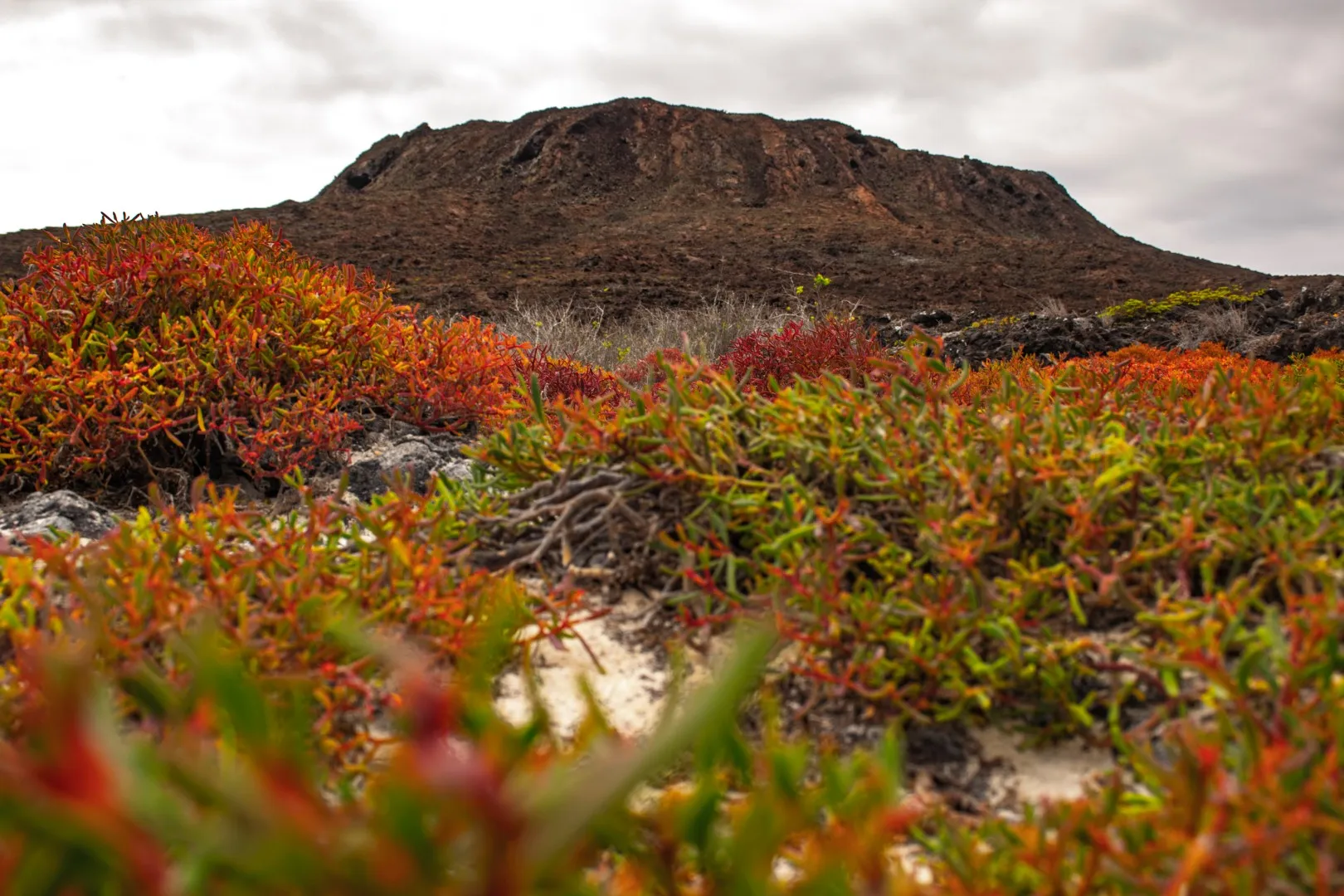
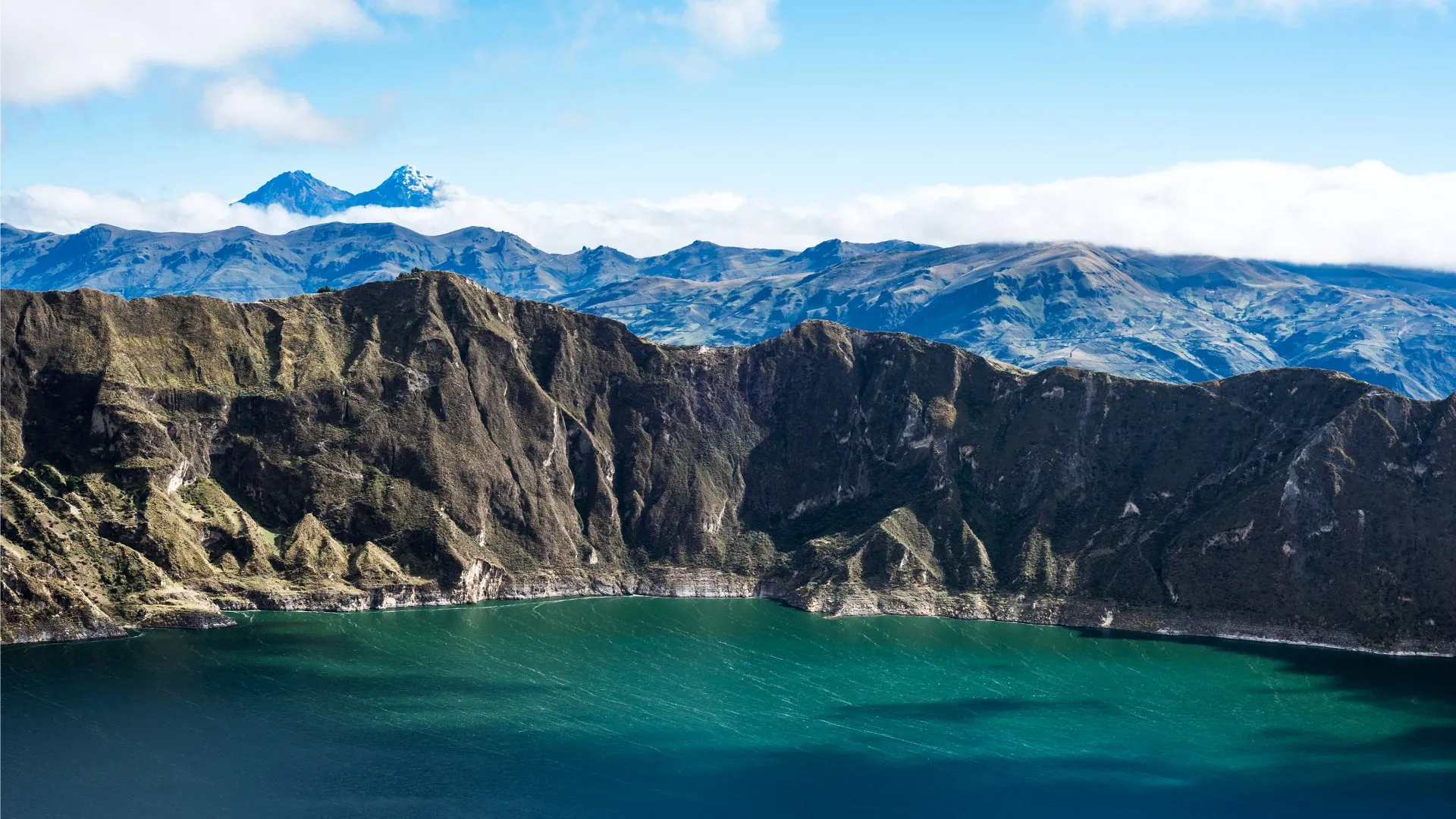
Underwater volcanic eruptions formed the Galapagos.

Every island boasts its unique age, landscape, and habitat, showcasing a vibrant array from lava fields and arid highlands to lush, humid cloud forests.

This geological variety fosters diverse ecosystems, actively shaping the fauna and flora.

In just one day, you can journey from cactus-covered deserts to misty hills.

The islands, being distant from any continent, boast ecosystems that remain relatively untouched.

That aspect truly enhances their allure, both visually and scientifically.

THE GALAPAGOS SERVES AS AN INSPIRING MODEL FOR CONSERVATION EFFORTS.

The islands not only captivate with their beauty; they also serve as a shining example of conservation efforts.

The Galapagos stands as a success story thanks to dedicated efforts to eliminate invasive species, protect endangered wildlife, and regulate tourism.

The initiative is led by groups like the Charles Darwin Foundation and Galapagos Conservancy, in collaboration with Ecuadorian authorities.

Ecotourism actively supports these initiatives and educates visitors on the importance of environmental responsibility.

The Galápagos stands out from other natural destinations due to its unique blend of protection and access.

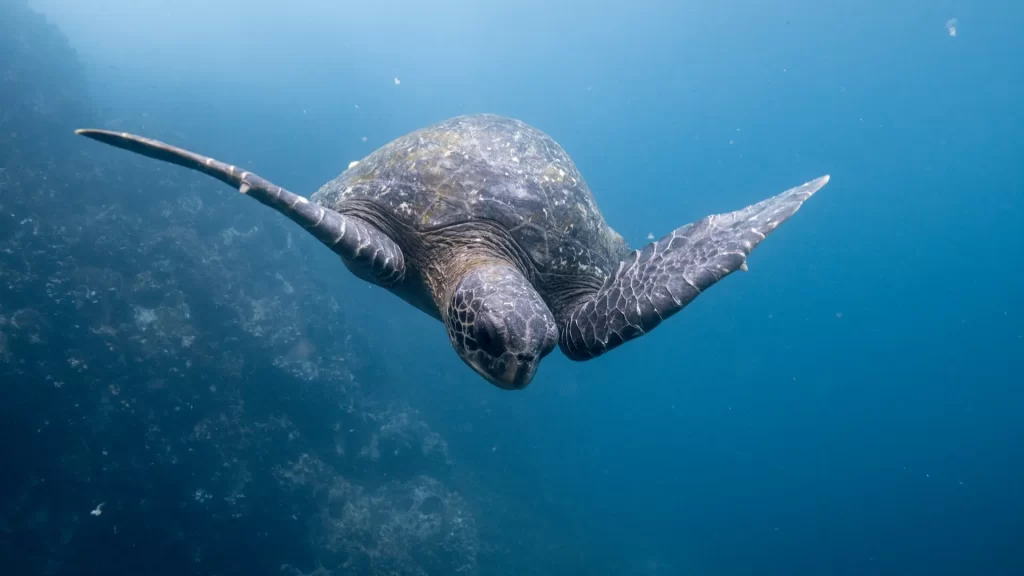
Sea turtle-Why Galapagos Islands famous
Sea turtle calmly swimming through the waters of the Galapagos—A living symbol of resilience and adaptation in the world’s oceans.(Photo by Dustin Haney on Unsplash)

THIS DESTINATION IS A MUST-VISIT FOR ALL NATURE ENTHUSIASTS.

The Galápagos Islands stand out not only for their scientific significance but also as a traveler’s dream come true.

Experience the thrill of snorkeling alongside majestic sea turtles.Strolling through a vibrant colony of nesting seabirds. Sea lion pups frolic joyfully in the sand.

There’s no other place where you can experience these moments quite like this.

The islands provide a unique and engaging natural experience that stands out among many.

That’s why countless individuals view it as a unique opportunity in their lives.

DOCUMENTARIES AND POPULAR CULTURE SHOWCASE THE GALAPAGOS IN VIBRANT WAYS.

Countless wildlife documentaries have showcased the Galapagos.

BBC Planet Earth, National Geographic, and David Attenborough showcase the wonders of our world to audiences everywhere.

The Galapagos Islands famous shine with surreal beauty and host strange species, earning their fame as a natural star.

Wildlife photography, nature films, and travel shows consistently highlight the islands.

Every generation uncovers them again, initially on screen and subsequently in person.

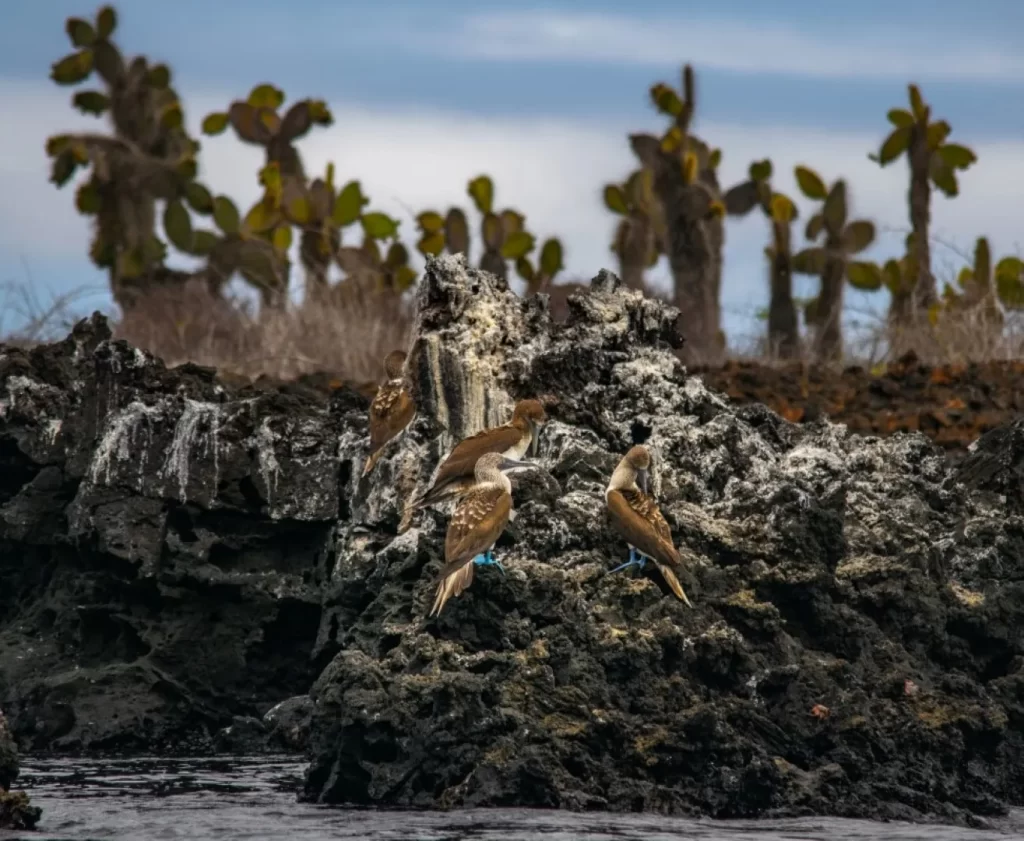
Blue-footed boobies-Why Galapagos Islands famous
Blue-footed boobies rest on volcanic rocks facing the sea-Their bright blue feet are key to attracting mates and mating.

THE ENDURING FAME OF THE GALAPAGOS ISLANDS

The Galapagos Islands are famous for more than one reason.

They are a symbol of scientific discovery, a refuge for rare wildlife, and a model of ecological preservation.

Above all, they demonstrate the potential of a world where nature flourishes.

The Galápagos, whether visited in person or experienced from afar, inspire us to appreciate the wonders of our planet and embrace our responsibility to protect them.

Frequently asked questions about why the Galapagos are famous

  1. Why are the Galapagos famous?

    For their unique wildlife, especially the animals that influenced Darwin’s theory of evolution.

  2. Why are their animals so unique?

    Geographical isolation led to endemic species that evolved separately from their mainland relatives.

  3. Why are they important from a scientific point of view?

    The islands are a living laboratory for evolution, helping scientists understand how species adapt and survive.

  4. Why do people want to visit them?

    To see untouched nature, rare animals, and spectacular volcanic landscapes in one of the most pristine environments in the world.

  5. Are the Galapagos protected?

    Yes. They are a UNESCO World Heritage Site, National Park, and marine reserve, with strict conservation laws.

    Visit the famous Galapagos Islands and enjoy a unique experience. Book now!