

Responsible Travel

Your Ultimate Guide to Navigating Two Worlds: Napo vs. Pastaza Amazon

09.02.2025

BY Elmer2

BlogAmazonToursTravel guide

THE TRAVELER’S DILEMMA

You’ve already booked your ticket to Ecuador, now choose your gateway to the Amazon.

Take the Napo route (Tena/Coca) and you’ll navigate rivers, observe aquatic wildlife, and choose from a network of established lodges.

Take the Pastaza route (via Baños → Puyo) and the journey itself will become an adventure of waterfalls, rugged gorges, and bird-filled trails.

Both are correct answers. This guide will help you choose the one that best suits your goals.

Pailón del Diablo waterfall, one of the most famous natural attractions near Baños de Agua Santa, Ecuador.
The majestic Pailón del Diablo waterfall, near Baños de Agua Santa, Tungurahua.

QUICK LOOK: NAPO VS. PASTAZA AT A GLANCE

Fast facts box (scan it):

  • Access:
    • Napo: Road from Quito to Tena ~3–4 hours by car/bus; direct flights Quito→Coca (OCC) available (~40 min).
    • Pastaza: Quito → Baños → Puyo (Waterfall Route). Driving times vary ~2–4 hours depending on route; direct buses exist.
  • Vibe:
    • Napo: River life, lodges, canoe safaris, rafting hub (Tena).
    • Pastaza: Scenic drives, waterfalls, montane → lowland transitions, excellent birding.
  • Wildlife focus:
    • Napo: aquatic species (pink river dolphins, giant otters), canopy birds and floodplain species.
    • Pastaza: premontane and lowland birds, forest trails, botanical richness.

THE NAPO ROUTE: A HUB FOR ECOTOURISM

Two people walking along a lush forest trail in Cosanga, Napo province, Ecuador.
Hiking through the tropical forest trails of Cosanga, Napo, Ecuador.

HOW TO GET THERE

Most visitors drive or take an interprovincial bus from Quito to Tena (approximately 3 to 5 hours, depending on traffic and the route).

If your itinerary includes more remote accommodations in the Yasuní area, you can fly from Quito to Coca (Francisco de Orellana, IATA OCC) and continue by boat, a common option that saves time.

Confirm schedules and allow extra time for possible changes due to weather or flights.

What to expect

  • Accommodation and boats: established lodges (Sacha, Napo Wildlife Center, etc.) organize boat or canoe transfers, visits to observation towers, visits to clay licks, and guided wildlife safaris.
  • Adventure options: Tena is Ecuador’s whitewater base, where you can go on day trips by raft and kayak.

ADVANTAGES AND DISADVANTAGES (BRIEF)

  • Advantages: simple logistics, variety of accommodations (from luxurious to communal), solid guide networks, excellent river wildlife viewing.
  • Disadvantages: some areas are more touristy; during peak seasons, transfers can be very crowded.

THE PASTAZA ROUTE: ADVENTURE AND AUTHENTIC CONNECTION

Man walking on a dirt road in Pastaza, Ecuador, with an abandoned building and tall vegetation in the background.
A man exploring rural Pastaza, Ecuador, along a dirt road surrounded by nature.

THE JOURNEY

Drive from Quito through the picturesque mountain pass to Baños, then descend the spectacular Waterfall Route to Puyo, a journey that is an attraction in itself (waterfalls, viewpoints, zip lines).

The road is famous for the Devil’s Waterfall

As you drive from the high altitude of Baños down to the lower elevation of Puyo, you’ll feel the temperature rise and the air become thicker with humidity.

The landscape transforms from cloud-forest cliffs to dense, lush rainforest, signaling that you’ve officially arrived at the gateway to the Amazon.

WHAT TO EXPECT

  • Focus on trails and waterfalls: more hiking on land, canyon viewpoints, and waterfall circuits; ideal for birdwatchers who enjoy premontane species.
  • Community tourism: Pastaza has strong community and cultural tourism projects, and many small accommodations that emphasize immersion.

PROS AND CONS (BRIEF)

  • Pros: scenic route, pure adventure, richer transitions from mountain to lowlands, strong cultural encounters.
  • Cons: fewer high-end lodging options, some transfers involve winding mountain roads (can be slow in heavy rain).

YOUR PERFECT COMBINATION: MAKING THE RIGHT DECISION

Person ziplining near the Manto de la Novia waterfall in Baños de Agua Santa, Ecuador.
Adventure tourism in Baños: ziplining by the Manto de la Novia waterfall.

Answer one question to decide:

  • Do you want river wildlife, canoe safaris, and a variety of lodges? → Napo.
  • Do you want waterfalls, spectacular tours, and premontane bird watching? → Pastaza.
  • Do you want to include rafting in your plan? → Tena (Napo).
  • Do you need the most comfort and shorter travel days? → Consider accommodations in Napo that can be reached by flying to Coca + a short boat transfer.

COMPARISON TABLE (SCAN & DECIDE)

FactorNapo (Tena / Coca)Pastaza (Baños → Puyo)
Access from QuitoRoad 3–5 h; flights to Coca (OCC) available.Road 2–4 h (via Baños); scenic driving (Waterfall Route).
VibeRiver, lodges, canoe safaris, rafting.Waterfalls, trails, premontane birding, community tourism.
Best forAquatic wildlife, accessible lodgesScenic drives, waterfalls, birdwatching
Example lodgesSacha Lodge, Napo Wildlife Center.Small community lodges, Puyo-area ecolodges.
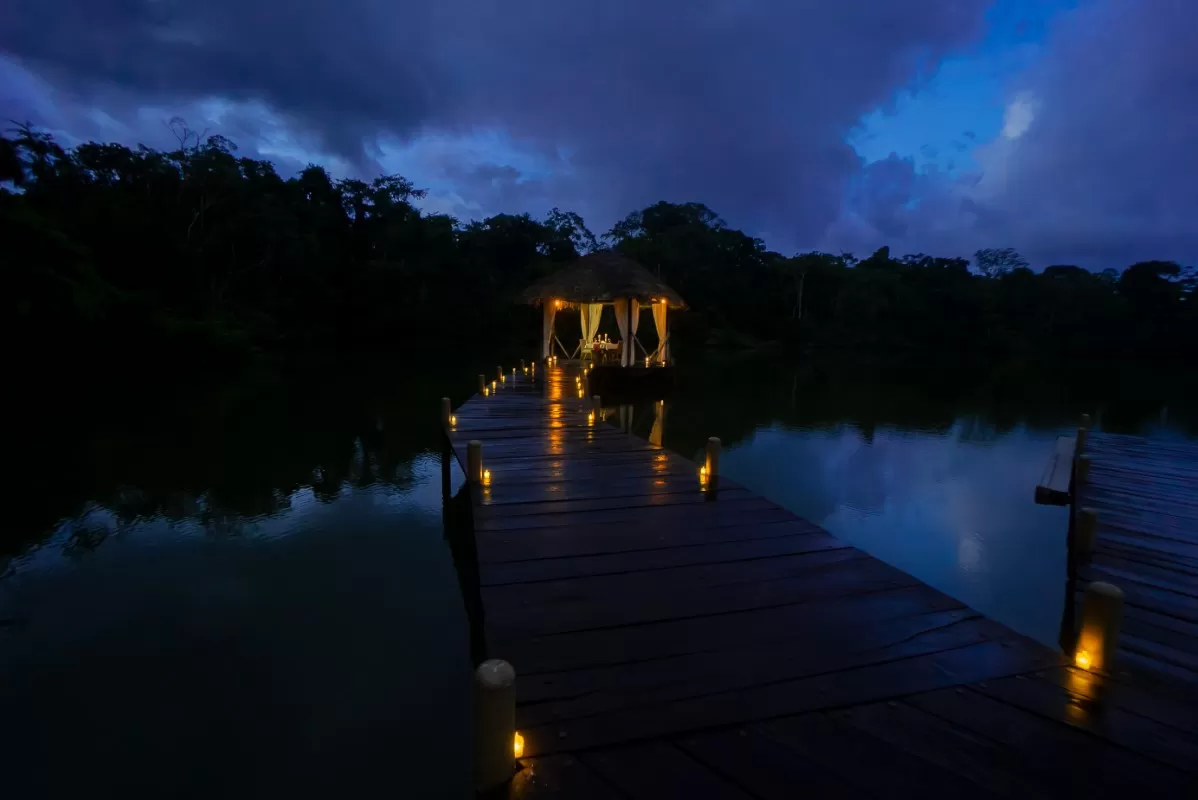
Yacuma Ecolodge, an eco-tourism retreat in the Ecuadorian Amazon, located near Yasuní National Park.
Yacuma Ecolodge, an eco-tourism destination in the Ecuadorian Amazon, province of Napo.

TWO PATHS, ONE INCREDIBLE JUNGLE

Both roads deliver unforgettable Amazon experiences.

Choose Napo for river-first wildlife and better-developed lodge options; choose Pastaza if the drive and waterfalls are as important as the jungle itself.

Person ziplining near the Manto de la Novia waterfall in Baños de Agua Santa, Ecuador.

5 short, practical answers

  1. Which gateway is faster from Quito?

    Direct flights to Coca (OCC) make some Napo/Yasuní lodges reachable in a short hop plus boat; by road, Quito→Tena or Quito→Puyo both take roughly 3–4 hours depending on route and traffic. Always confirm schedules and add buffer time.

  2. Is one route safer than the other?

    Both are safe when you travel with reputable operators. The main risks are weather-related road closures and heavy rains — check MTOP/Obras Públicas and ECU-911 alerts before travel.

  3. Can I combine both (Napo + Pastaza) in one trip?

    Yes — a multi-day loop (Quito → Baños → Puyo → Tena → Quito or Quito→Coca by air) is possible but needs careful timing. Allow at least 7–10 days to enjoy both without rush.

  4. Which route is better for families with kids?

    Napo (shorter boat transfers, more lodge options with family services) often suits families better; choose lodges that state family-friendly facilities and safety procedures.

  5. What’s the single best tip before I book?

    Ask your operator (or Responsible Travel S.A.) for written transfer timetables, emergency protocols, and proof of community benefit (if choosing community lodges). That clarity prevents surprises and ensures your trip supports locals and conservation.

    Your trip helps conserve places and people when you travel responsibly