

GALAPAGOS
Where evolution comes alive
About the islands
The Galápagos Islands, visited by Charles Darwin in 1835, are a UNESCO World Heritage Site and one of the planet’s most remarkable natural laboratories. Volcanic landscapes, unique species and marine richness create a destination unlike any other. Every visit becomes an encounter with evolution in motion and conservation in practice.
Why to visit Galapagos
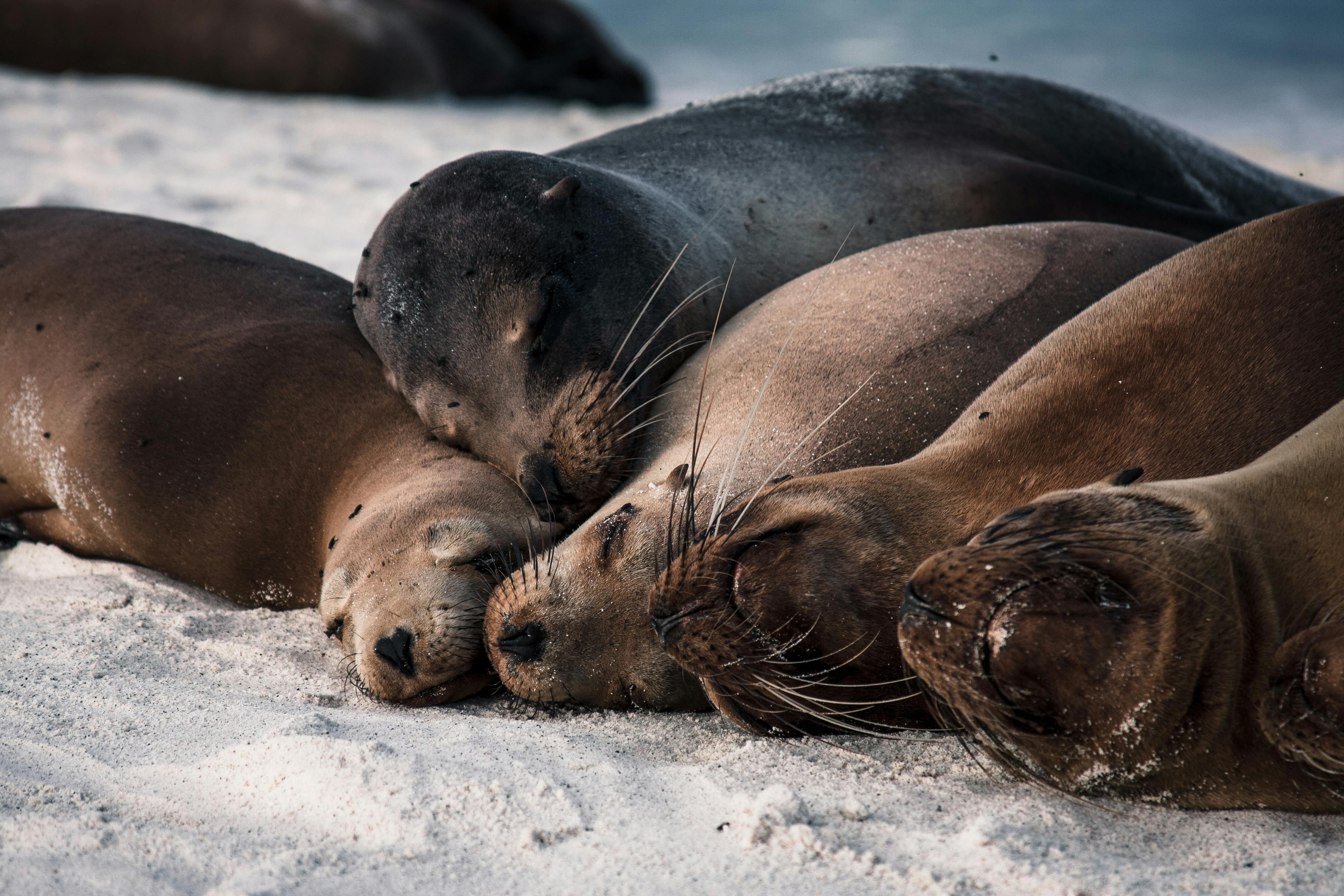
The Galápagos offer travelers the chance to experience wildlife in its natural rhythm. Sea lions, blue-footed boobies, giant tortoises and penguins move freely, creating encounters that feel spontaneous and extraordinary. Whether on a cruise or hotel-based day tours, each journey combines discovery with environmental responsibility and community collaboration.
Culture
Life in the Galápagos reflects resilience and stewardship. Communities on islands like Santa Cruz and San Cristóbal balance fishing traditions with conservation leadership, working alongside scientists and park authorities. Visitors can learn about heritage, sustainable practices and local initiatives, deepening appreciation for the human presence within this unique archipelago.
Food
Cuisine in the Galápagos highlights ocean and land in harmony: fresh lobster, fish and octopus paired with island-grown vegetables and tropical fruits. Traditional Ecuadorian recipes adapt to local resources, while dining experiences often connect guests directly with fishers, farmers and families who sustain culinary traditions in this extraordinary environment.
Nature
The islands host iconic species found nowhere else on Earth. Giant tortoises, marine iguanas and Galápagos penguins inhabit ecosystems shaped by volcanic forces and ocean currents. Exploring trails, snorkeling reefs or visiting research centers, travelers witness biodiversity at its source, where every encounter depends on the natural rhythm of the islands.
Culture
Life in the Galápagos reflects resilience and stewardship. Communities on islands like Santa Cruz and San Cristóbal balance fishing traditions with conservation leadership, working alongside scientists and park authorities. Visitors can learn about heritage, sustainable practices and local initiatives, deepening appreciation for the human presence within this unique archipelago.
Food
Cuisine in the Galápagos highlights ocean and land in harmony: fresh lobster, fish and octopus paired with island-grown vegetables and tropical fruits. Traditional Ecuadorian recipes adapt to local resources, while dining experiences often connect guests directly with fishers, farmers and families who sustain culinary traditions in this extraordinary environment.
Nature
The islands host iconic species found nowhere else on Earth. Giant tortoises, marine iguanas and Galápagos penguins inhabit ecosystems shaped by volcanic forces and ocean currents. Exploring trails, snorkeling reefs or visiting research centers, travelers witness biodiversity at its source, where every encounter depends on the natural rhythm of the islands.