

PANAMA
Where Tropical Nature Meets Vibrant Cultures
About the Country
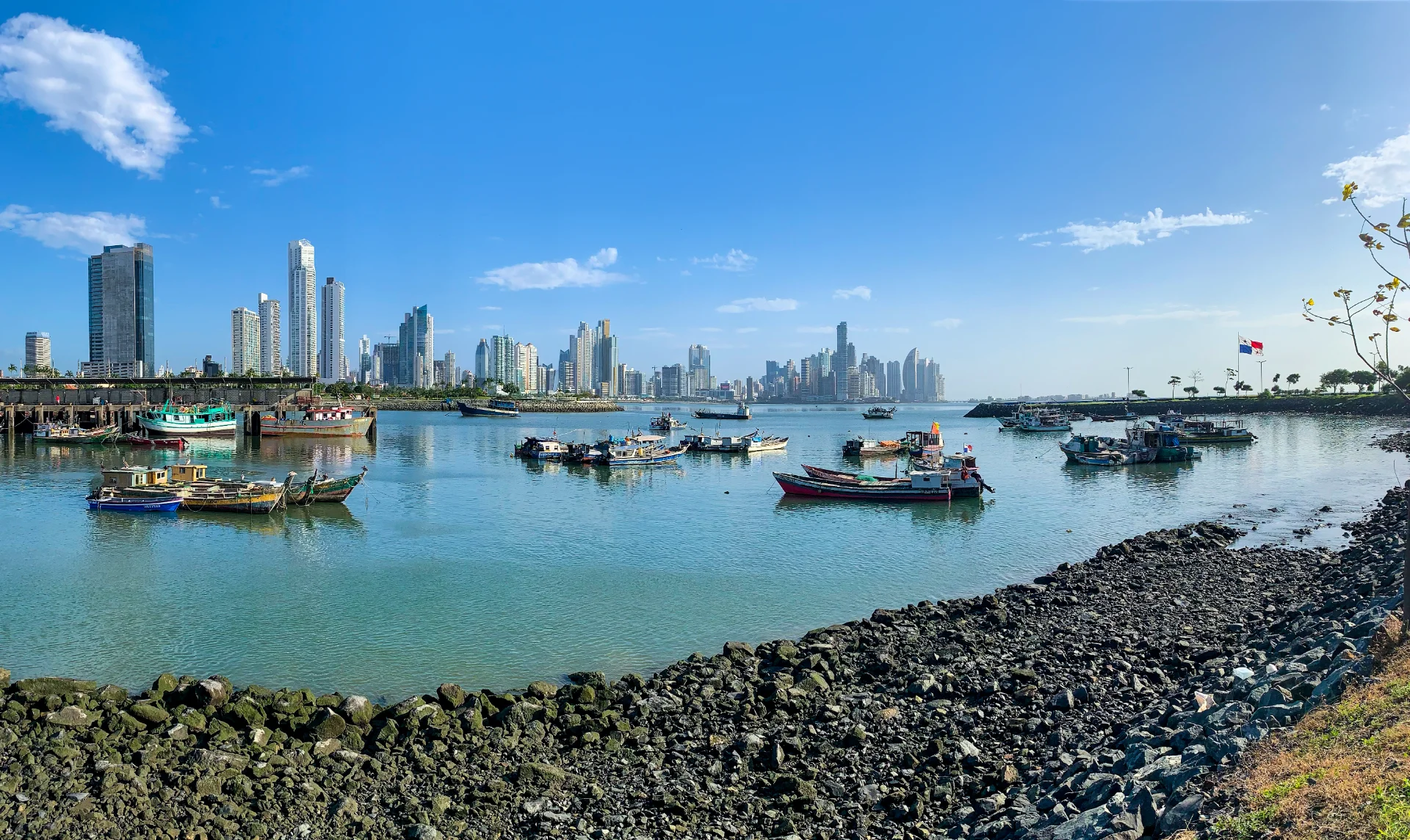
Panama connects two oceans, continents, and cultures within a compact and remarkably diverse country. From the modern skyline of Panama City and the historic streets of Casco Antiguo to Caribbean islands, tropical rainforests, and cool mountain valleys, travelers can experience a wide variety of landscapes without traveling long distances. The Panama Canal remains one of the country's defining landmarks, while Indigenous and Afro-Caribbean communities contribute to its rich cultural identity.
Why Visit Panama
Visit Panama for its unique combination of Caribbean and Pacific coastlines, tropical nature, cultural diversity, and world-famous engineering heritage. Explore the Panama Canal, discover the islands of San Blas and Bocas del Toro, hike through the highlands of Boquete, or learn about Indigenous communities and local traditions. Panama's compact geography makes it possible to combine city experiences, rainforests, mountains, and beaches within a single journey, with itineraries that can be tailored to different travel interests.
Culture
Panama's identity is shaped by Indigenous roots, Afro-Caribbean heritage, and Spanish and international influences. Travelers can discover living traditions through cultural encounters with Indigenous communities, historic towns such as Portobelo, Afro-Caribbean culture along the Caribbean coast, and Panama City's historic Casco Antiguo. Music, dance, crafts, and traditional celebrations remain an important part of the country's cultural landscape.
Food
Panamanian cuisine reflects the country's multicultural history and access to both oceans. Fresh seafood, coconut, tropical fruits, rice, plantains, and cassava feature prominently in traditional cooking. Caribbean destinations such as Bocas del Toro and Portobelo are known for their Afro-Caribbean flavors, while Panama City offers a diverse culinary scene and has been recognized as a UNESCO Creative City of Gastronomy since 2017. Boquete and the surrounding highlands are also known for coffee cultivation and farm-to-table experiences, including Panama's renowned Geisha coffee.
Nature
Panama's small size is home to remarkable ecological diversity. Tropical rainforests, Caribbean islands, Pacific beaches, cloud forests, and mountain ecosystems provide habitats for an extraordinary variety of wildlife. The country is also an important migratory route for birds, while its coastal waters support marine life, coral reefs, and sea turtles. Destinations such as Bocas del Toro, Boquete, the Gulf of Chiriquí, and the forests around the Panama Canal offer opportunities for hiking, snorkeling, diving, kayaking, and wildlife observation.