

Inside the Ecuadorian Amazon, you can find and explore the biodiversity and richness of the history of the communities; however, culture goes further. It is knowing that the worldview within the communities takes on a role where the protagonist is the “spiritual world.” Thus, within this environment, animals play an important role for daily practices (health, messengers, protection) in the jungle habitat.
Entdecken Sie unsere neuesten Nachrichten
18.09.2026
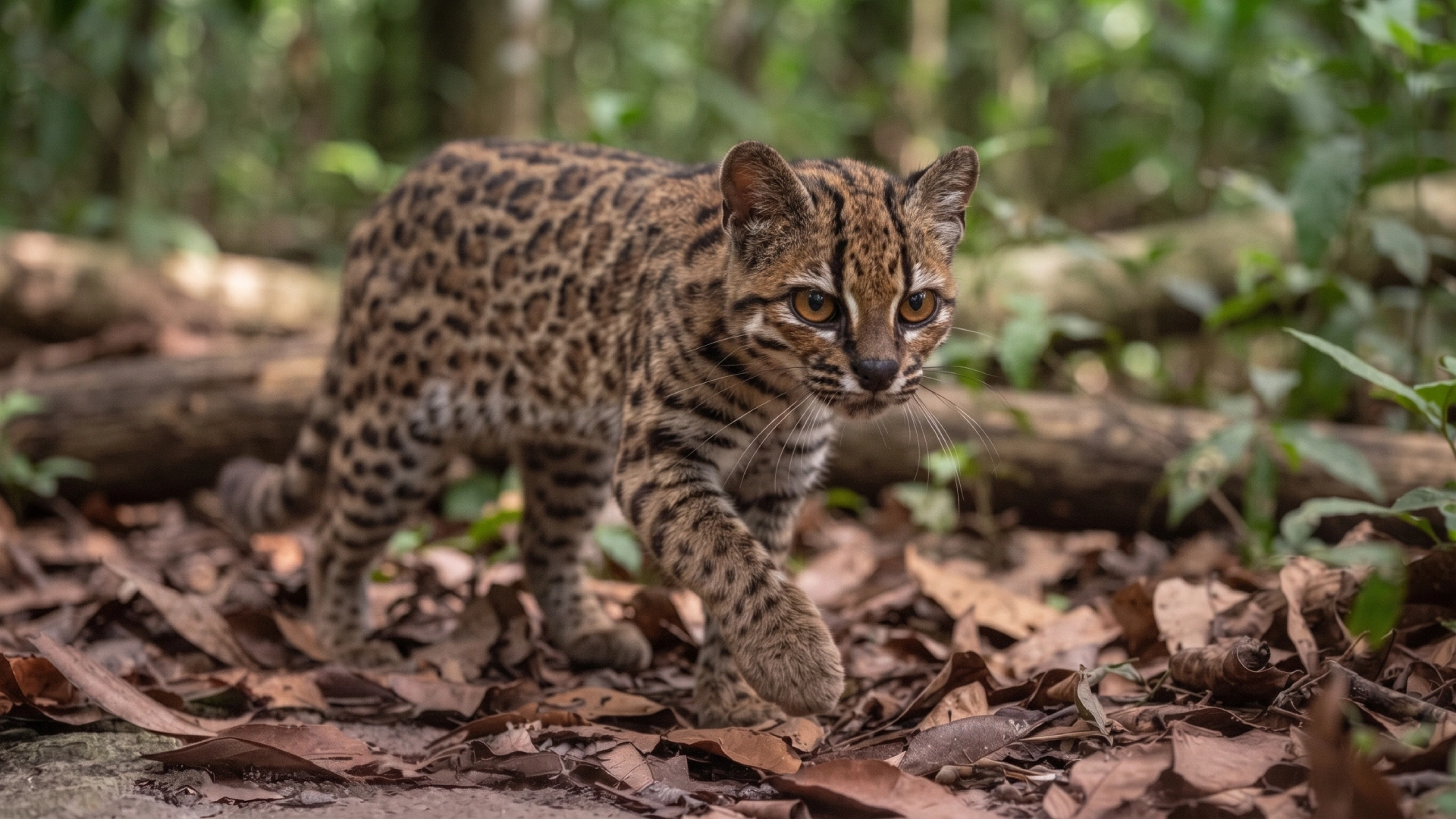
Fünf faszinierende Tiere Boliviens: Entdecken Sie die Tilcayo-Katze und weitere selten zu sehende Arten

04.08.2026
Huasquila Amazon Lodge: Lage, Anreise und Aktivitäten
03.08.2026
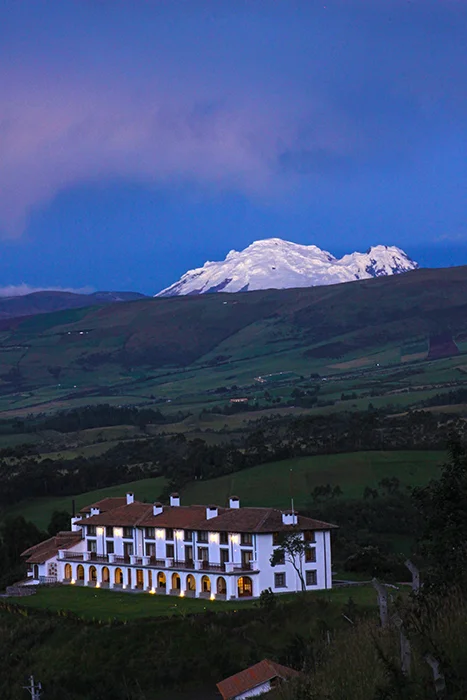
Nationalpark Antisana: Vulkan, Tierwelt und La Mica
29.07.2026
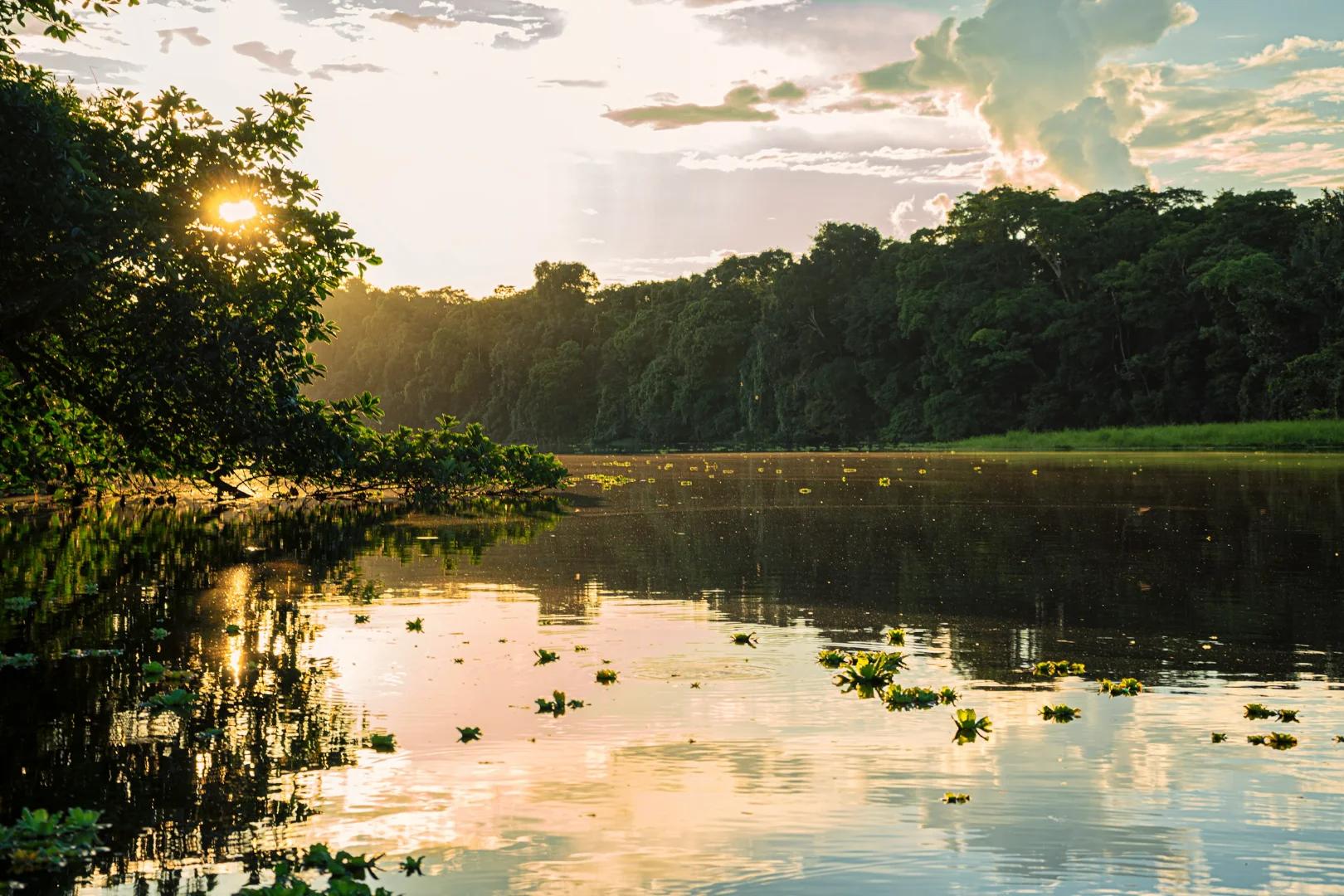
Schamanen in Ecuador: Eine Reise ins Herz der Weisheit des Amazonasgebiets
27.07.2026
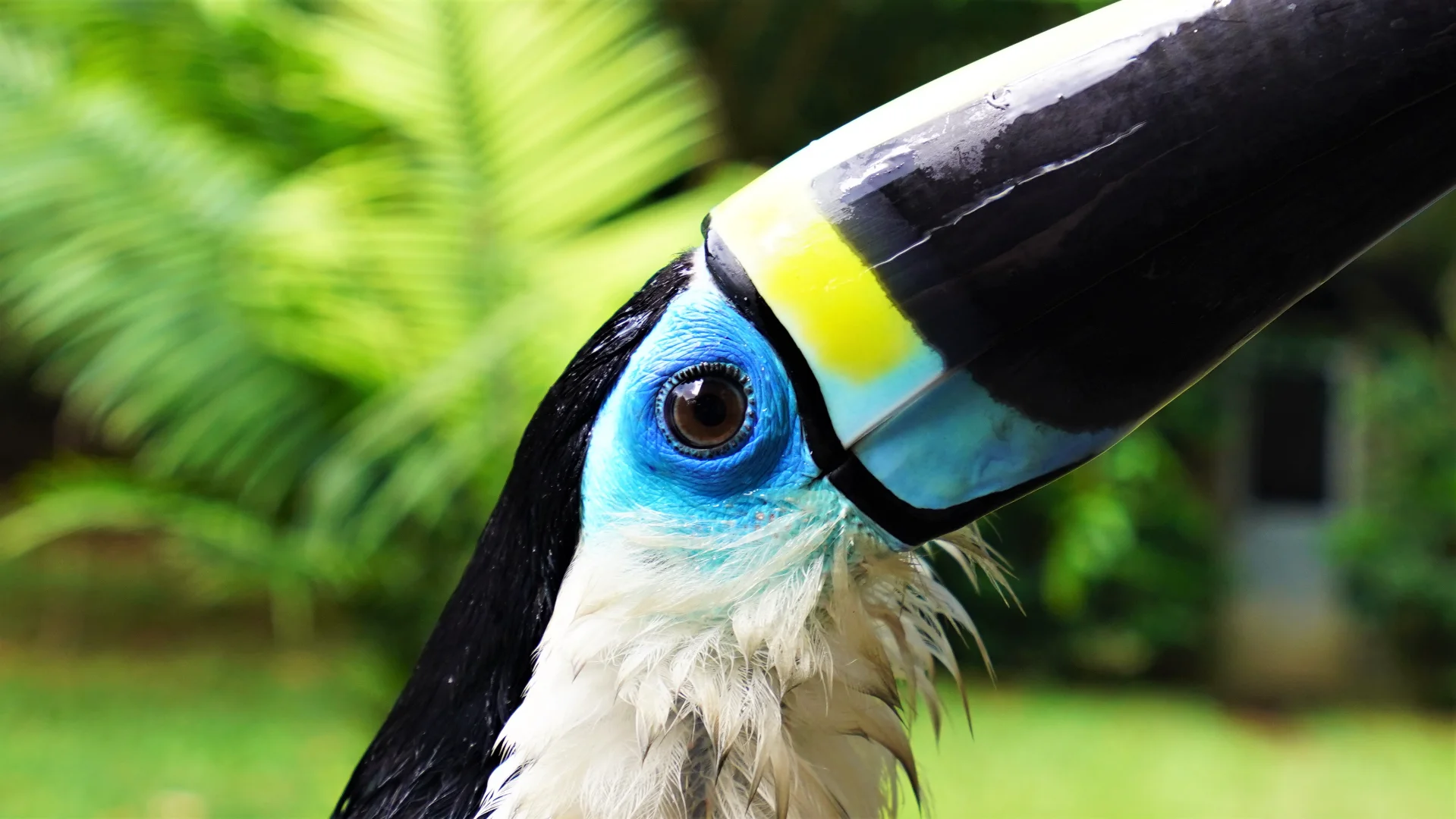
Einblick in den Stamm der Waorani: Das Schild des Amazonas
24.07.2026
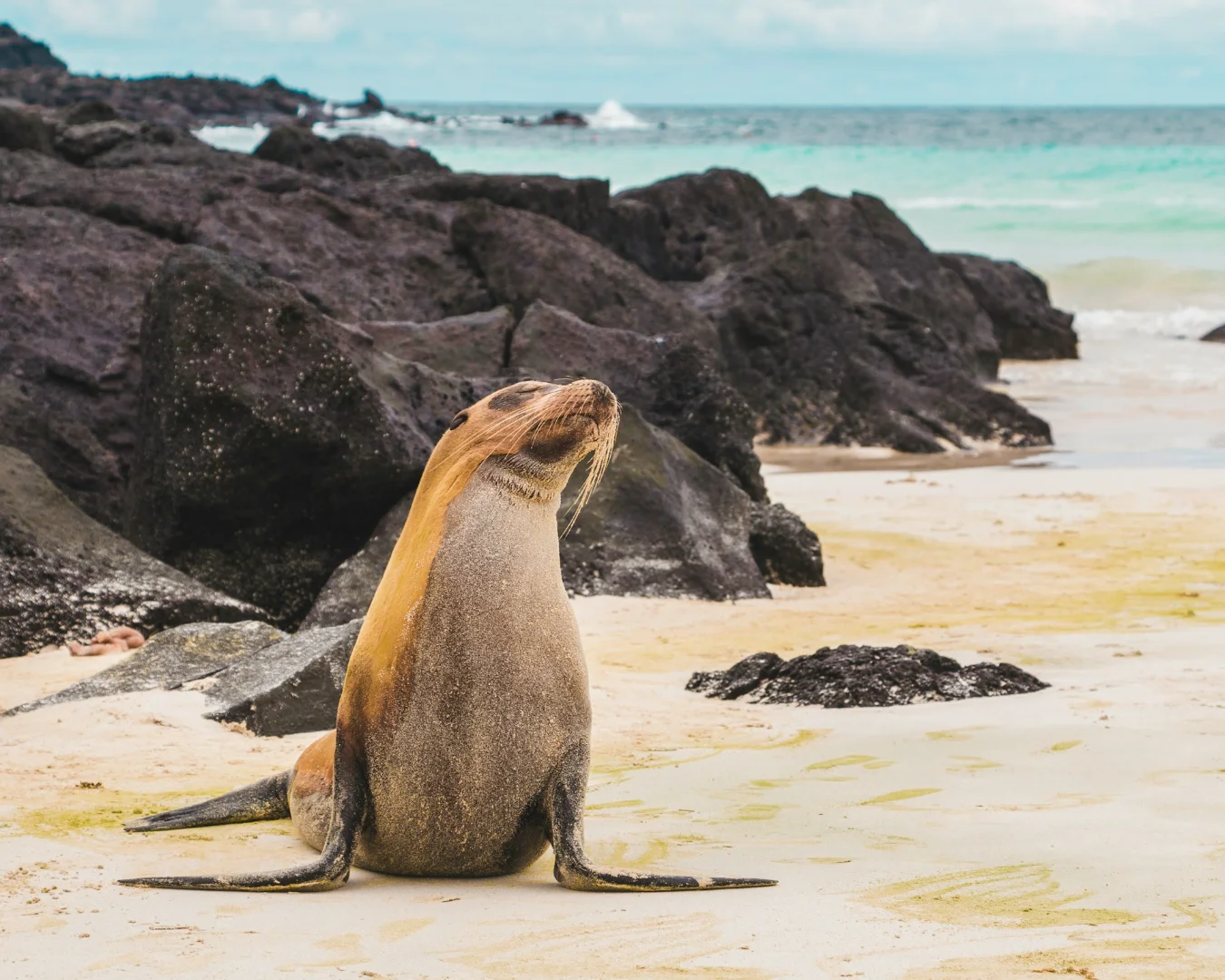
Welche Inseln hat Darwin während seiner Forschungsreise besucht?
Bestbewertete Inhalte
24.07.2026
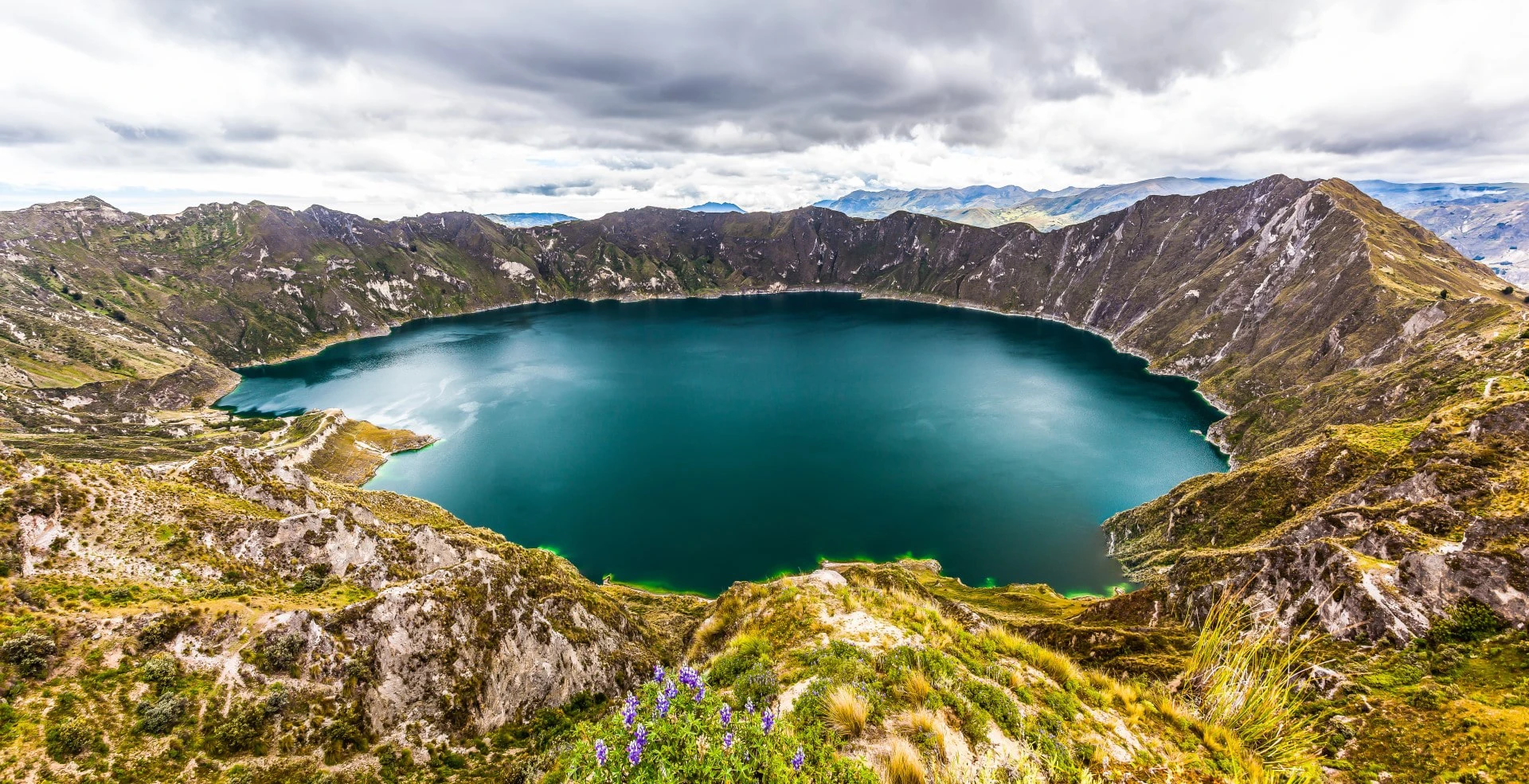
Die großen Seen und Lagunen Südamerikas: Landschaften voller Geschichte, Kultur und Natur
24.07.2026
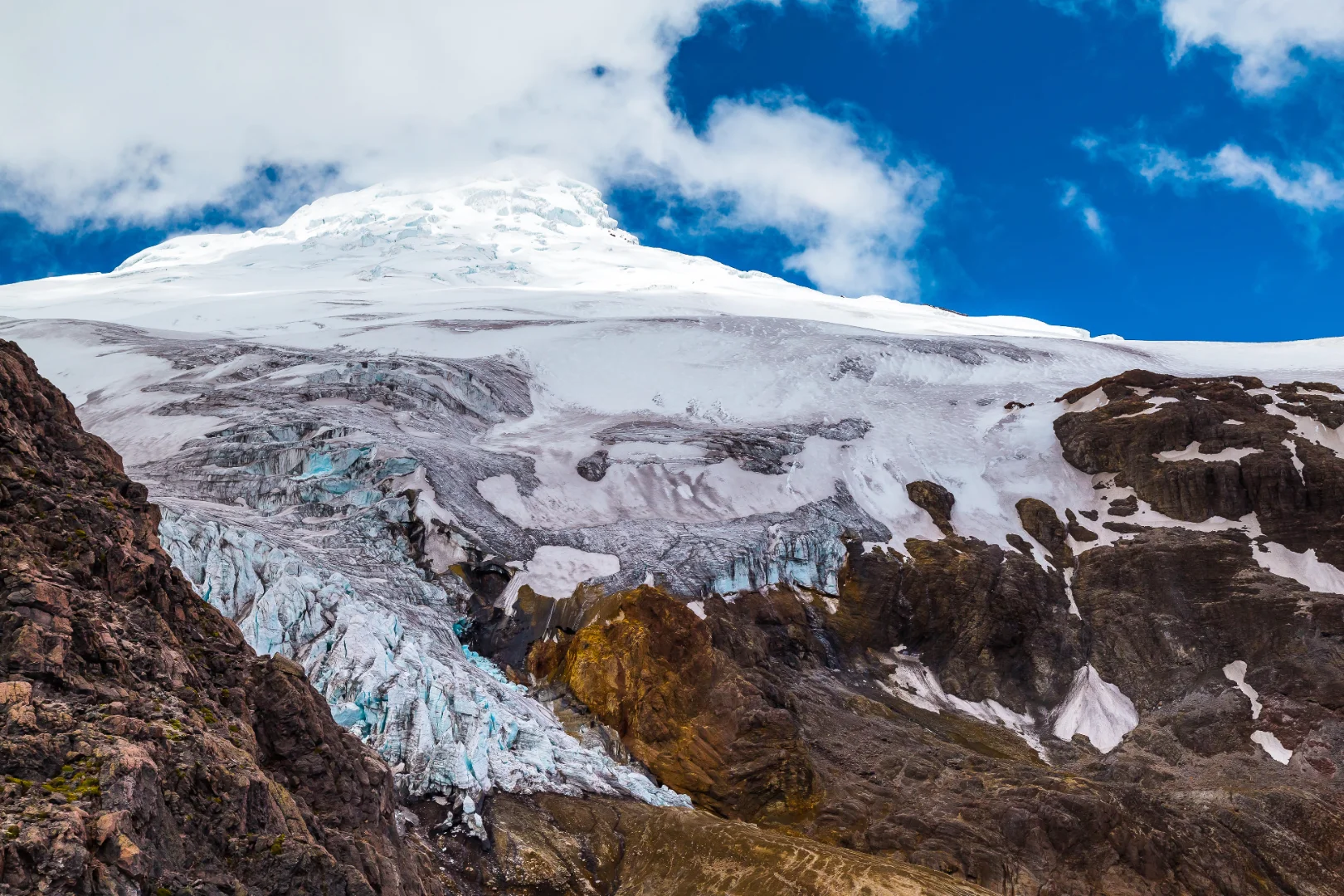
Wunderschöne Wanderwege in Ecuador, geeignet für Wanderer aller Leistungsstufen
23.07.2026
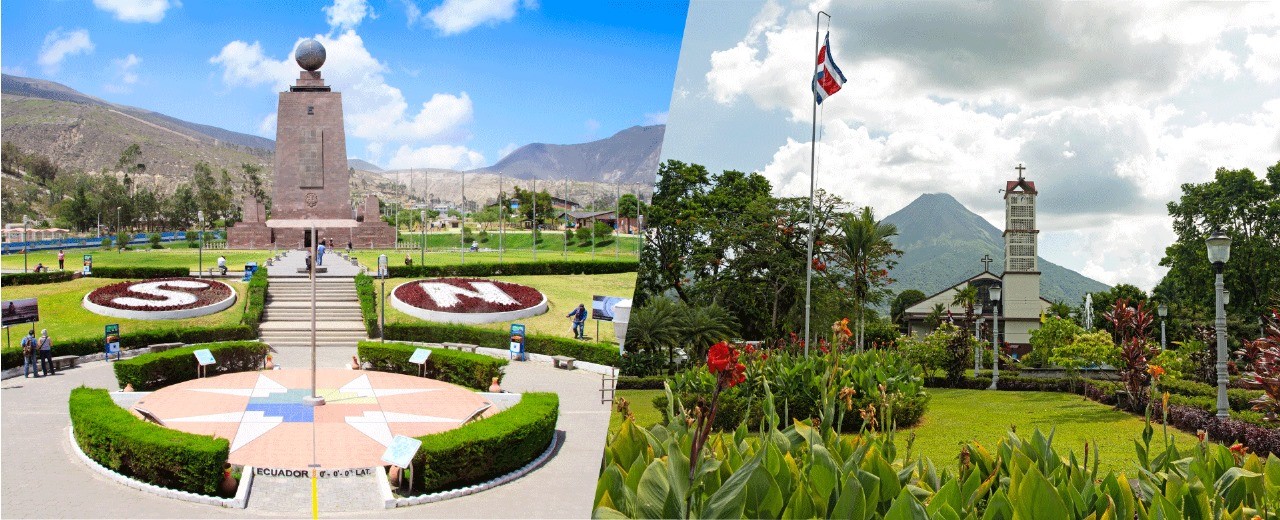
Costa Rica gegen Ecuador: Welches Land eignet sich besser für nachhaltiges Abenteuer?

16.07.2026
Feria de las Flores in Medellín: Ein Leitfaden zum Festival und zur Tradition der „Silleteros“

14.07.2026
Ruta del Spondylus Ecuador: Der ultimative Roadtrip entlang der Küste?
14.07.2026
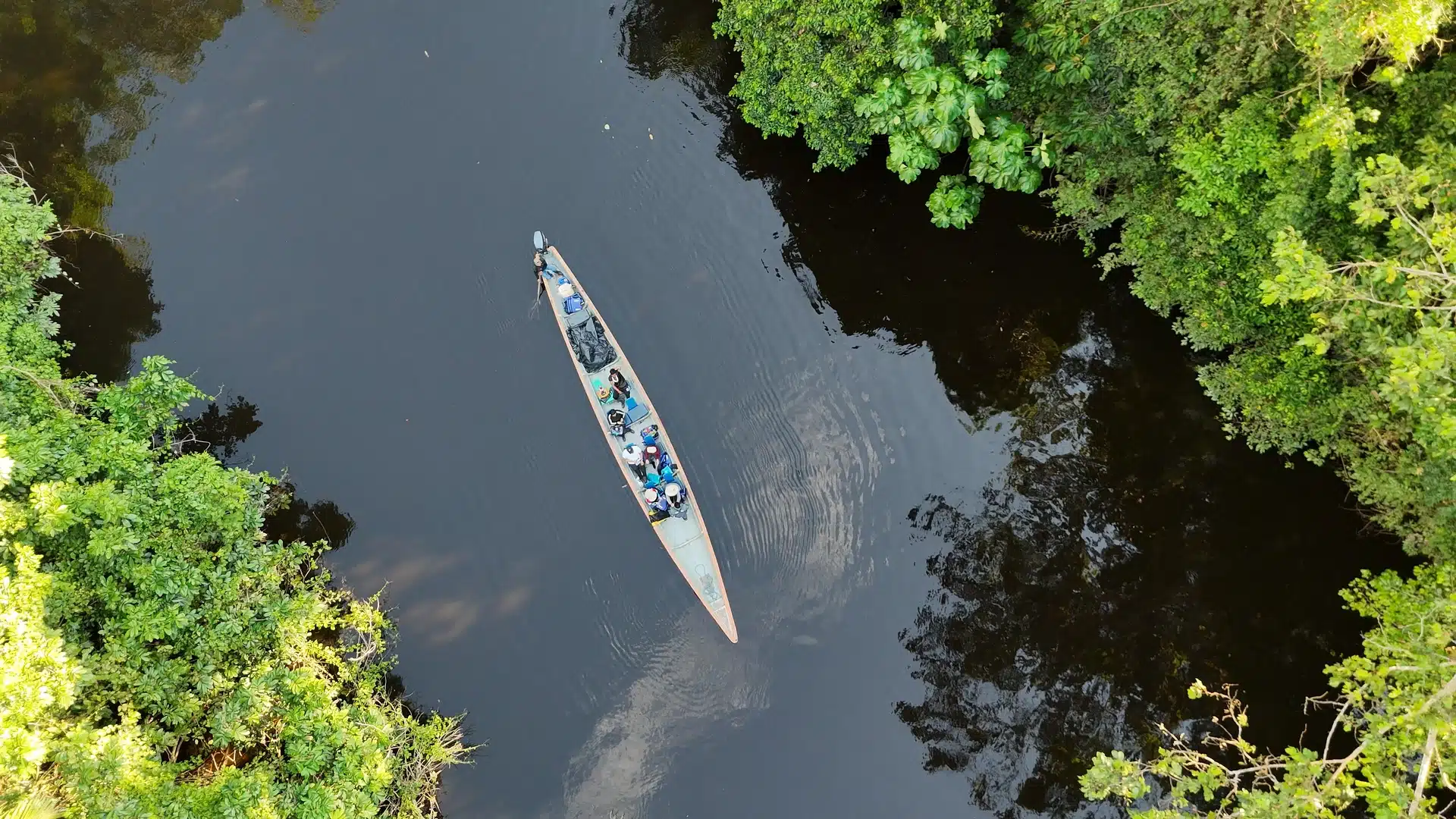
Das Naturschutzgebiet Cuyabeno – Ein einzigartiger ecuadorianischer Regenwald in Killas
Meistgesehene Inhalte
13.07.2026
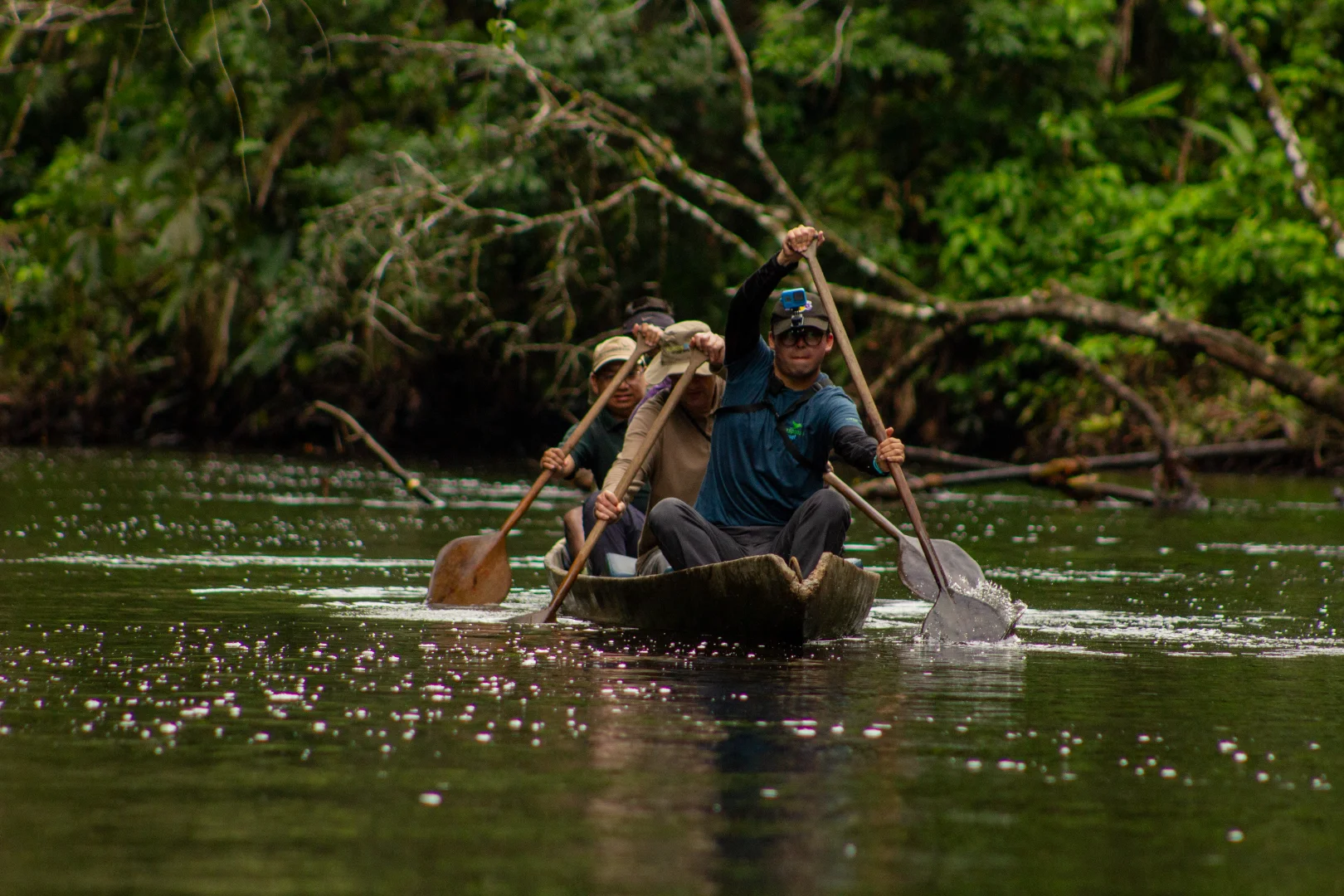
Traditionelle Amazonas-Kanus und die Geschichte hinter der Killas
06.07.2026
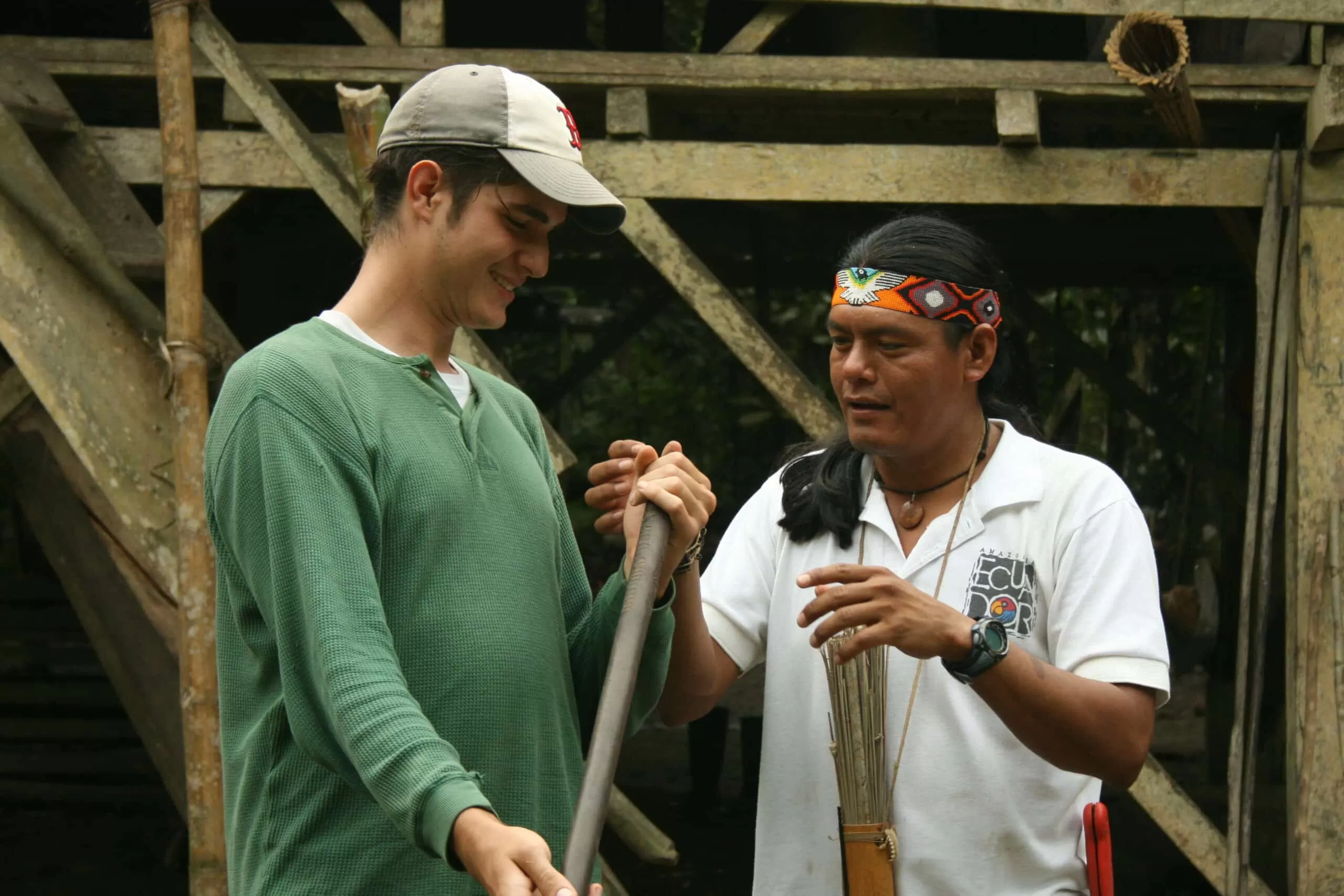
Warum solltest du an deinem Geburtstag verreisen?

21.05.2026
Was ist der „Día de los Muertos“ in Ecuador?
21.05.2026
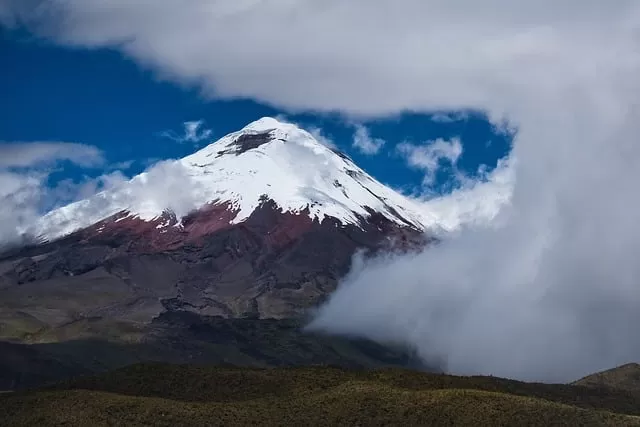
Chimborazo, Ecuador 2023: Der Berg, den du nie vergessen wirst
21.05.2026
Die beliebtesten Reiseziele in Ecuador für 2023 und 2024
21.05.2026
The Best Tourist Places to See in Cusco ?

ENERGY CARRIERS AND SPIRITUAL GUIDES
Now, it is important to know that within the communities (Kichwa, Shuar, Siona, Secoya, Waorani… among others) the rituals, myths, and legends that talk about fauna are part of a spiritualist concept where animals acquire a role of connection with the “beyond” in order to be protagonists and provide reflective messages to communities as well as visitors. Under this context, the most representative animals considered energy carriers and spiritual guides are presented.
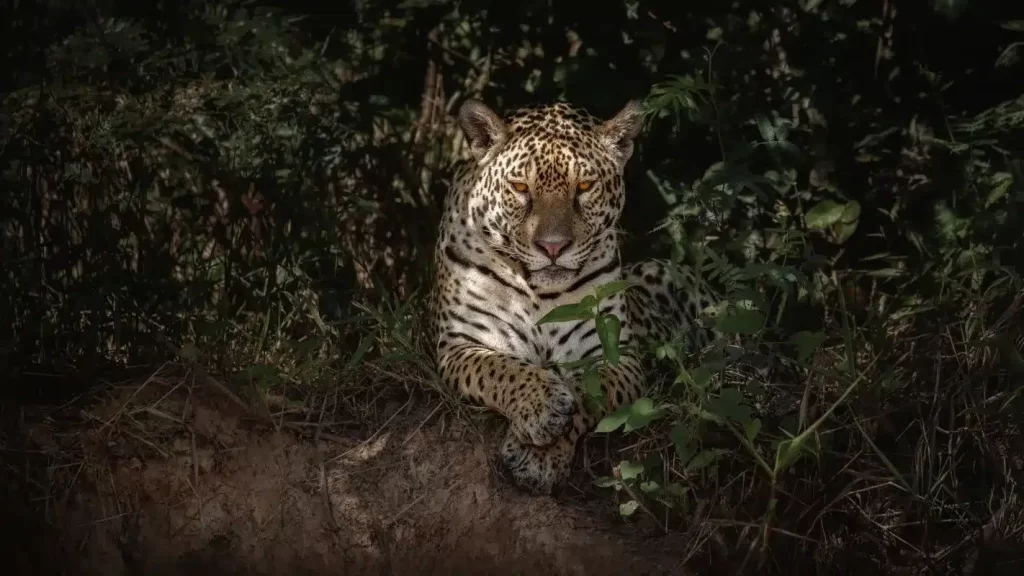
- Jaguar: In addition to being the main predator of the Amazon and the largest feline. This animal plays an important role in the worldview. Based on his strength and size, he is considered a guardian spirit. Shamans invoke it in rituals such as ayahuasca to protect the jungle and the person.
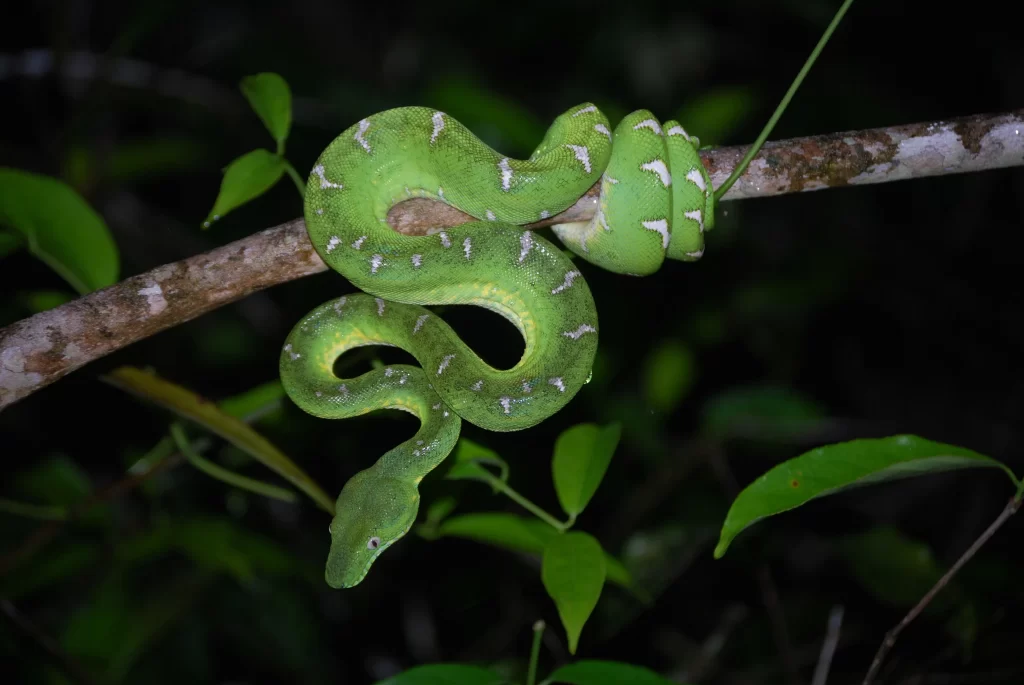
- Snake: This being, symbolized in the boa, plays a crucial role in communities. Most native communities think it is a supernatural entity that communicates with spirits and fosters human-nature harmony.
-
Dolphin: The communities’ folklore states that it was a person before becoming an animal and transforms into a man on full moon nights to capture ladies. This creature protects water and guides spiritually “lost” humans today.
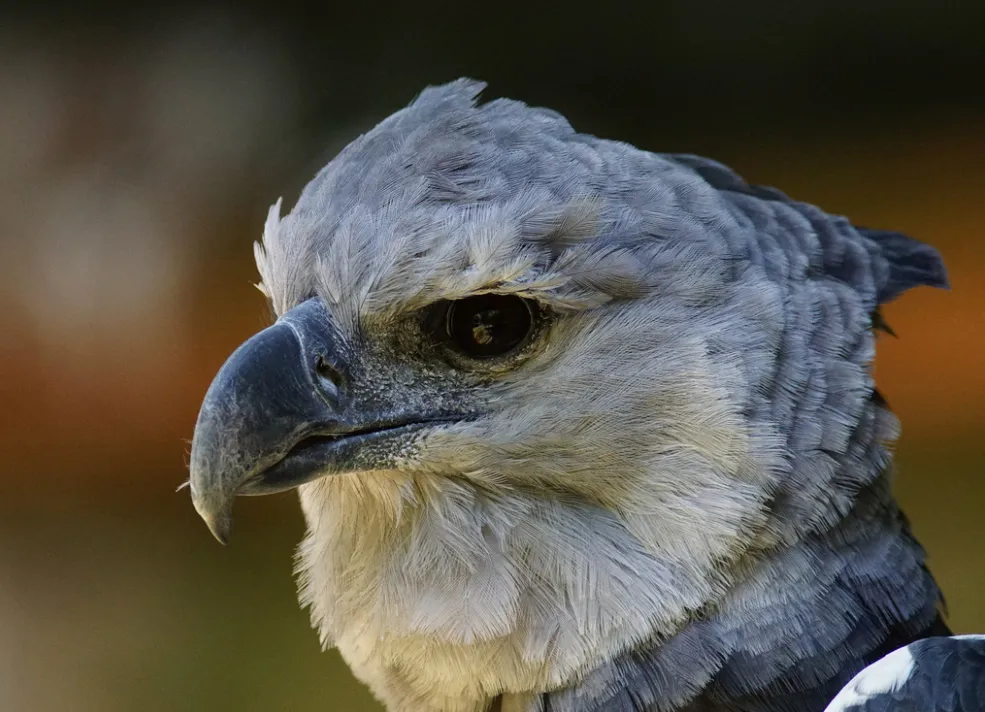
- Eagle: The harpy eagle is considered a connecting entity between heaven and earth. From above, it watches over the more than 800 hectares of the Woaranis area in order to protect its ecosystem. Additionally, in the worldview, this animal symbolizes wisdom, leadership, and freedom.
MOMENTS THAT ECHO
The deep connection between communities and spiritual beings provides a sense of cultural belonging and teaches us to respect the biodiversity of this Amazonian place.
As for the essence of animals and their importance within the indigenous worldview, it translates as teachings, resilience, and adaptability that each individual acquires and develops in their living environment to safeguard the heritage of the Amazon.

Inside the Ecuadorian Amazon, you can find and explore the biodiversity and richness of the history of the communities; however, culture goes further. It is knowing that the worldview within the communities takes on a role where the protagonist is the “spiritual world.” Thus, within this environment, animals play an important role for daily practices (health, messengers, protection) in the jungle habitat.
ENERGY CARRIERS AND SPIRITUAL GUIDES
Now, it is important to know that within the communities (Kichwa, Shuar, Siona, Secoya, Waorani… among others) the rituals, myths, and legends that talk about fauna are part of a spiritualist concept where animals acquire a role of connection with the “beyond” in order to be protagonists and provide reflective messages to communities as well as visitors. Under this context, the most representative animals considered energy carriers and spiritual guides are presented.
- Jaguar: In addition to being the main predator of the Amazon and the largest feline. This animal plays an important role in the worldview. Based on his strength and size, he is considered a guardian spirit. Shamans invoke it in rituals such as ayahuasca to protect the jungle and the person.
- Snake: This being, symbolized in the boa, plays a crucial role in communities. Most native communities think it is a supernatural entity that communicates with spirits and fosters human-nature harmony.
-
Dolphin: The communities’ folklore states that it was a person before becoming an animal and transforms into a man on full moon nights to capture ladies. This creature protects water and guides spiritually “lost” humans today.
- Eagle: The harpy eagle is considered a connecting entity between heaven and earth. From above, it watches over the more than 800 hectares of the Woaranis area in order to protect its ecosystem. Additionally, in the worldview, this animal symbolizes wisdom, leadership, and freedom.
MOMENTS THAT ECHO
The deep connection between communities and spiritual beings provides a sense of cultural belonging and teaches us to respect the biodiversity of this Amazonian place.
As for the essence of animals and their importance within the indigenous worldview, it translates as teachings, resilience, and adaptability that each individual acquires and develops in their living environment to safeguard the heritage of the Amazon.
Entdecken Sie unsere neuesten Nachrichten
18.09.2026
Fünf faszinierende Tiere Boliviens: Entdecken Sie die Tilcayo-Katze und weitere selten zu sehende Arten
04.08.2026
Huasquila Amazon Lodge: Lage, Anreise und Aktivitäten
03.08.2026
Nationalpark Antisana: Vulkan, Tierwelt und La Mica
29.07.2026
Schamanen in Ecuador: Eine Reise ins Herz der Weisheit des Amazonasgebiets
27.07.2026
Einblick in den Stamm der Waorani: Das Schild des Amazonas
24.07.2026
Welche Inseln hat Darwin während seiner Forschungsreise besucht?
Bestbewertete Inhalte
24.07.2026
Die großen Seen und Lagunen Südamerikas: Landschaften voller Geschichte, Kultur und Natur
24.07.2026
Wunderschöne Wanderwege in Ecuador, geeignet für Wanderer aller Leistungsstufen
23.07.2026
Costa Rica gegen Ecuador: Welches Land eignet sich besser für nachhaltiges Abenteuer?
16.07.2026
Feria de las Flores in Medellín: Ein Leitfaden zum Festival und zur Tradition der „Silleteros“
14.07.2026
Ruta del Spondylus Ecuador: Der ultimative Roadtrip entlang der Küste?
14.07.2026
Das Naturschutzgebiet Cuyabeno – Ein einzigartiger ecuadorianischer Regenwald in Killas
Meistgesehene Inhalte
13.07.2026
Traditionelle Amazonas-Kanus und die Geschichte hinter der Killas
06.07.2026
Warum solltest du an deinem Geburtstag verreisen?
21.05.2026
Was ist der „Día de los Muertos“ in Ecuador?
21.05.2026
Chimborazo, Ecuador 2023: Der Berg, den du nie vergessen wirst
21.05.2026
Die beliebtesten Reiseziele in Ecuador für 2023 und 2024
21.05.2026
The Best Tourist Places to See in Cusco ?