Responsible Travel

Traditional Amazon Canoes and the Story Behind the Killas Experience

13/07/2026

BY RESPONSIBLE TRAVEL

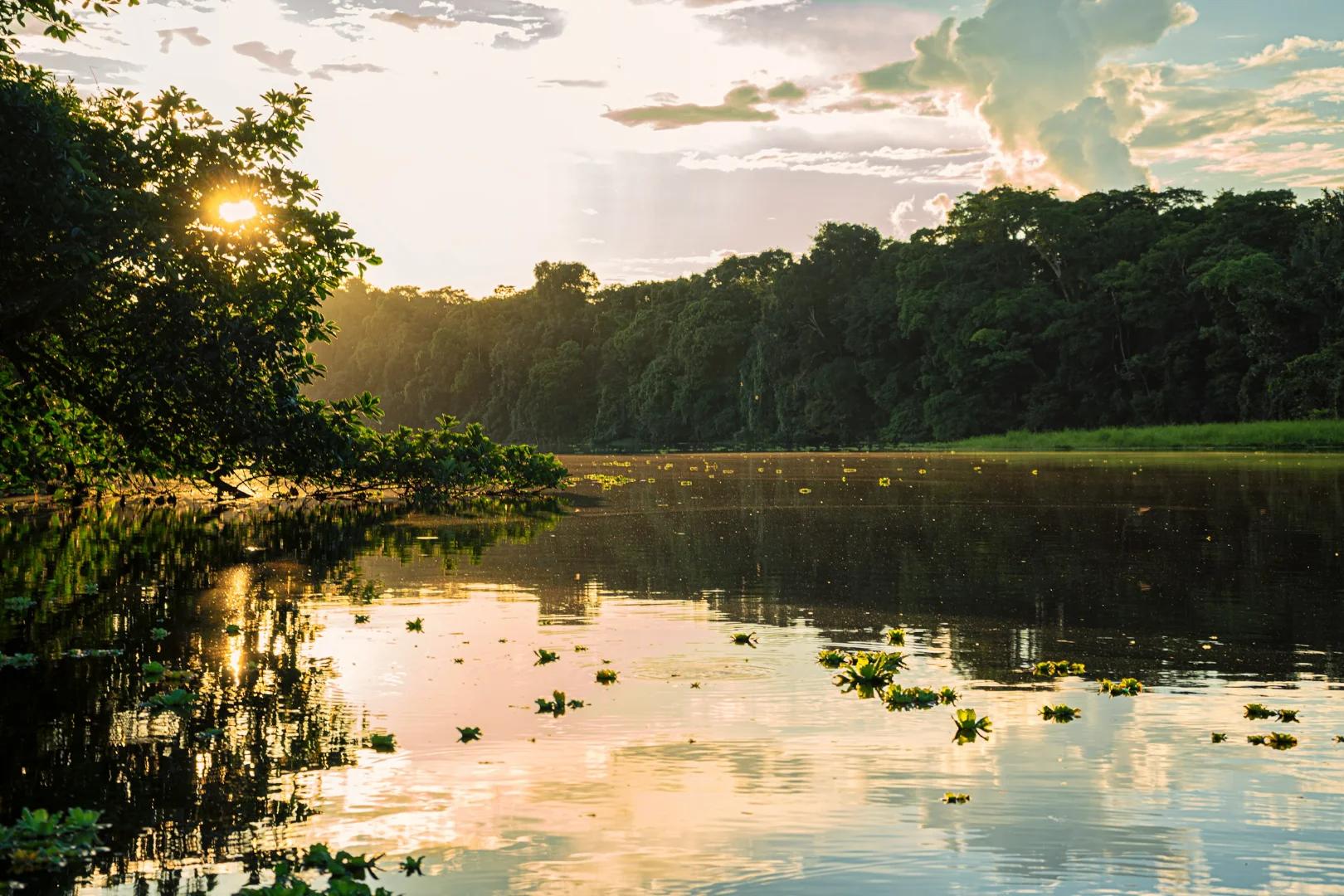
Exploring the Amazon means entering a territory shaped by rivers, lagoons, canals, and flooded forests. For generations, these waterways have served as routes between communities, sources of food, access points to family farms, and places where people observe and interpret changes in the forest.

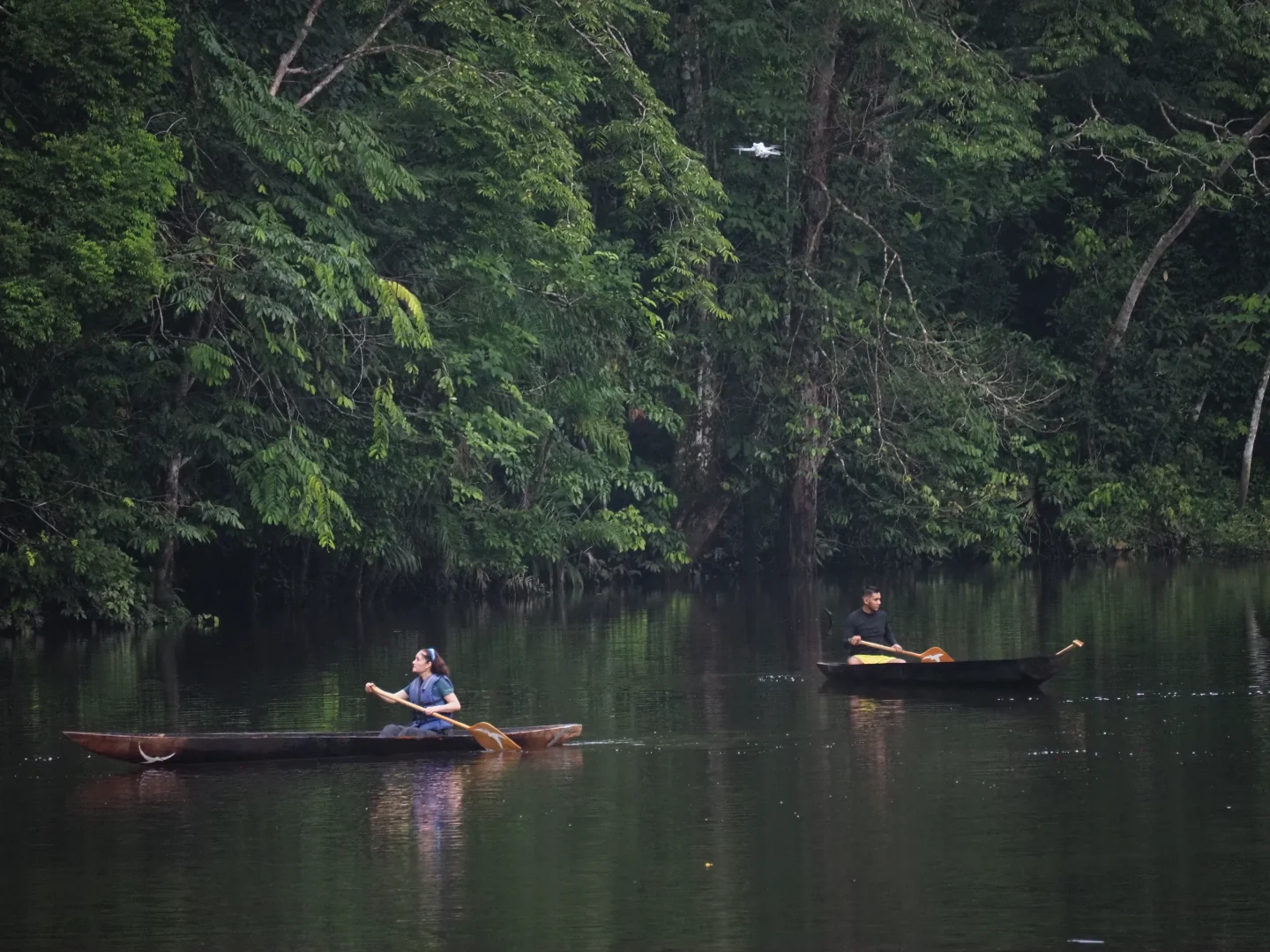
The Killas Experience was created within this relationship between water, navigation, and local knowledge. It offers guided travel through suitable Amazonian waterways in traditional wooden canoes, connecting the journey with the history and everyday use of these vessels.

What Is the Killas Experience?

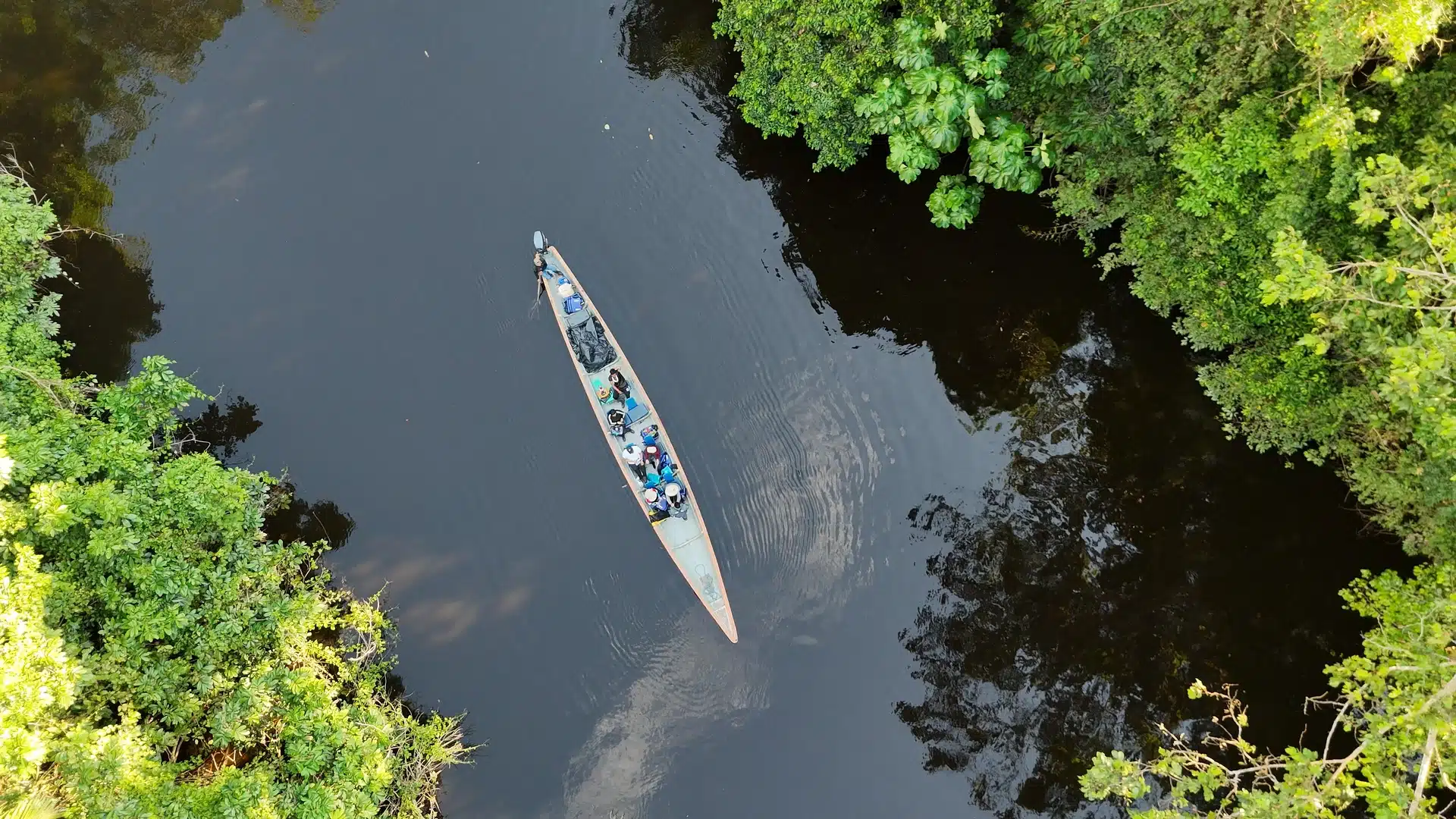
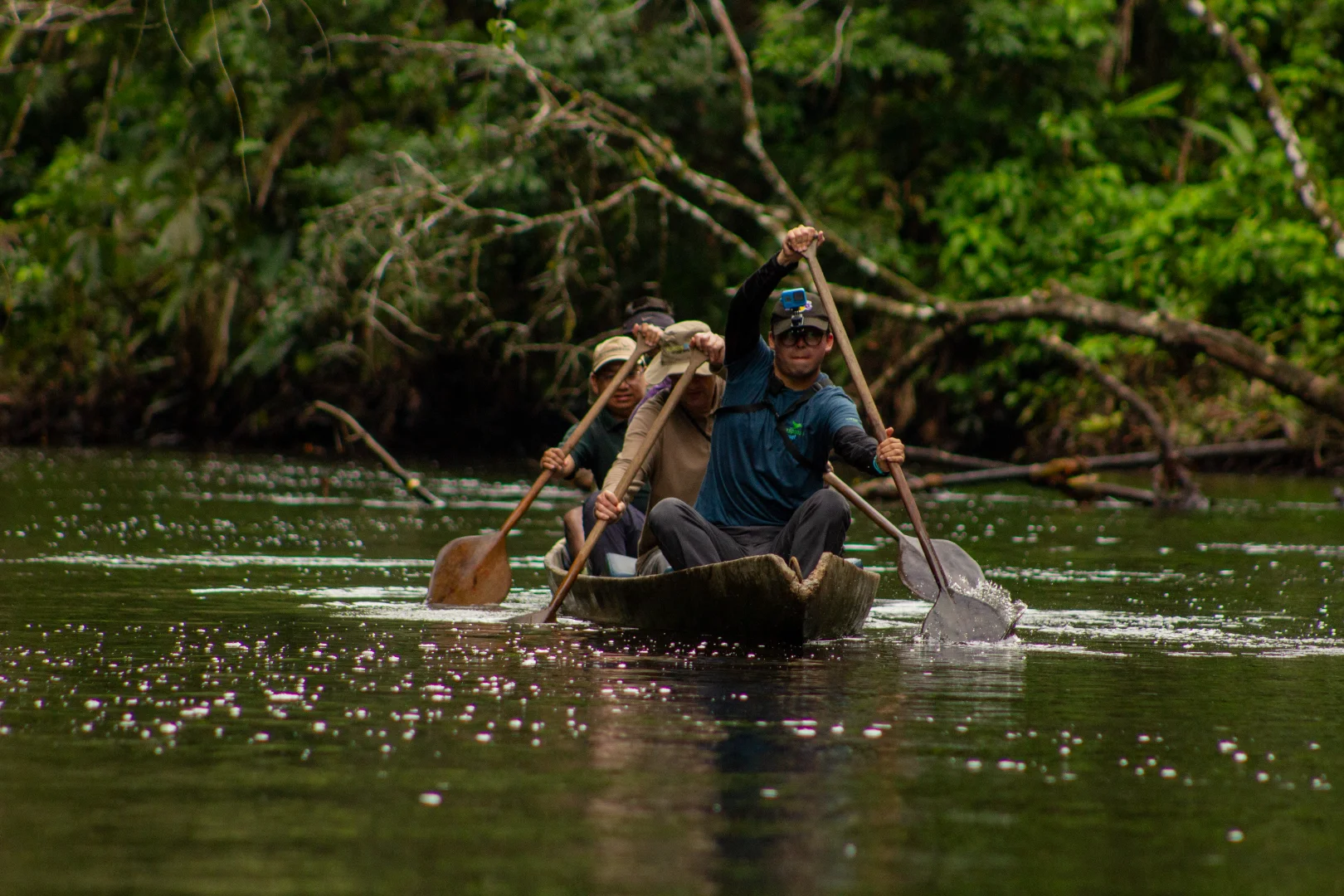
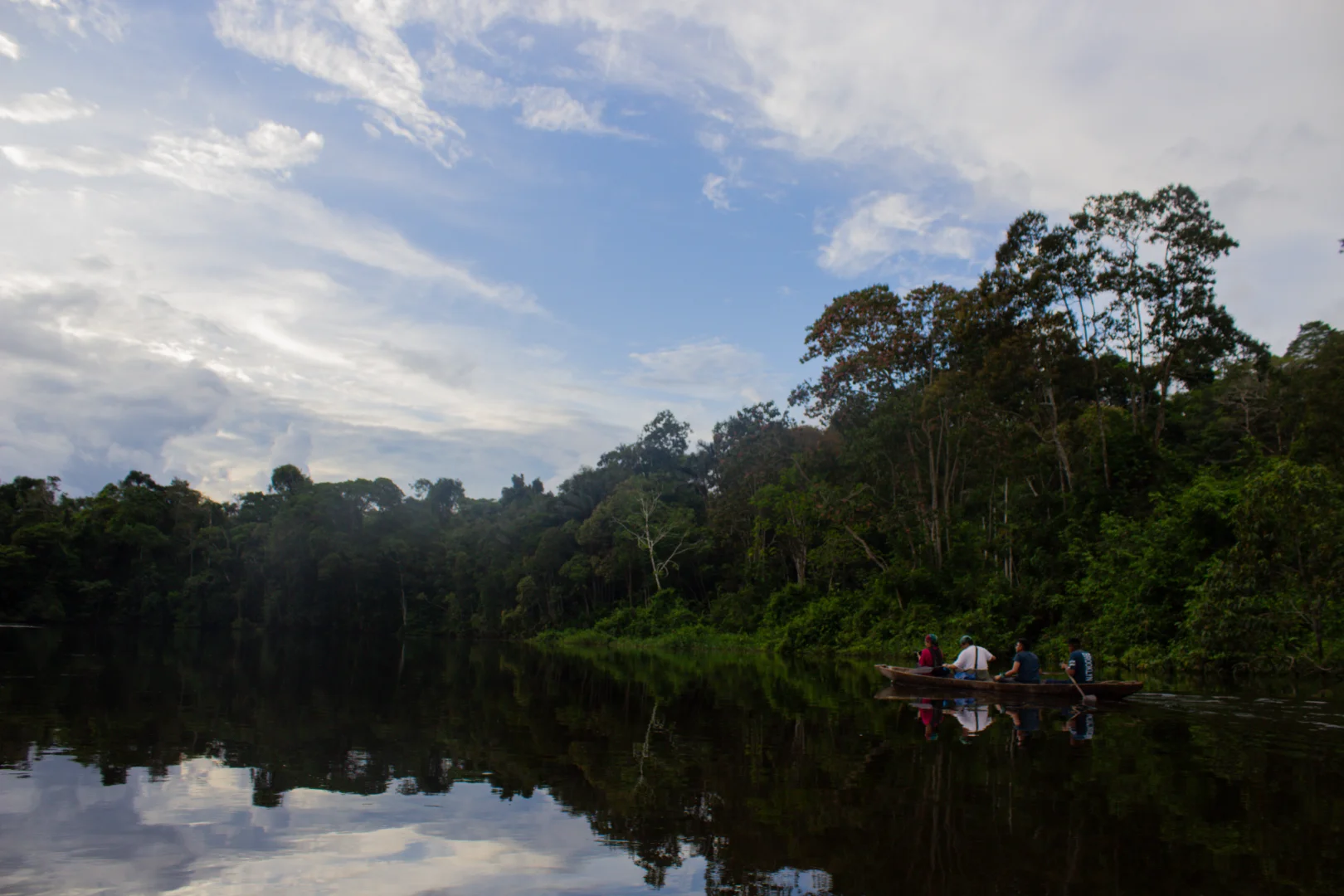
The Killas Experience is a guided journey through Amazonian lagoons, canals, and slow-moving waterways in a traditional wooden canoe.

The activity is led by an experienced local canoeist who understands the route, the current, the depth of the water, and the movements required to keep the vessel balanced. Depending on the destination and itinerary, a local guide or naturalist may also accompany the journey and provide cultural and ecological interpretation.

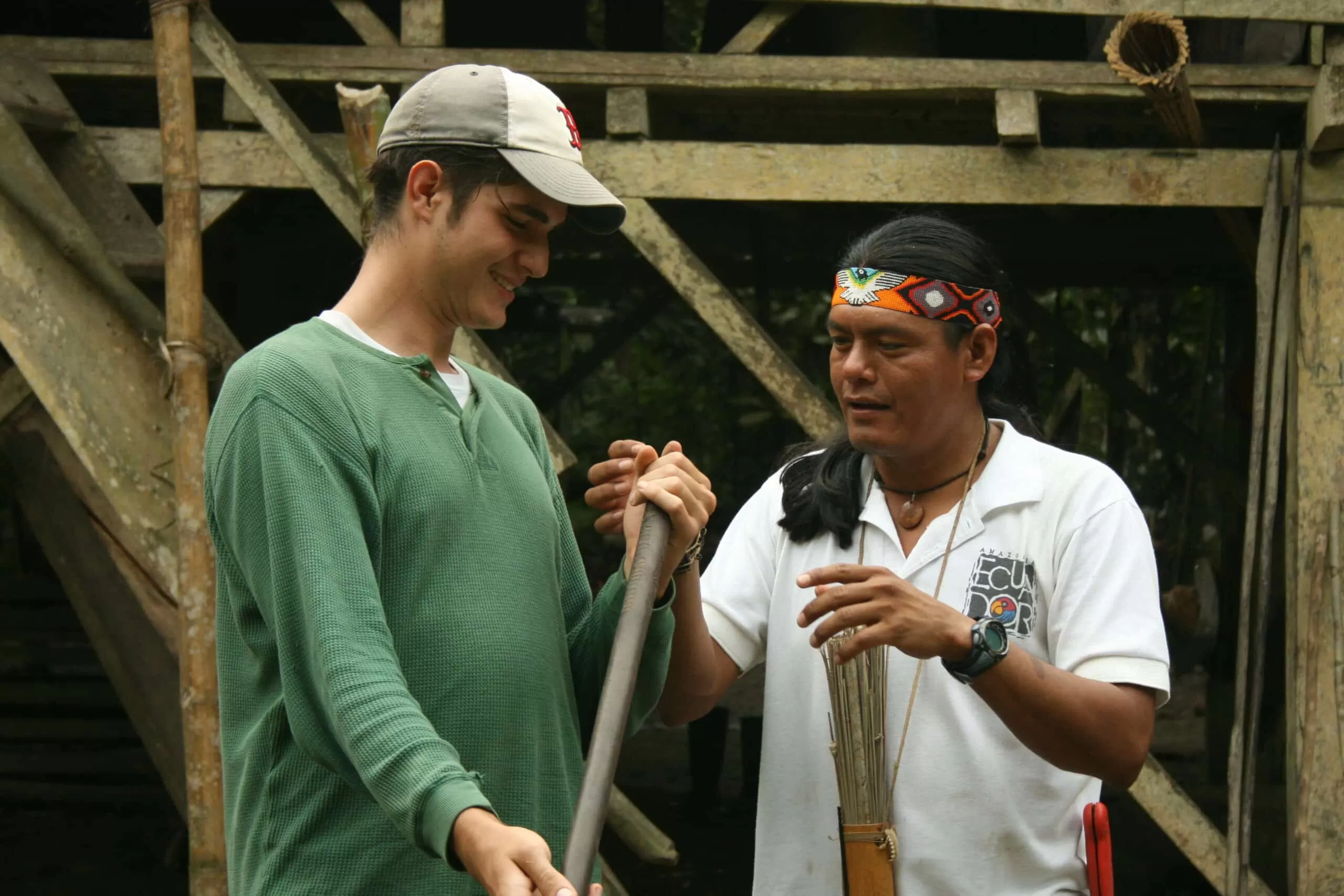
During suitable sections of the route, travelers may have the opportunity to participate in paddling under the canoeist’s guidance.

The experience is currently available in Cuyabeno, where rivers and lagoons continue to shape transportation, daily activities, wildlife observation, and the relationship between communities and the surrounding forest.
WHY ARE THESE CANOES CALLED KILLAS?

The word killa appears in research about Kichwa communities in the Ecuadorian Amazon.

In Limoncocha, killas are described as long, narrow wooden canoes traditionally made by Kichwa men and used to travel between populated areas and family farms connected by the lagoon.

Research in Zancudo Cocha also records the use of killas for short journeys and access to individual chacras, although fiberglass and motorized canoes have become increasingly common.

The name and characteristics of traditional canoes may vary between regions and Amazonian peoples. In this article, killa refers specifically to the type of wooden canoe documented in these Kichwa Amazonian contexts.

Killas Experience is the name Responsible Travel South America uses for its guided navigation concept centered on these vessels, the people who operate them, and the knowledge associated with traveling through Amazonian waterways.

WATERWAYS AND DAILY LIFE IN THE ECUADORIAN AMAZON

Before the expansion of modern roads and motorized transportation, many Amazonian communities relied heavily on rivers, lagoons, and canals.

Waterways connected homes, farms, fishing areas, neighboring communities, and forest territories. Canoes were used to transport food, visit family members, reach community spaces, fish, and access areas where travel by land was difficult or unavailable.

Research in communities such as Limoncocha records the use of killas for traveling between populated areas and family farms. In Zancudo Cocha, the remaining killas have also been associated with short journeys and access to individual chacras.

The construction of roads and the growing availability of fiberglass motorboats have changed transportation in many areas. Even so, traditional wooden canoes remain part of the history, memory, and practical knowledge of several Amazonian territories.

Traveling in a killa provides a direct connection with this form of movement through the landscape. The journey follows the rhythm of the water and depends on the canoeist’s ability to read the conditions of each route.

The Napo River offers another example of how waterways continue to shape transportation and travel across the Ecuadorian Amazon. Read more about journeys along the Napo River and its role within the region.

THE KNOWLEDGE BEHIND A TRADITIONAL WOODEN CANOE

A traditional wooden canoe begins with an understanding of the forest.

Choosing a suitable tree requires experience with wood, humidity, weight, resistance, and the conditions in which the vessel will be used. The final form of the canoe depends on the river, lagoon, canal, current, surrounding vegetation, expected load, and method of propulsion.

A killa is generally long and narrow. Its shape, balance, draft, weight, and strength reflect the practical knowledge of the people who build and navigate it.

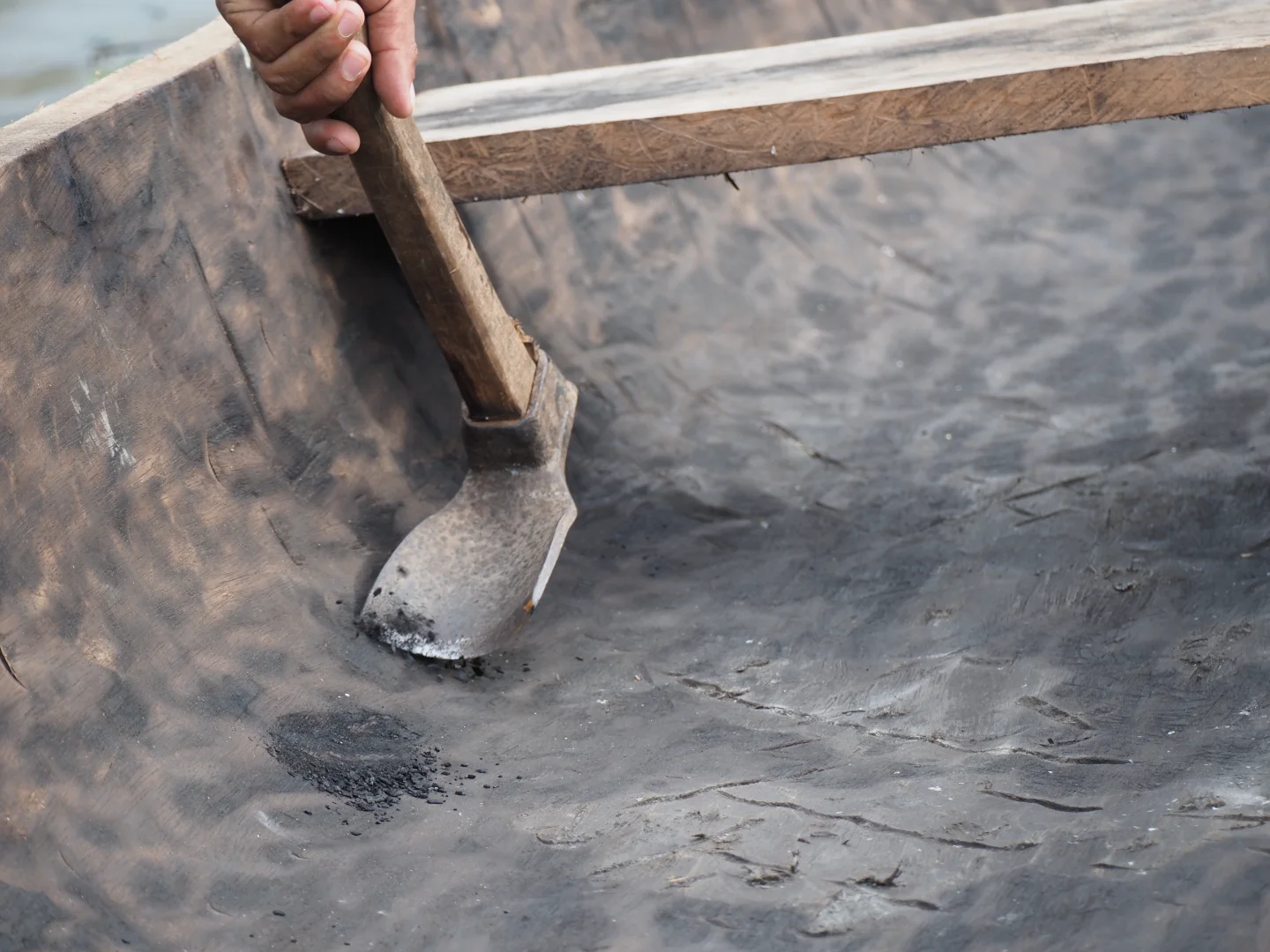
The trunk is hollowed, carved, and gradually shaped into a functional vessel. Tools and construction methods may vary according to the community, the available materials, and the characteristics of the territory.

WOODS USED IN TRADITIONAL AMAZONIAN CANOES

The type of wood used to build a canoe varies by region, availability, cost, environmental conditions, and community knowledge.

Research from different areas of the Amazon basin mentions woods such as aguacatillo, achapo, comino real, laurel, laurel baboso, itaúba, and, in other regional records, chuncho. These species provide examples of the variety of materials used in canoe construction across different territories.

They should be understood as regional references rather than a fixed list for every killa in Cuyabeno, Yasuní, or the wider Amazon.

The selection of wood is part of a broader body of knowledge that includes identifying suitable trees, understanding how the material responds to water, shaping the vessel, and maintaining it during regular use.

Construction methods vary according to the territory, the available materials, and the knowledge of each people. Research on Awajún-Shuar canoe building documents the use of woods such as moena, cedar, and tornillo, as well as paddles, poles, vines, axes, adzes, machetes, charcoal, and controlled fire during different stages of the process.

HOW THE KILLAS EXPERIENCE WORKS

Preparing for the Journey

Before entering the water, the canoeist or guide explains the basic conditions of the route, the correct way to enter and sit in the canoe, and the movements required to maintain balance.

The route is selected according to the depth and movement of the water, weather conditions, the number of passengers, and the characteristics of the vessel.

GUIDED NAVIGATION

Killas are especially suited to lagoons, canals, and rivers with slow currents. Routes with stronger currents require an experienced local canoeist and maneuvers adapted to the conditions of the water.

The canoeist is responsible for steering the vessel, maintaining its balance, and responding to changes in the route. When conditions permit, travelers may be invited to paddle under supervision.

CULTURAL AND ECOLOGICAL INTERPRETATION

A local guide or naturalist may accompany the activity and explain the relationships between waterways, wildlife, vegetation, community mobility, and daily life in the Amazon.

This interpretation helps travelers understand how navigation depends on observation, practical knowledge, and familiarity with the territory.

A QUIETER WAY TO EXPERIENCE THE WATERWAYS

Without an engine, the canoe moves with less mechanical noise. This allows travelers to hear more of the surrounding forest and pay closer attention to the movement of the water, birdsong, vegetation, and other sounds along the route.

Quieter navigation can support a slower and more attentive form of wildlife observation. Sightings depend on the season, weather, route, water conditions, and the natural behavior of each species.

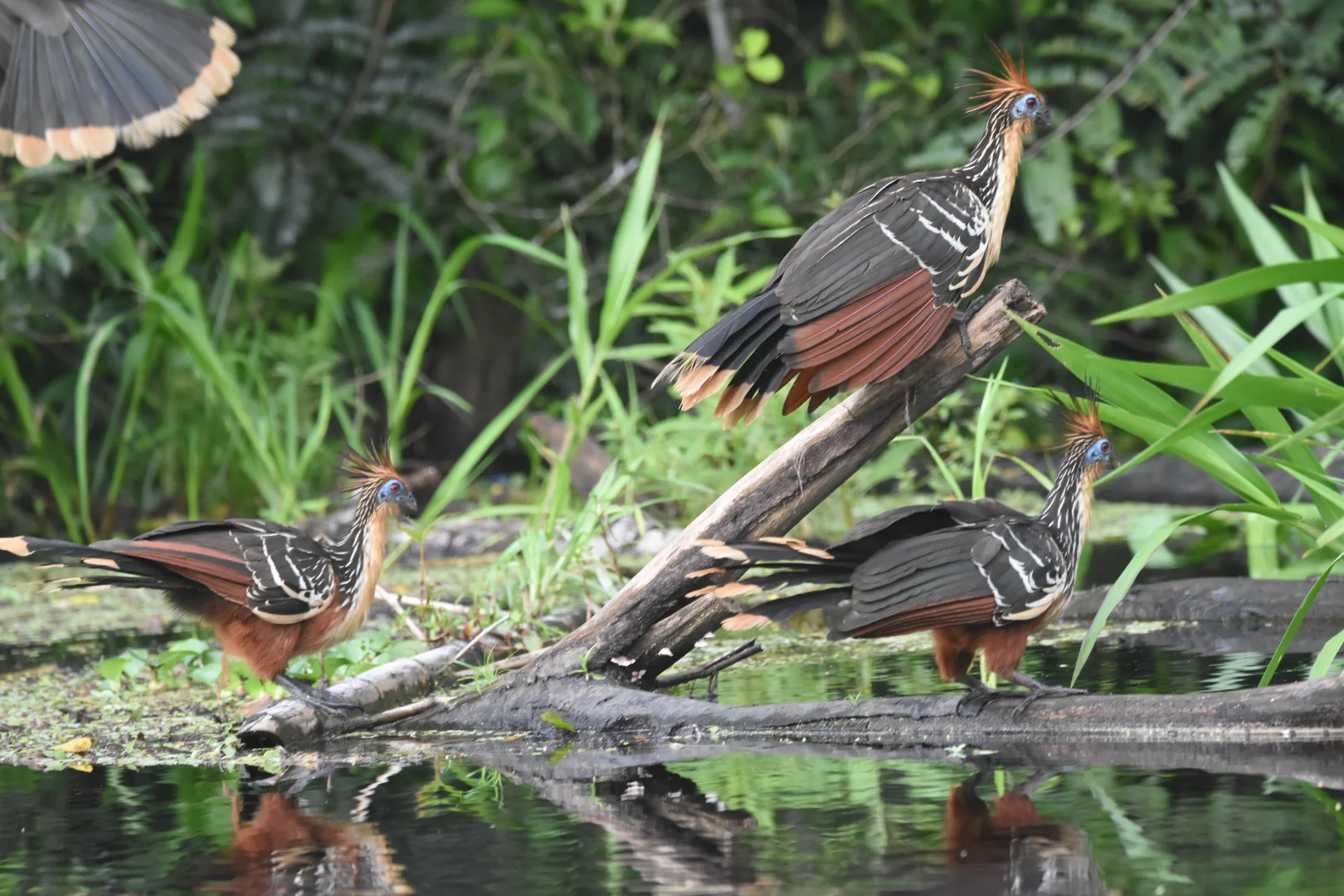
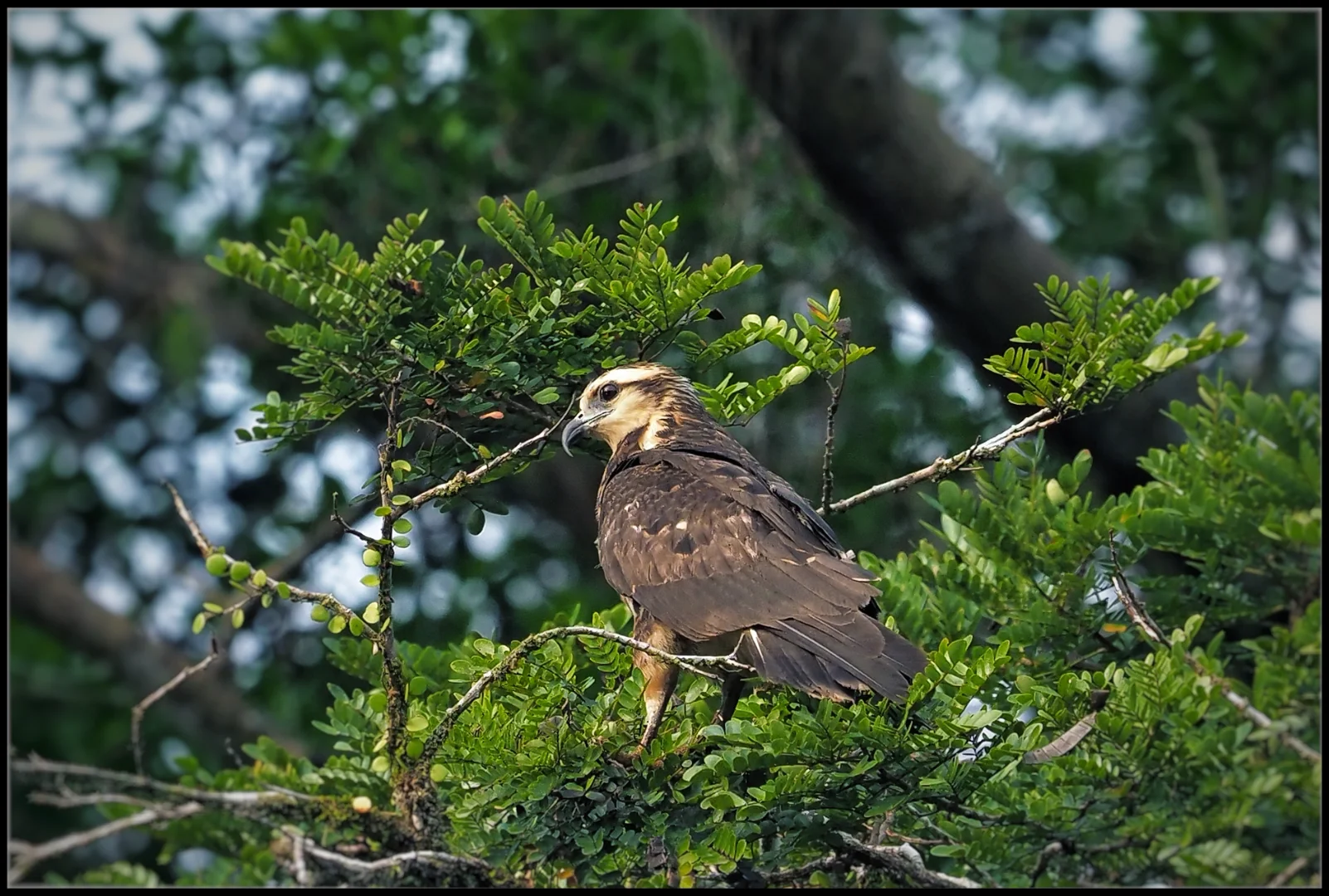
Birds, mammals, reptiles, and other animals may be present along the waterways, while the canoeist and guide help travelers identify signs, sounds, and movements within the landscape.

CANOES IN AMAZONIAN ORAL TRADITIONS

Canoes appear in oral traditions from different Amazonian peoples. These stories reflect distinct cultural contexts and ways of understanding navigation, craftsmanship, fishing, mobility, and encounters between territories.

The following accounts are included as cultural references connected with the broader meaning of canoes in Amazonian life.

CANOE BUILDING AS KNOWLEDGE

In an Awajún story about a man cursed by the Mámuk, knowledge of canoe construction is revealed and later developed through human work.

The story presents canoe building as a skill that must be received, learned, practiced, and transformed into a useful vessel.

Read the account in “Territory, Gender, and Canoe Building among the Awajún-Shuar and Kokama-Omagua.

NAVIGATION, FISHING, AND DAILY LIFE

In Kukama Kukamiria traditions, Ini Yara, whose name has been translated as “our owner,” is portrayed as a great fisherman who travels through rivers and lagoons in a canoe or raft.

His journey reflects the importance of fishing, waterways, and navigation in Kukama Kukamiria life. It also connects the vessel with the ability to move through the territory and understand the conditions of rivers and lagoons.

Read the complete story: “Héroe mítico Ini Yara”.

CANOES CONNECTING PEOPLES AND TERRITORIES

In an Asháninka oral story from the Ene River, the feathers of a hawk fall into the water and become canoes. Inside them travel people from different Amazonian peoples and language groups, moving downstream through the Ucayali and Amazon river systems.

The story connects the canoe with movement, cultural diversity, and encounters between territories.

Read the complete story: "La casa del gavilán".


Where Is the Killas Experience Available?

The “Killas Experience” is currently available in Cuyabeno.

It features rivers, lagoons, canals, and flooded areas where boating is an integral part of how people travel through and understand the region.

The exact route and nature of the activity depend on:

  • water levels;

  • currents;

  • weather conditions;

  • the type and capacity of the canoe;

  • the destination;

  • the itinerary;

  • and the guidance of the local canoe guide.

Responsible Travel South America tailors the experience to the conditions of each destination and the expertise of the tour guides.

Cuyabeno and Yasuní are protected Amazonian areas where waterways, wildlife, local communities, and tourism are closely connected. Travelers interested in understanding how visits to these territories can support conservation and reduce environmental impact can continue with our article on sustainable travel through Ecuador’s protected Amazon areas.

FREQUENTLY ASKED QUESTIONS

DO TRAVELERS NEED TO HAVE PRIOR PADDLING EXPERIENCE?

No. An experienced local paddler is responsible for steering the boat and assessing the conditions along the route. Travelers can participate in paddling under supervision when conditions permit.

IS THE “KILLAS EXPERIENCE” SUITABLE FOR ANY BODY OF WATER?

The activity is best suited for lagoons, canals, and slow-moving waterways. Routes with stronger currents require specific local knowledge and may not be suitable for all canoes or groups.

CAN WILDLIFE SIGHTINGS BE GUARANTEED?

No. Wildlife sightings depend on the season, weather, time of day, route, water conditions, and the natural behavior of each species. A more leisurely paddle can help travelers listen and observe animal encounters more closely.

WHERE IS THE KILLAS EXPERIENCE CURRENTLY AVAILABLE?

The Killas Experience is designed for suitable Amazonian waterways, particularly lagoons, canals, and slow-moving rivers where this type of canoe navigation can be carried out safely and responsibly.

At present, travelers can find the experience through selected tours in Cuyabeno. The concept may also be developed in other Amazonian destinations, including Yasuní, when local conditions, routes, community participation, and operational planning make it appropriate.

A JOURNEY SHAPED BY WATER AND LOCAL KNOWLEDGE

The Killas Experience begins with a vessel whose design responds to the forest and the water.

Its construction requires knowledge of wood, balance, current, weight, and movement. Its navigation depends on attention to the route and familiarity with the territory.

Through the killa, the journey becomes a way of approaching the relationship between communities, rivers, forests, and the knowledge developed around them.

Experience traditional canoe navigation with Responsible Travel South America.