
Responsible Travel

The Great lakes and Lagoons of South America: Landscapes Rich in History, Culture, and Nature

04.02.2026

BY Isaac

BlogSouth America

The lakes and lagoons of South America captivate with their beauty while also revealing the rich history, vibrant culture, and diverse geography that surround them. Across the region, these bodies of water have become natural and cultural symbols, as well as remarkable destinations for travelers seeking a deeper connection with each place.

Some of the most iconic lake landscapes include Lake Titicaca, which Peru and Bolivia share; Guatavita Lake in Colombia; Quilotoa Lake in Ecuador; and Lake Todos los Santos in Chile. Each possesses a unique identity: some captivate with their towering heights, others with their volcanic origins, while some shine through their ties to indigenous cultures or the landscapes that embrace them. Their diversity truly enhances their appeal on the natural and cultural landscape of South America.
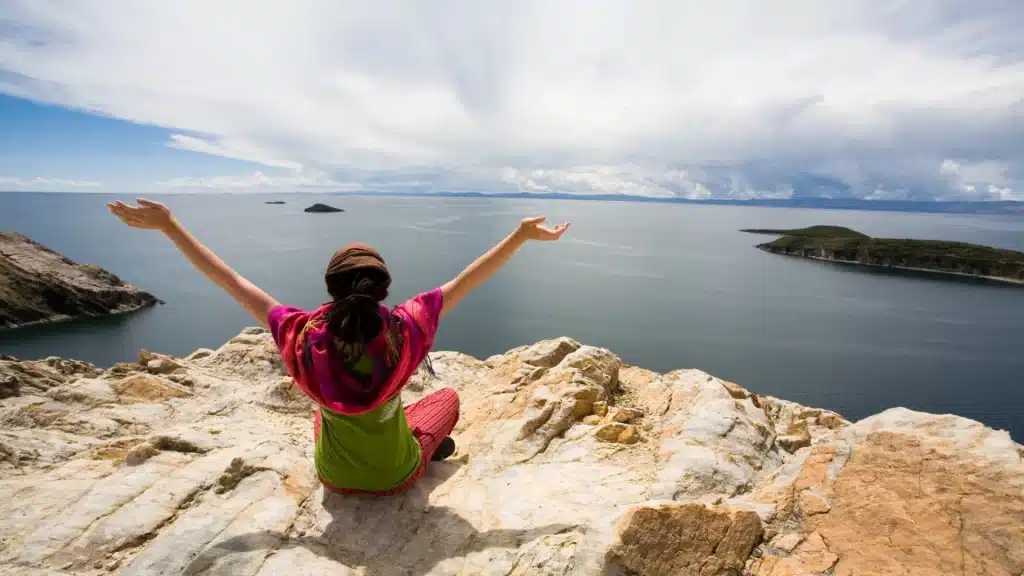
Lake Titicaca from the Peruvian shore-lakes and lagoons of South America
Lake Titicaca from the Peruvian shore—Its calm waters and open horizon give way to the ancestral world of the Uros.

THE CULTURAL IMMENSITY OF LAKE TITICACA

Lake Titicaca holds a distinctive position in the geography and memory of the Andes. Perched at 3,810 meters above sea level, this stunning location between Peru and Bolivia stands as one of South America’s most iconic landscapes. The vastness, altitude, and historical significance establish it as a natural landmark of the Andes. Moreover, it serves as a vibrant hub where culture thrives through the communities that inhabit its surroundings.

The Uros stand out with their unique floating totora reed islands, while Quechua and Aymara villages contribute significantly to the rich history that has shaped life around the lake. The relationship between water, territory, and culture elevates Titicaca beyond a simple scenic destination. This high-altitude lake represents a vibrant landscape where nature and Andean identity thrive together.

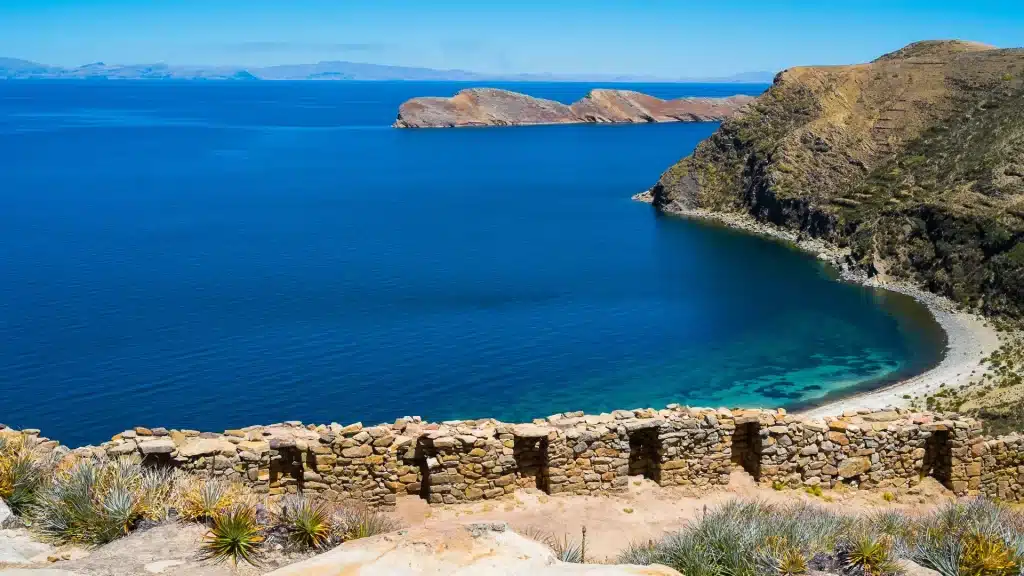
View of Lake Titicaca in Bolivia-lakes and lagoons of South America
View of Lake Titicaca in Bolivia—On this side of Lake Titicaca, the vastness of the landscape connects with the sacred history of Isla del Sol.

THE LEGEND AND MYSTERY OF GUATAVITA LAKE

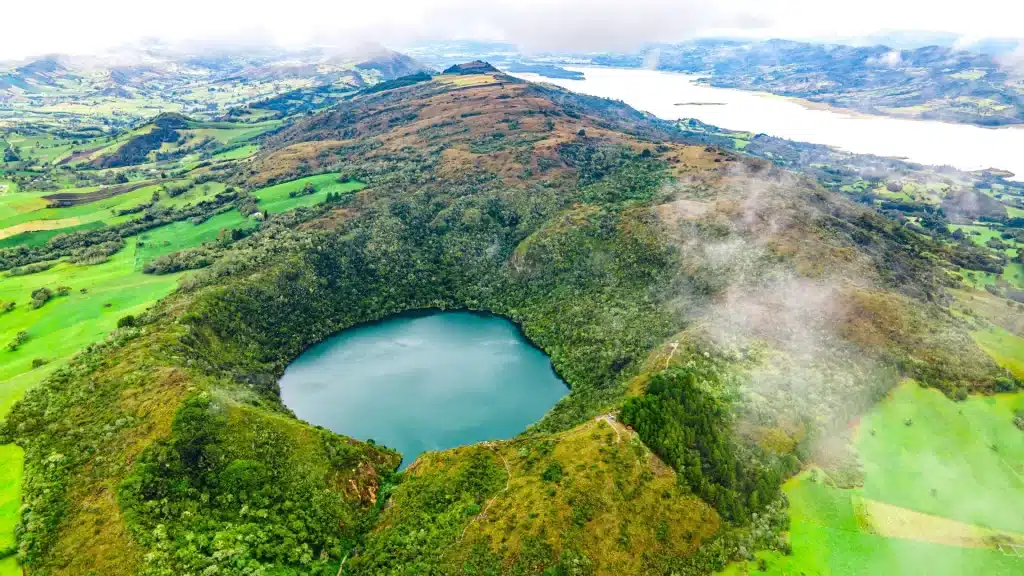
Guatavita Lake in Colombia presents a truly unique experience. This lake in Cundinamarca stands out as one of the country’s most evocative places, thanks to its deep connection to the legend of El Dorado. The circular shape and Andean surroundings create a distinctive presence, while the rich history that envelops it enhances its symbolic power.

Guatavita served as a sacred site for the Muisca people, who represented one of the most significant indigenous cultures in the Cundinamarca-Boyacá highlands. The value of this place shines not just in its landscape but also in what it embodies within Colombia’s pre-Hispanic memory. In contrast to other South American lakes known for their size or altitude, Guatavita enchants with its unique blend of nature, tradition, and historical narrative, ensuring it remains vibrant in the continent’s collective imagination.

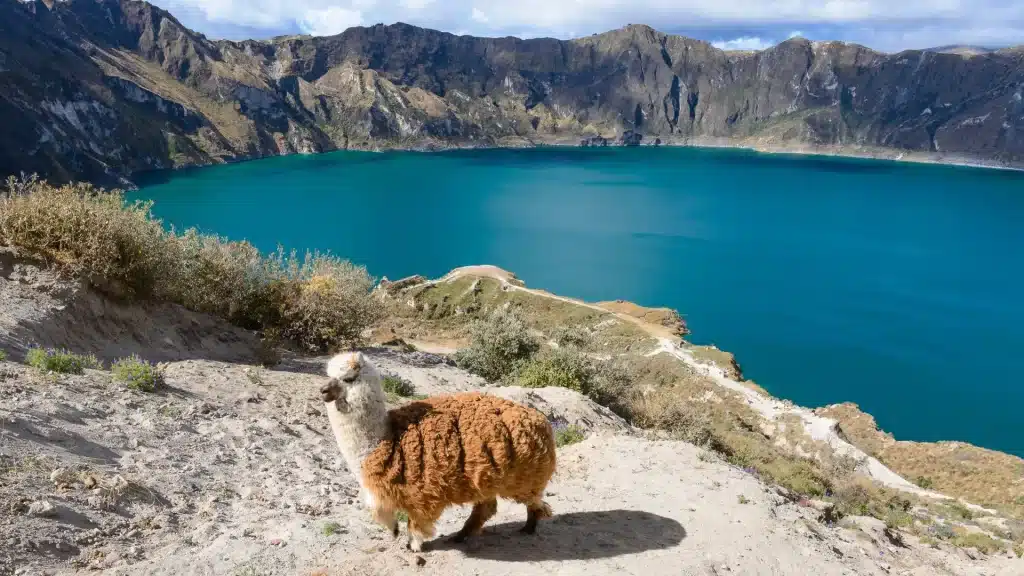
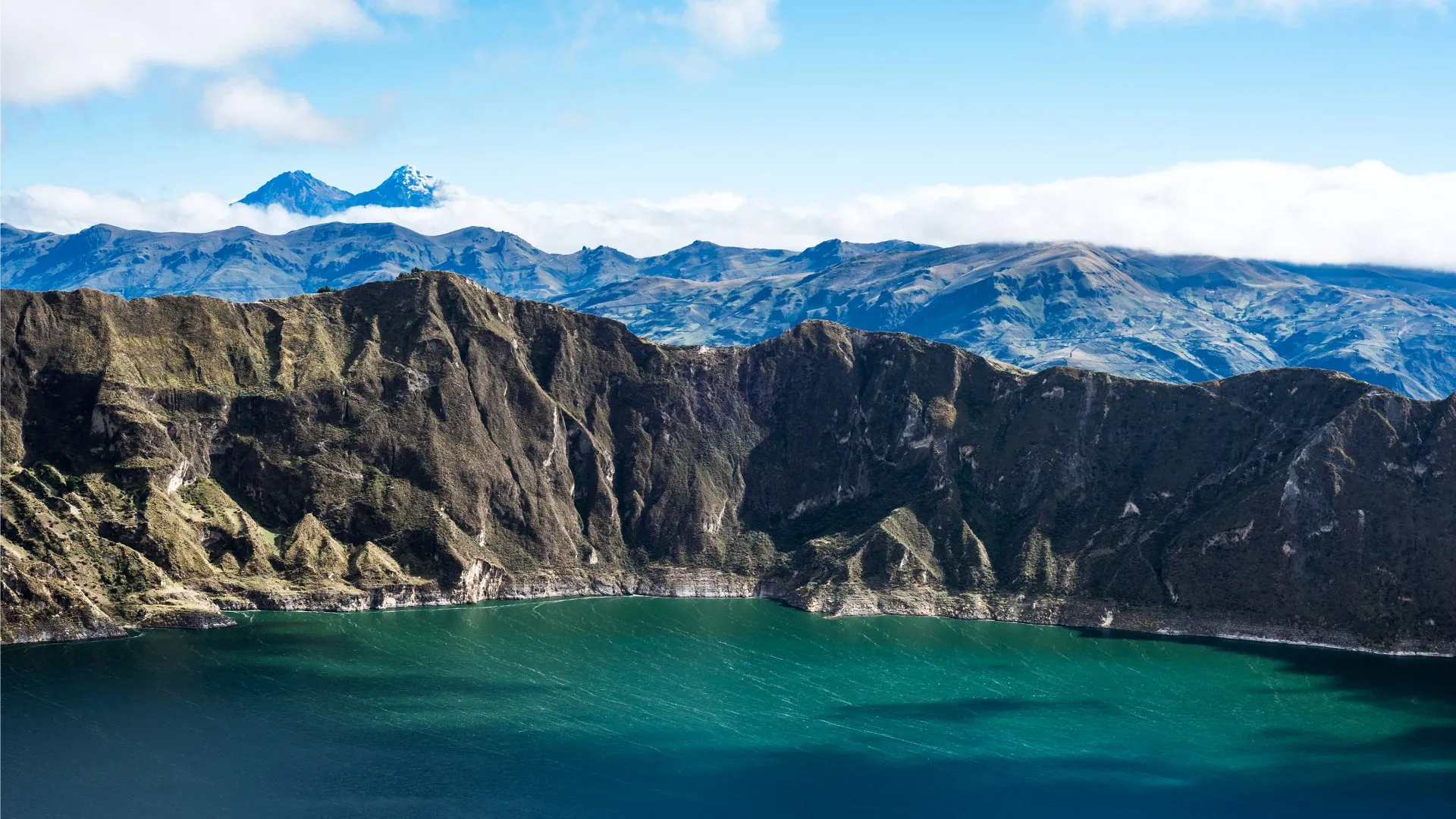
Quilotoa Lagoon, Ecuador-lakes and lagoons of South America
Quilotoa Lagoon, Ecuador—Its turquoise-watered crater serves as a reminder of the volcanic forces that shaped this Andean landscape.

THE VISUAL POWER OF LAKE QUILOTOA

In Ecuador, Lake Quilotoa makes a striking impression with the intensity of its color and the geological power of the landscape that surrounds it. Located in a volcanic crater in the Andes, this lagoon combines altitude, silence, and a visual presence that is hard to forget. Its turquoise appearance, which shifts with the light, creates an immediate and powerful impression.

Quilotoa stands out not only for its scenic beauty. It also represents one of the country’s most iconic mountain landscapes. It is located at 3,900 meters above sea level and forms part of the Los Ilinizas Ecological Reserve, which reinforces its natural value within Ecuador. In this way, Quilotoa invites visitors to combine contemplation, hiking, and wonder in a setting that clearly reveals the volcanic imprint of the Andes.

A Huacaya alpaca standing near the turquoise Quilotoa crater lake, a volcanic lagoon in the Ecuadorian Andes.
Quilotoa’s vibrant waters contrast beautifully with local alpacas — this Andean icon thrives above 3,000 meters in elevation.

THE SCENIC SERENITY OF LAKE TODOS LOS SANTOS

In southern Chile, Lake Todos los Santos offers a different take on the lake landscape. Here, the experience is not built on extreme altitude or an ancient legend, but on the visual harmony between the water, the forests, and the volcanoes. Its emerald-colored waters and the green surroundings give it a serene atmosphere that is very characteristic of Chile’s Lake District.

Furthermore, the lake is linked to Villa Peulla and the area of influence of the Vicente Pérez Rosales National Park, one of the most representative natural areas in the south of the country. This location gives it special value among Chile’s scenic routes. Rather than standing out for a single feature, Todos los Santos is distinguished by the balance of its landscape and the way it encapsulates the lush, expansive, and elegant beauty of southern Chile.

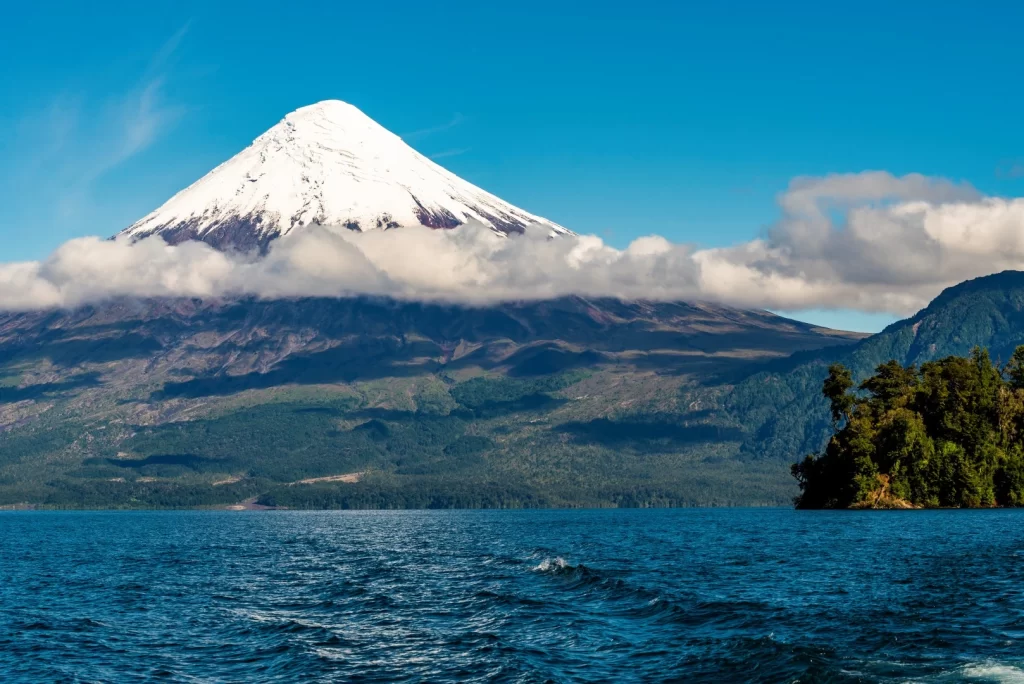
Lago de Vela Todos los Santos, desde Puerto Petrohue - Chile-lakes and lagoons of South America
Lake Todos los Santos from Puerto Petrohué, Chile—Rising from its waters is Mount Osorno, one of the most iconic landscapes in southern Chile.

FOUR LANDSCAPES, DIFFERENT WAYS OF UNDERSTANDING WATER

Although these destinations belong to different geographical and cultural contexts, they all show that water can hold very different meanings depending on the territory. Titicaca reflects the living continuity of the Andean world; Guatavita preserves the sacred memory of the Muisca people; Quilotoa reveals the volcanic strength of the Ecuadorian Andes; and Todos los Santos expresses the natural harmony of southern Chile. Together, the lakes and lagoons of South America enrich not only the landscape, but also the way we understand the relationship between nature, history, and identity, a way of traveling that also connects naturally with Responsible Travel.SA vision of the deeper value each destination holds.

Quilotoa, Ecuador – stunning turquoise volcanic lake.

Frequently Asked Questions About Lakes and Lagoons of South America

  1. What makes Lake Titicaca so special?

    Its altitude, its status as a binational lake spanning Peru and Bolivia, and its immense cultural significance make it one of the most important lake landscapes in South America. UNESCO places it at 3,810 meters above sea level and recognizes it as a lake of extraordinary natural and cultural importance.

  2. Why is Guatavita Lake so well-known?

    Because it is linked to the legend of El Dorado and was a sacred site for the Muisca people, giving it great historical and symbolic significance within Colombia.

  3. Is Quilotoa Lake a lake or a lagoon?

    It is known as a lagoon and is located within the crater of an Andean volcano in Ecuador. It is also part of the Los Ilinizas Ecological Reserve.

  4. What sets Lake Todos los Santos in Chile apart?

    Its emerald color, the surrounding volcanoes and forests, and its location in one of the most scenic regions of southern Chile.

  5. What do these four destinations have in common?

    They all combine landscape and significance. They stand out not only for their beauty but also for the history, culture, or geology that surrounds them.