

Discover Amazon rainforest animals at risk: jaguars, pink dolphins, harpy eagles, giant otters, spider monkeys and river turtles. Learn about their threats.
A river dolphin breaks the surface of a muddy river. High above, a spider monkey moves through the canopy. These moments reveal how closely the lives of Amazon animals are tied to forests, waterways and the communities that share them. In Ecuador, protecting those connections is essential to their future.
What Does It Mean for an Animal to Be Endangered?
The IUCN Red List distinguishes Vulnerable (VU), Endangered (EN) and Critically Endangered (CR) species: these are the three threatened categories, in order of increasing extinction risk. Near Threatened (NT) is a separate category. A global assessment can differ from a national or regional one because populations face different pressures.
This guide focuses on six animals found in the Ecuadorian Amazon. It includes species at risk, not only those formally classified as Endangered. Assessment dates matter: an older classification may not describe present conditions. Ecuador’s official red lists provide additional regional context.
Why Amazon Rainforest Animals Are at Risk
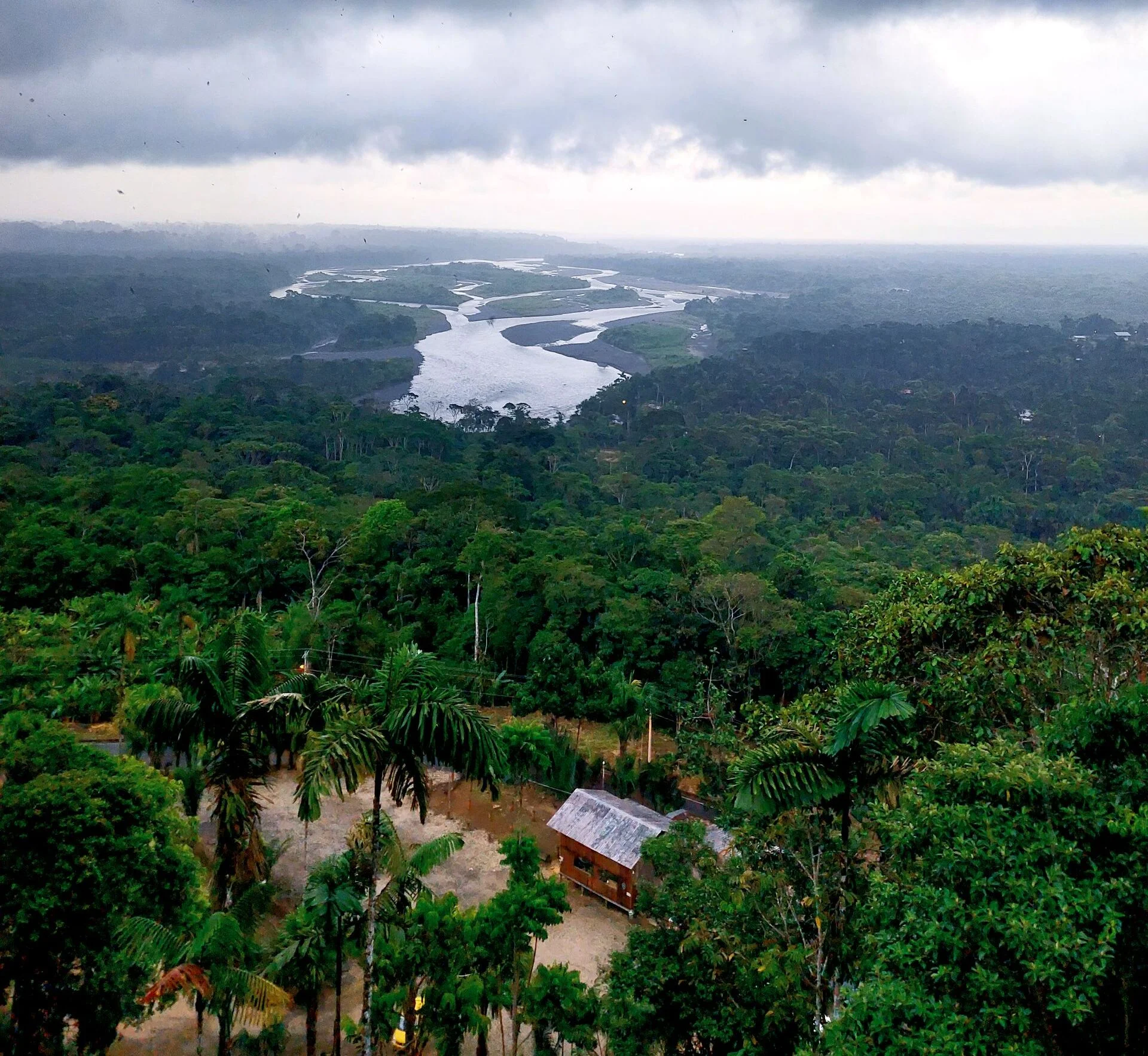
Forest conversion and fragmentation reduce shelter, feeding areas and connections between populations. Hunting and wildlife trafficking can remove animals faster than populations recover. Mining and oil pollution can harm freshwater habitats, while changing rainfall and extreme droughts or floods can alter food availability and nesting conditions.
These pressures do not affect every species equally. A turtle needs suitable nesting beaches, a harpy eagle needs large trees, and a river dolphin depends on connected waterways.
Endangered and At-Risk Animals in the Ecuadorian Amazon
Jaguar
Panthera onca

Near Threatened (NT)
Endangered (EN) — Amazon population, 2021
Forests and river margins
Habitat loss, prey depletion and persecution
As a large predator, the jaguar influences prey populations and depends on extensive connected habitat. Forest clearing can isolate individuals and increase conflict with people and livestock. Protecting forest corridors and reducing conflict are important conservation measures.
Pink River Dolphin
Inia geoffrensis
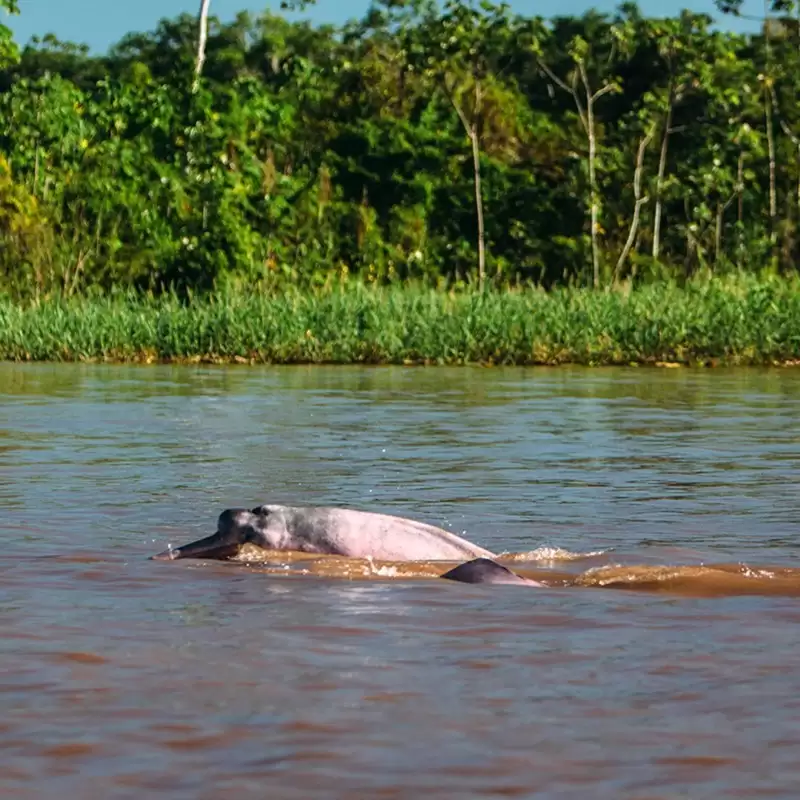
Endangered (EN)
Critically Endangered (CR) — Ecuador
Rivers, lakes and flooded forests
Fishing interactions, pollution and river fragmentation
River dolphins use complex freshwater habitats to find fish and move between seasonal feeding areas. Entanglement in fishing gear, contamination and barriers to movement can threaten populations. Give dolphins space and never feed or pursue them.
Giant Amazon River Turtle (Charapa)
Podocnemis expansa
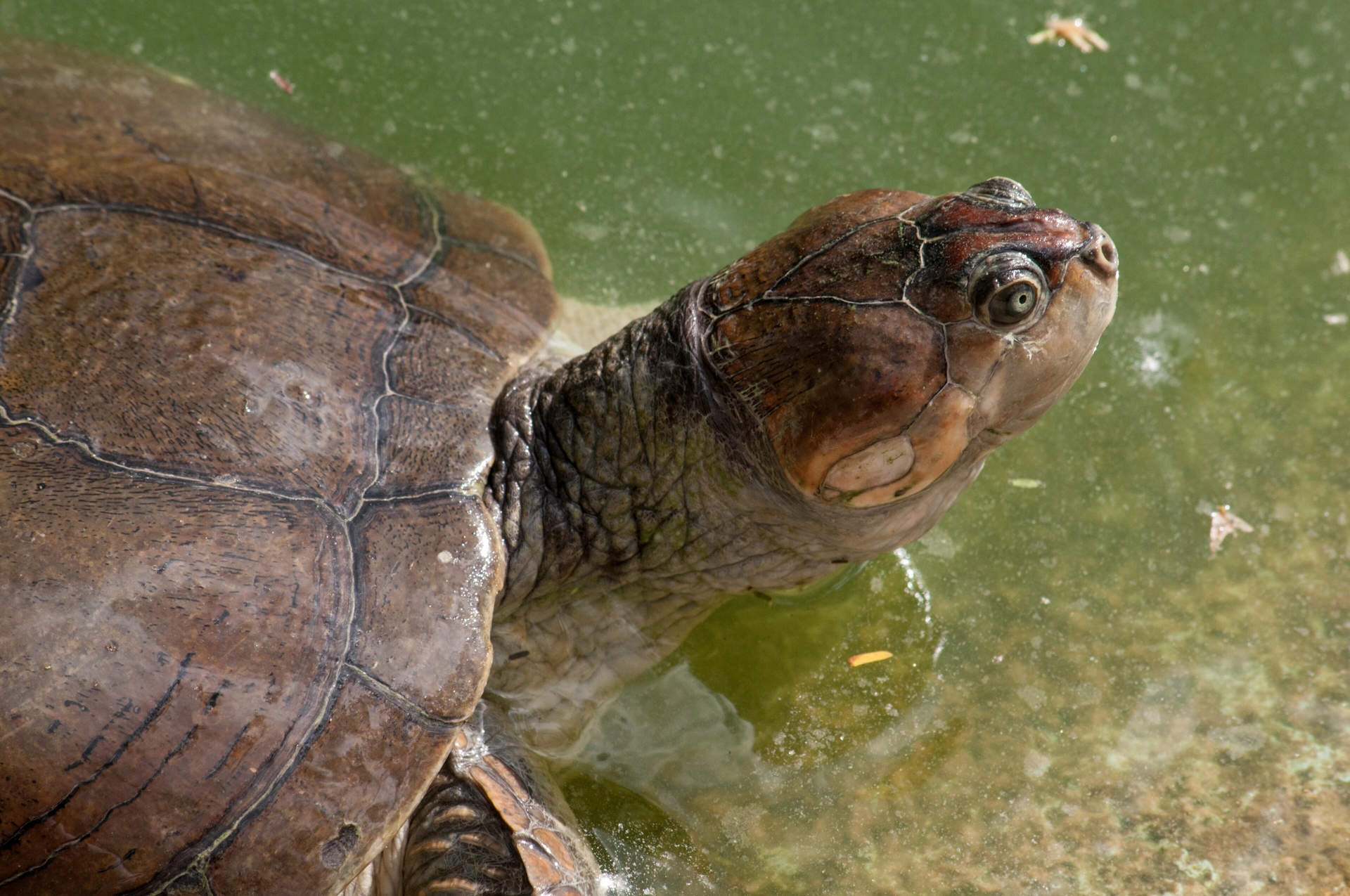
Lower Risk/conservation dependent (LR/cd) — 1996 legacy assessment
Critically Endangered (CR) — Ecuador, reported 2023
Large rivers and sandy nesting beaches
Egg and adult harvesting; nesting habitat disturbance
This large freshwater turtle depends on river systems and suitable beaches for reproduction. Protecting nesting sites and adults helps maintain future generations. Its old global assessment uses a discontinued category and should not be interpreted as evidence of low current risk.
Harpy Eagle
Harpia harpyja
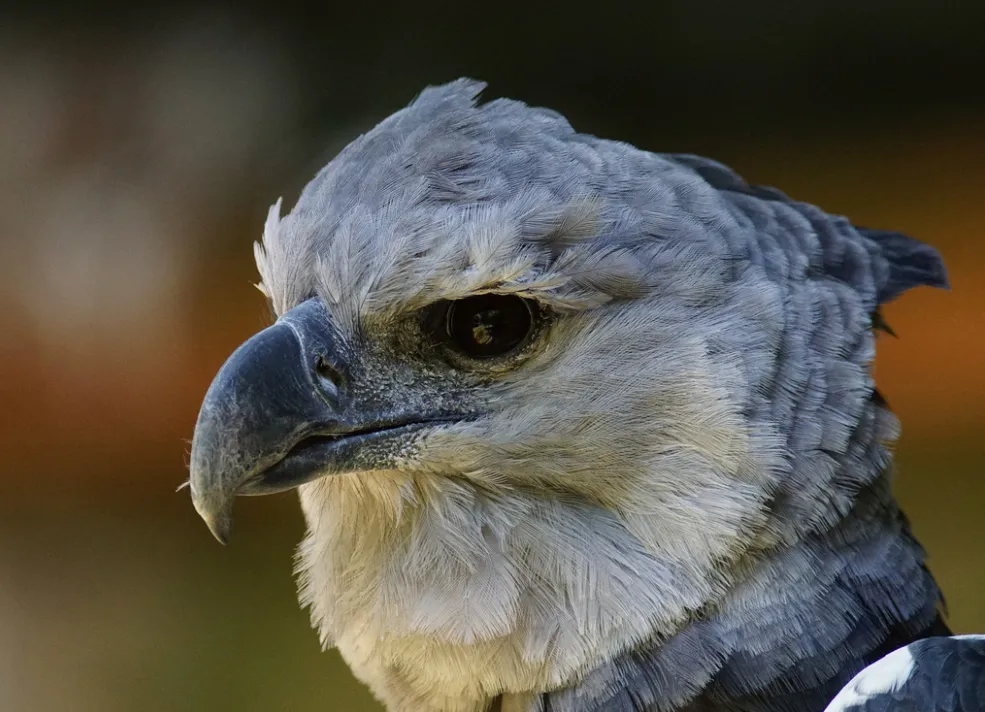
Vulnerable (VU) — 2021
Vulnerable (VU) — Ecuador
Mature tropical forest canopy
Forest loss and persecution
Harpy eagles hunt arboreal animals and depend on extensive forest with tall nesting trees. Losing mature forest can reduce both nesting opportunities and prey availability. Observe birds from a distance, especially around nests.
White-Bellied Spider Monkey
Ateles belzebuth
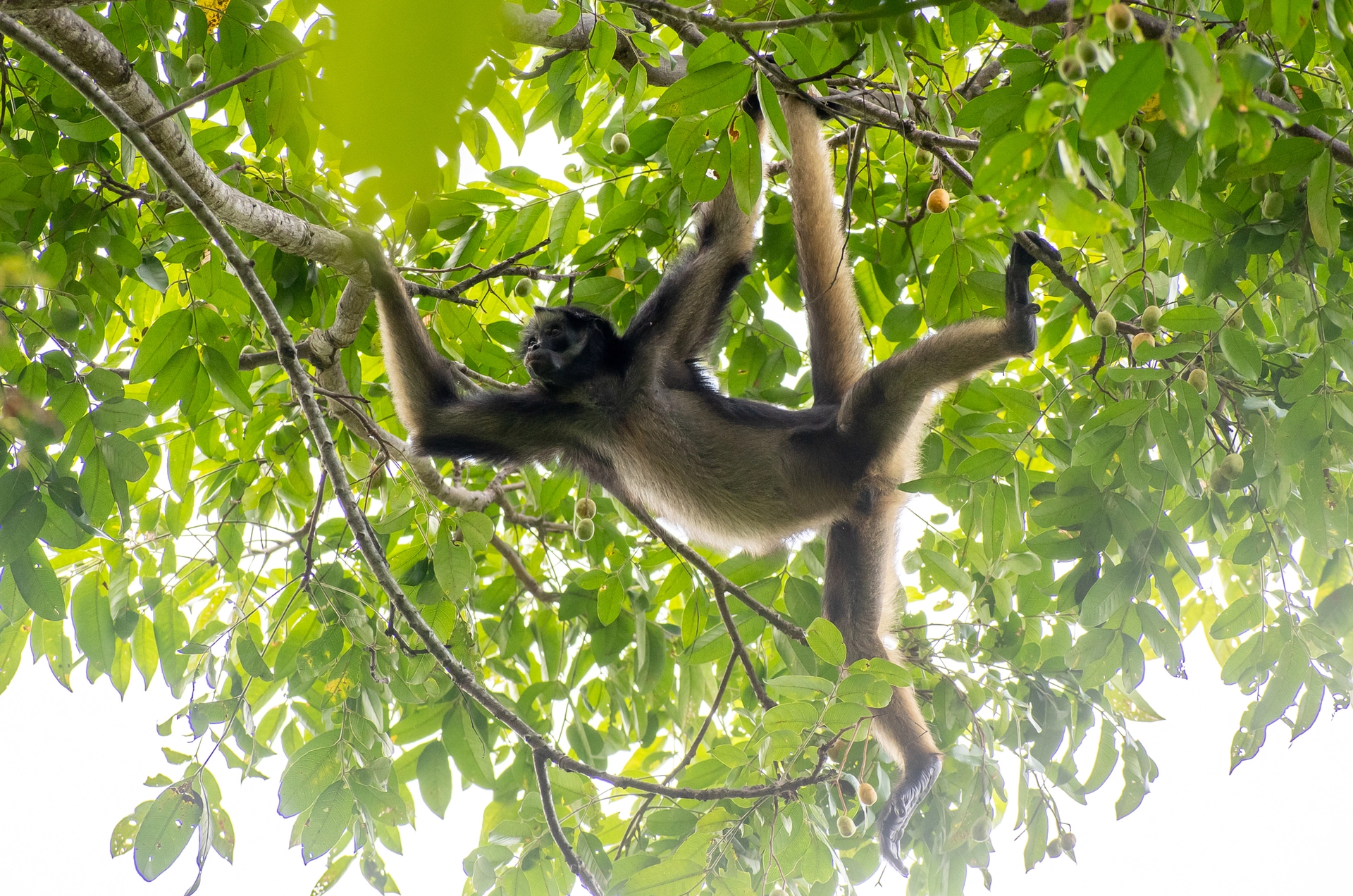
Endangered (EN)
Critically Endangered (CR) — Ecuador, 2021
Tropical forest canopy
Hunting and forest fragmentation
Spider monkeys disperse seeds as they travel and feed on fruit, helping forests regenerate. Their dependence on connected canopy and slow reproduction makes population recovery difficult when habitat is lost or hunting increases. This Amazonian species is distinct from the brown-headed spider monkey of western Ecuador.
Giant Otter
Pteronura brasiliensis
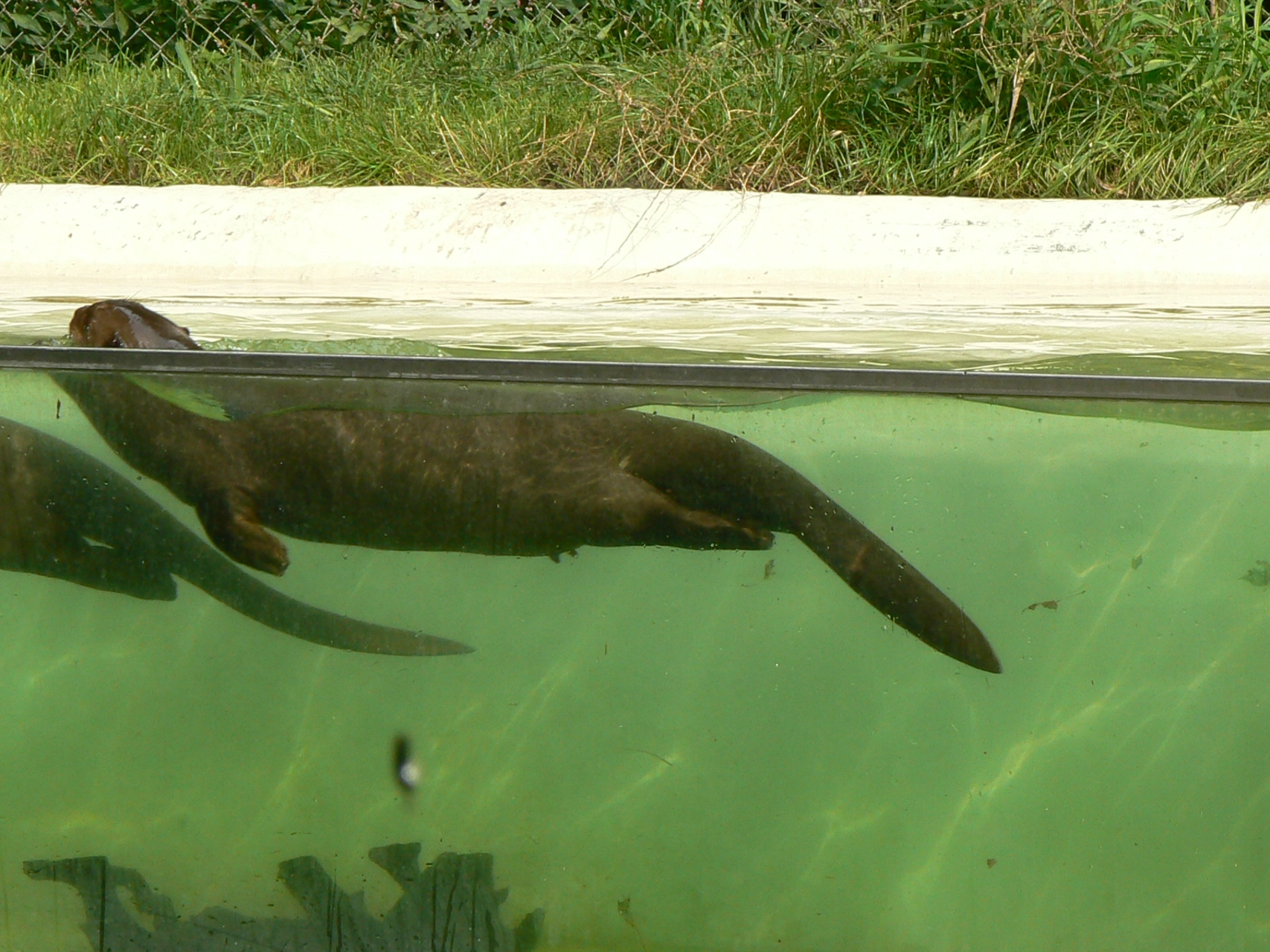
Endangered (EN) — assessment published 2023
Not specified here; consult the national red list
Rivers, lakes and forested banks
Habitat degradation, disturbance and pollution
Giant otters live in social groups and rely on productive freshwater habitats and undisturbed banks for resting and breeding. Maintaining water quality and minimizing disturbance near dens are important. Encounters should be quiet and at a distance.
Amazon Wildlife Conservation Status at a Glance
The table separates global and Ecuadorian classifications. These are the assessments referenced in this guide, not a claim that each was newly evaluated this year.
| Species | Global status | Ecuador status |
|---|---|---|
| Jaguar | Near Threatened (NT) | Endangered (EN) — Amazon population, 2021 |
| Pink River Dolphin | Endangered (EN) | Critically Endangered (CR) — Ecuador |
| Giant Amazon River Turtle (Charapa) | Lower Risk/conservation dependent (LR/cd) — 1996 legacy assessment | Critically Endangered (CR) — Ecuador, reported 2023 |
| Harpy Eagle | Vulnerable (VU) — 2021 | Vulnerable (VU) — Ecuador |
| White-Bellied Spider Monkey | Endangered (EN) | Critically Endangered (CR) — Ecuador, 2021 |
| Giant Otter | Endangered (EN) — assessment published 2023 | Not specified here; consult the national red list |
How Local Communities Help Protect Amazon Wildlife
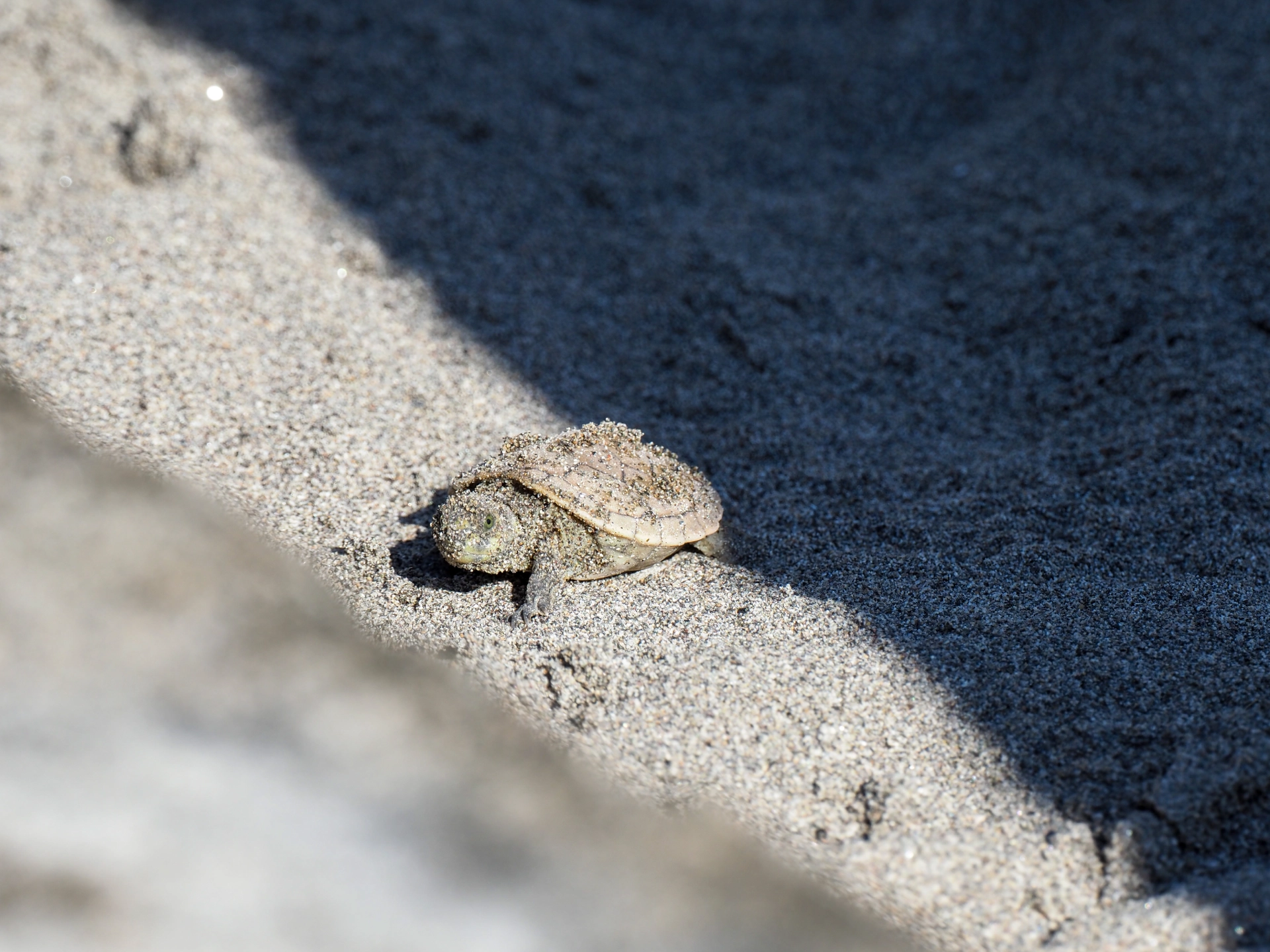
Conservation depends on people who live alongside wildlife, as well as protected habitats and research. Community-led monitoring and protection of nesting beaches can help identify changes over time and guide management decisions.
Read more about projects in the Ecuadorian Amazon for additional context.
How to Observe Amazon Wildlife Responsibly
Wildlife encounters are never guaranteed. Choose locally guided experiences that respect protected-area rules and the decisions of host communities. Observe animals without feeding, touching, chasing or disturbing nests and dens; keep noise low and avoid buying wildlife products.
For travel planning, consult our complete guide to the Ecuadorian Amazon.
Our Cuyabeno Secrets 4-day journey and Sani Lodge 4-day experience offer ways to explore Amazon habitats with local guidance. The Killas Experience is another option for learning about local landscapes and culture. Confirm activities and wildlife observation practices when booking. A visit does not guarantee sightings or a direct conservation contribution.
What the Future of Amazon Wildlife Depends On
Keeping forests connected, protecting rivers and supporting community-led conservation are complementary priorities. Travelers can contribute by choosing responsible operators, respecting wildlife and supporting transparent conservation initiatives. The long-term work extends far beyond any single visit.
Endangered Amazon Animals at a Glance
Frequently Asked Questions
Are jaguars endangered in the Amazon rainforest?
The global category is Near Threatened, while Ecuador’s 2021 assessment classifies its Amazon population as Endangered.
Are pink river dolphins endangered?
Yes. They are classified as Endangered globally and Critically Endangered in Ecuador.
Why do conservation categories differ between Ecuador and the world?
National assessments consider local populations, threats and geographic conditions, which can differ from the situation across a species’ entire range.
Can I see these animals on an Amazon tour?
Some may be observed on guided visits, but sightings depend on habitat, season, behavior and chance. Rare species should never be pursued.
How can travelers help protect Amazon wildlife?
Follow local guidance, avoid feeding or handling animals, respect protected areas and support credible conservation initiatives.