









Translated by Fabricio Ramos · Date: November 3, 2026 · Approx. 6 min read
Adapting to climate change is no longer a matter of policies for tomorrow; it is the fundamental priority for every nation today. This sets the stage for the United Nations Climate Change Conference (COP 31), the largest summit for international cooperation in addressing the effects of the climate crisis caused by human activity.
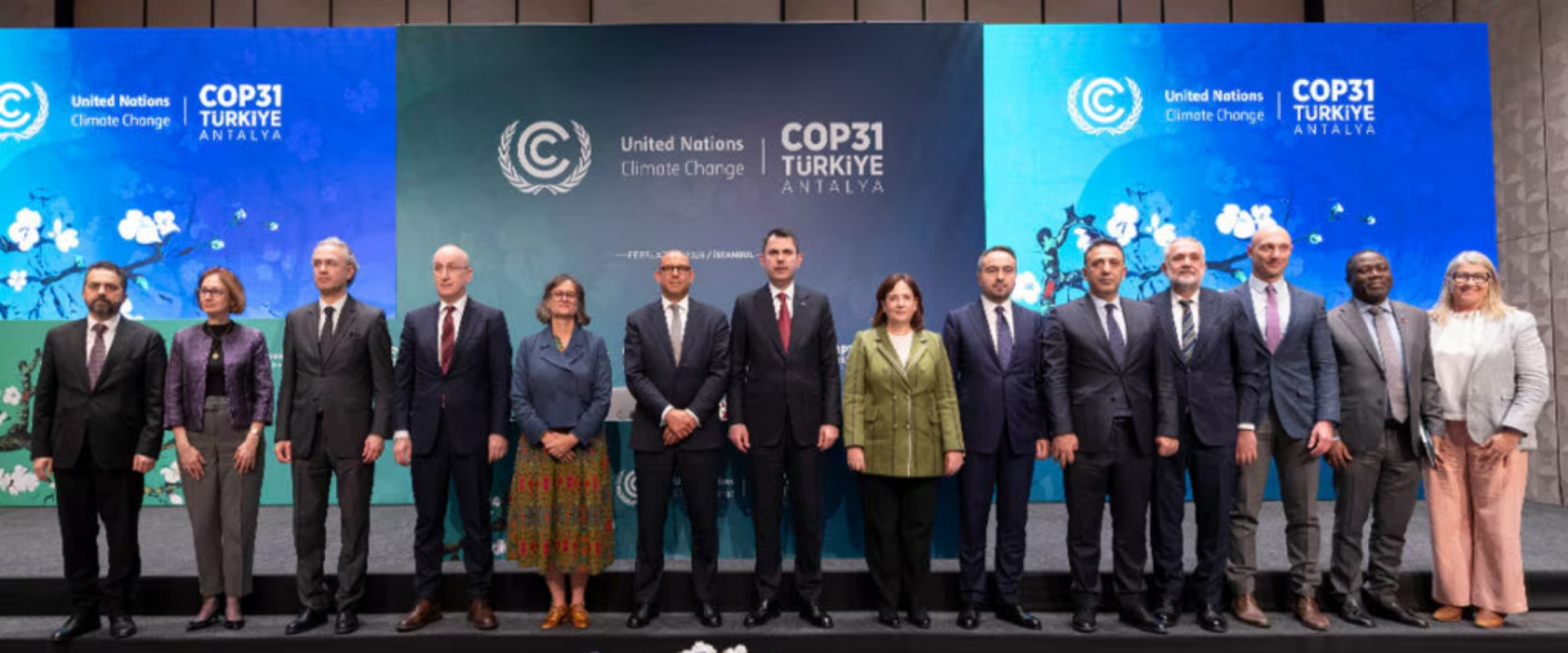
Held in the modern city of Antalya, Turkey, from November 9 to 20. It will serve as the official venue for meetings, negotiations, and decision-making among representatives of governments, businesses, civil society organizations, and various sectors to evaluate global cooperation from previous years, in order to help determine the current direction and efforts.
The Conference of the Parties (COP) has been held annually since 1995, serving as a crucial forum for international strategy and agreements. It addresses issues such as the reduction of greenhouse gas emissions, climate finance for developing countries, and the establishment of just transitions for various nations. This space has enabled the formation of significant global alliances, such as the 2015 Paris Agreement, which involves 196 nations in limiting global warming to below 2°C.
However, many organizations criticize the effectiveness of the strategies and agreements produced at the summit, describing them as idealistic rather than concrete actions. For this reason, this year’s edition is particularly sensitive, as it is under global scrutiny, aiming to highlight real changes and genuine commitments from world leaders. How can credibility be restored to climate summits when the reality of global warming has already struck the entire planet?
ADDRESSING A CHALLENGING REALITY
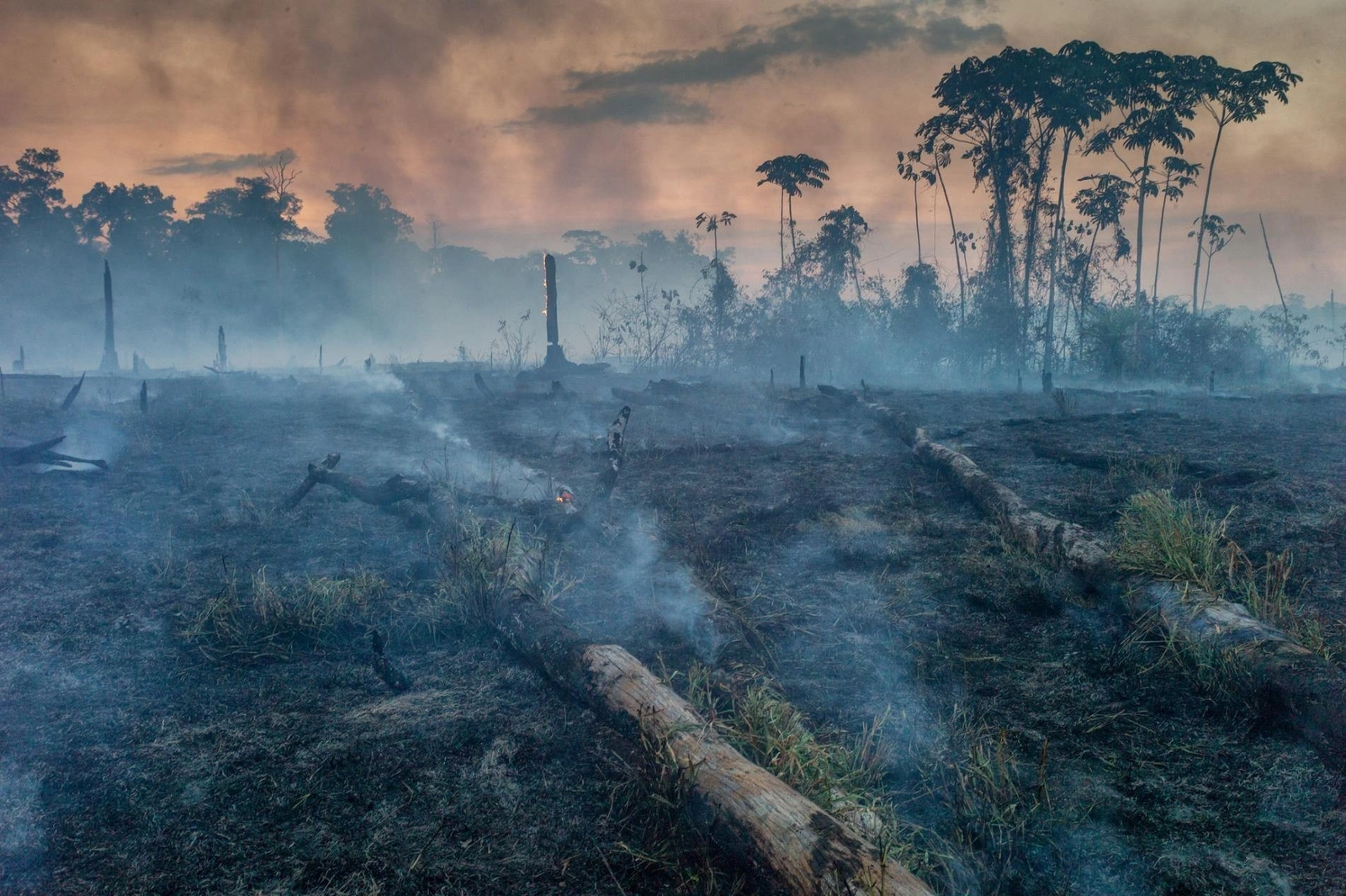
Drawing on contributions from Brazil, the previous host of COP 30, three priorities are established to be addressed at this edition in Türkiye. First, operationalize the new just transition mechanism established in Belém. Second, improve the measurement of progress in adaptation and mitigation. Third, scale up climate investments in developing countries affected by indebtedness.
Khalilur Rahman, President of the United Nations General Assembly, emphasizes the fundamental role of world leaders, who will meet on November 11 and 12, as role models and guides in protecting their citizens, and stresses the need to avoid merely repeating the same promises. Current climate policies are steering the planet toward 2.8°C of warming, well above the projections set out in the Paris Agreement, by prioritizing extractive activities geared toward mass-consumption markets.
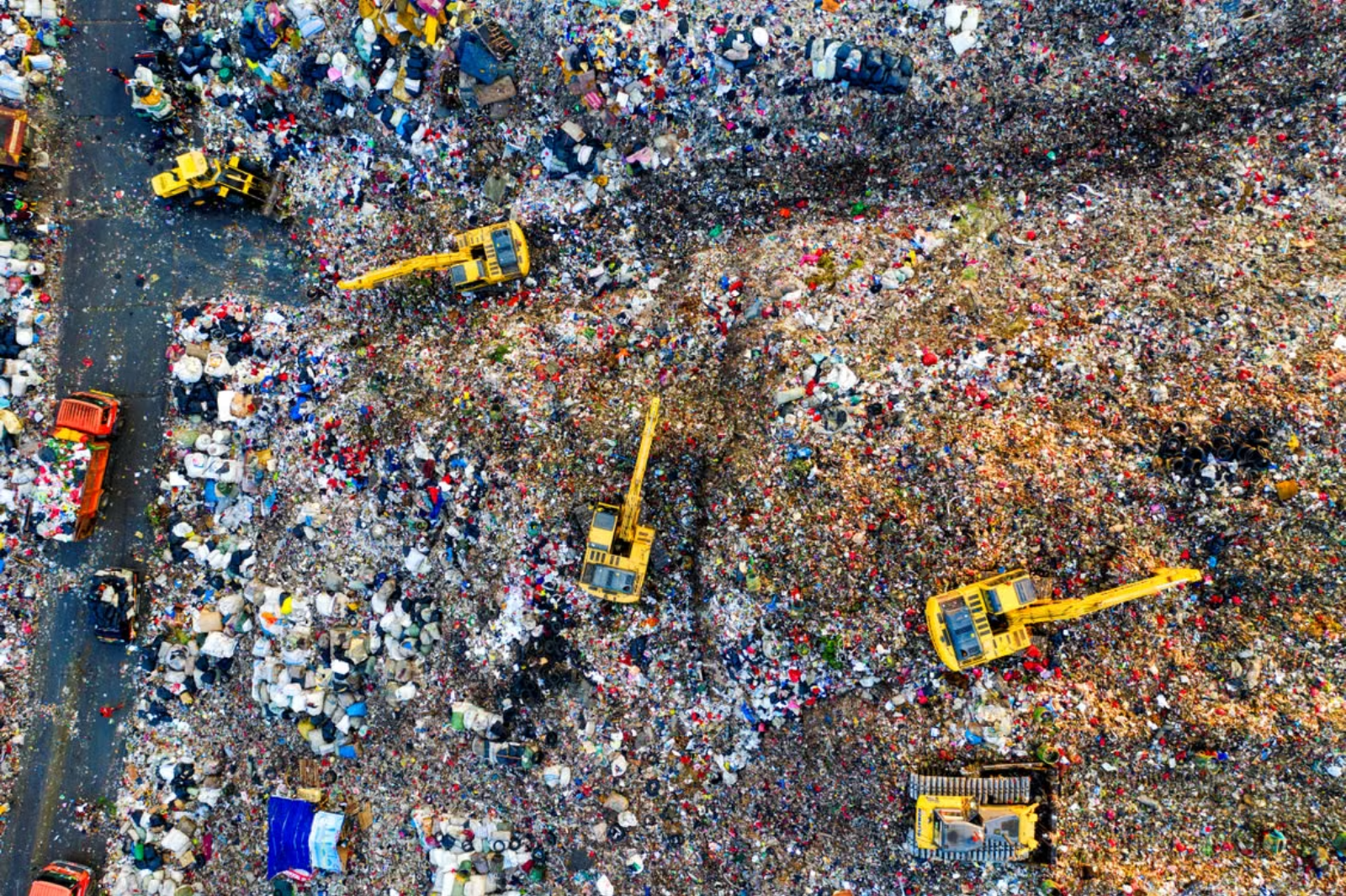
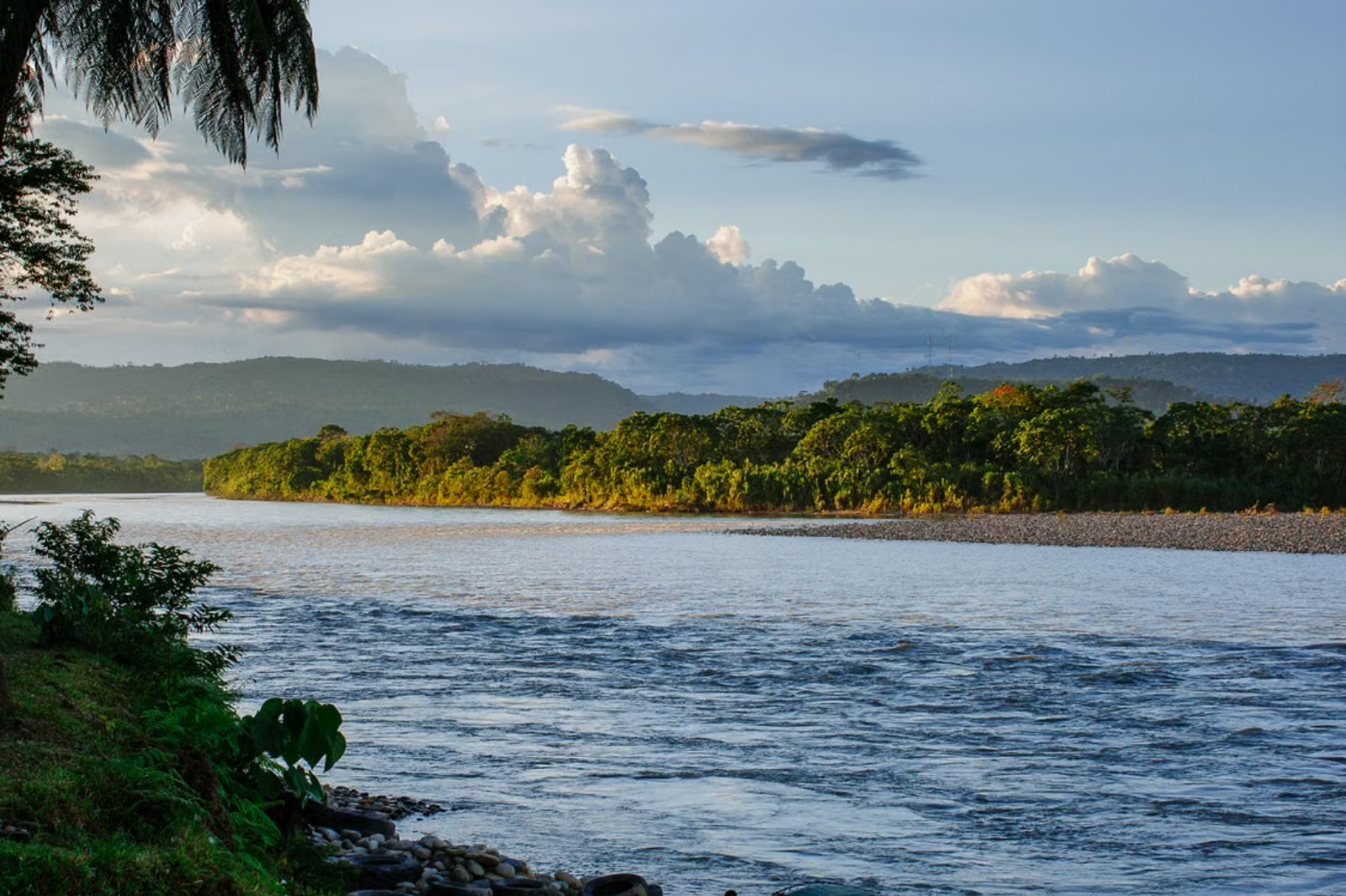
The passivity of various governments over the years has caused the effects of climate change to intensify and become more violent. The year 2026 brings with it rising global temperatures, increasingly extreme weather events, sea-level rise, freshwater scarcity, and an unprecedented loss of biodiversity and ecosystems. The planet is moving ever closer to critical thresholds, points of no return for the well-being of humanity.
One of the most significant examples this year was the climate-related catastrophe on the Nepal-China border, which occurred on August 26, when a massive rock and ice avalanche from the Himalayas, fell 1,400 meters, devastating valleys, cities, and communities in the area. The disaster is estimated to have resulted in the deaths of 1,300 people, with more than 5,000 others reported missing, according to the World Weather Attribution portal.
Scientific evidence determined that long-term warming and a shift from snowfall to rainfall destabilized the structure of the giant ice block, causing it to break away. Another critical example of long-term warming is the El Niño phenomenon; this year, according to the U.S. National Oceanic and Atmospheric Administration (NOAA) and the World Meteorological Organization (WMO), ocean temperatures are higher than the 30-year average, leading it to be classified as a “Super Niño.”
In Ecuador, the National Committee for the Regional Study of the El Niño Phenomenon (CN-ERFEN) issued alerts to prepare for its high intensity, anticipating sudden rains, flooding, and rising river levels, conditions that leave a large portion of the population vulnerable. This phenomenon is caused by the warming of the ocean surface in the equatorial Pacific. Faced with this harsh reality, one must ask: if nothing changes, what lies in store for us in the coming years?
COMMITMENT TO CHANGE
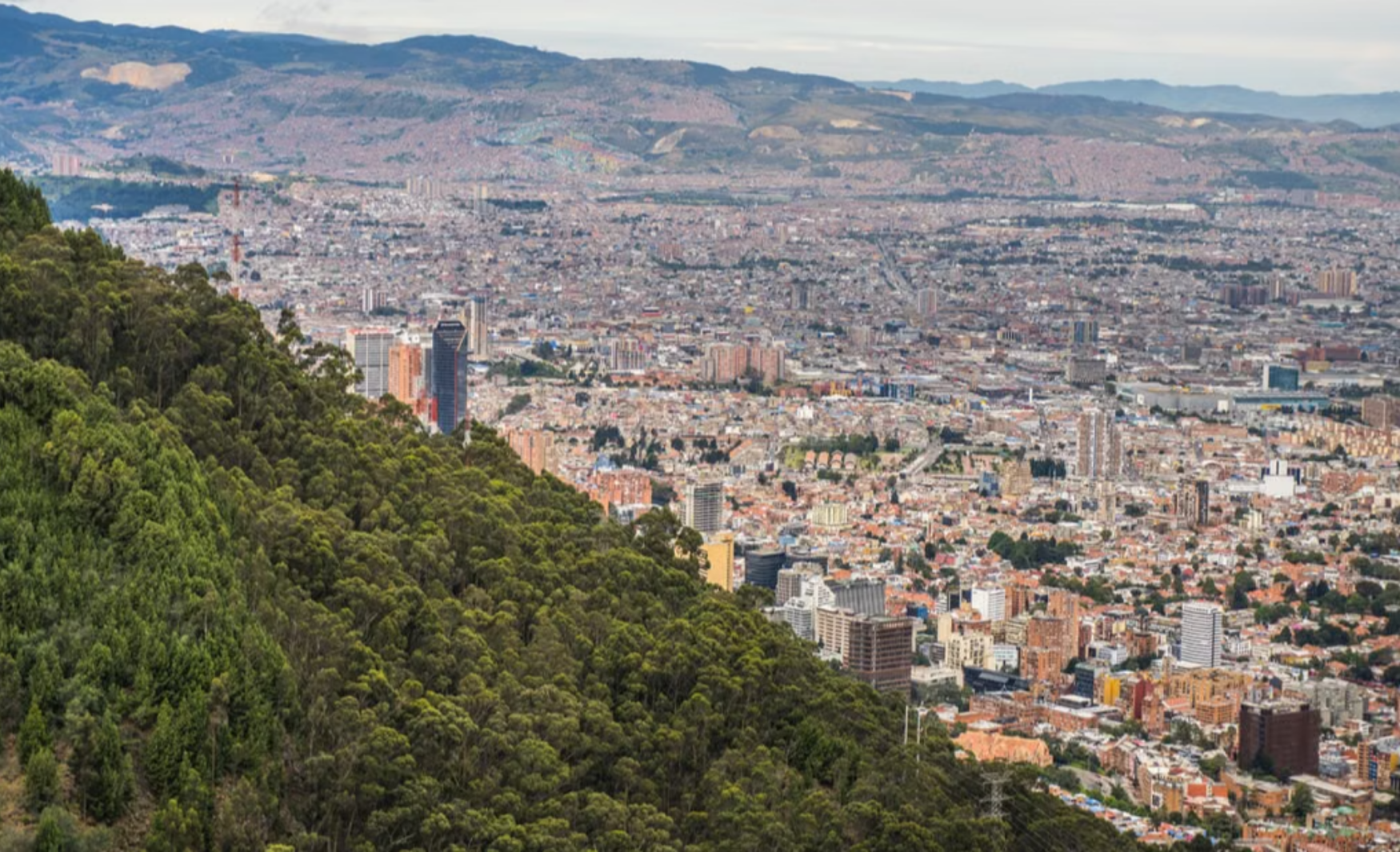
It is essential that every sector addresses the climate crisis based on its own capabilities, rather than relying solely on government decisions and implementation. The tourism sector accounts for approximately 10.3% of the global economy, according to the World Travel & Tourism Council, positioning this activity as a key pillar for climate adaptability and sustainable processes.
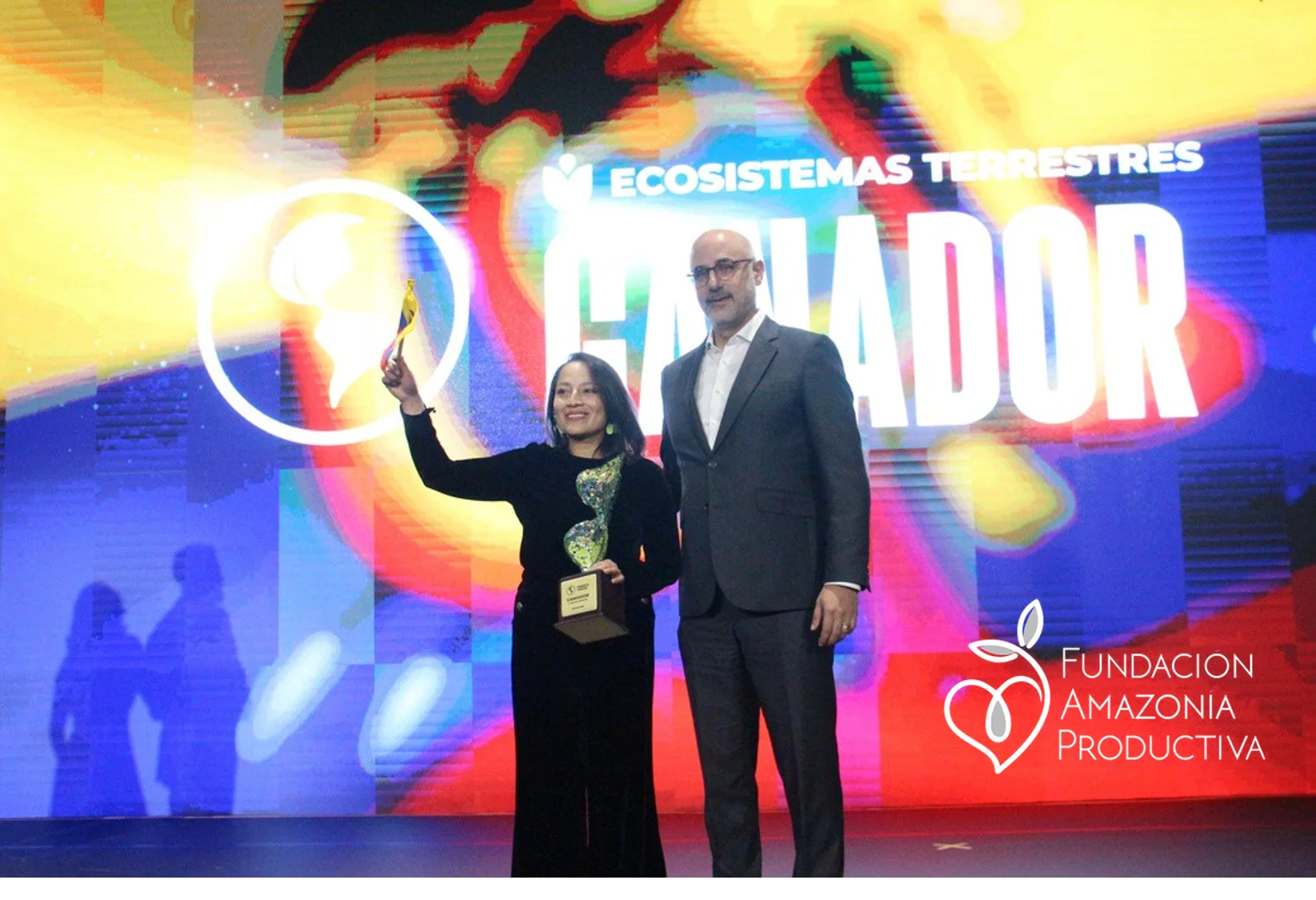
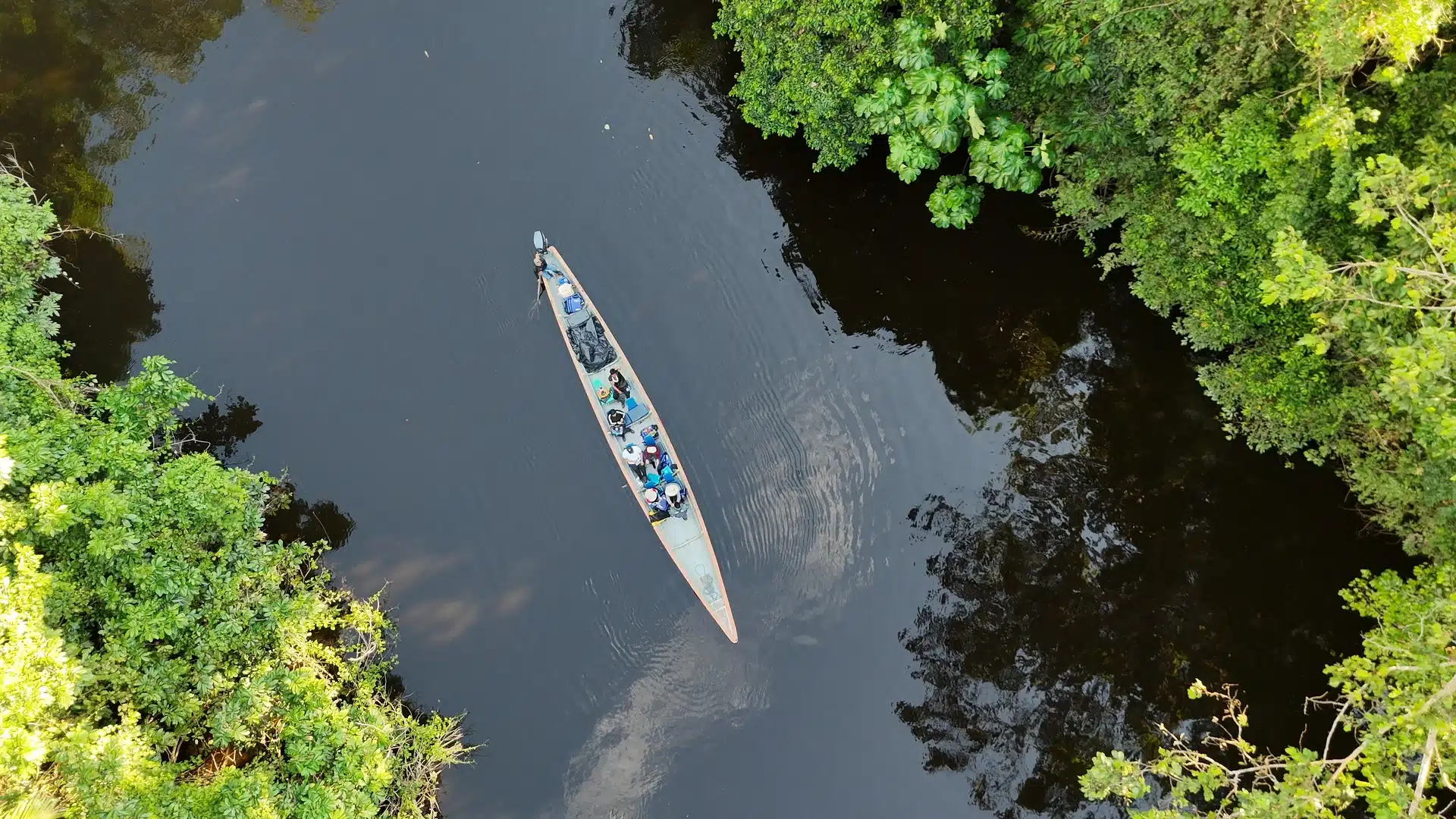
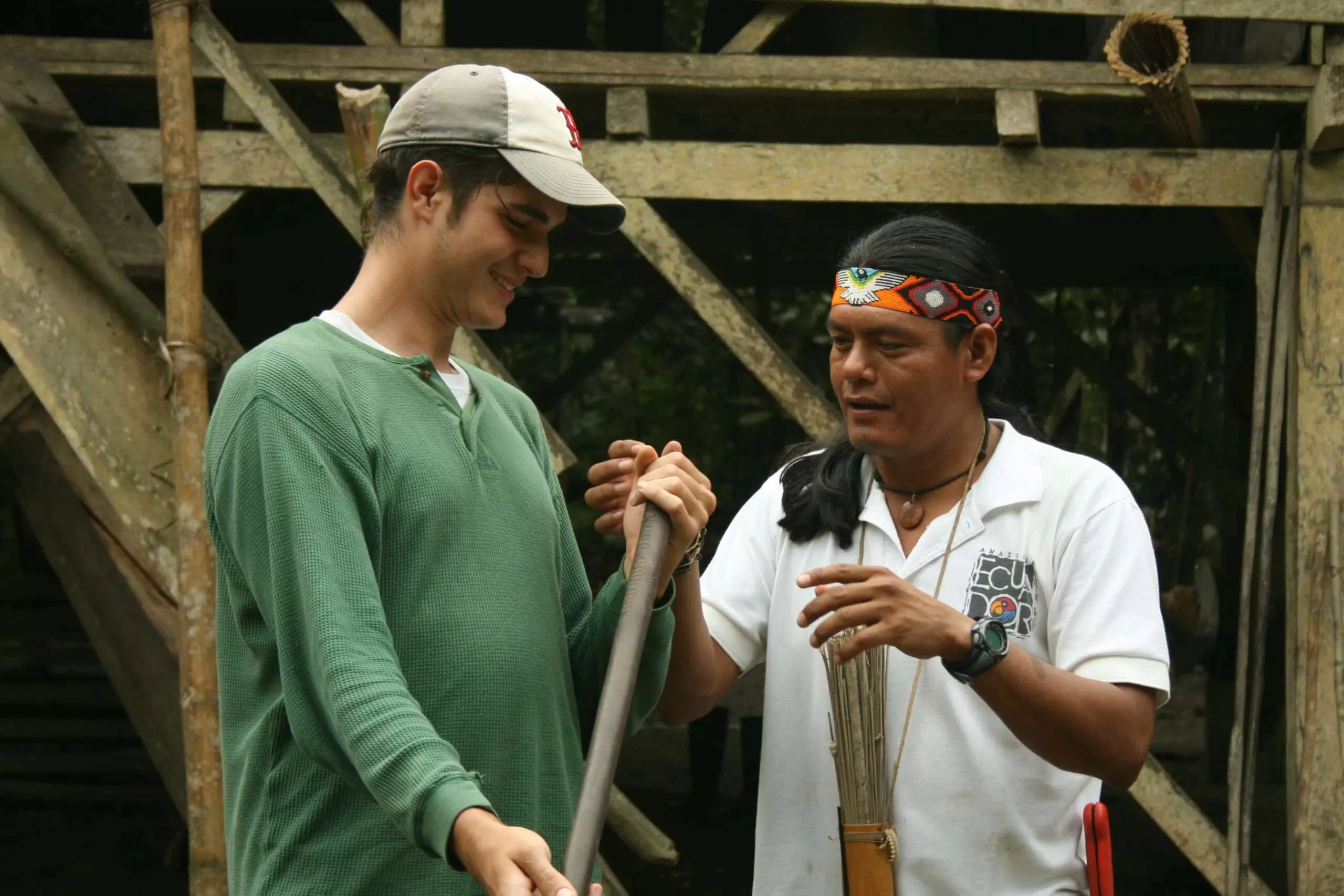
The work of Responsible Travel, an award-winning travel agency focused on sustainability and responsible tourism, serves as a call to action to transform tourism activities that have an environmental impact in operations aimed at preserving local cultures, promoting biodiversity, and supporting community projects that benefit both travelers and the destinations being visited.
“If it isn’t sustainable tourism, then it isn’t tourism.” Given the global reality, continuing with old tourism practices is impossible. As an example, Responsible Travel incorporates various projects as a priority within its social responsibility efforts; these include, among others:
A Mano Manaba: Aimed at improving the lives of the most vulnerable population in northern Manabí through formal and informal education programs.
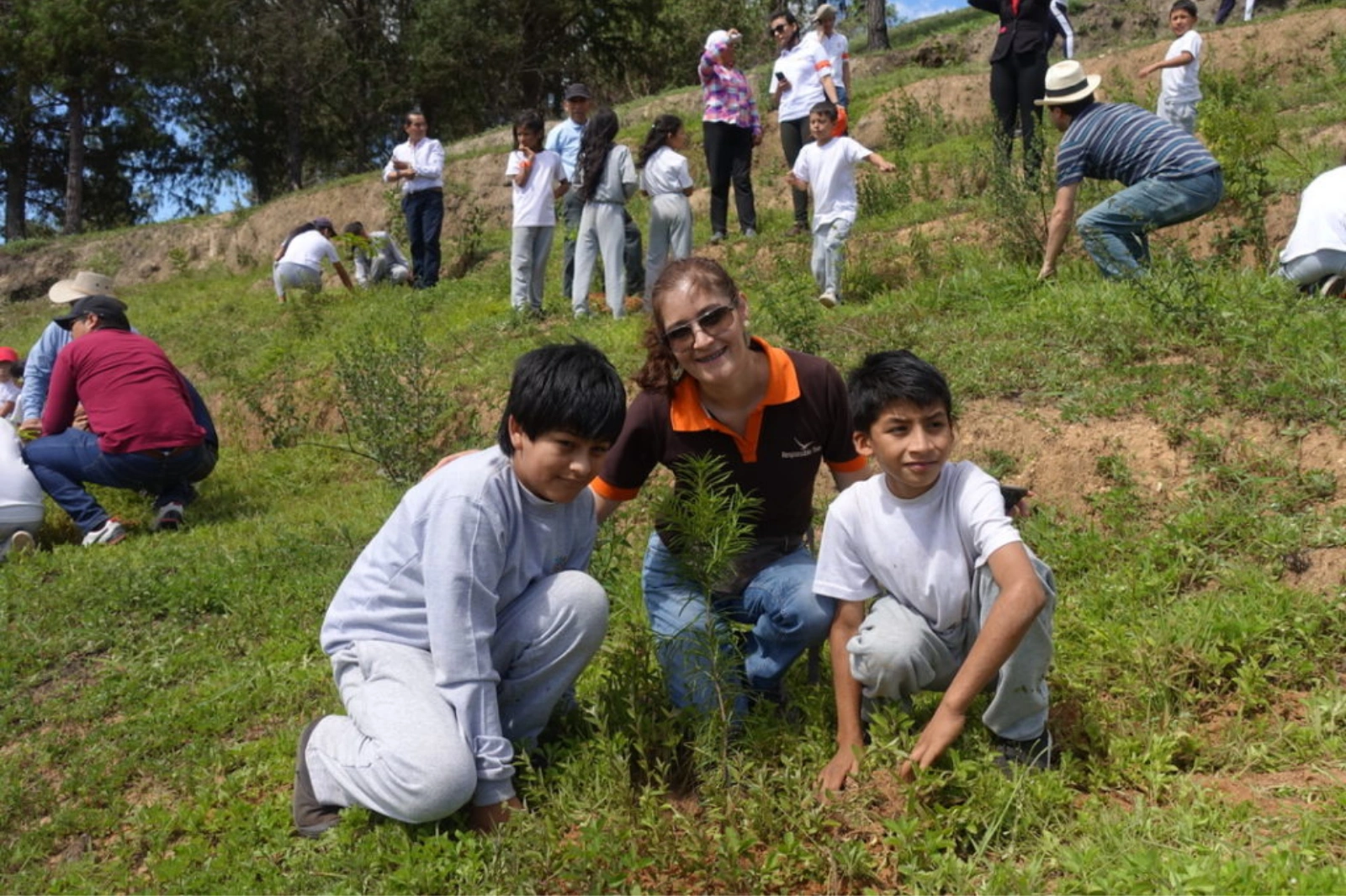
Adopt a tree: To offset your travel footprint, or perhaps in honor of someone special, all to ensure the survival of the trees and genuine environmental restoration.
Chaka Sucúa: Providing comprehensive educational support to 20 underprivileged young people enrolled in basic general education at the Julio Padilla Educational Unit in the Sucúa cantón.
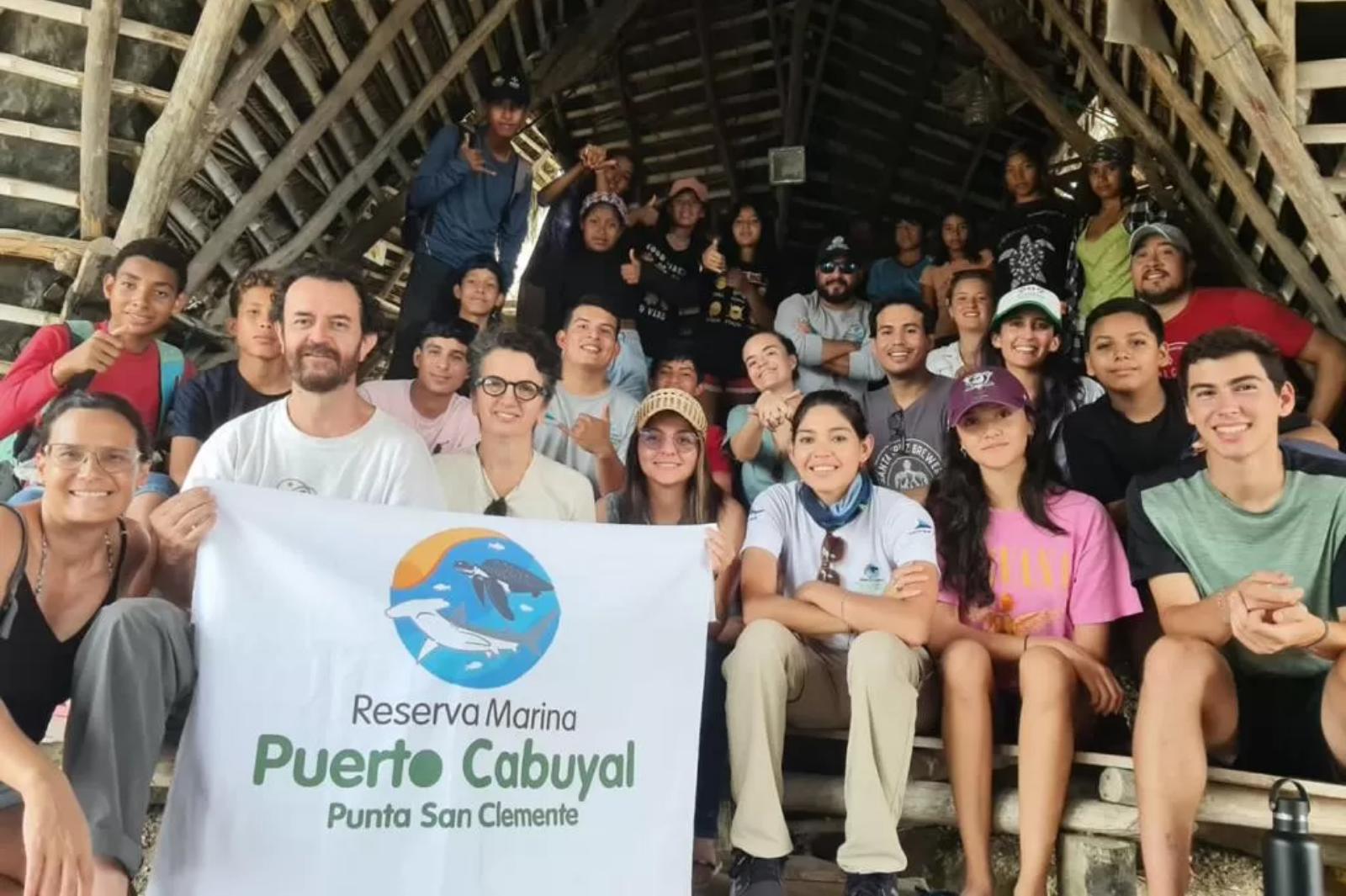
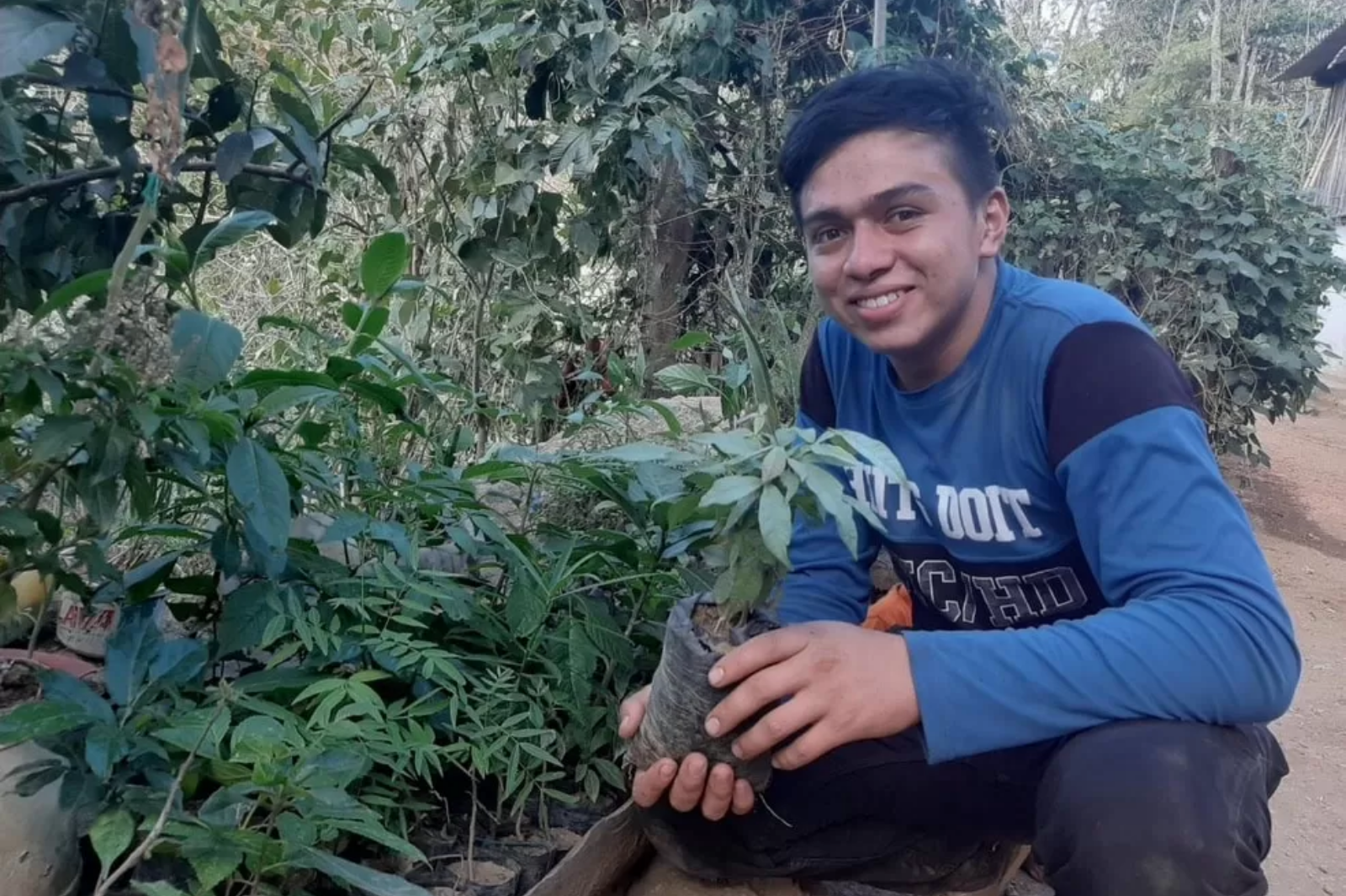
In the face of the imminent reality of climate change, regenerative tourism improves conditions through a process of continuous recovery, prioritizing the life, health, and resilience of ethnic communities, as well as their territories. It is not just about alleviating environmental pressures or offsetting one’s carbon footprint; it is about implementing actions that go beyond the natural state of ecosystems, recognizing them as integral elements for the health and recovery of the planet.
For this reason, hosting COP 31 in Antalya represents an ideal opportunity to put an end to deferred promises and the inaction seen across various sectors. The climate events that have occurred throughout this year highlight the harsh reality and the significant challenges facing international cooperation. Loss of life, irreparable damage to ecosystems and livelihoods, but, above all, the impact on multiple generations who find themselves adrift in a world that is gradually becoming unrecognizable.
In this way, regenerative tourism, promoted by various stakeholders such as Responsible Travel, offers a practical method for implementing these international policies at the local level. Transcending tourism activity into a healing force, one capable of driving significant changes in ecosystem resilience and, in doing so, serving as a pillar to ensure a viable future for present and coming generations.