

The identity of a community is based on its culture and traditions; therefore, the way to transmit them is through oral expressions or in a tangible way. In context, the material heritage that is forged in each community is an asset, which involves techniques, tradition, and preparation. For this reason, the elaboration of handicrafts is a symbol of history and work that communities possess. Thus, in this way, they ratify their empowerment to safeguard this heritage asset.
Explora nuestras últimas noticias
18/09/2026
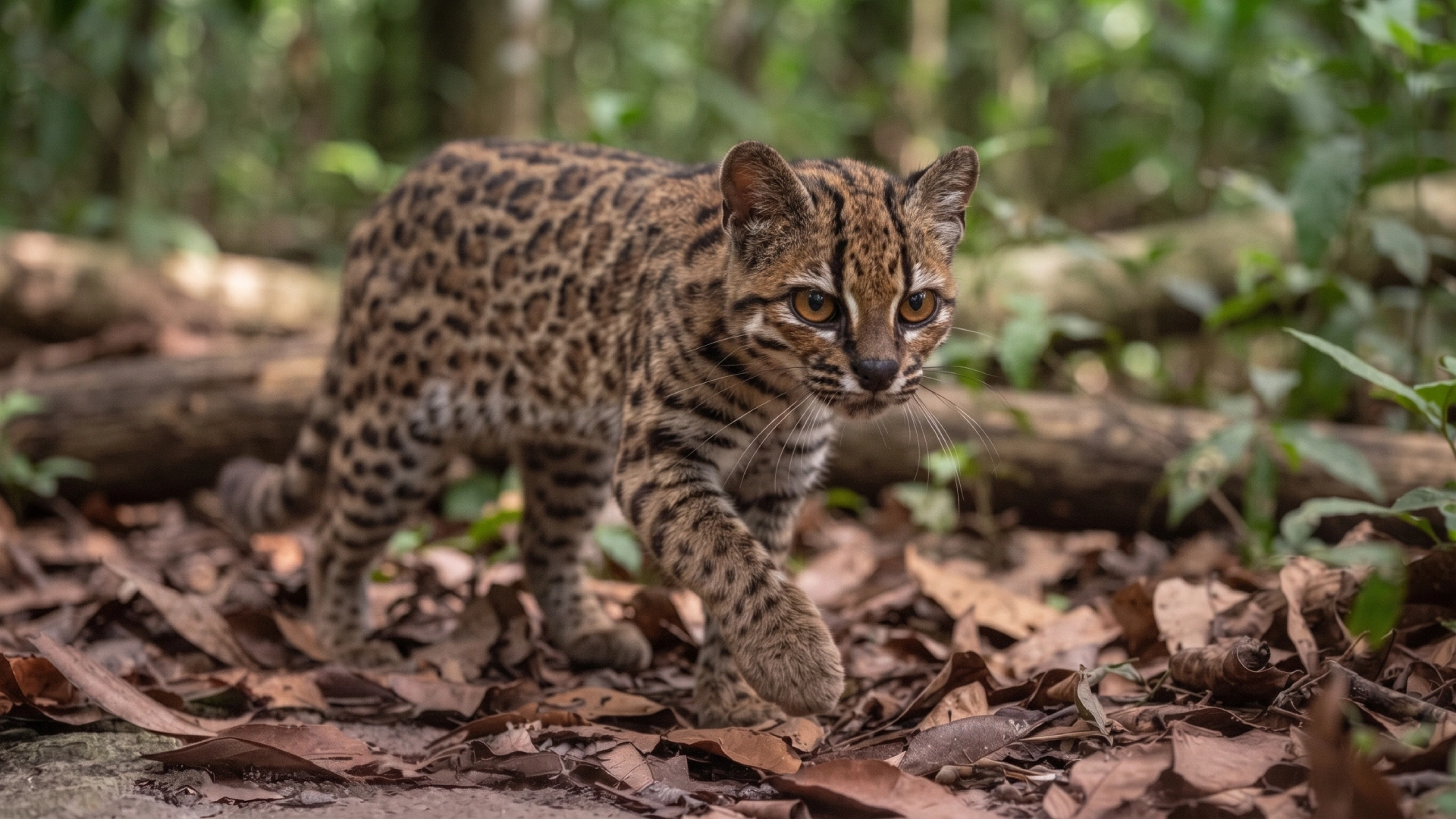
Cinco animales sorprendentes de Bolivia: conoce al gato Tilcayo y otras especies difíciles de ver

04/08/2026
Huasquila Amazon Lodge: Ubicación, cómo llegar y actividades
03/08/2026
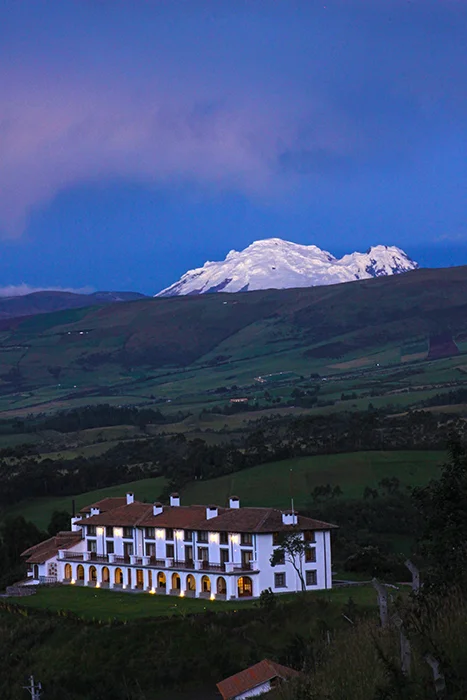
Parque Nacional de Antisana: el volcán, la fauna y La Mica
29/07/2026
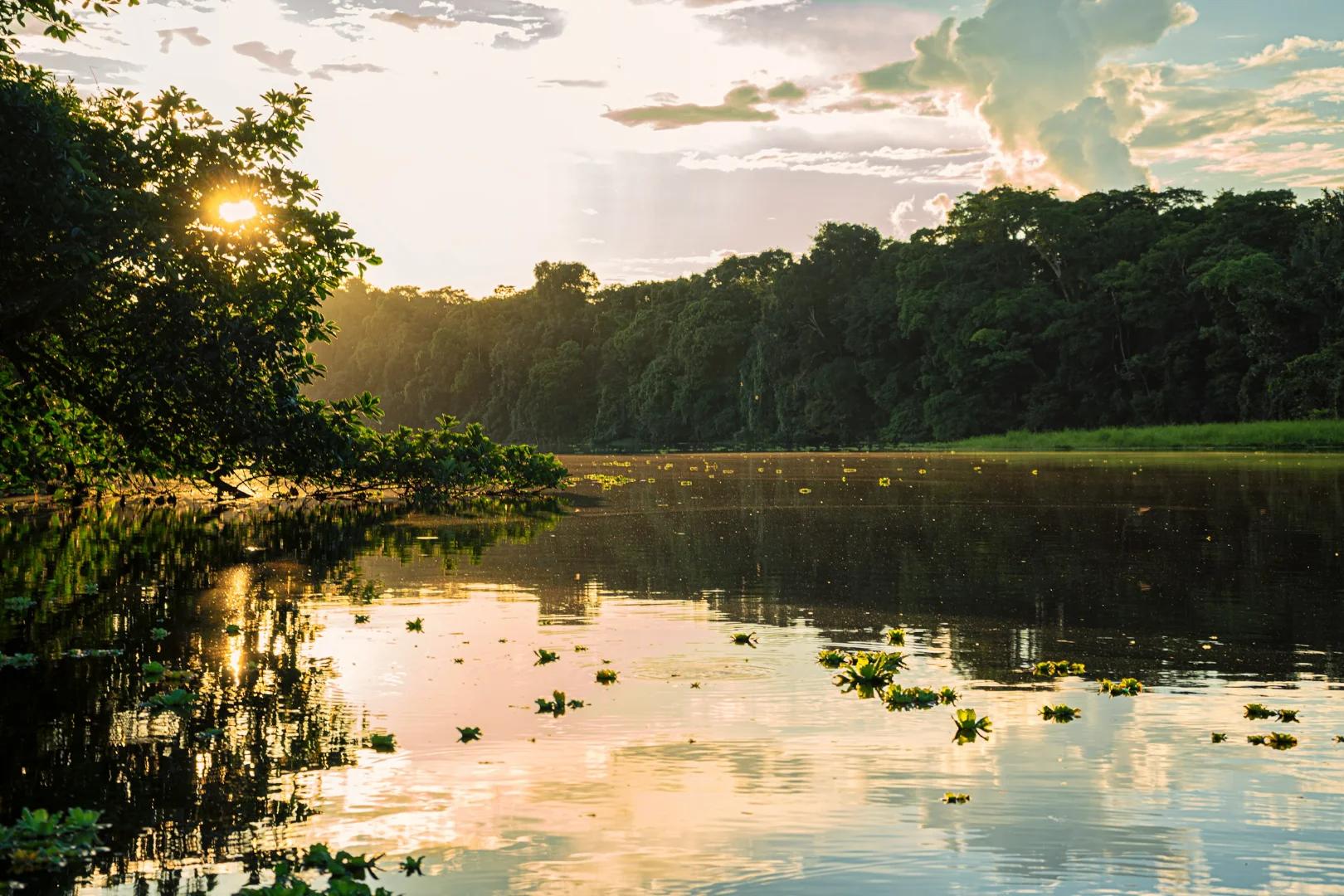
Chamanes en Ecuador: un viaje al corazón de la sabiduría amazónica
27/07/2026
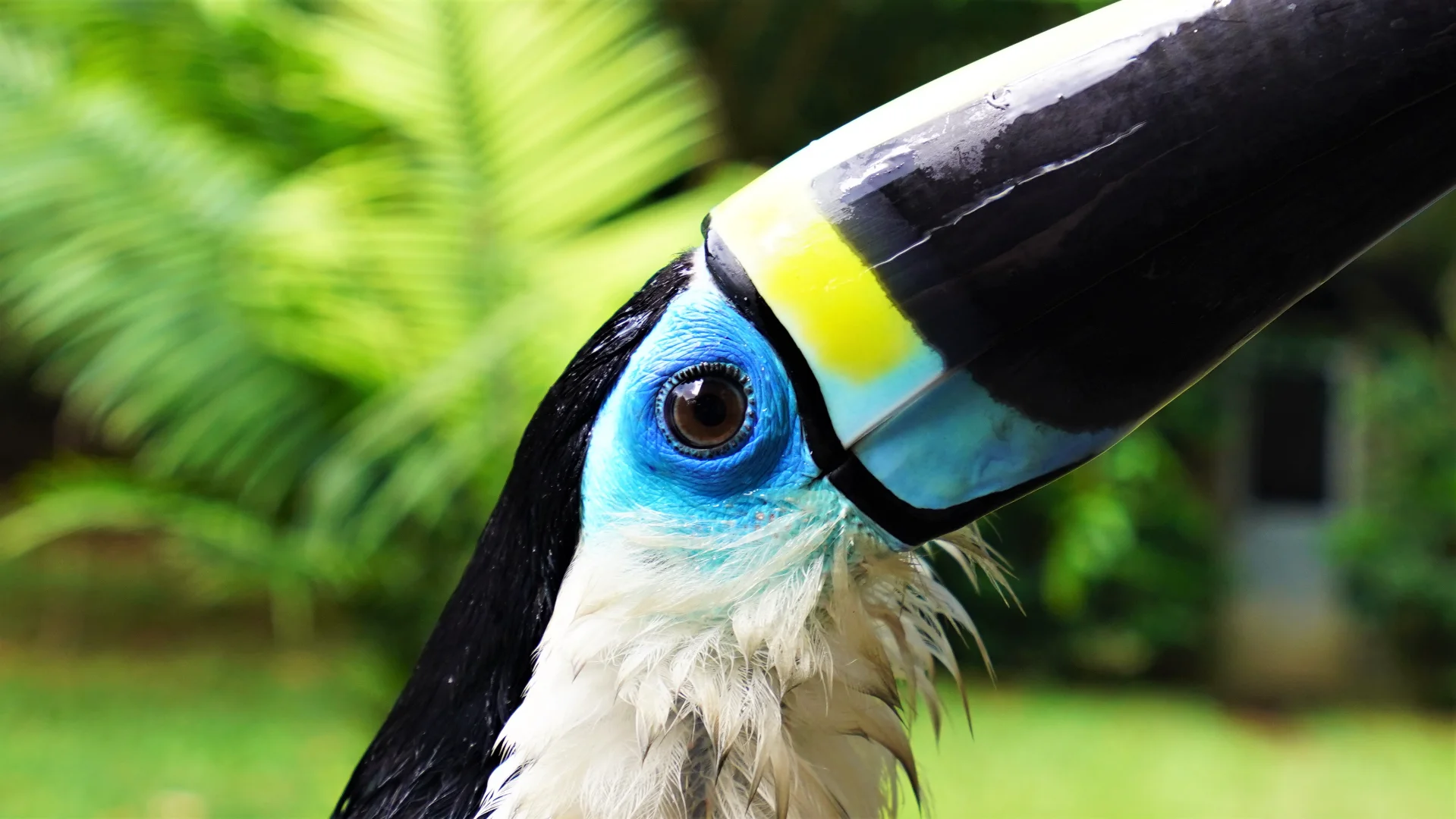
Una inmersión en la tribu waorani: El escudo del Amazonas

24/07/2026
¿Qué islas visitó Darwin durante su expedición?
Contenido mejor valorado
24/07/2026
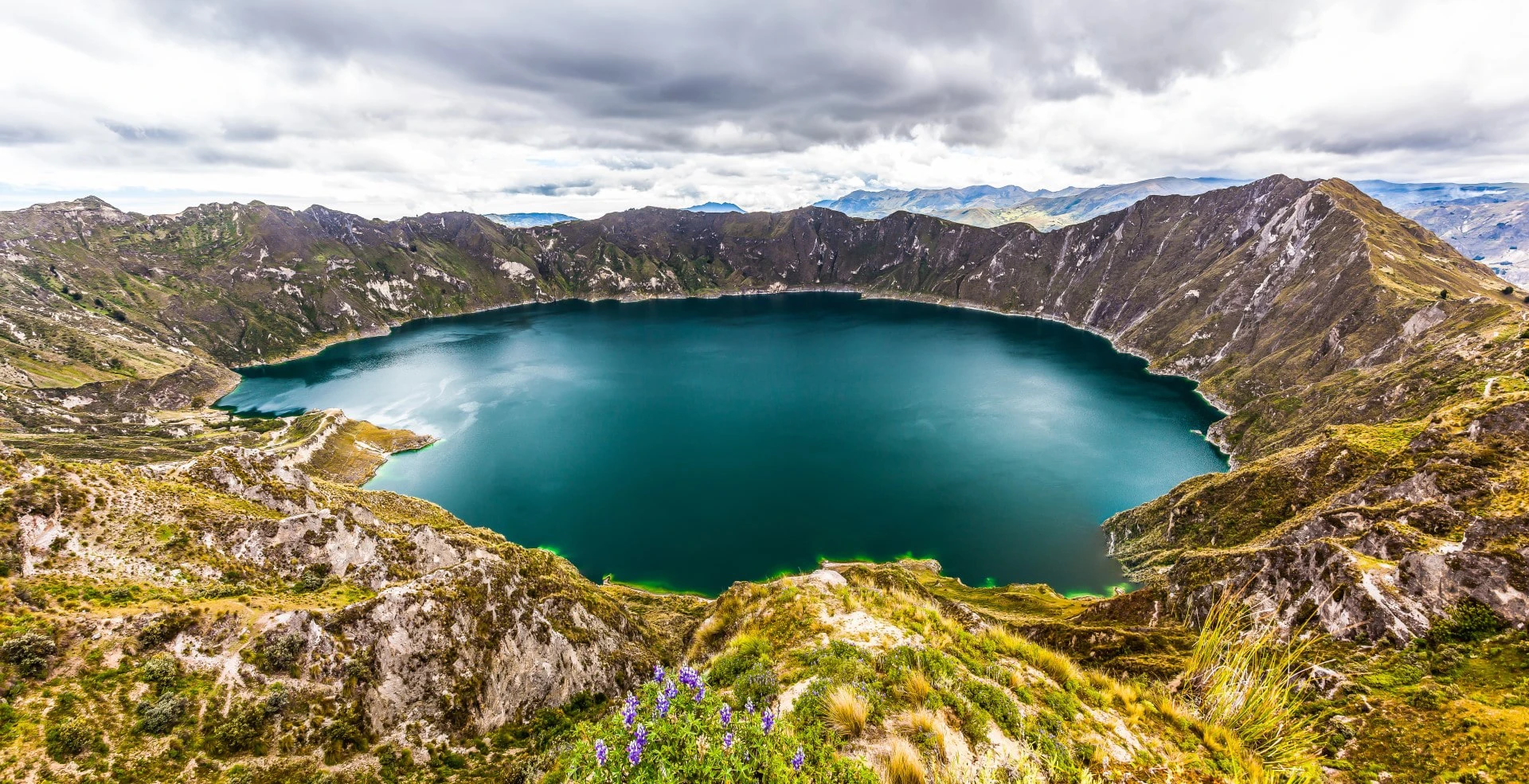
Los Grandes Lagos y las lagunas de Sudamérica: paisajes ricos en historia, cultura y naturaleza

24/07/2026
Maravillosas rutas de senderismo en Ecuador, aptas para senderistas de todos los niveles
23/07/2026
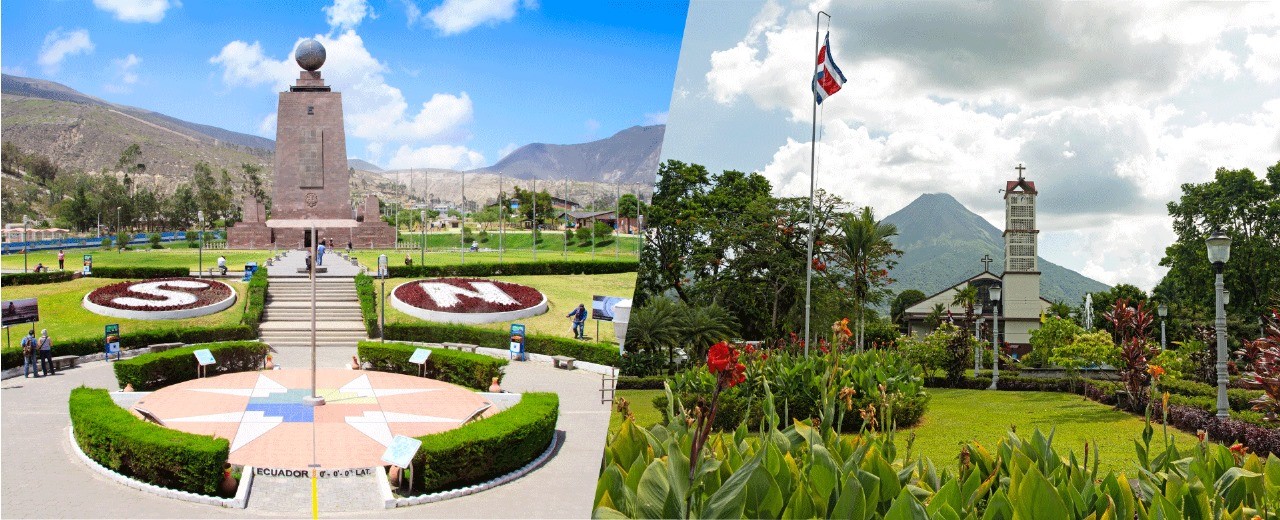
Costa Rica contra Ecuador: ¿cuál es mejor para practicar turismo de aventura sostenible?

16/07/2026
Feria de las Flores de Medellín: guía del festival y la tradición de los silleteros

14/07/2026
Ruta del Spondylus en Ecuador: ¿el mejor viaje por carretera por la costa?
14/07/2026
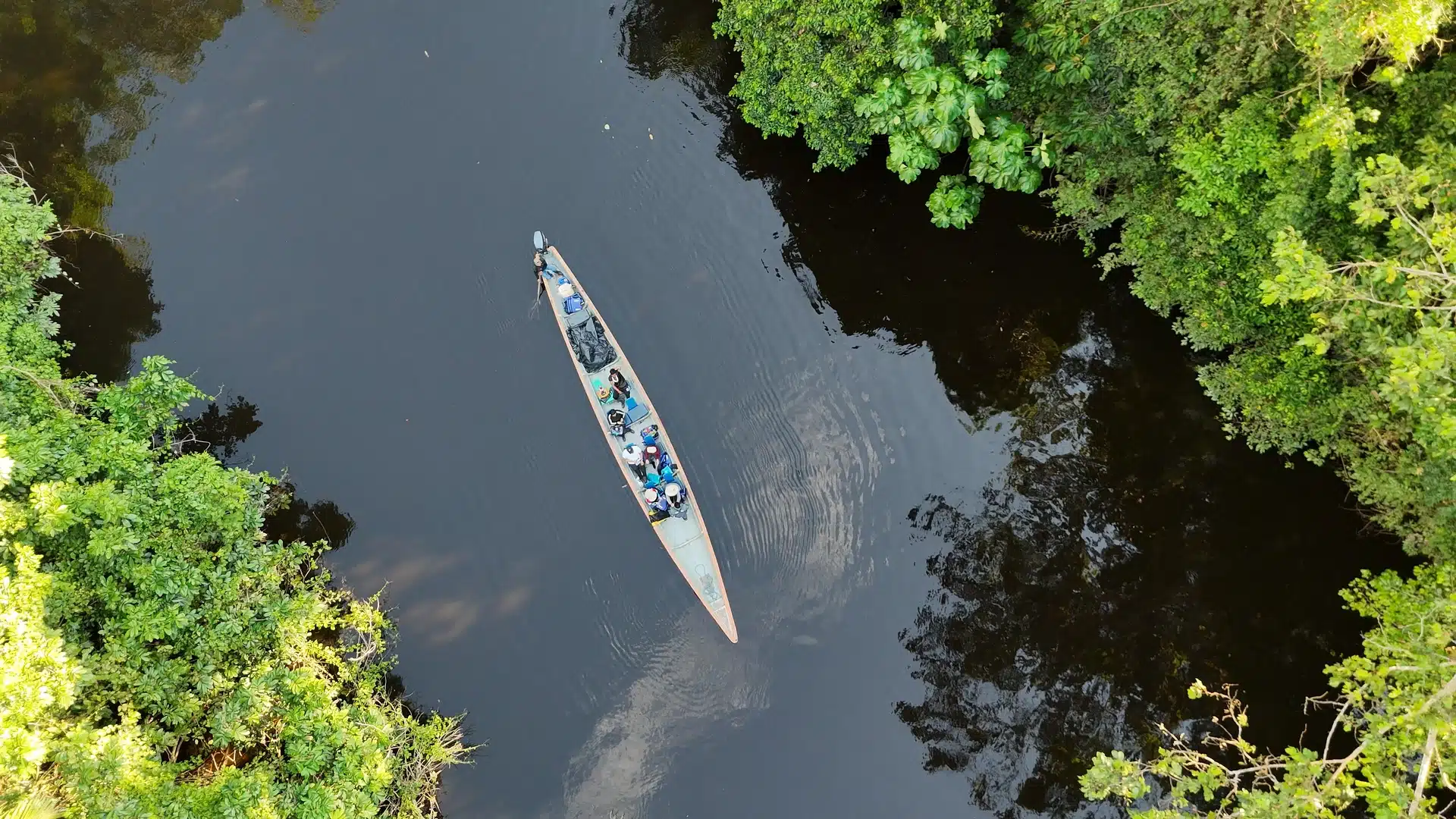
La Reserva Natural de Cuyabeno: una selva tropical ecuatoriana única, llena de «killas»
Contenido más visto
13/07/2026
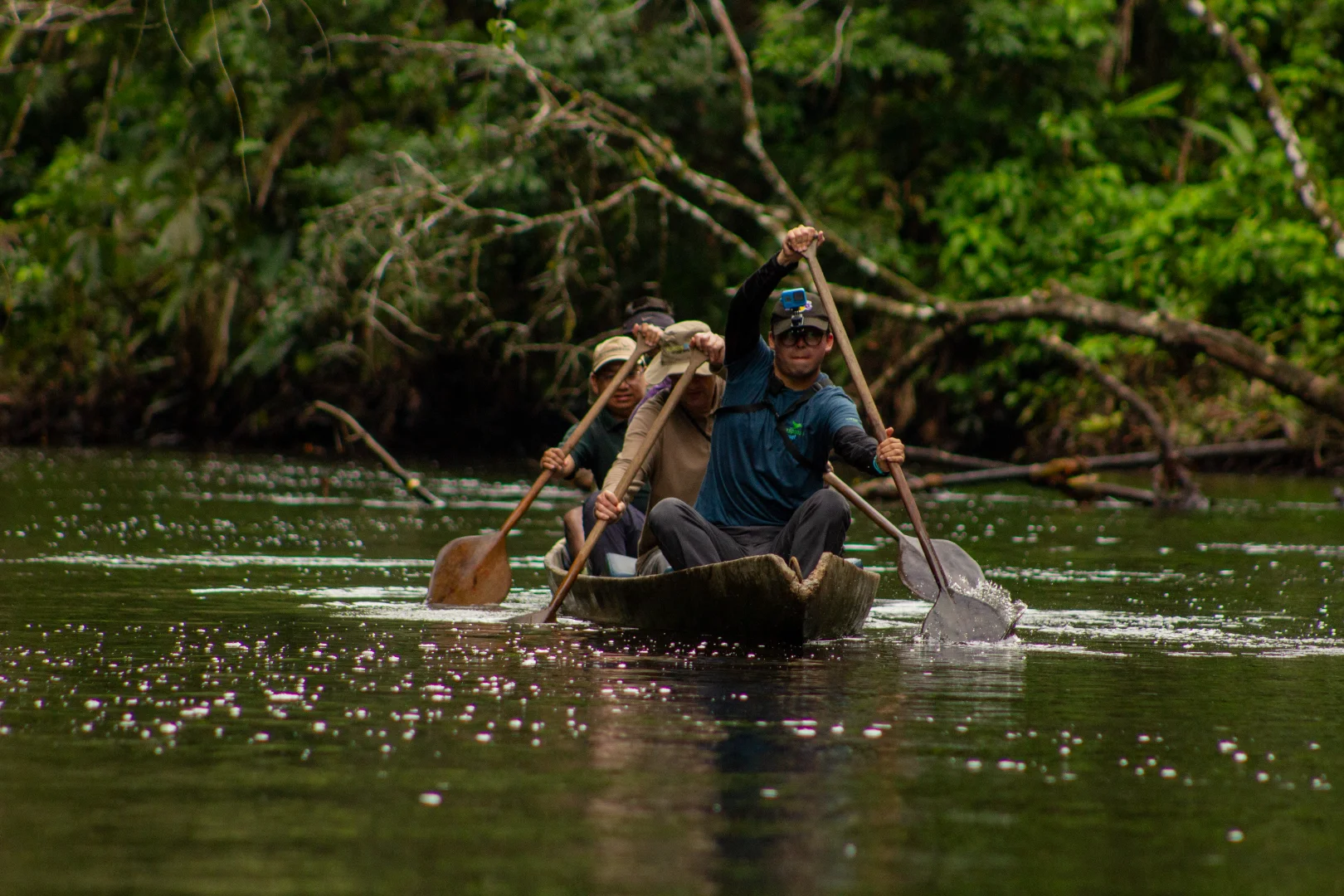
Canoas tradicionales de la Amazonía y la historia detrás de Killas
06/07/2026
¿Por qué deberías viajar el día de tu cumpleaños?
21/05/2026
¿Qué es el «Día de los Muertos» en Ecuador?

21/05/2026
Chimborazo, Ecuador, 2023: la montaña que nunca olvidarás

21/05/2026
Los mejores destinos turísticos de Ecuador para 2023 y 2024
21/05/2026
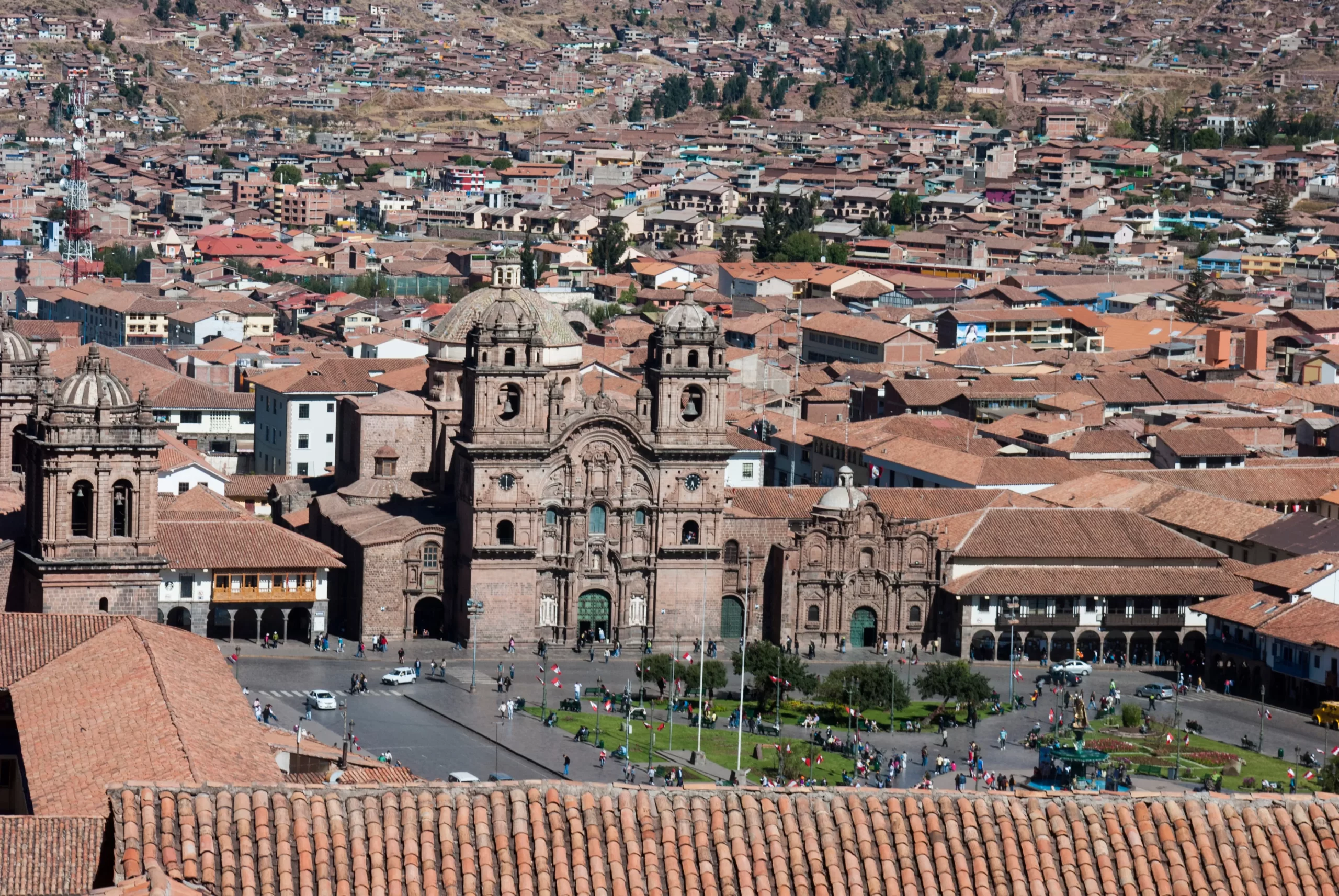
The Best Tourist Places to See in Cusco ?

CRAFTSMANSHIP AND CULTURE

Communities express their expertise through crafts. This good is elaborated from the simplest to the most extravagant. Uses include everyday, ornamental, and symbolic. The preparation procedure varies by article, but nature creates these beauties. Under this context, different handicrafts are presented, which can be observed in each program that each lodge offers.
- Seed necklaces and bracelets: Their preparation is based on natural seeds; the most common are tagua, açaí and huayruro. Furthermore, its meaning is: protection, abundance and fortune.
- Clay pottery: As its name indicates, it is made of clay, which is obtained from rivers; Once molded and shaped, it is left to dry in the sun and then cooked in the oven. Finally, the drawings and designs are made with natural ink extracted from plants.
- Vegetable fiber baskets: To make this product, it is necessary to use plant fibers such as pambil or chambira; Production is done with fabrics. Its use is for collecting or transporting products.
- Spears and blowguns: The symbology of these two tools can be expressed in several ways: hunting, power or bravery. Its manufacture is based on bamboo, wood and bone; its decoration is with bird feathers. Today, these tools are purchased for decoration.
- Hats: This handicraft is used in ancestral rituals and ceremonies, which are led by shamans. Its elements are: native bird feathers, seeds and bones.
- Woven bags: They are also known as shigra; they are hand-woven bags that are made with rope. To reach this result, the plant must go through several processes. Collected, placed in a jar with water to extract all fiber, dried in air, then brushed to eliminate residue. Sun-drying the aniline dye follows. Finally, hand-tying creates the cylindrical shape during spinning.
IMPORTANCE

Each handmade item in the Ecuadorian Amazon is not merely an ornamental element but a living representation of the culture and spirituality of the indigenous communities that reside there. Its importance lies in protecting this asset, which implies its preservation, sustainability, economy and spiritual articulation.
COSTS
Being a “natural” and hand-made product, its value will depend on the size and production time, which fluctuates between $5 to $30; With this the community can generate income and boost its economy.
RESPONSIBLE TOURISM
Given the importance of knowing about the culture of the communities within the Ecuadorian Amazon. Each piece tells a unique story that emphasizes the harmony between nature and civilization. Appreciating and promoting these handicrafts represents an appropriation of identity over the cultural wealth of Ecuador.

The identity of a community is based on its culture and traditions; therefore, the way to transmit them is through oral expressions or in a tangible way. In context, the material heritage that is forged in each community is an asset, which involves techniques, tradition, and preparation. For this reason, the elaboration of handicrafts is a symbol of history and work that communities possess. Thus, in this way, they ratify their empowerment to safeguard this heritage asset.
CRAFTSMANSHIP AND CULTURE
Communities express their expertise through crafts. This good is elaborated from the simplest to the most extravagant. Uses include everyday, ornamental, and symbolic. The preparation procedure varies by article, but nature creates these beauties. Under this context, different handicrafts are presented, which can be observed in each program that each lodge offers.
- Seed necklaces and bracelets: Their preparation is based on natural seeds; the most common are tagua, açaí and huayruro. Furthermore, its meaning is: protection, abundance and fortune.
- Clay pottery: As its name indicates, it is made of clay, which is obtained from rivers; Once molded and shaped, it is left to dry in the sun and then cooked in the oven. Finally, the drawings and designs are made with natural ink extracted from plants.
- Vegetable fiber baskets: To make this product, it is necessary to use plant fibers such as pambil or chambira; Production is done with fabrics. Its use is for collecting or transporting products.
- Spears and blowguns: The symbology of these two tools can be expressed in several ways: hunting, power or bravery. Its manufacture is based on bamboo, wood and bone; its decoration is with bird feathers. Today, these tools are purchased for decoration.
- Hats: This handicraft is used in ancestral rituals and ceremonies, which are led by shamans. Its elements are: native bird feathers, seeds and bones.
- Woven bags: They are also known as shigra; they are hand-woven bags that are made with rope. To reach this result, the plant must go through several processes. Collected, placed in a jar with water to extract all fiber, dried in air, then brushed to eliminate residue. Sun-drying the aniline dye follows. Finally, hand-tying creates the cylindrical shape during spinning.
IMPORTANCE
Each handmade item in the Ecuadorian Amazon is not merely an ornamental element but a living representation of the culture and spirituality of the indigenous communities that reside there. Its importance lies in protecting this asset, which implies its preservation, sustainability, economy and spiritual articulation.
COSTS
Being a “natural” and hand-made product, its value will depend on the size and production time, which fluctuates between $5 to $30; With this the community can generate income and boost its economy.
RESPONSIBLE TOURISM
Given the importance of knowing about the culture of the communities within the Ecuadorian Amazon. Each piece tells a unique story that emphasizes the harmony between nature and civilization. Appreciating and promoting these handicrafts represents an appropriation of identity over the cultural wealth of Ecuador.
Explora nuestras últimas noticias
18/09/2026
Cinco animales sorprendentes de Bolivia: conoce al gato Tilcayo y otras especies difíciles de ver
04/08/2026
Huasquila Amazon Lodge: Ubicación, cómo llegar y actividades
03/08/2026
Parque Nacional de Antisana: el volcán, la fauna y La Mica
29/07/2026
Chamanes en Ecuador: un viaje al corazón de la sabiduría amazónica
27/07/2026
Una inmersión en la tribu waorani: El escudo del Amazonas
24/07/2026
¿Qué islas visitó Darwin durante su expedición?
Contenido mejor valorado
24/07/2026
Los Grandes Lagos y las lagunas de Sudamérica: paisajes ricos en historia, cultura y naturaleza
24/07/2026
Maravillosas rutas de senderismo en Ecuador, aptas para senderistas de todos los niveles
23/07/2026
Costa Rica contra Ecuador: ¿cuál es mejor para practicar turismo de aventura sostenible?
16/07/2026
Feria de las Flores de Medellín: guía del festival y la tradición de los silleteros
14/07/2026
Ruta del Spondylus en Ecuador: ¿el mejor viaje por carretera por la costa?
14/07/2026
La Reserva Natural de Cuyabeno: una selva tropical ecuatoriana única, llena de «killas»
Contenido más visto
13/07/2026
Canoas tradicionales de la Amazonía y la historia detrás de Killas
06/07/2026
¿Por qué deberías viajar el día de tu cumpleaños?
21/05/2026
¿Qué es el «Día de los Muertos» en Ecuador?
21/05/2026
Chimborazo, Ecuador, 2023: la montaña que nunca olvidarás
21/05/2026
Los mejores destinos turísticos de Ecuador para 2023 y 2024
21/05/2026
The Best Tourist Places to See in Cusco ?