

Cuyabeno es unReserva del Amazonas de Blackwaterdonde se extienden extensos bosques inundados, redes entrelazadas de lagunas y la navegación ancestral mediantekillasLas canoas marcan el paisaje.
Explora nuestras últimas noticias
18/09/2026
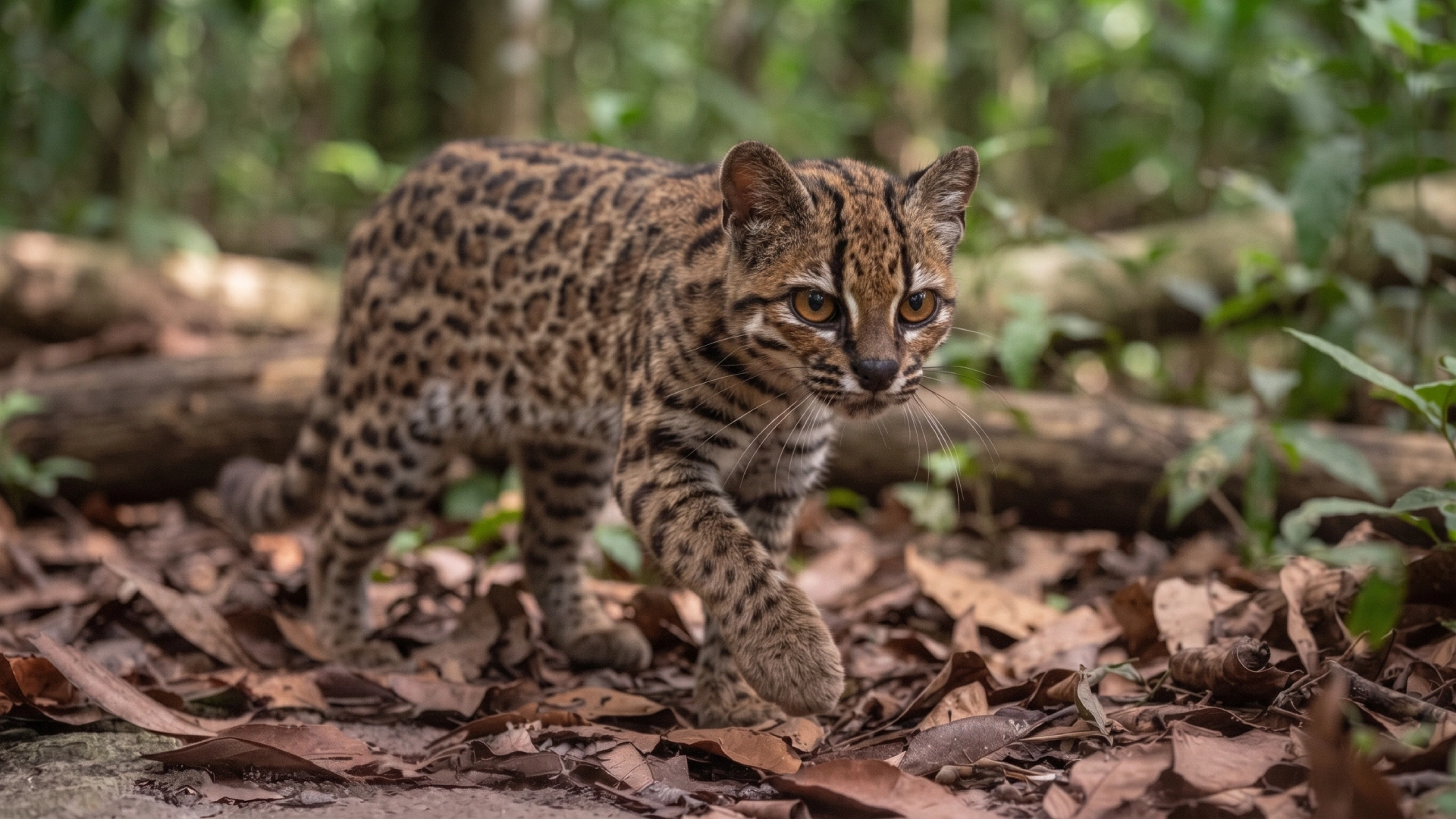
Cinco animales sorprendentes de Bolivia: conoce al gato Tilcayo y otras especies difíciles de ver

04/08/2026
Huasquila Amazon Lodge: Ubicación, cómo llegar y actividades
03/08/2026
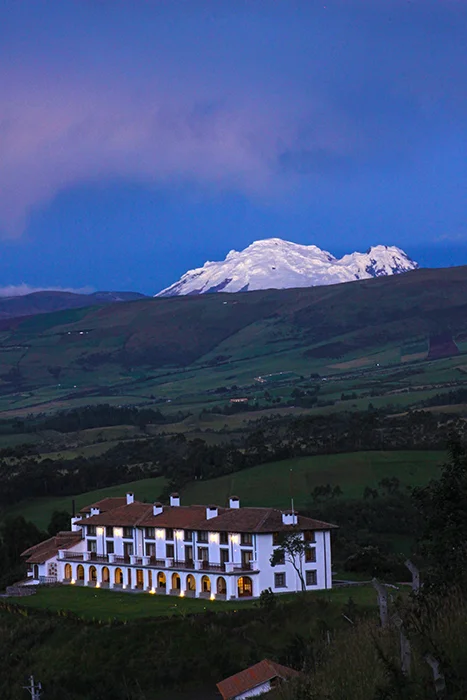
Parque Nacional de Antisana: el volcán, la fauna y La Mica
29/07/2026
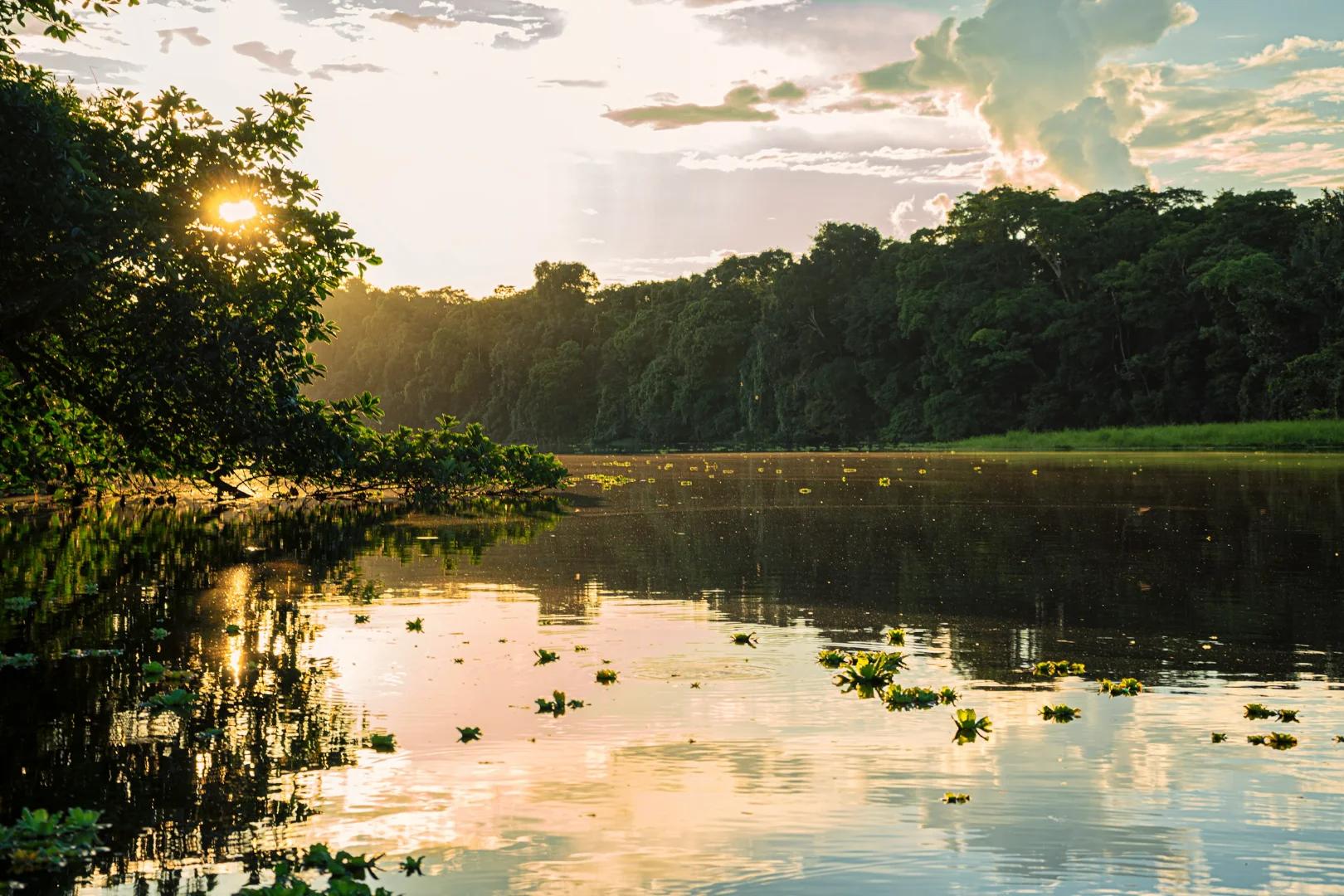
Chamanes en Ecuador: un viaje al corazón de la sabiduría amazónica
27/07/2026
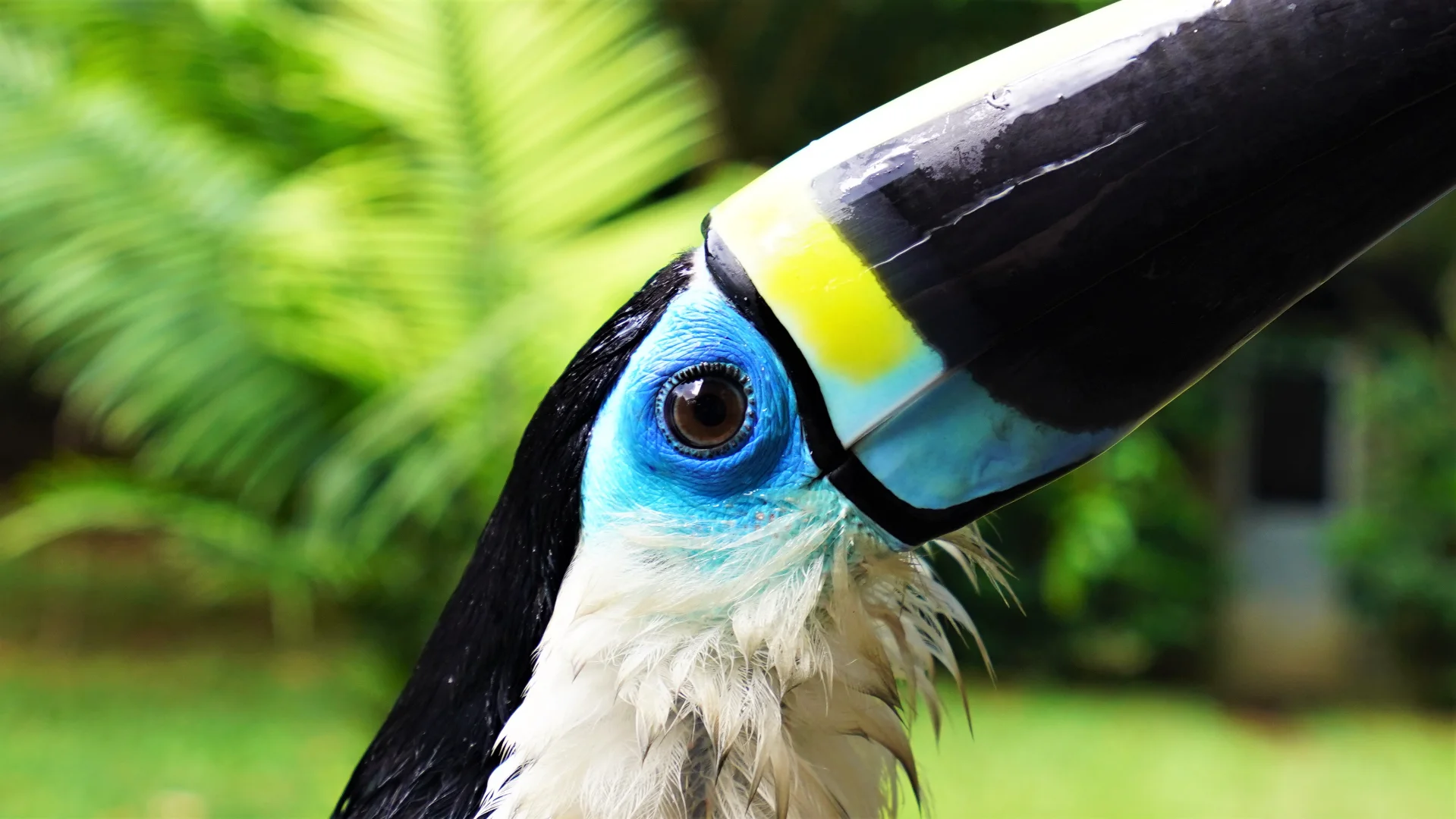
Una inmersión en la tribu waorani: El escudo del Amazonas
24/07/2026
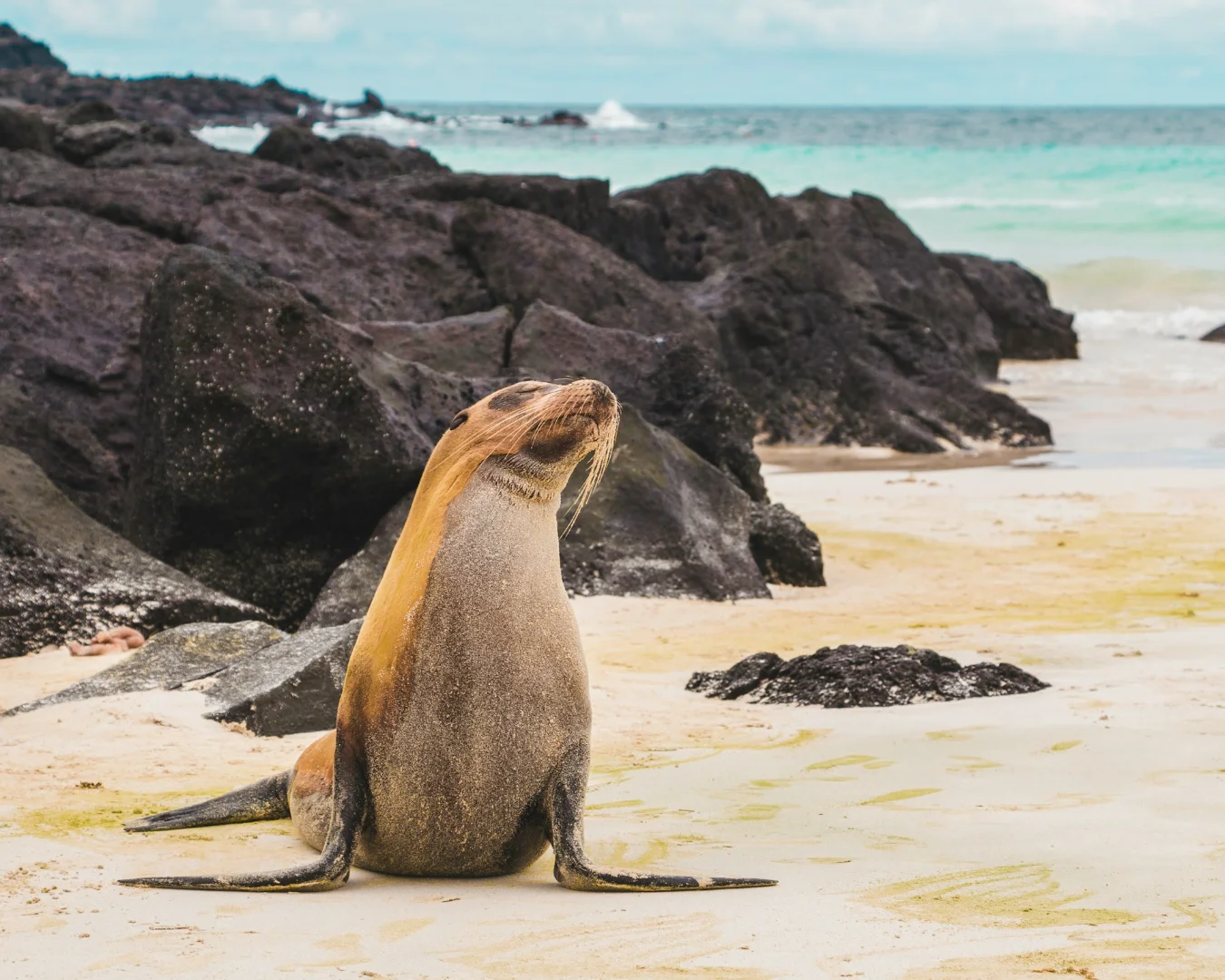
¿Qué islas visitó Darwin durante su expedición?
Contenido mejor valorado
24/07/2026
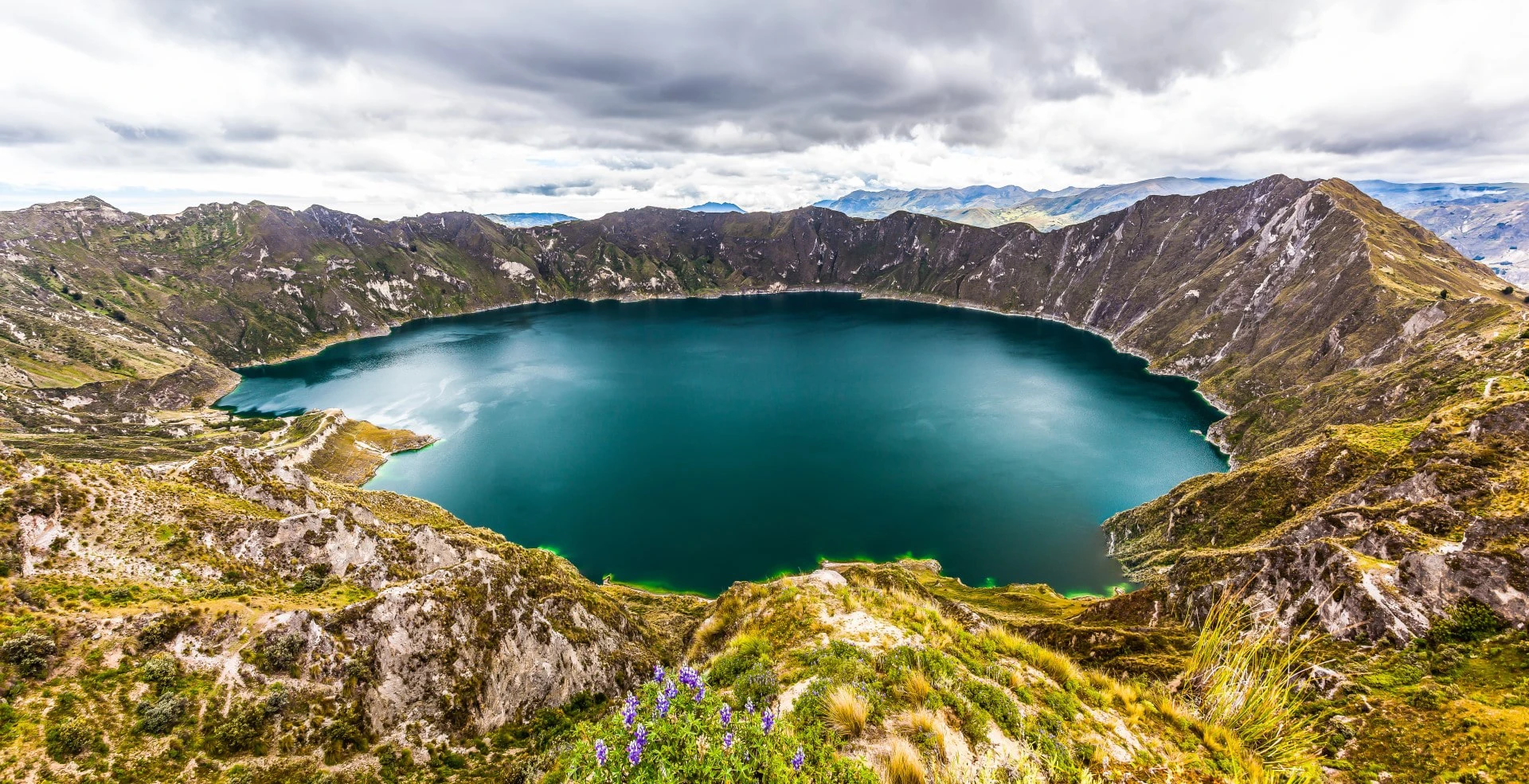
Los Grandes Lagos y las lagunas de Sudamérica: paisajes ricos en historia, cultura y naturaleza
24/07/2026
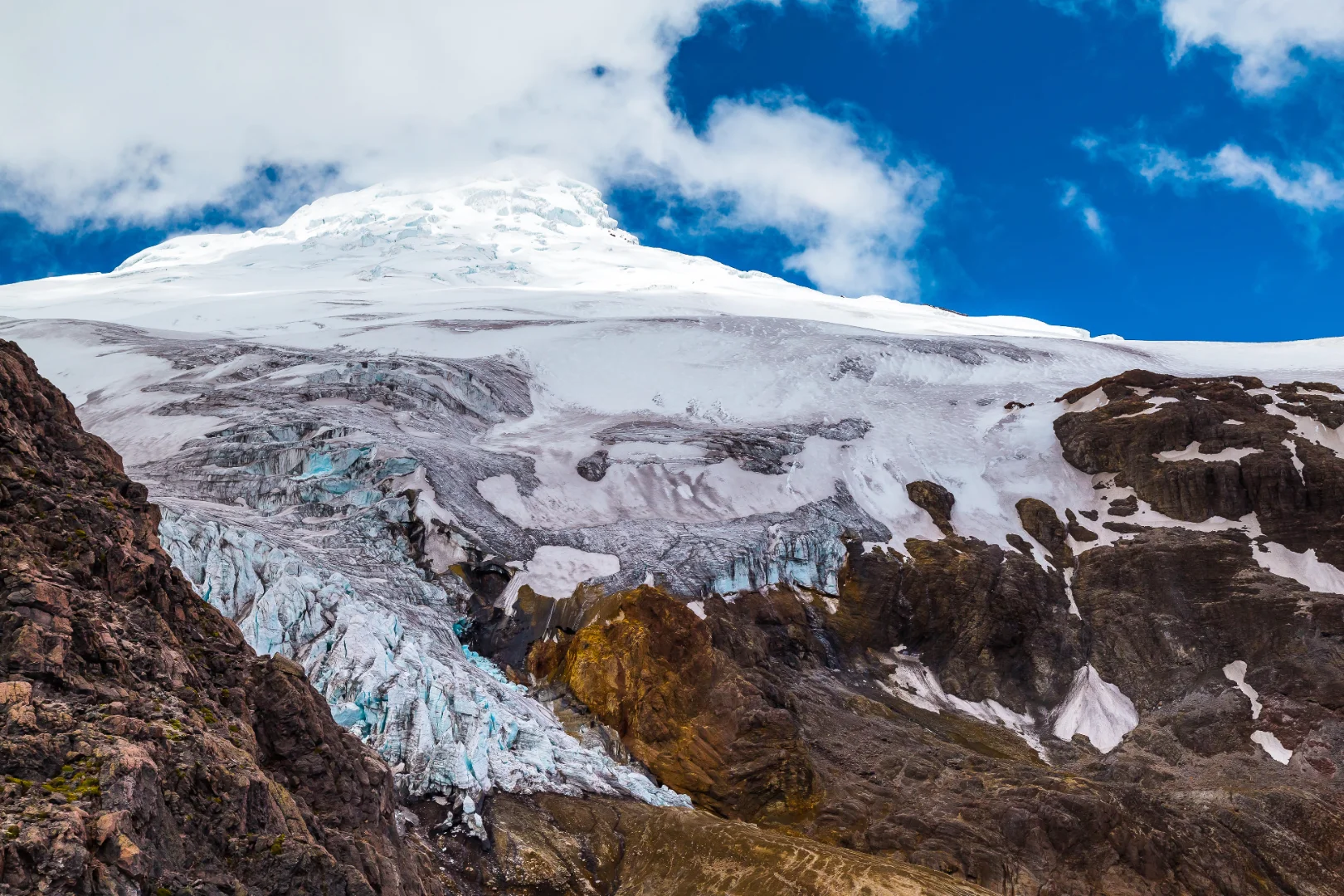
Maravillosas rutas de senderismo en Ecuador, aptas para senderistas de todos los niveles
23/07/2026
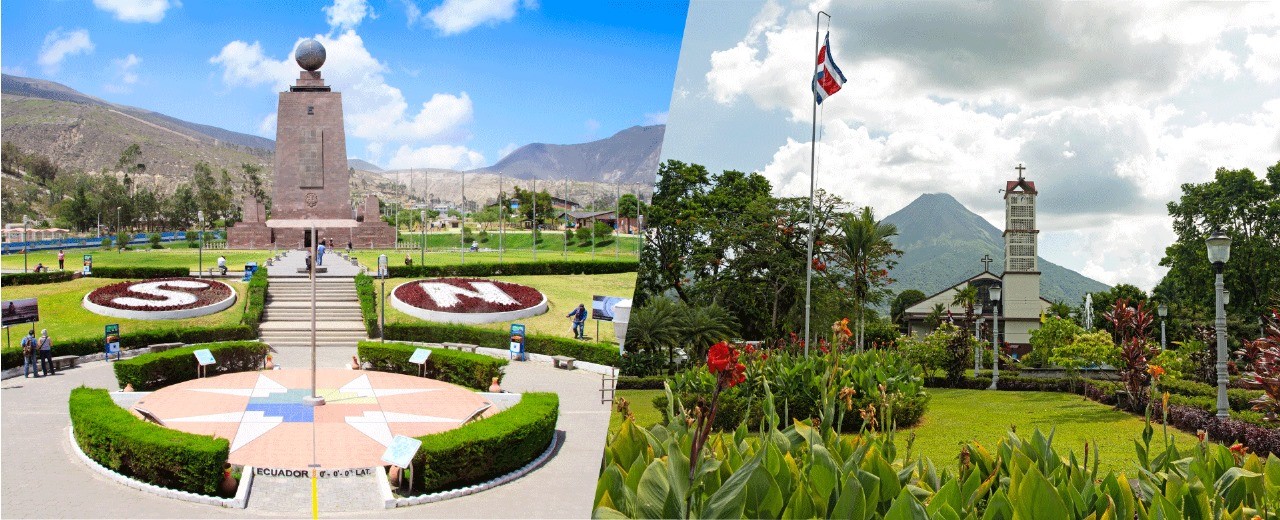
Costa Rica contra Ecuador: ¿cuál es mejor para practicar turismo de aventura sostenible?

16/07/2026
Feria de las Flores de Medellín: guía del festival y la tradición de los silleteros

14/07/2026
Ruta del Spondylus en Ecuador: ¿el mejor viaje por carretera por la costa?
14/07/2026
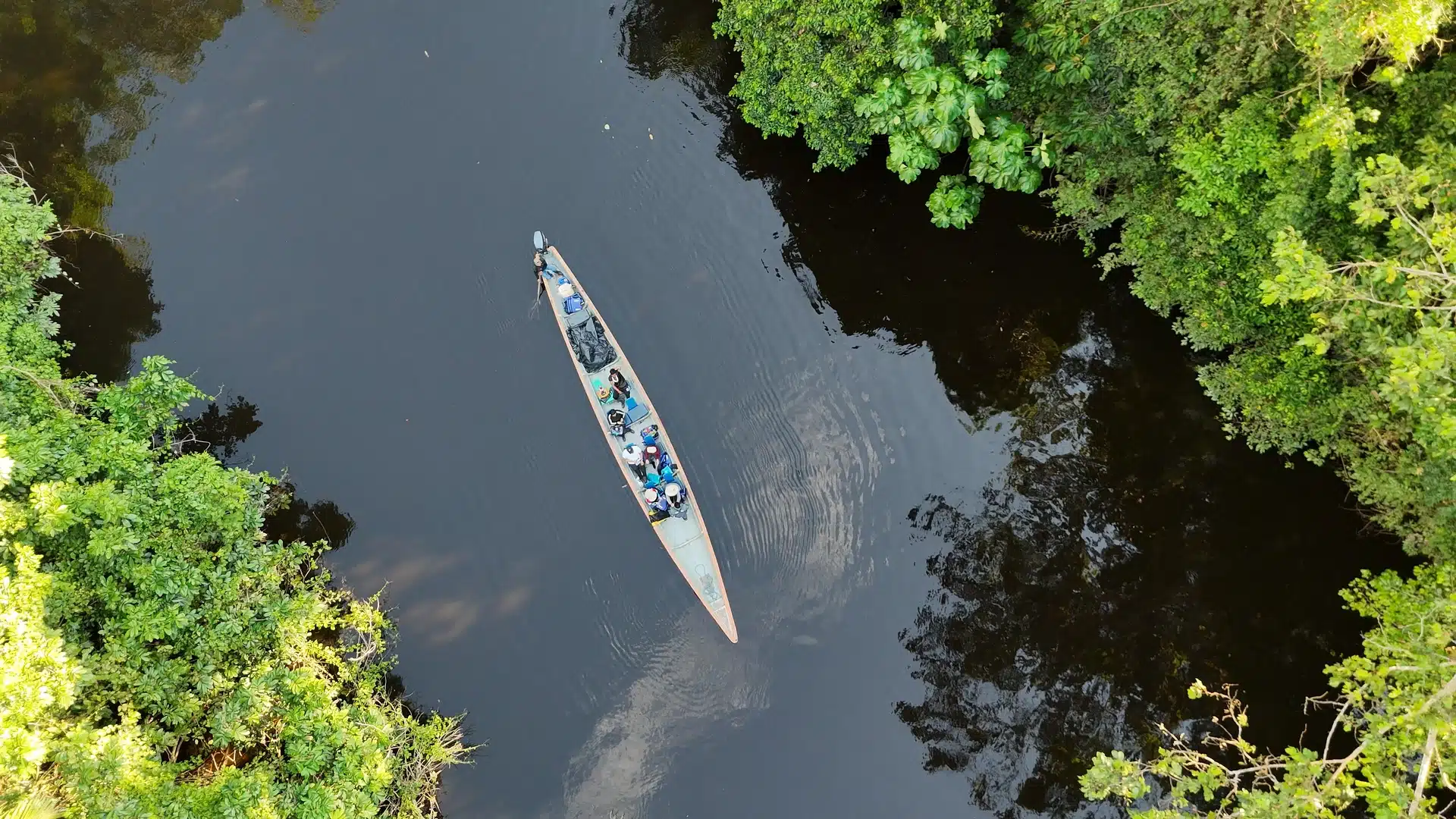
La Reserva Natural de Cuyabeno: una selva tropical ecuatoriana única, llena de «killas»
Contenido más visto
13/07/2026
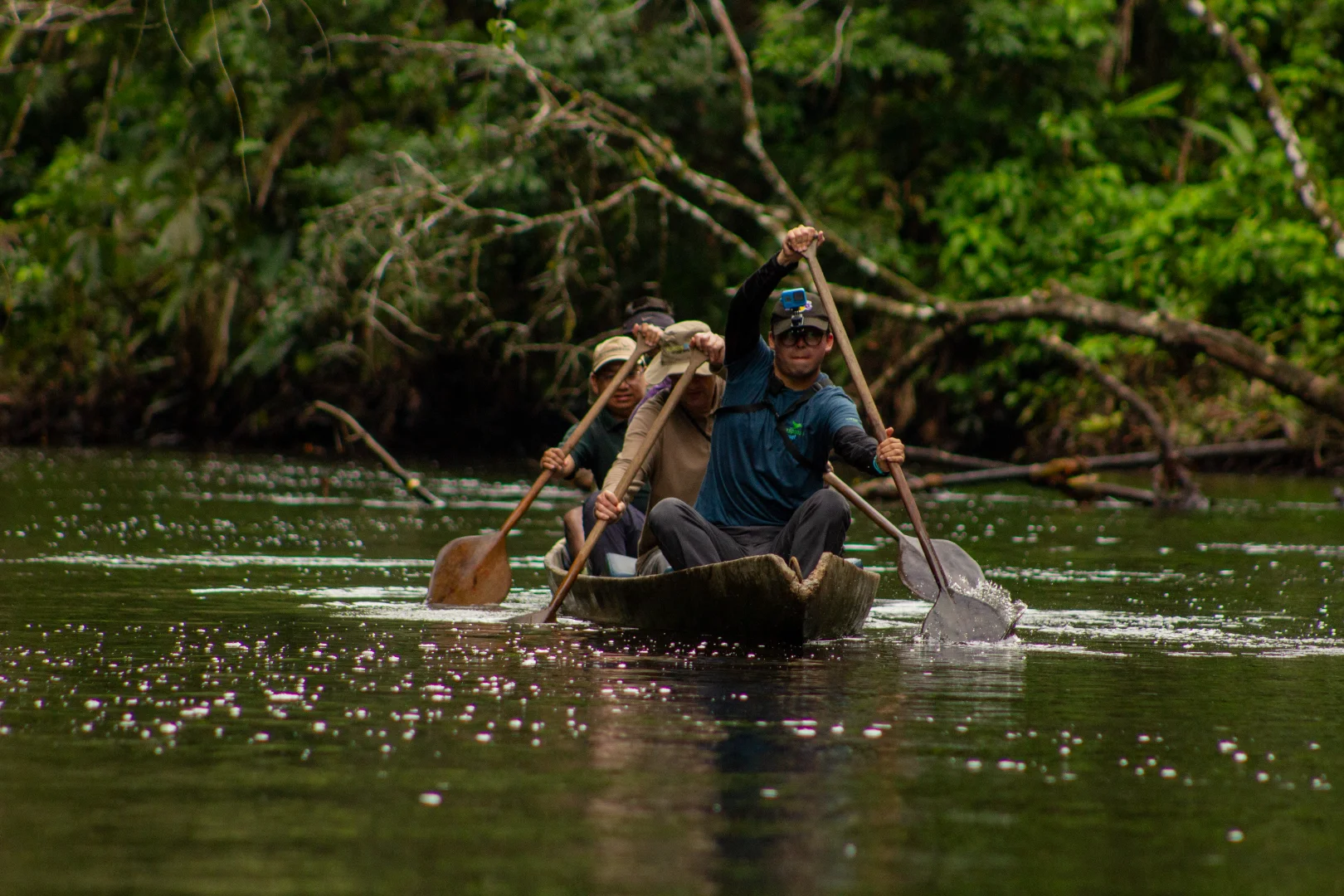
Canoas tradicionales de la Amazonía y la historia detrás de Killas
06/07/2026
¿Por qué deberías viajar el día de tu cumpleaños?

21/05/2026
¿Qué es el «Día de los Muertos» en Ecuador?
21/05/2026
Chimborazo, Ecuador, 2023: la montaña que nunca olvidarás
21/05/2026
Los mejores destinos turísticos de Ecuador para 2023 y 2024

21/05/2026
The Best Tourist Places to See in Cusco ?
La Reserva Natural de Cuyabeno: una selva tropical ecuatoriana única, llena de «killas»
BY RESPONSIBLE TRAVEL
¿POR QUÉ VISITAR CUYABENO?
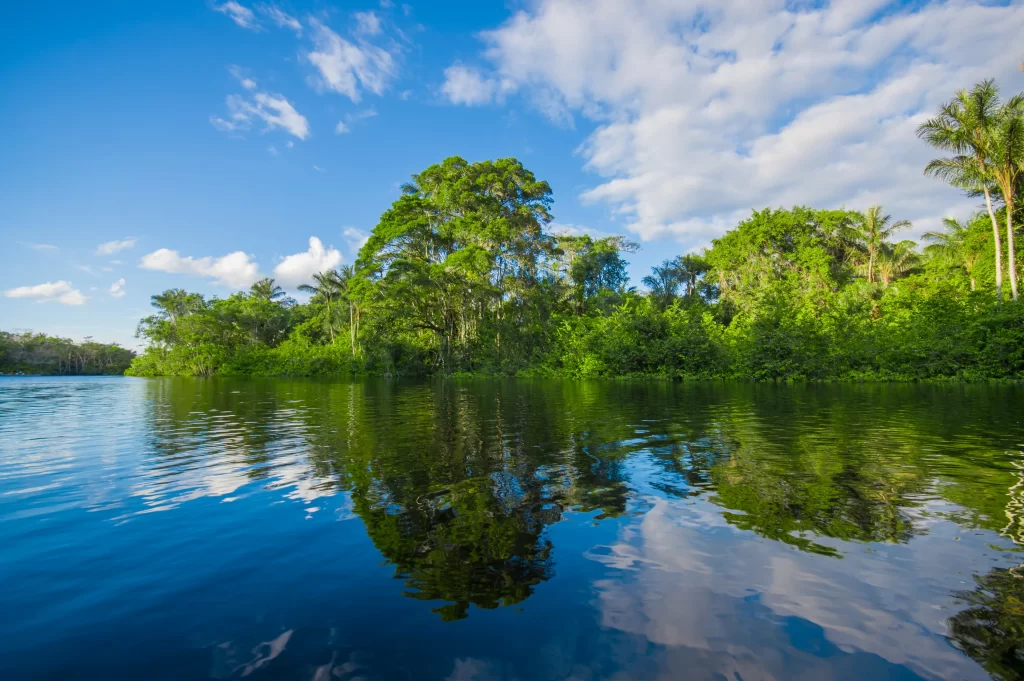
Cuyabeno ofrece una experiencia marcada porella lógica del agua y el bosque en conjunto. Aquí, los patrones ecológicos surgen de las interacciones entre las inundaciones estacionales, el caudal fluvial y la complejidad estructural de los humedales tropicales. La red de ríos y lagos de aguas negras de la reserva no solo transporta agua, sino que ademásdetermina dónde se alimentan, se reproducen y migran las especies, y cómo las comunidades se han desplazado y han vivido a lo largo de la historia por el bosque.
Este entorno invita a un tipo de viaje diferente: uno en el que la observación sustituye a las prisas y en el que la comprensión surge al contemplar cómo la vida se desarrolla siguiendo sus propios ciclos.
¿QUÉ HACE QUE CUYABENO SEA ALGO MÁS QUE UNA RESERVA?
Cuyabenose refiere tanto a la región amazónica en sentido amplio como al espacio protegido oficial conocido como elReserva Natural de Cuyabeno, fundada en 1979 y que abarca casi590 000 hectáreasen el noreste de la Amazonía ecuatoriana, que abarca las provincias deSucumbíos y Orellana.
Lo que distingue a Cuyabeno esla continuidad entre su función ecológica y la presencia humana. La reserva protege un mosaico debosques inundados, ríos de aguas negras y humedales estacionales— ecosistemas que siguen estando en conexión directa conTerritorios y culturas indígenasque han convivido con estos paisajes y han aprendido de ellos durante generaciones. En Cuyabeno, la protección y la continuidad cultural convergen, creando un territorio en el que los procesos ecológicos y los conocimientos ancestrales están activos y son observables, sin estar separados.
CÓMO LOS RÍOS DAN FORMA AL TERRITORIO
En la confluencia de los ríos Cuyabeno y Aguarico se encuentraLa Bocana, un lugar de gran importancia tanto ecológica como cultural en el que convergen la composición química del agua, los patrones de caudal y las rutas de desplazamiento tradicionales.
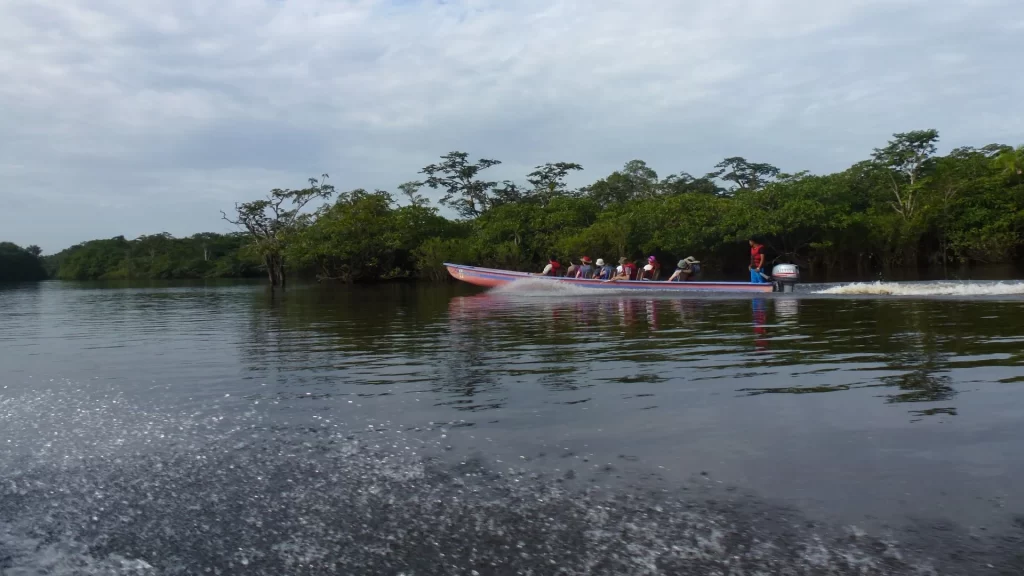
Los ríos constituyen la columna vertebral de la estructura espacial y ecológica de Cuyabeno. La hidrología de la reserva incluye cursos de agua importantes como elRío Aguarico, elRío Cuyabeno, elRío Zábalo, y elRío Balatá, rodeada de lagos interconectados comoLago AgrioyLago Grande. Estos cursos de agua formanlas principales vías de transporte y los corredores ecológicos, sustituyendo de hecho a las carreteras y determinando la forma en que las especies y las personas se desplazan por el territorio.
CÓMO RECORRER CUYABENO: LA EXPERIENCIA DE KILLAS
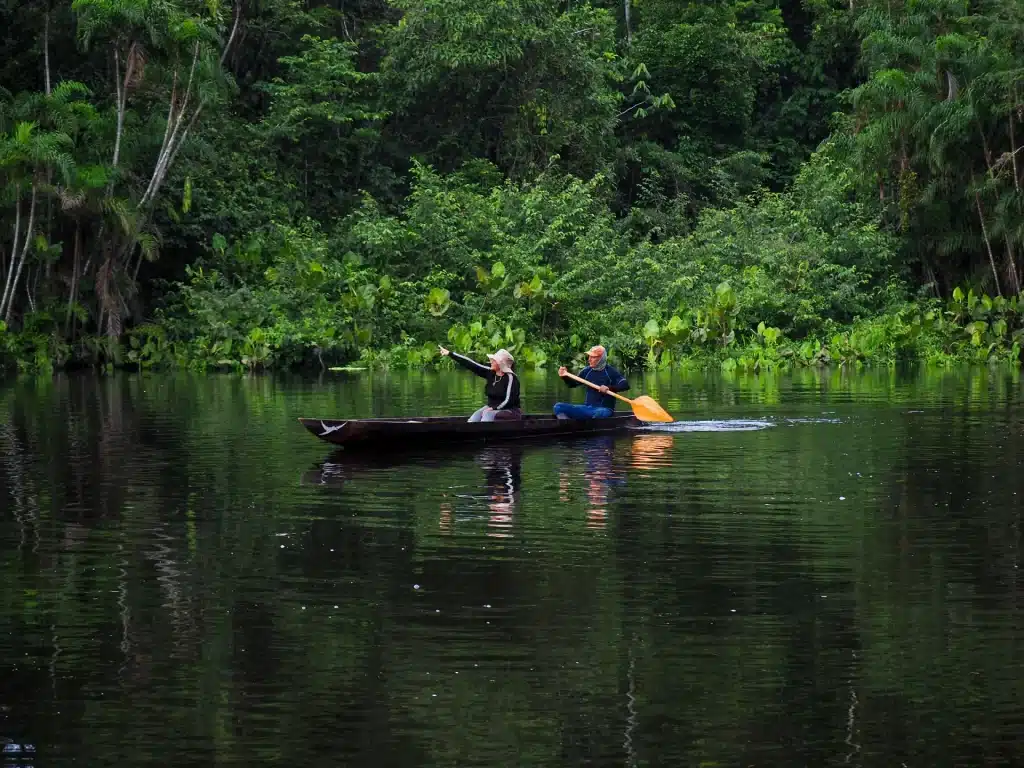
La mejor forma de explorar esta zona es en canoa.Killas, canoas tradicionalesFabricadas y utilizadas por las familias locales, ofrecen una forma ecológica de desplazarse. Las canoas permiten a los visitantes acceder a zonas a las que las embarcaciones a motor no pueden llegar. Su uso fomenta el turismo de bajo impacto y permite a los guías locales compartir conocimientos forjados por la experiencia y la vida en el río. También se pueden realizar recorridos guiados a pie en algunas zonas de la reserva, especialmente durante la estación seca.
¿QUÉ FAUNA HABITA EN ESTOS RÍOS Y BOSQUES?
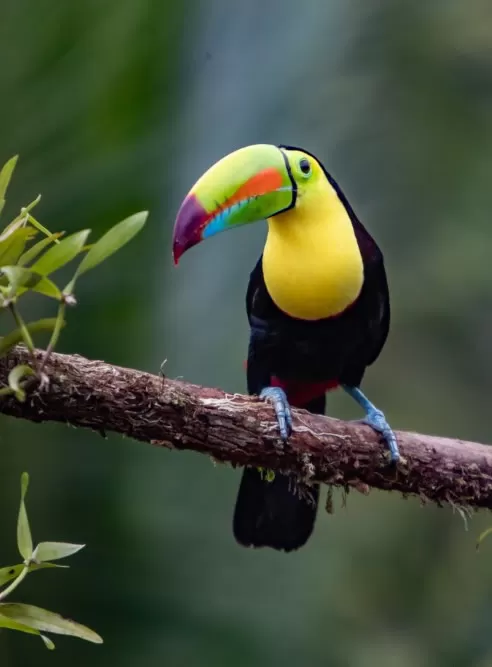
Con más de 550 especies de aves registradas, 12 tipos de primates y avistamientos excepcionales, como nutrias gigantes de río y anacondas, la reserva se encuentra entrelas regiones con mayor biodiversidaden la parte alta del Amazonas. Pero en Cuyabeno, la biodiversidad no es solo una cuestión de cantidad, sino que essobre la conexión.
EN LOS RÍOS: DELFINES ROSADOS, NUTRIAS Y CAIMANES
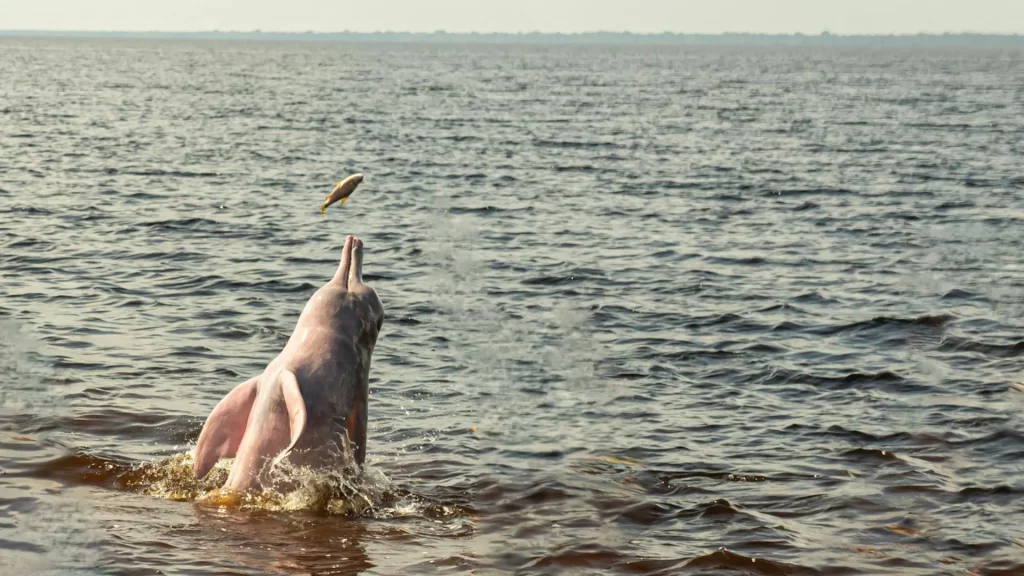
Delfines rosados del Amazonas
A menudo salen a la superficie en silencio cerca de las orillas de los ríos o bajo las ramas, sobre todo al amanecer o en lagunas sombreadas.
A destacar:Su presencia se considera un indicio de un sistema acuático saludable y de equilibrio espiritual en las cosmologías indígenas.
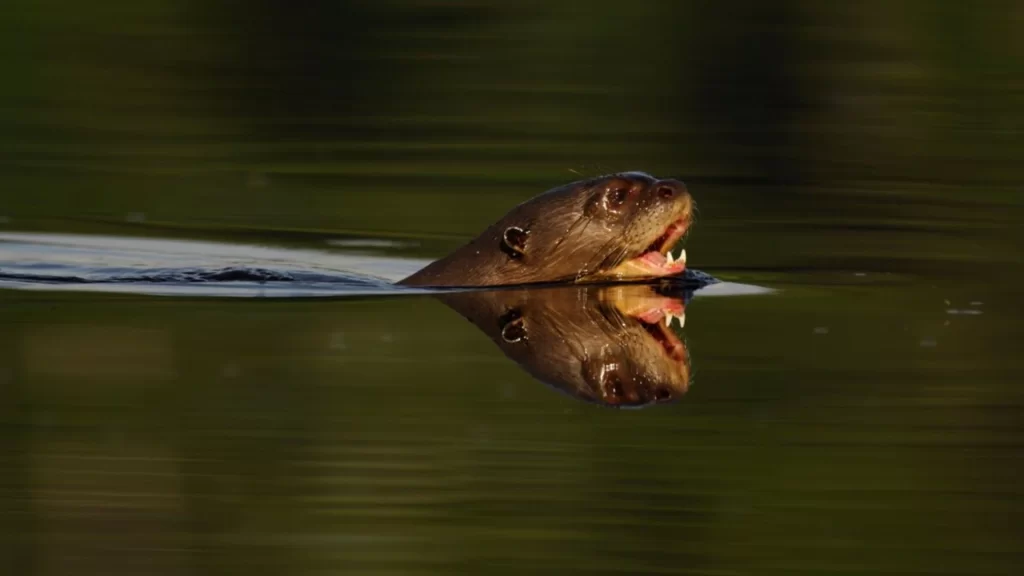
Nutrias gigantes
Se desplazan en grupos familiares muy unidos, a menudo a lo largo de troncos caídos o orillas poco profundas.
A destacar:Su natación sincronizada y sus vocalizaciones revelan un alto grado de organización social y memoria territorial.
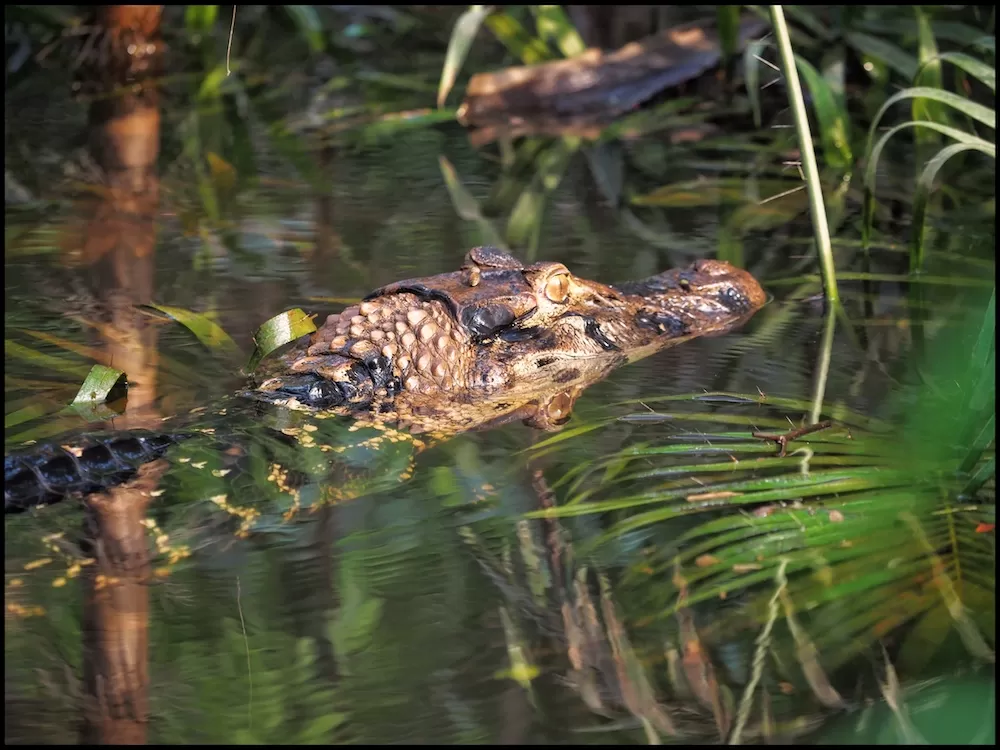
Caimanes
Se hacen más visibles por la noche, cuando sus ojos reflejan la luz sobre la superficie tranquila.
A destacar:Estos reptiles son depredadores acuáticos de primer orden y contribuyen a regular las poblaciones de peces.
ENTRE LOS ÁRBOLES: GUACAMAYOS, MONOS Y ÁGUILAS ARPÍAS
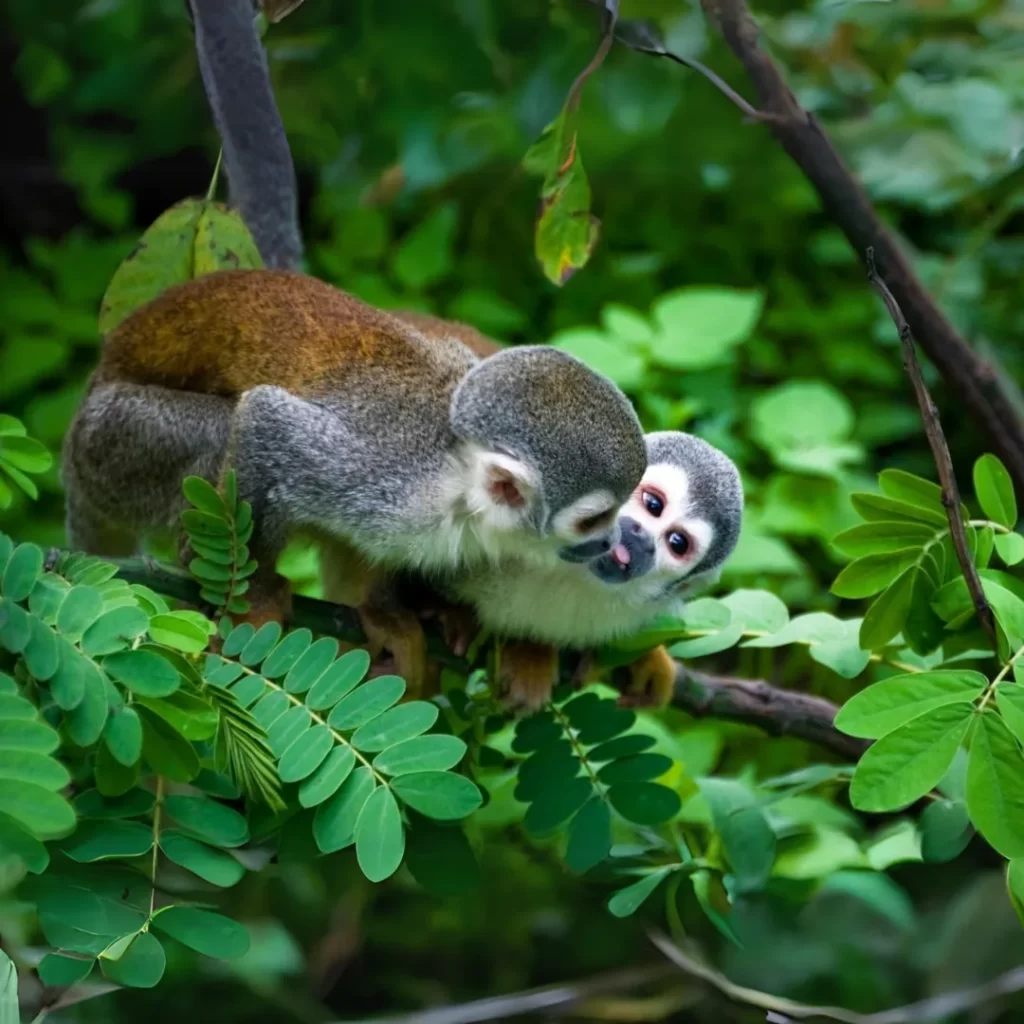
Monos aulladores, ardillas y capuchinos
Forman pequeños grupos que se desplazan por el dosel, en busca de frutos e insectos.
A destacar:Los monos aulladores sirven como indicadores tempranos de la salud del bosque debido a su sensibilidad alimentaria y a su rango vocal.
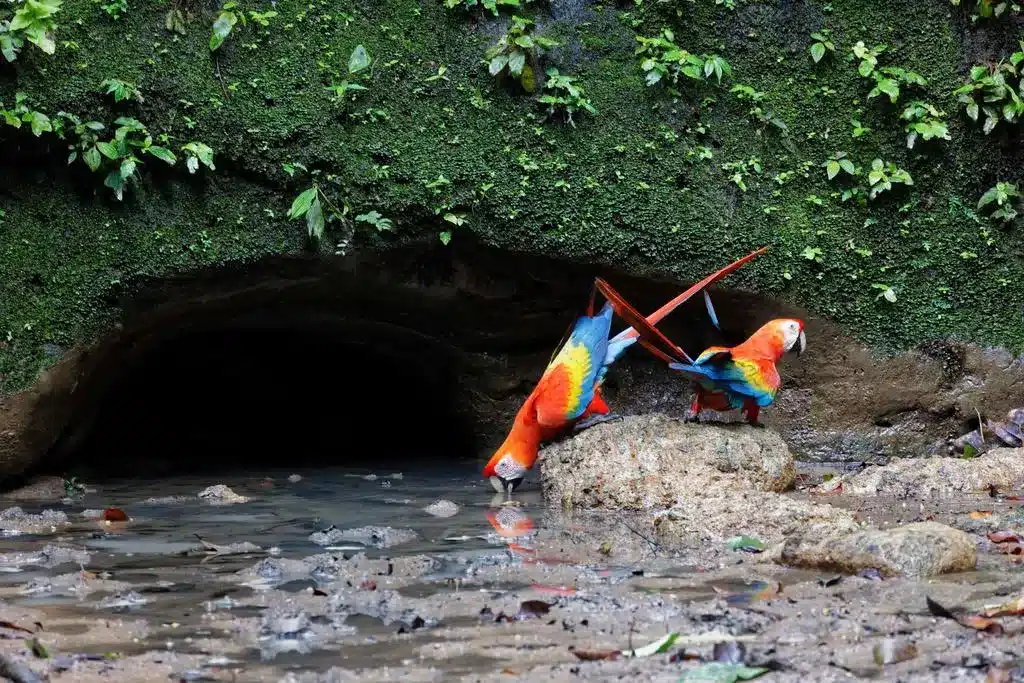
Guacamayos
Vuelan en bandadas ruidosas y coloridas al amanecer y al atardecer.
A destacar:La fuerza de su pico y sus hábitos alimenticios contribuyen a la dispersión de las semillas, algo esencial para la regeneración forestal.
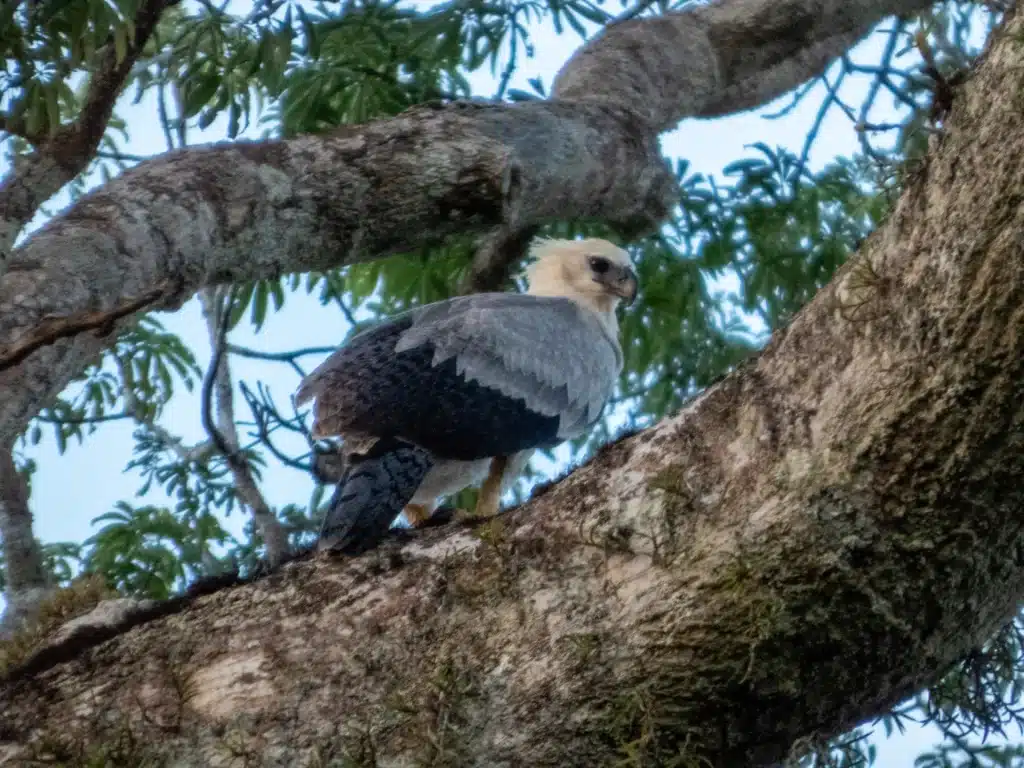
Águilas arpías
Aunque no se ven con frecuencia, habitan en árboles altos y emergentes.
A destacar:Su presencia indica la existencia de una red trófica completa y sin alteraciones, ya que necesitan amplios territorios y bosques maduros.
LO VISIBLE Y LO INVISIBLE: EL RITMO DEL BOSQUE
No todos los encuentros tienen lugar a la vista. Algunos animales permanecen ocultos entre la maleza. Otros solo se delatan a través del sonido, el olor o las sombras que se mueven.
A destacar:El bosque recompensa la quietud, no con garantías, sino con posibilidades.
ALOJAMIENTO EN LA RESERVA: ALOJAMIENTOS LOCALES Y JUNTO AL RÍO
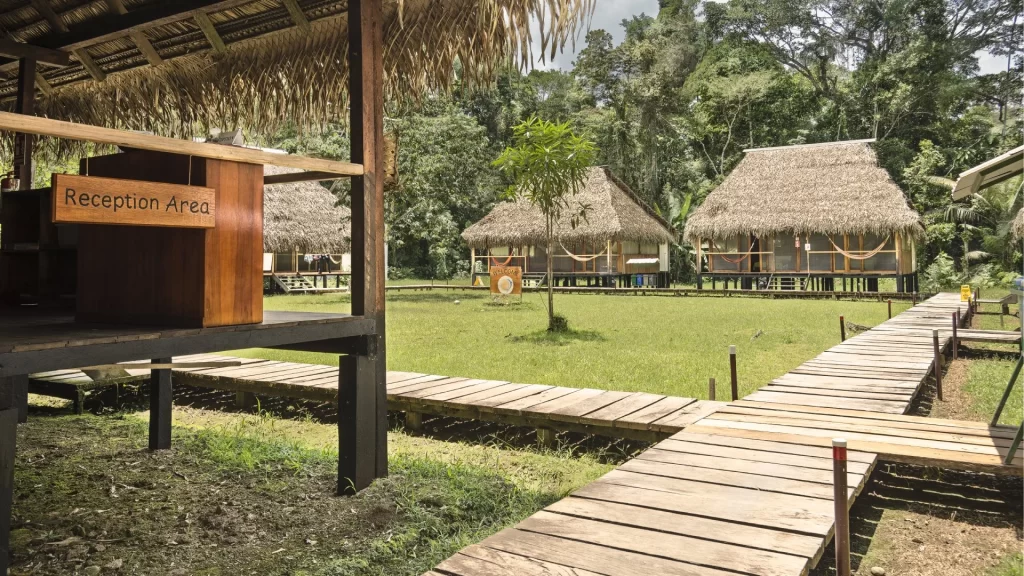
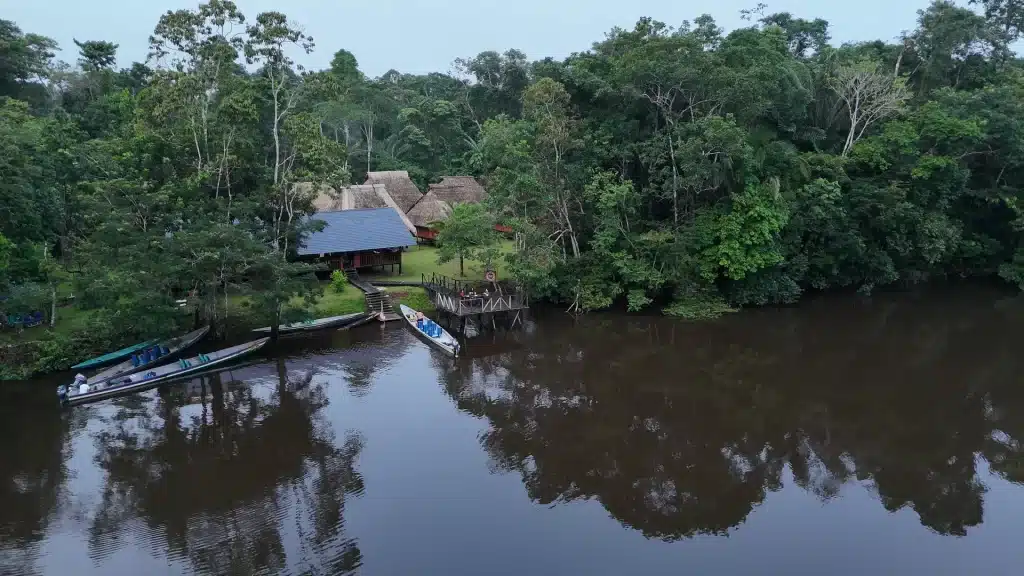
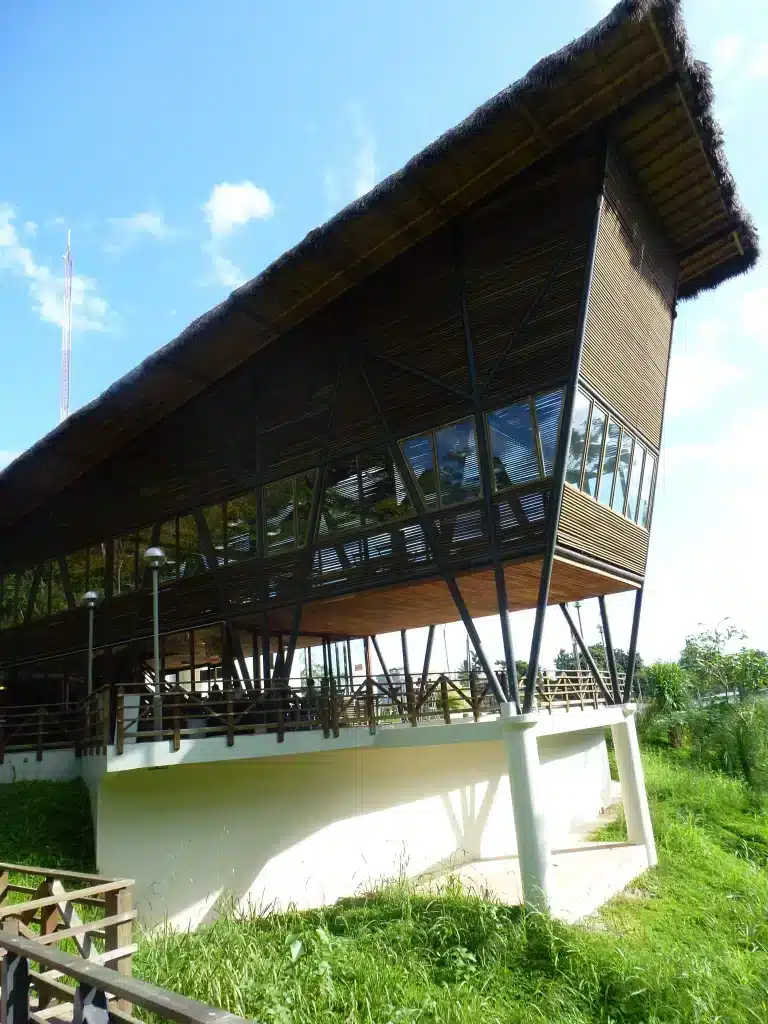
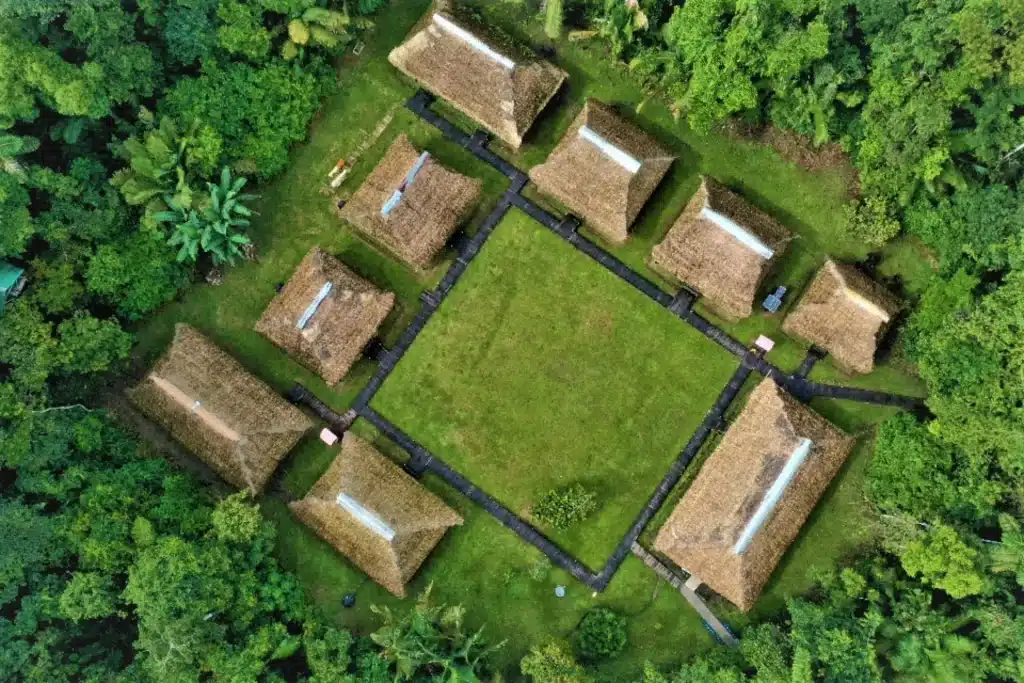
Cuyabeno cuenta con una pequeña y variada selección de alojamientos ecológicos, a la mayoría de los cuales solo se puede acceder por río. Cada uno de ellos se integra en el paisaje a su manera, ya sea a través de la arquitectura, la colaboración con las comunidades o el acceso a ecosistemas específicos. Aunque algunos han forjado vínculos más profundos con los grupos indígenas, todos ofrecen una visión de cómo se puede vivir en la selva tropical de forma respetuosa.
TAPIR LODGE
Cerca del río Cuyabeno
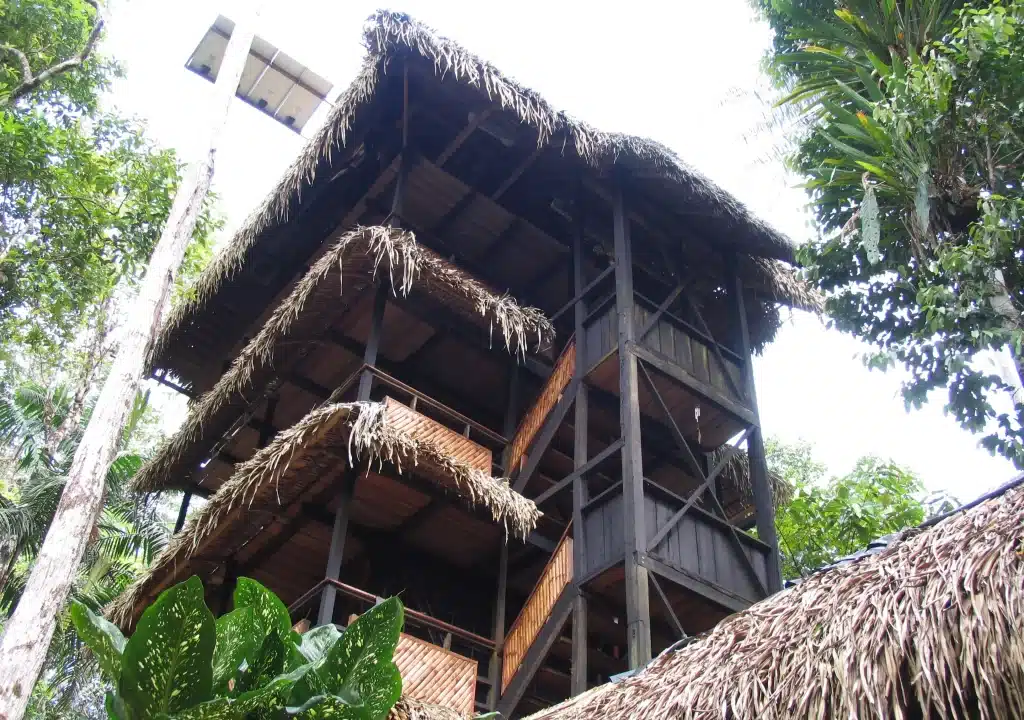
Construido en colaboración con el pueblo siona, el Tapir Lodge cuenta con torres elevadas y plataformas de observación de aves.
A destacar:Ofrece excursiones guiadas en piragua por los bosques de igapó y se considera un modelo de turismo vinculado a la comunidad.
WAITA LODGE
Tramo inferior del río Cuyabeno
Contrata a la mayoría de su personal procedente de las comunidades vecinas.
A destacar:Hace hincapié en actividades tranquilas, como el paddle surf y las excursiones a primera hora de la mañana.
CUYABENO LODGE
Laguna Grande
Este albergue, uno de los más antiguos de la zona, permite acceder a una de las lagunas más ricas de la reserva.
A destacar:Ofrece paseos en canoa envueltos en la niebla al amanecer para observar aves.
CUYABENO RIVER LODGE
Cauce del río Cuyabeno
Una opción más íntima, ideal para explorar con tranquilidad.
A destacar:Situado cerca de lagunas poco frecuentadas, ideales para avistar delfines rosados.
TUCAN LODGE
Tramo central del río Cuyabeno
De estilo rústico y tamaño reducido, este albergue está pensado para grupos pequeños y viajeros independientes.
A destacar:Los paseos por el bosque permiten descubrir las plantas medicinales y sus usos tradicionales.
NICKY AMAZON LODGE
Orilla del río Cuyabeno
Combina las excursiones por la naturaleza con las visitas a las comunidades.
A destacar:Organiza veladas de cuentos con los mayores de la localidad, siempre que sea posible.
CENTRO DE VIDA SILVESTRE DE CUYABENO
Zona interior de la reserva
Diseñado para estancias prolongadas y de inmersión total en zonas remotas de la reserva.
A destacar:En las excursiones nocturnas suele avistarse caimanes y mamíferos nocturnos.
¿QUIÉN PROTEGE ESTE TERRITORIO? LAS COMUNIDADES INDÍGENAS DE CUYABENO
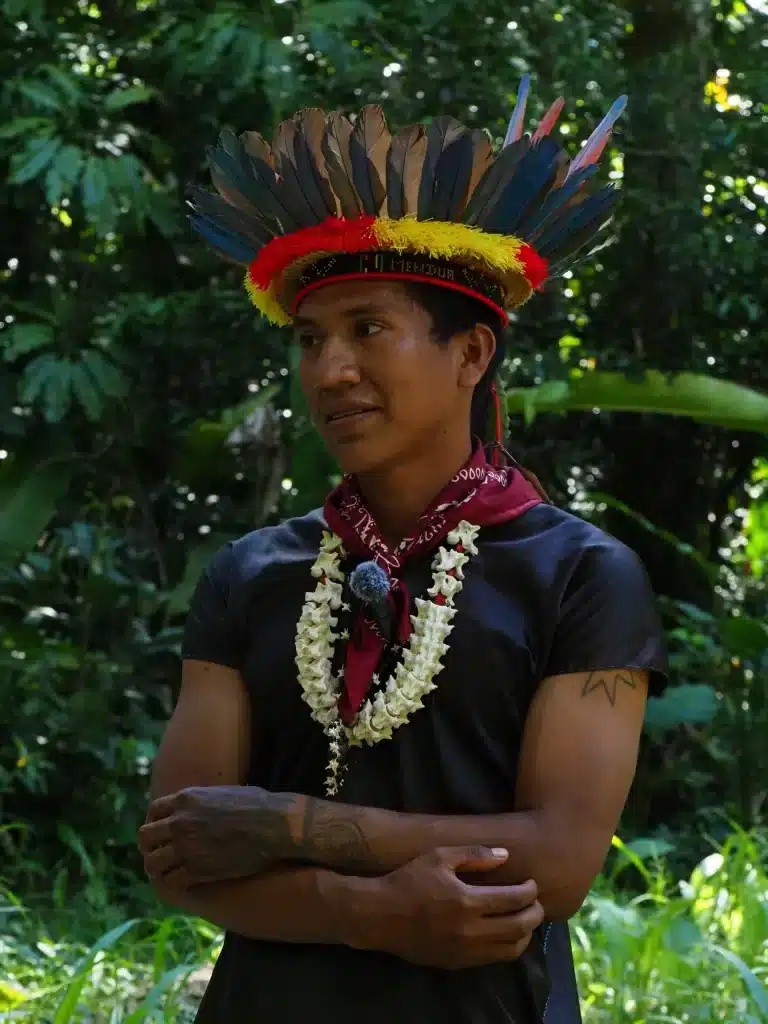
Cuyabeno es también un paisaje cultural vivo. VariosNaciones indígenassiguen habitando sus bosques y ríos, cada uno con su propia lengua, su propia memoria y su propia relación con la tierra.
SIONA: LOS GUARDIANES DEL CONOCIMIENTO DEL RÍO
Los siona, que viven principalmente a orillas del río Cuyabeno, son conocidos por sus habilidades en materia de navegación, medicina tradicional y conocimientos sobre los ciclos del bosque. El uso ceremonial del yajé sigue siendo una parte esencial de su vida espiritual.
SECOYA: LAS VOCES DE LOS ZÁBALO
Los secoya viven cerca del río Zábalo y son conocidos por la tradición de contar historias oralmente, la transmisión intergeneracional de la lengua y la observación ecológica, arraigadas en siglos de práctica.
LOS COFÁN: DEFENSORES DEL AGUARRICO
A lo largo del río Aguarico, los cofán siguen defendiendo sus territorios ancestrales. Sus líderes suelen referirse al bosque como un maestro: un espacio para aprender, no solo para vivir.
KICHWA: LOS AGRICULTORES DEL CHAKRA
Los kichwa, presentes en los límites meridionales de la reserva, mantienen profundos vínculos con la agricultura forestal a través de los chakras, unos huertos de policultivo que nutren tanto a la comunidad como al suelo.
PROYECTOS VIVOS: LA CONSERVACIÓN MÁS ALLÁ DE LA VISITA
Además de la observación de la fauna silvestre, Cuyabeno ofrece diversasiniciativas vinculadas a la comunidad y centradas en la conservaciónque combinan el cuidado del medio ambiente con la continuidad cultural. No se trata de «espectáculos turísticos», sino que representanrespuestas activas al cambio medioambiental, la supervivencia cultural y la gestión compartida.
CONSERVACIÓN DE LA TORTUGA CHARAPA: UNA INICIATIVA DE LA COMUNIDAD Y SUS SOCIOS
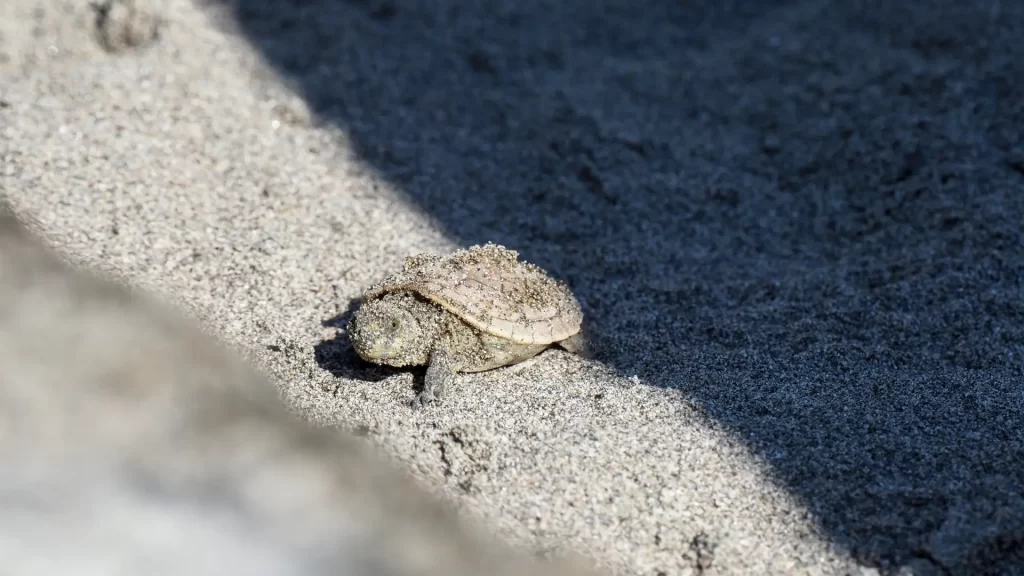
ElPrograma Comunitario de Gestión de la Charapa (CCMP)En Zábalo, los vecinos colaboran para proteger a las tortugas de río (Podocnemis unifilisyP. expansa). Tras registrarse descensos notables en las poblaciones de tortugas,los líderes de la comunidad local se asociaron conWWF Ecuador, la Fundación Sobrevivencia Cofán y el Instituto Nacional de Biodiversidad de Ecuador (INABIO)en un enfoque de gestión comunitaria que se ha prolongado durante décadas y que ha dado lugar a aumentos cuantificables en las estimaciones de población. Este proyecto combinala vigilancia tradicional y las prácticas modernas de seguimientopara garantizar el éxito de la nidificación a lo largo de las riberas.
Varias comunidades ribereñas conservanparcelas de plantas medicinalesque conservan y transmiten conocimientos etnobotánicos. Estos jardines reflejan tradiciones curativas ancestrales y sirven como repositorios informales deespecies medicinales de uso local. A menudo están dirigidas y atendidas por mujeres, lo que integra la gestión responsable de las plantas enla vida cotidiana y las prácticas de salud comunitaria.
ARTESANÍA INDÍGENA Y PRÁCTICAS DE APRENDIZAJE CULTURAL
La producción artesanal —como pendientes, collares y adornos elaborados con materiales naturales— sigue siendo unapráctica cultural que se transmite desde la infanciaen el seno de las familias indígenas. Aunque el turismo ha influido en la demanda, estas prácticas contribuyen aaprendizaje intergeneracional y memoria materialen lugar de ser meros productos comerciales.
EVENTOS DE INTERCAMBIO CULTURAL
En pueblos como Zábalo y otros situados a lo largo del corredor fluvial, las familias comparten de forma intermitentecanciones, bailes, lengua e historiascon los visitantes. No se trata de actuaciones preparadas, sino deexpresiones de epistemologías vividas, revelando cómo el conocimiento y la identidad se mantienen en un lugar determinado.
CUYABENO KICHWA LODGE: CONSERVACIÓN Y HOSPITALIDAD IMPULSADAS POR LAS COMUNIDADES INDÍGENAS
Fundada en 2019 enPlayas de Cuyabenopor la comunidad local kichwa y bajo la dirección de los líderes indígenas,Cuyabeno Kichwa Lodge y Kichwa Wildlife Center S.A.S.desarrolla actividades turísticas que contribuyen a los medios de vida y, al mismo tiempo, promueveun compromiso sostenible con la salud de los ecosistemas y el patrimonio cultural. Este proyecto se ajusta a varios Objetivos de Desarrollo Sostenible de las Naciones Unidas, ya que combina el bienestar de la comunidad con la protección del medio ambiente.
PROYECTO DE CONSERVACIÓN DEL AMAZONAS (COLABORACIÓN CON TERCEROS)
Organizaciones como laProyecto de Conservación del Amazonas, en colaboración con las partes interesadas locales y con iniciativas científicas en materia forestal, como las promovidas por laCentro de Vida Silvestre de Cuyabeno, trabajar paraprotección a largo plazo de los ecosistemas amazónicosmediante el seguimiento, la educación y la recopilación de datos que se incorporan a redes de conservación más amplias.
ANTES DE SALIR A REMAR: INFORMACIÓN ESENCIAL PARA EL VIAJE
¿Necesito un permiso para entrar en la Reserva Natural de Cuyabeno?
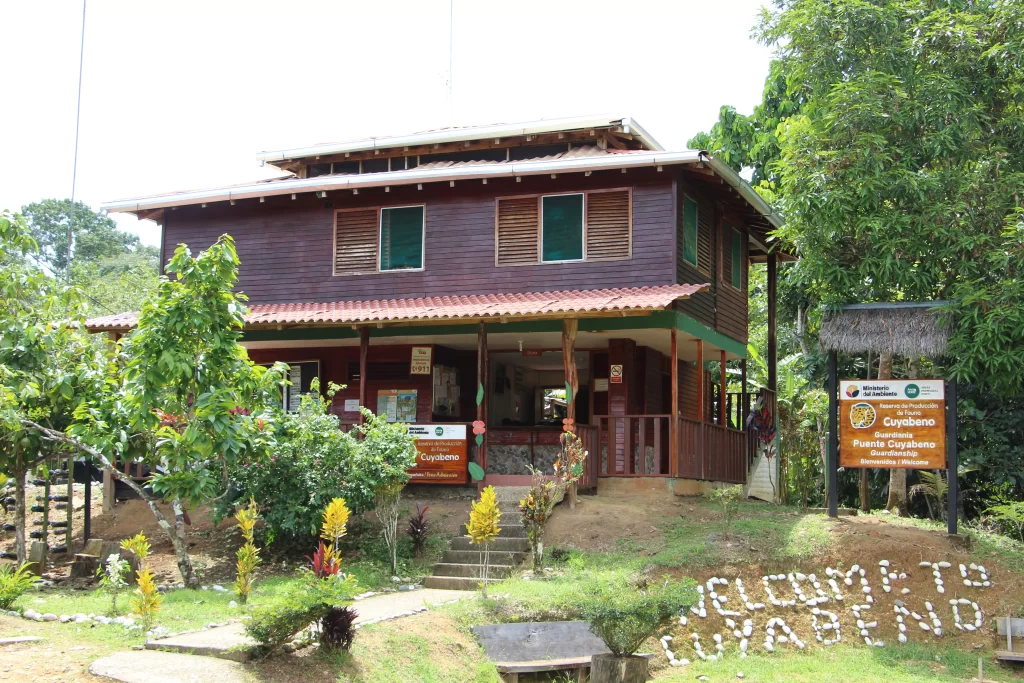
La entrada a Cuyabeno es gratuita y no requiere ningún permiso adicional. Los visitantes deben registrarse en el punto de control oficial (El Puente) y acceder al parque acompañados de un operador turístico autorizado. Este sistema garantiza la seguridad de los visitantes y la gestión medioambiental, de acuerdo con el marco de las áreas protegidas de Ecuador (Ministerio del Medio Ambiente / SNAP).
¿Se puede observar fauna silvestre durante todo el año en Cuyabeno?
Sí. La fauna está presente durante todo el año, pero la visibilidad varía en función del nivel del agua. Durante las épocas de crecida, los ríos de aguas negras atraen a especies acuáticas; en los periodos de estiaje, la fauna se concentra a lo largo de las riberas. Las mejores horas para avistarla son a primera hora de la mañana y al atardecer.
¿Son seguros los ríos de aguas negras para la navegación y el baño?
Los ríos de Blackwater son seguros para la navegación guiada. Es habitual bañarse en zonas concretas, como Laguna Grande, donde las aguas abiertas y la acidez natural reducen el riesgo. El baño siempre se realiza bajo la supervisión de un guía y únicamente en los lugares habilitados para ello.
¿Qué equipamiento básico deben llevar los visitantes?
Ropa ligera de manga larga, calzado impermeable, repelente de insectos, prismáticos, protección solar y una botella de agua reutilizable. La mayoría de los alojamientos proporcionan botas de goma y ropa impermeable, pero se recomienda llevar artículos personales para mayor comodidad.
¿Existen normas para interactuar con la fauna silvestre?
Sí. La fauna silvestre debe observarse desde una distancia respetuosa. Está prohibido dar de comer a los animales o acercarse a los nidos. Los guías siguen protocolos de conservación acordes con la normativa medioambiental de Ecuador para reducir el estrés de las especies.
¿Cómo participan las comunidades indígenas en la conservación?
Las comunidades siona, secoya, cofán y kichwa contribuyen mediante sus conocimientos ecológicos tradicionales, programas de seguimiento e iniciativas de conservación, como la protección de las tortugas y la gestión del hábitat.
¿Puedo visitarlo sin guía?
No. No se permite el acceso por cuenta propia. Los visitantes deben entrar acompañados de un guía naturalista titulado a través de un alojamiento autorizado para garantizar la seguridad, la orientación y la protección del medio ambiente.
La Reserva Natural de Cuyabeno: una selva tropical ecuatoriana única, llena de «killas»
BY RESPONSIBLE TRAVEL
Cuyabeno es unReserva del Amazonas de Blackwaterdonde se extienden extensos bosques inundados, redes entrelazadas de lagunas y la navegación ancestral mediantekillasLas canoas marcan el paisaje.
¿POR QUÉ VISITAR CUYABENO?
Cuyabeno ofrece una experiencia marcada porella lógica del agua y el bosque en conjunto. Aquí, los patrones ecológicos surgen de las interacciones entre las inundaciones estacionales, el caudal fluvial y la complejidad estructural de los humedales tropicales. La red de ríos y lagos de aguas negras de la reserva no solo transporta agua, sino que ademásdetermina dónde se alimentan, se reproducen y migran las especies, y cómo las comunidades se han desplazado y han vivido a lo largo de la historia por el bosque.
Este entorno invita a un tipo de viaje diferente: uno en el que la observación sustituye a las prisas y en el que la comprensión surge al contemplar cómo la vida se desarrolla siguiendo sus propios ciclos.
¿QUÉ HACE QUE CUYABENO SEA ALGO MÁS QUE UNA RESERVA?
Cuyabenose refiere tanto a la región amazónica en sentido amplio como al espacio protegido oficial conocido como elReserva Natural de Cuyabeno, fundada en 1979 y que abarca casi590 000 hectáreasen el noreste de la Amazonía ecuatoriana, que abarca las provincias deSucumbíos y Orellana.
Lo que distingue a Cuyabeno esla continuidad entre su función ecológica y la presencia humana. La reserva protege un mosaico debosques inundados, ríos de aguas negras y humedales estacionales— ecosistemas que siguen estando en conexión directa conTerritorios y culturas indígenasque han convivido con estos paisajes y han aprendido de ellos durante generaciones. En Cuyabeno, la protección y la continuidad cultural convergen, creando un territorio en el que los procesos ecológicos y los conocimientos ancestrales están activos y son observables, sin estar separados.
CÓMO LOS RÍOS DAN FORMA AL TERRITORIO
En la confluencia de los ríos Cuyabeno y Aguarico se encuentraLa Bocana, un lugar de gran importancia tanto ecológica como cultural en el que convergen la composición química del agua, los patrones de caudal y las rutas de desplazamiento tradicionales.
Los ríos constituyen la columna vertebral de la estructura espacial y ecológica de Cuyabeno. La hidrología de la reserva incluye cursos de agua importantes como elRío Aguarico, elRío Cuyabeno, elRío Zábalo, y elRío Balatá, rodeada de lagos interconectados comoLago AgrioyLago Grande. Estos cursos de agua formanlas principales vías de transporte y los corredores ecológicos, sustituyendo de hecho a las carreteras y determinando la forma en que las especies y las personas se desplazan por el territorio.
CÓMO RECORRER CUYABENO: LA EXPERIENCIA DE KILLAS
La mejor forma de explorar esta zona es en canoa.Killas, canoas tradicionalesFabricadas y utilizadas por las familias locales, ofrecen una forma ecológica de desplazarse. Las canoas permiten a los visitantes acceder a zonas a las que las embarcaciones a motor no pueden llegar. Su uso fomenta el turismo de bajo impacto y permite a los guías locales compartir conocimientos forjados por la experiencia y la vida en el río. También se pueden realizar recorridos guiados a pie en algunas zonas de la reserva, especialmente durante la estación seca.
¿QUÉ FAUNA HABITA EN ESTOS RÍOS Y BOSQUES?
Con más de 550 especies de aves registradas, 12 tipos de primates y avistamientos excepcionales, como nutrias gigantes de río y anacondas, la reserva se encuentra entrelas regiones con mayor biodiversidaden la parte alta del Amazonas. Pero en Cuyabeno, la biodiversidad no es solo una cuestión de cantidad, sino que essobre la conexión.
EN LOS RÍOS: DELFINES ROSADOS, NUTRIAS Y CAIMANES
Delfines rosados del Amazonas
A menudo salen a la superficie en silencio cerca de las orillas de los ríos o bajo las ramas, sobre todo al amanecer o en lagunas sombreadas.
A destacar:Su presencia se considera un indicio de un sistema acuático saludable y de equilibrio espiritual en las cosmologías indígenas.
Nutrias gigantes
Se desplazan en grupos familiares muy unidos, a menudo a lo largo de troncos caídos o orillas poco profundas.
A destacar:Su natación sincronizada y sus vocalizaciones revelan un alto grado de organización social y memoria territorial.
Caimanes
Se hacen más visibles por la noche, cuando sus ojos reflejan la luz sobre la superficie tranquila.
A destacar:Estos reptiles son depredadores acuáticos de primer orden y contribuyen a regular las poblaciones de peces.
ENTRE LOS ÁRBOLES: GUACAMAYOS, MONOS Y ÁGUILAS ARPÍAS
Monos aulladores, ardillas y capuchinos
Forman pequeños grupos que se desplazan por el dosel, en busca de frutos e insectos.
A destacar:Los monos aulladores sirven como indicadores tempranos de la salud del bosque debido a su sensibilidad alimentaria y a su rango vocal.
Guacamayos
Vuelan en bandadas ruidosas y coloridas al amanecer y al atardecer.
A destacar:La fuerza de su pico y sus hábitos alimenticios contribuyen a la dispersión de las semillas, algo esencial para la regeneración forestal.
Águilas arpías
Aunque no se ven con frecuencia, habitan en árboles altos y emergentes.
A destacar:Su presencia indica la existencia de una red trófica completa y sin alteraciones, ya que necesitan amplios territorios y bosques maduros.
LO VISIBLE Y LO INVISIBLE: EL RITMO DEL BOSQUE
No todos los encuentros tienen lugar a la vista. Algunos animales permanecen ocultos entre la maleza. Otros solo se delatan a través del sonido, el olor o las sombras que se mueven.
A destacar:El bosque recompensa la quietud, no con garantías, sino con posibilidades.
ALOJAMIENTO EN LA RESERVA: ALOJAMIENTOS LOCALES Y JUNTO AL RÍO
Cuyabeno cuenta con una pequeña y variada selección de alojamientos ecológicos, a la mayoría de los cuales solo se puede acceder por río. Cada uno de ellos se integra en el paisaje a su manera, ya sea a través de la arquitectura, la colaboración con las comunidades o el acceso a ecosistemas específicos. Aunque algunos han forjado vínculos más profundos con los grupos indígenas, todos ofrecen una visión de cómo se puede vivir en la selva tropical de forma respetuosa.
TAPIR LODGE
Cerca del río Cuyabeno
Construido en colaboración con el pueblo siona, el Tapir Lodge cuenta con torres elevadas y plataformas de observación de aves.
A destacar:Ofrece excursiones guiadas en piragua por los bosques de igapó y se considera un modelo de turismo vinculado a la comunidad.
WAITA LODGE
Tramo inferior del río Cuyabeno
Contrata a la mayoría de su personal procedente de las comunidades vecinas.
A destacar:Hace hincapié en actividades tranquilas, como el paddle surf y las excursiones a primera hora de la mañana.
CUYABENO LODGE
Laguna Grande
Este albergue, uno de los más antiguos de la zona, permite acceder a una de las lagunas más ricas de la reserva.
A destacar:Ofrece paseos en canoa envueltos en la niebla al amanecer para observar aves.
CUYABENO RIVER LODGE
Cauce del río Cuyabeno
Una opción más íntima, ideal para explorar con tranquilidad.
A destacar:Situado cerca de lagunas poco frecuentadas, ideales para avistar delfines rosados.
TUCAN LODGE
Tramo central del río Cuyabeno
De estilo rústico y tamaño reducido, este albergue está pensado para grupos pequeños y viajeros independientes.
A destacar:Los paseos por el bosque permiten descubrir las plantas medicinales y sus usos tradicionales.
NICKY AMAZON LODGE
Orilla del río Cuyabeno
Combina las excursiones por la naturaleza con las visitas a las comunidades.
A destacar:Organiza veladas de cuentos con los mayores de la localidad, siempre que sea posible.
CENTRO DE VIDA SILVESTRE DE CUYABENO
Zona interior de la reserva
Diseñado para estancias prolongadas y de inmersión total en zonas remotas de la reserva.
A destacar:En las excursiones nocturnas suele avistarse caimanes y mamíferos nocturnos.
¿QUIÉN PROTEGE ESTE TERRITORIO? LAS COMUNIDADES INDÍGENAS DE CUYABENO
Cuyabeno es también un paisaje cultural vivo. VariosNaciones indígenassiguen habitando sus bosques y ríos, cada uno con su propia lengua, su propia memoria y su propia relación con la tierra.
SIONA: LOS GUARDIANES DEL CONOCIMIENTO DEL RÍO
Los siona, que viven principalmente a orillas del río Cuyabeno, son conocidos por sus habilidades en materia de navegación, medicina tradicional y conocimientos sobre los ciclos del bosque. El uso ceremonial del yajé sigue siendo una parte esencial de su vida espiritual.
SECOYA: LAS VOCES DE LOS ZÁBALO
Los secoya viven cerca del río Zábalo y son conocidos por la tradición de contar historias oralmente, la transmisión intergeneracional de la lengua y la observación ecológica, arraigadas en siglos de práctica.
LOS COFÁN: DEFENSORES DEL AGUARRICO
A lo largo del río Aguarico, los cofán siguen defendiendo sus territorios ancestrales. Sus líderes suelen referirse al bosque como un maestro: un espacio para aprender, no solo para vivir.
KICHWA: LOS AGRICULTORES DEL CHAKRA
Los kichwa, presentes en los límites meridionales de la reserva, mantienen profundos vínculos con la agricultura forestal a través de los chakras, unos huertos de policultivo que nutren tanto a la comunidad como al suelo.
PROYECTOS VIVOS: LA CONSERVACIÓN MÁS ALLÁ DE LA VISITA
Además de la observación de la fauna silvestre, Cuyabeno ofrece diversasiniciativas vinculadas a la comunidad y centradas en la conservaciónque combinan el cuidado del medio ambiente con la continuidad cultural. No se trata de «espectáculos turísticos», sino que representanrespuestas activas al cambio medioambiental, la supervivencia cultural y la gestión compartida.
CONSERVACIÓN DE LA TORTUGA CHARAPA: UNA INICIATIVA DE LA COMUNIDAD Y SUS SOCIOS
ElPrograma Comunitario de Gestión de la Charapa (CCMP)En Zábalo, los vecinos colaboran para proteger a las tortugas de río (Podocnemis unifilisyP. expansa). Tras registrarse descensos notables en las poblaciones de tortugas,los líderes de la comunidad local se asociaron conWWF Ecuador, la Fundación Sobrevivencia Cofán y el Instituto Nacional de Biodiversidad de Ecuador (INABIO)en un enfoque de gestión comunitaria que se ha prolongado durante décadas y que ha dado lugar a aumentos cuantificables en las estimaciones de población. Este proyecto combinala vigilancia tradicional y las prácticas modernas de seguimientopara garantizar el éxito de la nidificación a lo largo de las riberas.
Varias comunidades ribereñas conservanparcelas de plantas medicinalesque conservan y transmiten conocimientos etnobotánicos. Estos jardines reflejan tradiciones curativas ancestrales y sirven como repositorios informales deespecies medicinales de uso local. A menudo están dirigidas y atendidas por mujeres, lo que integra la gestión responsable de las plantas enla vida cotidiana y las prácticas de salud comunitaria.
ARTESANÍA INDÍGENA Y PRÁCTICAS DE APRENDIZAJE CULTURAL
La producción artesanal —como pendientes, collares y adornos elaborados con materiales naturales— sigue siendo unapráctica cultural que se transmite desde la infanciaen el seno de las familias indígenas. Aunque el turismo ha influido en la demanda, estas prácticas contribuyen aaprendizaje intergeneracional y memoria materialen lugar de ser meros productos comerciales.
EVENTOS DE INTERCAMBIO CULTURAL
En pueblos como Zábalo y otros situados a lo largo del corredor fluvial, las familias comparten de forma intermitentecanciones, bailes, lengua e historiascon los visitantes. No se trata de actuaciones preparadas, sino deexpresiones de epistemologías vividas, revelando cómo el conocimiento y la identidad se mantienen en un lugar determinado.
CUYABENO KICHWA LODGE: CONSERVACIÓN Y HOSPITALIDAD IMPULSADAS POR LAS COMUNIDADES INDÍGENAS
Fundada en 2019 enPlayas de Cuyabenopor la comunidad local kichwa y bajo la dirección de los líderes indígenas,Cuyabeno Kichwa Lodge y Kichwa Wildlife Center S.A.S.desarrolla actividades turísticas que contribuyen a los medios de vida y, al mismo tiempo, promueveun compromiso sostenible con la salud de los ecosistemas y el patrimonio cultural. Este proyecto se ajusta a varios Objetivos de Desarrollo Sostenible de las Naciones Unidas, ya que combina el bienestar de la comunidad con la protección del medio ambiente.
PROYECTO DE CONSERVACIÓN DEL AMAZONAS (COLABORACIÓN CON TERCEROS)
Organizaciones como laProyecto de Conservación del Amazonas, en colaboración con las partes interesadas locales y con iniciativas científicas en materia forestal, como las promovidas por laCentro de Vida Silvestre de Cuyabeno, trabajar paraprotección a largo plazo de los ecosistemas amazónicosmediante el seguimiento, la educación y la recopilación de datos que se incorporan a redes de conservación más amplias.
ANTES DE SALIR A REMAR: INFORMACIÓN ESENCIAL PARA EL VIAJE
¿Necesito un permiso para entrar en la Reserva Natural de Cuyabeno?
La entrada a Cuyabeno es gratuita y no requiere ningún permiso adicional. Los visitantes deben registrarse en el punto de control oficial (El Puente) y acceder al parque acompañados de un operador turístico autorizado. Este sistema garantiza la seguridad de los visitantes y la gestión medioambiental, de acuerdo con el marco de las áreas protegidas de Ecuador (Ministerio del Medio Ambiente / SNAP).
¿Se puede observar fauna silvestre durante todo el año en Cuyabeno?
Sí. La fauna está presente durante todo el año, pero la visibilidad varía en función del nivel del agua. Durante las épocas de crecida, los ríos de aguas negras atraen a especies acuáticas; en los periodos de estiaje, la fauna se concentra a lo largo de las riberas. Las mejores horas para avistarla son a primera hora de la mañana y al atardecer.
¿Son seguros los ríos de aguas negras para la navegación y el baño?
Los ríos de Blackwater son seguros para la navegación guiada. Es habitual bañarse en zonas concretas, como Laguna Grande, donde las aguas abiertas y la acidez natural reducen el riesgo. El baño siempre se realiza bajo la supervisión de un guía y únicamente en los lugares habilitados para ello.
¿Qué equipamiento básico deben llevar los visitantes?
Ropa ligera de manga larga, calzado impermeable, repelente de insectos, prismáticos, protección solar y una botella de agua reutilizable. La mayoría de los alojamientos proporcionan botas de goma y ropa impermeable, pero se recomienda llevar artículos personales para mayor comodidad.
¿Existen normas para interactuar con la fauna silvestre?
Sí. La fauna silvestre debe observarse desde una distancia respetuosa. Está prohibido dar de comer a los animales o acercarse a los nidos. Los guías siguen protocolos de conservación acordes con la normativa medioambiental de Ecuador para reducir el estrés de las especies.
¿Cómo participan las comunidades indígenas en la conservación?
Las comunidades siona, secoya, cofán y kichwa contribuyen mediante sus conocimientos ecológicos tradicionales, programas de seguimiento e iniciativas de conservación, como la protección de las tortugas y la gestión del hábitat.
¿Puedo visitarlo sin guía?
No. No se permite el acceso por cuenta propia. Los visitantes deben entrar acompañados de un guía naturalista titulado a través de un alojamiento autorizado para garantizar la seguridad, la orientación y la protección del medio ambiente.
Explora nuestras últimas noticias
18/09/2026
Cinco animales sorprendentes de Bolivia: conoce al gato Tilcayo y otras especies difíciles de ver
04/08/2026
Huasquila Amazon Lodge: Ubicación, cómo llegar y actividades
03/08/2026
Parque Nacional de Antisana: el volcán, la fauna y La Mica
29/07/2026
Chamanes en Ecuador: un viaje al corazón de la sabiduría amazónica
27/07/2026
Una inmersión en la tribu waorani: El escudo del Amazonas
24/07/2026
¿Qué islas visitó Darwin durante su expedición?
Contenido mejor valorado
24/07/2026
Los Grandes Lagos y las lagunas de Sudamérica: paisajes ricos en historia, cultura y naturaleza
24/07/2026
Maravillosas rutas de senderismo en Ecuador, aptas para senderistas de todos los niveles
23/07/2026
Costa Rica contra Ecuador: ¿cuál es mejor para practicar turismo de aventura sostenible?
16/07/2026
Feria de las Flores de Medellín: guía del festival y la tradición de los silleteros
14/07/2026
Ruta del Spondylus en Ecuador: ¿el mejor viaje por carretera por la costa?
14/07/2026
La Reserva Natural de Cuyabeno: una selva tropical ecuatoriana única, llena de «killas»
Contenido más visto
13/07/2026
Canoas tradicionales de la Amazonía y la historia detrás de Killas
06/07/2026
¿Por qué deberías viajar el día de tu cumpleaños?
21/05/2026
¿Qué es el «Día de los Muertos» en Ecuador?
21/05/2026
Chimborazo, Ecuador, 2023: la montaña que nunca olvidarás
21/05/2026
Los mejores destinos turísticos de Ecuador para 2023 y 2024
21/05/2026
The Best Tourist Places to See in Cusco ?