





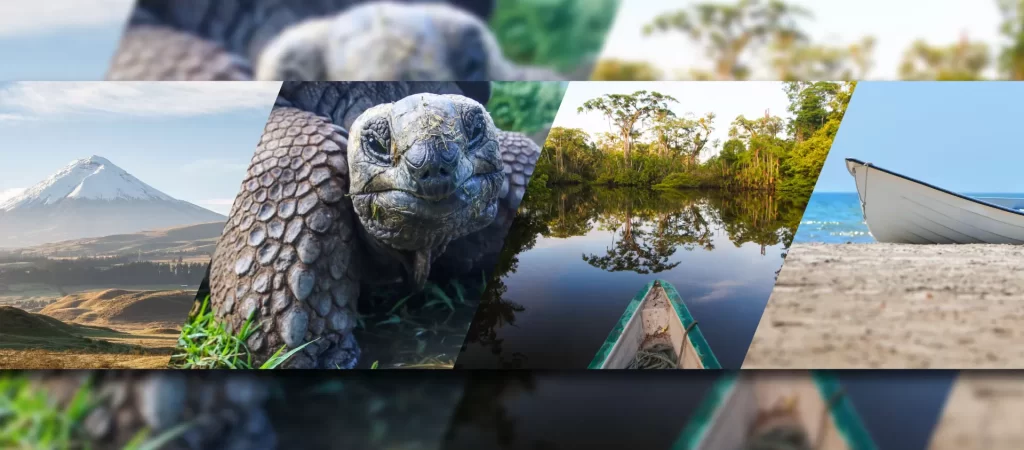
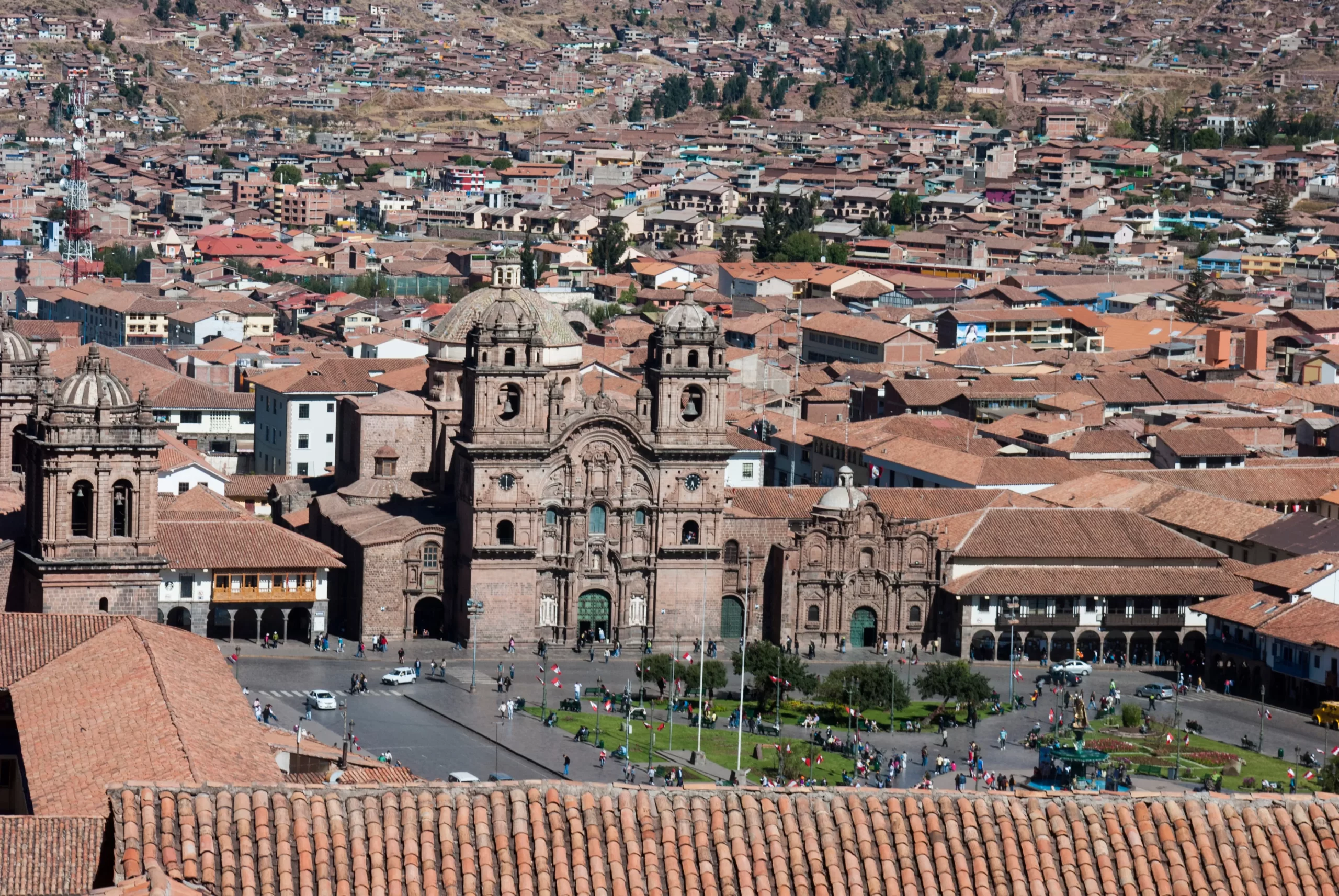
Elegir entre las mejores rutas de senderismo de un día en Ecuador implica algo más que comparar paisajes. El acceso, la altitud, el estado de los senderos, la duración de la caminata y los servicios disponibles son factores que pueden influir a la hora de decidir qué ruta es la más adecuada para ti.
Esta guía explica cómo llegar a cada ruta de senderismo y qué es lo que probablemente encontrarás en el punto de partida. Además, te ayuda a comparar la duración de la ruta, el nivel de dificultad y el tipo de viajero al que se adapta cada ruta, al tiempo que explica en qué casos el asesoramiento de los guías locales puede facilitar el transporte, la planificación y el acceso.
EXCURSIONES DE UN DÍA FRENTE AL SENDERISMO DE LARGA DISTANCIA EN ECUADOR
En esta guía, el término «senderismo de un día» hace referencia a rutas que se pueden completar sin acampar ni llevar equipo para pasar la noche. El trekking suele implicar pasar varios días en la ruta, alojándose en campings, refugios o comunidades locales.
Las rutas que se indican a continuación están pensadas para excursiones de un día. No obstante, su dificultad varía en función de la altitud, el desnivel, el terreno y las condiciones meteorológicas.

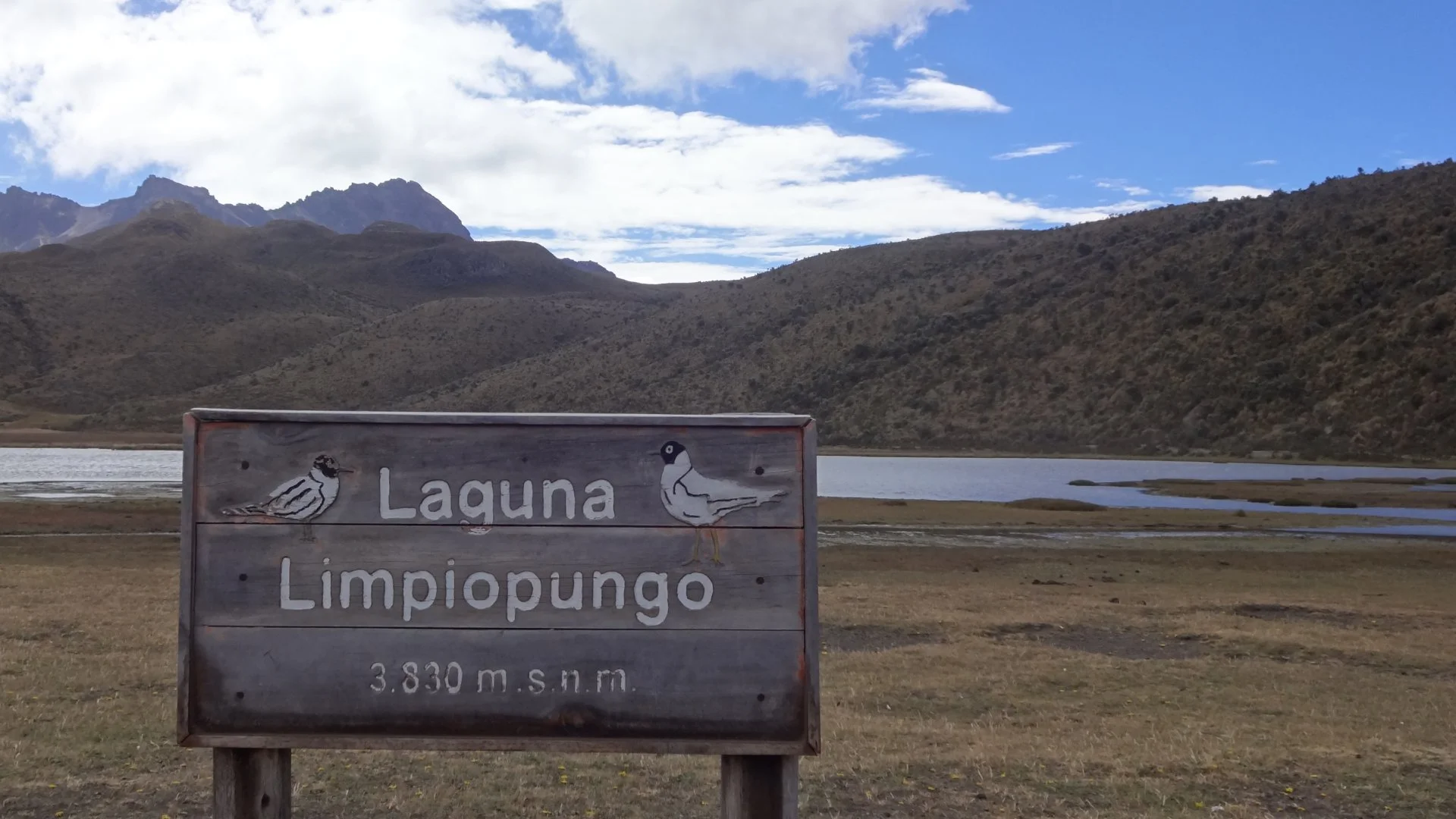
LA LAGUNA DE LIMPIOPUNGO, EN EL PARQUE NACIONAL COTOPAXI
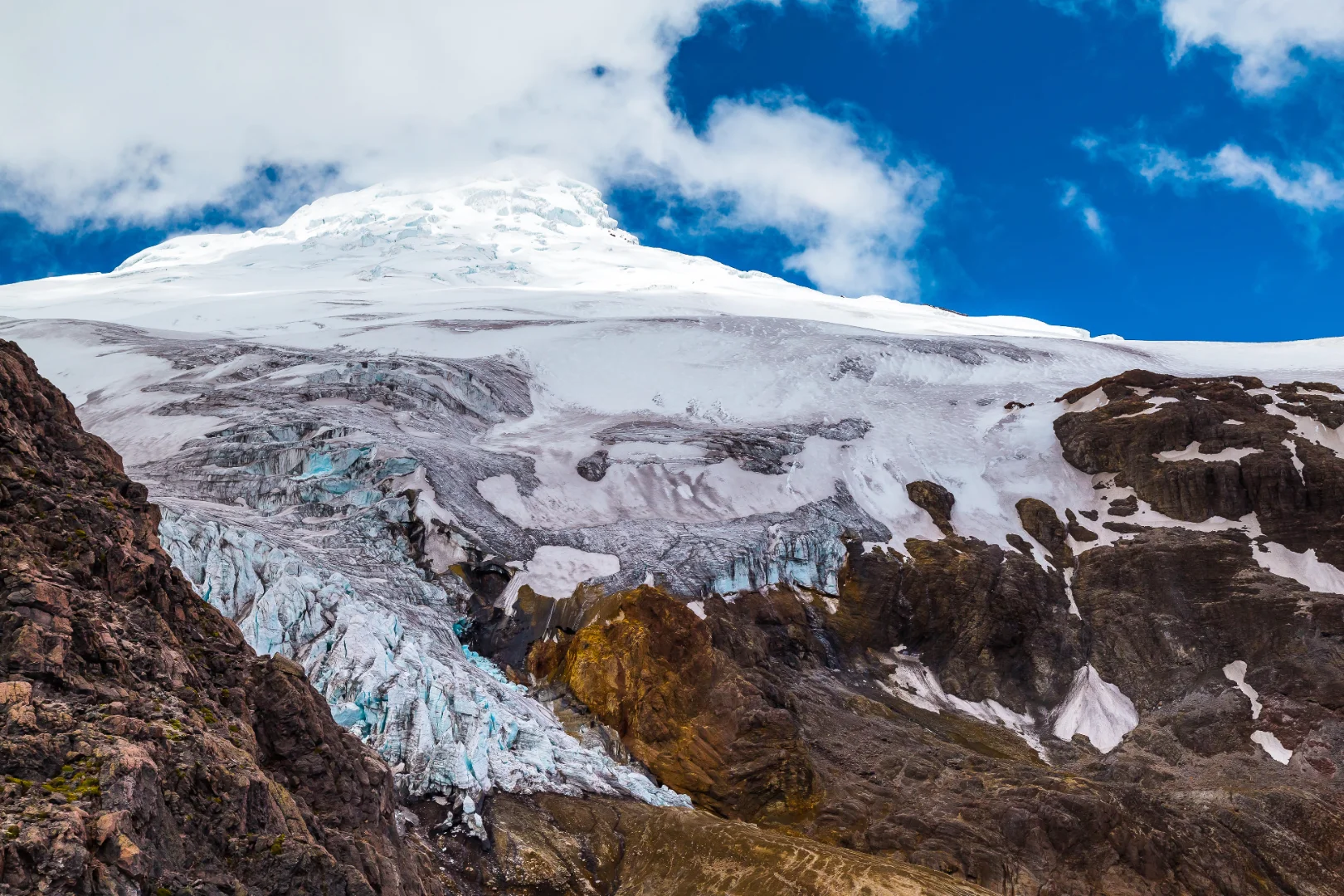
Ideal para:Un tranquilo paseo a gran altitud, paisajes de páramo y vistas del Cotopaxi cuando hace buen tiempo.
DÓNDE ESTÁ Y CÓMO LLEGAR
La laguna de Limpiopungo se encuentra dentro del Parque Nacional Cotopaxi, al sur de Quito. Se puede visitar en una excursión de un día desde la capital o incluirla en un recorrido más largo por los Andes ecuatorianos.
«Turismo responsable» incluye a Limpiopungo en suExcursión de un día al Parque Nacional del Cotopaxi, con transporte privado, un guía que habla inglés y las entradas mencionadas en el itinerario.
CONDICIONES Y DIFICULTAD DE LA RUTA
Eldar un paseo por la lagunaDiscurre por un terreno relativamente llano. Es menos exigente físicamente que las rutas que ascienden hacia las laderas más altas del Cotopaxi, aunque la altitud puede hacer que la caminata resulte más agotadora de lo esperado.
Las condiciones meteorológicas pueden cambiar rápidamente en el páramo. El viento, las nubes bajas o la lluvia pueden afectar a la visibilidad y al estado de los senderos, por lo que se recomienda llevar ropa de abrigo y una chaqueta impermeable.
QUÉ PUEDES ESPERAR
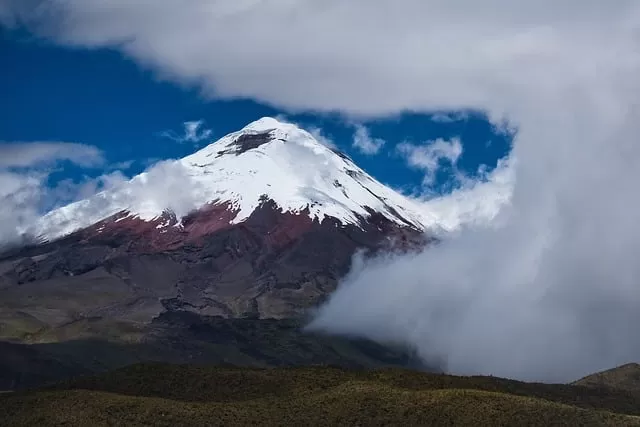
La laguna está rodeada de páramo abierto y, en días despejados, ofrece vistas hacia el Cotopaxi y las montañas cercanas. Los humedales también sirven de hábitat para las aves andinas, lo que convierte este lugar en una parada interesante para los viajeros interesados en la naturaleza y la fotografía.
CUÁNDO RESULTA ÚTIL UNA GUÍA
Un guía local puede explicar el ecosistema del páramo, ayudar a identificar la fauna y adaptar la visita a las condiciones meteorológicas y de acceso del momento. Para los viajeros que vienen desde Quito, una excursión organizada también facilita el transporte y la inscripción en el espacio protegido.
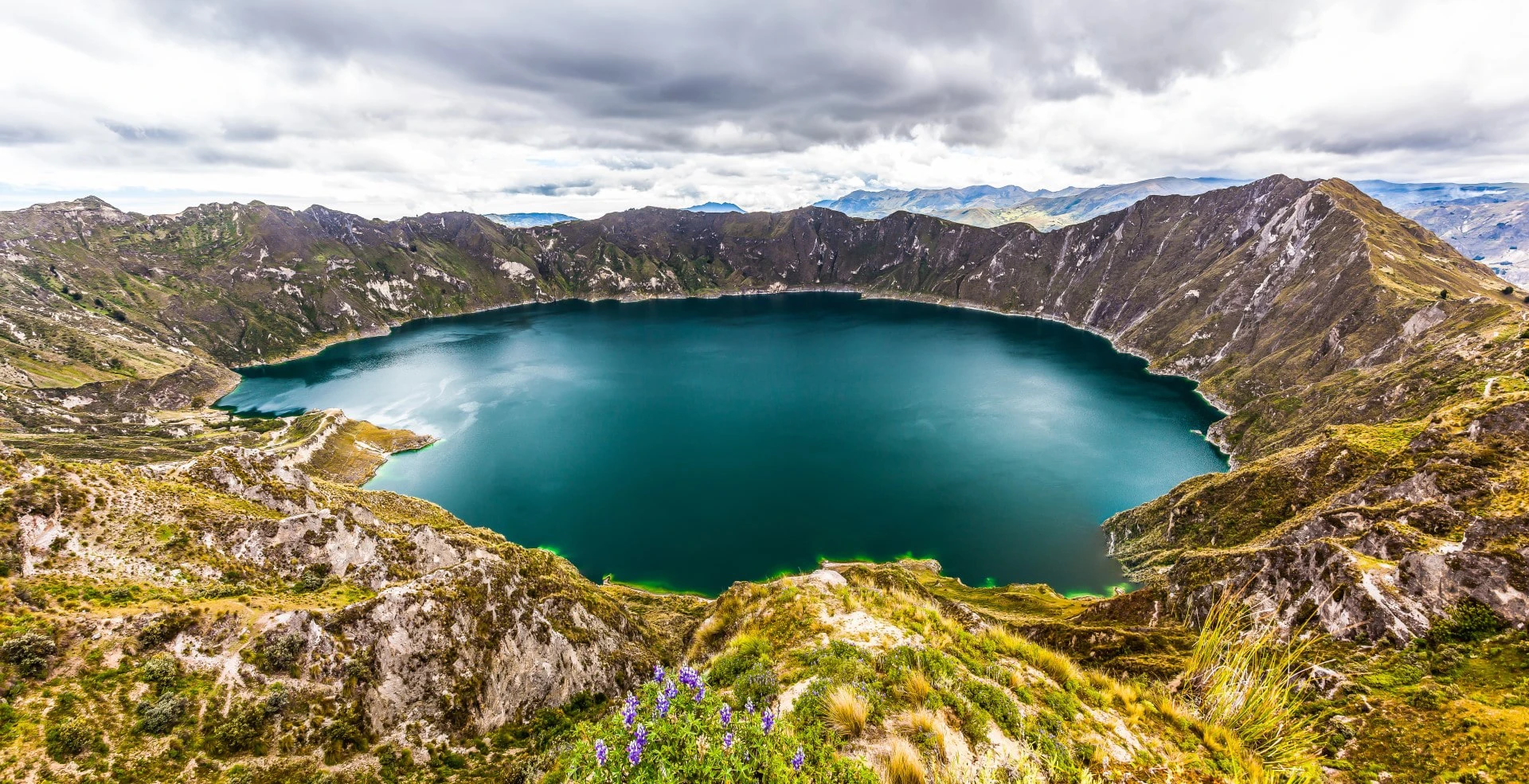
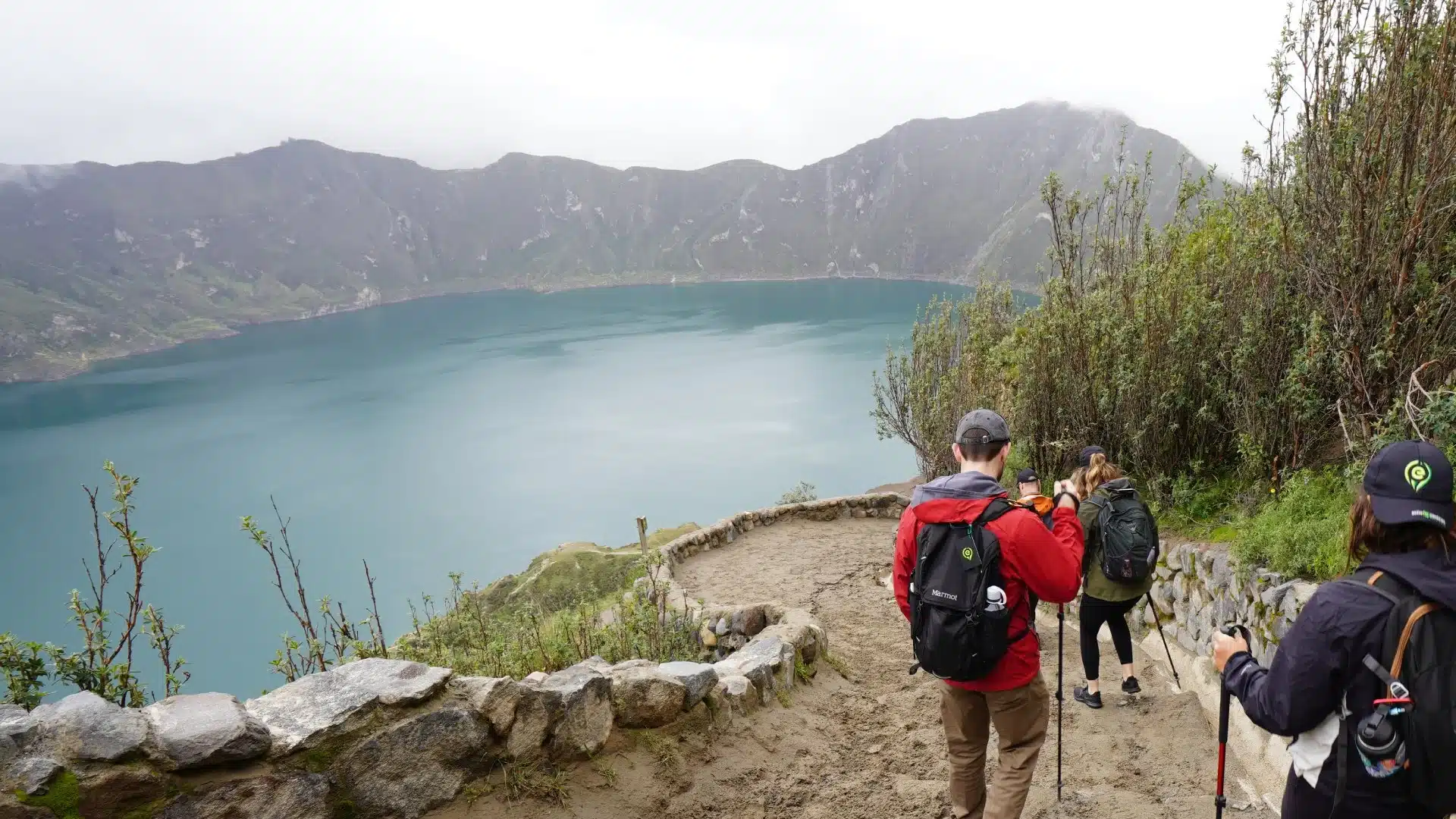
LAGO DEL CRÁTER DE QUILOTOA
Ideal para:Vistas desde gran altura, opciones de senderismo flexibles y viajeros que desean adaptar la experiencia a su tiempo disponible y a su nivel de forma física.
DÓNDE ESTÁ Y CÓMO LLEGAR
Quilotoa se encuentra en la provincia de Cotopaxi, a unas tres o cuatro horas por carretera desde Quito. Los viajeros que utilizan el transporte público suelen hacer transbordo en Latacunga o Zumbahua, mientras que las excursiones privadas pueden llegar directamente al pueblo situado en el borde del cráter.
La zona principal para visitantes se encuentra cerca de los miradores e incluye restaurantes, puestos de artesanía, alojamientos e instalaciones básicas. Se recomienda confirmar in situ la disponibilidad de los servicios y las formas de pago, así como llevar dinero en efectivo.
RUTAS DE SENDERISMO Y NIVEL DE DIFICULTAD
Una visita a Quilotoa puede ir desde una breve parada en los miradores hasta un paseo por parte del borde del cráter. Los viajeros que dispongan de tiempo suficiente y estén en buena forma física también pueden descender hasta la laguna y regresar por el mismo sendero empinado.
El descenso y la subida suelen durar entre una hora y media y tres horas, dependiendo del ritmo, las paradas y el estado del sendero. La ruta puede resultar exigente debido a la pendiente pronunciada del terreno y a una altitud de aproximadamente 3.900 metros sobre el nivel del mar.
La lluvia puede dejar tramos embarrados o erosionados, mientras que la niebla puede reducir la visibilidad en los alrededores del cráter. Por lo tanto, la ruta definitiva debe elegirse en función de las condiciones meteorológicas del momento, el estado de los senderos y la condición física del excursionista.
EXCURSIÓN DE UN DÍA O RUTA DE VARIOS DÍAS
Esta guía se centra en Quilotoa como excursión de un día. La visita más largaCircuito de QuilotoaConecta localidades como Sigchos, Isinliví y Chugchilán a lo largo de varios días y requiere una planificación, un alojamiento y un transporte específicos.
UNA PARADA FLEXIBLE EN UN ITINERARIO PERSONALIZADO
«Turismo responsable» incluye Quilotoa en itinerarios más largos por los Andes ecuatorianos, con paseos por el borde del cráter. La visita se puede adaptar, desde una parada en un mirador hasta una ruta de senderismo más larga, dependiendo de las condiciones meteorológicas, la normativa local y el ritmo del viajero.
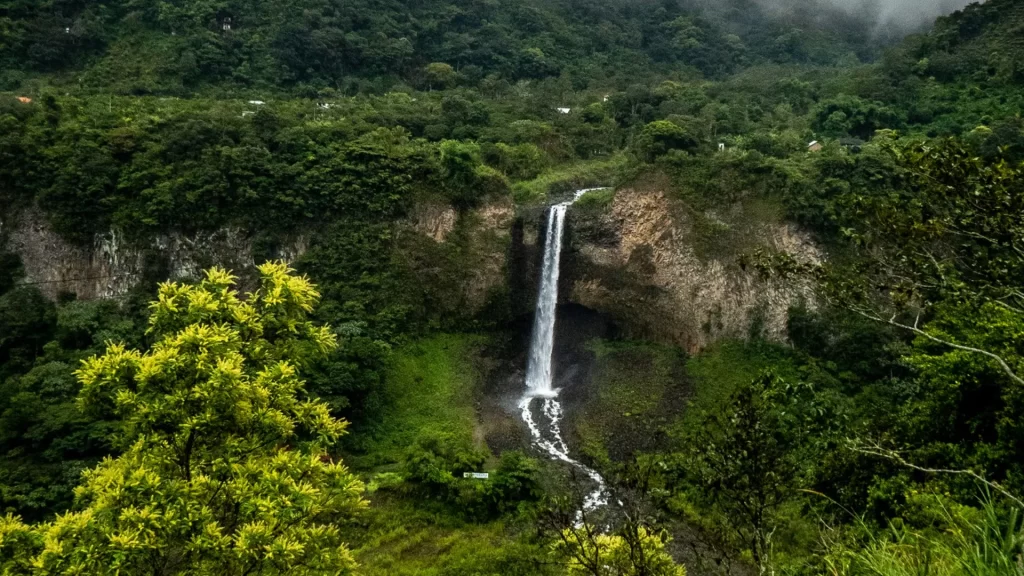
LAS CASCADAS DE MINDO Y LOS SENDEROS DEL BOSQUE NUBOSO
Ideal para:Paseos por el bosque nuboso, cascadas y viajeros interesados en las aves, las plantas y los paisajes tropicales húmedos.
DÓNDE ESTÁ Y CÓMO LLEGAR
Mindo se encuentra en la provincia de Pichincha, a unos 80 kilómetros al noroeste de Quito. El trayecto suele durar entre una hora y media y dos horas en vehículo privado, dependiendo del tráfico y de las paradas que se hagan por el camino.
Se llega a la zona de las cascadas por la Vía a las Cascadas, dentro del bosque nuboso de Mindo-Nambillo. Algunas rutas comienzan cerca de la tarabita, un teleférico abierto que cruza el valle y permite acceder a la red principal de senderos.
OPCIONES DE RUTAS Y DIFICULTAD
ElSantuario de las Cascadasune varias cascadas a través de senderos forestales señalizados. Recorrer el circuito más largo puede llevar entre 2 y 4 horas, mientras que las rutas más cortas pueden centrarse únicamente en una o dos cascadas.
El terreno incluye escalones, descensos y cruces de arroyos. La mayoría de las rutas se consideran de dificultad fácil a moderada, aunque la lluvia puede dejar algunos tramos embarrados o resbaladizos.
CONDICIONES METEOROLÓGICAS Y PRÁCTICAS
Mindo es una zona húmeda durante todo el año, por lo que se recomienda llevar ropa impermeable y calzado con buen agarre. Los visitantes también deben llevar agua, repelente de insectos y ropa que se seque rápidamente.
Es posible que se pueda nadar en algunas piscinas naturales, pero las condiciones varían en función de las precipitaciones y los niveles de agua. Un guía o un operador local debería confirmar qué lugares son aptos para bañarse el mismo día de la visita.
UNA EXPERIENCIA FLEXIBLE EN EL BOSQUE NUBOSO
«Turismo responsable» incluye el Bosque Nuboso de Mindo en los viajes más largos por Ecuador. Dependiendo del itinerario, la visita puede combinar un paseo por el bosque con cascadas, observación de aves u otras actividades locales.
La ruta se puede adaptar al ritmo y a los intereses del viajero, desde un paseo más corto por el bosque hasta un recorrido más largo por las cascadas. El uso de la tarabita, la duración de la caminata y el número de cascadas pueden variar en función de la experiencia elegida, las condiciones meteorológicas y el estado del sendero.
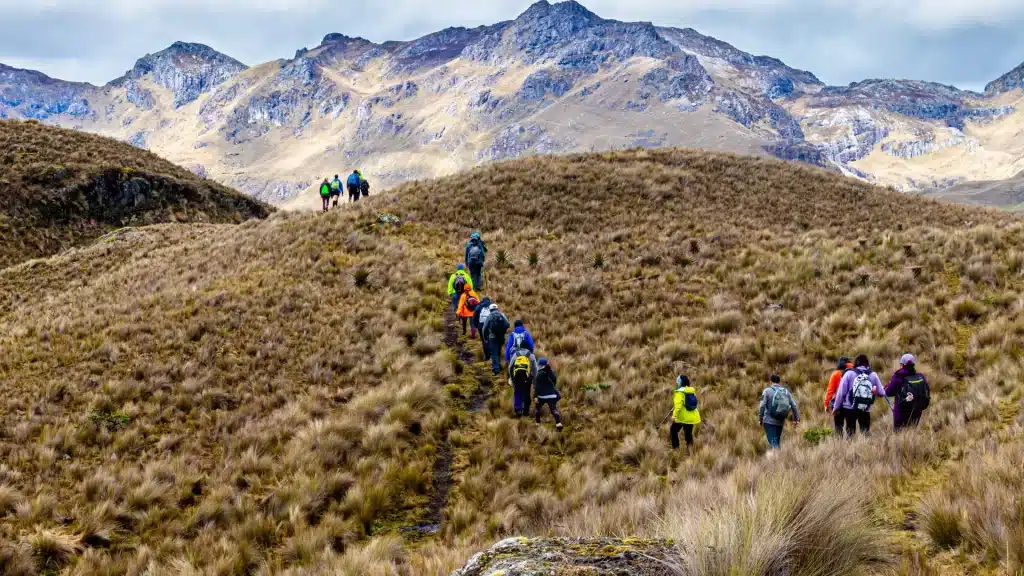
EL PARQUE NACIONAL EL CAJAS, CERCA DE CUENCA
Ideal para:Lagos de gran altitud, paisajes de páramo y viajeros que buscan una excursión de un día con horario flexible desde Cuenca.
DÓNDE ESTÁ Y CÓMO LLEGAR
El Parque Nacional El Cajas se encuentra al oeste de Cuenca, en la provincia de Azuay. La zona de La Toreadora está a unos 32 kilómetros de la ciudad y, por lo general, se tarda entre 35 y 45 minutos en llegar en vehículo particular, dependiendo del tráfico y del estado de la carretera.
El transporte público llega a algunas zonas del parque, aunque el transporte privado u organizado ofrece mayor flexibilidad a la hora de coordinar el punto de partida y la hora de regreso.
OPCIONES DE RUTAS Y DIFICULTAD
Hay varias rutas oficiales que parten cerca de la zona de Toreadora y atraviesan lagos, humedales y praderas de alta montaña. La duración de la ruta y su dificultad varían en función del sendero elegido.
El terreno puede presentar desniveles, tramos húmedos y zonas expuestas. La altitud, el viento y los cambios bruscos de tiempo también pueden hacer que una ruta corta resulte más exigente de lo que su distancia sugiere.
CONDICIONES METEOROLÓGICAS Y PRÁCTICAS
Las condiciones meteorológicas en El Cajas pueden cambiar rápidamente, y es posible que durante una misma visita se den temperaturas bajas, lluvia, niebla y vientos fuertes. Se recomienda llevar ropa de abrigo, prendas impermeables y calzado con buen agarre.
Antes de salir, conviene consultar los requisitos de acceso, los servicios disponibles y el estado de los senderos a través de la información oficial del parque facilitada por ETAPA.
UNA EXCURSIÓN DE UN DÍA CON HORARIO FLEXIBLE DESDE CUENCA
Se puede incluir una visita a El Cajas como una excursión de un día desde Cuenca. El recorrido y la duración de la caminata se pueden adaptar en función del tiempo, las condiciones del parque y el nivel físico del viajero.
«Responsible Travel» puede incluir el parque dentro de un itinerario más amplio por Cuenca y los Andes meridionales, con el transporte y el guía local organizados en función de la experiencia elegida.
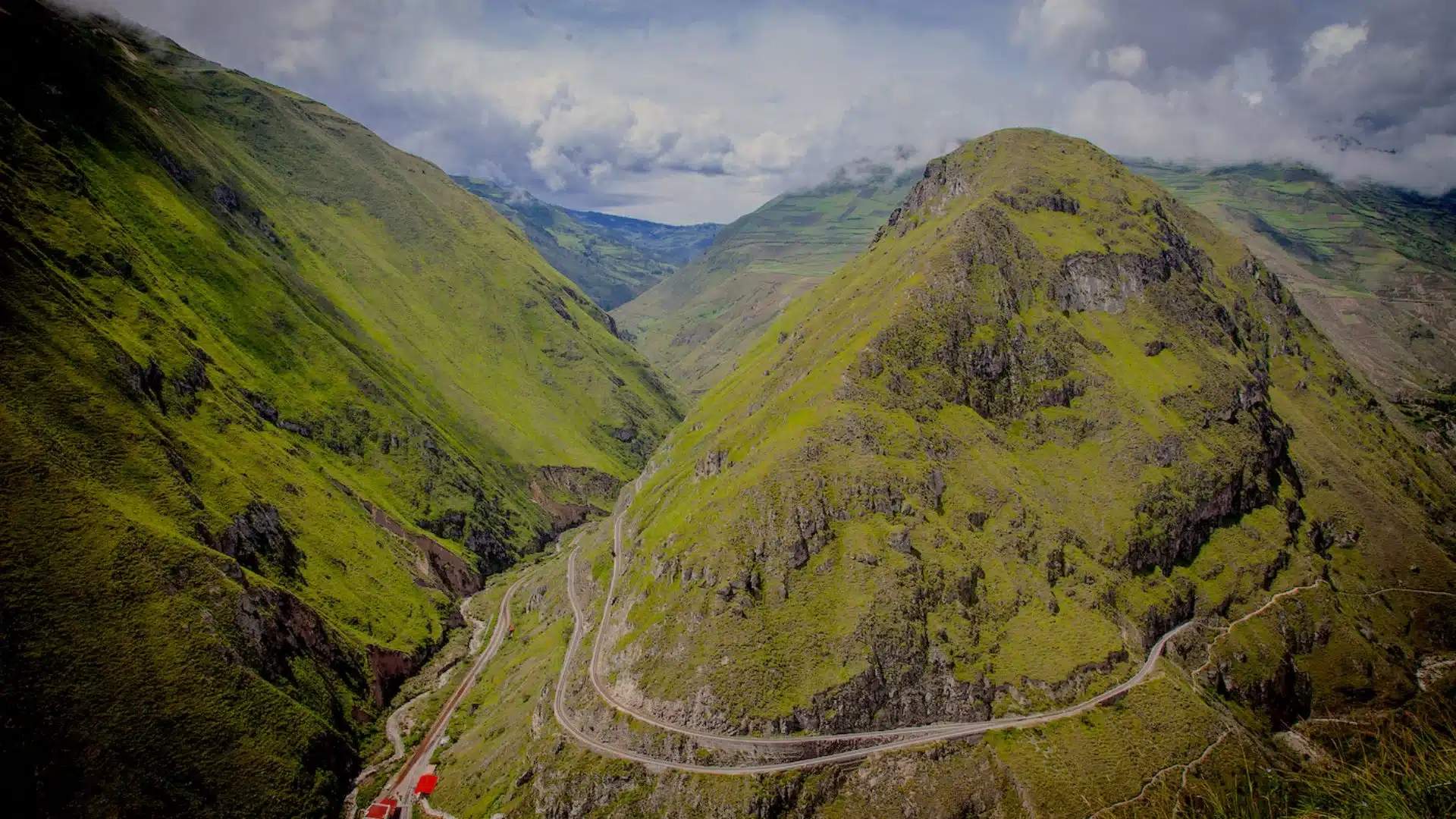
ALAUSÍ Y EL TREN DE LA NARIZ DEL DIABLO
Ideal para:La historia del ferrocarril, los paisajes de montaña y los viajeros interesados en hacer una parada cultural entre Riobamba y Cuenca.
DÓNDE ESTÁ Y CÓMO LLEGAR
Alausí se encuentra en la provincia de Chimborazo y se puede llegar a ella por carretera desde Riobamba, Cuenca y otros destinos de los Andes centrales. El trayecto en tren comienza y termina en la estación de Alausí.
La ruta actual discurre entre Alausí y Sibambe antes de regresar a la localidad. El servicio suele funcionar de jueves a domingo y en días festivos, con varias salidas a lo largo del día.
LA EXPERIENCIA EN TREN
El recorrido discurre por el empinado tramo ferroviario conocido como la Nariz del Diablo, donde las vías descienden a través de una serie de zigzags. La experiencia completa, incluyendo la facturación y el regreso a Alausí, dura unas dos horas.
Horarios, tarifas y disponibilidadLos horarios pueden sufrir cambios, por lo que conviene confirmar los billetes antes de viajar. Se recomienda reservar con antelación durante los fines de semana y los días festivos.
CUANDO EL TREN NO ESTÁ DISPONIBLE
Los servicios ferroviarios pueden suspenderse temporalmente debido a lluvias intensas, deslizamientos de tierra, trabajos de mantenimiento o inspecciones de seguridad. Cuando esto ocurra, los viajeros podrán seguir visitando Alausí, descubrir los miradores de la zona y conocer la historia del ferrocarril.
Un itinerario personalizado puede sustituir el trayecto en tren por una actividad a pie o cultural en los alrededores, en función del acceso por carretera y de las condiciones del momento.
UNA PARADA FLEXIBLE EN UN ITINERARIO POR ECUADOR
«Responsible Travel» puede incluir el tren de la Nariz del Diablo dentro de un recorrido más largo por los Andes ecuatorianos. La experiencia está sujeta al funcionamiento del servicio ferroviario y a la disponibilidad de billetes.
En caso de que se suspenda el servicio, se puede modificar el itinerario para incluir Alausí, miradores cercanos u otra actividad a lo largo del trayecto entre Riobamba y Cuenca.
COMPARA ESTAS EXCURSIONES DE UN DÍA Y ESTAS EXPERIENCIAS
Cada destino ofrece una combinación diferente de tiempo de caminata, altitud, paisaje y acceso. La comparación que figura a continuación puede ayudarte a identificar qué experiencia se adapta mejor a tu itinerario y a tu nivel de actividad preferido.
| Experiencia | Punto de acceso principal | Tiempo habitual de recorrido a pie | Factores de dificultad | Ideal para |
|---|---|---|---|---|
| Laguna de Limpiopungo | Quito o el Parque Nacional del Cotopaxi | Entre 1 y 1,5 horas aproximadamente | Terreno mayoritariamente llano; altitud y condiciones meteorológicas variables del páramo | Un tranquilo paseo a gran altitud y vistas al Cotopaxi |
| Lago del cráter de Quilotoa | Quito, Latacunga o Zumbahua | Desde una breve visita al mirador hasta entre 1,5 y 3 horas para el descenso al cráter | Sendero empinado, altitud, terreno suelto y posible niebla | Viajeros que buscan opciones flexibles para recorrer a pie y paisajes volcánicos |
| Cascadas de Mindo | Mindo, a unas 1,5-2 horas de Quito | Entre 2 y 4 horas para un recorrido más largo por las cascadas | Escalones, bajadas, humedad y tramos resbaladizos después de la lluvia | Paseos por el bosque nuboso, cascadas y observación de aves |
| El Parque Nacional de El Cajas | Cuenca | Varía en función de la ruta oficial seleccionada | Altitud, suelo húmedo, viento, niebla y cambios bruscos de tiempo | Lagos de gran altitud y rutas de senderismo por el páramo que se adaptan a todo tipo de condiciones |
| Alausí y la Nariz del Diablo | Alausí | Unas 2 horas para disfrutar de la experiencia en tren | Disponibilidad de trenes, condiciones meteorológicas y condiciones actuales de acceso | Historia ferroviaria, paisajes culturales y una parada entre Riobamba y Cuenca |
Los tiempos de recorrido a pie son aproximados. El itinerario definitivo puede variar en función de las condiciones meteorológicas, las condiciones de acceso locales, el tiempo disponible y el ritmo del viajero.
QUÉ LLEVAR Y CÓMO HACER SENDERISMO DE FORMA SEGURA
Las condiciones varían considerablemente entre el páramo, los paisajes volcánicos y el bosque nuboso de Ecuador. Consulta la información meteorológica y el estado actual de los senderos antes de salir, incluso cuando se trate de una ruta corta de un día.
- Prepárate para la altitud:Limpiopungo, Quilotoa y El Cajas se encuentran a gran altitud. Camina a un ritmo constante, bebe agua con regularidad y déjate tiempo para aclimatarte antes de emprender una ruta exigente.
- Actúa ante los síntomas:El dolor de cabeza, las náuseas, un cansancio inusual o los mareos pueden ser signos de que la altitud te está afectando. Detente, descansa y avisa a tu guía o a tu compañero de viaje, en lugar de seguir subiendo.
- Vístete para las condiciones cambiantes:Lleva ropa de abrigo y protección impermeable para los Andes. En Mindo, es más práctico llevar ropa ligera que se seque rápido, además de repelente de insectos.
- Elige un calzado adecuado:Se recomienda llevar calzado con buen agarre para los terrenos volcánicos sueltos, el páramo húmedo y los senderos forestales embarrados.
- Lleva agua y comida:Es posible que los servicios sean limitados en las inmediaciones del sendero o que no estén disponibles en algunos tramos del recorrido. Lleva agua suficiente y un pequeño tentempié para el tiempo que tengas previsto estar caminando.
- Utiliza protección solar:La altitud puede aumentar la exposición a la radiación ultravioleta, incluso cuando el cielo está nublado. Lleva contigo protector solar, gafas de sol y un sombrero.
- Ten siempre algo de dinero en efectivo a mano:Es posible que en algunas entradas con tarifas reducidas, en los servicios locales y en los comercios rurales no se acepten tarjetas.
- Adapta la ruta cuando sea necesario:La lluvia, la niebla, los daños en el sendero o las restricciones temporales pueden obligarnos a acortar la ruta o a realizar otra actividad.
CÓMO PLANIFICAR UNA EXCURSIÓN DE UN DÍA A MEDIDA EN ECUADOR
Se puede incluir una excursión de un día como parte de un viaje privado o de un itinerario más largo por Ecuador. Responsible Travel te ayuda a elegir una experiencia que se adapte al tiempo del que dispones, a tu forma física y a tus intereses.
El transporte, el acompañamiento local y los horarios de las actividades se pueden organizar en función de la ruta elegida. El plan también puede tener en cuenta la altitud, las previsiones meteorológicas y las condiciones de acceso actuales antes de la salida.
Es posible que algunos viajeros prefieran dar un breve paseo seguido de una visita cultural, mientras que otros quizá elijan una ruta más larga o combinen la excursión con un alojamiento en las cercanías. La experiencia se puede adaptar sin obligar a todos los viajeros a seguir la misma ruta.
Responsible Travel colabora con guías locales, comunidades y proveedores turísticos de los destinos incluidos en el itinerario. Cuando las condiciones meteorológicas o las restricciones temporales afectan a una actividad, el recorrido puede modificarse o sustituirse por otra experiencia adecuada.
ELIGE LA EXCURSIÓN DE UN DÍA MÁS ADECUADA PARA TU VIAJE A ECUADOR
La mejor ruta dependerá de tu destino, del tiempo del que dispongas y del nivel de actividad que prefieras. Limpiopungo ofrece una introducción más suave a los altos Andes, mientras que Quilotoa te permite elegir entre miradores, recorridos por el borde del cráter y un descenso más empinado por el interior del mismo.
Mindo es ideal para los viajeros a los que les atraen las cascadas y el bosque nuboso. El Cajas ofrece rutas de alta montaña cerca de Cuenca, y Alausí combina la historia del ferrocarril con un viaje por los Andes centrales.
PREGUNTAS FRECUENTES: EXCURSIONES DE UN DÍA EN ECUADOR
¿QUÉ RUTA DE SENDERISMO DE UN DÍA ES LA MÁS ADECUADA PARA PRINCIPIANTES EN ECUADOR?
Limpiopungo suele ser la opción más tranquila, ya que el terreno que rodea la laguna es relativamente llano. No obstante, la altitud puede afectar a algunos viajeros, por lo que es importante mantener un ritmo pausado y darse tiempo para adaptarse.
¿NECESITO UN GUÍA PARA ESTAS EXCURSIONES DE UN DÍA?
Algunas rutas se pueden recorrer por cuenta propia, pero un guía puede ayudar con el transporte, las condiciones de acceso actuales y la elección de la ruta. La ayuda de un guía resulta especialmente útil cuando las condiciones meteorológicas, la altitud o la falta de tiempo pueden afectar al plan.
¿QUÉ DESTINOS SE VEN MÁS AFECTADOS POR LA ALTITUD?
Limpiopungo, Quilotoa y El Cajas se encuentran a gran altitud. Los viajeros que lleguen directamente desde zonas más bajas pueden sentir cansancio, dolor de cabeza o dificultad para respirar antes de lo esperado.
¿SE PUEDE ADAPTAR LA RUTA DE SENDERISMO A MI NIVEL FÍSICO?
Sí. La visita a Quilotoa puede limitarse a los miradores o ampliarse hasta el cráter, mientras que Mindo y El Cajas ofrecen rutas más cortas y más largas. La elección final debe tener en cuenta el ritmo del viajero, el tiempo del que disponga y las condiciones meteorológicas del día.
¿QUÉ OCURRE SI LAS CONDICIONES METEOROLÓGICAS AFECTAN A LA EXCURSIÓN PREVISTA?
La lluvia, la niebla, el viento fuerte o los cierres temporales pueden obligarnos a optar por un recorrido más corto o una actividad diferente. En un itinerario personalizado, se puede adaptar la jornada sin alterar el desarrollo general del viaje.
¿PUEDO INCLUIR UNA DE ESTAS RUTAS DE SENDERISMO EN UN ITINERARIO MÁS LARGO POR ECUADOR?
Sí. Estas experiencias se pueden combinar con Quito, Cuenca, los Andes centrales, el bosque nuboso u otros destinos, dependiendo de la ruta que ya estés recorriendo.
ORGANIZA UNA EXCURSIÓN DE UN DÍA DURANTE TU VIAJE POR ECUADOR
Dinos adónde vas a viajar, de cuánto tiempo dispones y qué tipo de ruta te gusta hacer. Nuestro equipo puede sugerirte una experiencia que encaje a la perfección en tu itinerario por Ecuador.