

The interaction between Indigenous Culture and environmental conservation in the Amazon
Esplora le nostre ultime notizie
18/09/2026
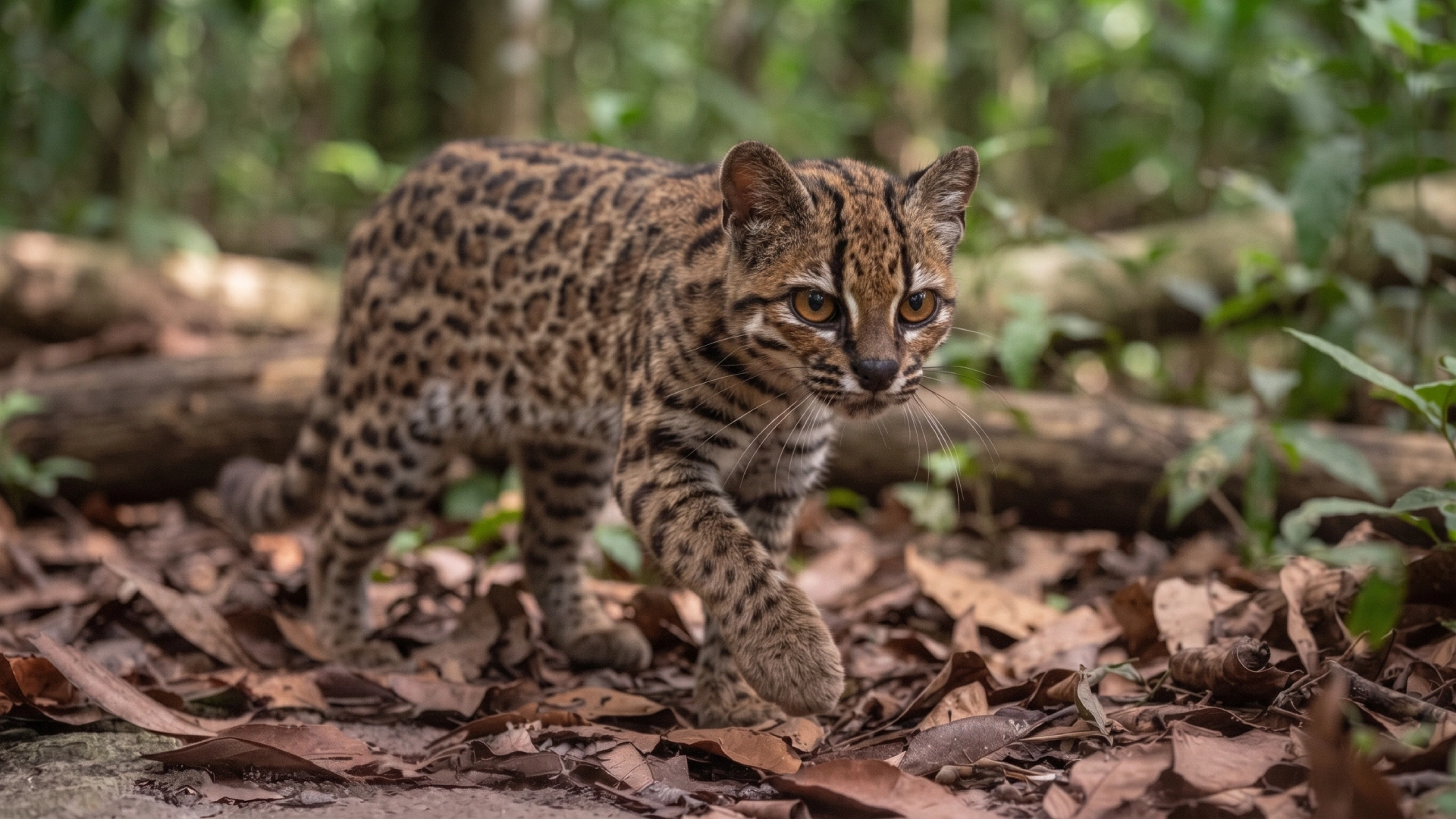
Cinque animali sorprendenti della Bolivia: scopri il gatto Tilcayo e altre specie difficili da avvistare

04/08/2026
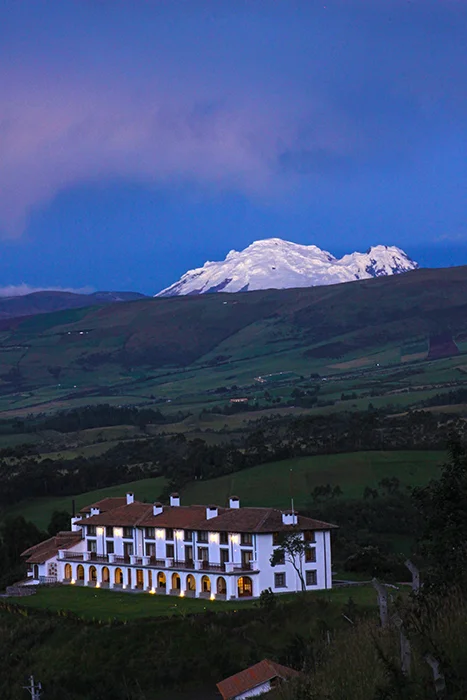
Huasquila Amazon Lodge: posizione, come arrivare e attività
03/08/2026
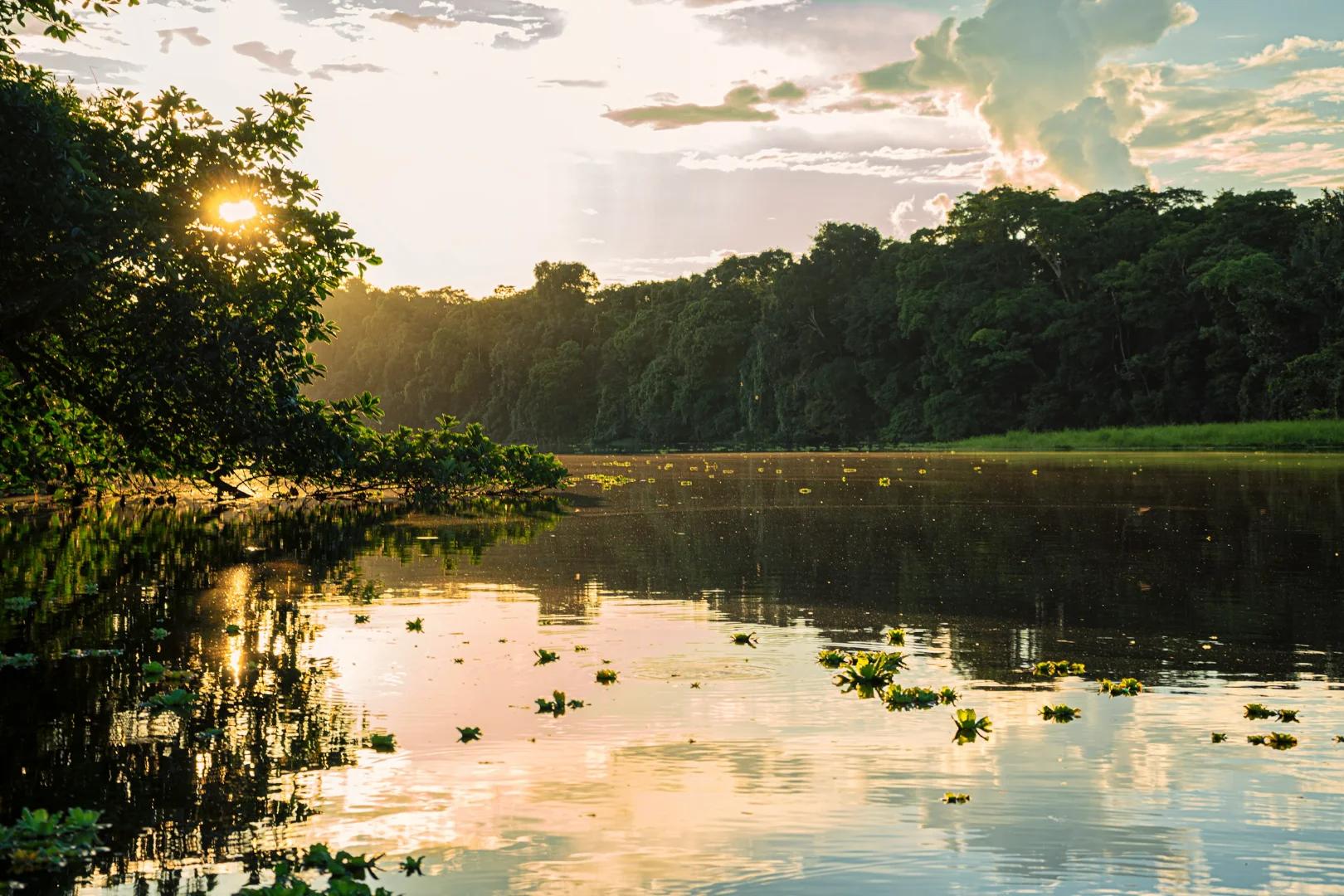
Parco Nazionale di Antisana: vulcano, fauna selvatica e La Mica
29/07/2026
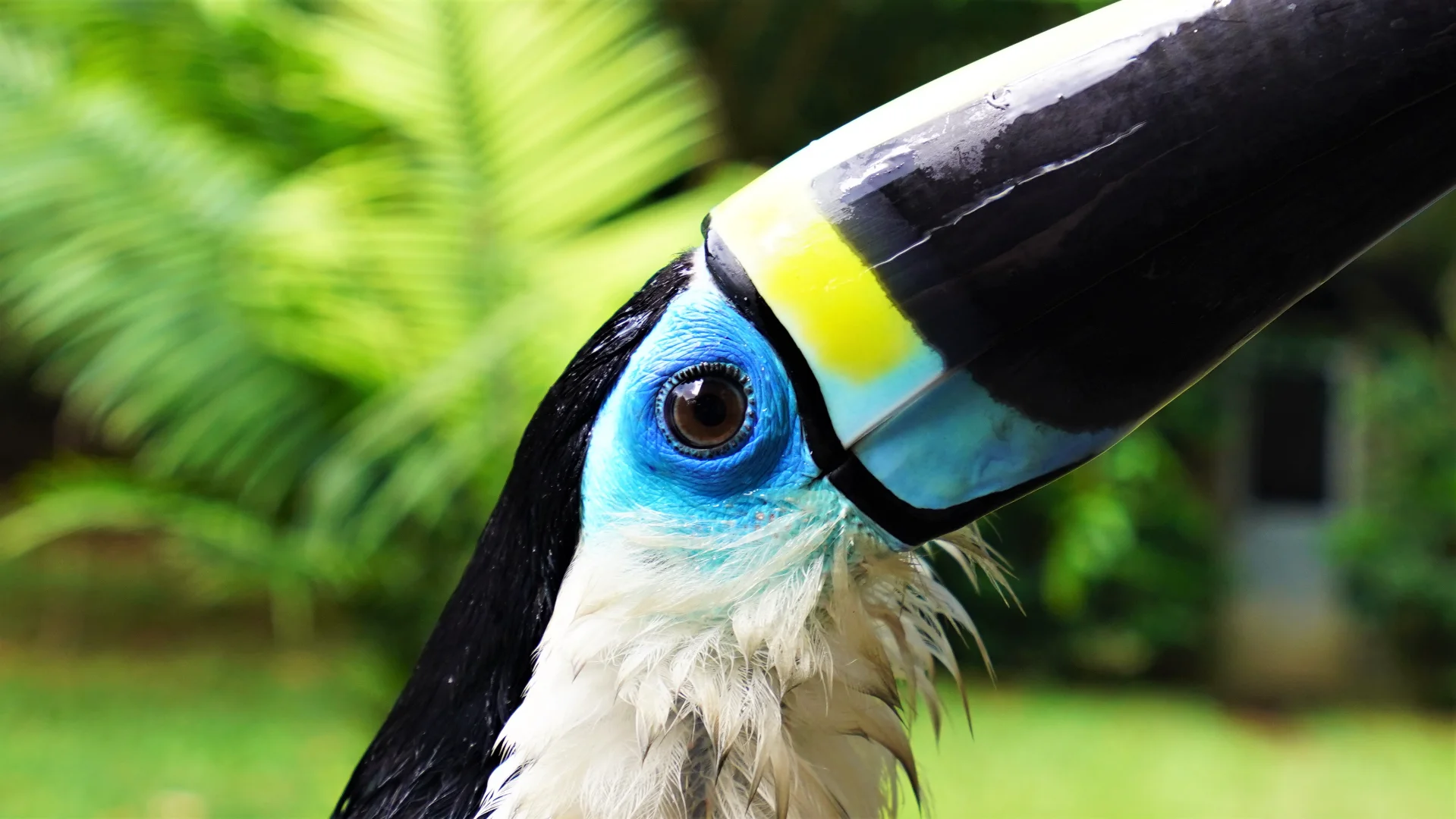
Sciamani in Ecuador: un viaggio nel cuore della saggezza amazzonica
27/07/2026
Alla scoperta della tribù dei Waorani: Lo scudo dell’Amazzonia
24/07/2026
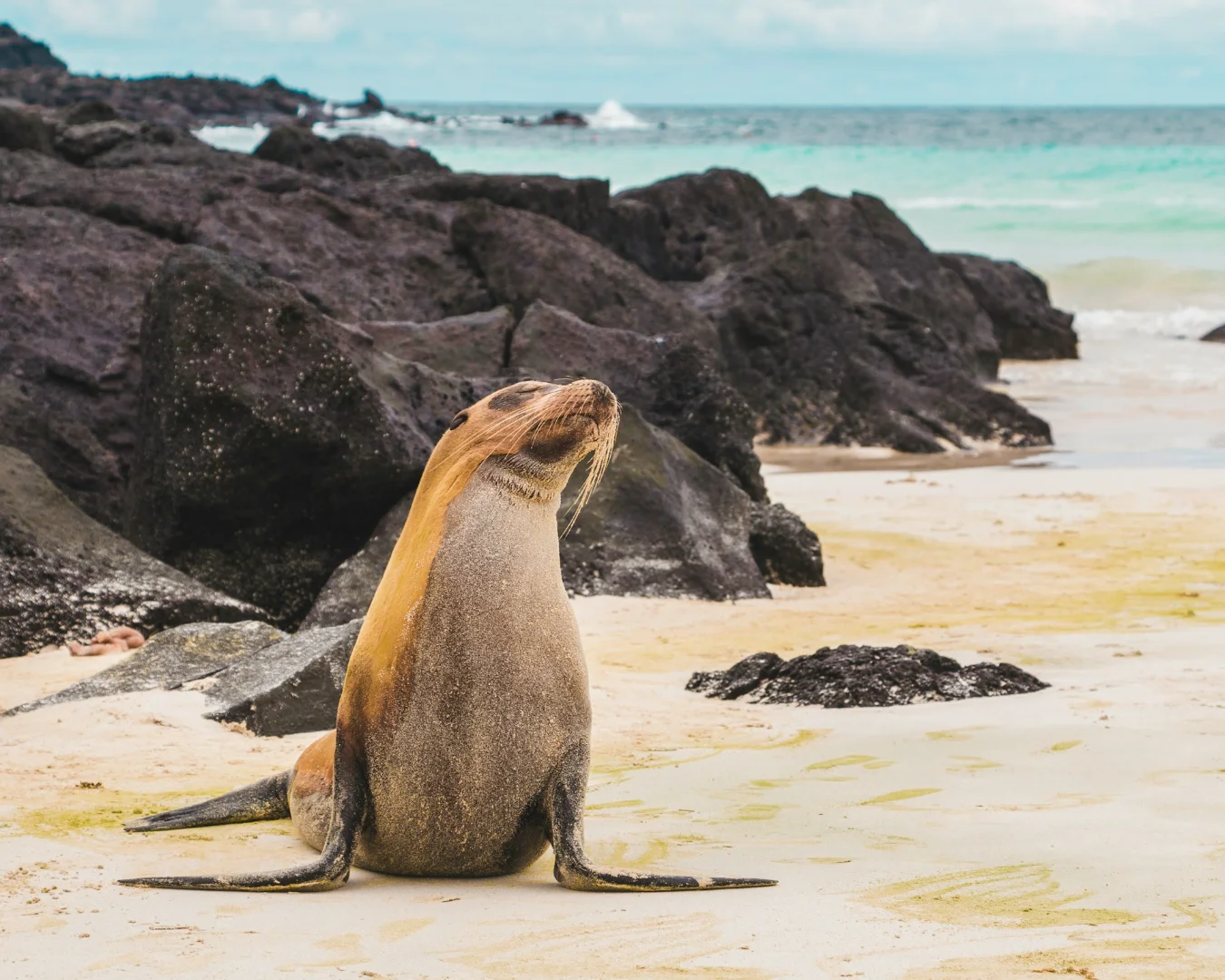
Quali isole visitò Darwin durante la sua spedizione?
Contenuti più votati
24/07/2026
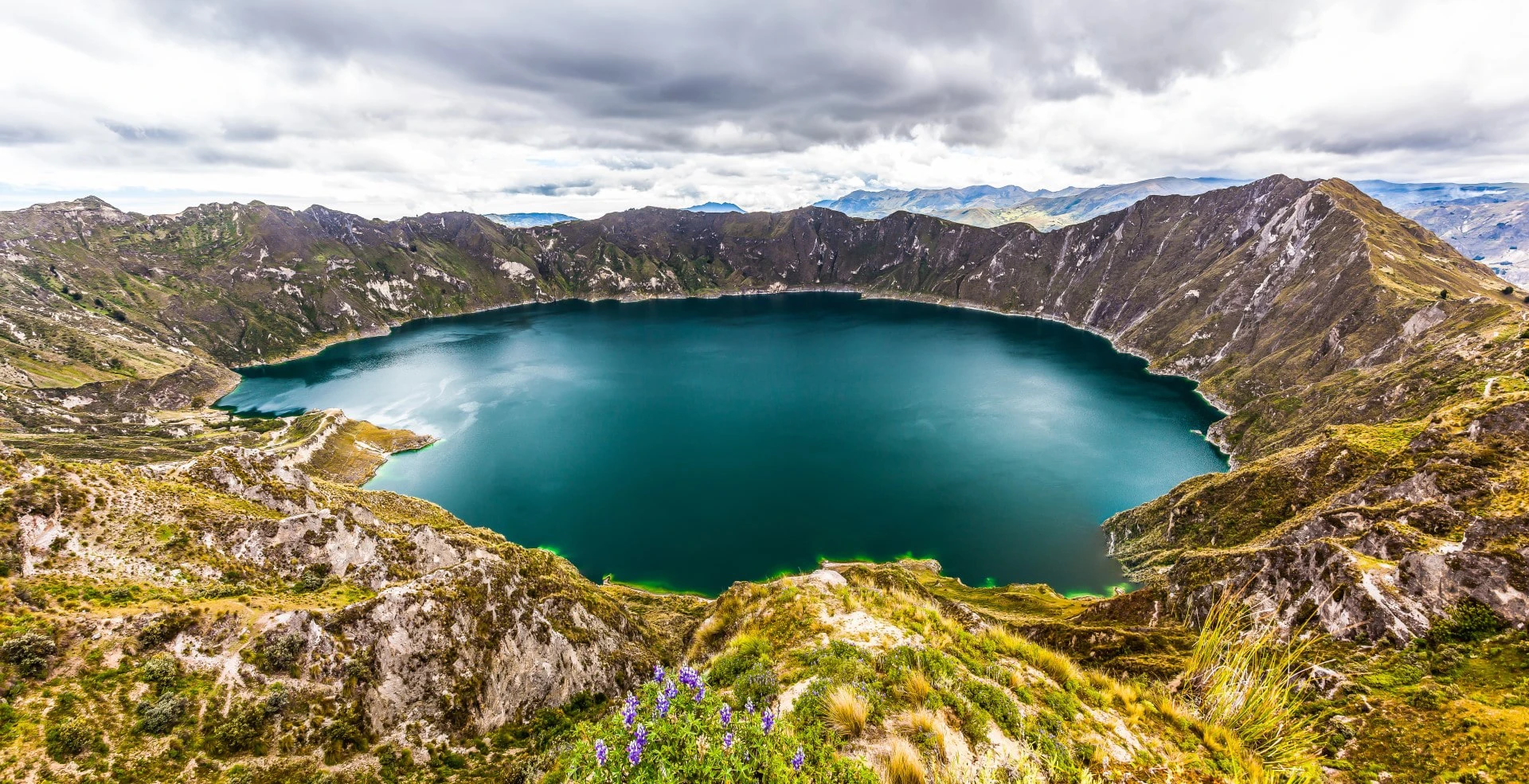
I Grandi Laghi e le lagune del Sudamerica: paesaggi ricchi di storia, cultura e natura
24/07/2026
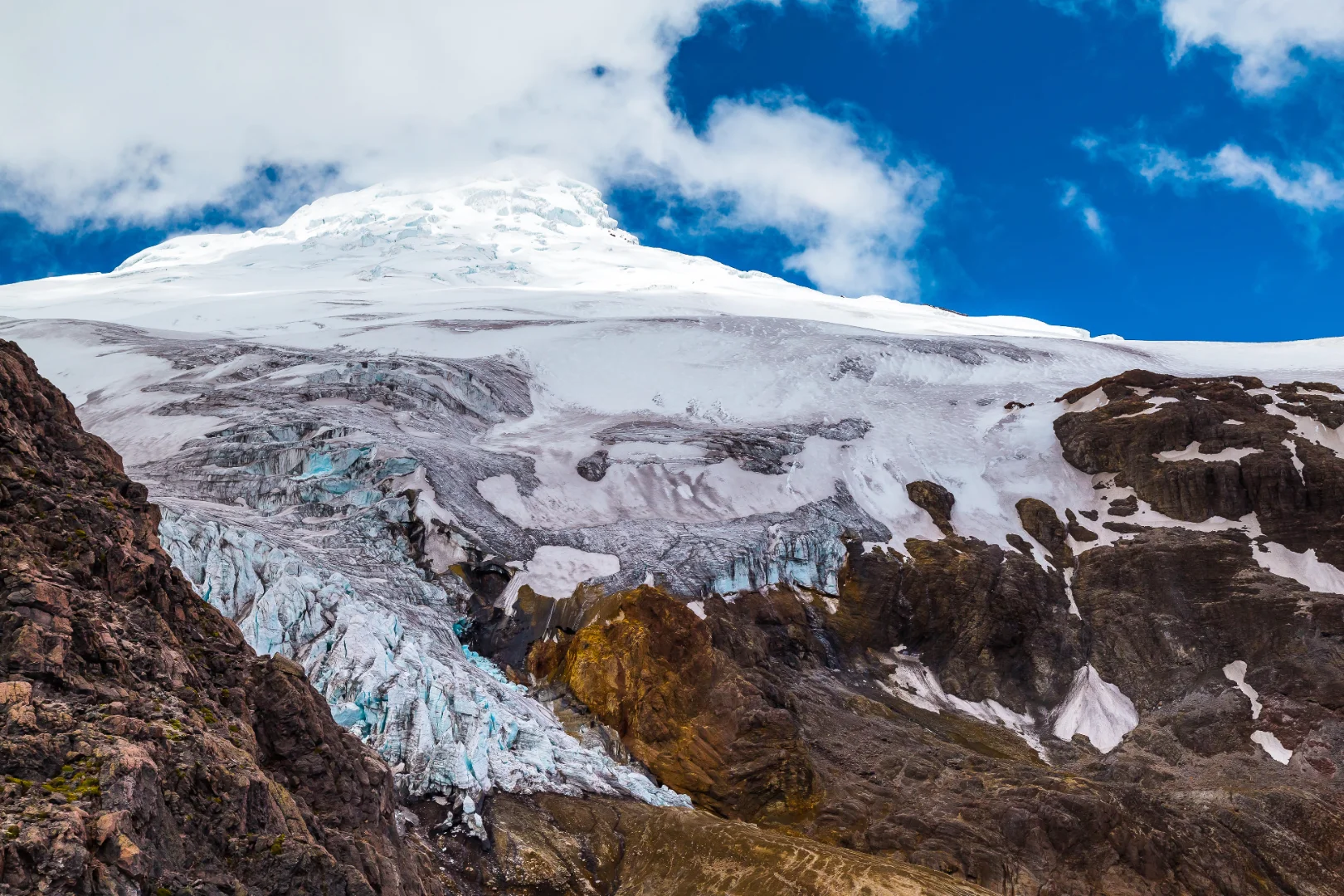
Meravigliosi sentieri escursionistici in Ecuador, adatti a escursionisti di ogni livello
23/07/2026
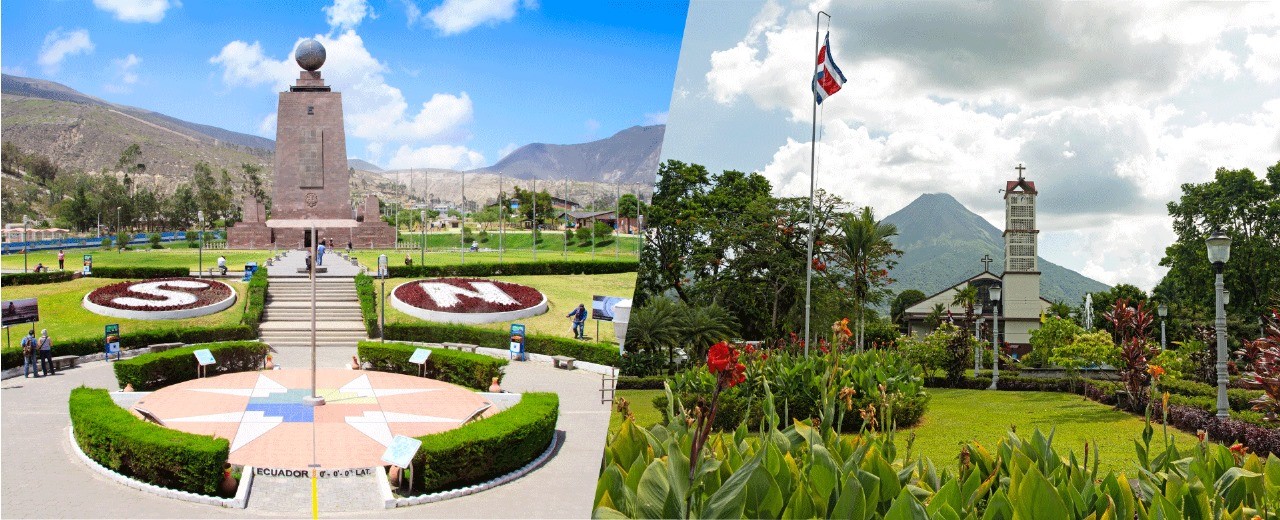
Costa Rica contro Ecuador: quale delle due è la scelta migliore per un’avventura sostenibile?

16/07/2026
Feria de las Flores di Medellín: guida al festival e alla tradizione dei silleteros

14/07/2026
Ruta del Spondylus in Ecuador: il viaggio on the road lungo la costa per eccellenza?
14/07/2026
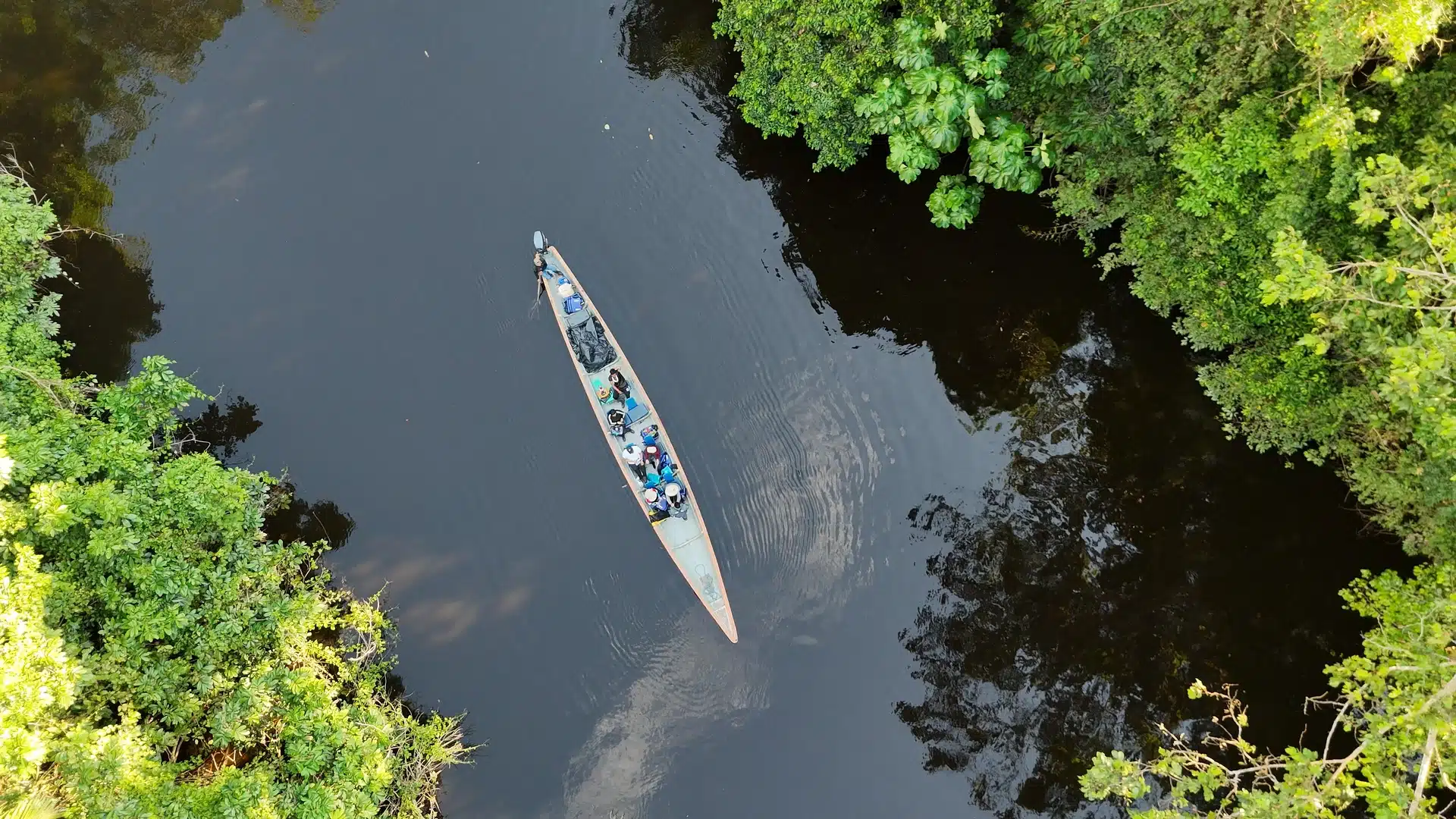
La Riserva Naturale di Cuyabeno: una foresta pluviale ecuadoriana unica nel suo genere, ricca di "killas"
Contenuti più visti
13/07/2026
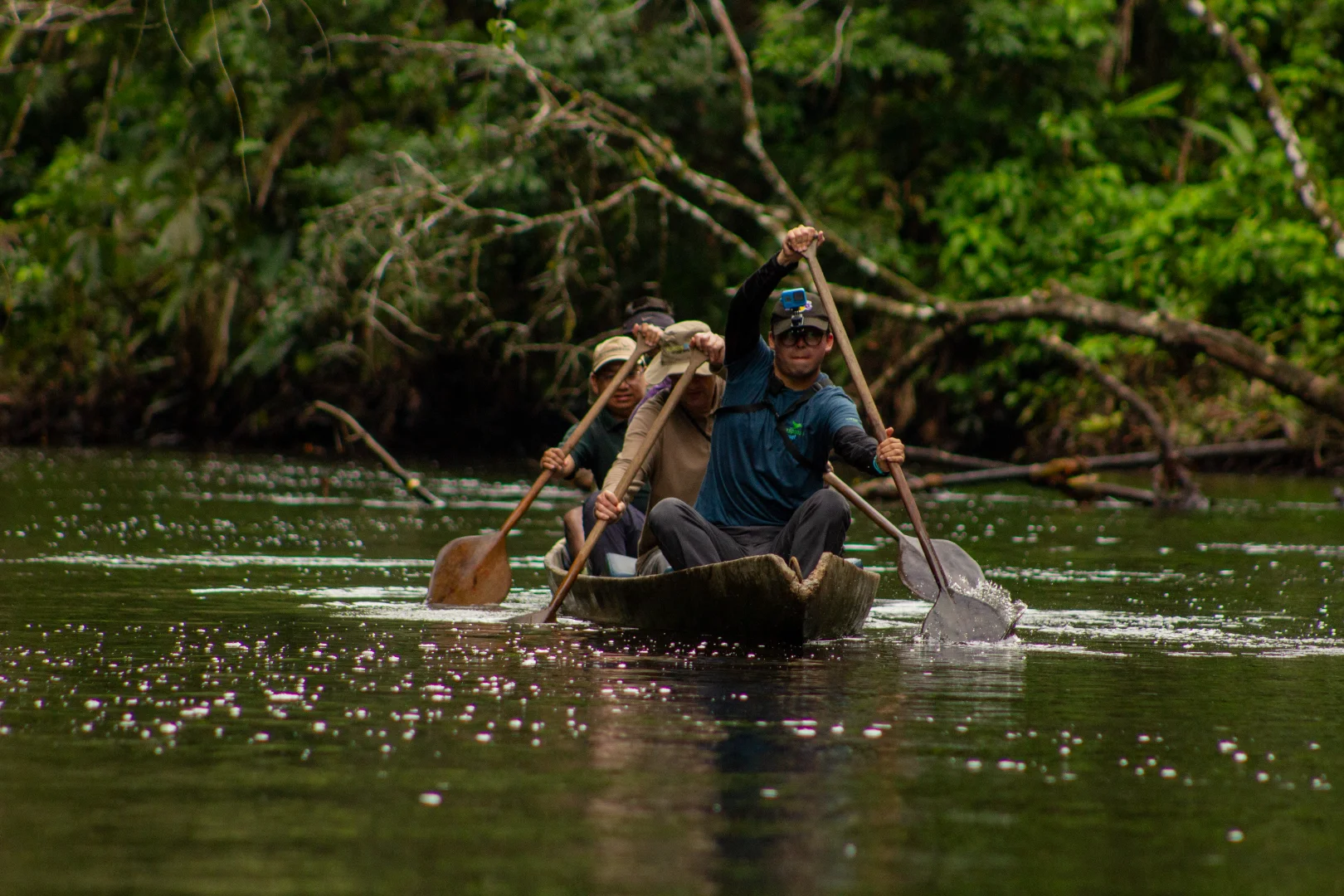
Canoe tradizionali dell’Amazzonia e la storia della Killas
06/07/2026
Perché viaggiare il giorno del proprio compleanno è una cosa che dovresti fare?
21/05/2026
Che cos’è il “Día de los Muertos” in Ecuador?
21/05/2026
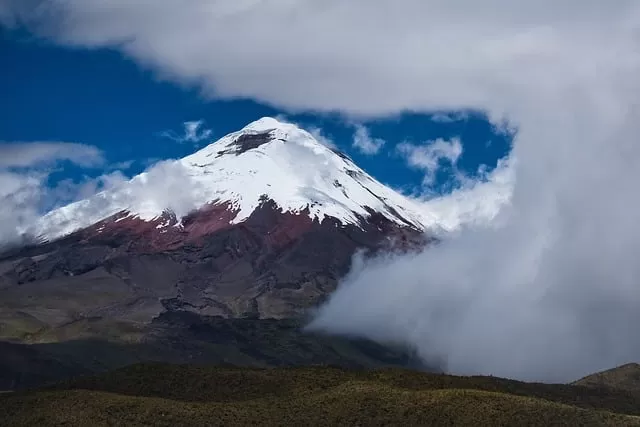
Chimborazo, Ecuador 2023: la montagna che non dimenticherai mai
21/05/2026
Le principali destinazioni turistiche dell'Ecuador per il 2023 e il 2024
21/05/2026
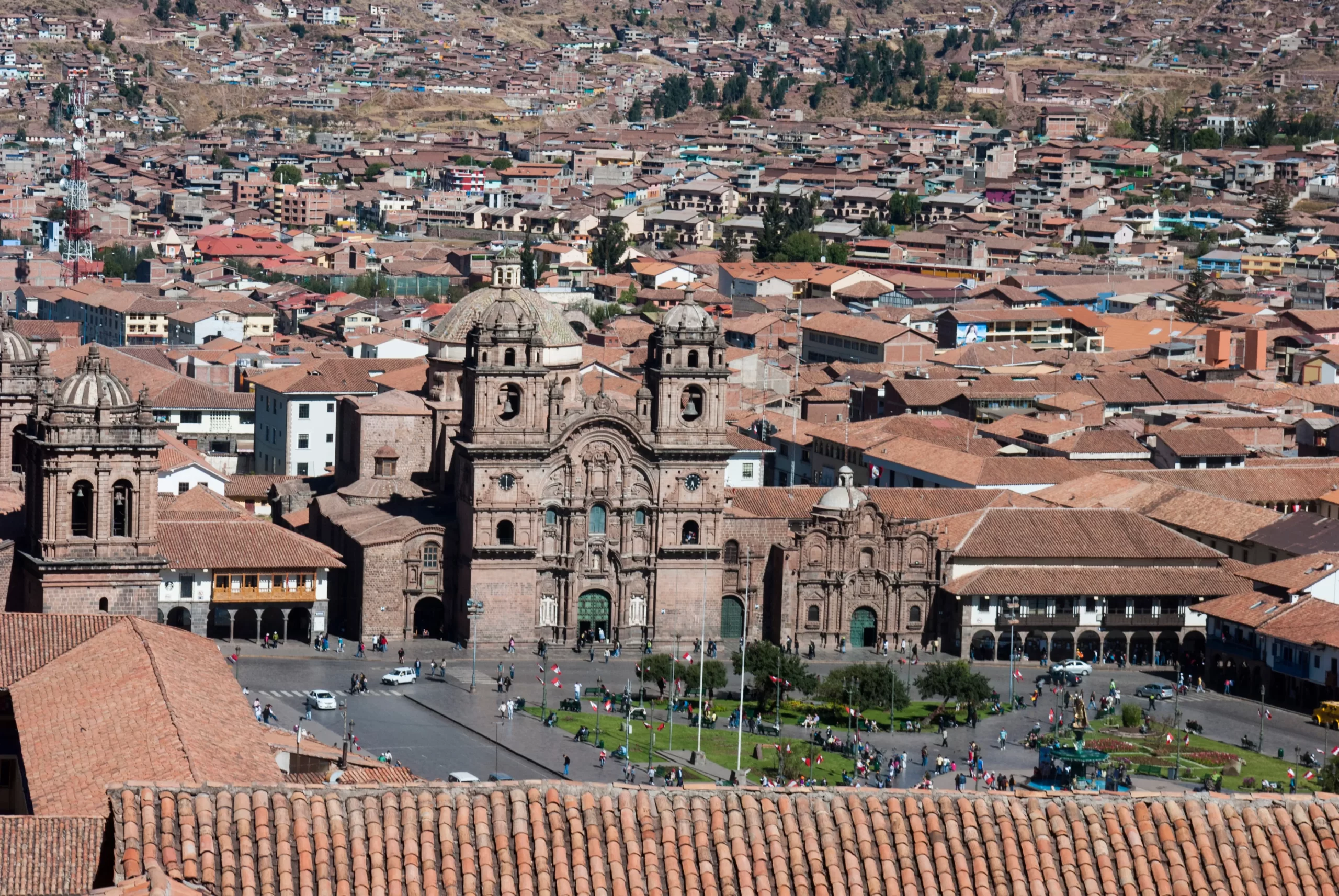
The Best Tourist Places to See in Cusco ?

BIODIVERSITY
The term biodiversity symbolically refers to a sustainable site, both in terms of flora and fauna. For this reason, when mentioning a specific place, we are going to focus this time on the Amazon, also known for having a tropical ecosystem and being the “great lung” of Ecuador. However, for this privileged place to generate attraction without altering its ecosystem, the connection between the indigenous communities contacted together with the people or visitors is pertinent. Under this context, Napo Wild Life Center was born, a luxury lodge created by the Kichwa Añangu Community in order to generate good sustainable practices and resilience within local development. In this way, the lodge offers cultural and ecotourism experiences, which are part of the environmental and social development within the Amazon.
CULTURE AND TOURISM
Ecuador is known for being a multicultural and multiethnic country. It encompasses 14 nationalities and approximately 13 peoples; one of them is the Kichwa Añangu Community, which, as mentioned previously, is the owner of the NWC and the 21,465.38 hectares within the Ecuadorian jungle. This lodge can be visited through Responsible Travel.

Now, the “traditional” economic activities of this community are based on fishing, hunting, and agriculture. To strengthen these actions, the NWC opens its doors to tourists in order to boost its economy and strengthen its local identity. The NWC offers activities within its programs that range from 4 to 8 days. In each of them, you can carry out different activities. This case will focus on the cultural issue and its connection to tourism. The experiential experiences offered by the community are varied, since since ancient times, the Kichwas sought the balance of nature, promoting sustainability for the future.
Within the Añangu community, tourists will be able to experience various cultural activities ranging from ancestral rituals (purification), purchasing and making handicrafts, gastronomy (preparation and tasting of traditional food based on native products), and cultural walks, which provide a perspective on the projects carried out and those in the medium-long term.

ENVIRONMENTAL CONSERVATION
On the other hand, nature is part of a priority structure for the community as well as for the NWC. For this reason, the activities carried out by the lodge community safeguard the Amazon biosphere through sustainable projects such as solar panels, hunting bans, and waste improvement, but, above all, the biggest problem it faces is logging. and oil exploitation. Given this, the NWC has proposed several alternatives that range from creating environmental awareness through ecotourism and the help of organizations, which join together to protect the flora and fauna that this biosphere houses.

CONSERVATION AND TECHNOLOGY
The symbiosis between humans and nature strengthens the link between conservation in the Amazon and technology. The NWC clearly demonstrates how the community can preserve nature through tourism.
The continuous management of tourism unites the community, generating empowerment and strengthening both the tangible and intangible culture within the Amazon. This approach diversifies products and protects environmental development for the future.
The interaction between Indigenous Culture and environmental conservation in the Amazon
BIODIVERSITY
The term biodiversity symbolically refers to a sustainable site, both in terms of flora and fauna. For this reason, when mentioning a specific place, we are going to focus this time on the Amazon, also known for having a tropical ecosystem and being the “great lung” of Ecuador. However, for this privileged place to generate attraction without altering its ecosystem, the connection between the indigenous communities contacted together with the people or visitors is pertinent. Under this context, Napo Wild Life Center was born, a luxury lodge created by the Kichwa Añangu Community in order to generate good sustainable practices and resilience within local development. In this way, the lodge offers cultural and ecotourism experiences, which are part of the environmental and social development within the Amazon.
CULTURE AND TOURISM
Ecuador is known for being a multicultural and multiethnic country. It encompasses 14 nationalities and approximately 13 peoples; one of them is the Kichwa Añangu Community, which, as mentioned previously, is the owner of the NWC and the 21,465.38 hectares within the Ecuadorian jungle. This lodge can be visited through Responsible Travel.
Now, the “traditional” economic activities of this community are based on fishing, hunting, and agriculture. To strengthen these actions, the NWC opens its doors to tourists in order to boost its economy and strengthen its local identity. The NWC offers activities within its programs that range from 4 to 8 days. In each of them, you can carry out different activities. This case will focus on the cultural issue and its connection to tourism. The experiential experiences offered by the community are varied, since since ancient times, the Kichwas sought the balance of nature, promoting sustainability for the future.
Within the Añangu community, tourists will be able to experience various cultural activities ranging from ancestral rituals (purification), purchasing and making handicrafts, gastronomy (preparation and tasting of traditional food based on native products), and cultural walks, which provide a perspective on the projects carried out and those in the medium-long term.
ENVIRONMENTAL CONSERVATION
On the other hand, nature is part of a priority structure for the community as well as for the NWC. For this reason, the activities carried out by the lodge community safeguard the Amazon biosphere through sustainable projects such as solar panels, hunting bans, and waste improvement, but, above all, the biggest problem it faces is logging. and oil exploitation. Given this, the NWC has proposed several alternatives that range from creating environmental awareness through ecotourism and the help of organizations, which join together to protect the flora and fauna that this biosphere houses.
CONSERVATION AND TECHNOLOGY
The symbiosis between humans and nature strengthens the link between conservation in the Amazon and technology. The NWC clearly demonstrates how the community can preserve nature through tourism.
The continuous management of tourism unites the community, generating empowerment and strengthening both the tangible and intangible culture within the Amazon. This approach diversifies products and protects environmental development for the future.
Esplora le nostre ultime notizie
18/09/2026
Cinque animali sorprendenti della Bolivia: scopri il gatto Tilcayo e altre specie difficili da avvistare
04/08/2026
Huasquila Amazon Lodge: posizione, come arrivare e attività
03/08/2026
Parco Nazionale di Antisana: vulcano, fauna selvatica e La Mica
29/07/2026
Sciamani in Ecuador: un viaggio nel cuore della saggezza amazzonica
27/07/2026
Alla scoperta della tribù dei Waorani: Lo scudo dell’Amazzonia
24/07/2026
Quali isole visitò Darwin durante la sua spedizione?
Contenuti più votati
24/07/2026
I Grandi Laghi e le lagune del Sudamerica: paesaggi ricchi di storia, cultura e natura
24/07/2026
Meravigliosi sentieri escursionistici in Ecuador, adatti a escursionisti di ogni livello
23/07/2026
Costa Rica contro Ecuador: quale delle due è la scelta migliore per un’avventura sostenibile?
16/07/2026
Feria de las Flores di Medellín: guida al festival e alla tradizione dei silleteros
14/07/2026
Ruta del Spondylus in Ecuador: il viaggio on the road lungo la costa per eccellenza?
14/07/2026
La Riserva Naturale di Cuyabeno: una foresta pluviale ecuadoriana unica nel suo genere, ricca di "killas"
Contenuti più visti
13/07/2026
Canoe tradizionali dell’Amazzonia e la storia della Killas
06/07/2026
Perché viaggiare il giorno del proprio compleanno è una cosa che dovresti fare?
21/05/2026
Che cos’è il “Día de los Muertos” in Ecuador?
21/05/2026
Chimborazo, Ecuador 2023: la montagna che non dimenticherai mai
21/05/2026
Le principali destinazioni turistiche dell'Ecuador per il 2023 e il 2024
21/05/2026
The Best Tourist Places to See in Cusco ?