

The Ecuadorian Amazon has approximately 1022736 hectares; this biosphere reserve has many more secrets to share. Apart from the ecotourism that takes place within this exuberant area, we can find contacted communities or indigenous peoples (Siona, Kichwau… etc.), which seek sustainable change through tourism. However, this article will focus on the study of uncontacted groups, which also give importance and culture within this ecosystem.
Esplora le nostre ultime notizie
18/09/2026
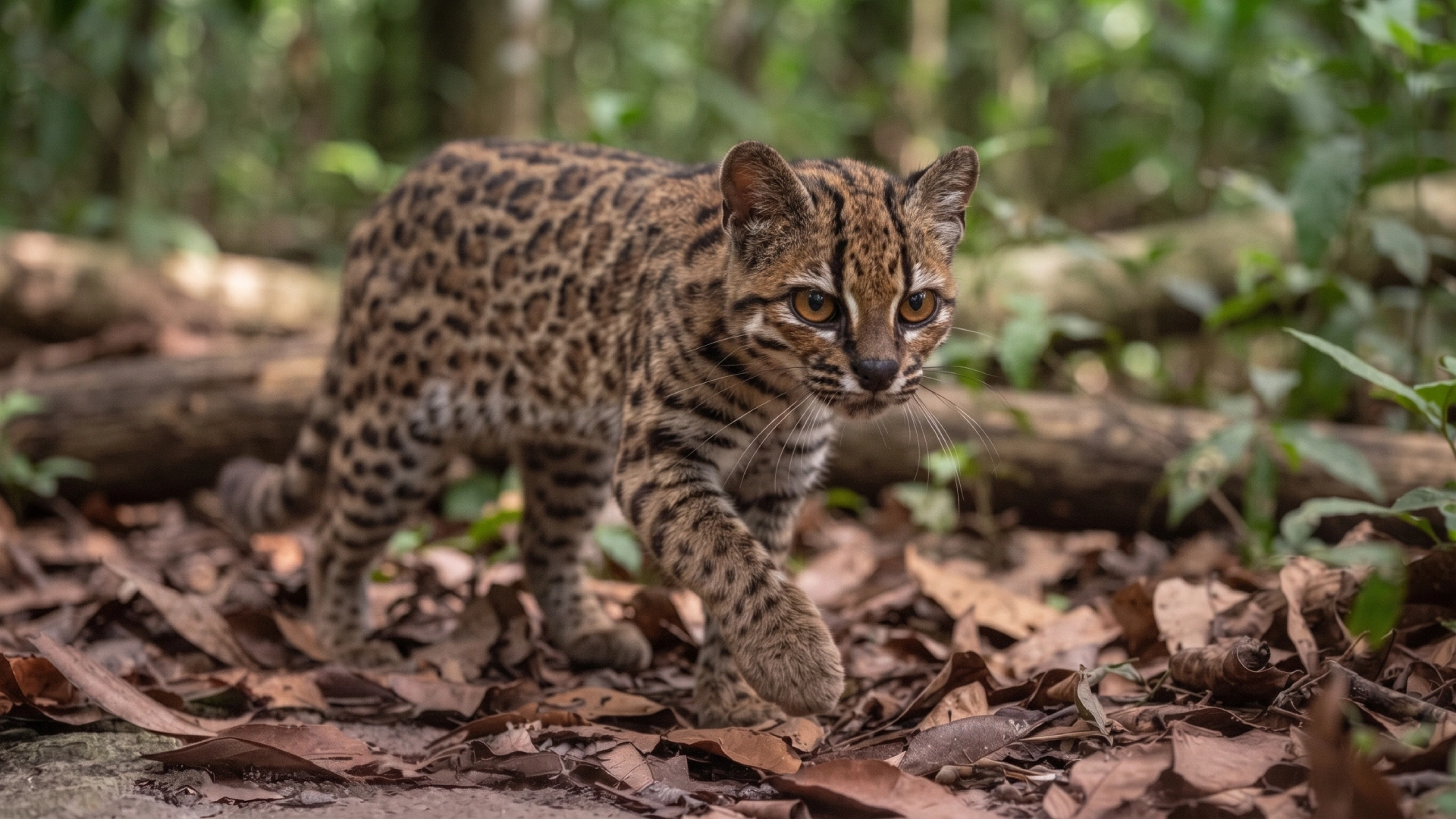
Cinque animali sorprendenti della Bolivia: scopri il gatto Tilcayo e altre specie difficili da avvistare

04/08/2026
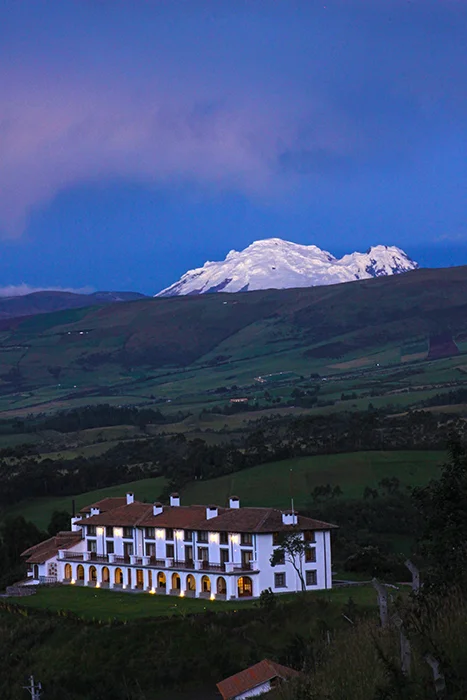
Huasquila Amazon Lodge: posizione, come arrivare e attività
03/08/2026
Parco Nazionale di Antisana: vulcano, fauna selvatica e La Mica
29/07/2026
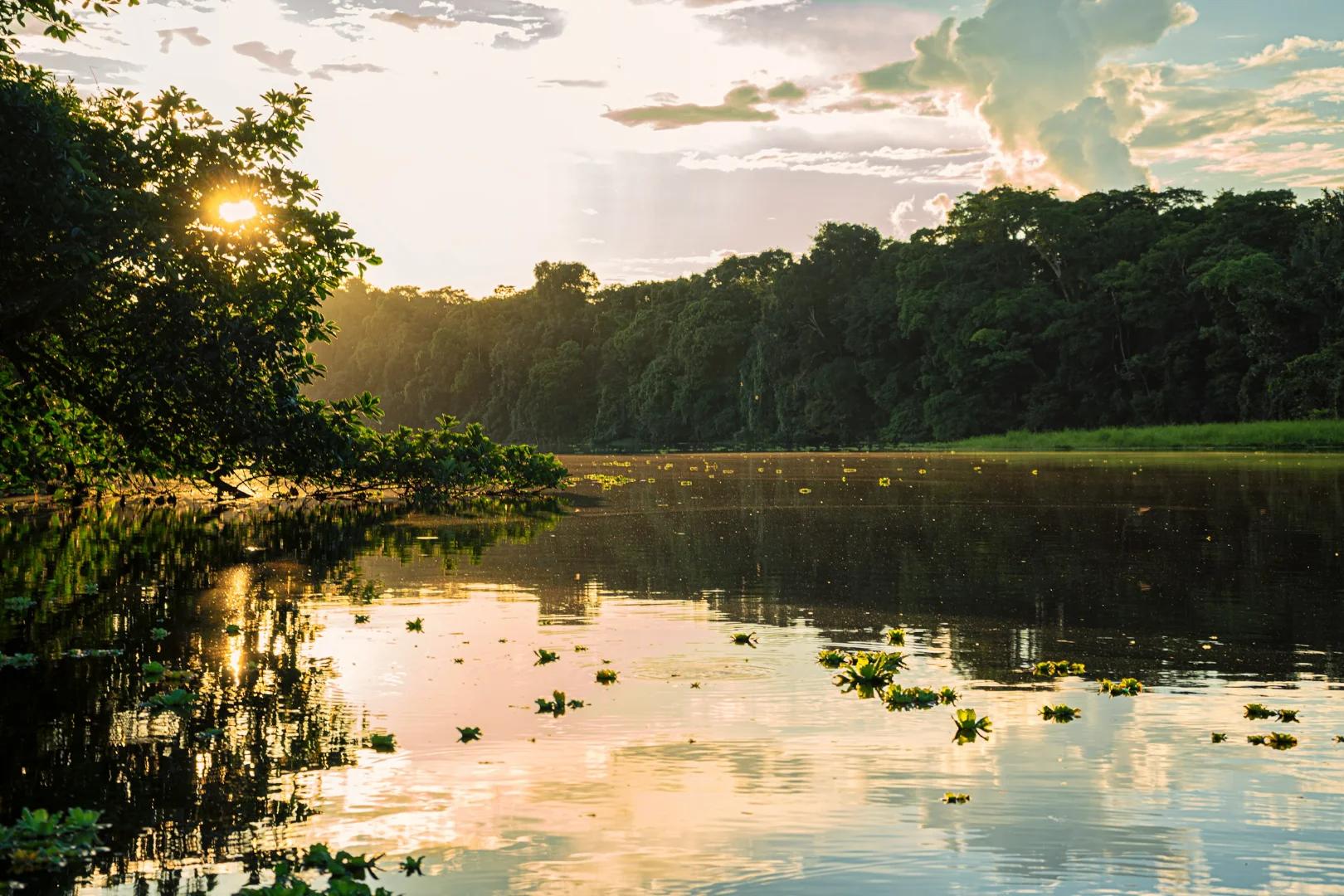
Sciamani in Ecuador: un viaggio nel cuore della saggezza amazzonica
27/07/2026
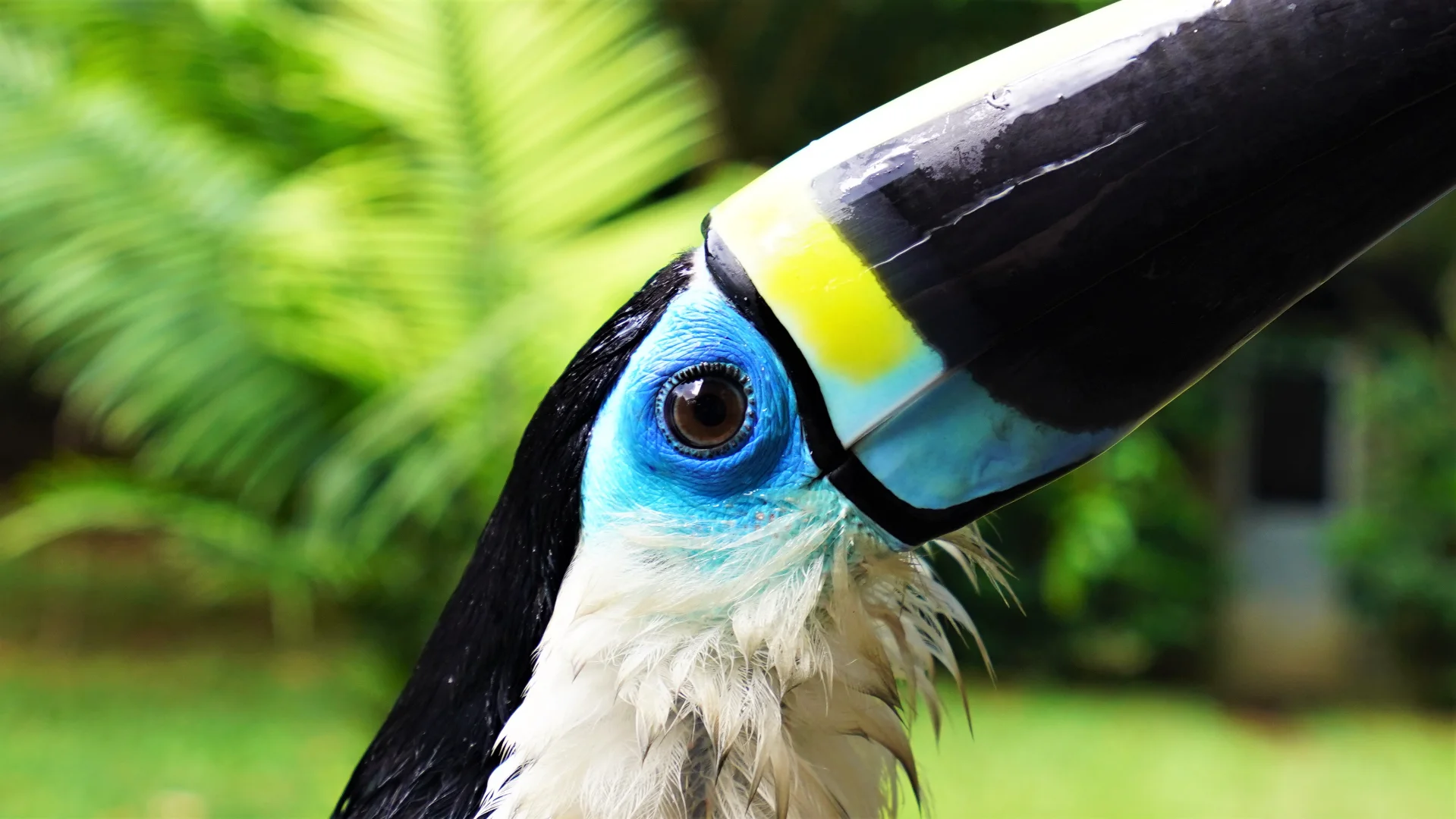
Alla scoperta della tribù dei Waorani: Lo scudo dell’Amazzonia
24/07/2026
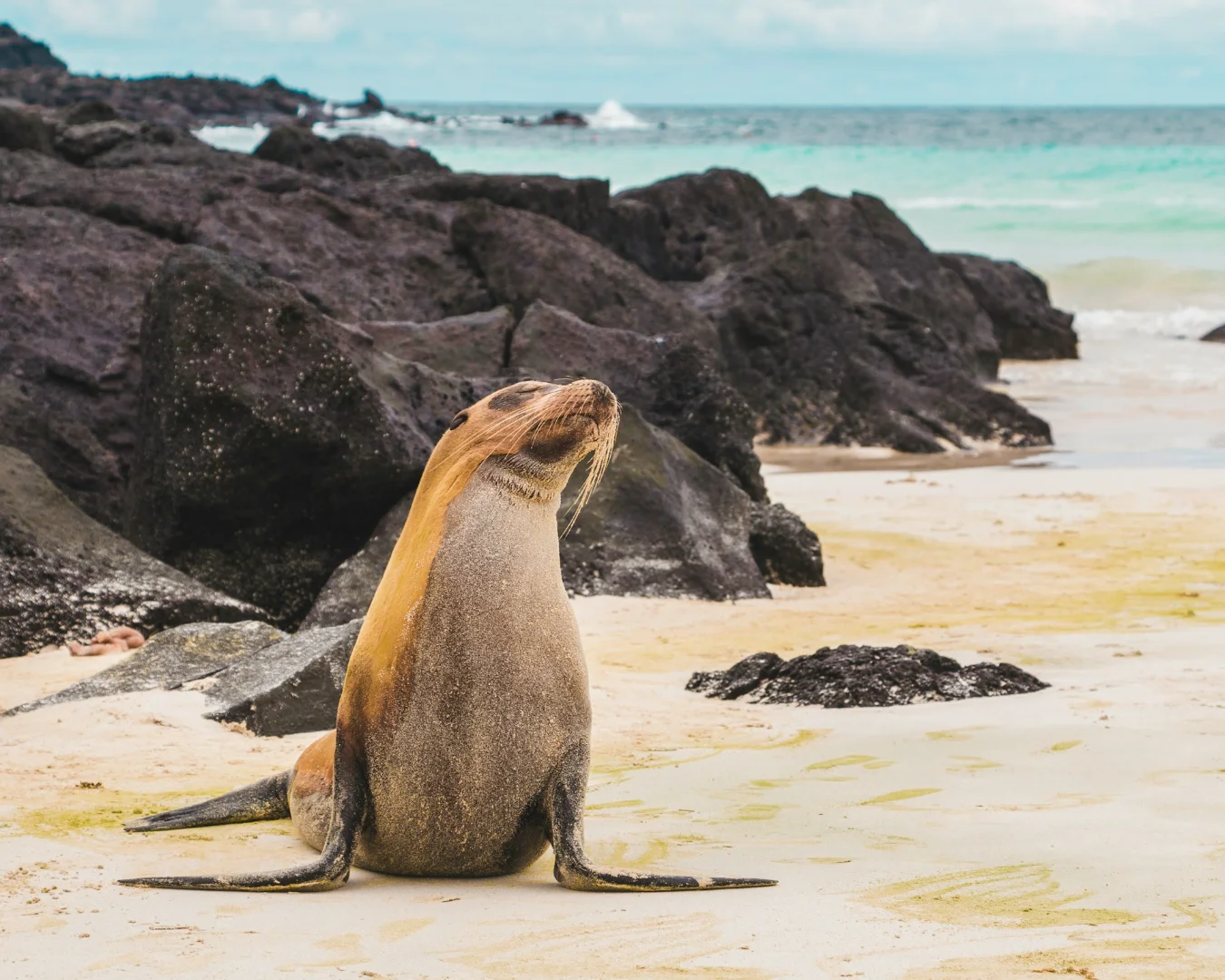
Quali isole visitò Darwin durante la sua spedizione?
Contenuti più votati
24/07/2026
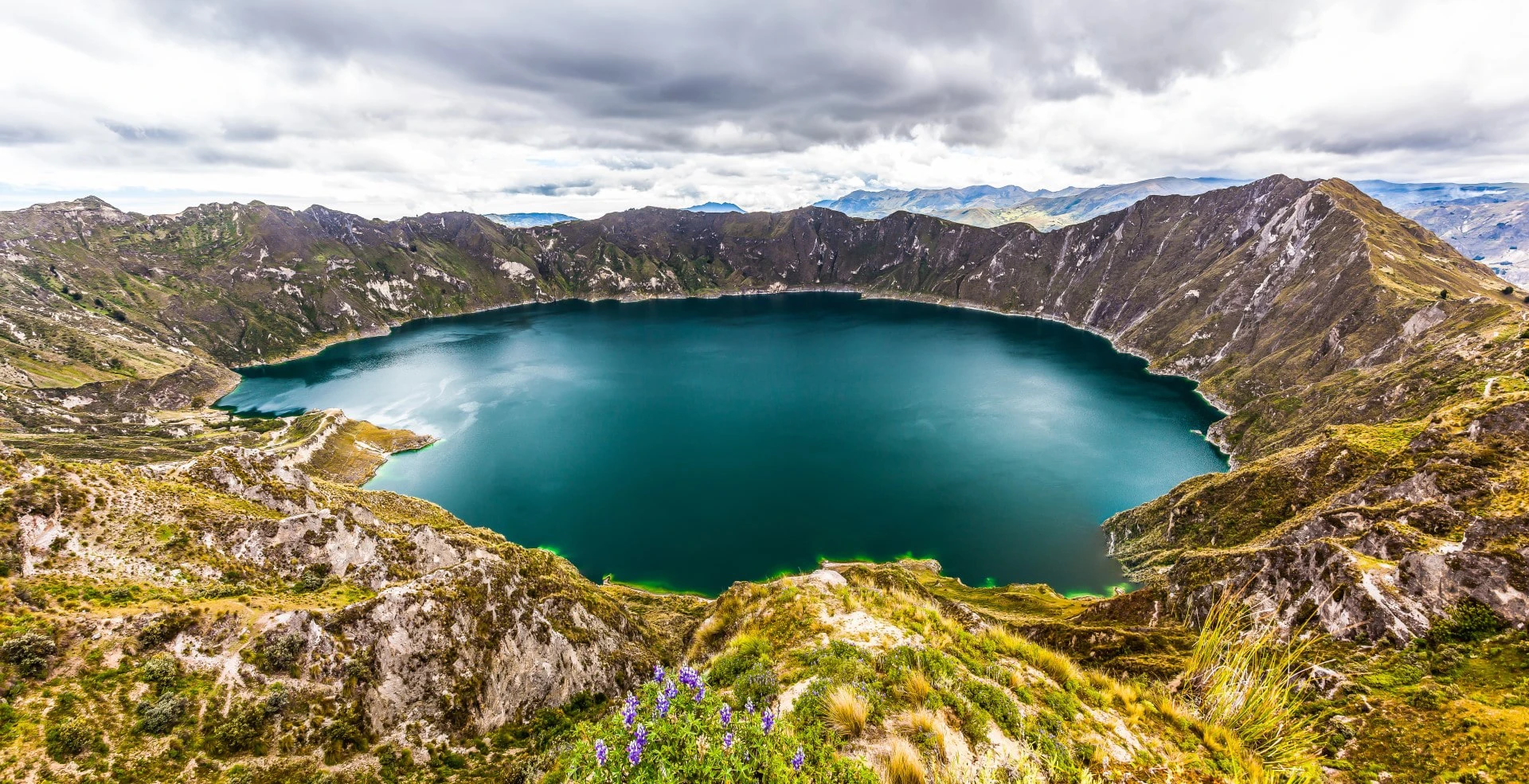
I Grandi Laghi e le lagune del Sudamerica: paesaggi ricchi di storia, cultura e natura
24/07/2026
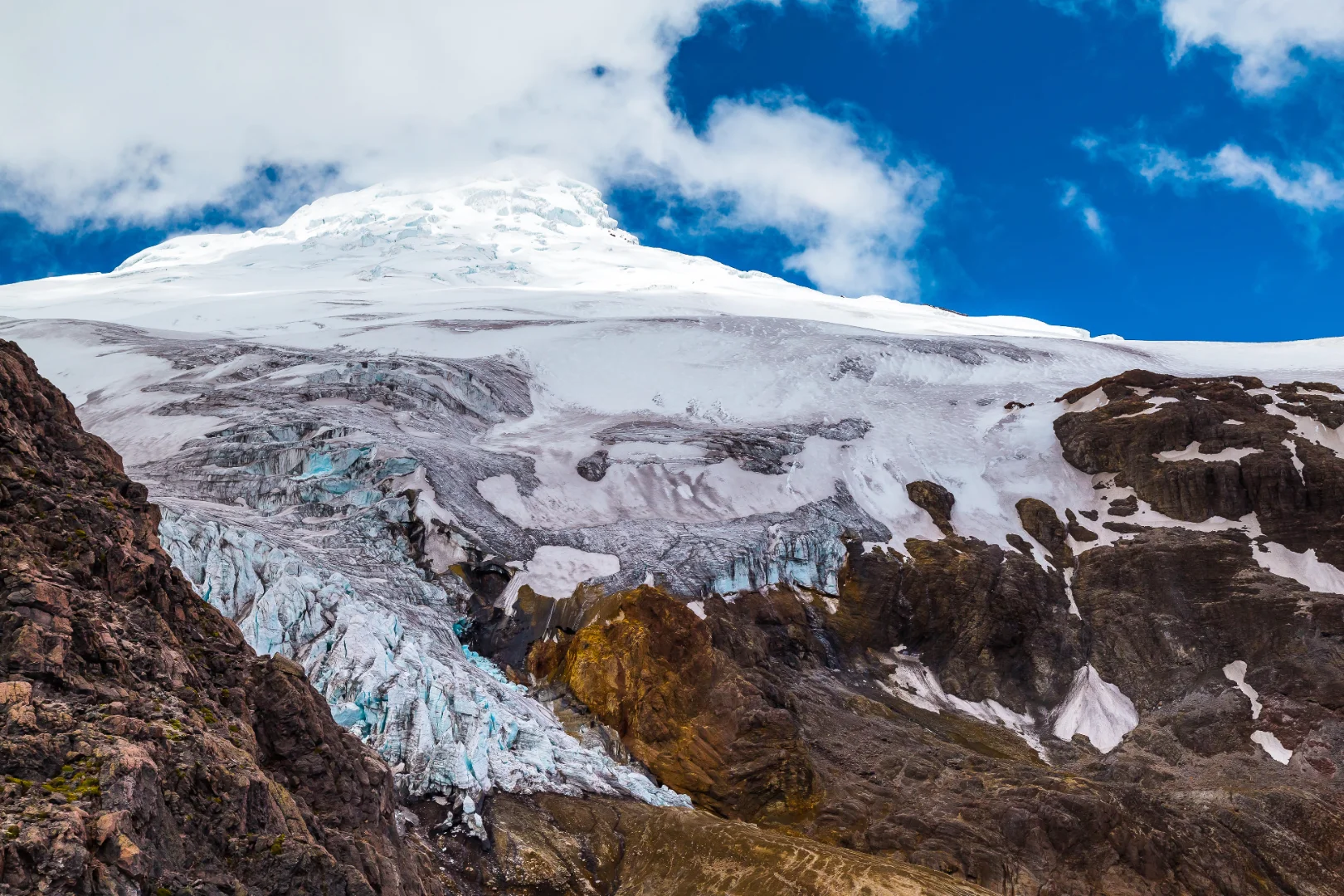
Meravigliosi sentieri escursionistici in Ecuador, adatti a escursionisti di ogni livello
23/07/2026
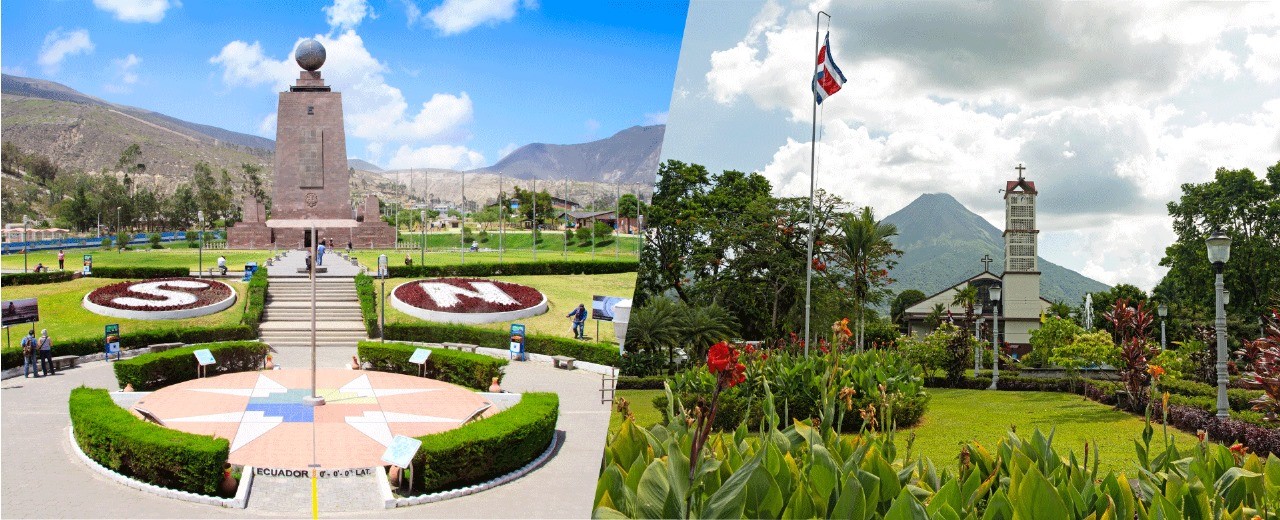
Costa Rica contro Ecuador: quale delle due è la scelta migliore per un’avventura sostenibile?

16/07/2026
Feria de las Flores di Medellín: guida al festival e alla tradizione dei silleteros

14/07/2026
Ruta del Spondylus in Ecuador: il viaggio on the road lungo la costa per eccellenza?
14/07/2026
La Riserva Naturale di Cuyabeno: una foresta pluviale ecuadoriana unica nel suo genere, ricca di "killas"
Contenuti più visti
13/07/2026
Canoe tradizionali dell’Amazzonia e la storia della Killas
06/07/2026
Perché viaggiare il giorno del proprio compleanno è una cosa che dovresti fare?

21/05/2026
Che cos’è il “Día de los Muertos” in Ecuador?
21/05/2026
Chimborazo, Ecuador 2023: la montagna che non dimenticherai mai
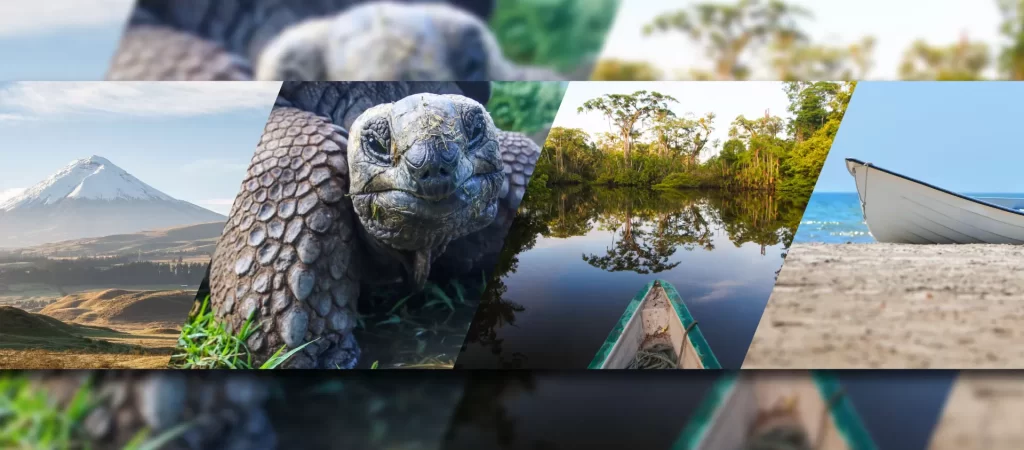
21/05/2026
Le principali destinazioni turistiche dell'Ecuador per il 2023 e il 2024
21/05/2026
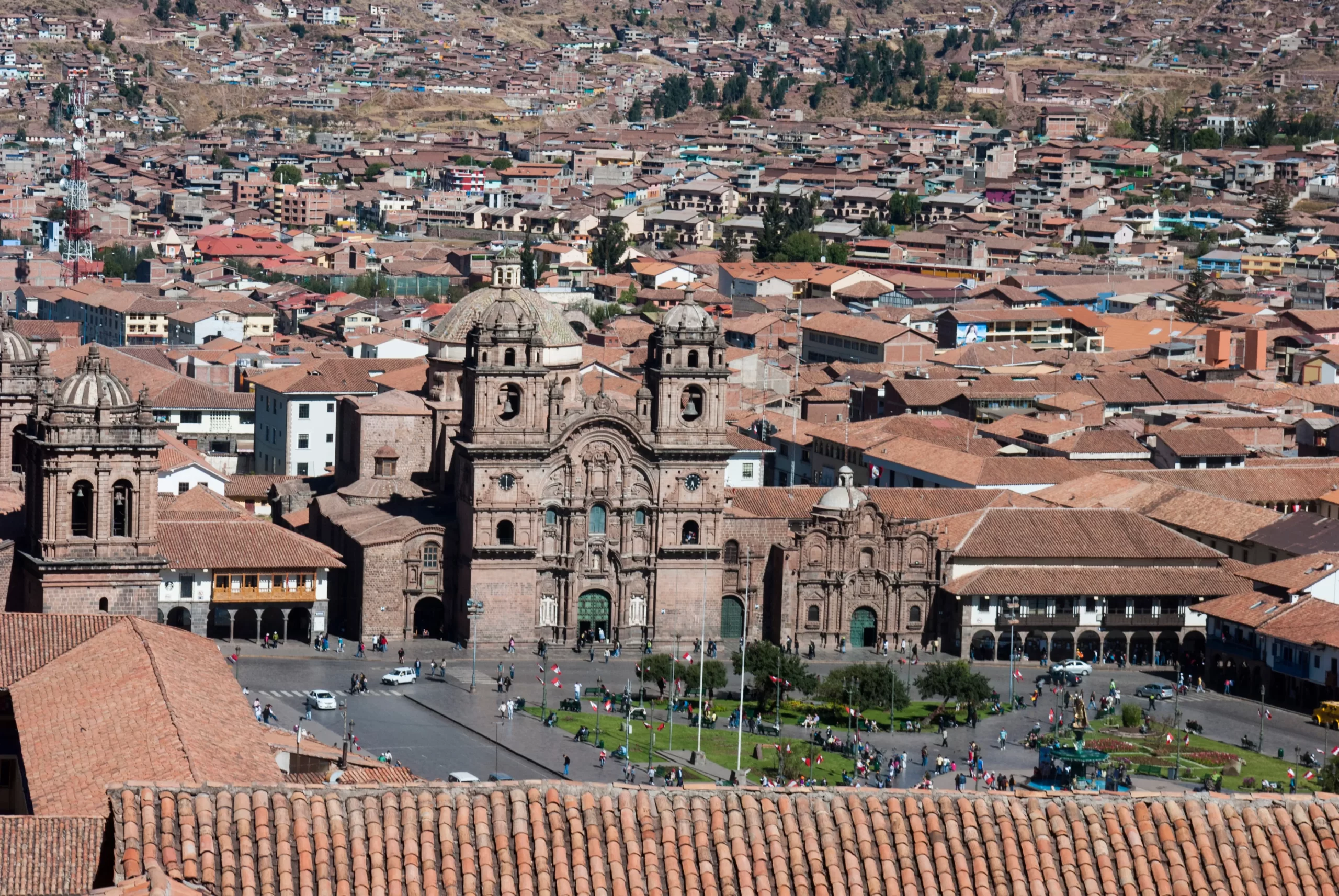
The Best Tourist Places to See in Cusco ?

A CULTURE IN DANGER OF EXTINCTION
Under this scenario, throughout the Amazon, there are around 70 uncontacted groups. Specifically in our country, there are 2 group´s of Woarani nationality: Tagaeri and Taromenane, with approximately 50 to 300 people, respectively. They are located in a protected area of Yasuní, which was legalized under a legal framework to protect their rights and guarantee their lives. Now, the case study of these
People isolate and avoid contact to maintain their culture. Many communities sought refuge and secluded themselves from religious and civil contact after the 1972 oil boom. This nomination claimed that their sociocultural reality may lead to demographic and identity assimilation among national communities despite their remoteness.
Considering this, several criteria are established to safeguard the lives of uncontacted communities:
THE IMPORTANCE OF CULTURAL CONSERVATION
The Tagaeri and Taromenane are vital to Ecuador’s cultural variety and environmental health. Ecuador’s identity would be lost if these communities disappeared, as they carry Amazonian vegetation and animals.
THREATS TO VOLUNTARY ISOLATION

One of the threats that communities face is illegal logging, deforestation and mining in the Amazon. All of these factors devastate the natural habitat and put the isolation of these communities at direct risk. Frequently, these industrial interests cross the limits of protected areas, even in the intangible Yasuní region. Which causes the uncontacted to move to other indigenous territories.
These problems related to involuntary contact with external individuals could put these groups at risk for immune diseases. Additionally, disputes have arisen between isolated communities and other jungle residents, usually linked to the use of natural resources.
UNCONTACTED PEOPLES IN THE AMAZON
It is crucial to raise awareness about the situation of these groups and support initiatives that promote their protection based on a participatory process. In order to preserve these unique ecosystems and protect their cultures, which depend on them.
The Ecuadorian Amazon has approximately 1022736 hectares; this biosphere reserve has many more secrets to share. Apart from the ecotourism that takes place within this exuberant area, we can find contacted communities or indigenous peoples (Siona, Kichwau… etc.), which seek sustainable change through tourism. However, this article will focus on the study of uncontacted groups, which also give importance and culture within this ecosystem.
A CULTURE IN DANGER OF EXTINCTION
Under this scenario, throughout the Amazon, there are around 70 uncontacted groups. Specifically in our country, there are 2 group´s of Woarani nationality: Tagaeri and Taromenane, with approximately 50 to 300 people, respectively. They are located in a protected area of Yasuní, which was legalized under a legal framework to protect their rights and guarantee their lives. Now, the case study of these
People isolate and avoid contact to maintain their culture. Many communities sought refuge and secluded themselves from religious and civil contact after the 1972 oil boom. This nomination claimed that their sociocultural reality may lead to demographic and identity assimilation among national communities despite their remoteness.
Considering this, several criteria are established to safeguard the lives of uncontacted communities:
THE IMPORTANCE OF CULTURAL CONSERVATION
The Tagaeri and Taromenane are vital to Ecuador’s cultural variety and environmental health. Ecuador’s identity would be lost if these communities disappeared, as they carry Amazonian vegetation and animals.
THREATS TO VOLUNTARY ISOLATION
One of the threats that communities face is illegal logging, deforestation and mining in the Amazon. All of these factors devastate the natural habitat and put the isolation of these communities at direct risk. Frequently, these industrial interests cross the limits of protected areas, even in the intangible Yasuní region. Which causes the uncontacted to move to other indigenous territories.
These problems related to involuntary contact with external individuals could put these groups at risk for immune diseases. Additionally, disputes have arisen between isolated communities and other jungle residents, usually linked to the use of natural resources.
UNCONTACTED PEOPLES IN THE AMAZON
It is crucial to raise awareness about the situation of these groups and support initiatives that promote their protection based on a participatory process. In order to preserve these unique ecosystems and protect their cultures, which depend on them.
Esplora le nostre ultime notizie
18/09/2026
Cinque animali sorprendenti della Bolivia: scopri il gatto Tilcayo e altre specie difficili da avvistare
04/08/2026
Huasquila Amazon Lodge: posizione, come arrivare e attività
03/08/2026
Parco Nazionale di Antisana: vulcano, fauna selvatica e La Mica
29/07/2026
Sciamani in Ecuador: un viaggio nel cuore della saggezza amazzonica
27/07/2026
Alla scoperta della tribù dei Waorani: Lo scudo dell’Amazzonia
24/07/2026
Quali isole visitò Darwin durante la sua spedizione?
Contenuti più votati
24/07/2026
I Grandi Laghi e le lagune del Sudamerica: paesaggi ricchi di storia, cultura e natura
24/07/2026
Meravigliosi sentieri escursionistici in Ecuador, adatti a escursionisti di ogni livello
23/07/2026
Costa Rica contro Ecuador: quale delle due è la scelta migliore per un’avventura sostenibile?
16/07/2026
Feria de las Flores di Medellín: guida al festival e alla tradizione dei silleteros
14/07/2026
Ruta del Spondylus in Ecuador: il viaggio on the road lungo la costa per eccellenza?
14/07/2026
La Riserva Naturale di Cuyabeno: una foresta pluviale ecuadoriana unica nel suo genere, ricca di "killas"
Contenuti più visti
13/07/2026
Canoe tradizionali dell’Amazzonia e la storia della Killas
06/07/2026
Perché viaggiare il giorno del proprio compleanno è una cosa che dovresti fare?
21/05/2026
Che cos’è il “Día de los Muertos” in Ecuador?
21/05/2026
Chimborazo, Ecuador 2023: la montagna che non dimenticherai mai
21/05/2026
Le principali destinazioni turistiche dell'Ecuador per il 2023 e il 2024
21/05/2026
The Best Tourist Places to See in Cusco ?