

This project was born to preserve the ecosystem of the Andes through ecotourism and provide a warm experience to the visitor through its hospitality and service. Polylepis lodge focuses on generating environmental responsibility through the connection between education, individuals, and sustainable practices.
Explore nossas últimas notícias
18/09/2026
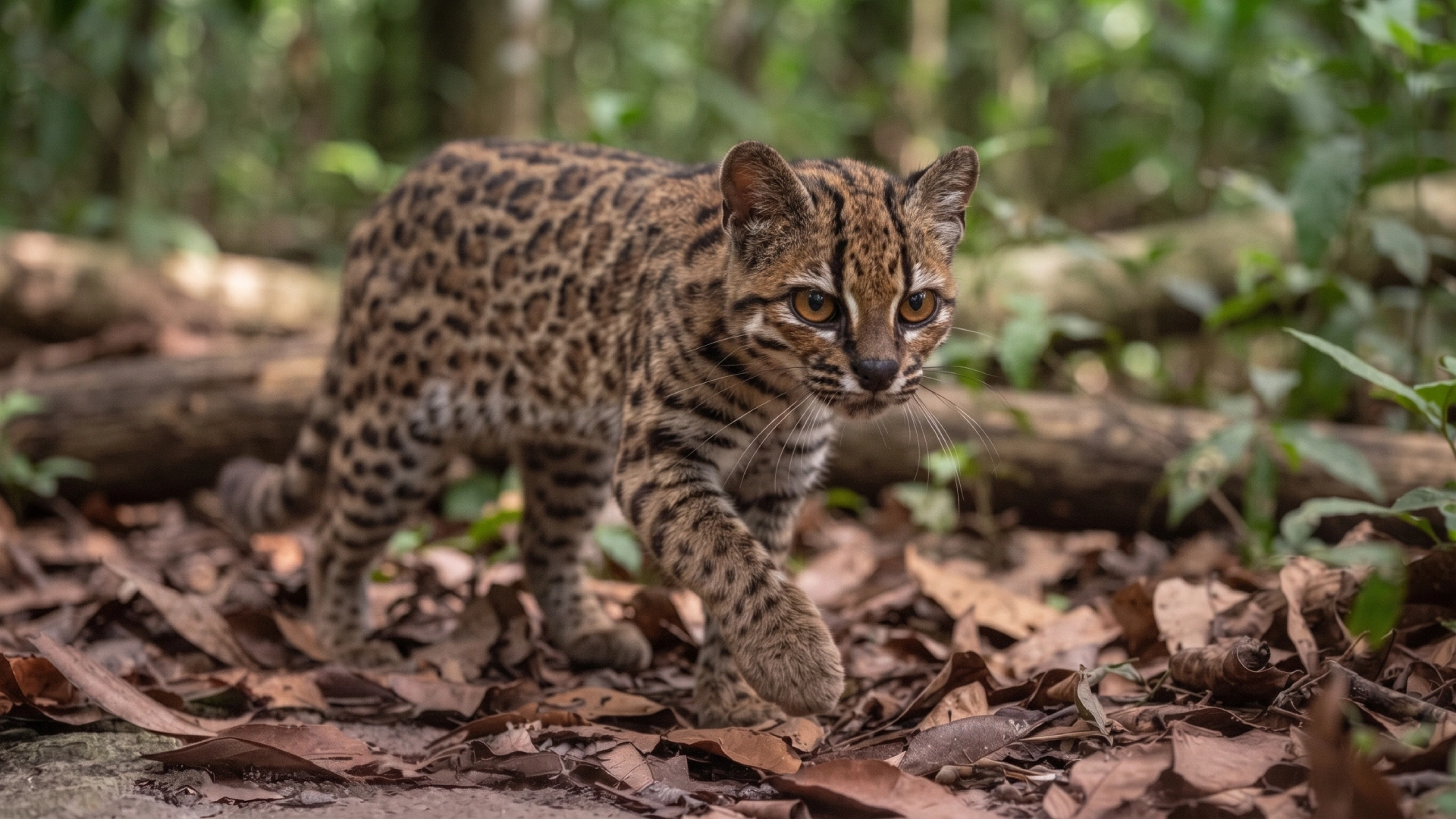
Cinco animais surpreendentes da Bolívia: conheça o gato Tilcayo e outras espécies difíceis de avistar

04/08/2026
Huasquila Amazon Lodge: Localização, Acesso e Atividades
03/08/2026
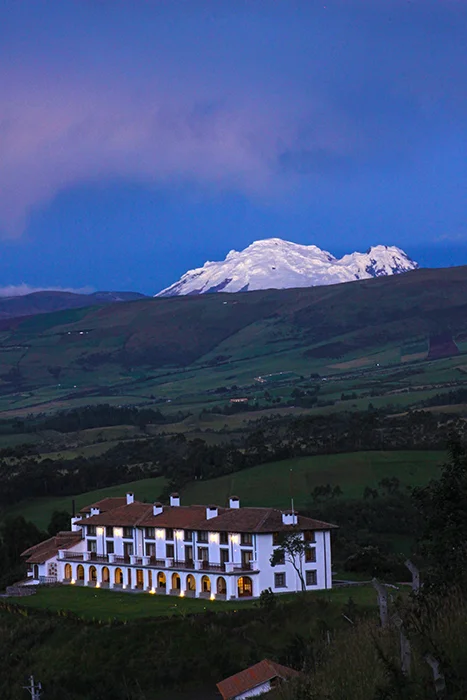
Parque Nacional de Antisana: Vulcão, vida selvagem e La Mica
29/07/2026
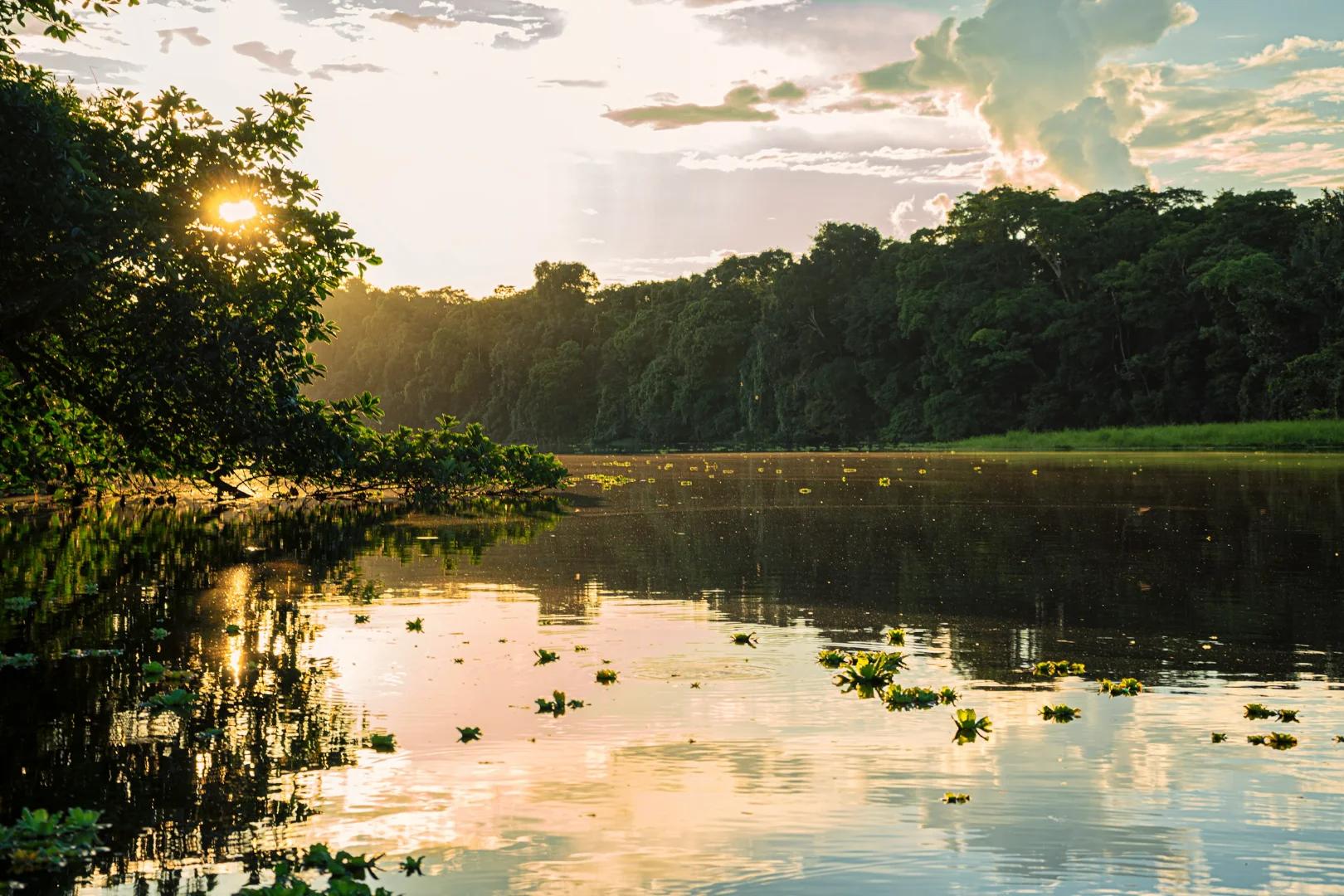
Xamãs no Equador: Uma viagem ao coração da sabedoria amazónica
27/07/2026
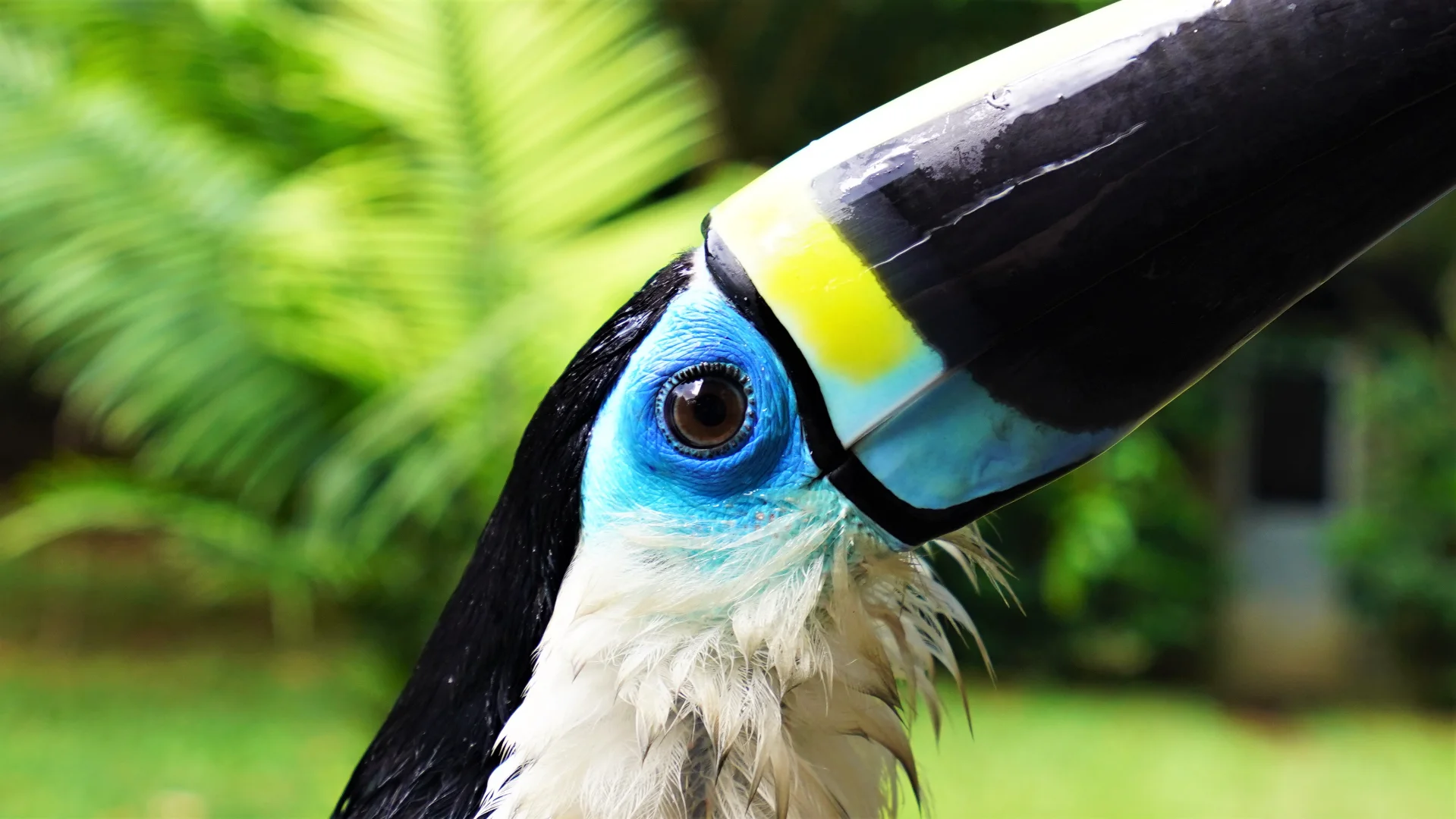
À descoberta da tribo Waorani: O Escudo da Amazónia
24/07/2026
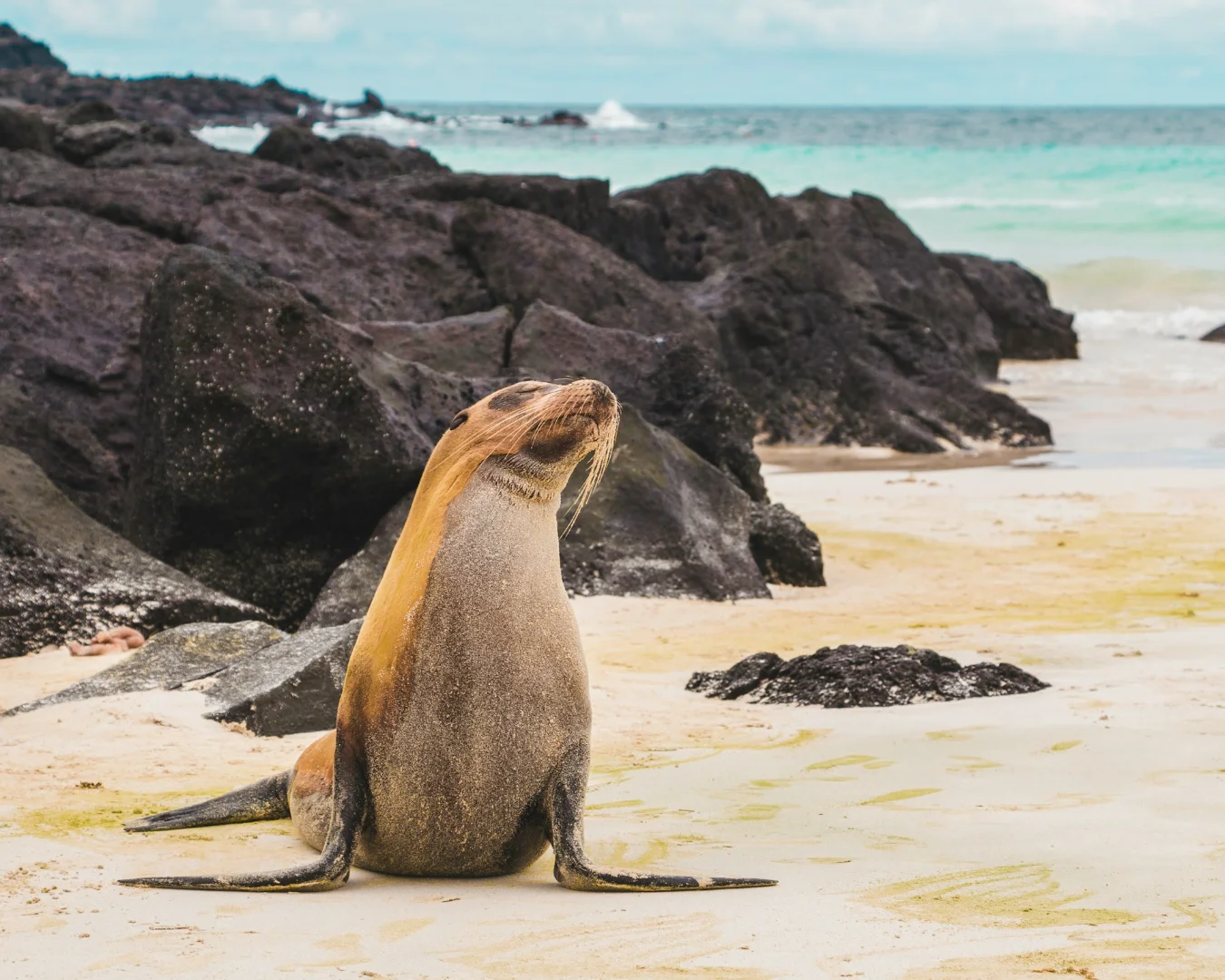
Que ilhas visitou Darwin durante a sua exploração?
Conteúdo melhor avaliado
24/07/2026
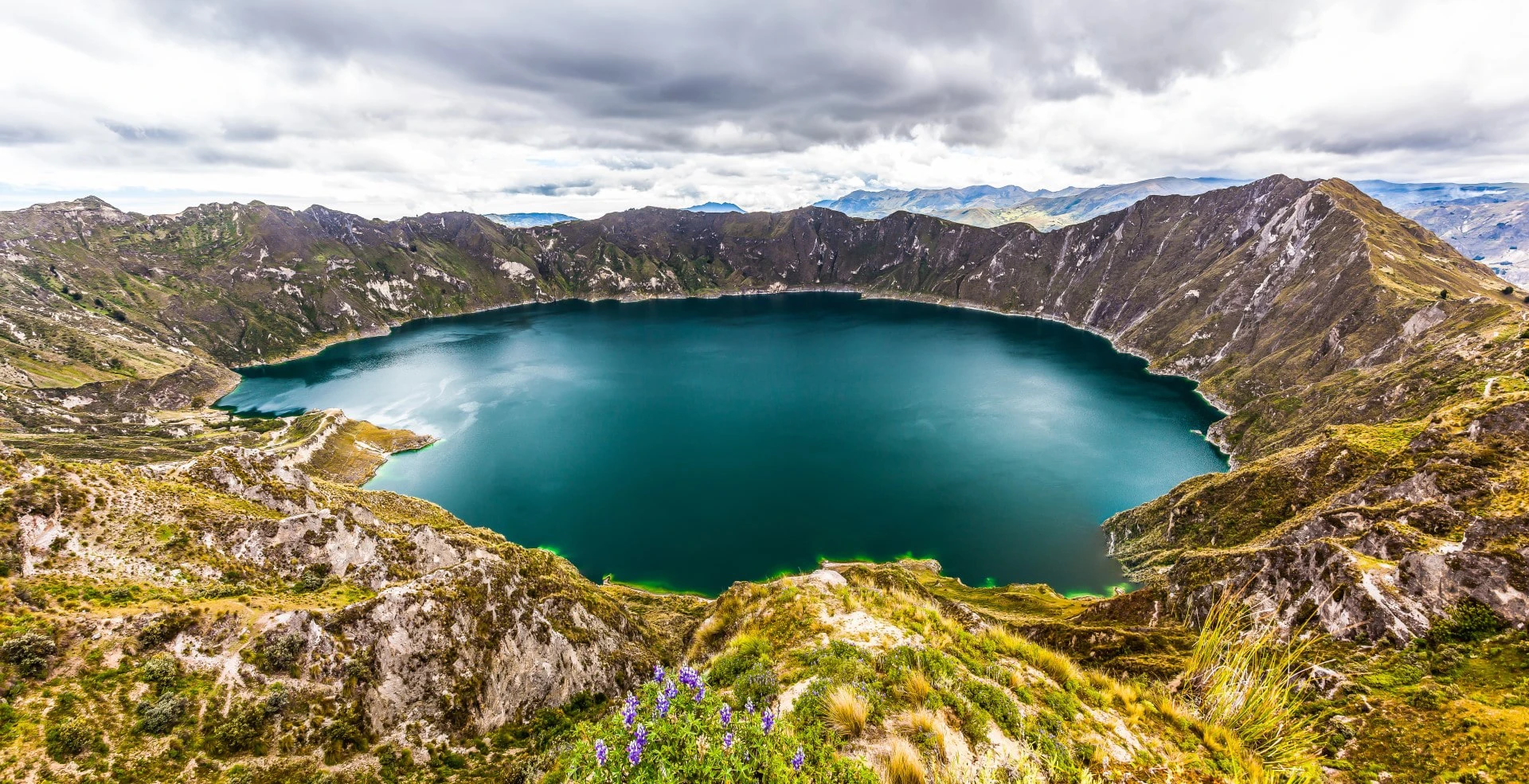
Os Grandes Lagos e Lagoas da América do Sul: Paisagens Ricas em História, Cultura e Natureza
24/07/2026
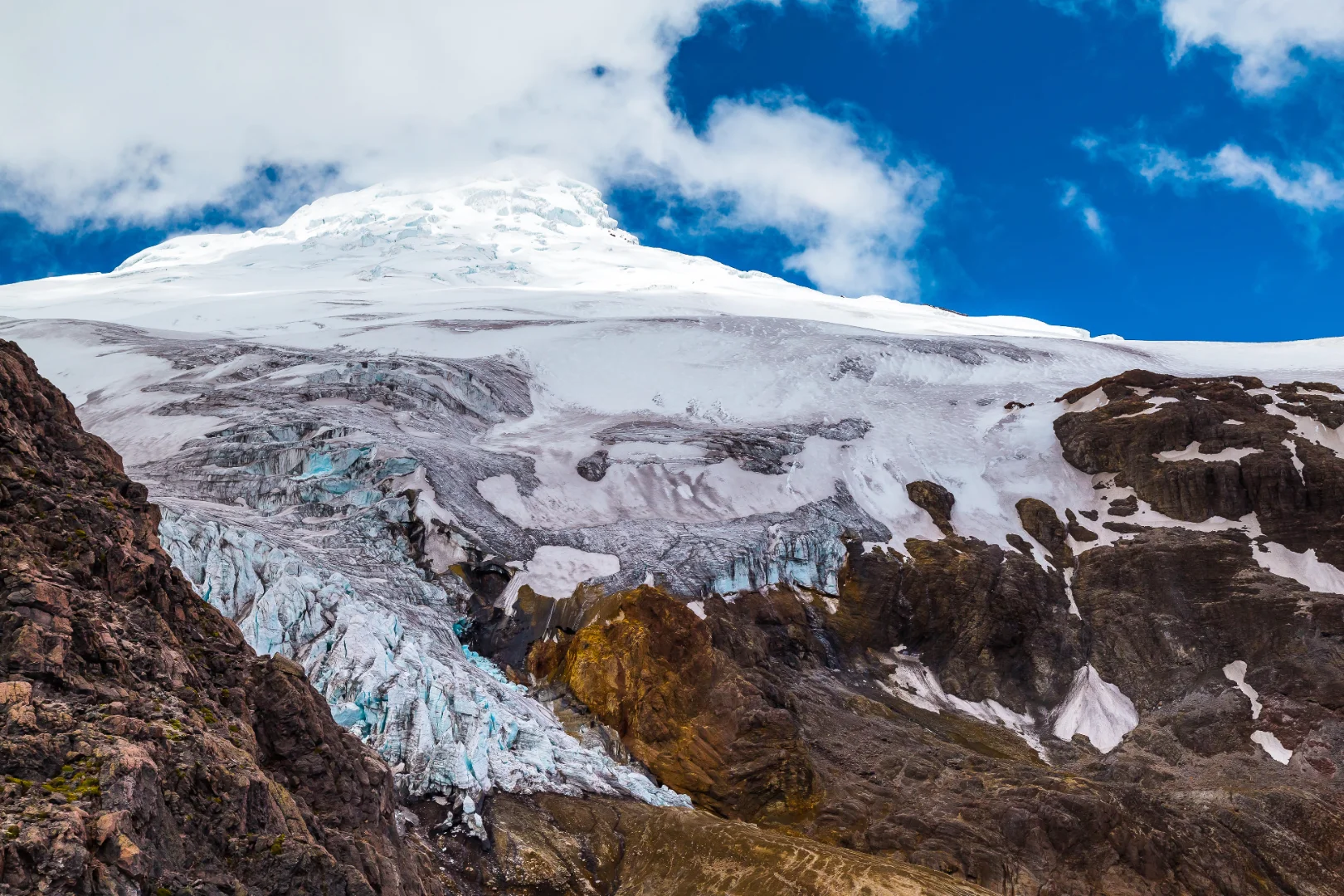
Maravilhosas trilhas de caminhada no Equador, adequadas para caminhantes de todos os níveis
23/07/2026
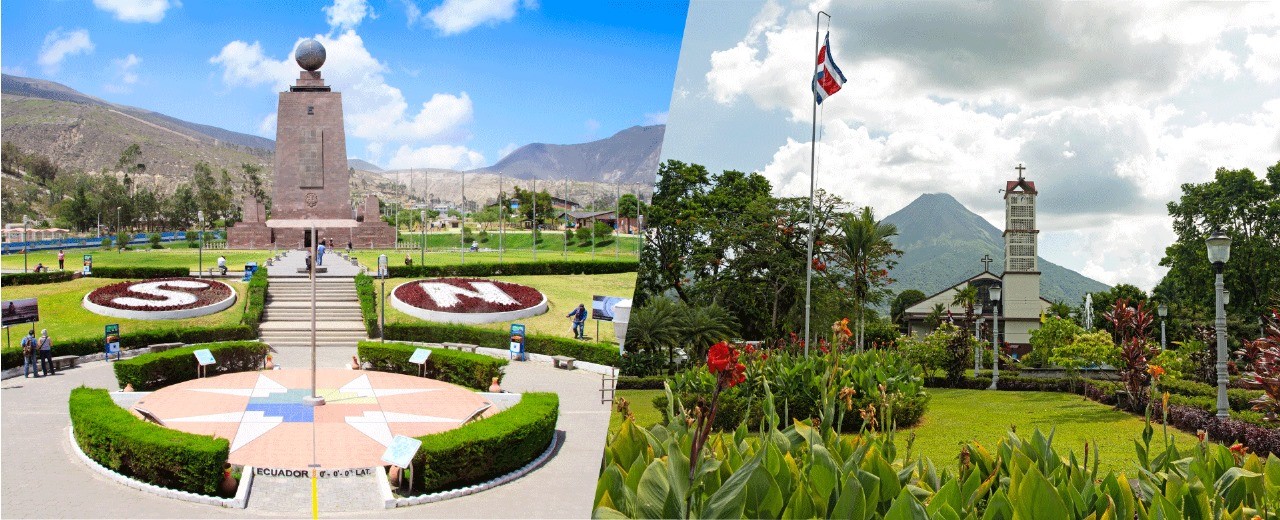
Costa Rica vs. Equador: Qual é o melhor destino para uma aventura sustentável?

16/07/2026
Feria de las Flores de Medellín: Um guia sobre o festival e a tradição dos silleteros

14/07/2026
Rota do Spondylus no Equador: a melhor viagem de carro pela costa?
14/07/2026
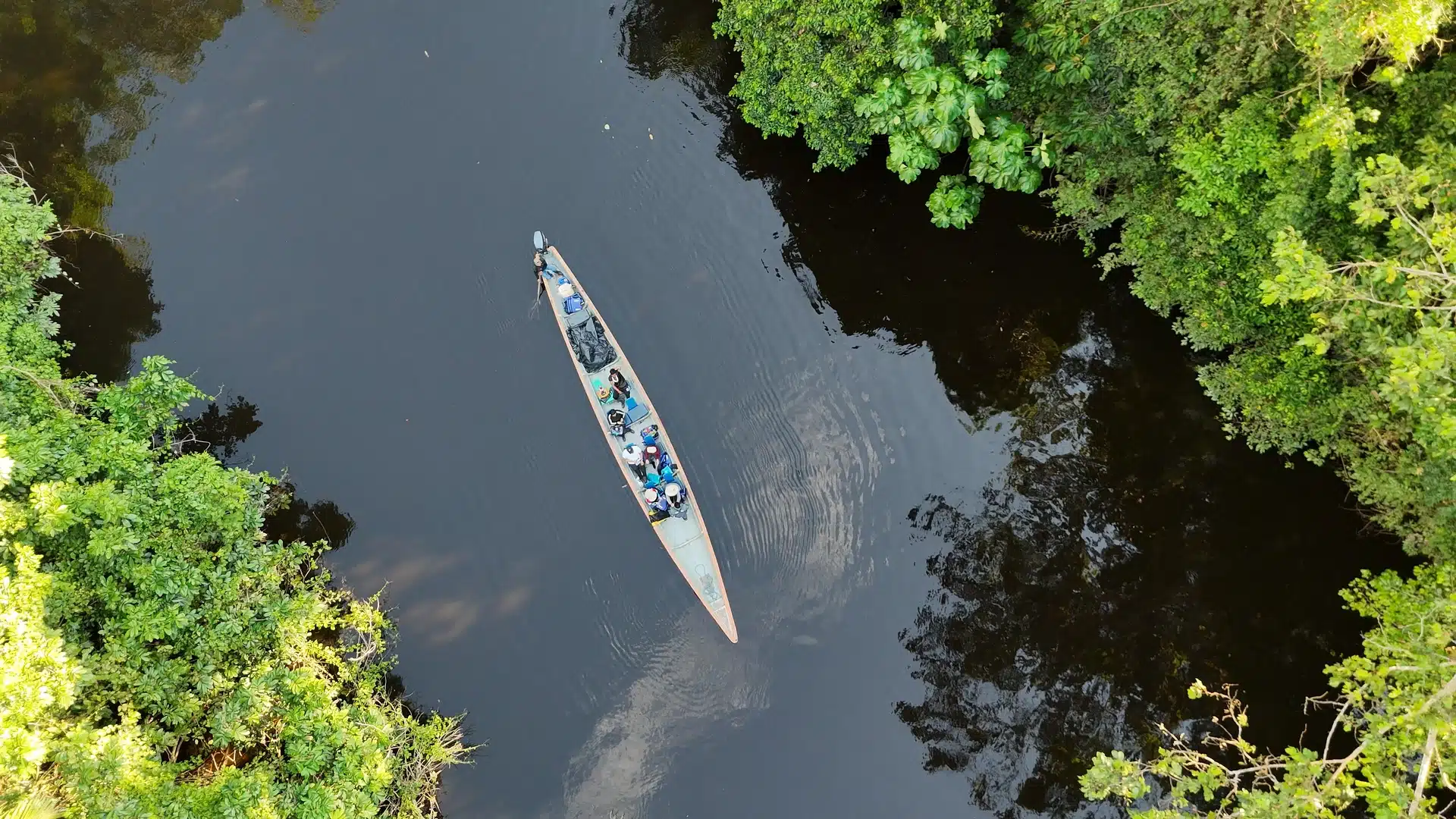
A Reserva Natural de Cuyabeno: uma floresta tropical equatoriana única, repleta de «killas»
Conteúdo mais visto
13/07/2026
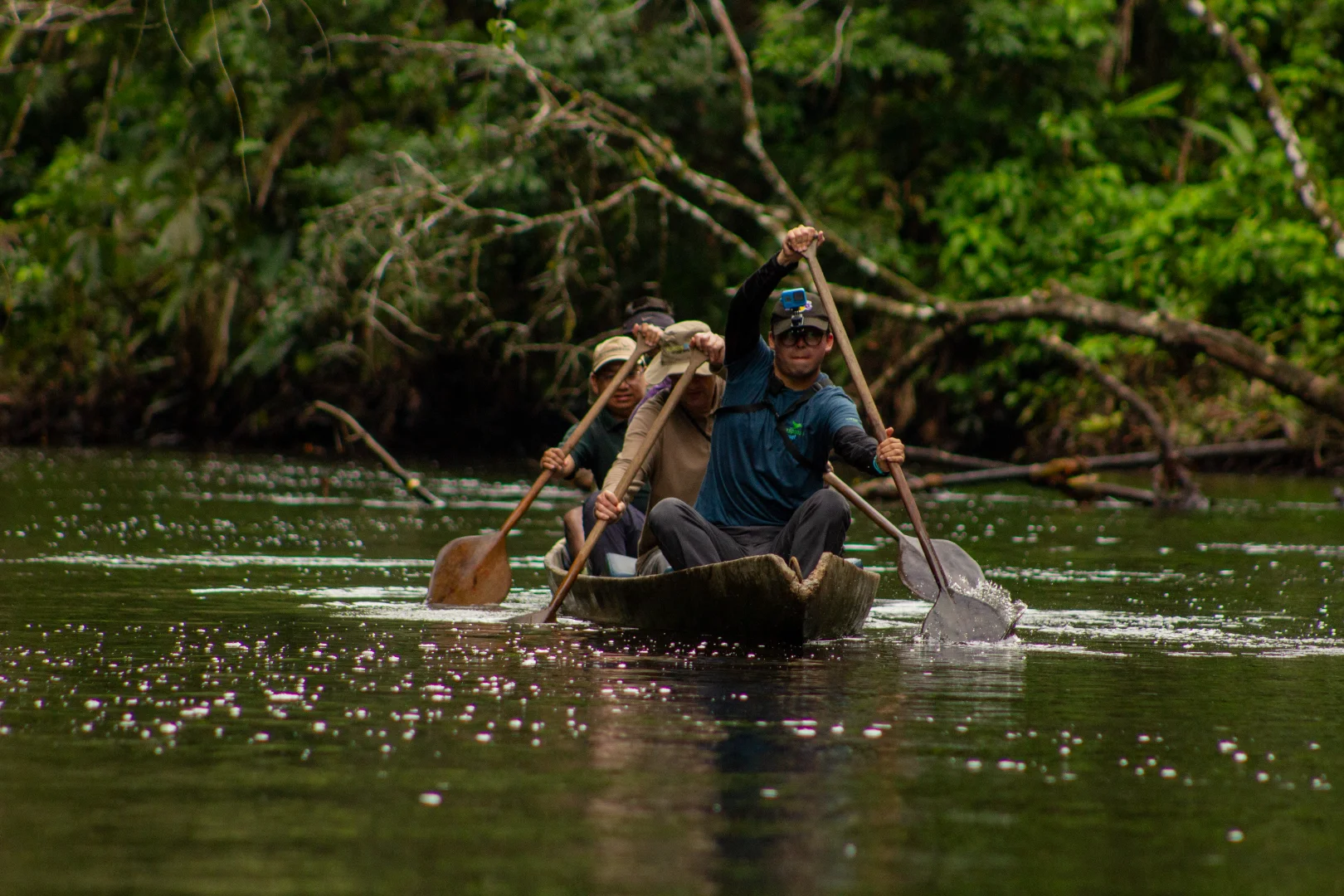
Canoas tradicionais da Amazônia e a história da Killas
06/07/2026
Por que é que viajar no dia do teu aniversário é algo que devias fazer?

21/05/2026
O que é o «Día de los Muertos» no Equador?
21/05/2026
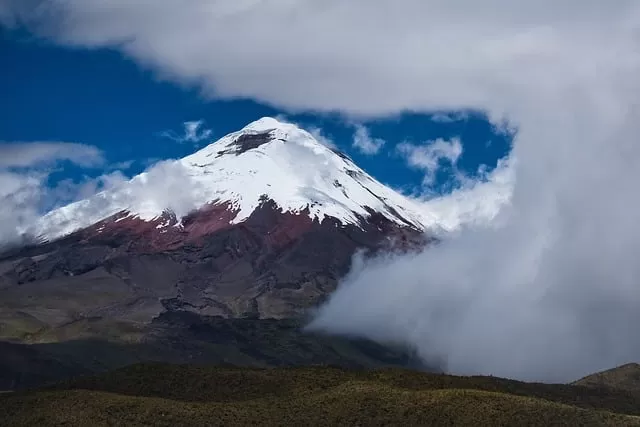
Chimborazo, Equador, 2023: A montanha que nunca irás esquecer
21/05/2026
Principais destinos turísticos do Equador para 2023 e 2024
21/05/2026
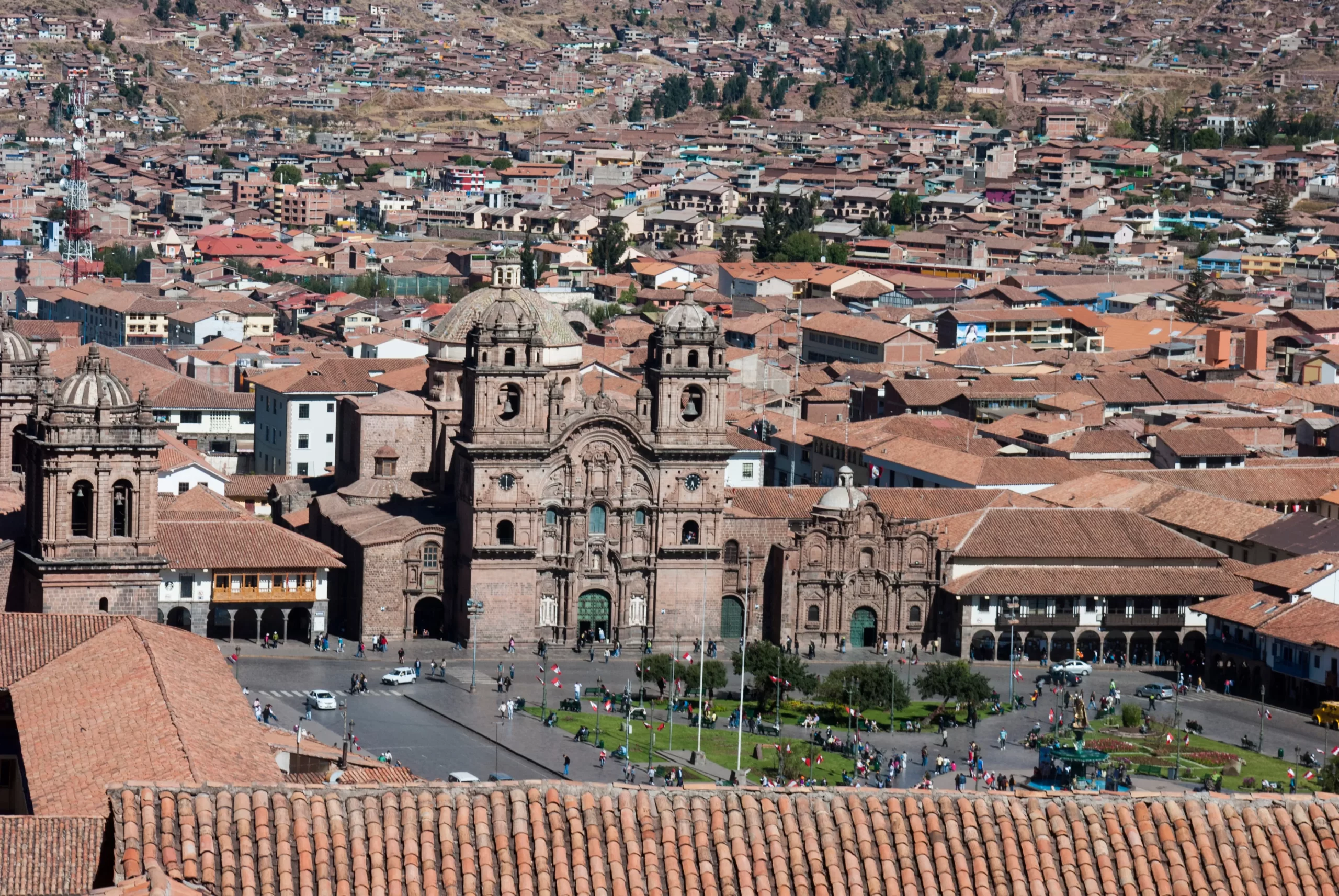
The Best Tourist Places to See in Cusco ?

LOCATION
- The lodge lies in the Andean region, about 3 hours from the city of Quito.
- A private reserve is where it is located, adjacent to the El Angel Ecological Reserve.
BIODIVERSITY
Being located in a wilderness area, the lodge offers a different environment that combines nature and culture.
- In the natural aspect, there exists a primary forest that represents the union of the Polylepis and the Frailejones moorland.
- On the other hand, the culture that emerges in this place makes it a center for research and safeguarding of objects, managing to find vestiges of the Pasto culture.
IMPORTANT ASPECTS OF POLYLEPIS LODGE
- Inside the lodge, you can carry out activities like hiking, horseback riding, hiking, bird watching, and research related to the biology of the area as well as that of the Ecological Reserve.
- The lodge stands out in gastronomy by utilizing local products, resulting in a mestizo fusion cuisine that features ingredients such as potatoes, oca, barley, and quinoa, among others.
- Several investigations have been carried out on the culture within the area. The lodge offers the possibility of visiting several museums that enhance this educational scope, including the Archaeological Museum “Pastos” (the largest in the north of the country), the Museum of Biology “Teska-Brito,” and the Living Natural Museum “Reserva Ecológica de El Ángel.”
- Sustainability is an important factor for the lodge. Consequently, the social aspect and education enhance this factor, fostering a new experience for visitors.
In short, the Polylepis lodge offers tranquility and adventure through environmental education based on the natural environment, peace, and comfort.
This project was born to preserve the ecosystem of the Andes through ecotourism and provide a warm experience to the visitor through its hospitality and service. Polylepis lodge focuses on generating environmental responsibility through the connection between education, individuals, and sustainable practices.
LOCATION
- The lodge lies in the Andean region, about 3 hours from the city of Quito.
- A private reserve is where it is located, adjacent to the El Angel Ecological Reserve.
BIODIVERSITY
Being located in a wilderness area, the lodge offers a different environment that combines nature and culture.
- In the natural aspect, there exists a primary forest that represents the union of the Polylepis and the Frailejones moorland.
- On the other hand, the culture that emerges in this place makes it a center for research and safeguarding of objects, managing to find vestiges of the Pasto culture.
IMPORTANT ASPECTS OF POLYLEPIS LODGE
- Inside the lodge, you can carry out activities like hiking, horseback riding, hiking, bird watching, and research related to the biology of the area as well as that of the Ecological Reserve.
- The lodge stands out in gastronomy by utilizing local products, resulting in a mestizo fusion cuisine that features ingredients such as potatoes, oca, barley, and quinoa, among others.
- Several investigations have been carried out on the culture within the area. The lodge offers the possibility of visiting several museums that enhance this educational scope, including the Archaeological Museum “Pastos” (the largest in the north of the country), the Museum of Biology “Teska-Brito,” and the Living Natural Museum “Reserva Ecológica de El Ángel.”
- Sustainability is an important factor for the lodge. Consequently, the social aspect and education enhance this factor, fostering a new experience for visitors.
In short, the Polylepis lodge offers tranquility and adventure through environmental education based on the natural environment, peace, and comfort.
Explore nossas últimas notícias
18/09/2026
Cinco animais surpreendentes da Bolívia: conheça o gato Tilcayo e outras espécies difíceis de avistar
04/08/2026
Huasquila Amazon Lodge: Localização, Acesso e Atividades
03/08/2026
Parque Nacional de Antisana: Vulcão, vida selvagem e La Mica
29/07/2026
Xamãs no Equador: Uma viagem ao coração da sabedoria amazónica
27/07/2026
À descoberta da tribo Waorani: O Escudo da Amazónia
24/07/2026
Que ilhas visitou Darwin durante a sua exploração?
Conteúdo melhor avaliado
24/07/2026
Os Grandes Lagos e Lagoas da América do Sul: Paisagens Ricas em História, Cultura e Natureza
24/07/2026
Maravilhosas trilhas de caminhada no Equador, adequadas para caminhantes de todos os níveis
23/07/2026
Costa Rica vs. Equador: Qual é o melhor destino para uma aventura sustentável?
16/07/2026
Feria de las Flores de Medellín: Um guia sobre o festival e a tradição dos silleteros
14/07/2026
Rota do Spondylus no Equador: a melhor viagem de carro pela costa?
14/07/2026
A Reserva Natural de Cuyabeno: uma floresta tropical equatoriana única, repleta de «killas»
Conteúdo mais visto
13/07/2026
Canoas tradicionais da Amazônia e a história da Killas
06/07/2026
Por que é que viajar no dia do teu aniversário é algo que devias fazer?
21/05/2026
O que é o «Día de los Muertos» no Equador?
21/05/2026
Chimborazo, Equador, 2023: A montanha que nunca irás esquecer
21/05/2026
Principais destinos turísticos do Equador para 2023 e 2024
21/05/2026
The Best Tourist Places to See in Cusco ?