What type of transportation is used in protected areas?
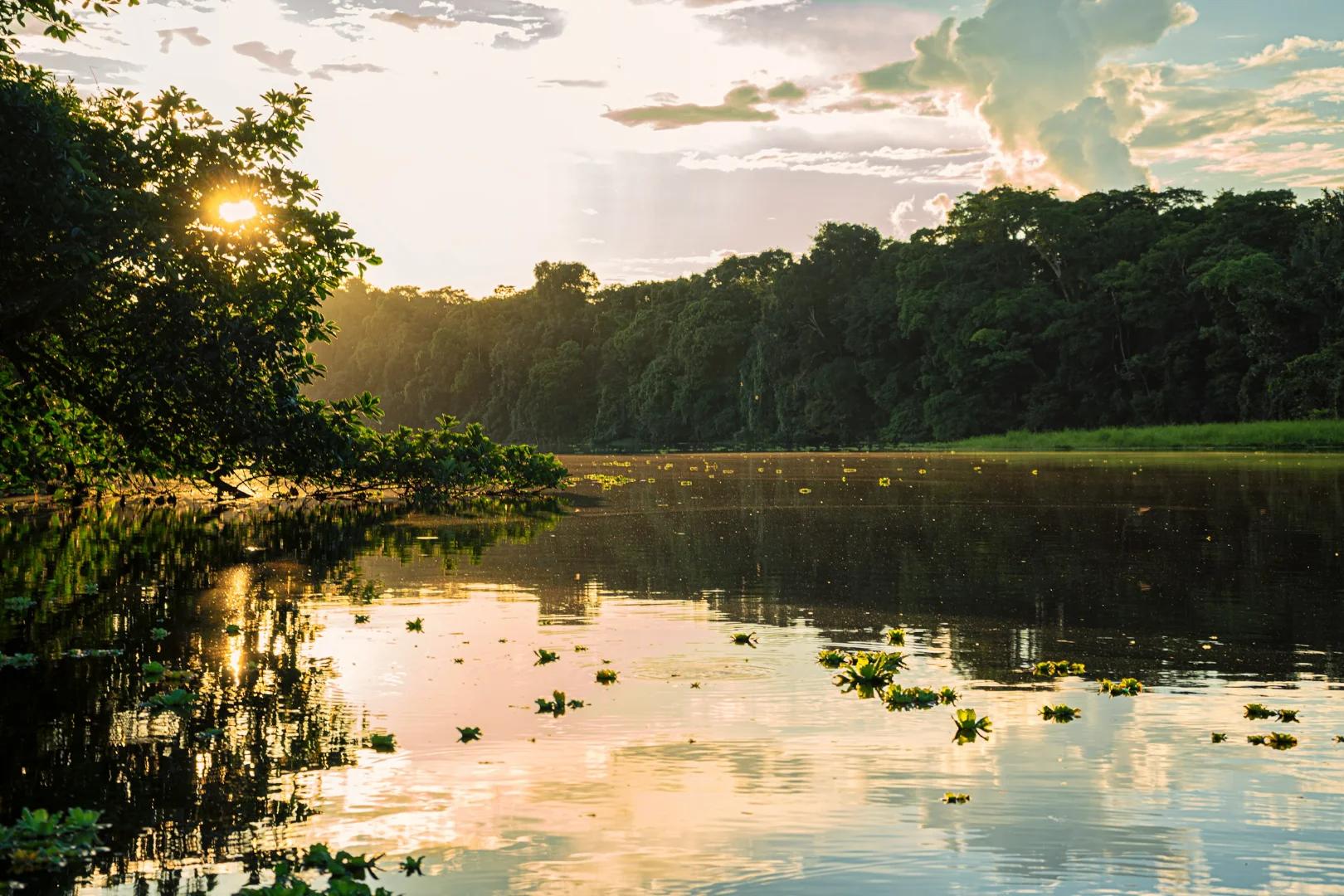
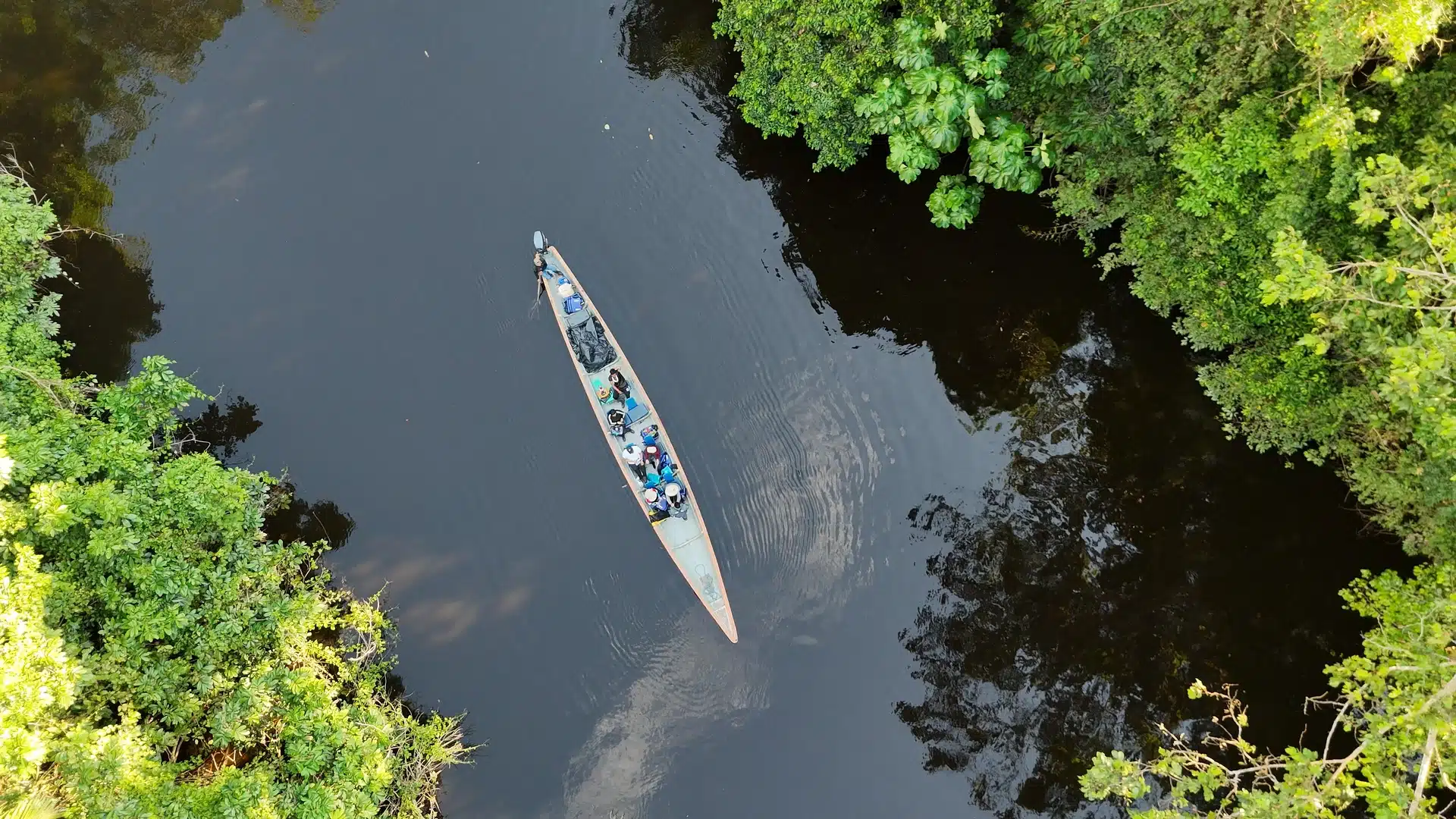
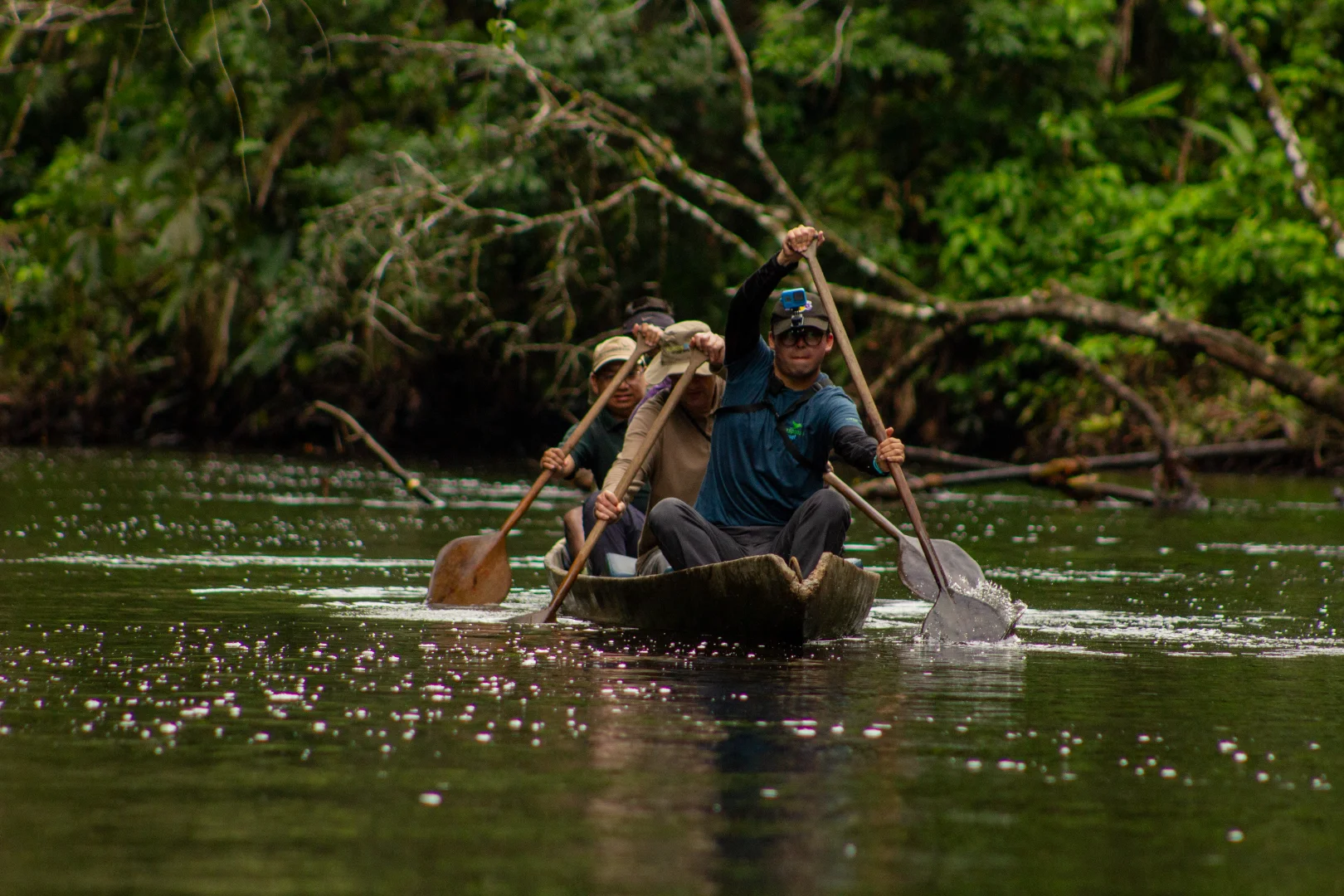
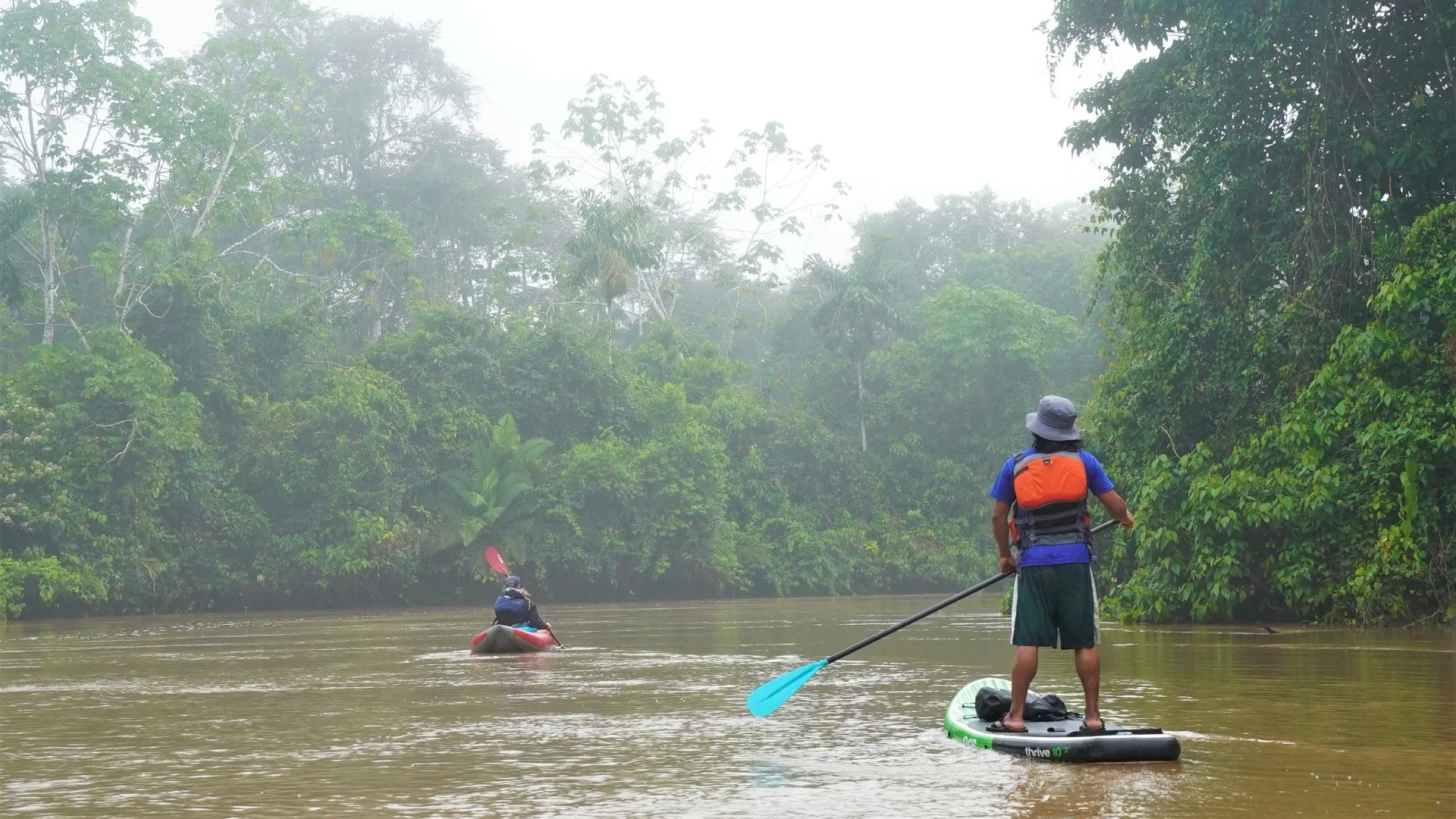
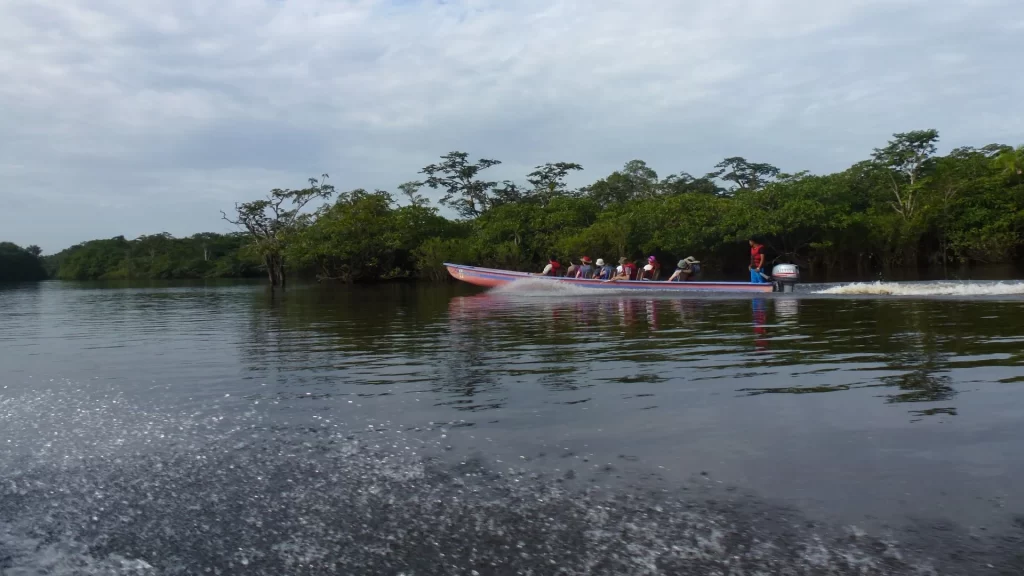
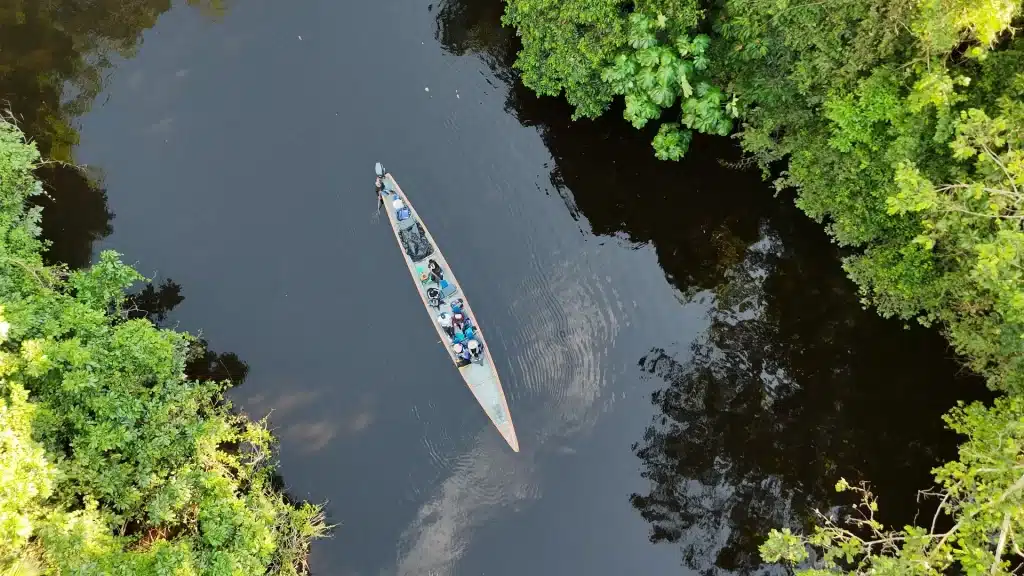
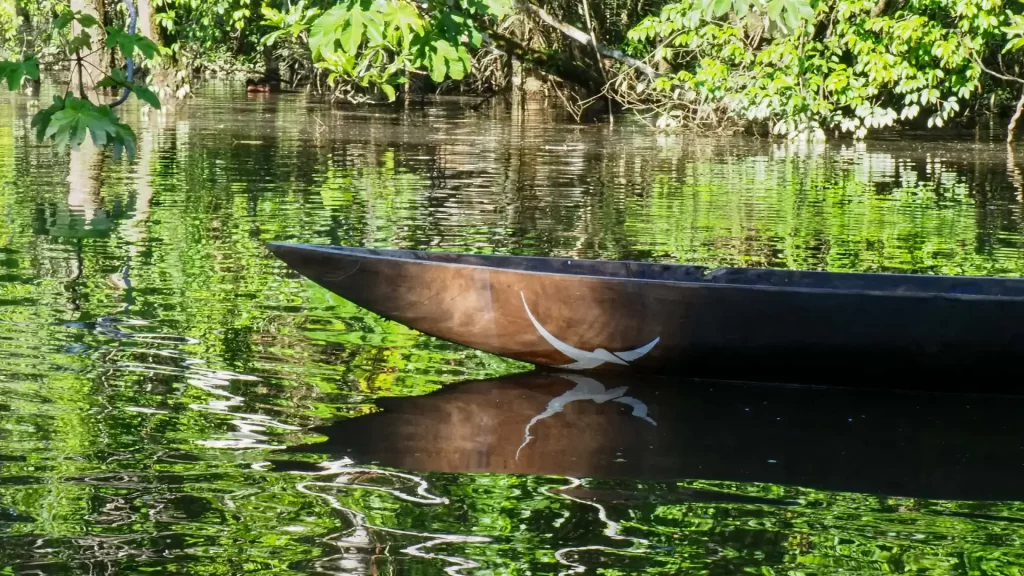
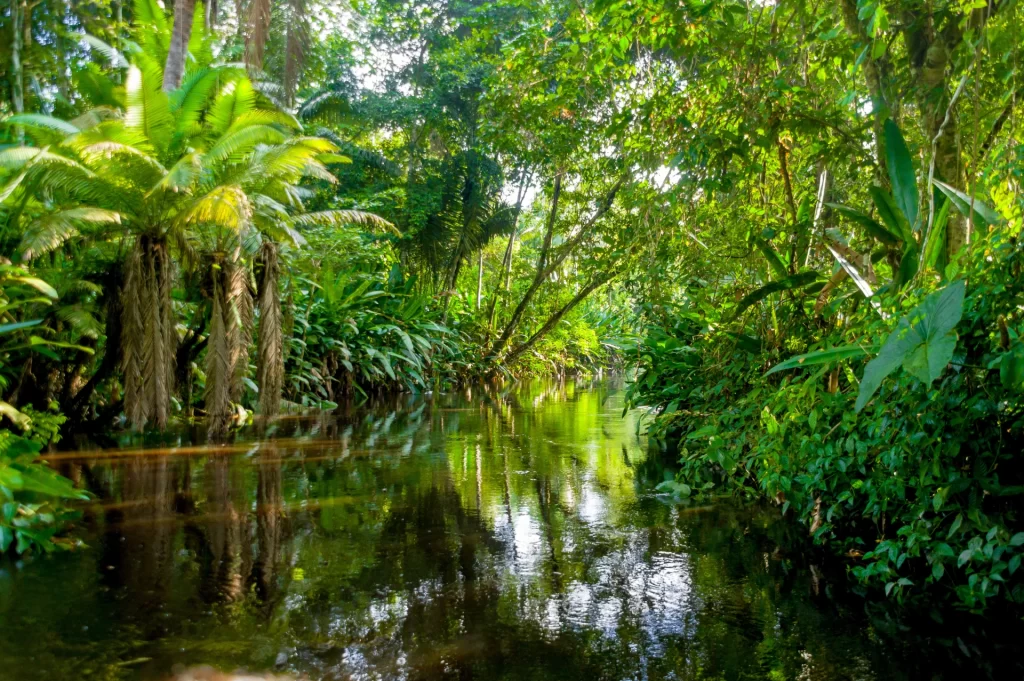
Transportation depends on the purpose of the trip. Logistical transfers along major rivers utilize motorized canoes. For wildlife viewing in narrow channels, keels or rowboats stand out as the preferred choice. This minimizes noise and erosion of the riverbanks, allowing for a closer and more environmentally friendly experience.
How can I identify a lodge committed to sustainability?
An easy way to find out is by looking at the information the lodge shares on its website or facilities. Formal establishments usually mention their Tourism Operating License or environmental licenses. These documents confirm that the lodge complies with regulations on waste management, use of clean energy, and protection of the Amazon ecosystem.
Is it necessary to have a guide to explore these areas?
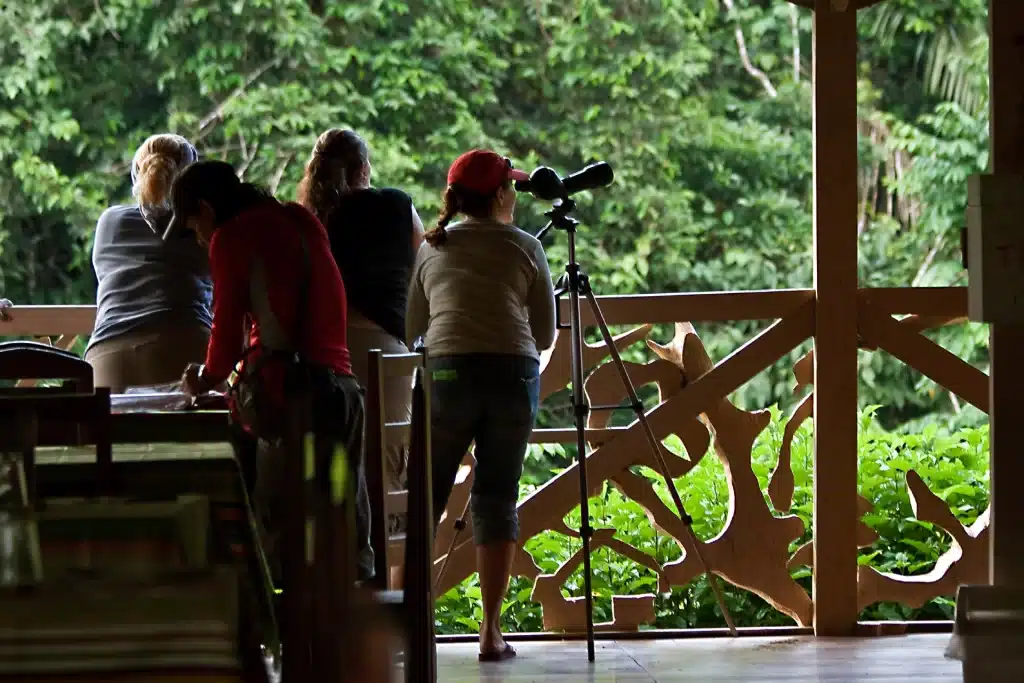
Yes, to visit the reserves and national parks of the Ecuadorian Amazon, you must be accompanied by a specialized guide. This provides travelers with a great deal of security; these professionals carry an official credential that accredits them as experts in natural heritage, ensuring that the tour is informative and complies with conservation standards.
What makes a route in the Amazon considered “sustainable”?
It is considered sustainable when it balances the visitor experience with the protection of the area. This includes respecting visitor limits (carrying capacity), avoiding leaving any type of waste in the forest, and prioritizing low-impact activities, ensuring that the beauty of the Amazon remains intact for the future.Source: Technical Regulations for Nature Tourism.
Discover deeply