

Todos os dias 1 e 2 de novembro, a maioria dos países da América Latina celebraDia dos Mortos, inclusive no Equador. A celebração consiste em vigílias e visitas aos cemitérios, onde se levam flores e comida tradicional aos falecidos. Neste guia, queremos dar-lhe a conhecer um pouco mais sobre como este dia é celebrado no Equador.
Explore nossas últimas notícias

04/08/2026
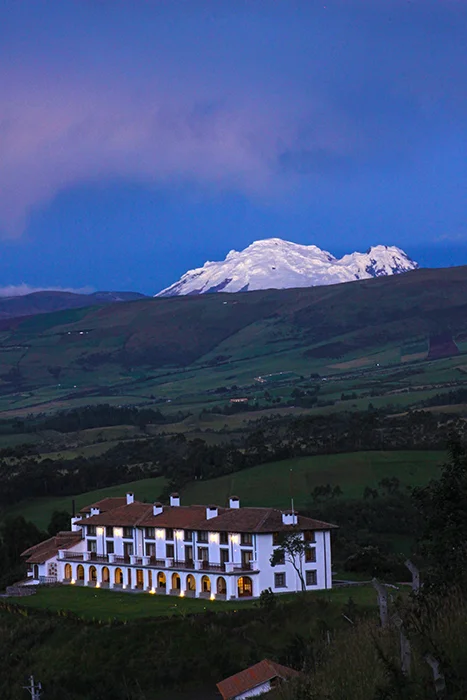
Huasquila Amazon Lodge: Localização, Acesso e Atividades
03/08/2026
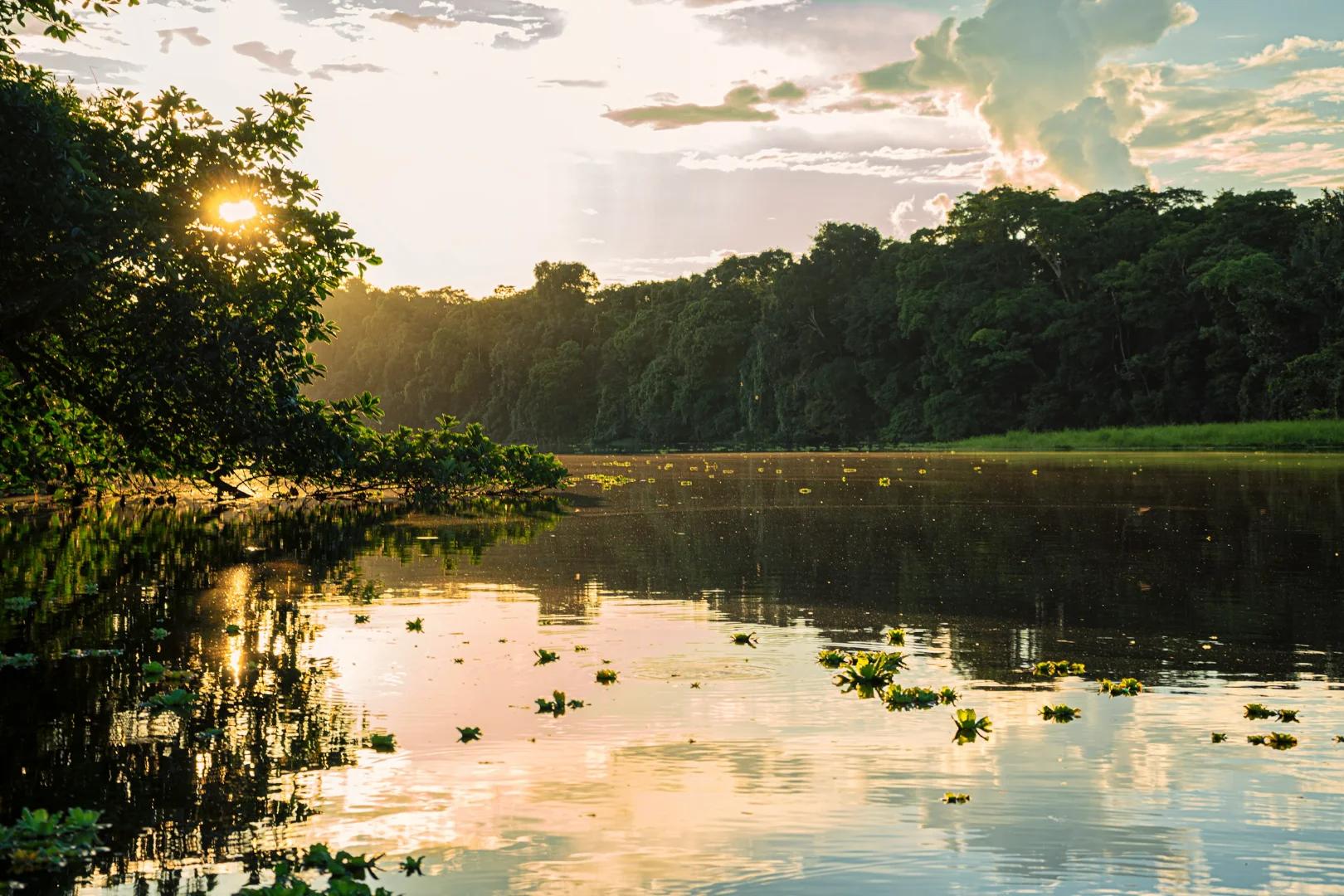
Parque Nacional de Antisana: Vulcão, vida selvagem e La Mica
29/07/2026
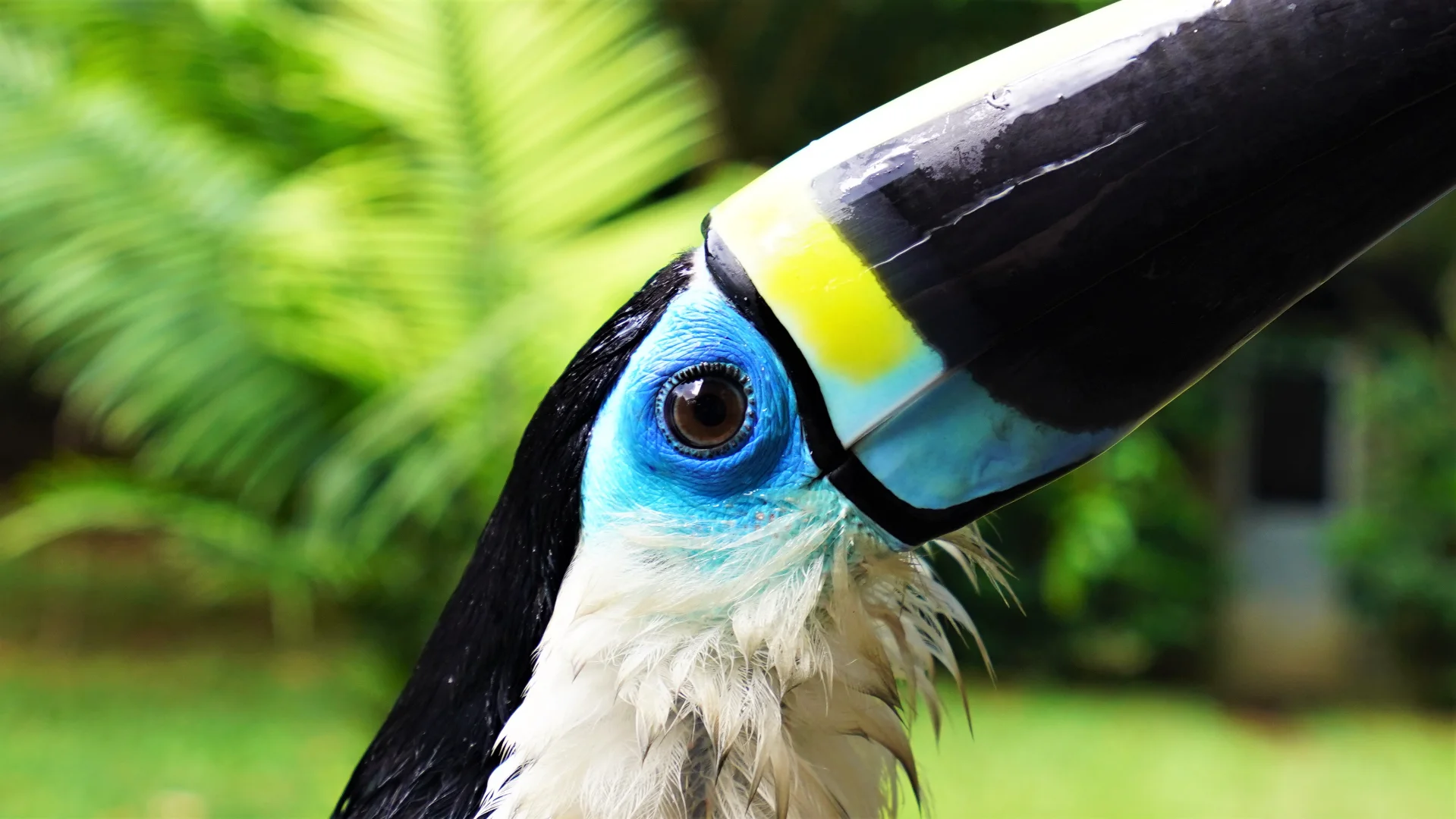
Xamãs no Equador: Uma viagem ao coração da sabedoria amazónica
27/07/2026
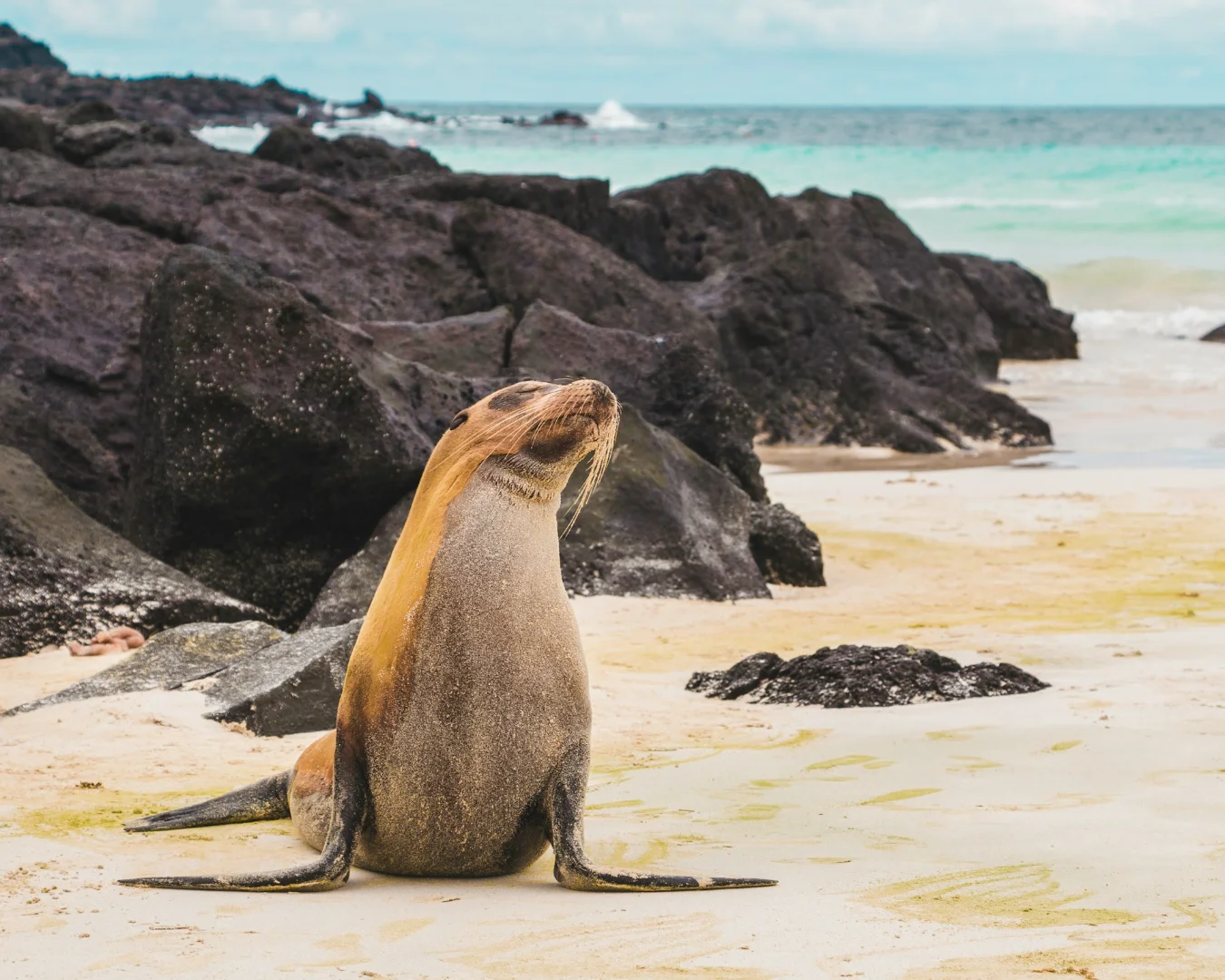
À descoberta da tribo Waorani: O Escudo da Amazónia
24/07/2026
Que ilhas visitou Darwin durante a sua exploração?
24/07/2026
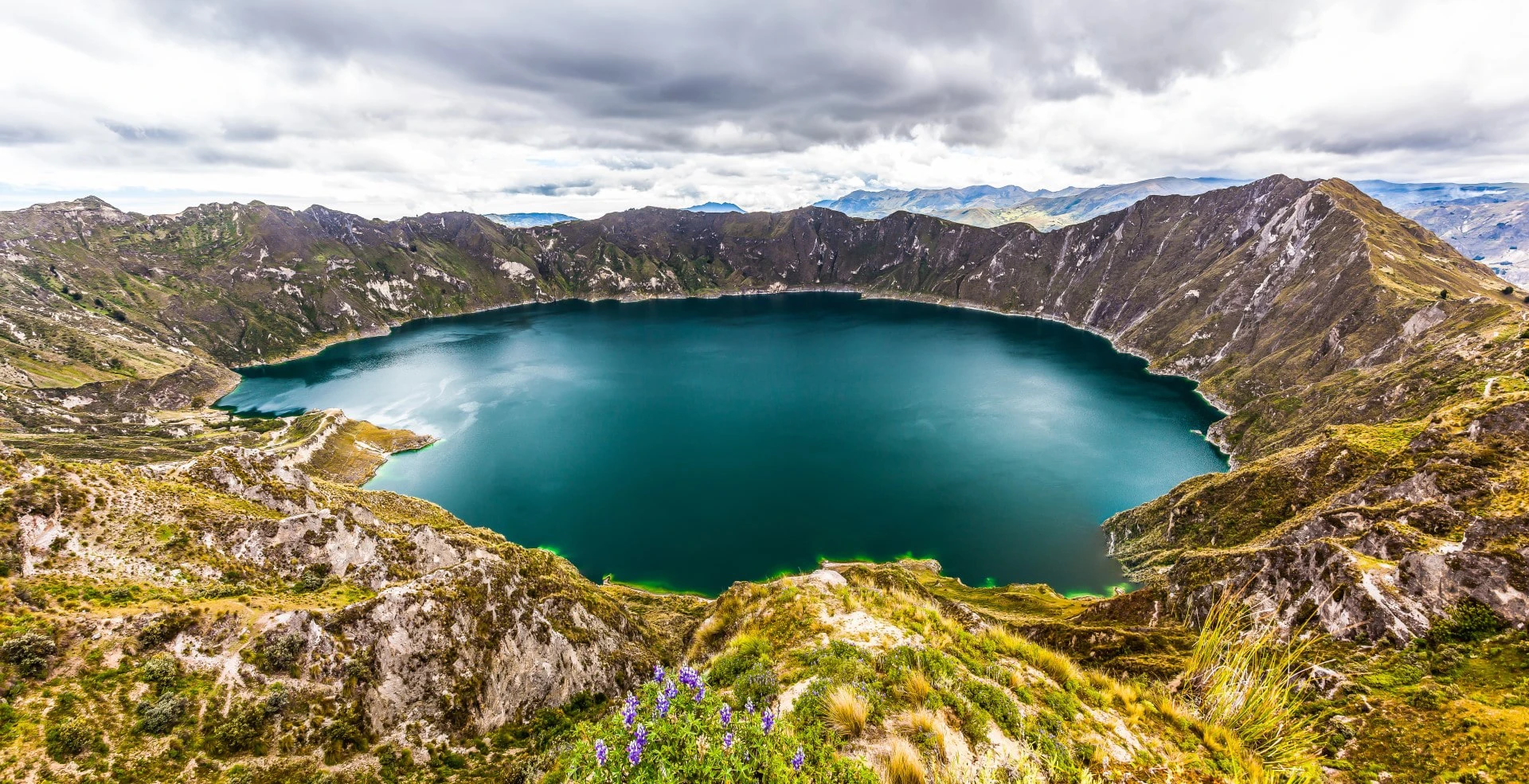
Os Grandes Lagos e Lagoas da América do Sul: Paisagens Ricas em História, Cultura e Natureza
Conteúdo melhor avaliado
24/07/2026
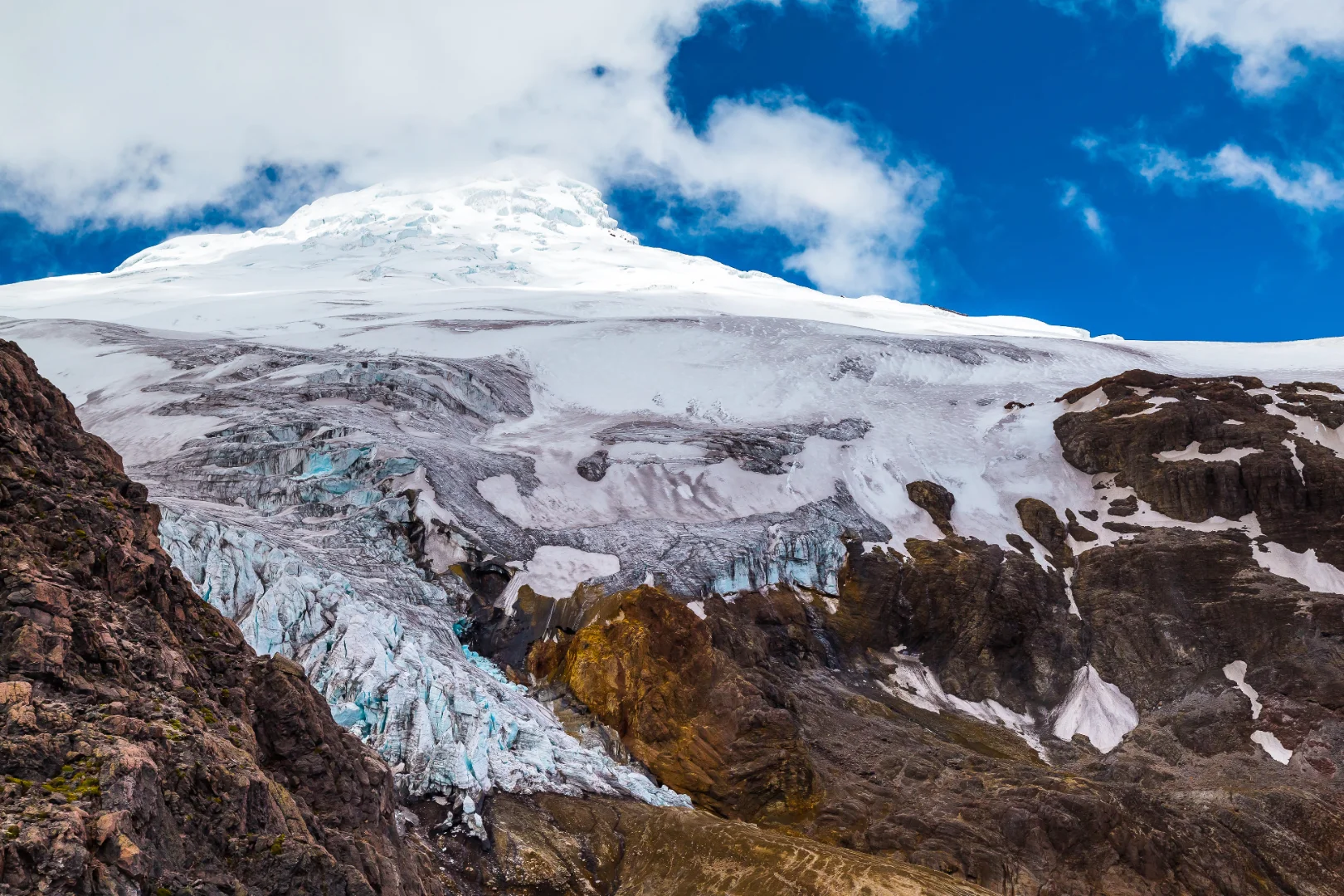
Maravilhosas trilhas de caminhada no Equador, adequadas para caminhantes de todos os níveis
23/07/2026
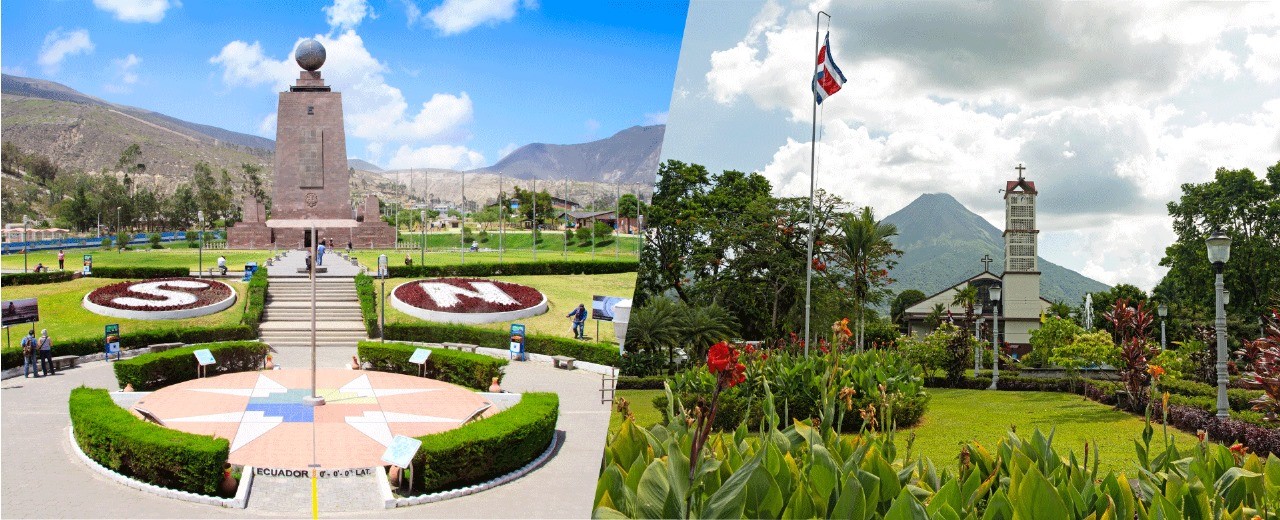
Costa Rica vs. Equador: Qual é o melhor destino para uma aventura sustentável?

16/07/2026
Feria de las Flores de Medellín: Um guia sobre o festival e a tradição dos silleteros

14/07/2026
Rota do Spondylus no Equador: a melhor viagem de carro pela costa?
14/07/2026
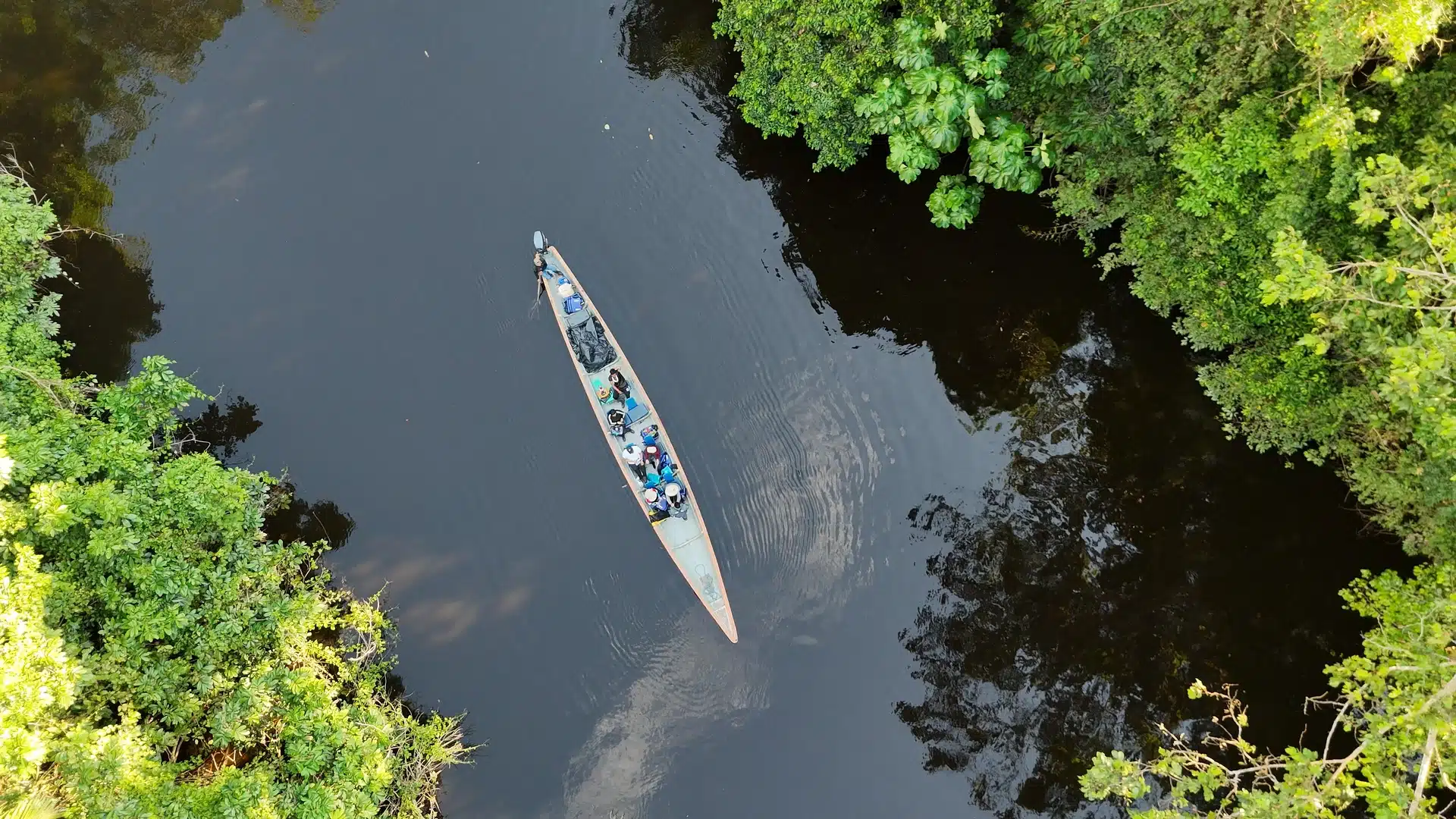
A Reserva Natural de Cuyabeno: uma floresta tropical equatoriana única, repleta de «killas»
13/07/2026
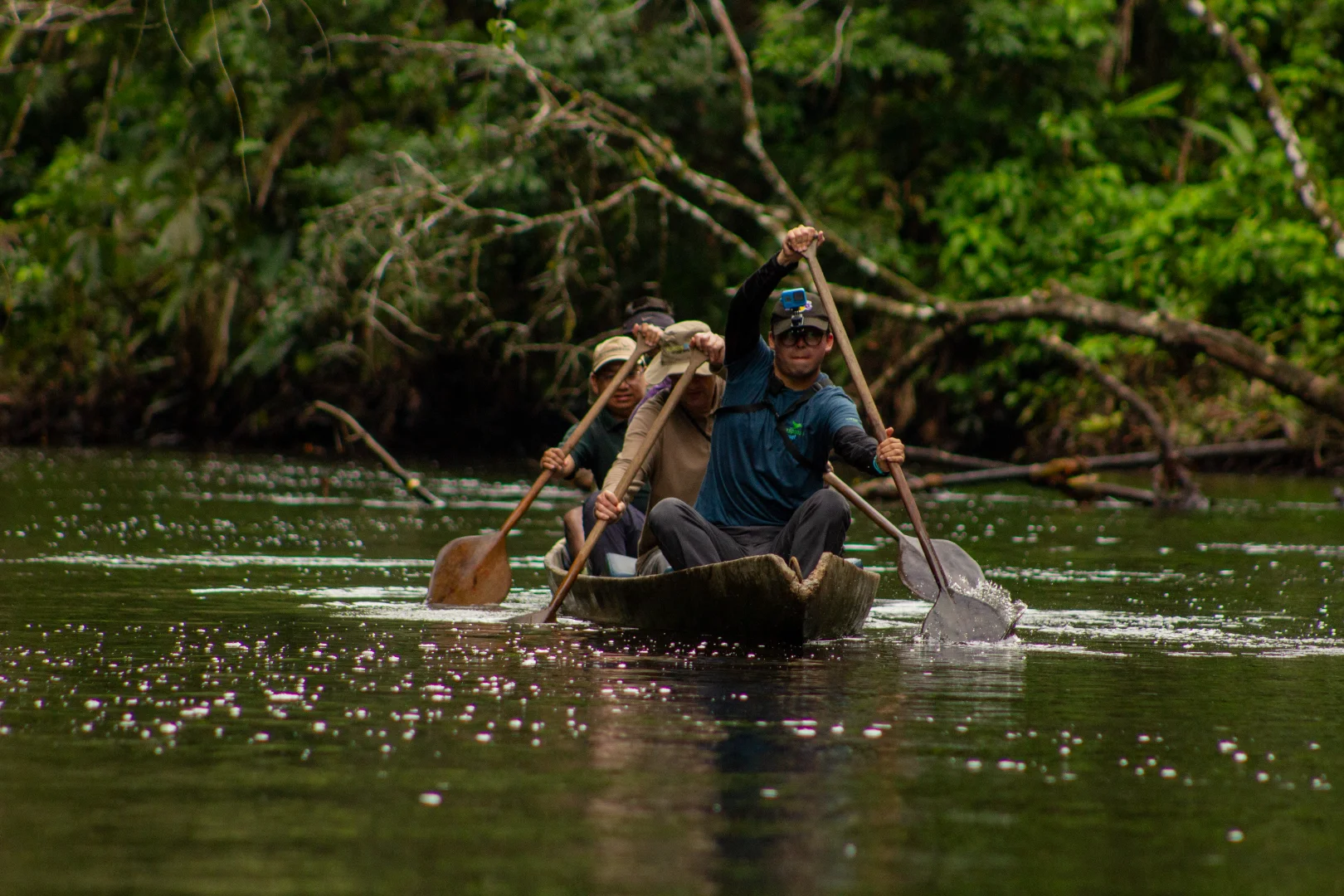
Canoas tradicionais da Amazônia e a história da Killas
Conteúdo mais visto
06/07/2026
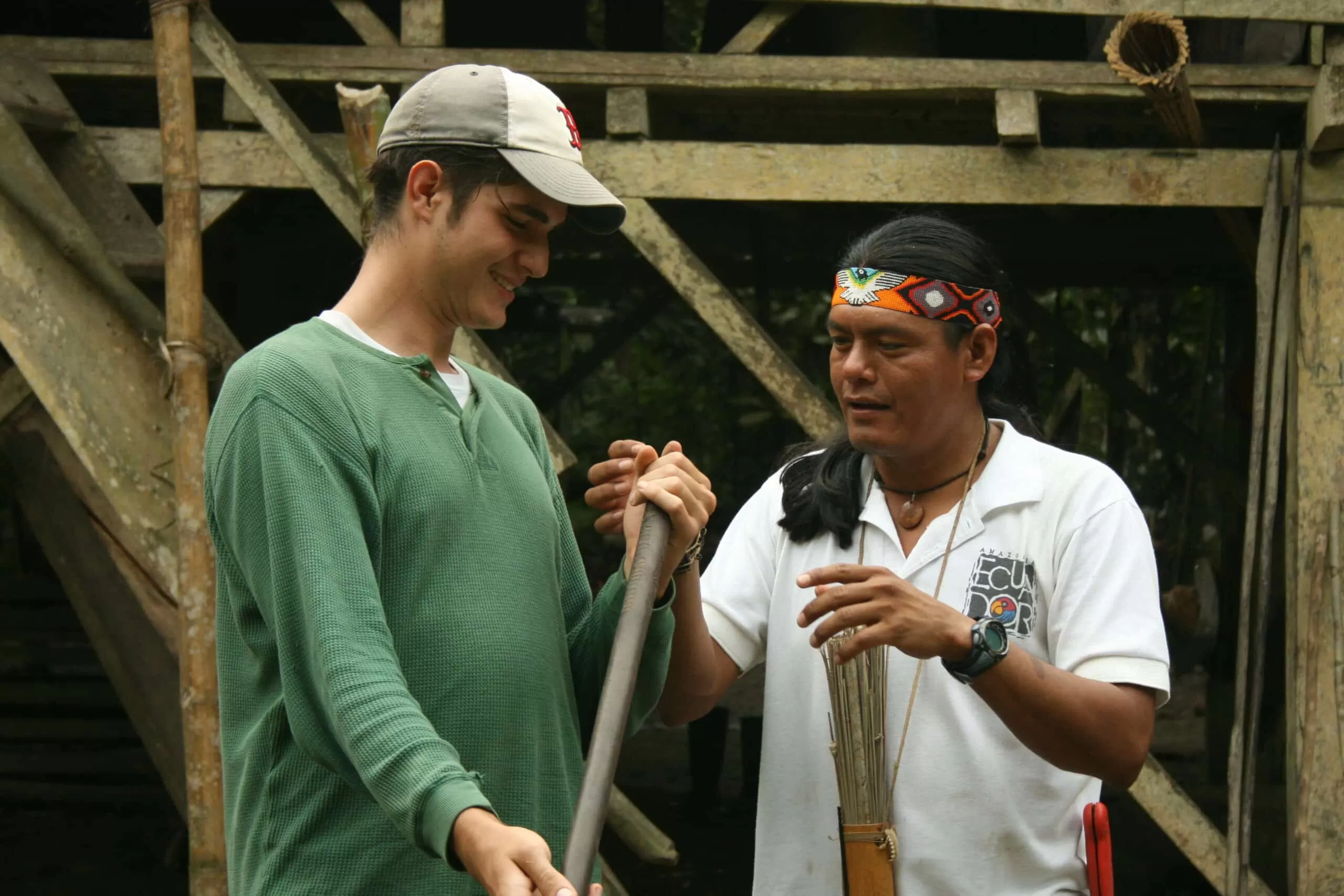
Por que é que viajar no dia do teu aniversário é algo que devias fazer?
21/05/2026
O que é o «Día de los Muertos» no Equador?
21/05/2026
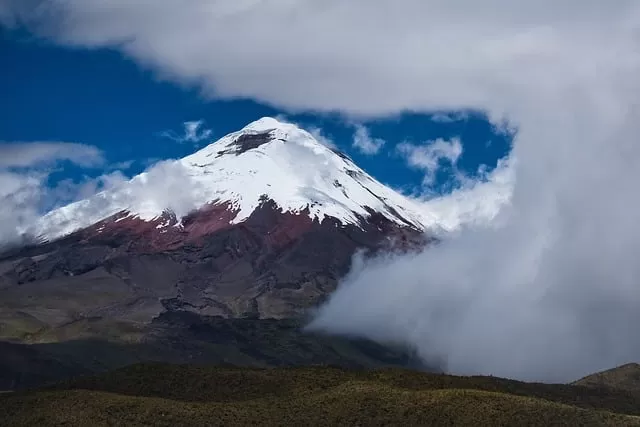
Chimborazo, Equador, 2023: A montanha que nunca irás esquecer
21/05/2026
Principais destinos turísticos do Equador para 2023 e 2024
21/05/2026
The Best Tourist Places to See in Cusco ?
21/05/2026
4 Reasons why traveling is way more than visiting places
DOIS MUNDOS DIFERENTES:
As terras altas andinas estavam associadas a inúmeras cerimónias, símbolos e refeições, e as sociedades pré-hispânicas nutriam um profundo respeito pelos falecidos.
No antigo território inca (Tahuantinsuyo), o costume mais comum consistia em visitar os falecidos uma vez por ano e retirar os seus restos mortais. Durante o tempo que passavam juntos, partilhavam alimentos rituais, como a «colada morada», e realizavam outros rituais para demonstrar respeito.
No Equador (comemorado a 2 de novembro), tal como em grande parte da América do Sul, a mistura de culturas está presente em muitos aspetos da cultura. A tradição católica estabelece que o dia 1 de novembro marca o início do Dia dos Mortos e, no Equador, os povos indígenas adotaram esta data como parte dos seus rituais.
A tradição é fascinante, e é possível aprender mais sobre a mistura de culturas, tal como se vê noOtavalocemitério.
Além disso, existe um cemitério destinado aos europeus da classe alta, onde os túmulos são organizados e sóbrios.
E nas comunidades indígenas, onde é frequente ver famílias a partilhar uma refeição junto ao túmulo de um ente querido.
ALIMENTAÇÃO:
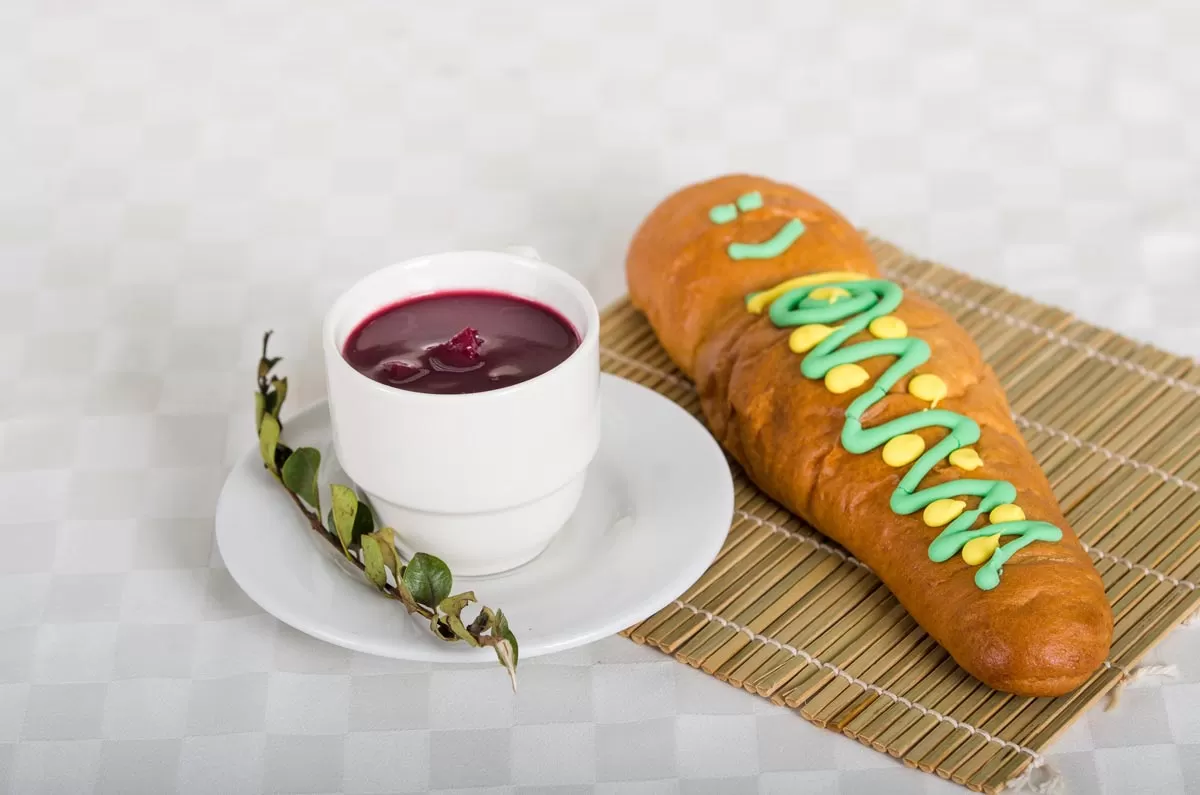
A cultura e as tradições também se refletem na gastronomia, como é o caso da preparação de«Colada morada»,uma bebida quente e espessa, preparada com cerca de 20 ingredientes, entre os quais se destacam a farinha de milho roxo, frutos vermelhos e plantas únicas que se encontram nos Andes equatorianos.
O «Colada morada» é complementado com«Guaguas de pão», figuras em forma de criança feitas com massa de brioche francesa, que normalmente têm recheio de compota no interior.
A colonização implicou uma troca de culturas e tradições religiosas. A Igreja Católica proibia a remoção dos mortos dos seus túmulos, pois considerava que se tratava de um ato de profanação. Com o passar do tempo,guaguas de pãosubstituíram simbolicamente as múmias dos falecidos.
Em quíchua, a palavra «guagua» significa rapaz ou rapariga. Acredita-se queguaguas de pãotêm este nome porque, inicialmente, representavam crianças falecidas. Existem também vestígios de pães cerimoniais com formas de animais e símbolos sagrados.
Na cultura latino-americana, a morte tem um significado muito profundo que se reflete neste tipo de tradições. A maioria das celebrações do «Dia dos Mortos» está aberta ao público, mas é aconselhável contactar uma família local para saber mais sobre as tradições.
Se estiver a planear viajar, recomendamos sempre que tenha acesso à Internet através de umeSIM internacional, para que possa desfrutar melhor da sua viagem
Se quiser viajar para o Equador e conhecer melhor as suas tradições e os seus paraísos, solicite um passeio personalizado e um orçamento em: Contacte-nos
Todos os dias 1 e 2 de novembro, a maioria dos países da América Latina celebraDia dos Mortos, inclusive no Equador. A celebração consiste em vigílias e visitas aos cemitérios, onde se levam flores e comida tradicional aos falecidos. Neste guia, queremos dar-lhe a conhecer um pouco mais sobre como este dia é celebrado no Equador.
DOIS MUNDOS DIFERENTES:
As terras altas andinas estavam associadas a inúmeras cerimónias, símbolos e refeições, e as sociedades pré-hispânicas nutriam um profundo respeito pelos falecidos.
No antigo território inca (Tahuantinsuyo), o costume mais comum consistia em visitar os falecidos uma vez por ano e retirar os seus restos mortais. Durante o tempo que passavam juntos, partilhavam alimentos rituais, como a «colada morada», e realizavam outros rituais para demonstrar respeito.
No Equador (comemorado a 2 de novembro), tal como em grande parte da América do Sul, a mistura de culturas está presente em muitos aspetos da cultura. A tradição católica estabelece que o dia 1 de novembro marca o início do Dia dos Mortos e, no Equador, os povos indígenas adotaram esta data como parte dos seus rituais.
A tradição é fascinante, e é possível aprender mais sobre a mistura de culturas, tal como se vê noOtavalocemitério.
Além disso, existe um cemitério destinado aos europeus da classe alta, onde os túmulos são organizados e sóbrios.
E nas comunidades indígenas, onde é frequente ver famílias a partilhar uma refeição junto ao túmulo de um ente querido.
ALIMENTAÇÃO:
A cultura e as tradições também se refletem na gastronomia, como é o caso da preparação de«Colada morada»,uma bebida quente e espessa, preparada com cerca de 20 ingredientes, entre os quais se destacam a farinha de milho roxo, frutos vermelhos e plantas únicas que se encontram nos Andes equatorianos.
O «Colada morada» é complementado com«Guaguas de pão», figuras em forma de criança feitas com massa de brioche francesa, que normalmente têm recheio de compota no interior.
A colonização implicou uma troca de culturas e tradições religiosas. A Igreja Católica proibia a remoção dos mortos dos seus túmulos, pois considerava que se tratava de um ato de profanação. Com o passar do tempo,guaguas de pãosubstituíram simbolicamente as múmias dos falecidos.
Em quíchua, a palavra «guagua» significa rapaz ou rapariga. Acredita-se queguaguas de pãotêm este nome porque, inicialmente, representavam crianças falecidas. Existem também vestígios de pães cerimoniais com formas de animais e símbolos sagrados.
Na cultura latino-americana, a morte tem um significado muito profundo que se reflete neste tipo de tradições. A maioria das celebrações do «Dia dos Mortos» está aberta ao público, mas é aconselhável contactar uma família local para saber mais sobre as tradições.
Se estiver a planear viajar, recomendamos sempre que tenha acesso à Internet através de umeSIM internacional, para que possa desfrutar melhor da sua viagem
Se quiser viajar para o Equador e conhecer melhor as suas tradições e os seus paraísos, solicite um passeio personalizado e um orçamento em: Contacte-nos
Explore nossas últimas notícias
04/08/2026
Huasquila Amazon Lodge: Localização, Acesso e Atividades
03/08/2026
Parque Nacional de Antisana: Vulcão, vida selvagem e La Mica
29/07/2026
Xamãs no Equador: Uma viagem ao coração da sabedoria amazónica
27/07/2026
À descoberta da tribo Waorani: O Escudo da Amazónia
24/07/2026
Que ilhas visitou Darwin durante a sua exploração?
24/07/2026
Os Grandes Lagos e Lagoas da América do Sul: Paisagens Ricas em História, Cultura e Natureza
Conteúdo melhor avaliado
24/07/2026
Maravilhosas trilhas de caminhada no Equador, adequadas para caminhantes de todos os níveis
23/07/2026
Costa Rica vs. Equador: Qual é o melhor destino para uma aventura sustentável?
16/07/2026
Feria de las Flores de Medellín: Um guia sobre o festival e a tradição dos silleteros
14/07/2026
Rota do Spondylus no Equador: a melhor viagem de carro pela costa?
14/07/2026
A Reserva Natural de Cuyabeno: uma floresta tropical equatoriana única, repleta de «killas»
13/07/2026
Canoas tradicionais da Amazônia e a história da Killas
Conteúdo mais visto
06/07/2026
Por que é que viajar no dia do teu aniversário é algo que devias fazer?
21/05/2026
O que é o «Día de los Muertos» no Equador?
21/05/2026
Chimborazo, Equador, 2023: A montanha que nunca irás esquecer
21/05/2026
Principais destinos turísticos do Equador para 2023 e 2024
21/05/2026
The Best Tourist Places to See in Cusco ?
21/05/2026
4 Reasons why traveling is way more than visiting places