

Ecuadorian Amazonian cocoa is highly regarded as one of the best in the world for its unique flavor, rich history, and importance to local indigenous communities. This bean has always been a cultural, economic, and gastronomic pillar throughout the years, which has allowed Ecuador to consolidate as one of the main producers and exporters of high-quality cocoa in the world.
Explora nuestras últimas noticias
18/09/2026
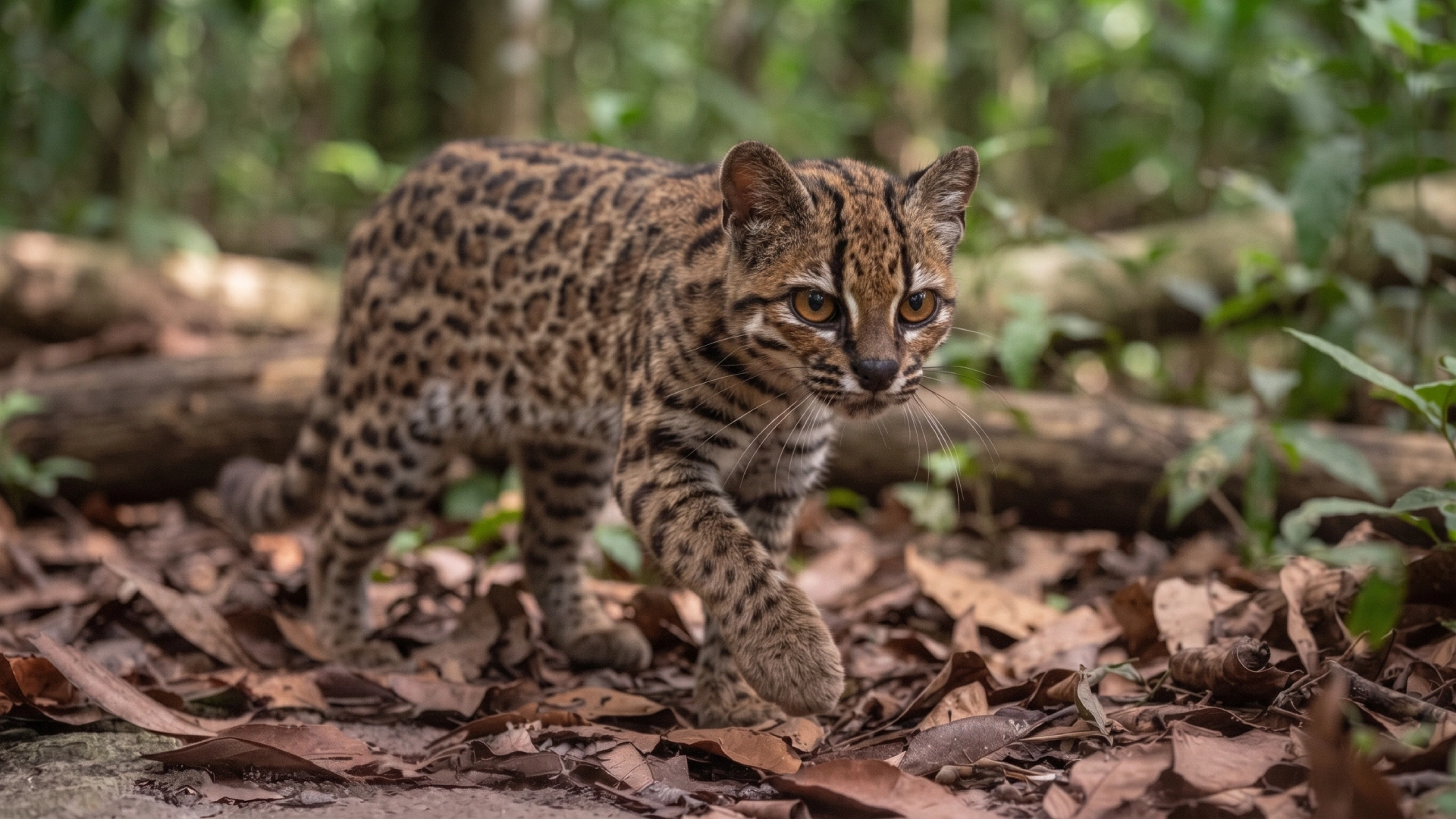
Cinco animales sorprendentes de Bolivia: conoce al gato Tilcayo y otras especies difíciles de ver

04/08/2026
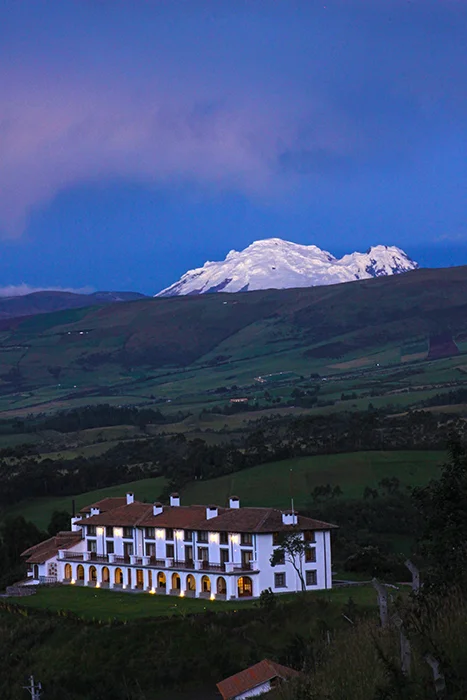
Huasquila Amazon Lodge: Ubicación, cómo llegar y actividades
03/08/2026
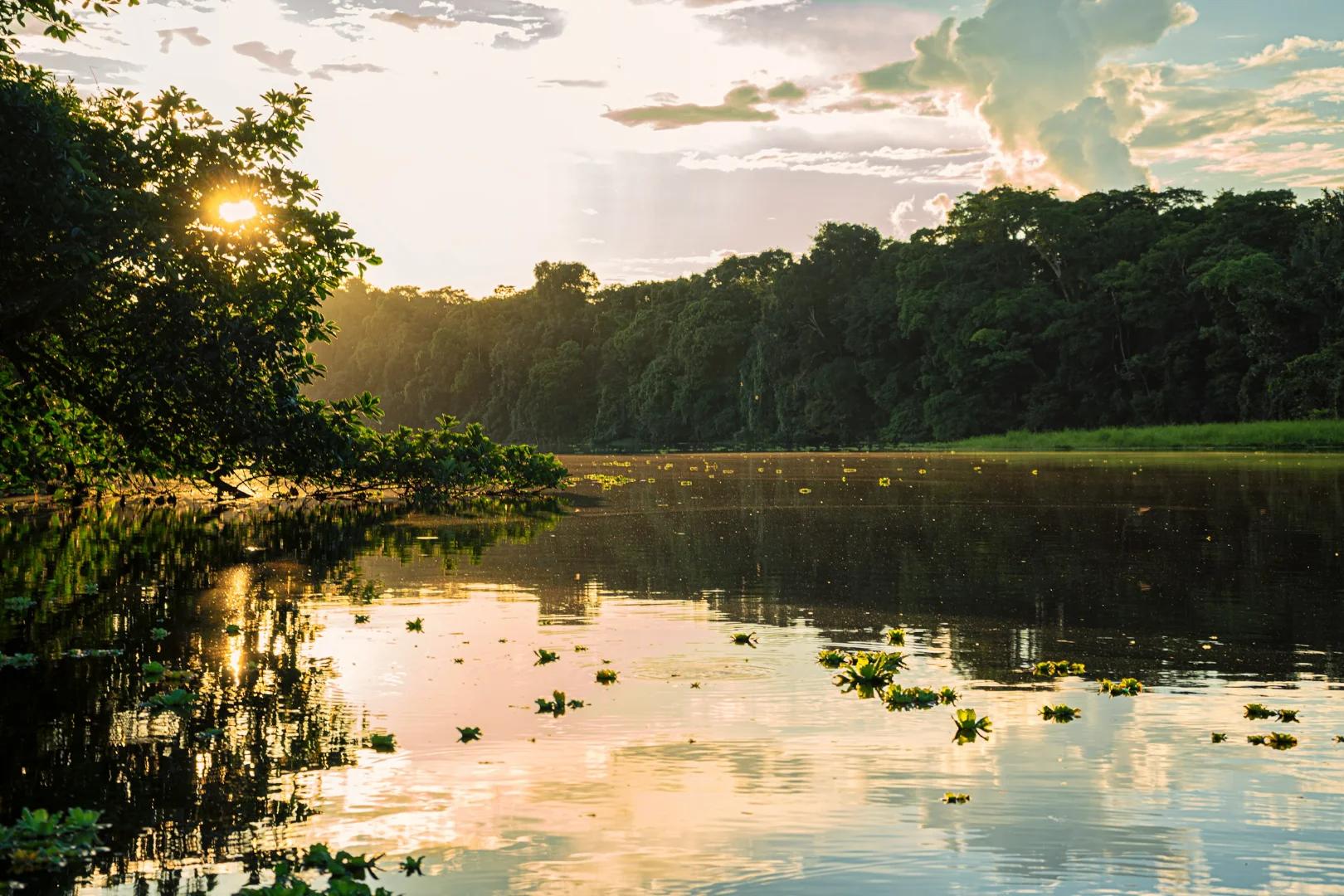
Parque Nacional de Antisana: el volcán, la fauna y La Mica
29/07/2026
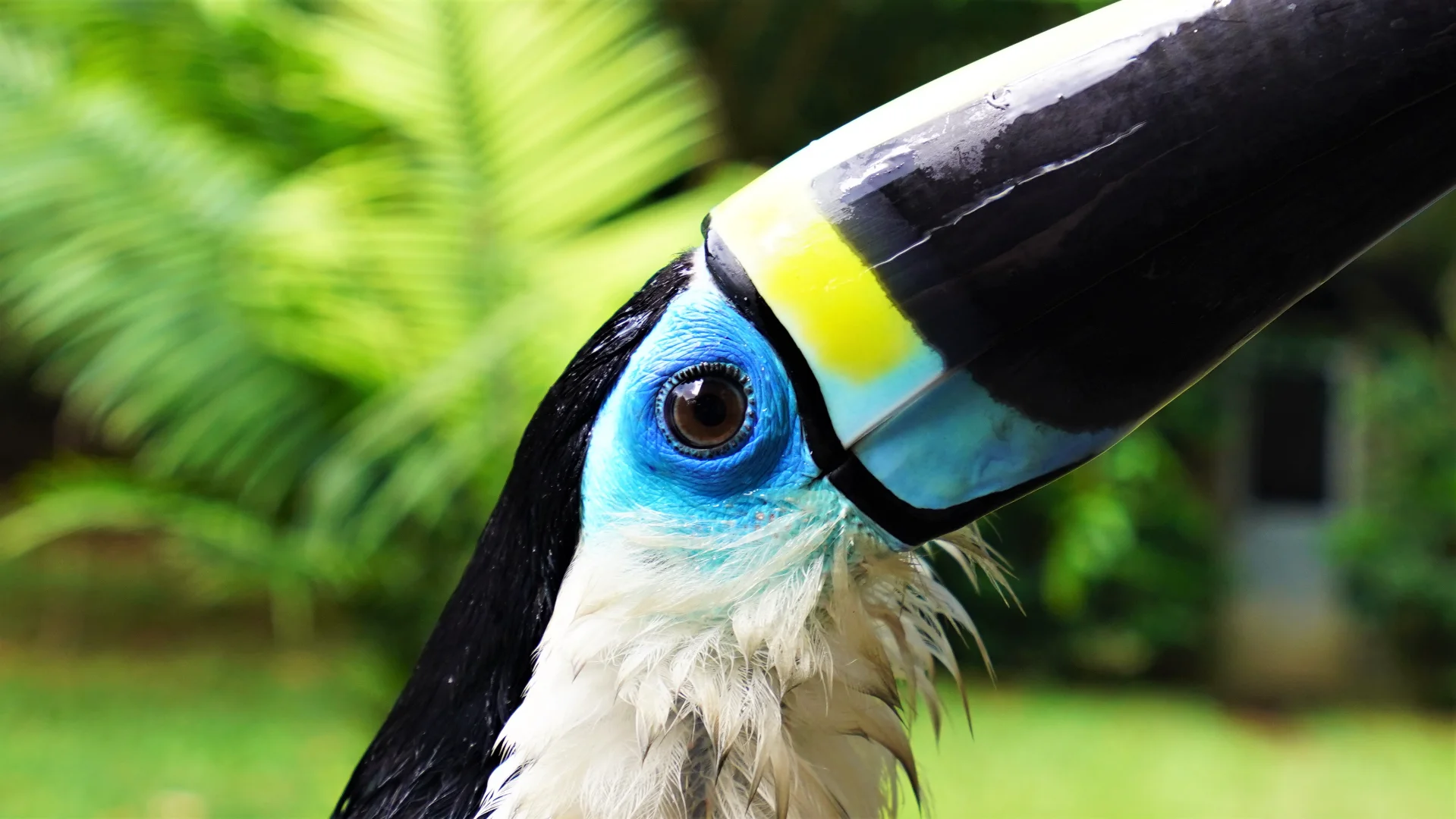
Chamanes en Ecuador: un viaje al corazón de la sabiduría amazónica
27/07/2026
Una inmersión en la tribu waorani: El escudo del Amazonas
24/07/2026
¿Qué islas visitó Darwin durante su expedición?
Contenido mejor valorado
24/07/2026
Los Grandes Lagos y las lagunas de Sudamérica: paisajes ricos en historia, cultura y naturaleza
24/07/2026
Maravillosas rutas de senderismo en Ecuador, aptas para senderistas de todos los niveles
23/07/2026
Costa Rica contra Ecuador: ¿cuál es mejor para practicar turismo de aventura sostenible?

16/07/2026
Feria de las Flores de Medellín: guía del festival y la tradición de los silleteros

14/07/2026
Ruta del Spondylus en Ecuador: ¿el mejor viaje por carretera por la costa?
14/07/2026
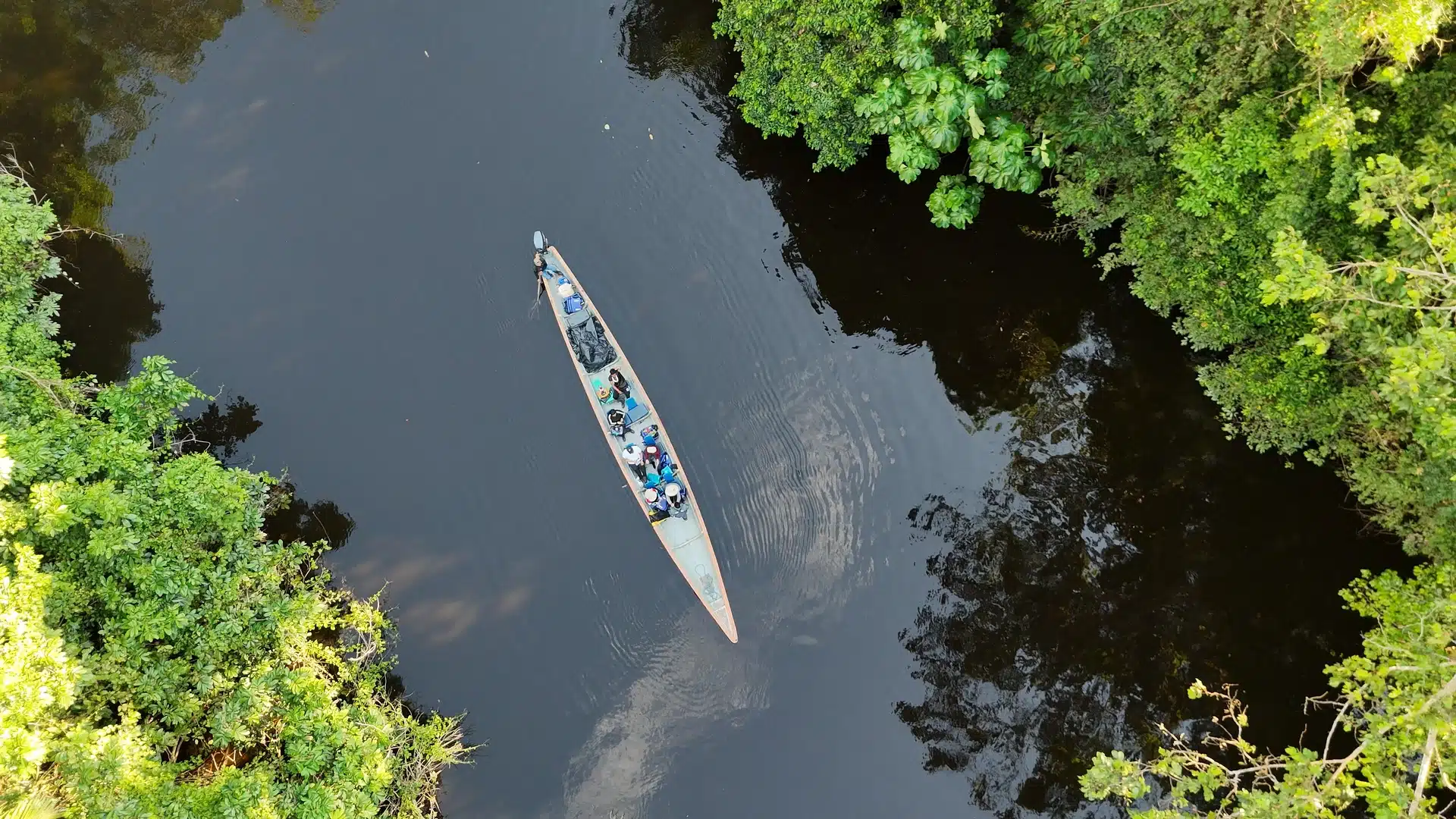
La Reserva Natural de Cuyabeno: una selva tropical ecuatoriana única, llena de «killas»
Contenido más visto
13/07/2026
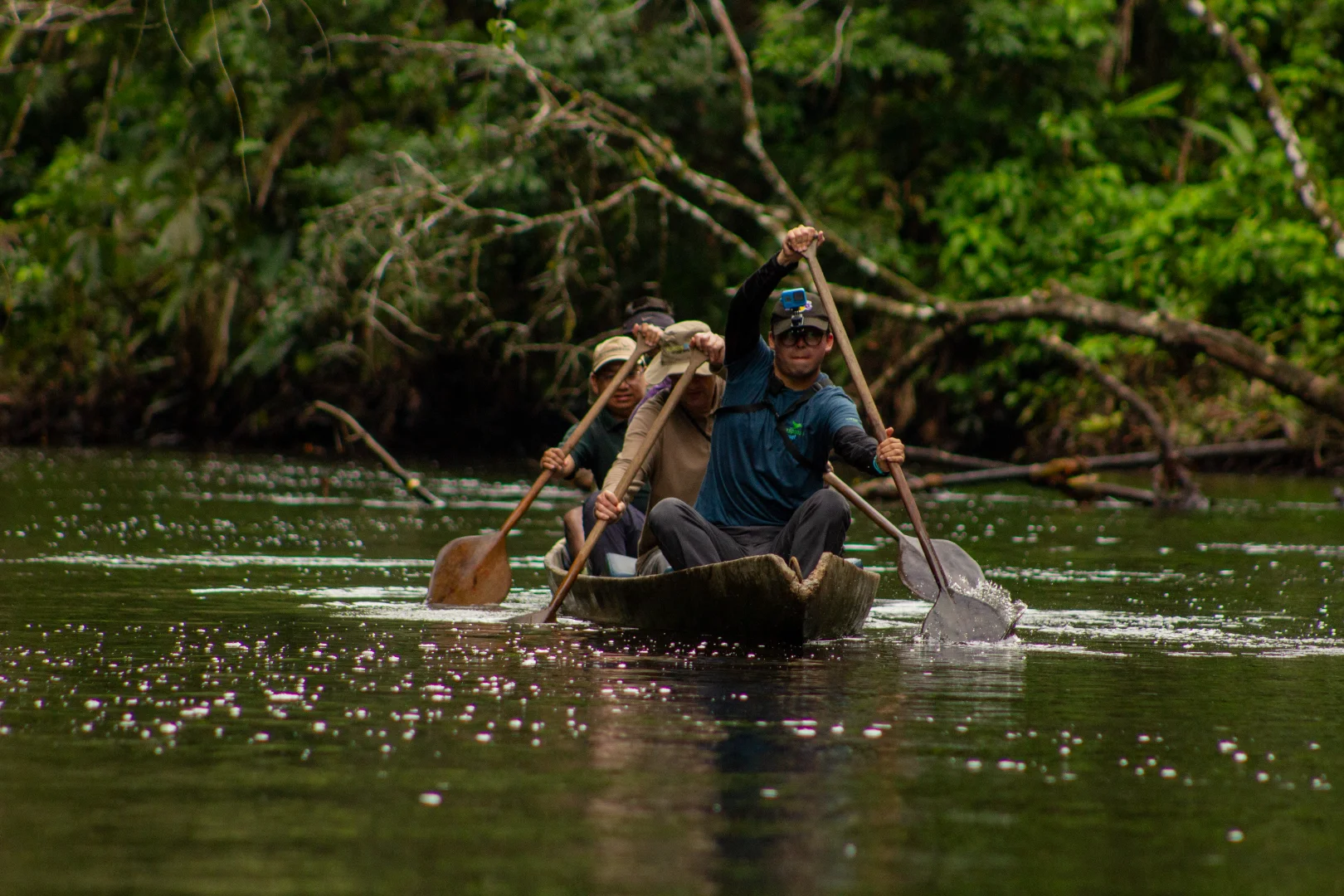
Canoas tradicionales de la Amazonía y la historia detrás de Killas
06/07/2026
¿Por qué deberías viajar el día de tu cumpleaños?

21/05/2026
¿Qué es el «Día de los Muertos» en Ecuador?
21/05/2026
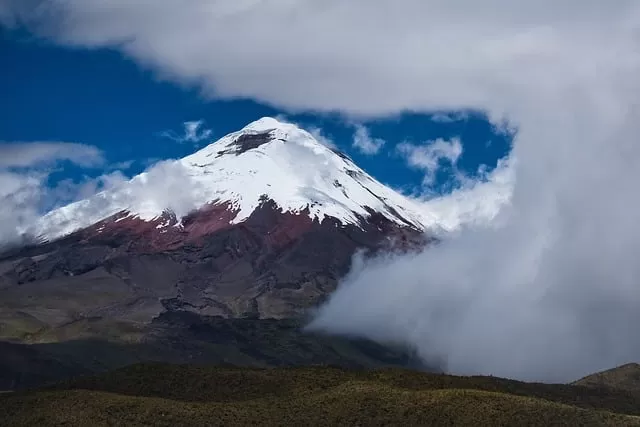
Chimborazo, Ecuador, 2023: la montaña que nunca olvidarás
21/05/2026
Los mejores destinos turísticos de Ecuador para 2023 y 2024
21/05/2026
The Best Tourist Places to See in Cusco ?

HISTORY OF COCOA IN THE AMAZON

Cacao has deep roots in the Ecuadorian Amazon. Archaeological research has shown that the pre-Columbian cultures of this region were already using cocoa more than 5,000 years ago, long before it became popular in other parts of the world. This bean holds sacred significance, serving in ancestral ceremonies and acting as a currency of exchange between communities.
With the arrival of the colonizers, cocoa became a key export product. Today, Ecuador is known for its variety of fine-aroma cocoa and for preserving species native to certain areas of the country, such as the national Amazonian cocoa, characterized by floral and fruity notes that make it special.
WHAT MAKES AMAZONIAN COCOA SPECIAL?
-
Genetic richness:
The Amazon region is home to some of the oldest and purest cocoa varieties, guaranteeing the purest and most authentic flavor.
-
Sustainable cultivation:
Many indigenous and peasant communities use sustainable farming methods to obtain cocoa, respecting the balance of the Amazonian ecosystem.
-
Unique flavor notes:
This region’s Cocoa is distinguished by its floral, fruity, and slightly acidic nuances. Consequently, it is ideal for producing premium chocolates.
COCOA AND THE LOCAL ECONOMY
Cocoa cultivation has always been a source of livelihood for several communities in the Ecuadorian Amazon. This fruit is not only a source of income but also a way to promote forest conservation, as many communities use agroforestry systems that combine cocoa trees with native vegetation.
In addition, several community projects and local cooperatives have allowed these communities to export their cocoa directly, eliminating intermediaries. This is an advantage for them as they receive fair compensation for their work and products.
WHY IS AMAZONIAN COCOA SUSTAINABLE?

Cocoa cultivation in the Amazon rainforest is carried out under sustainable practices that bring advantages for both the communities in the area and the environment:
-
Forest conservation:
Typically, cocoa plantations are integrated into agroforestry systems, which combine cultivation with native trees. This not only helps to protect the soil, but it also avoids deforestation and effectively conserves biodiversity.
-
Reduced environmental impact:
In comparison to other crops, particularly industrial ones, cocoa necessitates fewer agrochemicals. Furthermore, it employs traditional methods that honor the natural cycles of the Amazon ecosystem.
-
Promotion of regenerative agriculture:
Rather than harming the soil, cocoa cultivation in the Amazon through this system aims to enhance soil quality and biodiversity by enriching the soil with organic matter.
-
Community empowerment:
Given that cocoa is primarily cultivated by indigenous communities and small farmers, it consequently promotes more equitable local economies. Numerous initiatives actively promote fair trade; moreover, they guarantee prices that reflect the hard work people put into obtaining the beans.
-
Climate change mitigation:
Cocoa plantations that incorporate agroforestry practices not only sequester carbon but also play a crucial role in mitigating the impact of climate change. Consequently, this makes them an environmentally friendly crop.
COCOA EXPERIENCES FOR TOURISTS
For those who wish to learn about the process behind this emblematic bean, the Ecuadorian Amazon offers a variety of cocoa-related activities at lodges and farms. Some highlights include:
-
Hakuna Matata Lodge
This lodge, located near the Tena, offers an interesting chocolate experience where visitors can participate in the chocolate-making process, from picking to tasting.
-
Yachana Lodge
Yachana lodge combines tourism with sustainability, offering tours of cocoa plantations and workshops on the importance of the bean in the local economy.
-
La casa del suizo
This lodge, due to its location, is the perfect place to discover the origin of Amazonian cocoa. During your visit, you will be able to observe the cocoa pod up close and learn about the traditional process of making chocolate. Local experts will guide you through the process and share some of their tips and facts about cocoa.
CURIOUS FACTS ABOUT AMAZONIAN COCOA
- Ecuador produces about 63% of the world’s fine-aroma cocoa; many of the varieties of this fruit come from the Amazon region.
- Ecuadorian cocoa is one of the best-known in the world and has won several international awards for its flavor and quality.
- Some communities still use cocoa for the elaboration of ceremonial drinks, as it has an ancestral value.
WHY VISIT THE AMAZON TO LEARN ABOUT COCOA?
The Amazon is not only a place to observe biodiversity but also to learn about the history and culture surrounding Amazonian cocoa. Through immersive experiences, visitors can learn about the impact of cocoa on local communities and have a unique memory of tasting chocolate made with their own hands.
With Responsible Travel, you can organize your visit to lodges in the innermost parts of the Amazon to enjoy not only the cocoa experience but also other types of extreme or relaxing activities. Undoubtedly a unique opportunity full of comfort to explore the world of cocoa in the Ecuadorian Amazon.
Ecuadorian Amazonian cocoa is highly regarded as one of the best in the world for its unique flavor, rich history, and importance to local indigenous communities. This bean has always been a cultural, economic, and gastronomic pillar throughout the years, which has allowed Ecuador to consolidate as one of the main producers and exporters of high-quality cocoa in the world.
HISTORY OF COCOA IN THE AMAZON
Cacao has deep roots in the Ecuadorian Amazon. Archaeological research has shown that the pre-Columbian cultures of this region were already using cocoa more than 5,000 years ago, long before it became popular in other parts of the world. This bean holds sacred significance, serving in ancestral ceremonies and acting as a currency of exchange between communities.
With the arrival of the colonizers, cocoa became a key export product. Today, Ecuador is known for its variety of fine-aroma cocoa and for preserving species native to certain areas of the country, such as the national Amazonian cocoa, characterized by floral and fruity notes that make it special.
WHAT MAKES AMAZONIAN COCOA SPECIAL?
-
Genetic richness:
The Amazon region is home to some of the oldest and purest cocoa varieties, guaranteeing the purest and most authentic flavor.
-
Sustainable cultivation:
Many indigenous and peasant communities use sustainable farming methods to obtain cocoa, respecting the balance of the Amazonian ecosystem.
-
Unique flavor notes:
This region’s Cocoa is distinguished by its floral, fruity, and slightly acidic nuances. Consequently, it is ideal for producing premium chocolates.
COCOA AND THE LOCAL ECONOMY
Cocoa cultivation has always been a source of livelihood for several communities in the Ecuadorian Amazon. This fruit is not only a source of income but also a way to promote forest conservation, as many communities use agroforestry systems that combine cocoa trees with native vegetation.
In addition, several community projects and local cooperatives have allowed these communities to export their cocoa directly, eliminating intermediaries. This is an advantage for them as they receive fair compensation for their work and products.
WHY IS AMAZONIAN COCOA SUSTAINABLE?
Cocoa cultivation in the Amazon rainforest is carried out under sustainable practices that bring advantages for both the communities in the area and the environment:
-
Forest conservation:
Typically, cocoa plantations are integrated into agroforestry systems, which combine cultivation with native trees. This not only helps to protect the soil, but it also avoids deforestation and effectively conserves biodiversity.
-
Reduced environmental impact:
In comparison to other crops, particularly industrial ones, cocoa necessitates fewer agrochemicals. Furthermore, it employs traditional methods that honor the natural cycles of the Amazon ecosystem.
-
Promotion of regenerative agriculture:
Rather than harming the soil, cocoa cultivation in the Amazon through this system aims to enhance soil quality and biodiversity by enriching the soil with organic matter.
-
Community empowerment:
Given that cocoa is primarily cultivated by indigenous communities and small farmers, it consequently promotes more equitable local economies. Numerous initiatives actively promote fair trade; moreover, they guarantee prices that reflect the hard work people put into obtaining the beans.
-
Climate change mitigation:
Cocoa plantations that incorporate agroforestry practices not only sequester carbon but also play a crucial role in mitigating the impact of climate change. Consequently, this makes them an environmentally friendly crop.
COCOA EXPERIENCES FOR TOURISTS
For those who wish to learn about the process behind this emblematic bean, the Ecuadorian Amazon offers a variety of cocoa-related activities at lodges and farms. Some highlights include:
-
Hakuna Matata Lodge
This lodge, located near the Tena, offers an interesting chocolate experience where visitors can participate in the chocolate-making process, from picking to tasting.
-
Yachana Lodge
Yachana lodge combines tourism with sustainability, offering tours of cocoa plantations and workshops on the importance of the bean in the local economy.
-
La casa del suizo
This lodge, due to its location, is the perfect place to discover the origin of Amazonian cocoa. During your visit, you will be able to observe the cocoa pod up close and learn about the traditional process of making chocolate. Local experts will guide you through the process and share some of their tips and facts about cocoa.
CURIOUS FACTS ABOUT AMAZONIAN COCOA
- Ecuador produces about 63% of the world’s fine-aroma cocoa; many of the varieties of this fruit come from the Amazon region.
- Ecuadorian cocoa is one of the best-known in the world and has won several international awards for its flavor and quality.
- Some communities still use cocoa for the elaboration of ceremonial drinks, as it has an ancestral value.
WHY VISIT THE AMAZON TO LEARN ABOUT COCOA?
The Amazon is not only a place to observe biodiversity but also to learn about the history and culture surrounding Amazonian cocoa. Through immersive experiences, visitors can learn about the impact of cocoa on local communities and have a unique memory of tasting chocolate made with their own hands.
With Responsible Travel, you can organize your visit to lodges in the innermost parts of the Amazon to enjoy not only the cocoa experience but also other types of extreme or relaxing activities. Undoubtedly a unique opportunity full of comfort to explore the world of cocoa in the Ecuadorian Amazon.
Explora nuestras últimas noticias
18/09/2026
Cinco animales sorprendentes de Bolivia: conoce al gato Tilcayo y otras especies difíciles de ver
04/08/2026
Huasquila Amazon Lodge: Ubicación, cómo llegar y actividades
03/08/2026
Parque Nacional de Antisana: el volcán, la fauna y La Mica
29/07/2026
Chamanes en Ecuador: un viaje al corazón de la sabiduría amazónica
27/07/2026
Una inmersión en la tribu waorani: El escudo del Amazonas
24/07/2026
¿Qué islas visitó Darwin durante su expedición?
Contenido mejor valorado
24/07/2026
Los Grandes Lagos y las lagunas de Sudamérica: paisajes ricos en historia, cultura y naturaleza
24/07/2026
Maravillosas rutas de senderismo en Ecuador, aptas para senderistas de todos los niveles
23/07/2026
Costa Rica contra Ecuador: ¿cuál es mejor para practicar turismo de aventura sostenible?
16/07/2026
Feria de las Flores de Medellín: guía del festival y la tradición de los silleteros
14/07/2026
Ruta del Spondylus en Ecuador: ¿el mejor viaje por carretera por la costa?
14/07/2026
La Reserva Natural de Cuyabeno: una selva tropical ecuatoriana única, llena de «killas»
Contenido más visto
13/07/2026
Canoas tradicionales de la Amazonía y la historia detrás de Killas
06/07/2026
¿Por qué deberías viajar el día de tu cumpleaños?
21/05/2026
¿Qué es el «Día de los Muertos» en Ecuador?
21/05/2026
Chimborazo, Ecuador, 2023: la montaña que nunca olvidarás
21/05/2026
Los mejores destinos turísticos de Ecuador para 2023 y 2024
21/05/2026
The Best Tourist Places to See in Cusco ?