

The Ecuadorian Amazon has approximately 1022736 hectares; this biosphere reserve has many more secrets to share. Apart from the ecotourism that takes place within this exuberant area, we can find contacted communities or indigenous peoples (Siona, Kichwau… etc.), which seek sustainable change through tourism. However, this article will focus on the study of uncontacted groups, which also give importance and culture within this ecosystem.
Explora nuestras últimas noticias
18/09/2026
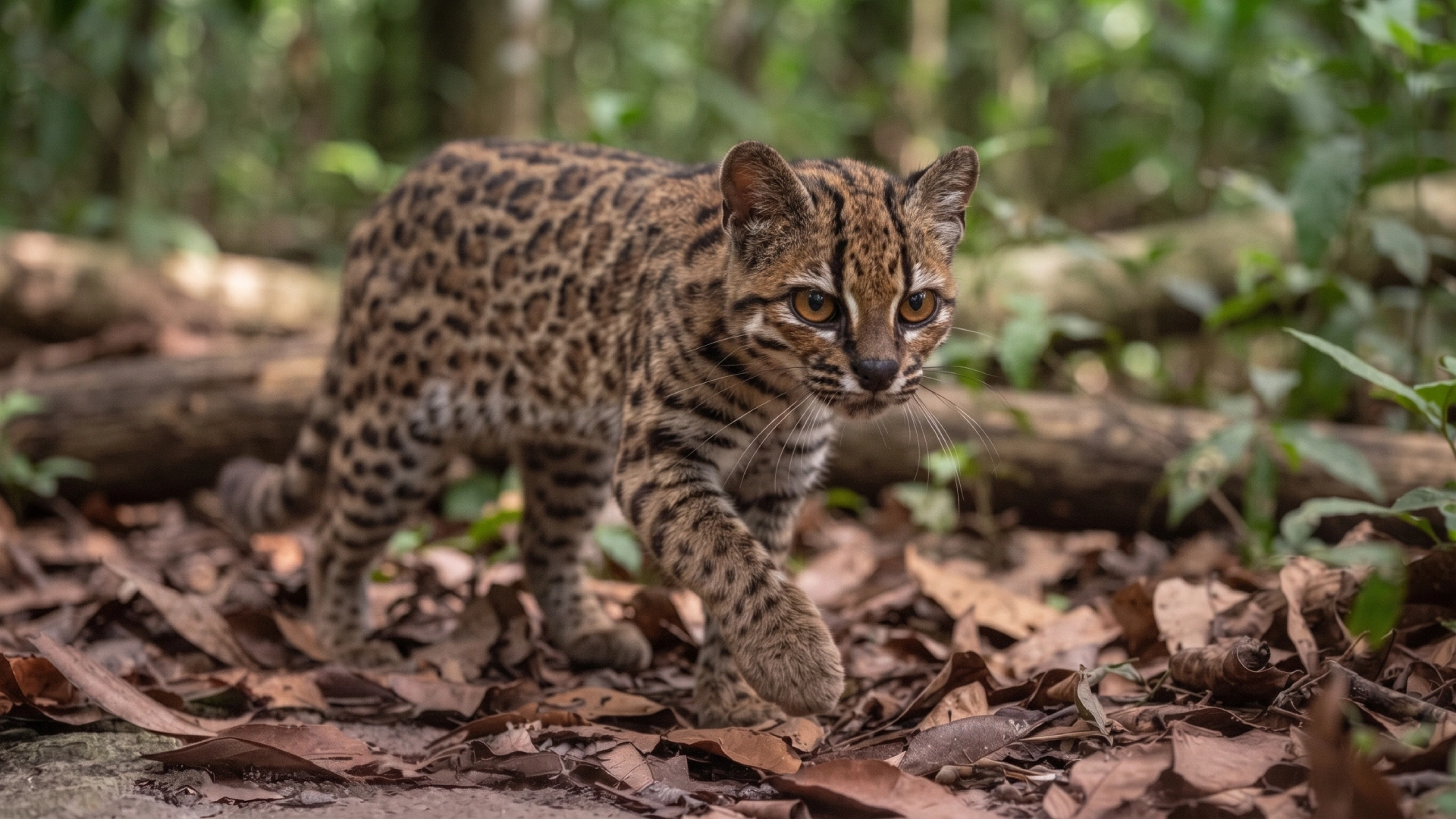
Cinco animales sorprendentes de Bolivia: conoce al gato Tilcayo y otras especies difíciles de ver

04/08/2026
Huasquila Amazon Lodge: Ubicación, cómo llegar y actividades
03/08/2026
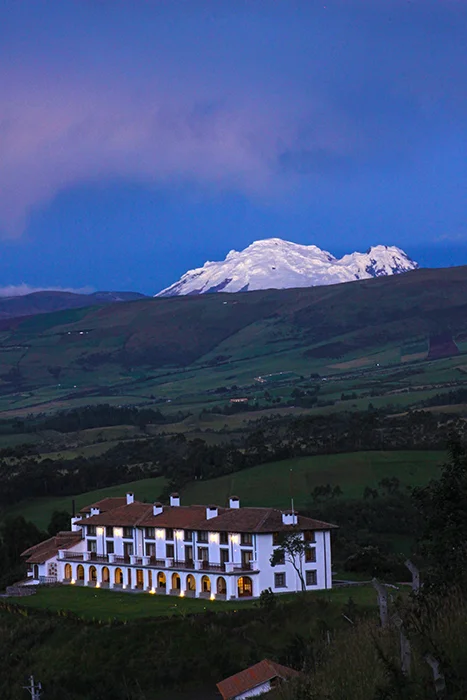
Parque Nacional de Antisana: el volcán, la fauna y La Mica
29/07/2026
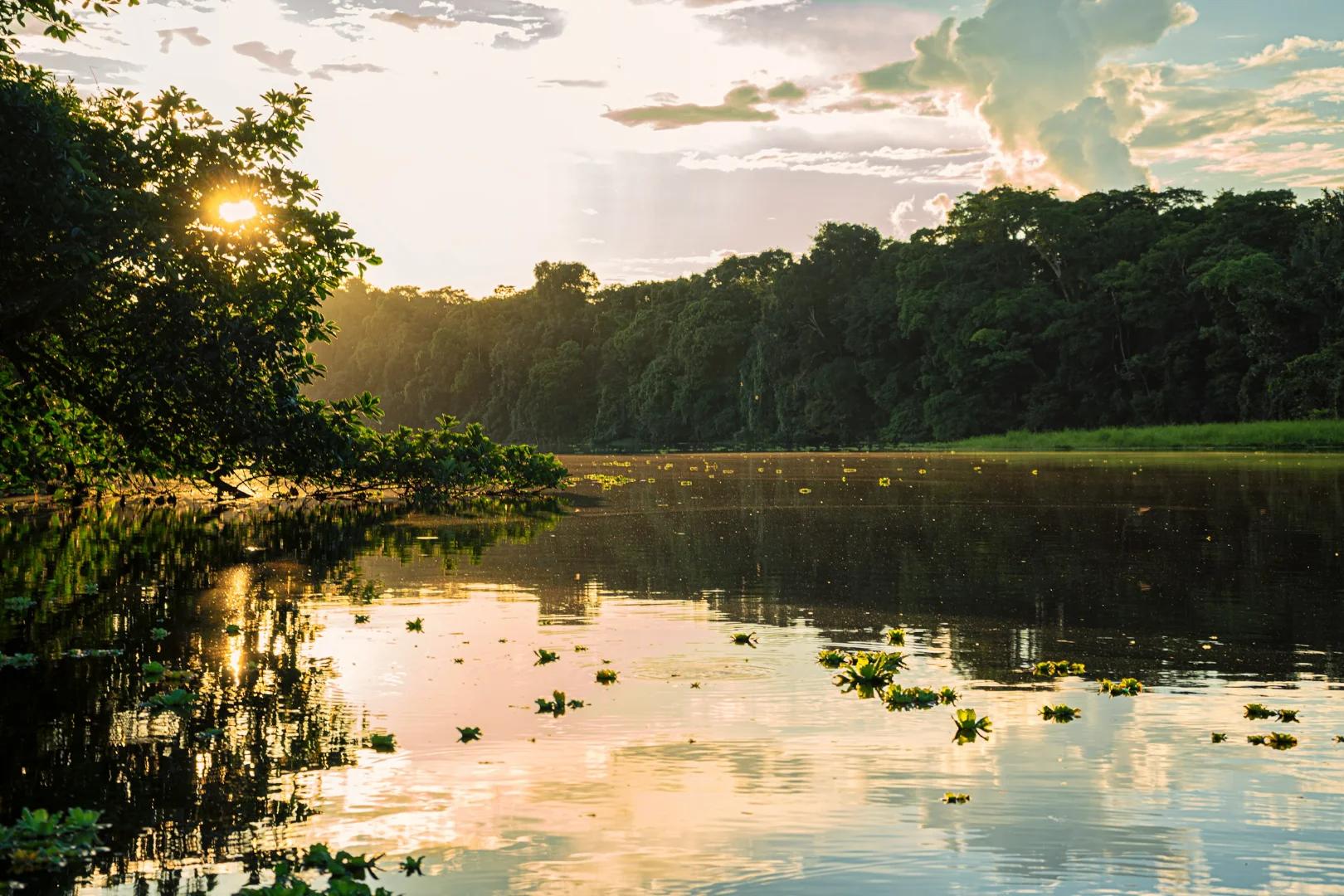
Chamanes en Ecuador: un viaje al corazón de la sabiduría amazónica
27/07/2026
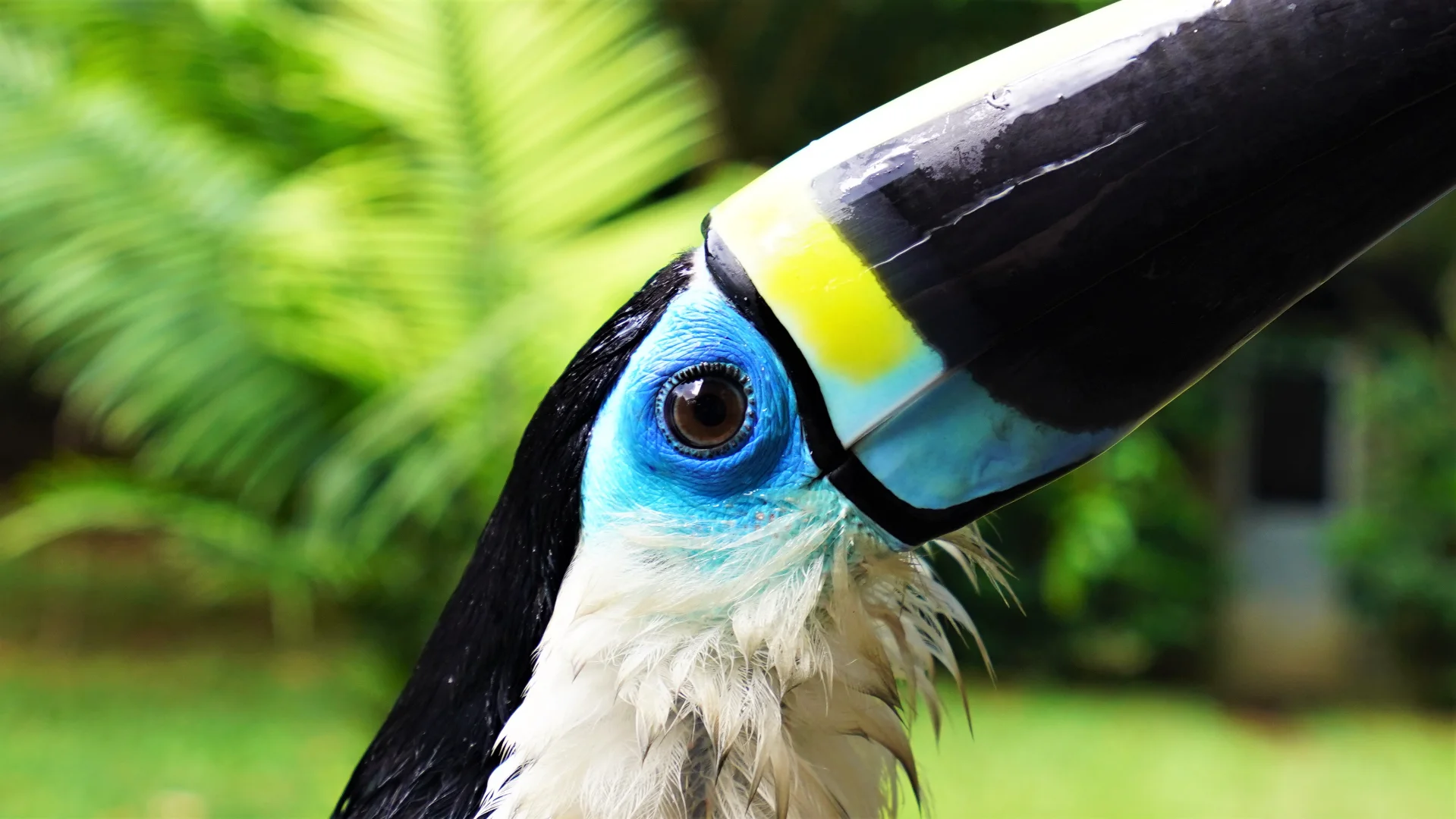
Una inmersión en la tribu waorani: El escudo del Amazonas
24/07/2026
¿Qué islas visitó Darwin durante su expedición?
Contenido mejor valorado
24/07/2026
Los Grandes Lagos y las lagunas de Sudamérica: paisajes ricos en historia, cultura y naturaleza
24/07/2026
Maravillosas rutas de senderismo en Ecuador, aptas para senderistas de todos los niveles
23/07/2026
Costa Rica contra Ecuador: ¿cuál es mejor para practicar turismo de aventura sostenible?

16/07/2026
Feria de las Flores de Medellín: guía del festival y la tradición de los silleteros

14/07/2026
Ruta del Spondylus en Ecuador: ¿el mejor viaje por carretera por la costa?
14/07/2026
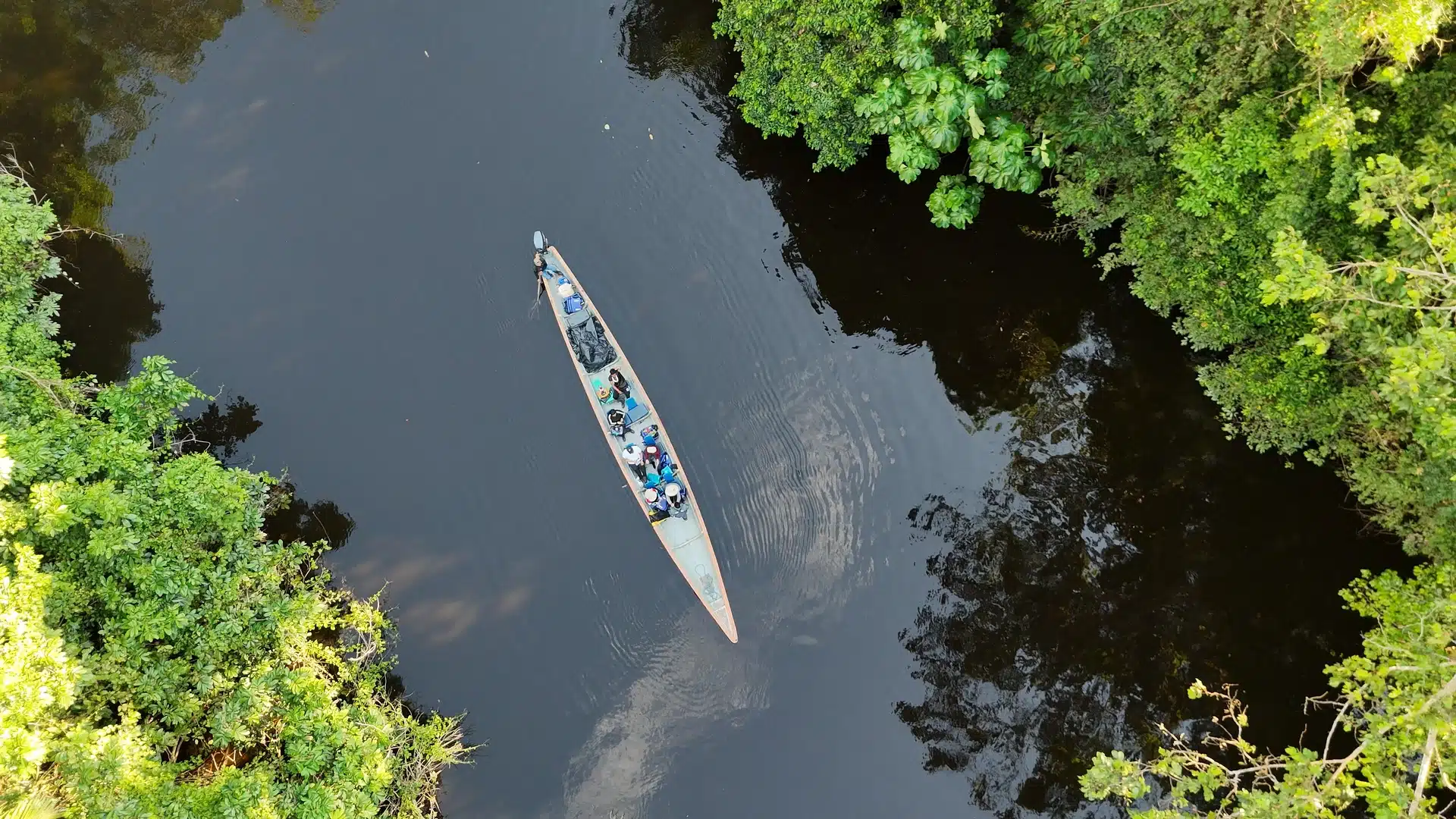
La Reserva Natural de Cuyabeno: una selva tropical ecuatoriana única, llena de «killas»
Contenido más visto
13/07/2026
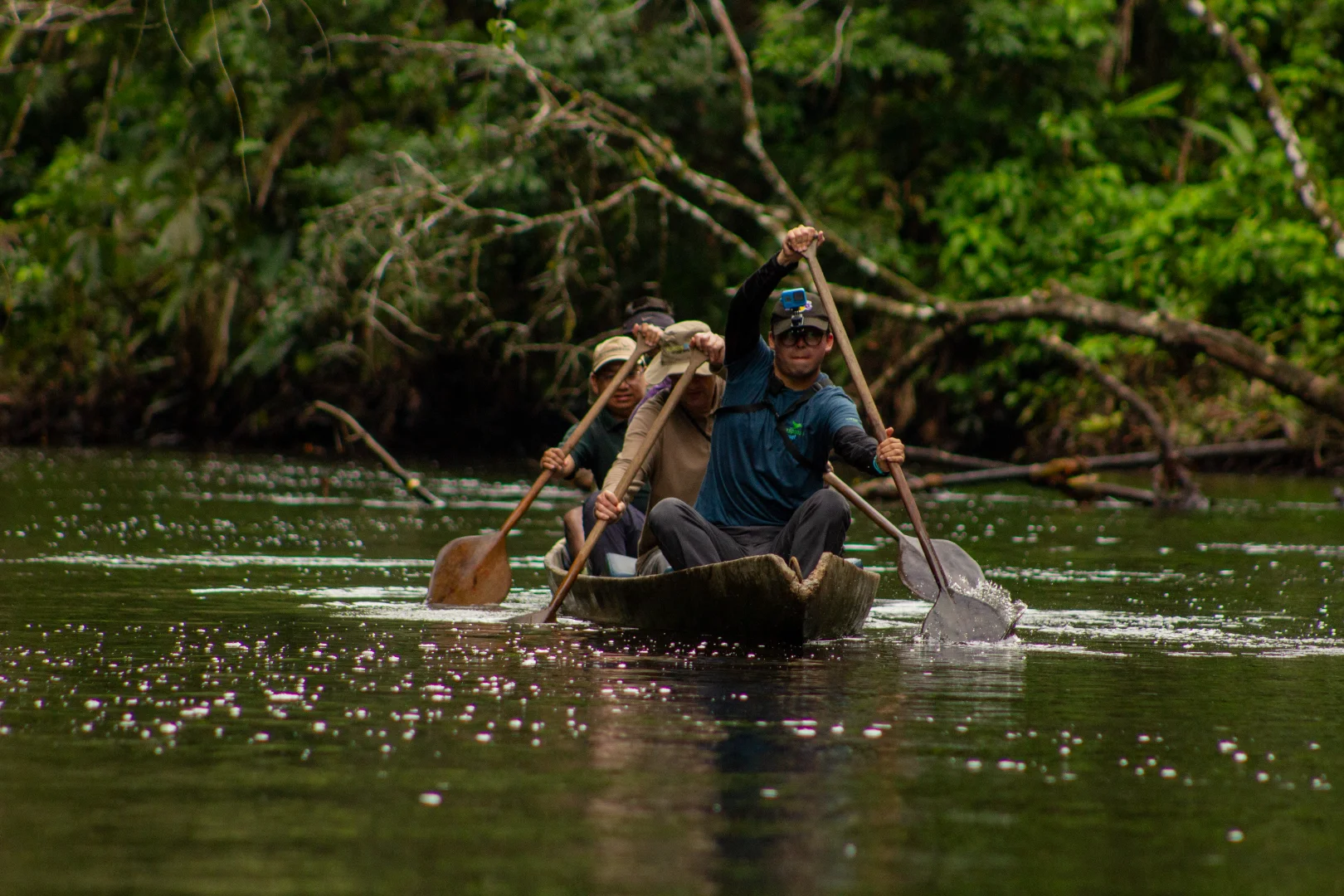
Canoas tradicionales de la Amazonía y la historia detrás de Killas
06/07/2026
¿Por qué deberías viajar el día de tu cumpleaños?

21/05/2026
¿Qué es el «Día de los Muertos» en Ecuador?
21/05/2026
Chimborazo, Ecuador, 2023: la montaña que nunca olvidarás
21/05/2026
Los mejores destinos turísticos de Ecuador para 2023 y 2024
21/05/2026
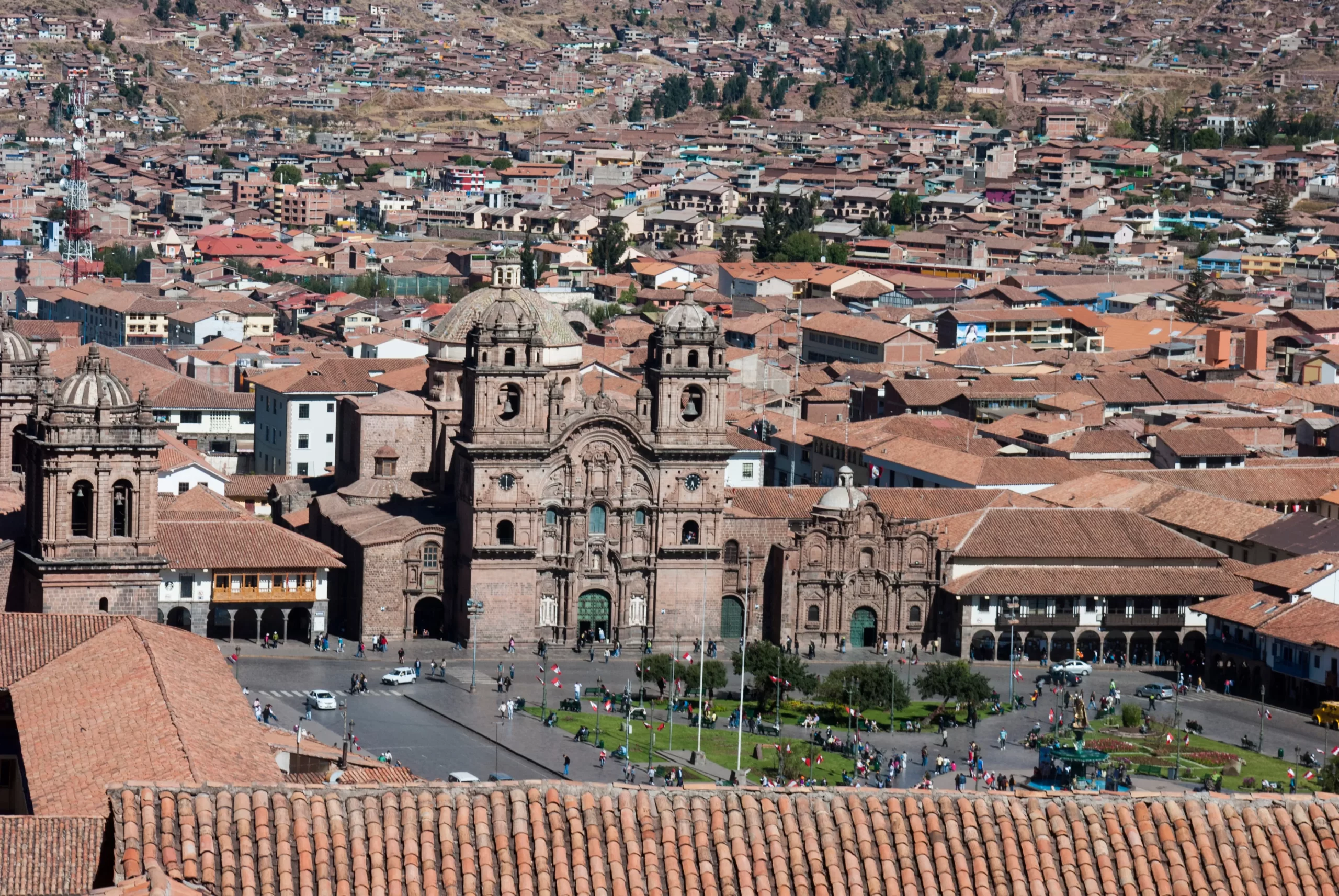
The Best Tourist Places to See in Cusco ?

A CULTURE IN DANGER OF EXTINCTION
Under this scenario, throughout the Amazon, there are around 70 uncontacted groups. Specifically in our country, there are 2 group´s of Woarani nationality: Tagaeri and Taromenane, with approximately 50 to 300 people, respectively. They are located in a protected area of Yasuní, which was legalized under a legal framework to protect their rights and guarantee their lives. Now, the case study of these
People isolate and avoid contact to maintain their culture. Many communities sought refuge and secluded themselves from religious and civil contact after the 1972 oil boom. This nomination claimed that their sociocultural reality may lead to demographic and identity assimilation among national communities despite their remoteness.
Considering this, several criteria are established to safeguard the lives of uncontacted communities:
THE IMPORTANCE OF CULTURAL CONSERVATION
The Tagaeri and Taromenane are vital to Ecuador’s cultural variety and environmental health. Ecuador’s identity would be lost if these communities disappeared, as they carry Amazonian vegetation and animals.
THREATS TO VOLUNTARY ISOLATION

One of the threats that communities face is illegal logging, deforestation and mining in the Amazon. All of these factors devastate the natural habitat and put the isolation of these communities at direct risk. Frequently, these industrial interests cross the limits of protected areas, even in the intangible Yasuní region. Which causes the uncontacted to move to other indigenous territories.
These problems related to involuntary contact with external individuals could put these groups at risk for immune diseases. Additionally, disputes have arisen between isolated communities and other jungle residents, usually linked to the use of natural resources.
UNCONTACTED PEOPLES IN THE AMAZON
It is crucial to raise awareness about the situation of these groups and support initiatives that promote their protection based on a participatory process. In order to preserve these unique ecosystems and protect their cultures, which depend on them.
The Ecuadorian Amazon has approximately 1022736 hectares; this biosphere reserve has many more secrets to share. Apart from the ecotourism that takes place within this exuberant area, we can find contacted communities or indigenous peoples (Siona, Kichwau… etc.), which seek sustainable change through tourism. However, this article will focus on the study of uncontacted groups, which also give importance and culture within this ecosystem.
A CULTURE IN DANGER OF EXTINCTION
Under this scenario, throughout the Amazon, there are around 70 uncontacted groups. Specifically in our country, there are 2 group´s of Woarani nationality: Tagaeri and Taromenane, with approximately 50 to 300 people, respectively. They are located in a protected area of Yasuní, which was legalized under a legal framework to protect their rights and guarantee their lives. Now, the case study of these
People isolate and avoid contact to maintain their culture. Many communities sought refuge and secluded themselves from religious and civil contact after the 1972 oil boom. This nomination claimed that their sociocultural reality may lead to demographic and identity assimilation among national communities despite their remoteness.
Considering this, several criteria are established to safeguard the lives of uncontacted communities:
THE IMPORTANCE OF CULTURAL CONSERVATION
The Tagaeri and Taromenane are vital to Ecuador’s cultural variety and environmental health. Ecuador’s identity would be lost if these communities disappeared, as they carry Amazonian vegetation and animals.
THREATS TO VOLUNTARY ISOLATION
One of the threats that communities face is illegal logging, deforestation and mining in the Amazon. All of these factors devastate the natural habitat and put the isolation of these communities at direct risk. Frequently, these industrial interests cross the limits of protected areas, even in the intangible Yasuní region. Which causes the uncontacted to move to other indigenous territories.
These problems related to involuntary contact with external individuals could put these groups at risk for immune diseases. Additionally, disputes have arisen between isolated communities and other jungle residents, usually linked to the use of natural resources.
UNCONTACTED PEOPLES IN THE AMAZON
It is crucial to raise awareness about the situation of these groups and support initiatives that promote their protection based on a participatory process. In order to preserve these unique ecosystems and protect their cultures, which depend on them.
Explora nuestras últimas noticias
18/09/2026
Cinco animales sorprendentes de Bolivia: conoce al gato Tilcayo y otras especies difíciles de ver
04/08/2026
Huasquila Amazon Lodge: Ubicación, cómo llegar y actividades
03/08/2026
Parque Nacional de Antisana: el volcán, la fauna y La Mica
29/07/2026
Chamanes en Ecuador: un viaje al corazón de la sabiduría amazónica
27/07/2026
Una inmersión en la tribu waorani: El escudo del Amazonas
24/07/2026
¿Qué islas visitó Darwin durante su expedición?
Contenido mejor valorado
24/07/2026
Los Grandes Lagos y las lagunas de Sudamérica: paisajes ricos en historia, cultura y naturaleza
24/07/2026
Maravillosas rutas de senderismo en Ecuador, aptas para senderistas de todos los niveles
23/07/2026
Costa Rica contra Ecuador: ¿cuál es mejor para practicar turismo de aventura sostenible?
16/07/2026
Feria de las Flores de Medellín: guía del festival y la tradición de los silleteros
14/07/2026
Ruta del Spondylus en Ecuador: ¿el mejor viaje por carretera por la costa?
14/07/2026
La Reserva Natural de Cuyabeno: una selva tropical ecuatoriana única, llena de «killas»
Contenido más visto
13/07/2026
Canoas tradicionales de la Amazonía y la historia detrás de Killas
06/07/2026
¿Por qué deberías viajar el día de tu cumpleaños?
21/05/2026
¿Qué es el «Día de los Muertos» en Ecuador?
21/05/2026
Chimborazo, Ecuador, 2023: la montaña que nunca olvidarás
21/05/2026
Los mejores destinos turísticos de Ecuador para 2023 y 2024
21/05/2026
The Best Tourist Places to See in Cusco ?