

The identity of a community is based on its culture and traditions; therefore, the way to transmit them is through oral expressions or in a tangible way. In context, the material heritage that is forged in each community is an asset, which involves techniques, tradition, and preparation. For this reason, the elaboration of handicrafts is a symbol of history and work that communities possess. Thus, in this way, they ratify their empowerment to safeguard this heritage asset.
Explorez nos dernières nouvelles
18/09/2026
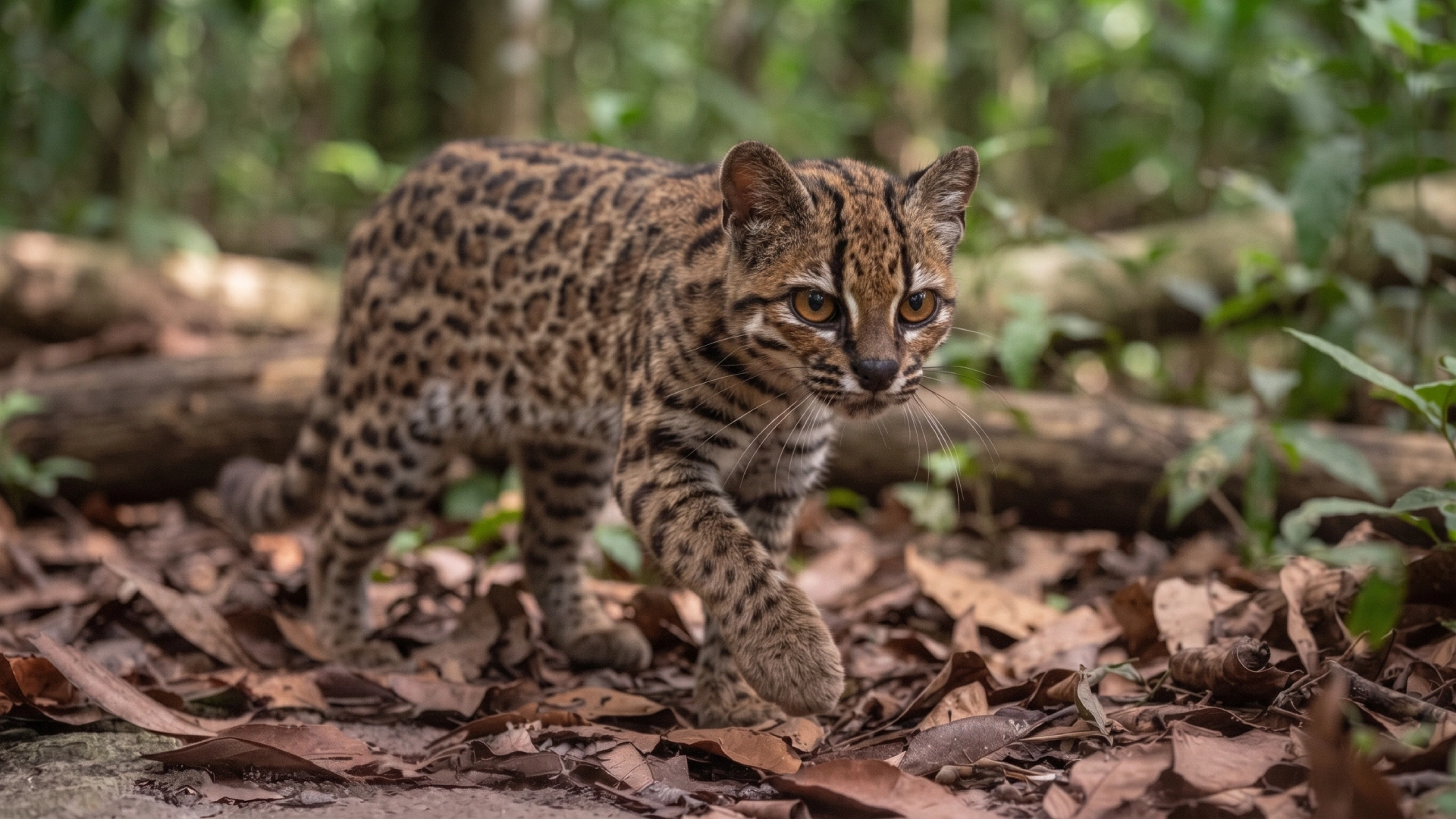
Cinq animaux fascinants de Bolivie : découvrez le chat Tilcayo et d’autres espèces difficiles à observer

04/08/2026
Huasquila Amazon Lodge : Situation, accès et activités
03/08/2026
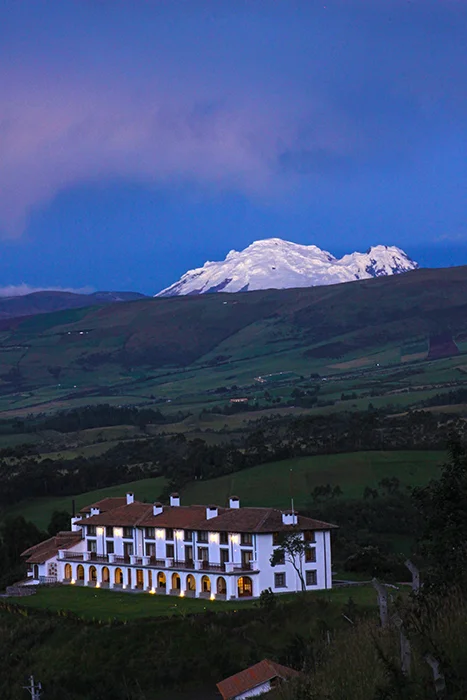
Parc national d'Antisana : volcan, faune sauvage et La Mica
29/07/2026
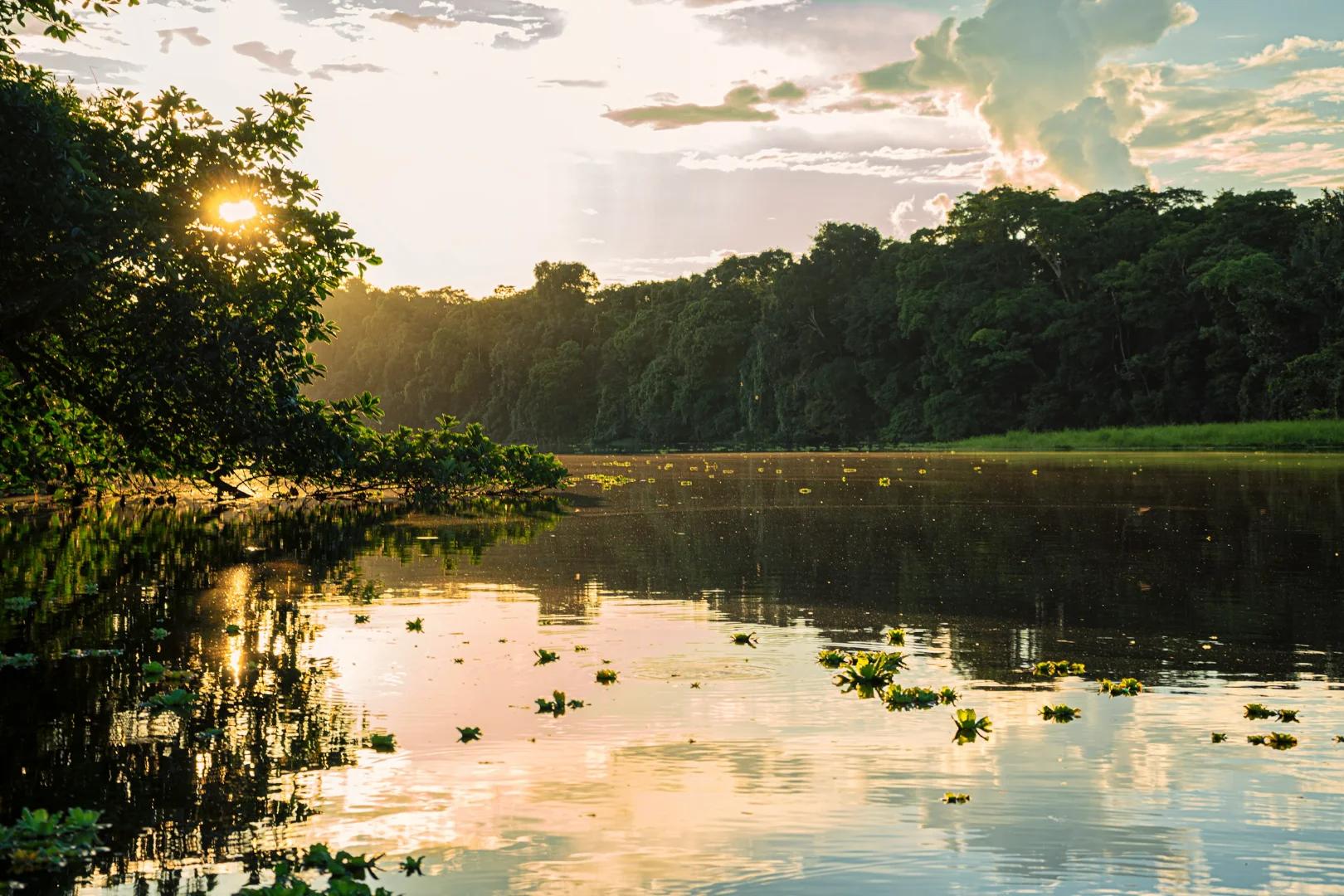
Les chamans en Équateur : un voyage au cœur de la sagesse amazonienne
27/07/2026
À la découverte de la tribu des Waorani : le bouclier de l'Amazonie
24/07/2026
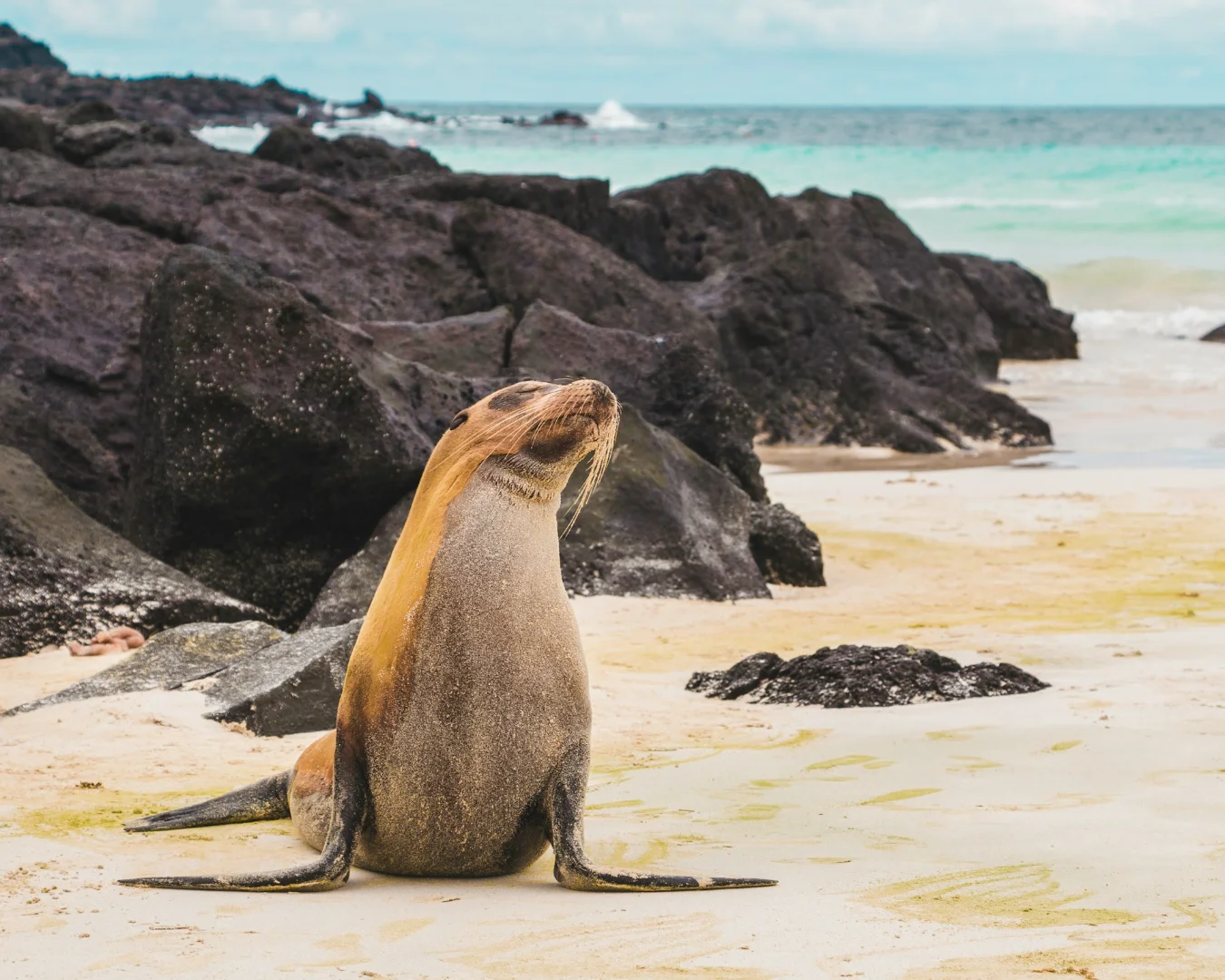
Quelles îles Darwin a-t-il visitées au cours de son expédition ?
Contenu le mieux noté
24/07/2026
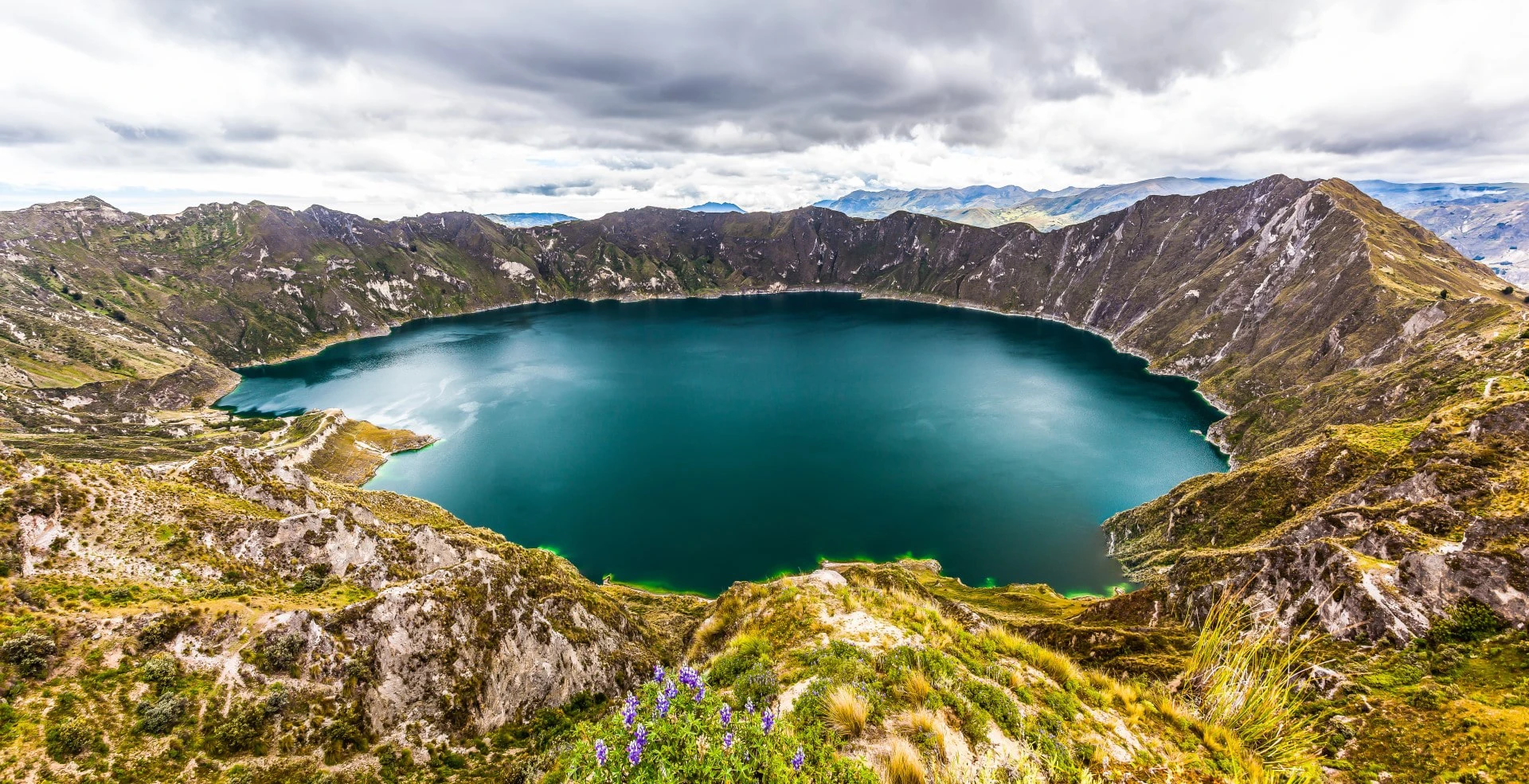
Les grands lacs et lagunes d'Amérique du Sud : des paysages riches en histoire, en culture et en nature

24/07/2026
De magnifiques sentiers de randonnée en Équateur, adaptés aux randonneurs de tous niveaux
23/07/2026
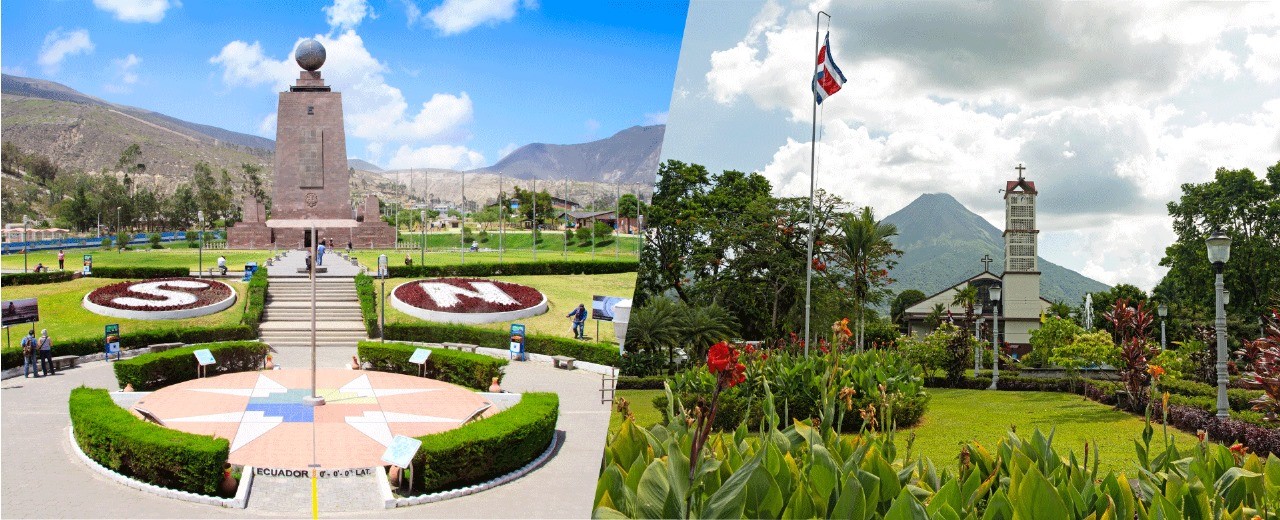
Costa Rica ou Équateur : quelle est la meilleure destination pour une aventure durable ?

16/07/2026
Feria de las Flores de Medellín : guide du festival et de la tradition des « silleteros »

14/07/2026
La « Ruta del Spondylus » en Équateur : le road trip côtier par excellence ?
14/07/2026
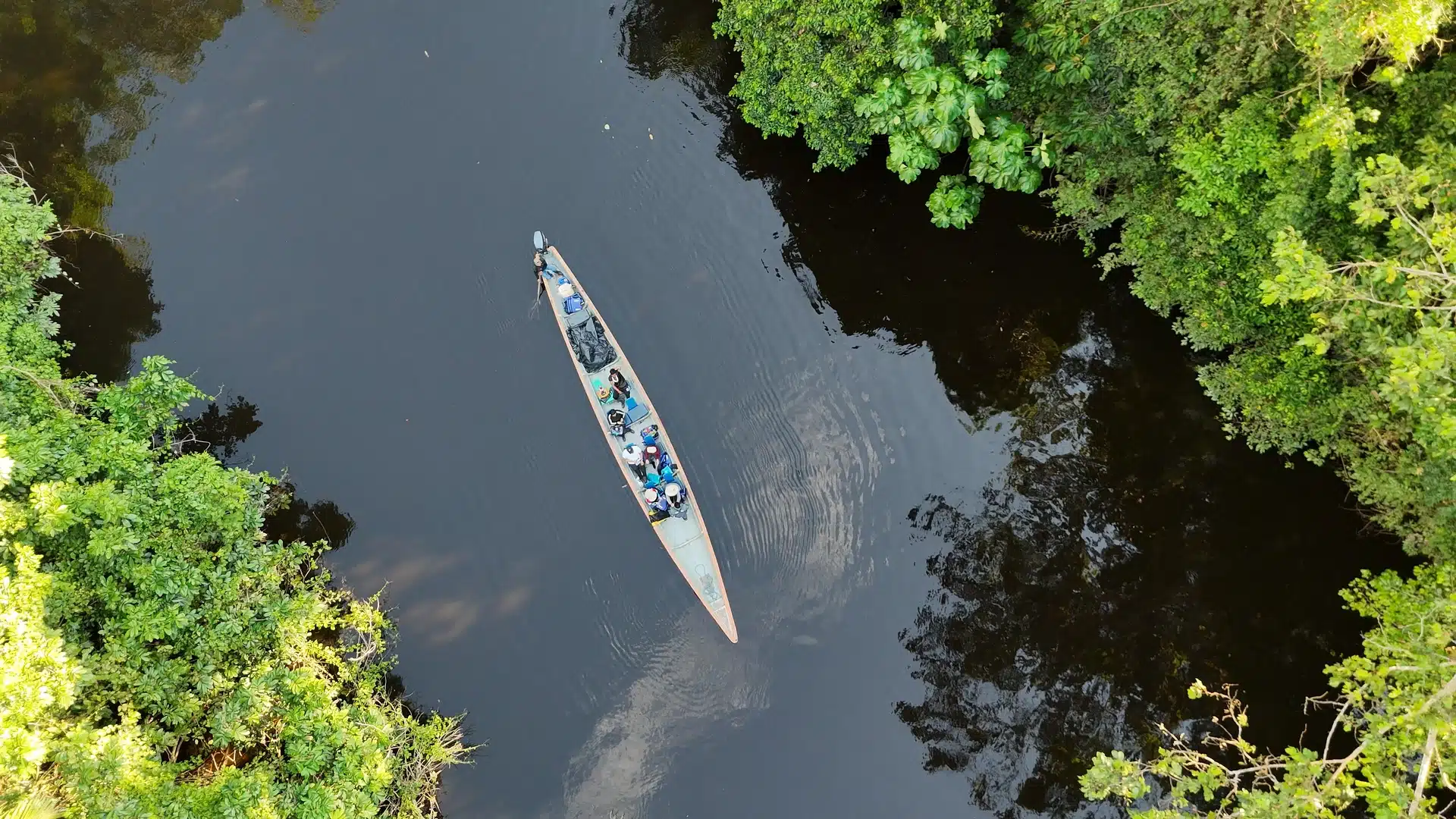
La réserve naturelle de Cuyabeno : une forêt tropicale équatorienne unique, peuplée de « killas »
Contenu le plus vu
13/07/2026
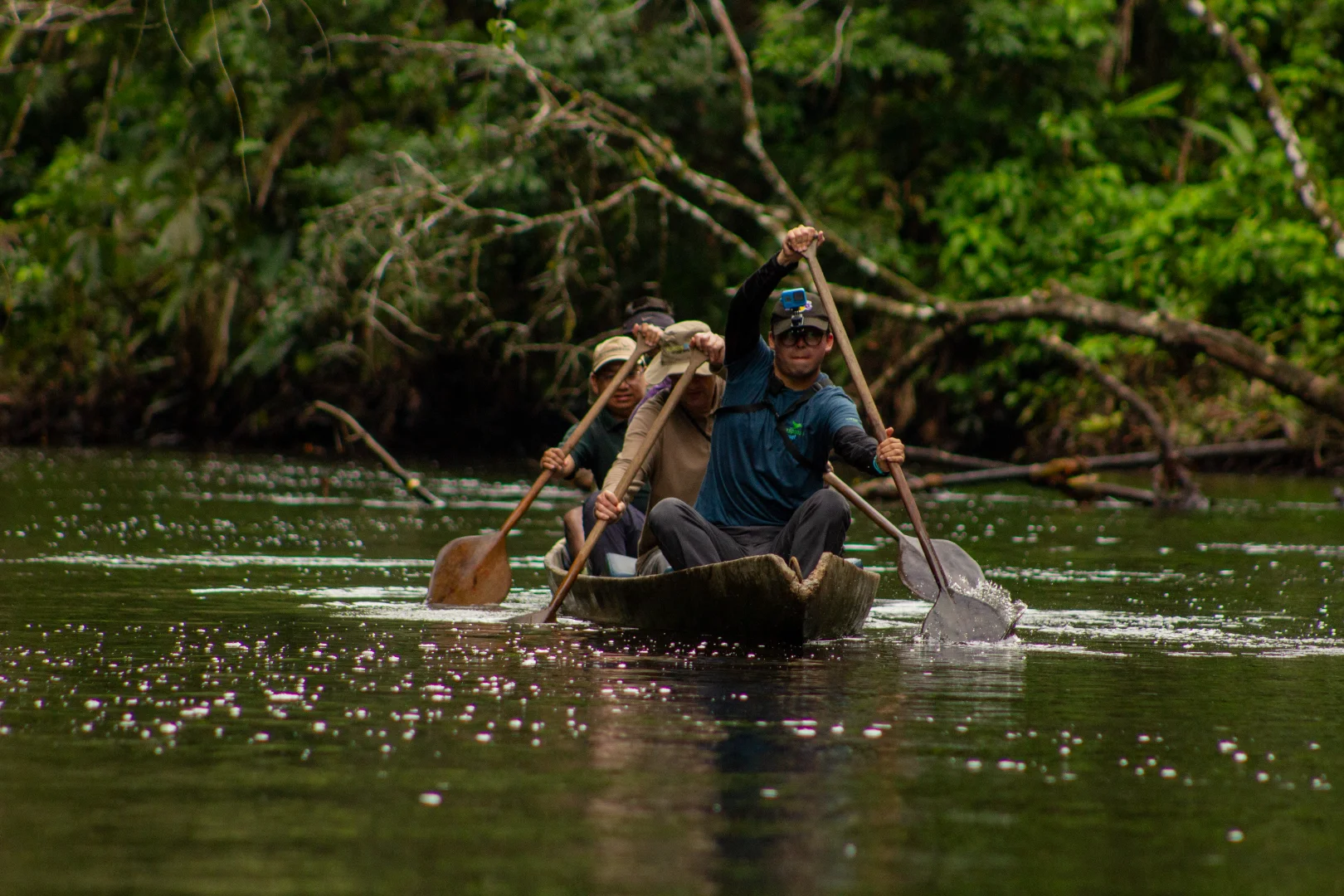
Les pirogues traditionnelles d’Amazonie et l’histoire de la Killas
06/07/2026
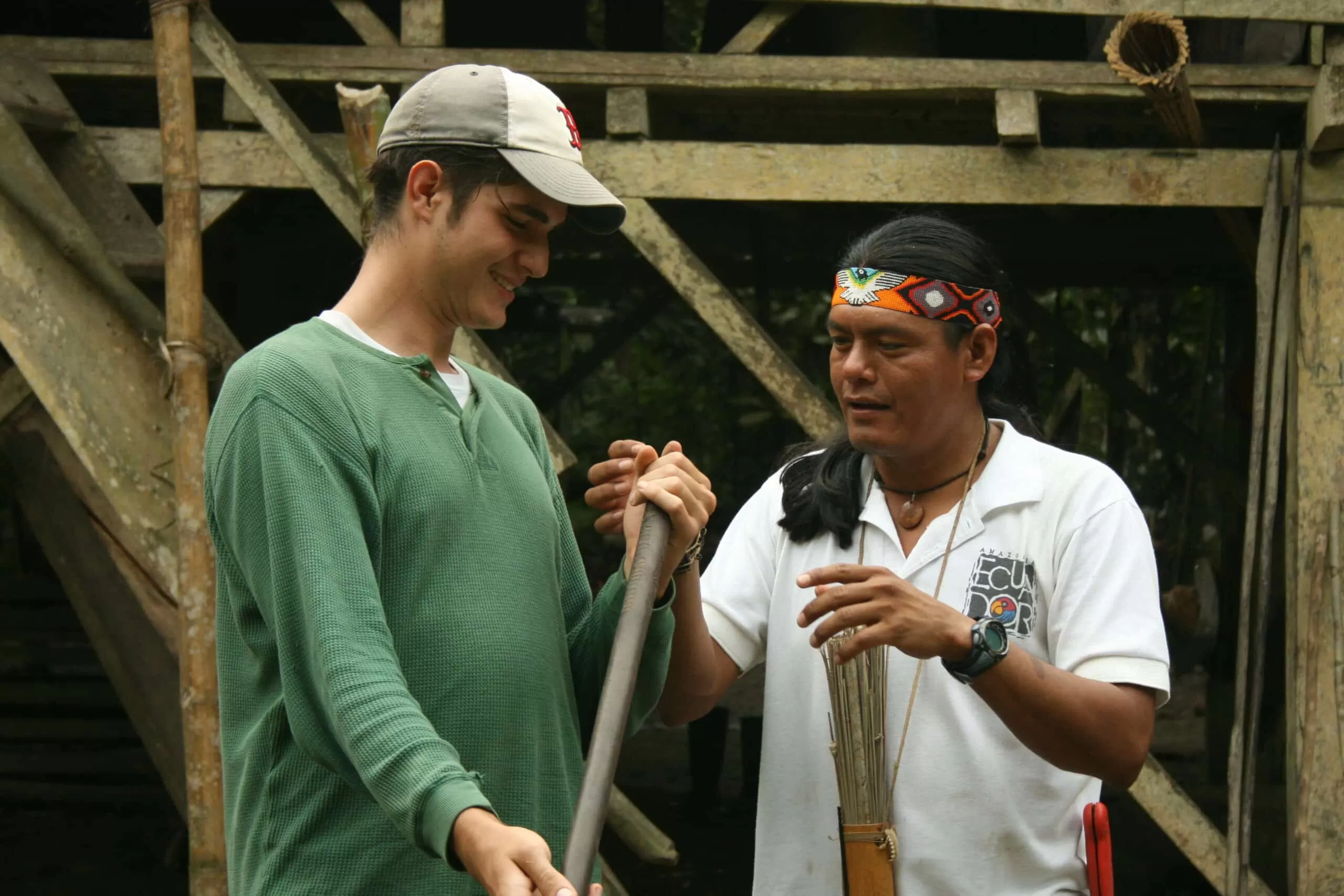
Pourquoi devriez-vous partir en voyage le jour de votre anniversaire ?
21/05/2026
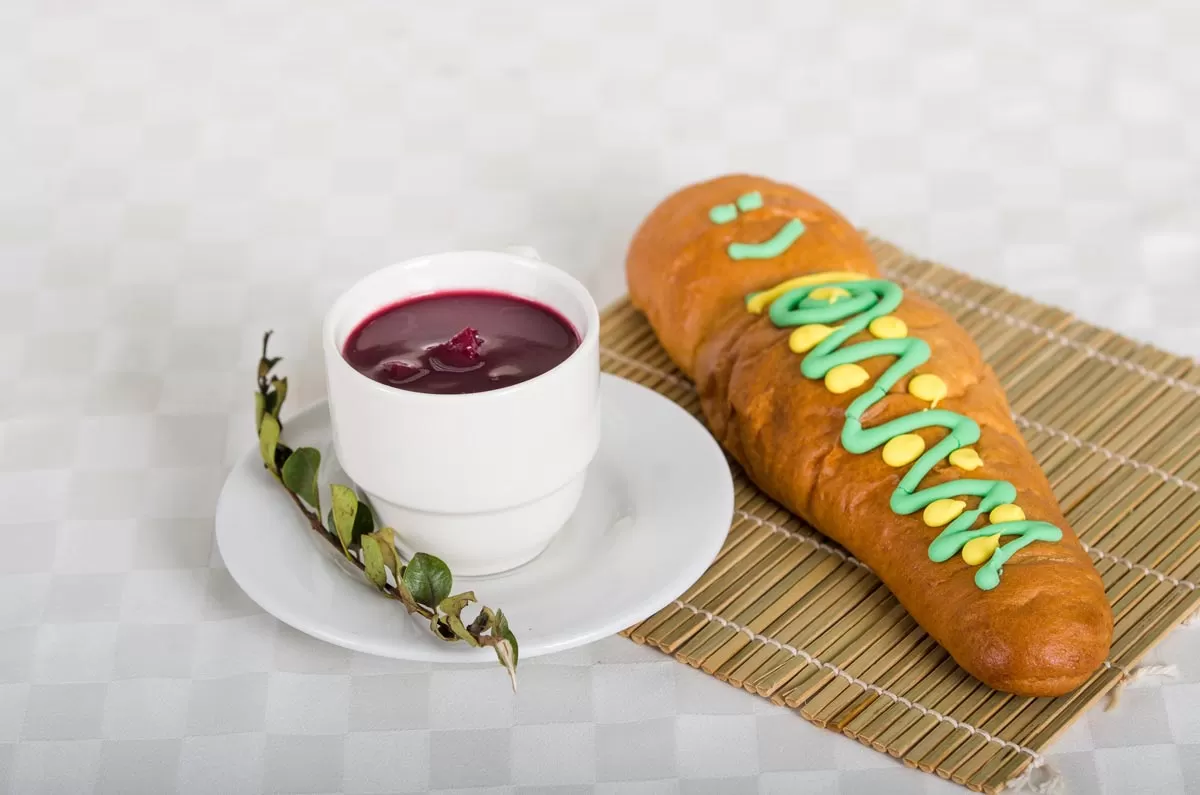
Qu'est-ce que le « Día de los Muertos » en Équateur ?
21/05/2026
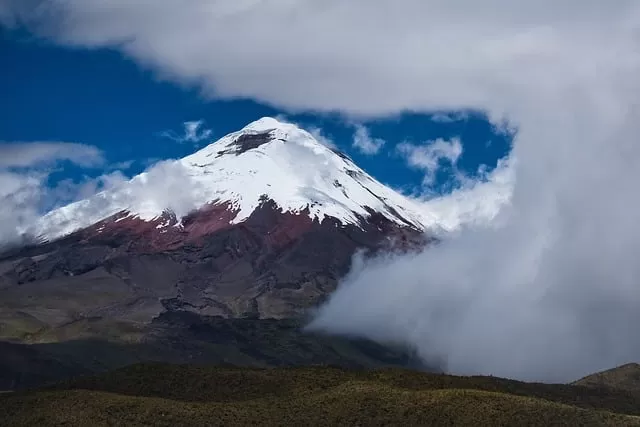
Chimborazo, Équateur, 2023 : la montagne que vous n'oublierez jamais
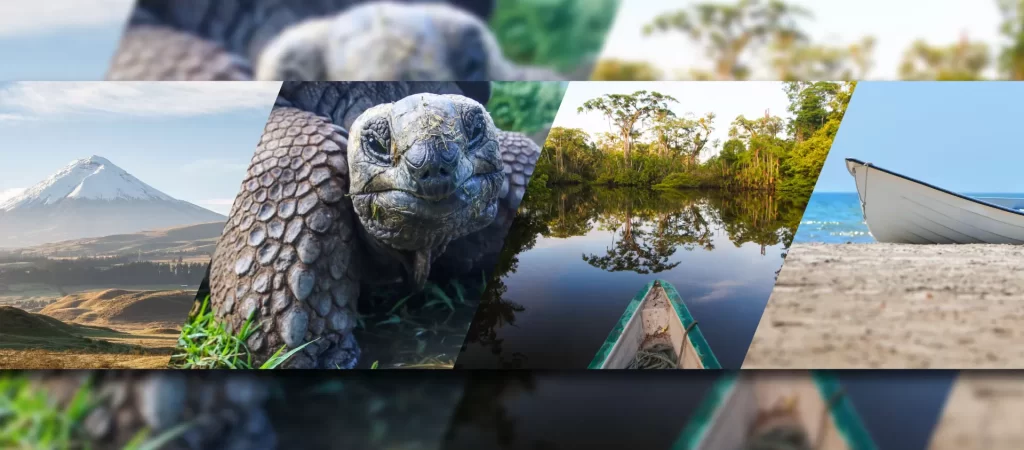
21/05/2026
Les meilleures destinations touristiques en Équateur pour 2023 et 2024
21/05/2026
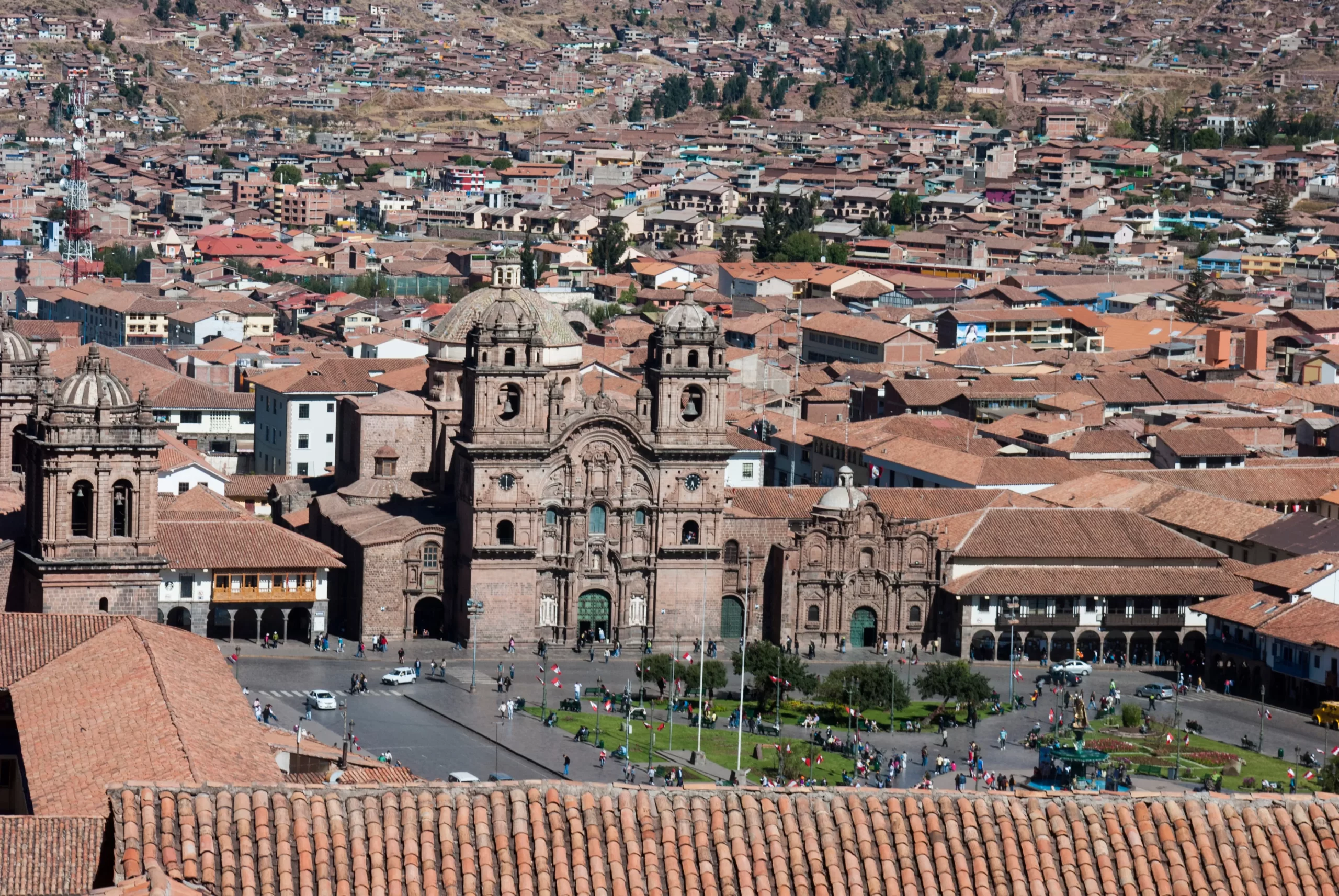
The Best Tourist Places to See in Cusco ?

CRAFTSMANSHIP AND CULTURE

Communities express their expertise through crafts. This good is elaborated from the simplest to the most extravagant. Uses include everyday, ornamental, and symbolic. The preparation procedure varies by article, but nature creates these beauties. Under this context, different handicrafts are presented, which can be observed in each program that each lodge offers.
- Seed necklaces and bracelets: Their preparation is based on natural seeds; the most common are tagua, açaí and huayruro. Furthermore, its meaning is: protection, abundance and fortune.
- Clay pottery: As its name indicates, it is made of clay, which is obtained from rivers; Once molded and shaped, it is left to dry in the sun and then cooked in the oven. Finally, the drawings and designs are made with natural ink extracted from plants.
- Vegetable fiber baskets: To make this product, it is necessary to use plant fibers such as pambil or chambira; Production is done with fabrics. Its use is for collecting or transporting products.
- Spears and blowguns: The symbology of these two tools can be expressed in several ways: hunting, power or bravery. Its manufacture is based on bamboo, wood and bone; its decoration is with bird feathers. Today, these tools are purchased for decoration.
- Hats: This handicraft is used in ancestral rituals and ceremonies, which are led by shamans. Its elements are: native bird feathers, seeds and bones.
- Woven bags: They are also known as shigra; they are hand-woven bags that are made with rope. To reach this result, the plant must go through several processes. Collected, placed in a jar with water to extract all fiber, dried in air, then brushed to eliminate residue. Sun-drying the aniline dye follows. Finally, hand-tying creates the cylindrical shape during spinning.
IMPORTANCE

Each handmade item in the Ecuadorian Amazon is not merely an ornamental element but a living representation of the culture and spirituality of the indigenous communities that reside there. Its importance lies in protecting this asset, which implies its preservation, sustainability, economy and spiritual articulation.
COSTS
Being a “natural” and hand-made product, its value will depend on the size and production time, which fluctuates between $5 to $30; With this the community can generate income and boost its economy.
RESPONSIBLE TOURISM
Given the importance of knowing about the culture of the communities within the Ecuadorian Amazon. Each piece tells a unique story that emphasizes the harmony between nature and civilization. Appreciating and promoting these handicrafts represents an appropriation of identity over the cultural wealth of Ecuador.

The identity of a community is based on its culture and traditions; therefore, the way to transmit them is through oral expressions or in a tangible way. In context, the material heritage that is forged in each community is an asset, which involves techniques, tradition, and preparation. For this reason, the elaboration of handicrafts is a symbol of history and work that communities possess. Thus, in this way, they ratify their empowerment to safeguard this heritage asset.
CRAFTSMANSHIP AND CULTURE
Communities express their expertise through crafts. This good is elaborated from the simplest to the most extravagant. Uses include everyday, ornamental, and symbolic. The preparation procedure varies by article, but nature creates these beauties. Under this context, different handicrafts are presented, which can be observed in each program that each lodge offers.
- Seed necklaces and bracelets: Their preparation is based on natural seeds; the most common are tagua, açaí and huayruro. Furthermore, its meaning is: protection, abundance and fortune.
- Clay pottery: As its name indicates, it is made of clay, which is obtained from rivers; Once molded and shaped, it is left to dry in the sun and then cooked in the oven. Finally, the drawings and designs are made with natural ink extracted from plants.
- Vegetable fiber baskets: To make this product, it is necessary to use plant fibers such as pambil or chambira; Production is done with fabrics. Its use is for collecting or transporting products.
- Spears and blowguns: The symbology of these two tools can be expressed in several ways: hunting, power or bravery. Its manufacture is based on bamboo, wood and bone; its decoration is with bird feathers. Today, these tools are purchased for decoration.
- Hats: This handicraft is used in ancestral rituals and ceremonies, which are led by shamans. Its elements are: native bird feathers, seeds and bones.
- Woven bags: They are also known as shigra; they are hand-woven bags that are made with rope. To reach this result, the plant must go through several processes. Collected, placed in a jar with water to extract all fiber, dried in air, then brushed to eliminate residue. Sun-drying the aniline dye follows. Finally, hand-tying creates the cylindrical shape during spinning.
IMPORTANCE
Each handmade item in the Ecuadorian Amazon is not merely an ornamental element but a living representation of the culture and spirituality of the indigenous communities that reside there. Its importance lies in protecting this asset, which implies its preservation, sustainability, economy and spiritual articulation.
COSTS
Being a “natural” and hand-made product, its value will depend on the size and production time, which fluctuates between $5 to $30; With this the community can generate income and boost its economy.
RESPONSIBLE TOURISM
Given the importance of knowing about the culture of the communities within the Ecuadorian Amazon. Each piece tells a unique story that emphasizes the harmony between nature and civilization. Appreciating and promoting these handicrafts represents an appropriation of identity over the cultural wealth of Ecuador.
Explorez nos dernières nouvelles
18/09/2026
Cinq animaux fascinants de Bolivie : découvrez le chat Tilcayo et d’autres espèces difficiles à observer
04/08/2026
Huasquila Amazon Lodge : Situation, accès et activités
03/08/2026
Parc national d'Antisana : volcan, faune sauvage et La Mica
29/07/2026
Les chamans en Équateur : un voyage au cœur de la sagesse amazonienne
27/07/2026
À la découverte de la tribu des Waorani : le bouclier de l'Amazonie
24/07/2026
Quelles îles Darwin a-t-il visitées au cours de son expédition ?
Contenu le mieux noté
24/07/2026
Les grands lacs et lagunes d'Amérique du Sud : des paysages riches en histoire, en culture et en nature
24/07/2026
De magnifiques sentiers de randonnée en Équateur, adaptés aux randonneurs de tous niveaux
23/07/2026
Costa Rica ou Équateur : quelle est la meilleure destination pour une aventure durable ?
16/07/2026
Feria de las Flores de Medellín : guide du festival et de la tradition des « silleteros »
14/07/2026
La « Ruta del Spondylus » en Équateur : le road trip côtier par excellence ?
14/07/2026
La réserve naturelle de Cuyabeno : une forêt tropicale équatorienne unique, peuplée de « killas »
Contenu le plus vu
13/07/2026
Les pirogues traditionnelles d’Amazonie et l’histoire de la Killas
06/07/2026
Pourquoi devriez-vous partir en voyage le jour de votre anniversaire ?
21/05/2026
Qu'est-ce que le « Día de los Muertos » en Équateur ?
21/05/2026
Chimborazo, Équateur, 2023 : la montagne que vous n'oublierez jamais
21/05/2026
Les meilleures destinations touristiques en Équateur pour 2023 et 2024
21/05/2026
The Best Tourist Places to See in Cusco ?