





La population waorani compte environ 2 000 personnes réparties dans différentes communautés de l'Amazonie équatorienne. Leur histoire, leur langue et leur relation avec la forêt tropicale ont attiré l'attention de chercheurs, de journalistes et de réalisateurs de documentaires du monde entier.
Leur culture offre l'occasion de découvrir un mode de vie façonné par la forêt et par un savoir transmis de génération en génération. Certaines communautés waorani participent désormais à des initiatives touristiques gérées avec soin, permettant ainsi aux visiteurs de découvrir les traditions locales tout en soutenant des activités menées par les communautés elles-mêmes.
FAITS FASCINANTS SUR LES WAORANI
- Langue :Les Waorani parlent le wao terero, une langue dont on ne connaît pas de lien étroit avec d'autres familles linguistiques.
- Lieu :Les communautés waorani sont réparties dans certaines parties des départements de Pastaza, d'Orellana et de Napo.
- Moyens de subsistance :Les économies communautaires peuvent inclure l'agriculture, l'artisanat, le tourisme et d'autres activités liées au territoire environnant.
- Savoirs traditionnels :La connaissance des plantes, des ressources forestières et des écosystèmes locaux continue de jouer un rôle important dans la vie de la communauté.
- Rôles au sein de la communauté :Les responsabilités varient d'une famille à l'autre et d'une communauté à l'autre ; elles peuvent inclure la garde des enfants, l'agriculture, la pêche, la chasse, l'artisanat et l'exercice de fonctions de direction au sein de la communauté.
EXPÉRIENCES CULTURELLES IMMERSIVES
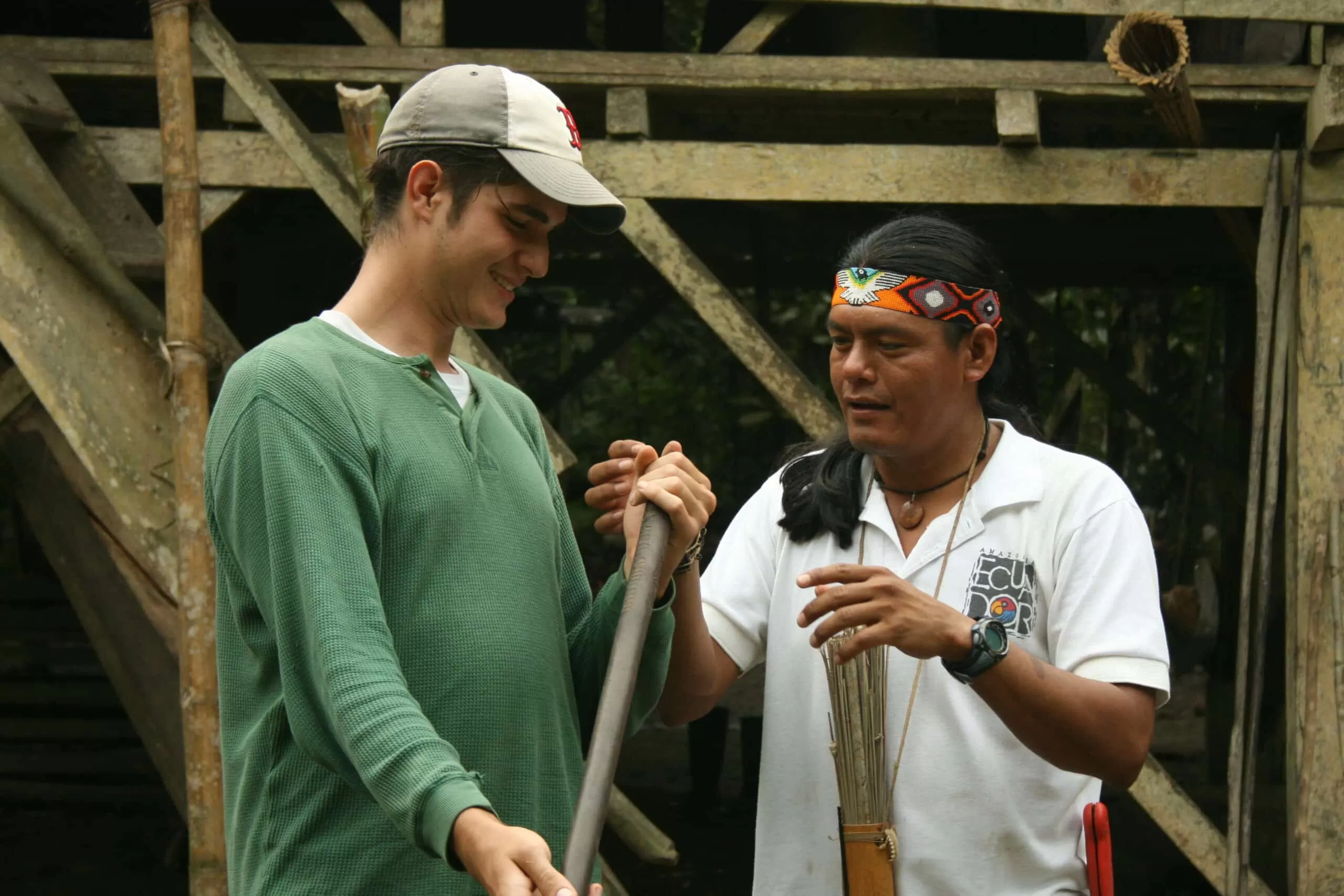
Une visite dans l'Amazonie équatorienne peut être l'occasion d'apprendre auprès de personnes dont le rapport à la forêt diffère considérablement de celui des citadins. Les voyageurs peuvent séjourner dans unAmazon Lodgeet demandez si elle propose des expériences culturelles ancrées dans la communauté et élaborées avec la participation des habitants.
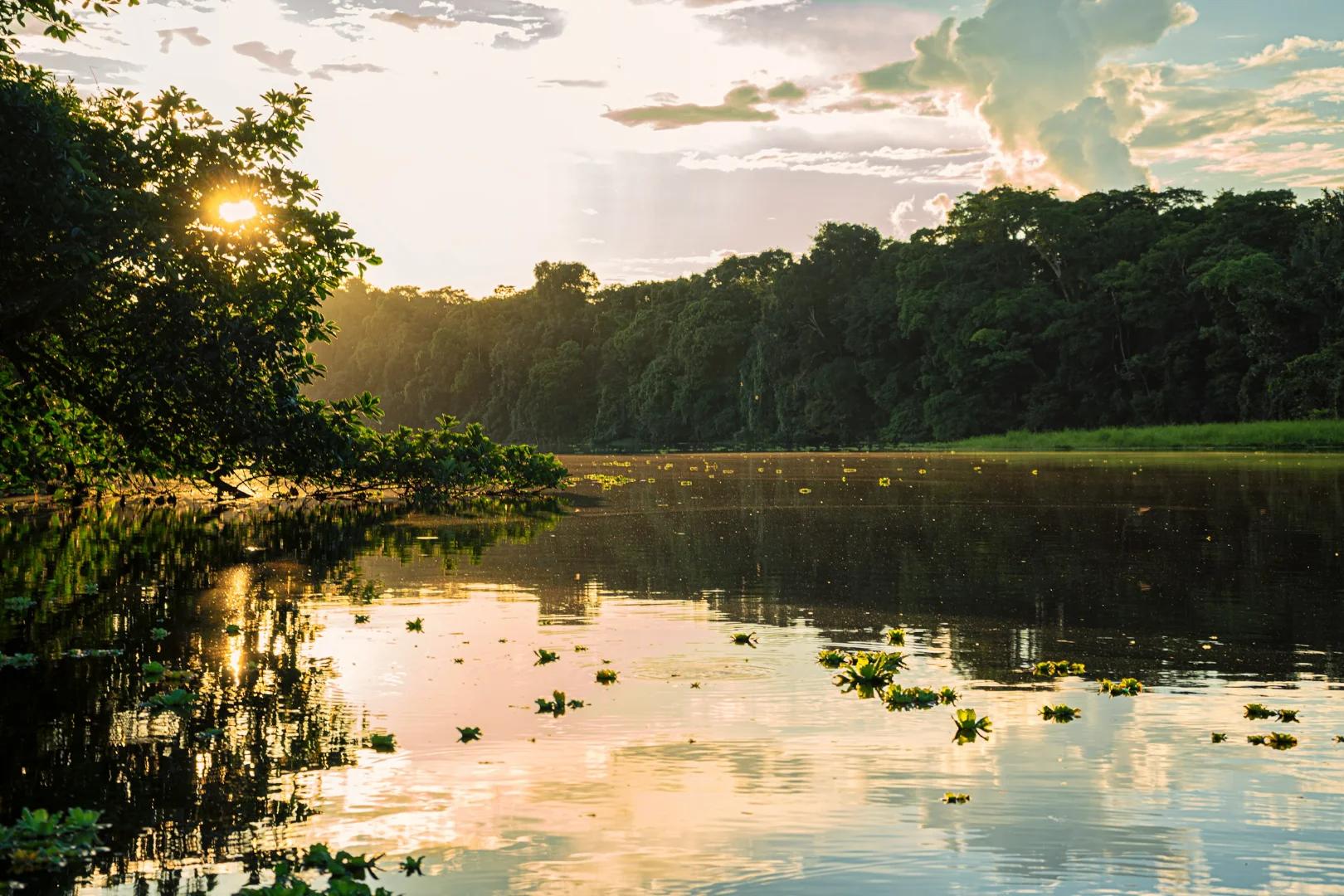
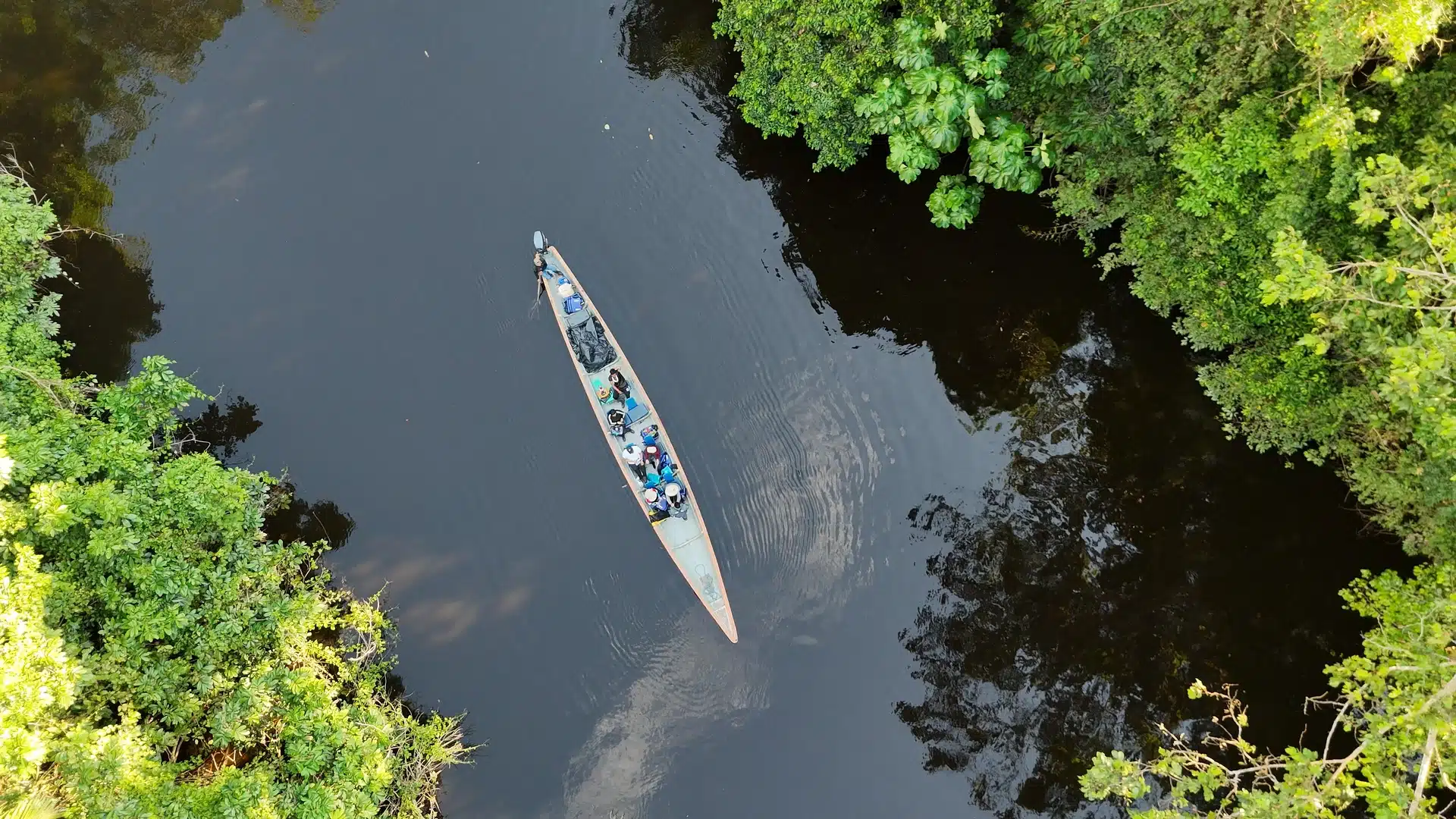
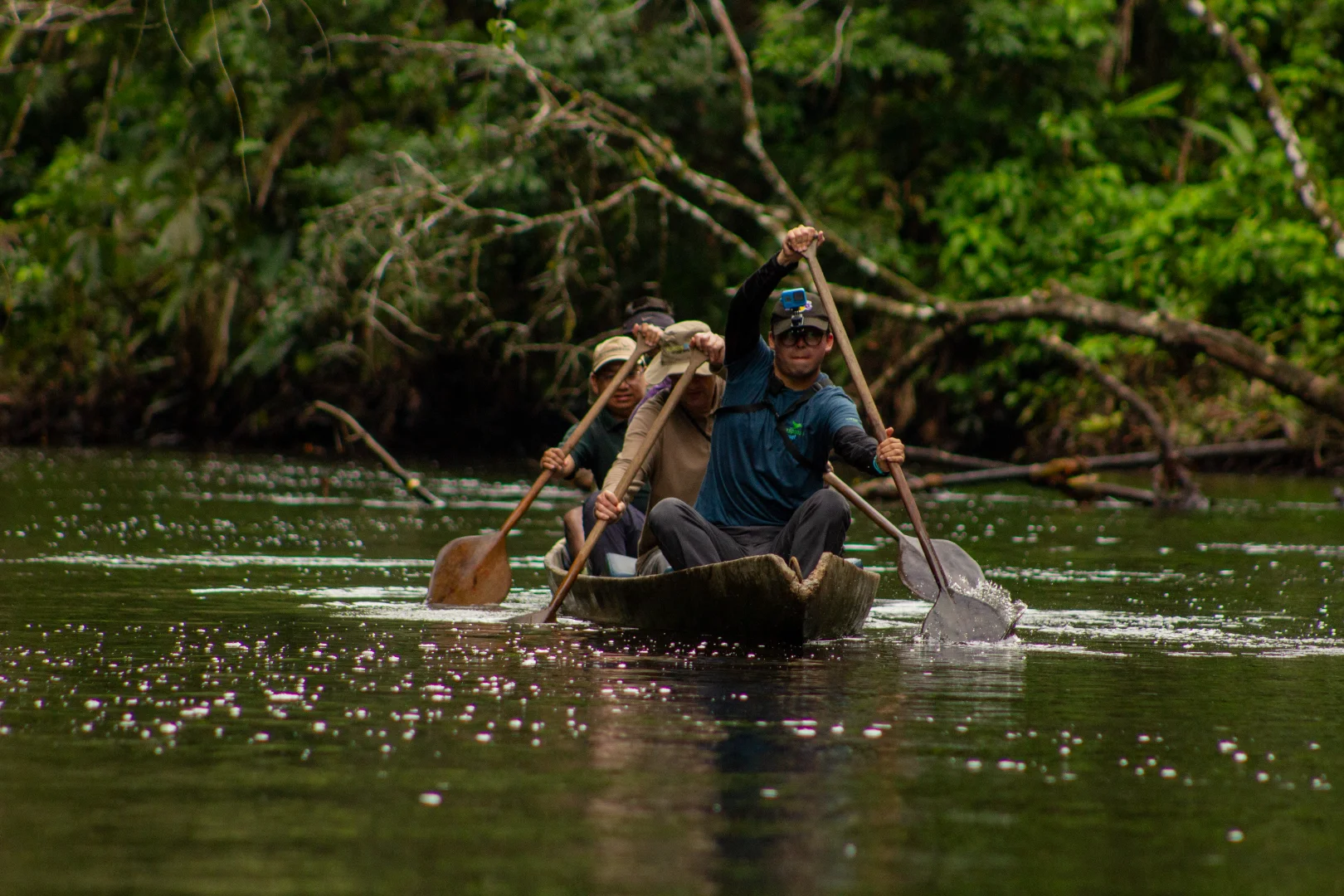
En fonction de l'itinéraire et de la communauté concernée, un parcours peut inclure des promenades en forêt, des échanges sur les savoirs traditionnels, des démonstrations d'artisanat ou une descente de rivière. LeRivière Napoest l'une des principales voies navigables que les voyageurs peuvent découvrir en explorant cette région.
PROTÉGER L'AMAZONIE
L'Amazonie recèle une biodiversité, un savoir culturel et des ressources naturelles extraordinaires. L'exploitation pétrolière, la déforestation et la pollution peuvent exercer une pression sur les cours d'eau, les forêts et les communautés qui en dépendent.
Le tourisme responsable peut soutenir les économies locales lorsque les expériences sont conçues en collaboration avec les communautés et que les retombées restent au sein même de la destination. Il peut également aider les visiteurs à mieux comprendre l'importance de la protection des forêts et des territoires autochtones.
Les voyageurs intéressés par la région peuvent en savoir plus sur les raisons pour lesquelles leAmazonie équatoriennemérite d'être étudié avec attention et respect.
Découvrir l'Amazonie prend tout son sens lorsque ce voyage permet de s'ouvrir à l'écoute, à l'apprentissage et au respect des peuples qui ont élu domicile dans la forêt.