

Isn’t the Inca road system’s engineering amazing? How did they do that? It connected remote Inca Empire regions by magnificent mountains and valleys. Have you heard of the Inca road system, Qhapaq Ñan? It’s fascinating, right? It was one of the most advanced and extensive networks then, right? Can you believe these roads span 25,000 miles?
Explorez nos dernières nouvelles
18/09/2026
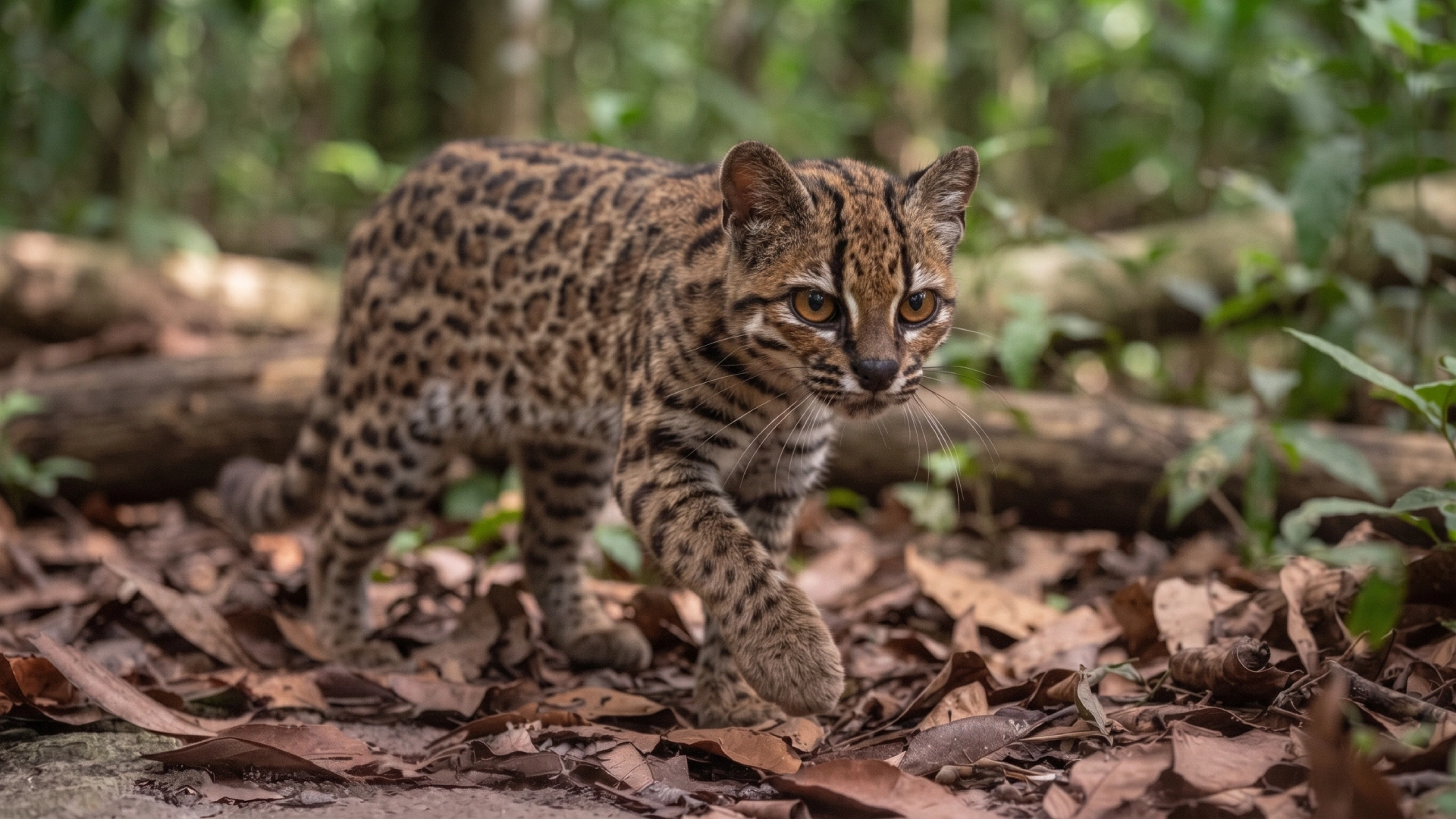
Cinq animaux fascinants de Bolivie : découvrez le chat Tilcayo et d’autres espèces difficiles à observer

04/08/2026
Huasquila Amazon Lodge : Situation, accès et activités
03/08/2026
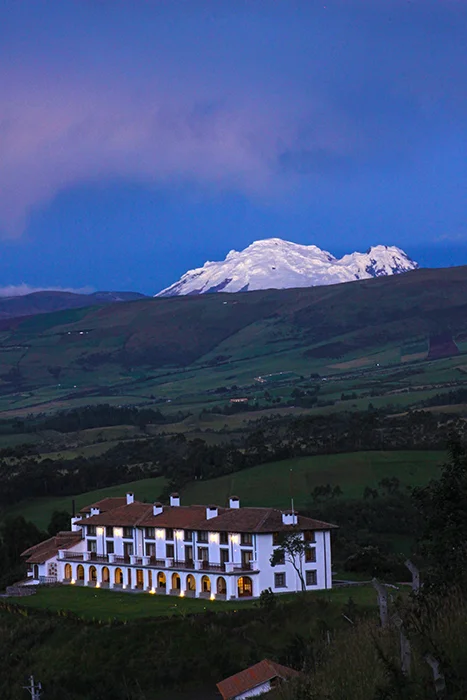
Parc national d'Antisana : volcan, faune sauvage et La Mica
29/07/2026
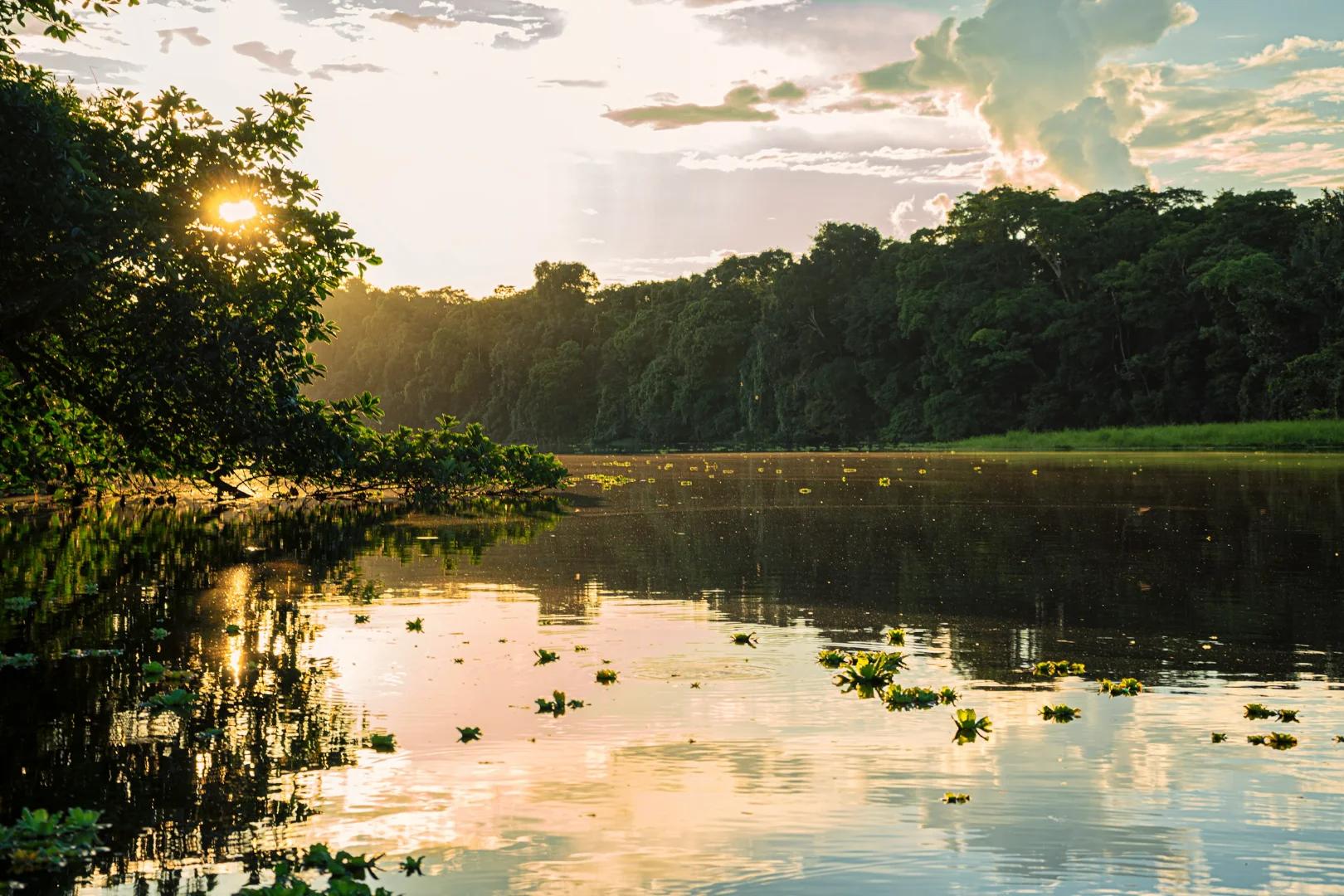
Les chamans en Équateur : un voyage au cœur de la sagesse amazonienne
27/07/2026
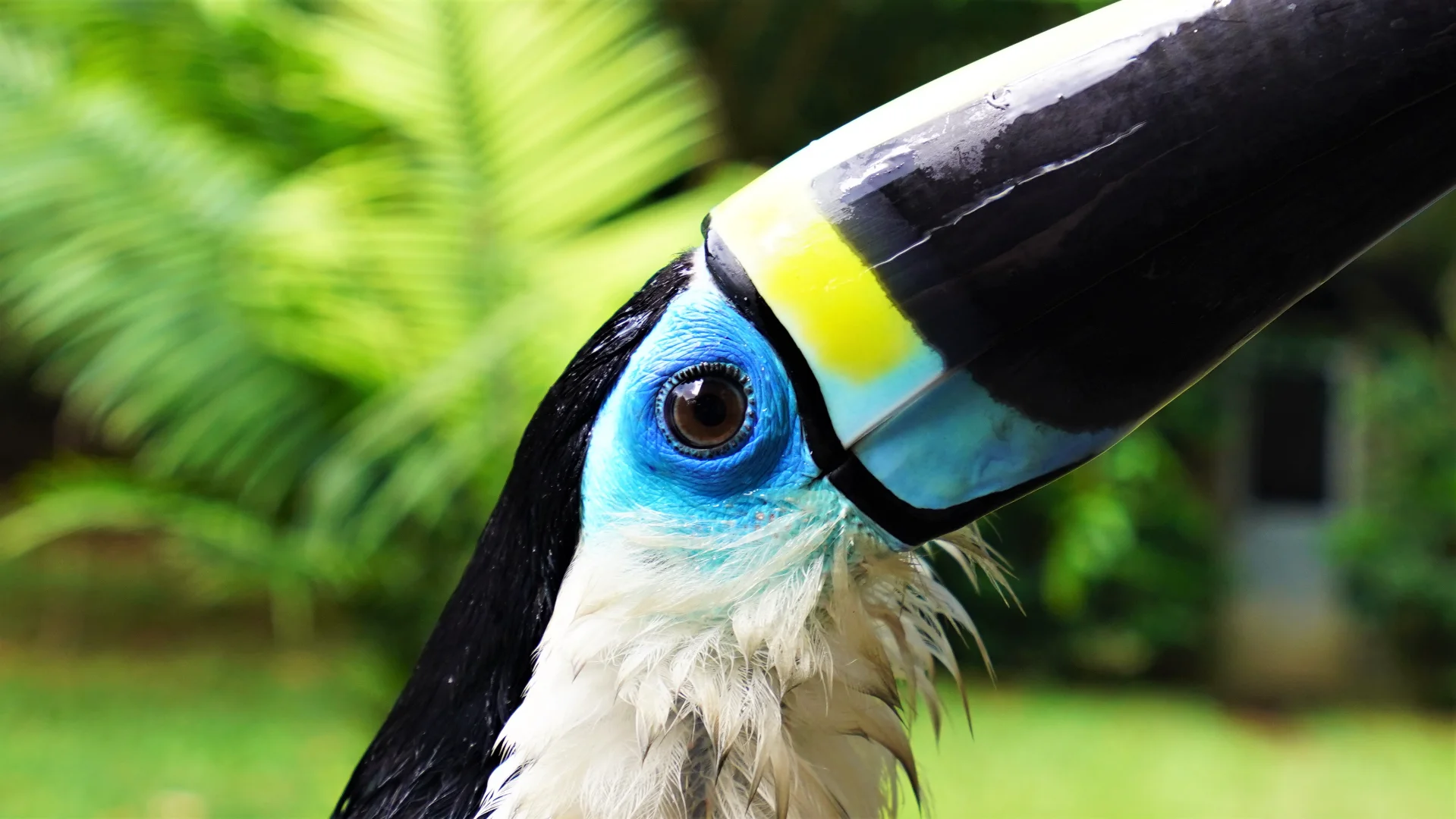
À la découverte de la tribu des Waorani : le bouclier de l'Amazonie
24/07/2026
Quelles îles Darwin a-t-il visitées au cours de son expédition ?
Contenu le mieux noté
24/07/2026
Les grands lacs et lagunes d'Amérique du Sud : des paysages riches en histoire, en culture et en nature
24/07/2026
De magnifiques sentiers de randonnée en Équateur, adaptés aux randonneurs de tous niveaux
23/07/2026
Costa Rica ou Équateur : quelle est la meilleure destination pour une aventure durable ?

16/07/2026
Feria de las Flores de Medellín : guide du festival et de la tradition des « silleteros »

14/07/2026
La « Ruta del Spondylus » en Équateur : le road trip côtier par excellence ?
14/07/2026
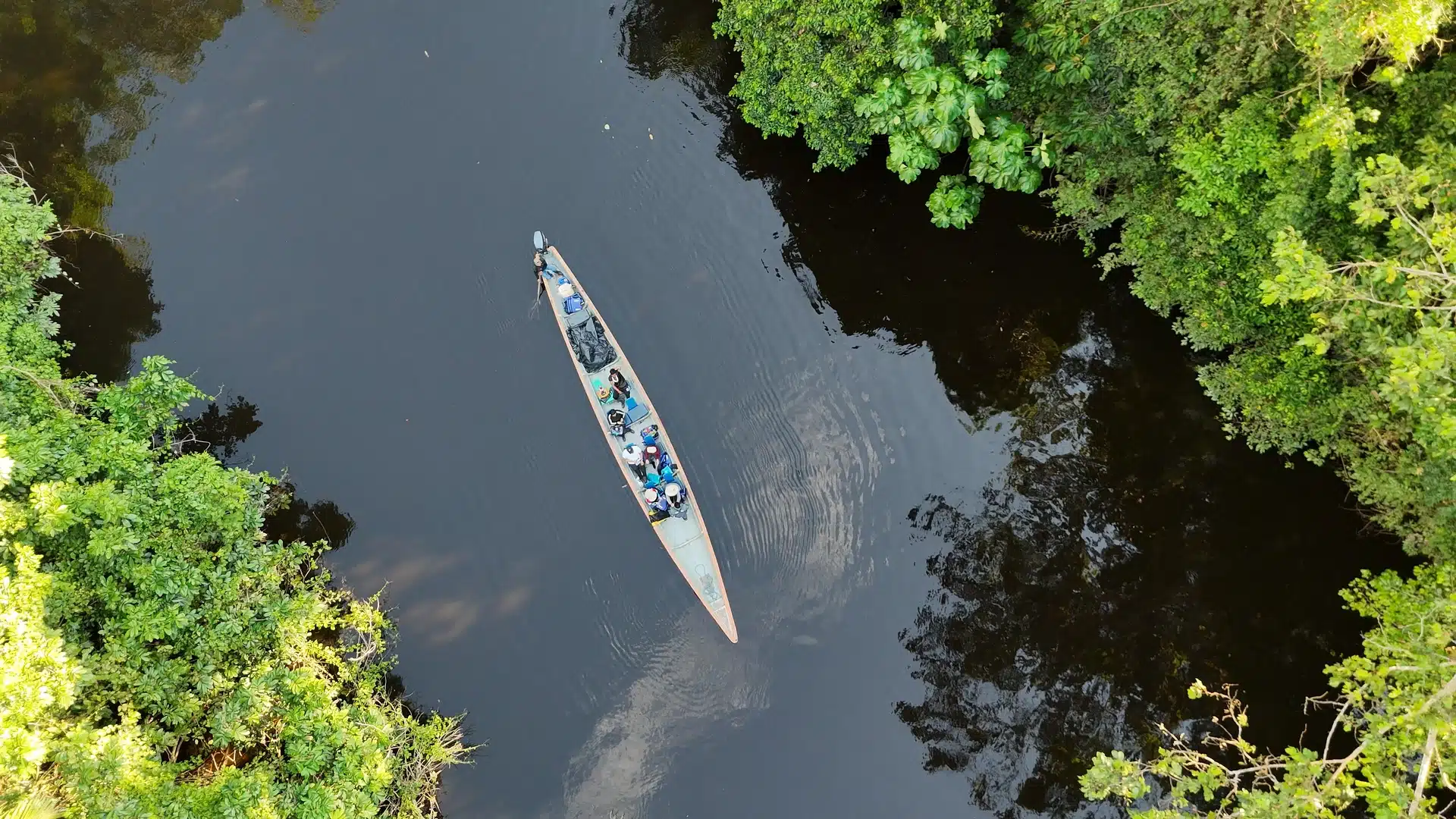
La réserve naturelle de Cuyabeno : une forêt tropicale équatorienne unique, peuplée de « killas »
Contenu le plus vu
13/07/2026
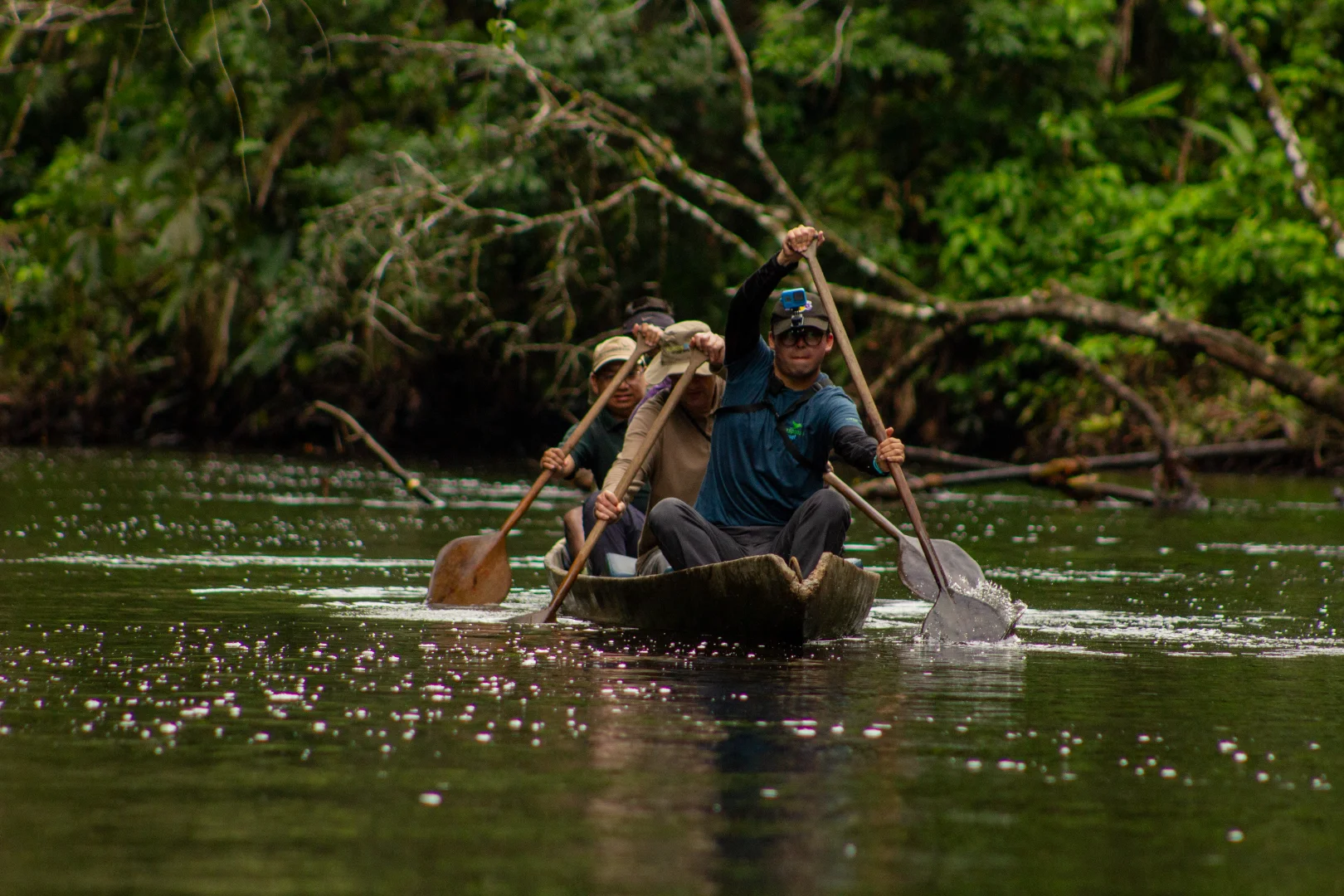
Les pirogues traditionnelles d’Amazonie et l’histoire de la Killas
06/07/2026
Pourquoi devriez-vous partir en voyage le jour de votre anniversaire ?

21/05/2026
Qu'est-ce que le « Día de los Muertos » en Équateur ?
21/05/2026
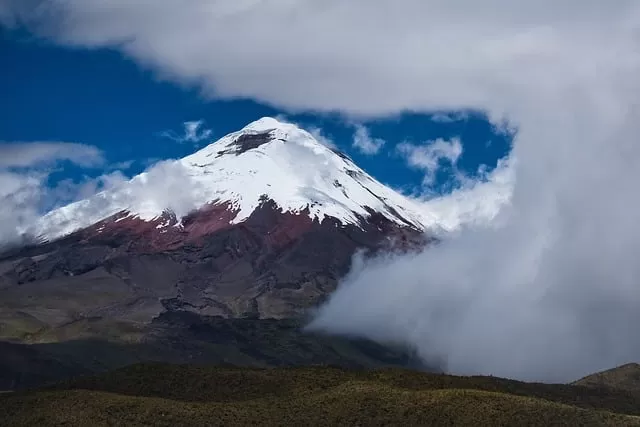
Chimborazo, Équateur, 2023 : la montagne que vous n'oublierez jamais
21/05/2026
Les meilleures destinations touristiques en Équateur pour 2023 et 2024
21/05/2026
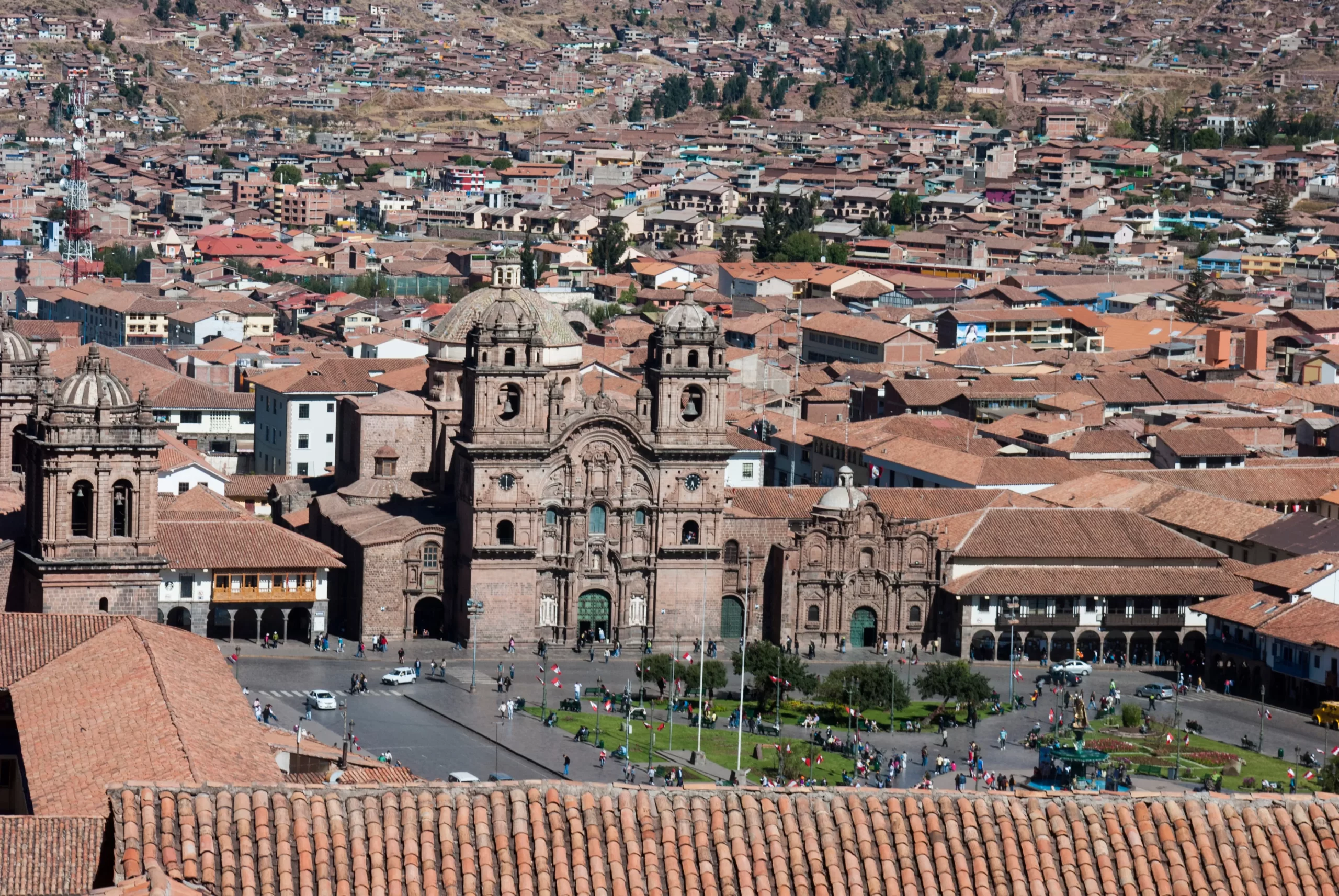
The Best Tourist Places to See in Cusco ?

ENGINEERING MARVELS OF THE INCA ROAD SYSTEM
The Inca road system stands out as an engineering wonder due to its sophisticated design and the challenging terrains it conquered.
So, builders really got creative with stone slabs, gravel, and whatever local materials they could find. It’s impressive how they made everything sturdy, especially given the high altitudes and those steep slopes they were working with.
CONNECTING A VAST EMPIRE
The Inca roads played a vital role in uniting the empire by linking villages, cities, and important sacred sites like Machu Picchu and Cusco. These roads enabled efficient travel for messengers, military forces, and common people, fostering a strong sense of unity across the vast empire.
Inca communication was fantastic. You know “chasquis” runners? They delivered messages quickly! Roadside relay stations sped them up. They stored important data on quipus, knotted strings. It swiftly and accurately disseminated intricate details across the empire. It made sense to swiftly and accurately describe the empire’s most difficult topics.
TRADE ON THE INCA ROAD SYSTEM
The Inca road system was essential for transporting goods around the empire. These routes carried corn, potatoes, textiles, ceramics, and metalwork. Each region had its own character. Trade routes helped the economy thrive regardless of climate or height by allowing people to share and exchange goods.
So, you know those Inca artifacts? They really stand out, right? The beautiful textiles, pottery, and tools that came through those routes showcase their amazing craftsmanship and rich culture. It’s fascinating to think about!
VIRTUE OF THE INCA ROAD SYSTEM
More than trade and communication, the Inca road system connected many of the empire’s holy sites. These pathways led to religious places like Cusco and the Temple of the Sun for pilgrims. Some pathways were considered to lead to enlightenment or a link with deities.
These sacred paths allowed Inca citizens to participate in religious ceremonies or seasonal festivals and strengthened the spiritual bonds across regions. Even today, some segments of these trails maintain a revered status, symbolizing both devotion and respect for the ancestors.
QHAPAQ ÑAN – THE GREAT INCA TRAIL
Overview and Location: The Qhapaq Ñan, also known as the Great Inca Trail, spans much of South America. In Peru, this grand trail passes through diverse landscapes, including the rugged Andes mountains and lush valleys. The Qhapaq Ñan was, and remains, the backbone of the Inca road system, integrating countries like Bolivia, Ecuador, Argentina, Colombia, and Chile.
History and Modern Recognition: Recognized as a UNESCO World Heritage Site, the Qhapaq Ñan has earned its place as a remarkable feat of engineering and cultural significance. Its designation highlights the role these trails have played historically, while also preserving them as an enduring cultural legacy.
Exploring the Inca Trail Today: Travelers can now tour the historic Qhapaq Ñan route. The Inca Trail to Machu Picchu attracts tourists with its history and beauty. Explore the Inca Empire’s vastness, archaeological sites, and stone-paved roadways.
The Qhapaq Ñan passes by numerous archaeological sites that offer a glimpse into Inca civilization. Among these are Ollantaytambo, a fortress and ceremonial center, and Wiñay Wayna, a beautiful site with terraced hills and stone structures.
HIKING THE INCA TRAILS
Due to its historical significance and breathtaking views, the Inca Trail to Machu Picchu is one of the most popular hikes. For those seeking unique experiences, the Salkantay Trek and Lares Trek are also great.
Tips for Modern Travelers:
- Book in Advance: Due to limited access, reservations for the Inca Trail fill up quickly, so it’s best to book months in advance.
- Acclimate Properly: Spend a few days in Cusco or the Sacred Valley to adjust to the altitude.
- Choose the Right Trek: Curious to see where the ancient Inca road system could lead you? With so much history and adventure, why not explore these legendary paths yourself? Start planning your journey to connect with the ancient world and uncover the secrets of these roads firsthand!
Isn’t the Inca road system’s engineering amazing? How did they do that? It connected remote Inca Empire regions by magnificent mountains and valleys. Have you heard of the Inca road system, Qhapaq Ñan? It’s fascinating, right? It was one of the most advanced and extensive networks then, right? Can you believe these roads span 25,000 miles?
ENGINEERING MARVELS OF THE INCA ROAD SYSTEM
The Inca road system stands out as an engineering wonder due to its sophisticated design and the challenging terrains it conquered.
So, builders really got creative with stone slabs, gravel, and whatever local materials they could find. It’s impressive how they made everything sturdy, especially given the high altitudes and those steep slopes they were working with.
CONNECTING A VAST EMPIRE
The Inca roads played a vital role in uniting the empire by linking villages, cities, and important sacred sites like Machu Picchu and Cusco. These roads enabled efficient travel for messengers, military forces, and common people, fostering a strong sense of unity across the vast empire.
Inca communication was fantastic. You know “chasquis” runners? They delivered messages quickly! Roadside relay stations sped them up. They stored important data on quipus, knotted strings. It swiftly and accurately disseminated intricate details across the empire. It made sense to swiftly and accurately describe the empire’s most difficult topics.
TRADE ON THE INCA ROAD SYSTEM
The Inca road system was essential for transporting goods around the empire. These routes carried corn, potatoes, textiles, ceramics, and metalwork. Each region had its own character. Trade routes helped the economy thrive regardless of climate or height by allowing people to share and exchange goods.
So, you know those Inca artifacts? They really stand out, right? The beautiful textiles, pottery, and tools that came through those routes showcase their amazing craftsmanship and rich culture. It’s fascinating to think about!
VIRTUE OF THE INCA ROAD SYSTEM
More than trade and communication, the Inca road system connected many of the empire’s holy sites. These pathways led to religious places like Cusco and the Temple of the Sun for pilgrims. Some pathways were considered to lead to enlightenment or a link with deities.
These sacred paths allowed Inca citizens to participate in religious ceremonies or seasonal festivals and strengthened the spiritual bonds across regions. Even today, some segments of these trails maintain a revered status, symbolizing both devotion and respect for the ancestors.
QHAPAQ ÑAN – THE GREAT INCA TRAIL
Overview and Location: The Qhapaq Ñan, also known as the Great Inca Trail, spans much of South America. In Peru, this grand trail passes through diverse landscapes, including the rugged Andes mountains and lush valleys. The Qhapaq Ñan was, and remains, the backbone of the Inca road system, integrating countries like Bolivia, Ecuador, Argentina, Colombia, and Chile.
History and Modern Recognition: Recognized as a UNESCO World Heritage Site, the Qhapaq Ñan has earned its place as a remarkable feat of engineering and cultural significance. Its designation highlights the role these trails have played historically, while also preserving them as an enduring cultural legacy.
Exploring the Inca Trail Today: Travelers can now tour the historic Qhapaq Ñan route. The Inca Trail to Machu Picchu attracts tourists with its history and beauty. Explore the Inca Empire’s vastness, archaeological sites, and stone-paved roadways.
The Qhapaq Ñan passes by numerous archaeological sites that offer a glimpse into Inca civilization. Among these are Ollantaytambo, a fortress and ceremonial center, and Wiñay Wayna, a beautiful site with terraced hills and stone structures.
HIKING THE INCA TRAILS
Due to its historical significance and breathtaking views, the Inca Trail to Machu Picchu is one of the most popular hikes. For those seeking unique experiences, the Salkantay Trek and Lares Trek are also great.
Tips for Modern Travelers:
- Book in Advance: Due to limited access, reservations for the Inca Trail fill up quickly, so it’s best to book months in advance.
- Acclimate Properly: Spend a few days in Cusco or the Sacred Valley to adjust to the altitude.
- Choose the Right Trek: Curious to see where the ancient Inca road system could lead you? With so much history and adventure, why not explore these legendary paths yourself? Start planning your journey to connect with the ancient world and uncover the secrets of these roads firsthand!
Explorez nos dernières nouvelles
18/09/2026
Cinq animaux fascinants de Bolivie : découvrez le chat Tilcayo et d’autres espèces difficiles à observer
04/08/2026
Huasquila Amazon Lodge : Situation, accès et activités
03/08/2026
Parc national d'Antisana : volcan, faune sauvage et La Mica
29/07/2026
Les chamans en Équateur : un voyage au cœur de la sagesse amazonienne
27/07/2026
À la découverte de la tribu des Waorani : le bouclier de l'Amazonie
24/07/2026
Quelles îles Darwin a-t-il visitées au cours de son expédition ?
Contenu le mieux noté
24/07/2026
Les grands lacs et lagunes d'Amérique du Sud : des paysages riches en histoire, en culture et en nature
24/07/2026
De magnifiques sentiers de randonnée en Équateur, adaptés aux randonneurs de tous niveaux
23/07/2026
Costa Rica ou Équateur : quelle est la meilleure destination pour une aventure durable ?
16/07/2026
Feria de las Flores de Medellín : guide du festival et de la tradition des « silleteros »
14/07/2026
La « Ruta del Spondylus » en Équateur : le road trip côtier par excellence ?
14/07/2026
La réserve naturelle de Cuyabeno : une forêt tropicale équatorienne unique, peuplée de « killas »
Contenu le plus vu
13/07/2026
Les pirogues traditionnelles d’Amazonie et l’histoire de la Killas
06/07/2026
Pourquoi devriez-vous partir en voyage le jour de votre anniversaire ?
21/05/2026
Qu'est-ce que le « Día de los Muertos » en Équateur ?
21/05/2026
Chimborazo, Équateur, 2023 : la montagne que vous n'oublierez jamais
21/05/2026
Les meilleures destinations touristiques en Équateur pour 2023 et 2024
21/05/2026
The Best Tourist Places to See in Cusco ?