

This project was born to preserve the ecosystem of the Andes through ecotourism and provide a warm experience to the visitor through its hospitality and service. Polylepis lodge focuses on generating environmental responsibility through the connection between education, individuals, and sustainable practices.
Explorez nos dernières nouvelles

04/08/2026
Huasquila Amazon Lodge : Situation, accès et activités
03/08/2026
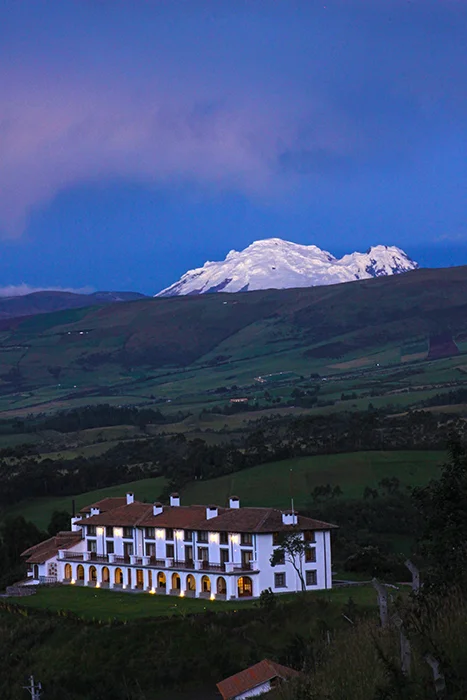
Parc national d'Antisana : volcan, faune sauvage et La Mica
29/07/2026
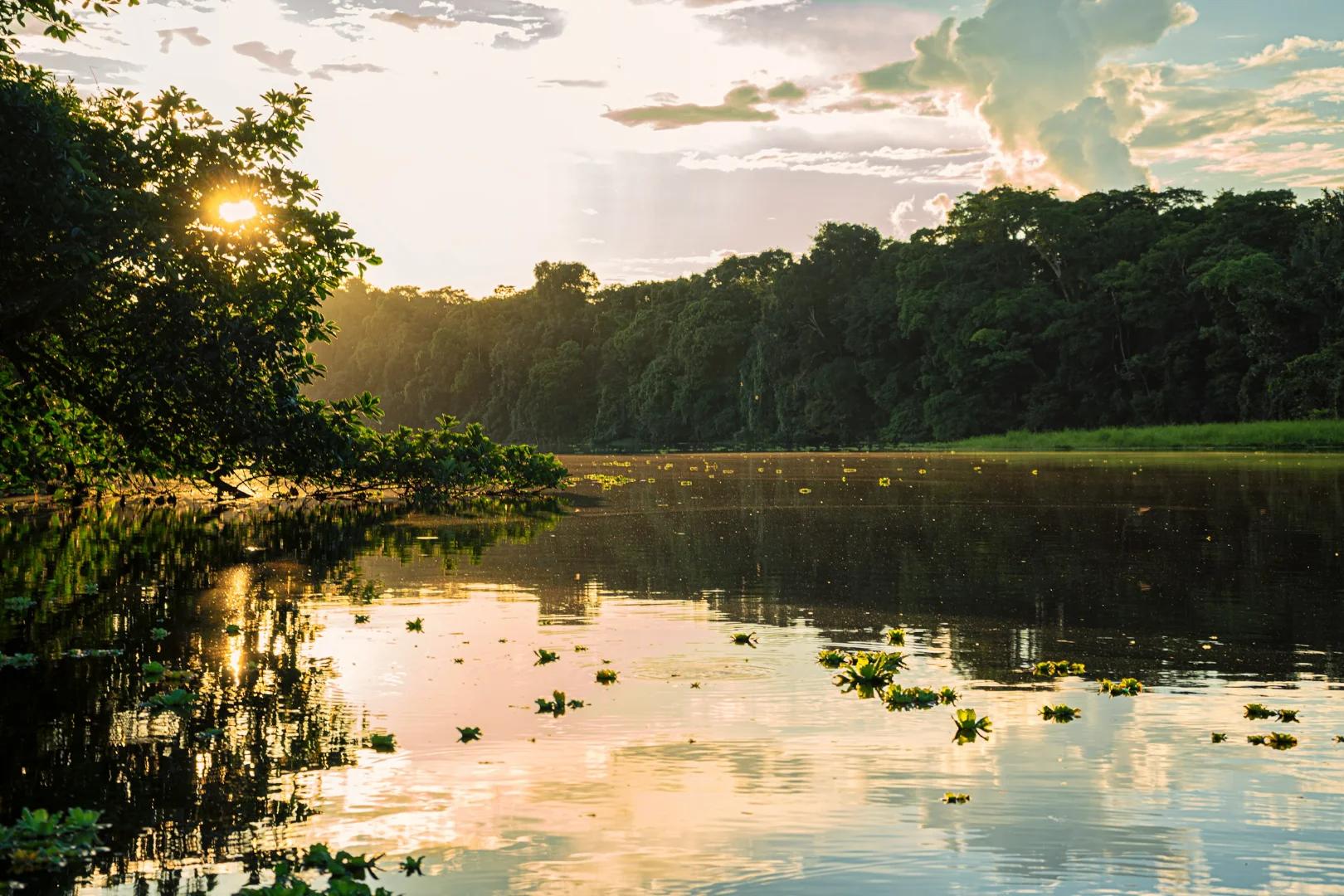
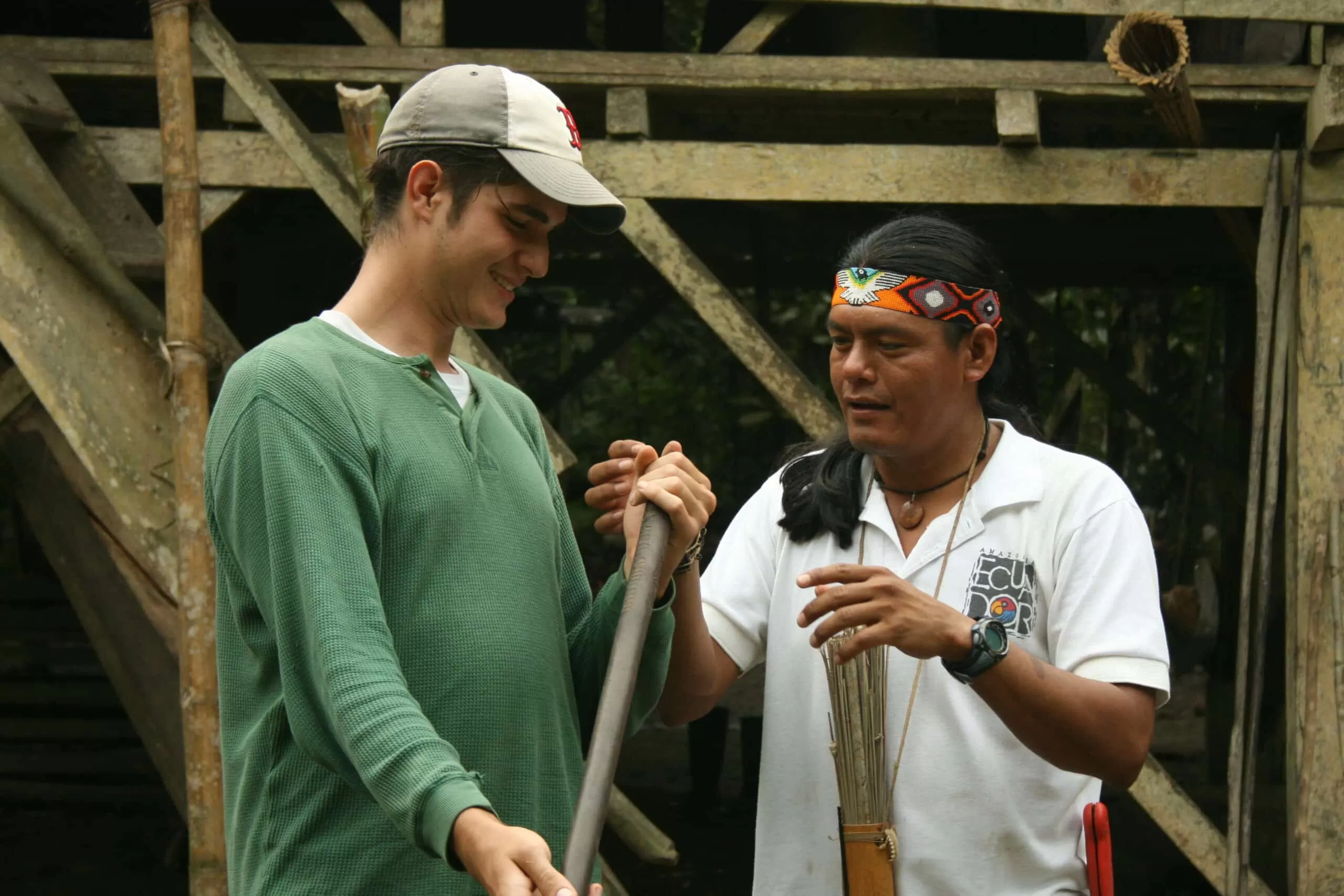
Les chamans en Équateur : un voyage au cœur de la sagesse amazonienne
27/07/2026
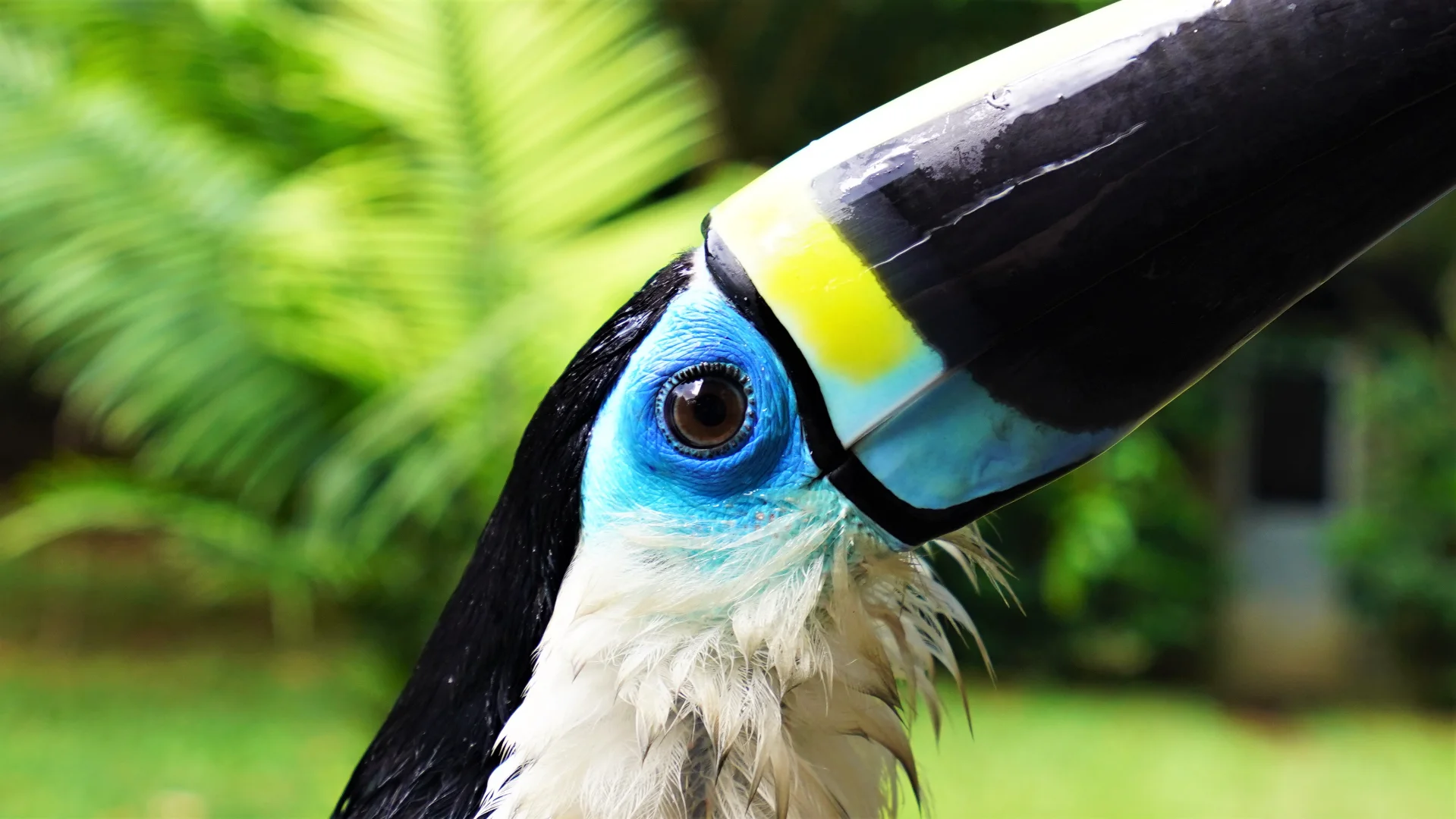
À la découverte de la tribu des Waorani : le bouclier de l'Amazonie
24/07/2026
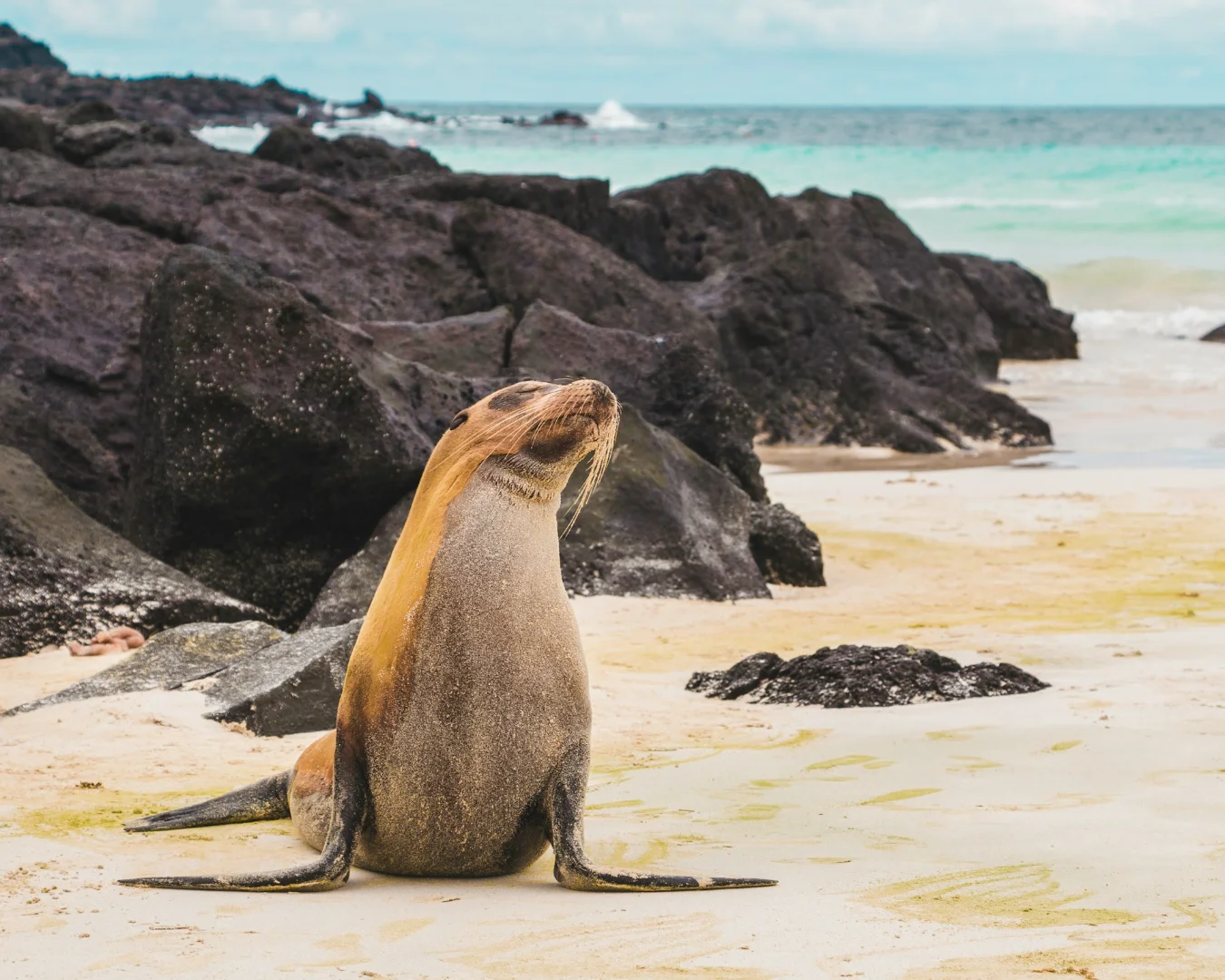
Quelles îles Darwin a-t-il visitées au cours de son expédition ?
24/07/2026
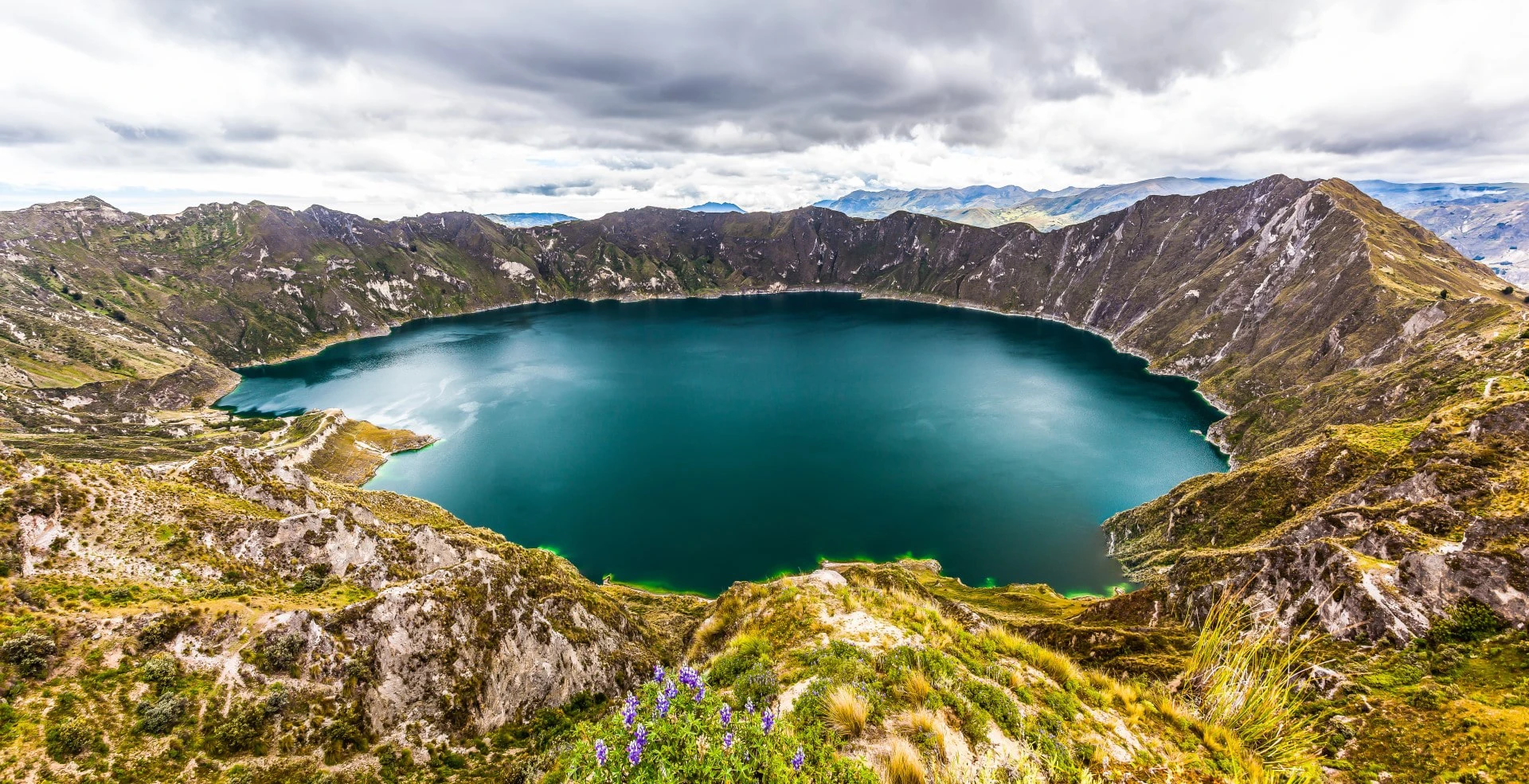
Les grands lacs et lagunes d'Amérique du Sud : des paysages riches en histoire, en culture et en nature
Contenu le mieux noté
24/07/2026
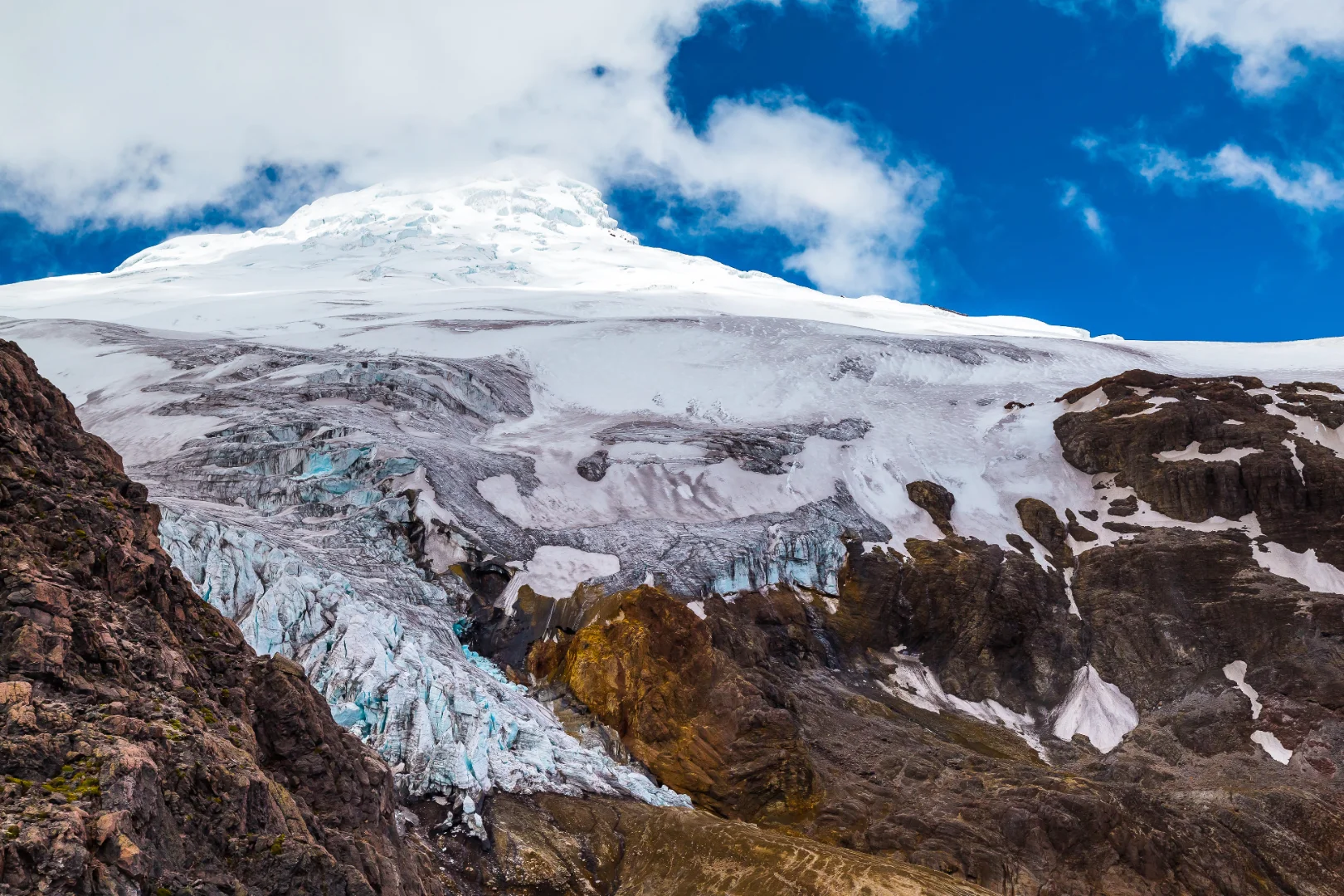
De magnifiques sentiers de randonnée en Équateur, adaptés aux randonneurs de tous niveaux
23/07/2026
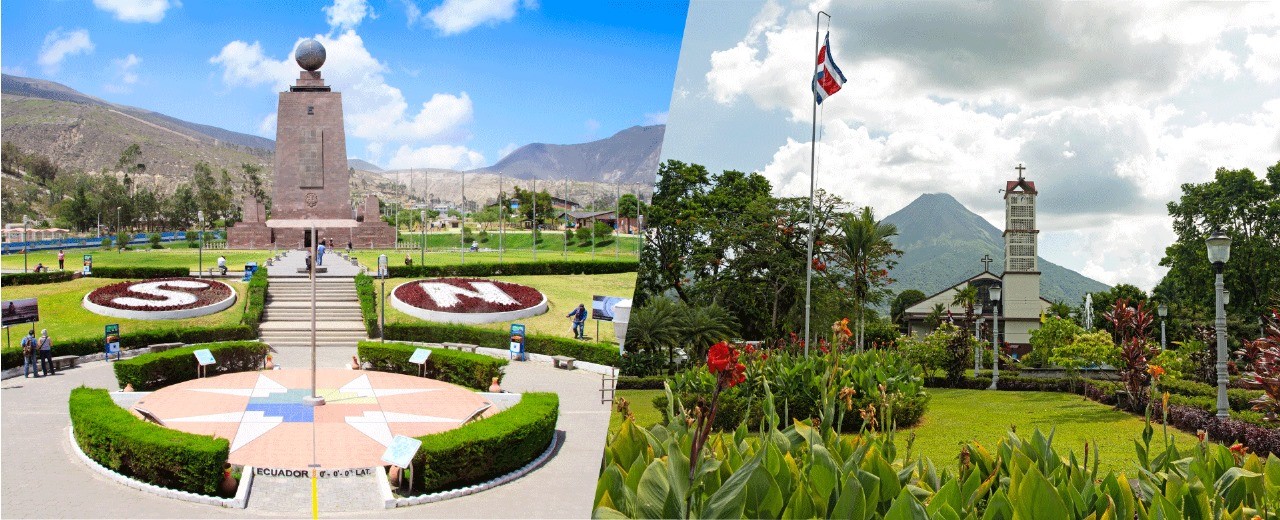
Costa Rica ou Équateur : quelle est la meilleure destination pour une aventure durable ?

16/07/2026
Feria de las Flores de Medellín : guide du festival et de la tradition des « silleteros »

14/07/2026
La « Ruta del Spondylus » en Équateur : le road trip côtier par excellence ?
14/07/2026
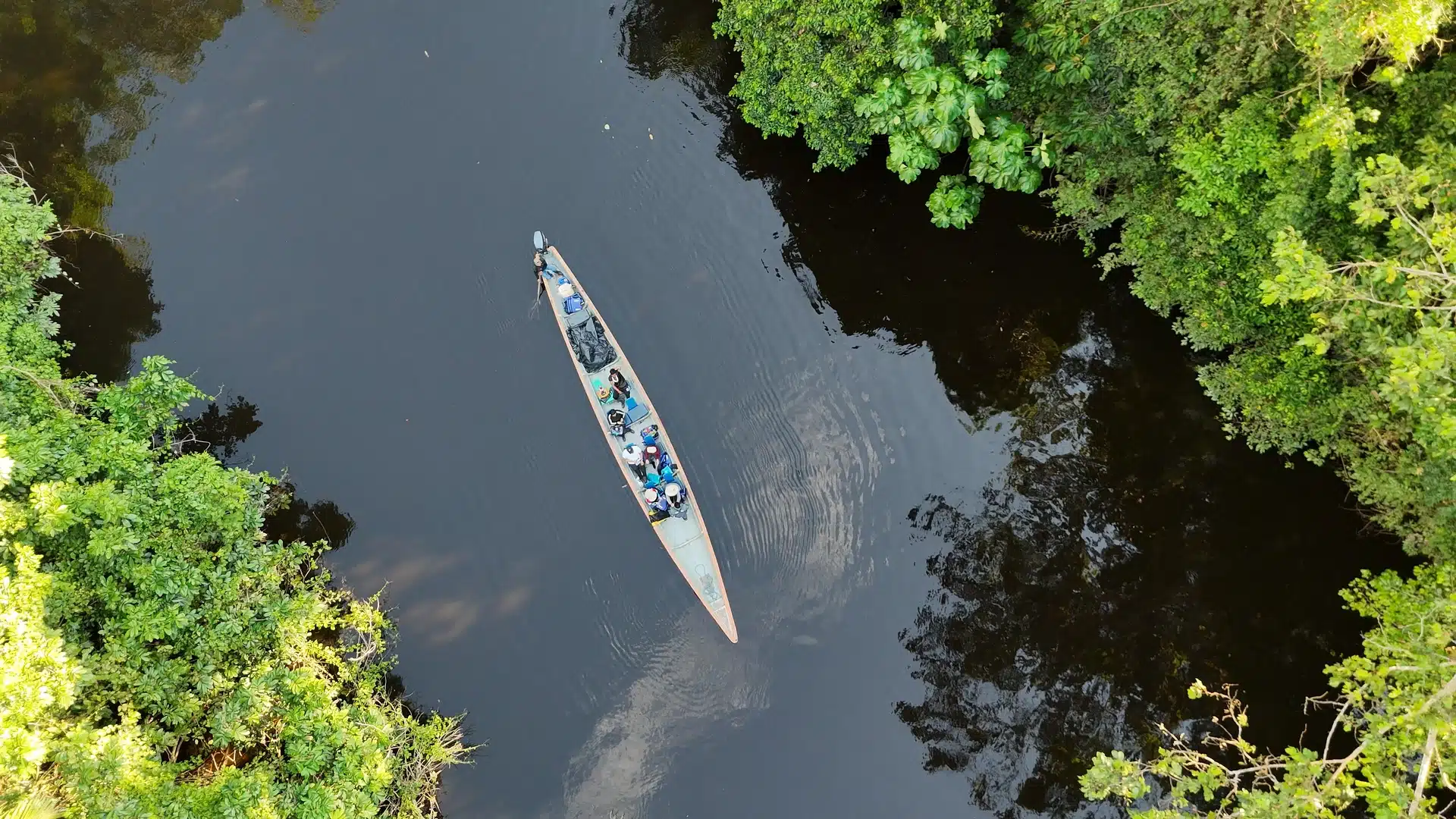
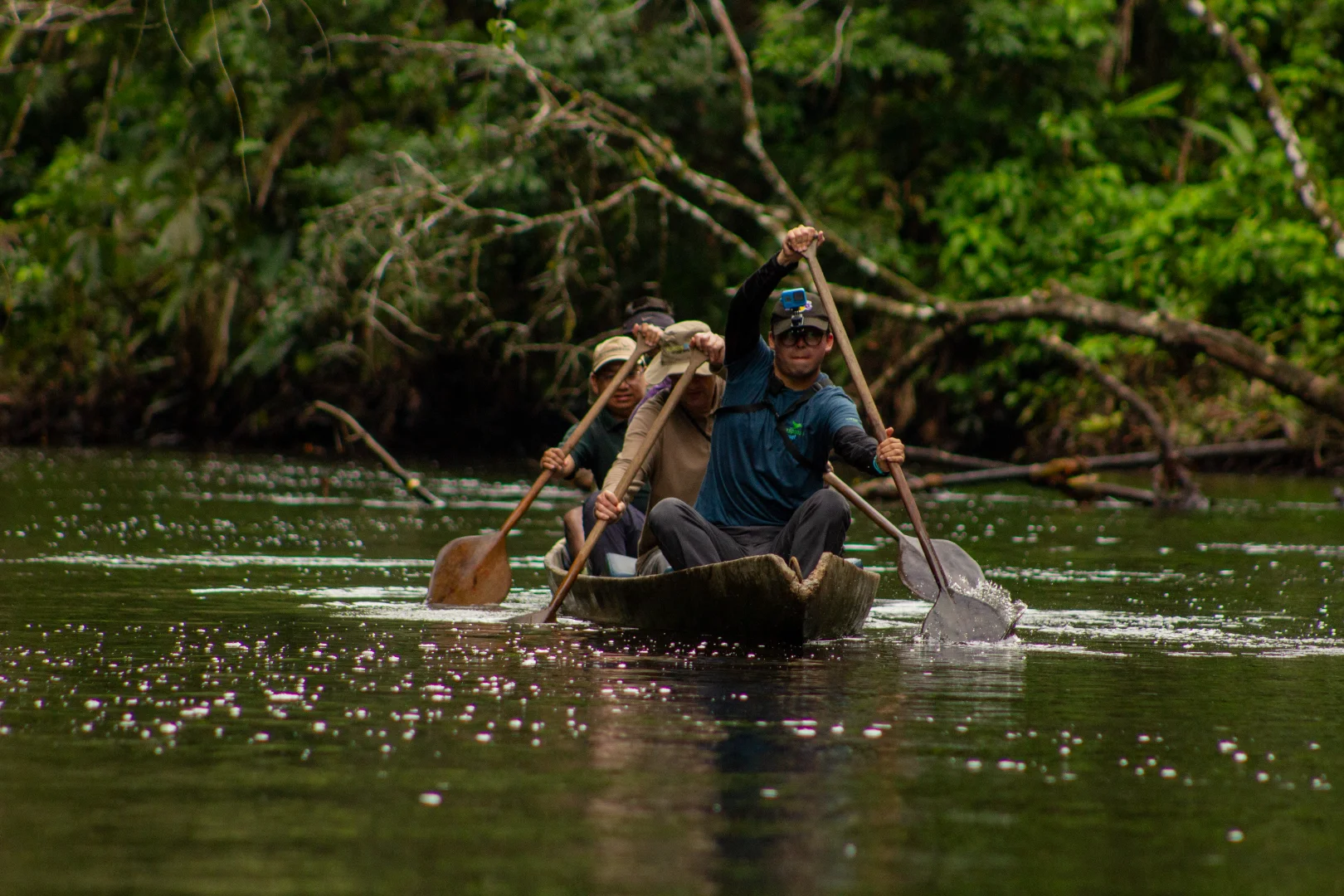
La réserve naturelle de Cuyabeno : une forêt tropicale équatorienne unique, peuplée de « killas »
13/07/2026
Les pirogues traditionnelles d’Amazonie et l’histoire de la Killas
Contenu le plus vu
06/07/2026
Pourquoi devriez-vous partir en voyage le jour de votre anniversaire ?

21/05/2026
Qu'est-ce que le « Día de los Muertos » en Équateur ?
21/05/2026
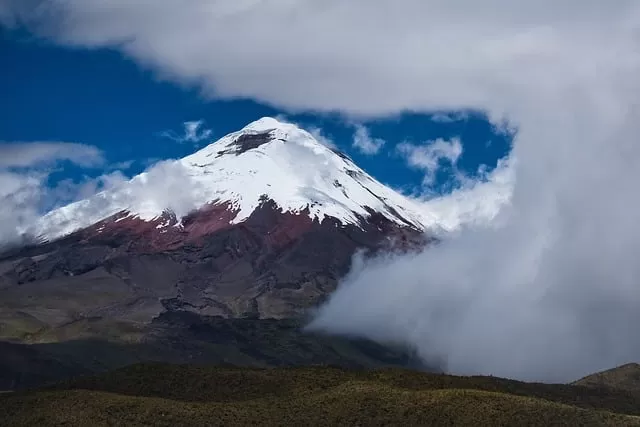
Chimborazo, Équateur, 2023 : la montagne que vous n'oublierez jamais
21/05/2026
Les meilleures destinations touristiques en Équateur pour 2023 et 2024
21/05/2026
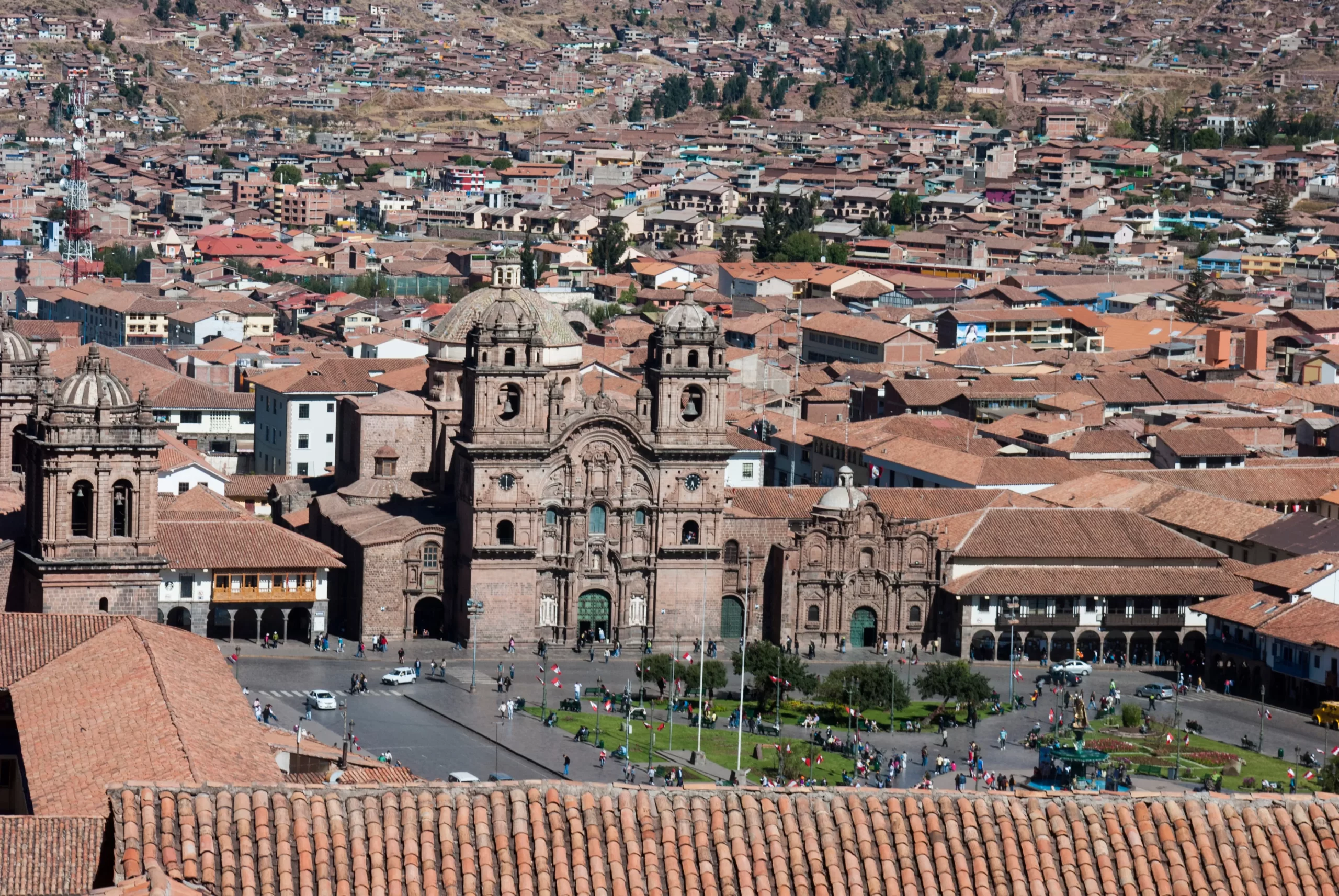
The Best Tourist Places to See in Cusco ?
21/05/2026
4 Reasons why traveling is way more than visiting places

LOCATION
- The lodge lies in the Andean region, about 3 hours from the city of Quito.
- A private reserve is where it is located, adjacent to the El Angel Ecological Reserve.
BIODIVERSITY
Being located in a wilderness area, the lodge offers a different environment that combines nature and culture.
- In the natural aspect, there exists a primary forest that represents the union of the Polylepis and the Frailejones moorland.
- On the other hand, the culture that emerges in this place makes it a center for research and safeguarding of objects, managing to find vestiges of the Pasto culture.
IMPORTANT ASPECTS OF POLYLEPIS LODGE
- Inside the lodge, you can carry out activities like hiking, horseback riding, hiking, bird watching, and research related to the biology of the area as well as that of the Ecological Reserve.
- The lodge stands out in gastronomy by utilizing local products, resulting in a mestizo fusion cuisine that features ingredients such as potatoes, oca, barley, and quinoa, among others.
- Several investigations have been carried out on the culture within the area. The lodge offers the possibility of visiting several museums that enhance this educational scope, including the Archaeological Museum “Pastos” (the largest in the north of the country), the Museum of Biology “Teska-Brito,” and the Living Natural Museum “Reserva Ecológica de El Ángel.”
- Sustainability is an important factor for the lodge. Consequently, the social aspect and education enhance this factor, fostering a new experience for visitors.
In short, the Polylepis lodge offers tranquility and adventure through environmental education based on the natural environment, peace, and comfort.
This project was born to preserve the ecosystem of the Andes through ecotourism and provide a warm experience to the visitor through its hospitality and service. Polylepis lodge focuses on generating environmental responsibility through the connection between education, individuals, and sustainable practices.
LOCATION
- The lodge lies in the Andean region, about 3 hours from the city of Quito.
- A private reserve is where it is located, adjacent to the El Angel Ecological Reserve.
BIODIVERSITY
Being located in a wilderness area, the lodge offers a different environment that combines nature and culture.
- In the natural aspect, there exists a primary forest that represents the union of the Polylepis and the Frailejones moorland.
- On the other hand, the culture that emerges in this place makes it a center for research and safeguarding of objects, managing to find vestiges of the Pasto culture.
IMPORTANT ASPECTS OF POLYLEPIS LODGE
- Inside the lodge, you can carry out activities like hiking, horseback riding, hiking, bird watching, and research related to the biology of the area as well as that of the Ecological Reserve.
- The lodge stands out in gastronomy by utilizing local products, resulting in a mestizo fusion cuisine that features ingredients such as potatoes, oca, barley, and quinoa, among others.
- Several investigations have been carried out on the culture within the area. The lodge offers the possibility of visiting several museums that enhance this educational scope, including the Archaeological Museum “Pastos” (the largest in the north of the country), the Museum of Biology “Teska-Brito,” and the Living Natural Museum “Reserva Ecológica de El Ángel.”
- Sustainability is an important factor for the lodge. Consequently, the social aspect and education enhance this factor, fostering a new experience for visitors.
In short, the Polylepis lodge offers tranquility and adventure through environmental education based on the natural environment, peace, and comfort.
Explorez nos dernières nouvelles
04/08/2026
Huasquila Amazon Lodge : Situation, accès et activités
03/08/2026
Parc national d'Antisana : volcan, faune sauvage et La Mica
29/07/2026
Les chamans en Équateur : un voyage au cœur de la sagesse amazonienne
27/07/2026
À la découverte de la tribu des Waorani : le bouclier de l'Amazonie
24/07/2026
Quelles îles Darwin a-t-il visitées au cours de son expédition ?
24/07/2026
Les grands lacs et lagunes d'Amérique du Sud : des paysages riches en histoire, en culture et en nature
Contenu le mieux noté
24/07/2026
De magnifiques sentiers de randonnée en Équateur, adaptés aux randonneurs de tous niveaux
23/07/2026
Costa Rica ou Équateur : quelle est la meilleure destination pour une aventure durable ?
16/07/2026
Feria de las Flores de Medellín : guide du festival et de la tradition des « silleteros »
14/07/2026
La « Ruta del Spondylus » en Équateur : le road trip côtier par excellence ?
14/07/2026
La réserve naturelle de Cuyabeno : une forêt tropicale équatorienne unique, peuplée de « killas »
13/07/2026
Les pirogues traditionnelles d’Amazonie et l’histoire de la Killas
Contenu le plus vu
06/07/2026
Pourquoi devriez-vous partir en voyage le jour de votre anniversaire ?
21/05/2026
Qu'est-ce que le « Día de los Muertos » en Équateur ?
21/05/2026
Chimborazo, Équateur, 2023 : la montagne que vous n'oublierez jamais
21/05/2026
Les meilleures destinations touristiques en Équateur pour 2023 et 2024
21/05/2026
The Best Tourist Places to See in Cusco ?
21/05/2026
4 Reasons why traveling is way more than visiting places