

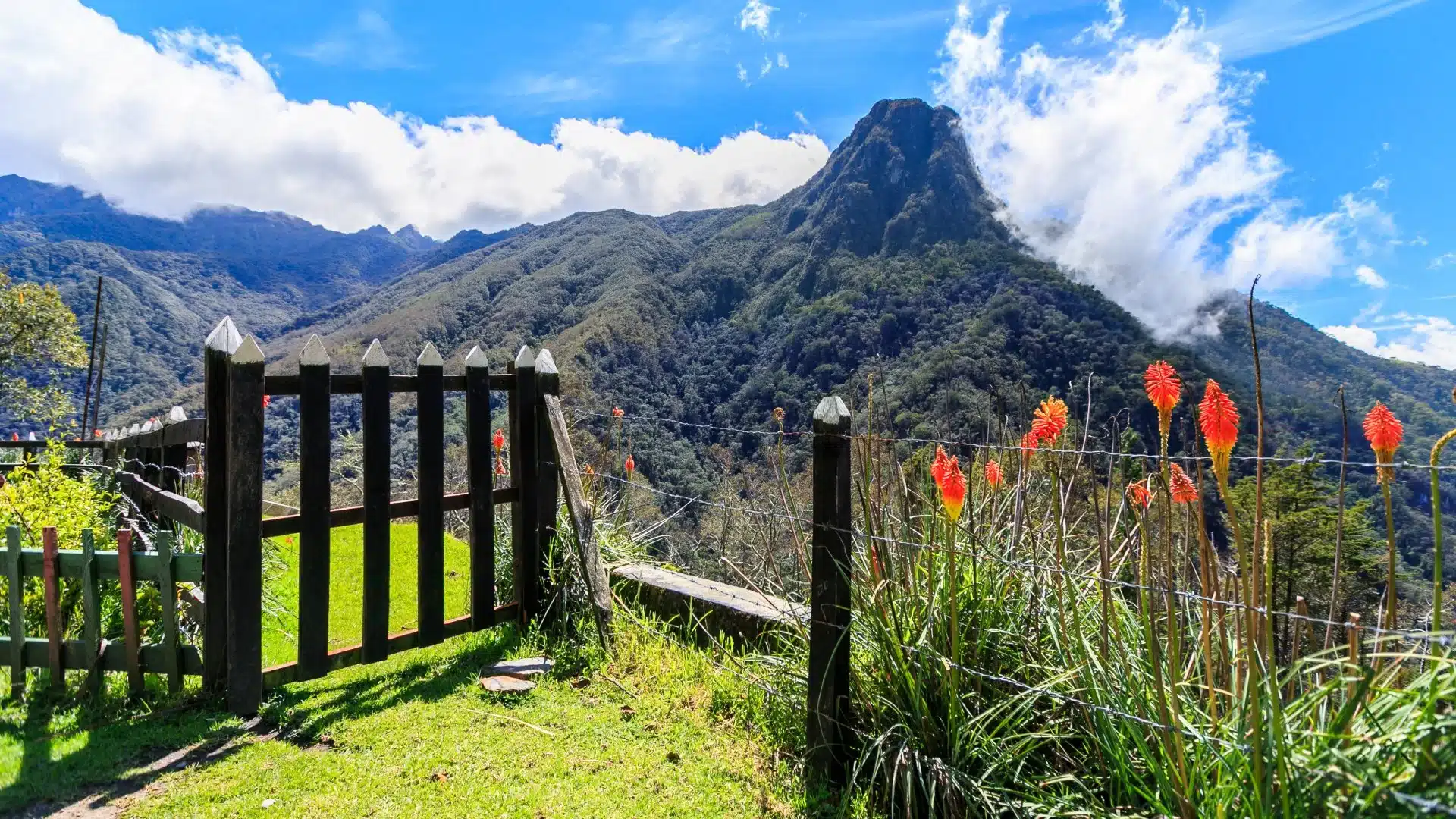
Colombia’s unique location near the equator and its altitude variation, from sea level to over 5,000 meters, give rise to multiple ecosystems in a single trip. One day, you find yourself walking through wax palm forests at 2,000 meters, and the next, you immerse in a dense Amazon rainforest or stand beside a volcano crater.
Explorez nos dernières nouvelles
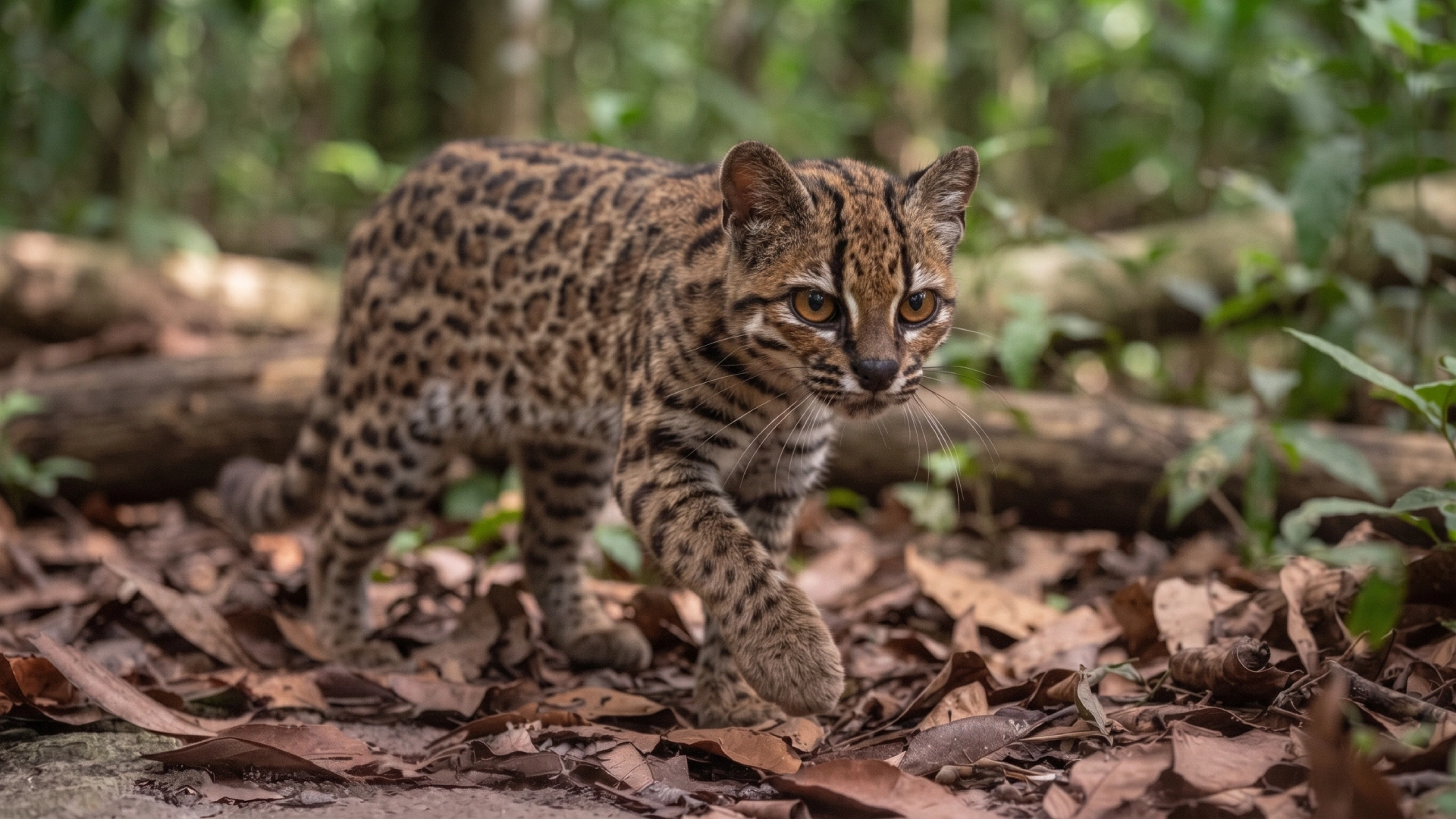
18/09/2026
Cinq animaux fascinants de Bolivie : découvrez le chat Tilcayo et d’autres espèces difficiles à observer

04/08/2026
Huasquila Amazon Lodge : Situation, accès et activités
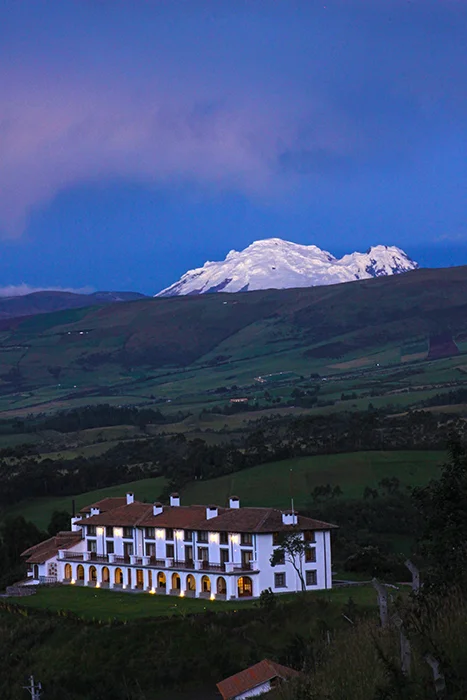
03/08/2026
Parc national d'Antisana : volcan, faune sauvage et La Mica
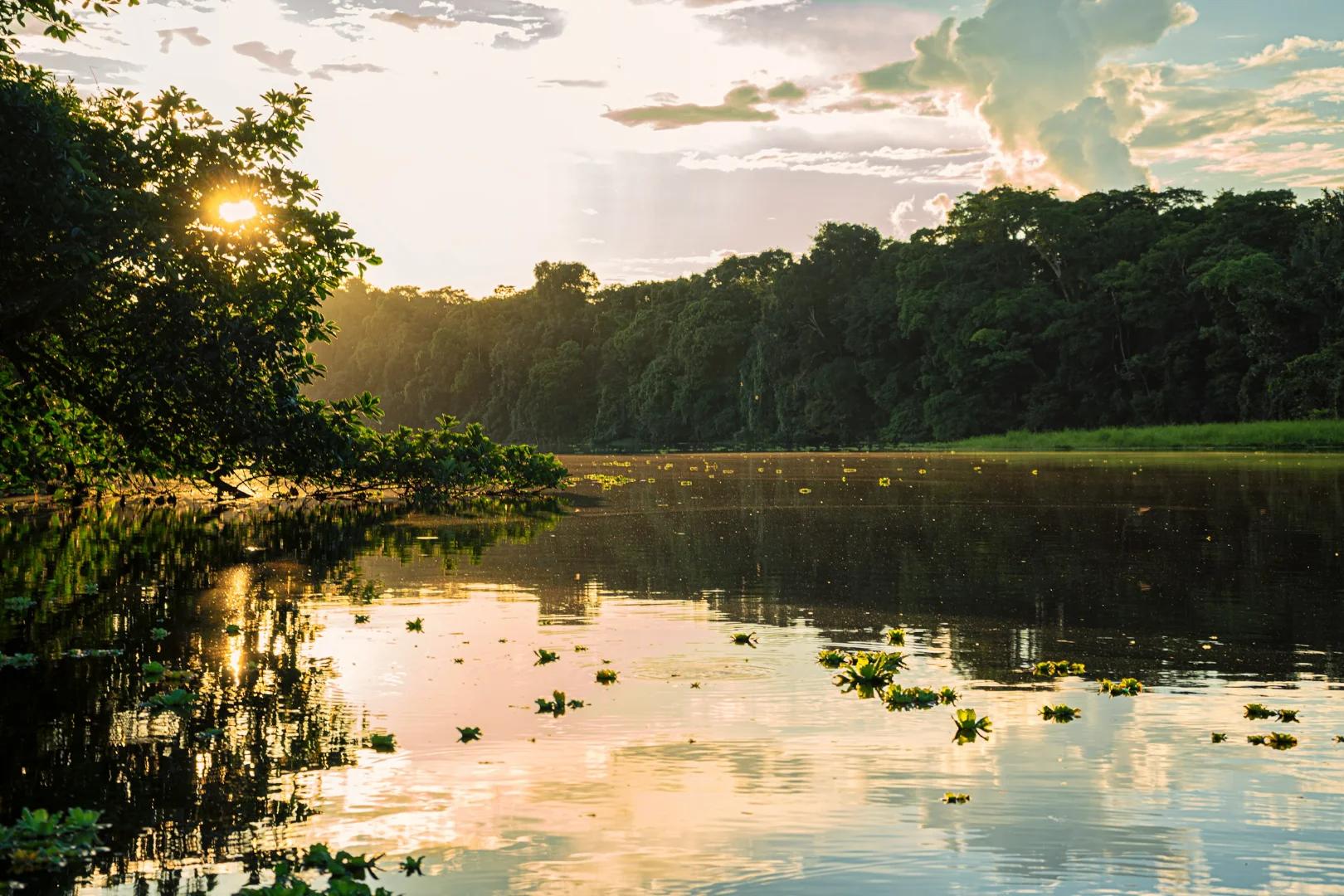
29/07/2026
Les chamans en Équateur : un voyage au cœur de la sagesse amazonienne
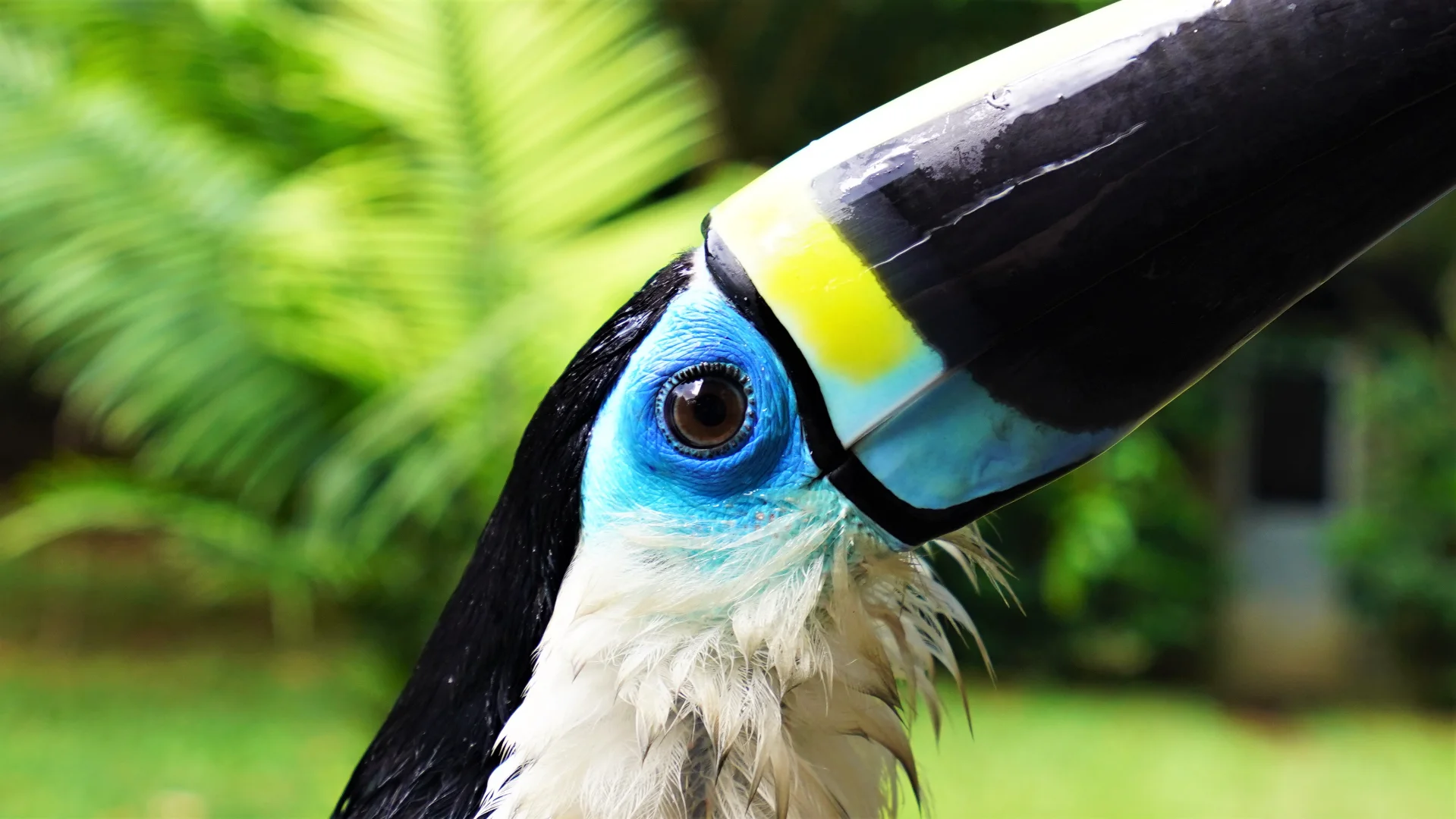
27/07/2026
À la découverte de la tribu des Waorani : le bouclier de l'Amazonie
24/07/2026
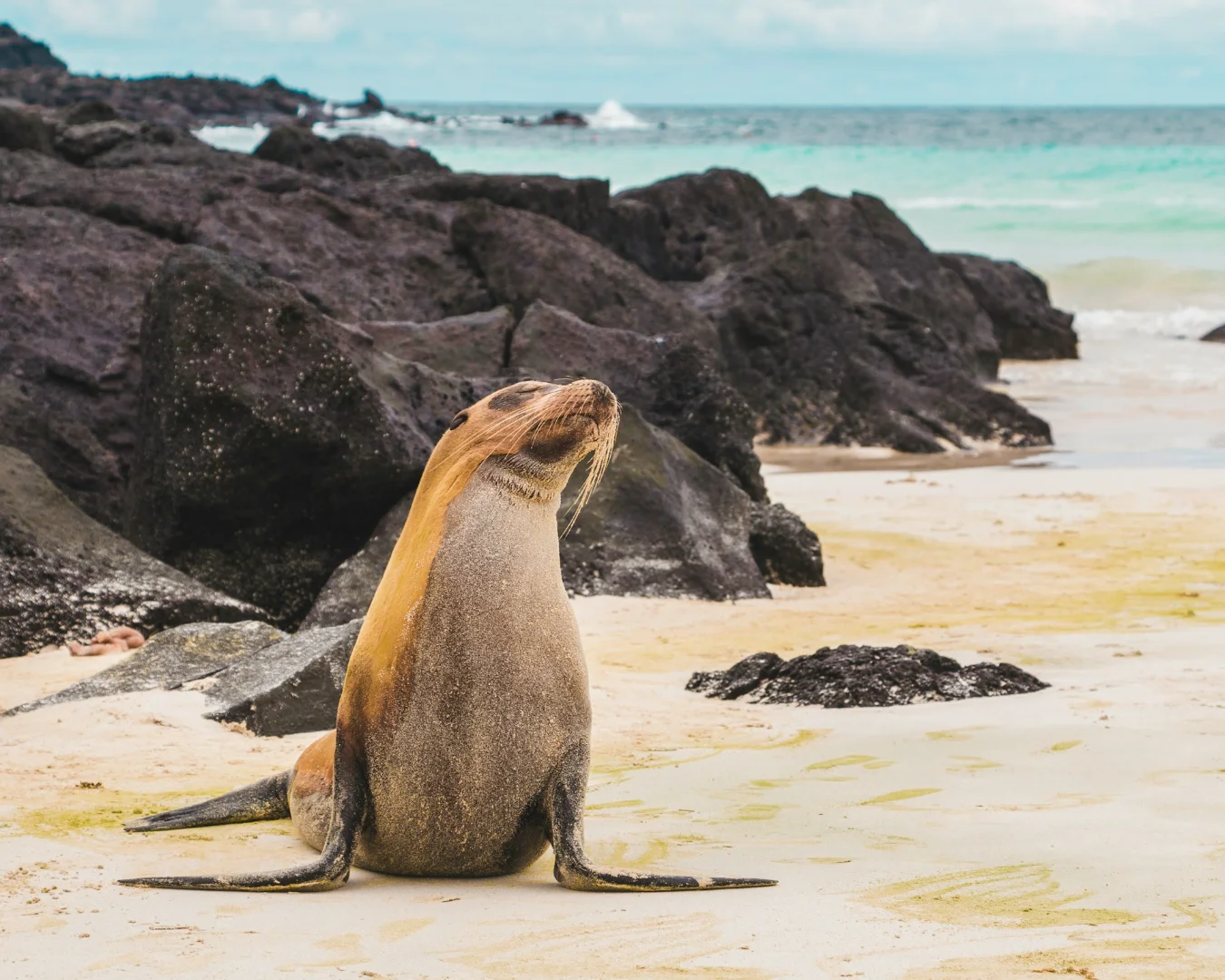
Quelles îles Darwin a-t-il visitées au cours de son expédition ?
Contenu le mieux noté
24/07/2026
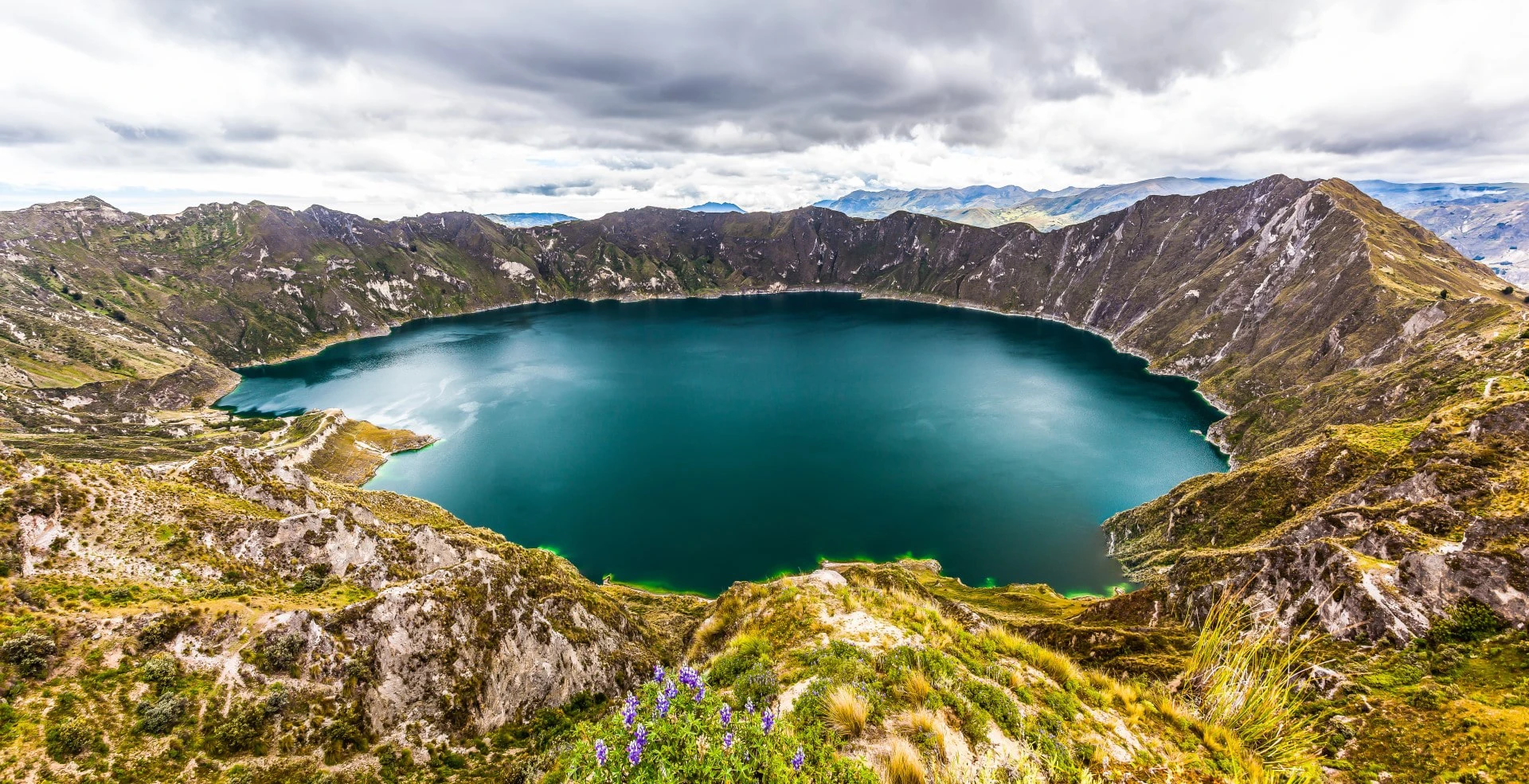
Les grands lacs et lagunes d'Amérique du Sud : des paysages riches en histoire, en culture et en nature
24/07/2026
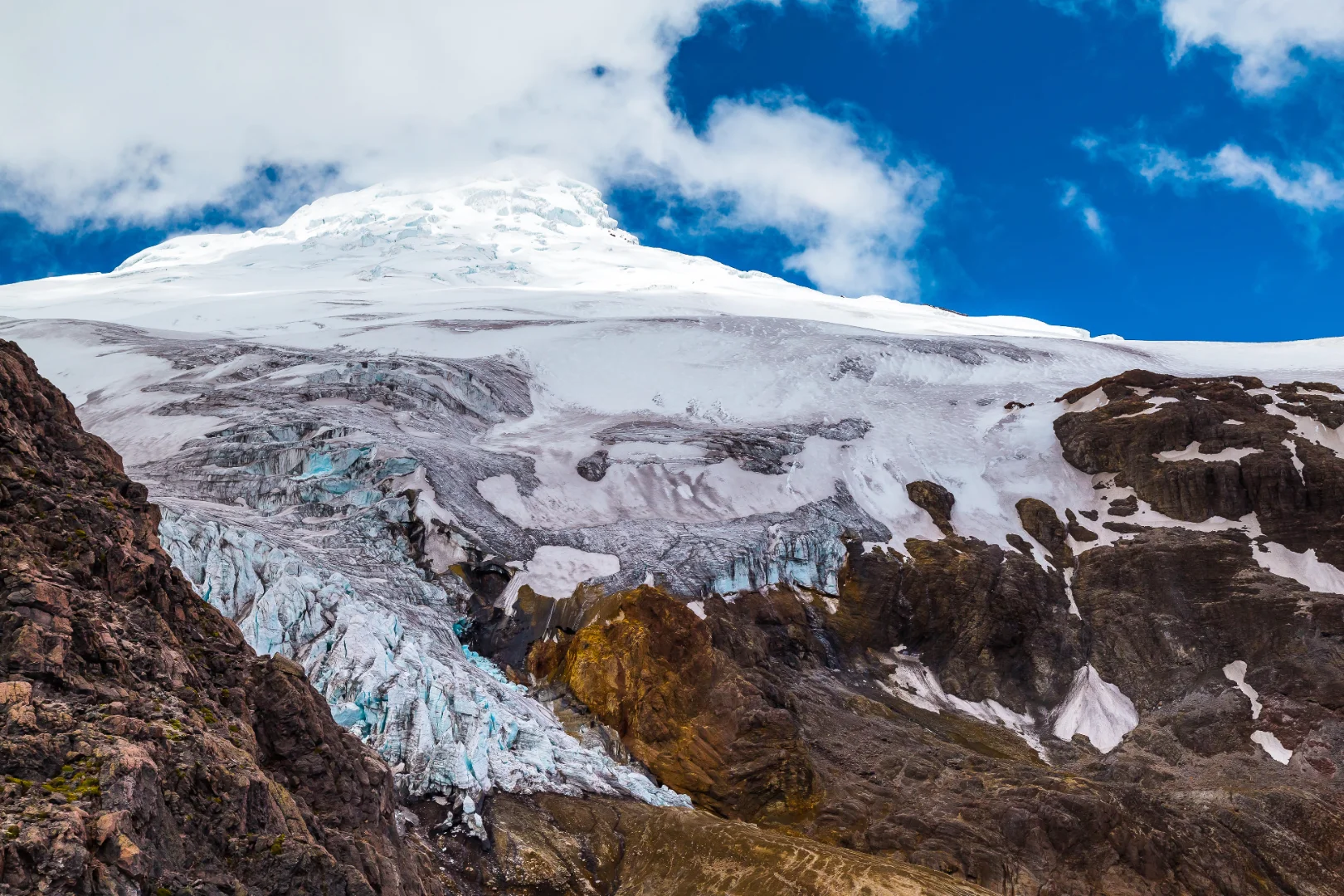
De magnifiques sentiers de randonnée en Équateur, adaptés aux randonneurs de tous niveaux
23/07/2026
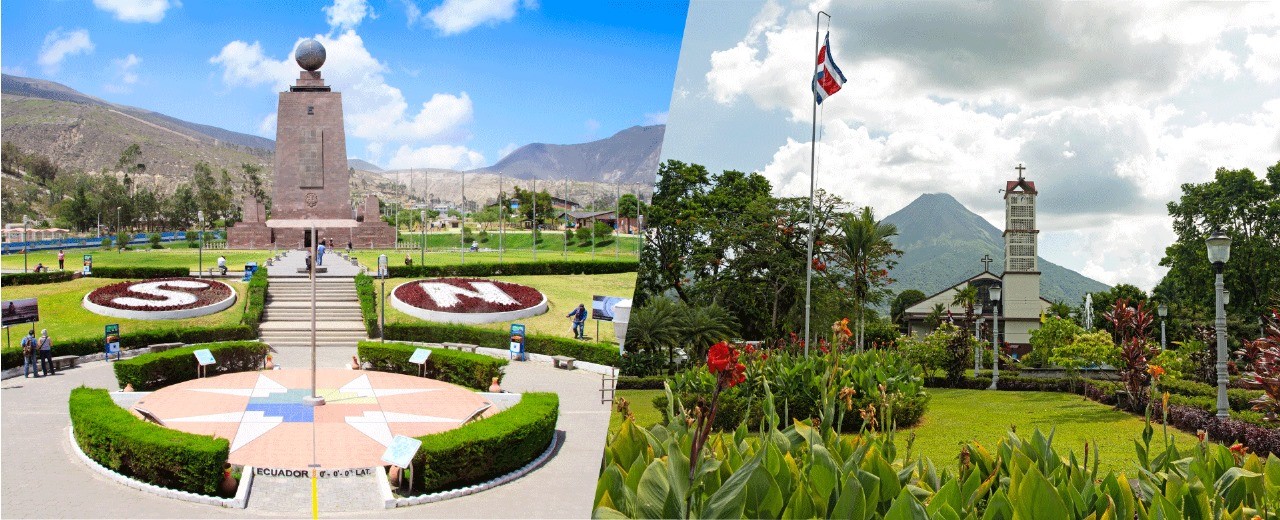
Costa Rica ou Équateur : quelle est la meilleure destination pour une aventure durable ?

16/07/2026
Feria de las Flores de Medellín : guide du festival et de la tradition des « silleteros »

14/07/2026
La « Ruta del Spondylus » en Équateur : le road trip côtier par excellence ?
14/07/2026
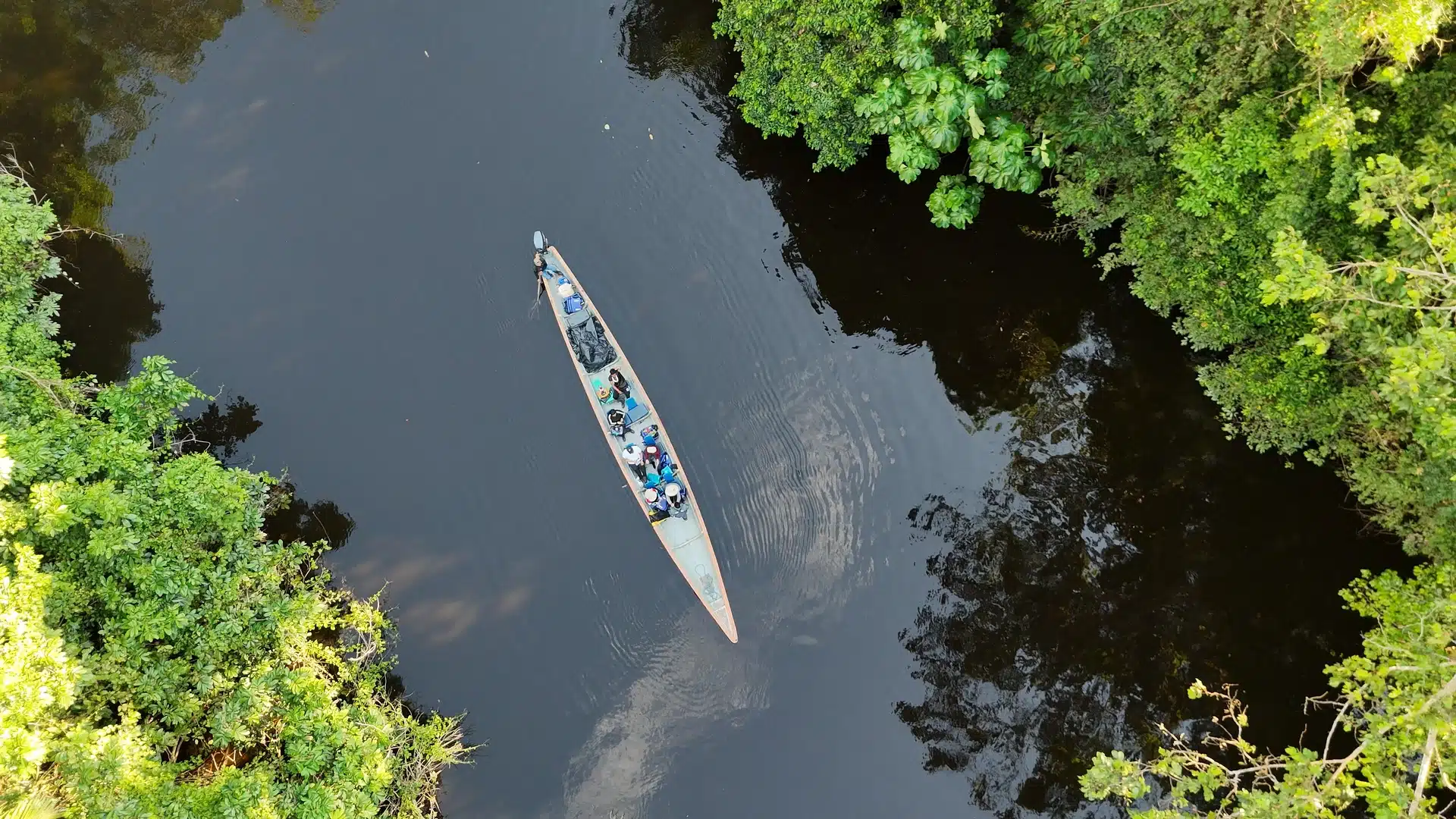
La réserve naturelle de Cuyabeno : une forêt tropicale équatorienne unique, peuplée de « killas »
Contenu le plus vu
13/07/2026
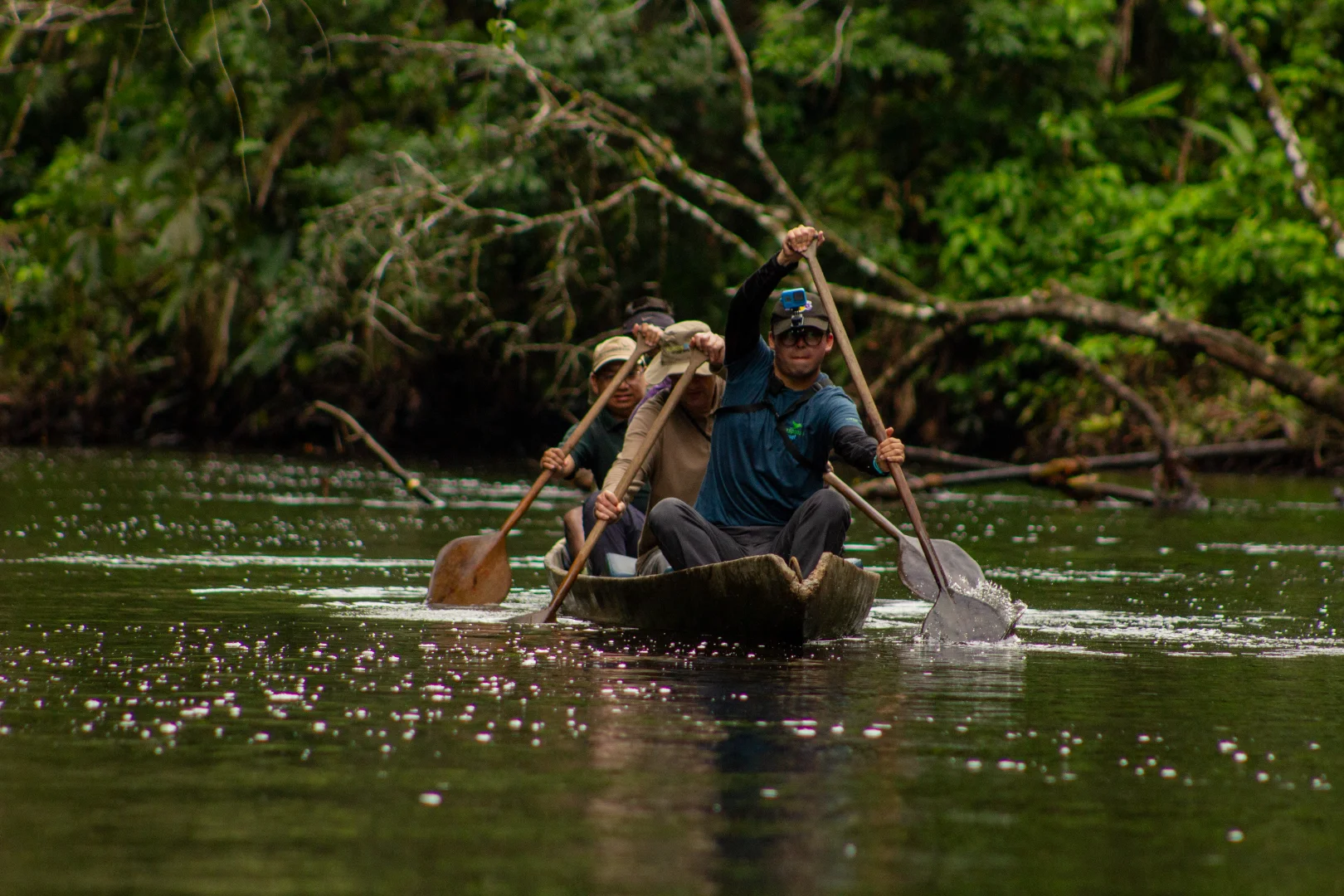
Les pirogues traditionnelles d’Amazonie et l’histoire de la Killas
06/07/2026
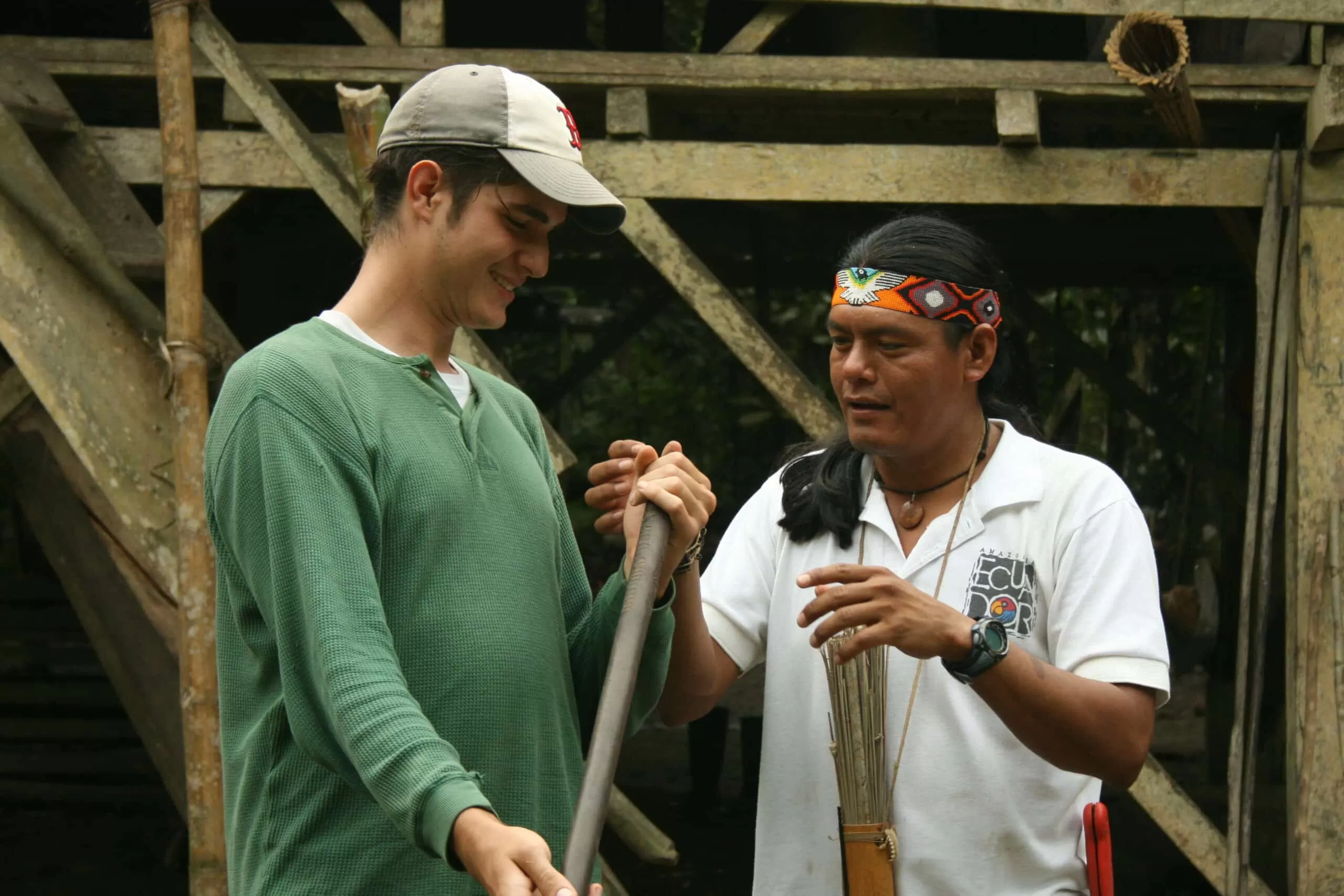
Pourquoi devriez-vous partir en voyage le jour de votre anniversaire ?

21/05/2026
Qu'est-ce que le « Día de los Muertos » en Équateur ?
21/05/2026
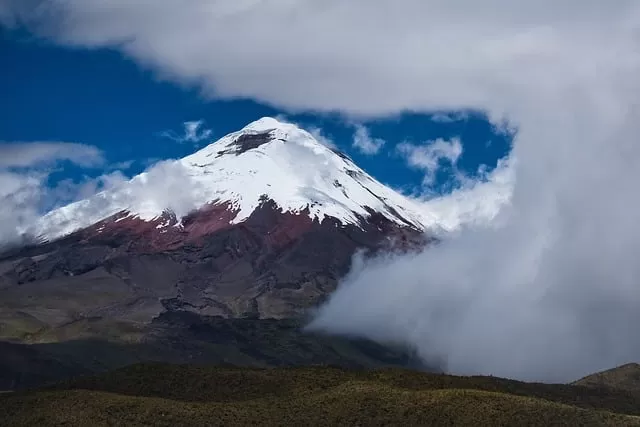
Chimborazo, Équateur, 2023 : la montagne que vous n'oublierez jamais
21/05/2026
Les meilleures destinations touristiques en Équateur pour 2023 et 2024
21/05/2026
The Best Tourist Places to See in Cusco ?
Pourquoi la Colombie est-elle une destination de choix pour la randonnée et la découverte de la nature ?
BY RESPONSIBLE TRAVEL
9 UNMISSABLE NATURE SPOTS IN COLOMBIA
This biodiversity is sustained by:
- More than 60 nationally protected parks
- More than 1,900 species of birds (more than any other country)
- Hundreds of endemic plants
- Ancestral lands preserved by indigenous communities
The trails you walk serve as vibrant pathways through history, tradition, and thriving ecosystems.
1. COCORA VALLEY – THE LAND OF THE WAX PALMS (QUINDÍO)
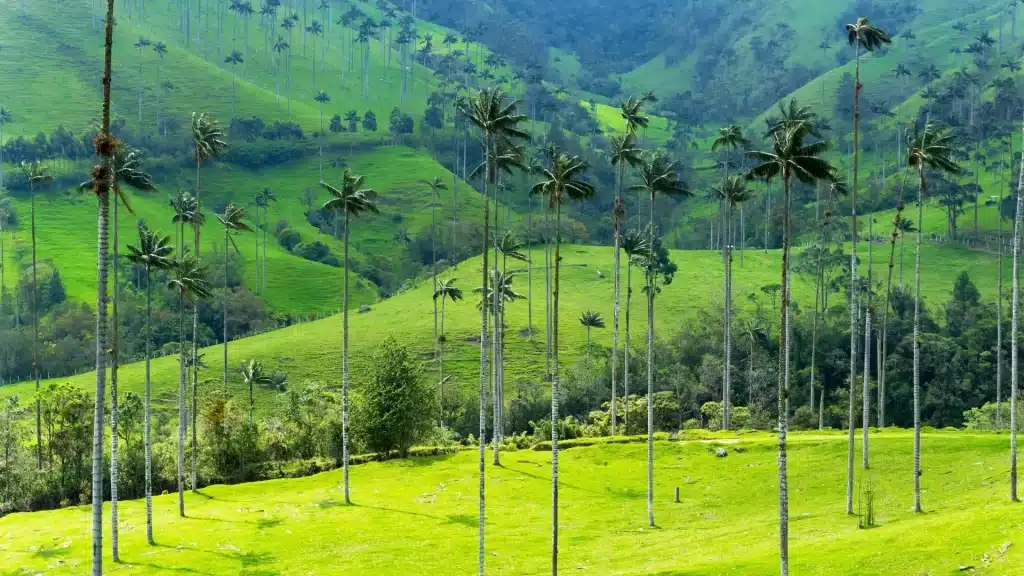
Located in the heart of the Coffee Cultural Landscape, the Cocora Valley is home to the world’s tallest palm trees: the wax palms, Colombia’s national tree. These giants reach heights of 60 meters and rise from a green valley often shrouded in mist.
Hikers can choose between a 5- to 6-hour circular route that crosses wooden bridges, cloud forests, and panoramic viewpoints. Horseback riding is also available for a more relaxed tour. The early morning hours offer the best lighting for photos and the best opportunity to hear the silence of the valley before the day begins.
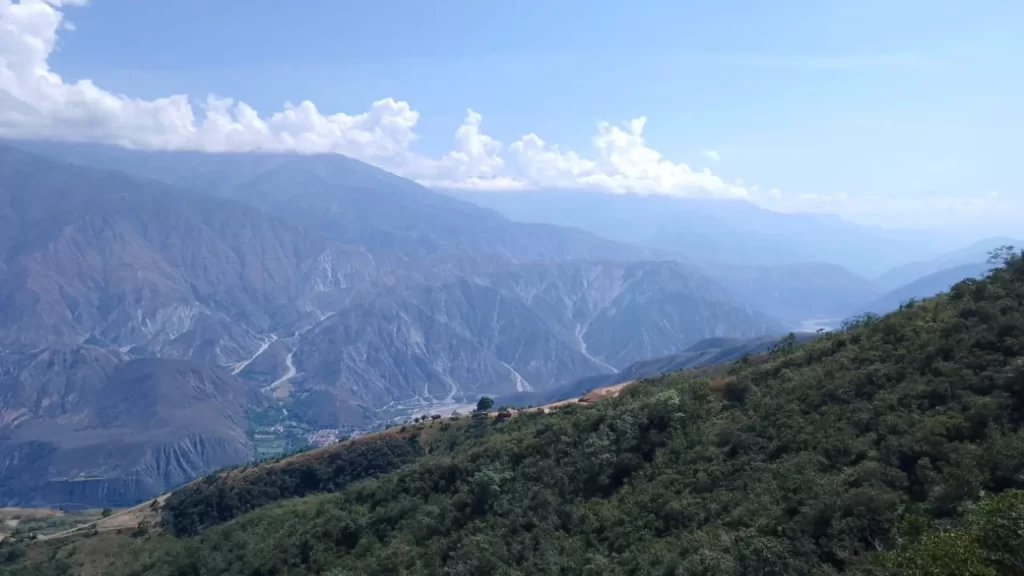
2. CHICAMOCHA CANYON – COLOMBIA’S GRAND CANYON (SANTANDER)
The Chicamocha Canyon is one of the largest in South America, with parts deeper than the Grand Canyon. It is a breathtaking landscape of ridges, cliffs, and golden hues, best explored on foot or by cable car.
One of the most memorable hikes is the Camino Real, a stone trail from colonial times that connects the town of Barichara with Guane. The trail descends into parts of the canyon, offering historical insights and immense views of the canyon walls.
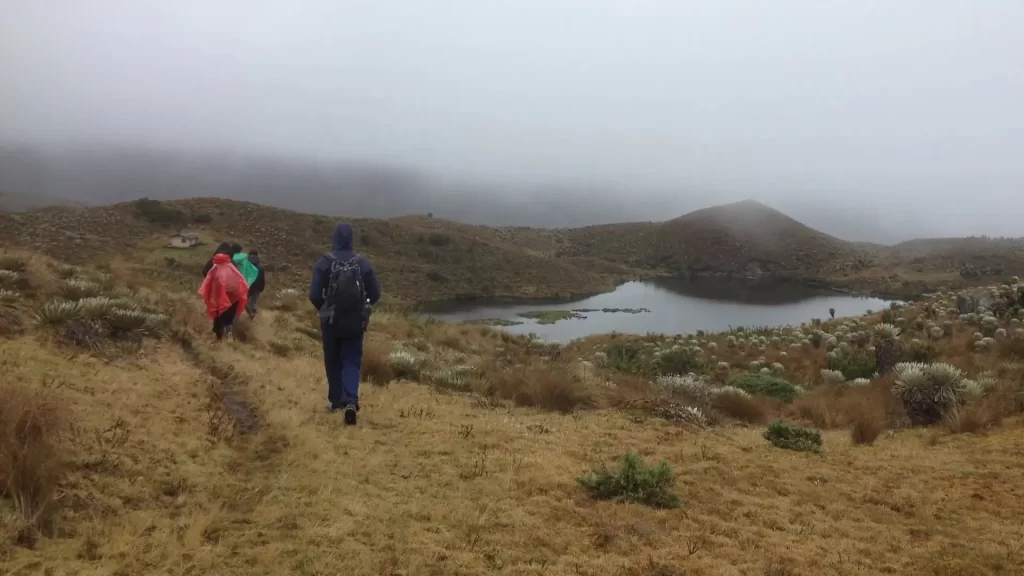
3. PÁRAMO DE OCETÁ – COLOMBIA’S MOST BEAUTIFUL HIGH-ALTITUDE TREK (BOYACÁ)
Known by many as the most beautiful páramo in Colombia, Ocetá is a magical landscape of frailejones, rocky labyrinths, and misty peaks. Located near Monguí, this high-altitude ecosystem stretches between 3,000 and 4,000 meters.
Experience guided hikes that last between 5 and 6 hours, taking you past stunning lagoons, moss-covered rocks, and natural corridors shaped by flowing water. The landscape showcases a rugged yet delicate beauty, reminding visitors of the fragility inherent in high-altitude ecosystems.
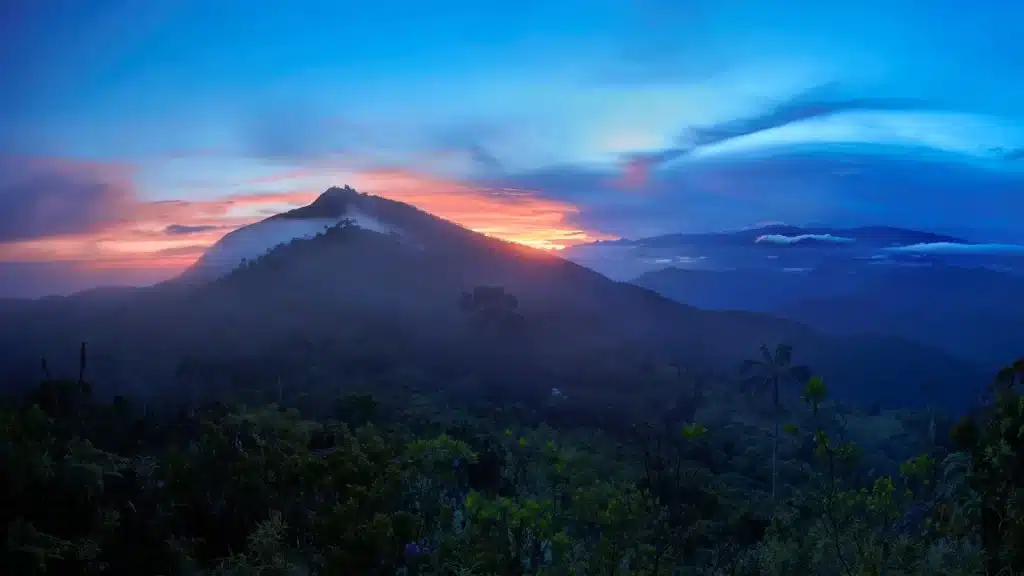
4. THE LOST CITY TREK – JUNGLE, HISTORY AND SACRED SITES (SIERRA NEVADA DE SANTA MARTA)
This multi-day hike (usually between 4 and 5 days) takes hikers through dense jungle to the ancient site of Teyuna, Colombia’s “lost city.” It is believed to be older than Machu Picchu and is a sacred site for the Kogi, Wiwa, Arhuaco, and Kankuamo indigenous communities.
Hikers traverse rivers, ascend thousands of stone steps, and rest in camps nestled deep within the Sierra Nevada. The experience challenges the body, yet it leaves an indelible mark on the spirit.
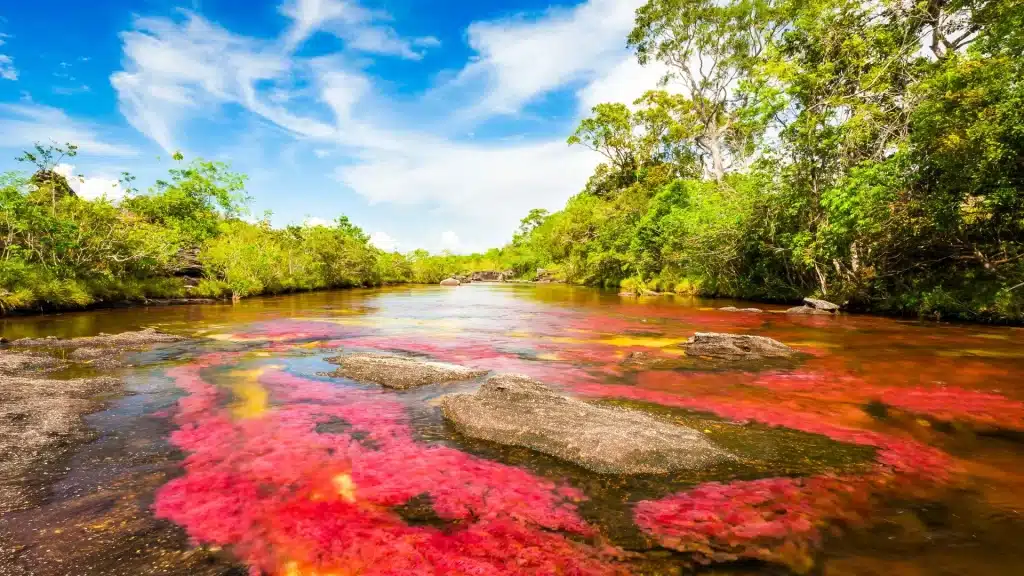
5. CAÑO CRISTALES – THE FIVE-COLOURED RIVER (META)
Known as “the liquid rainbow,” Caño Cristales captivates with its vibrant shades of red, green, yellow, blue, and black. Aquatic plants, specifically Macarenia clavigera, bring vibrant color as they bloom during certain months, typically from June to November.
Experience guided tours spanning 3 to 7 kilometers through the stunning Serranía de la Macarena National Park. Here, waterfalls, unique rock formations, and rare wildlife come together to create a truly surreal adventure.
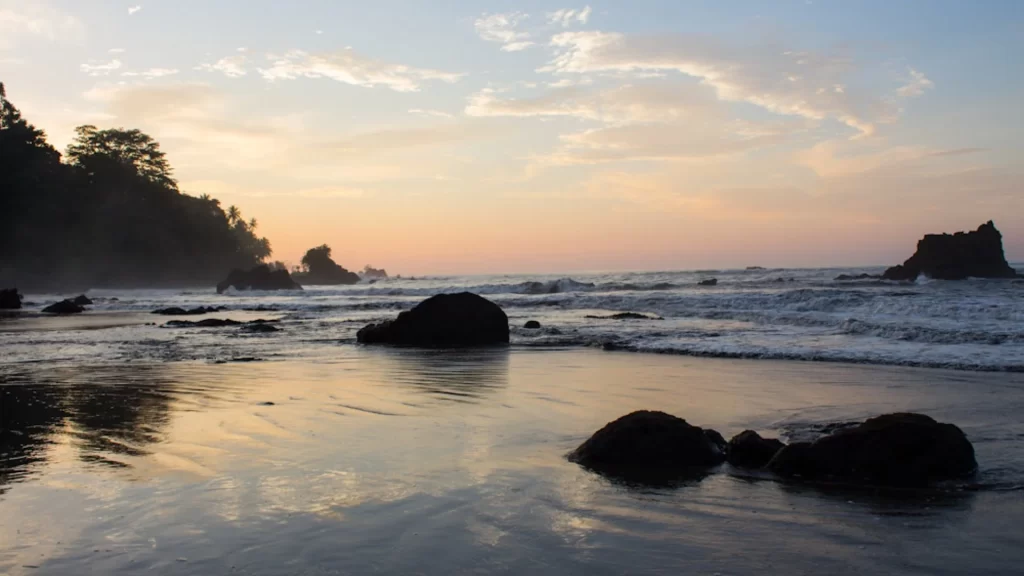
6. PACIFIC JUNGLE TRAILS – RAINFOREST TO OCEAN IN CHOCÓ
In Chocó, Colombia’s Pacific Coast meets one of the planet’s wettest rainforests. Near towns like Nuquí and Bahía Solano, jungle trails lead to hidden waterfalls, hot springs, and beaches that feel truly wild.
Explore the Utría National Natural Park, where day hikes lead you through vibrant primary rainforest, culminating in stunning black-sand beaches or breathtaking coral reefs. This region boasts an abundance of birdlife, frogs and monkeys.
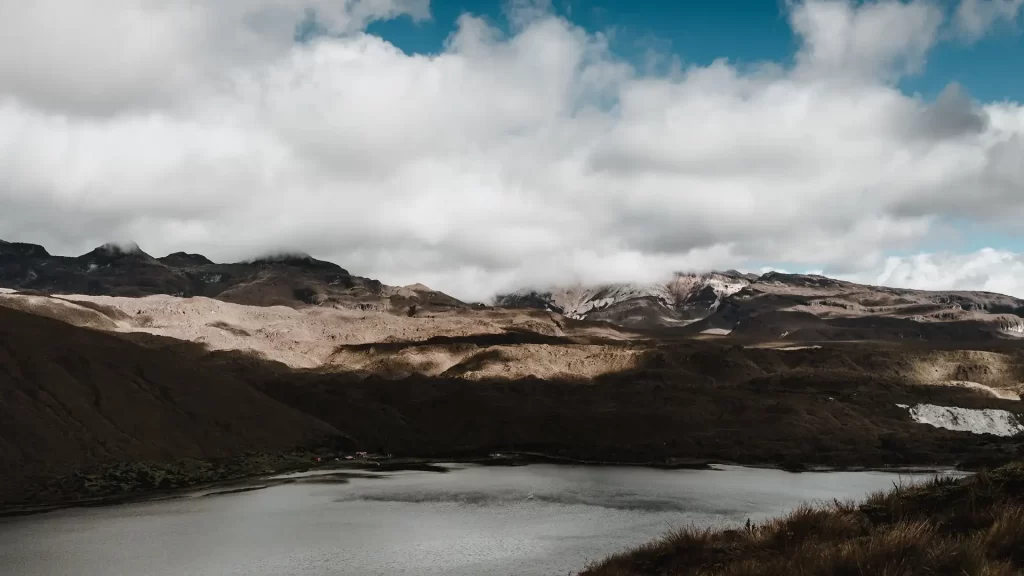
7. LAKE OTÚN & LOS NEVADOS NATIONAL PARK (RISARALDA/CALDAS)
Lake Otún, perched at an altitude of 3,900 meters, draws in Andean condors and showcases stunning snow-covered landscapes amidst volcanic peaks. Los Nevados National Natural Park features stunning volcanoes like Nevado del Ruiz and breathtaking snow-covered fields.
This hiking route offers an ideal blend of refreshing mountain air, vibrant wildlife, and tranquil solitude. The trails present a range of challenges, yet each one promises exhilarating high-altitude adventures and stunning views perfect for photography.
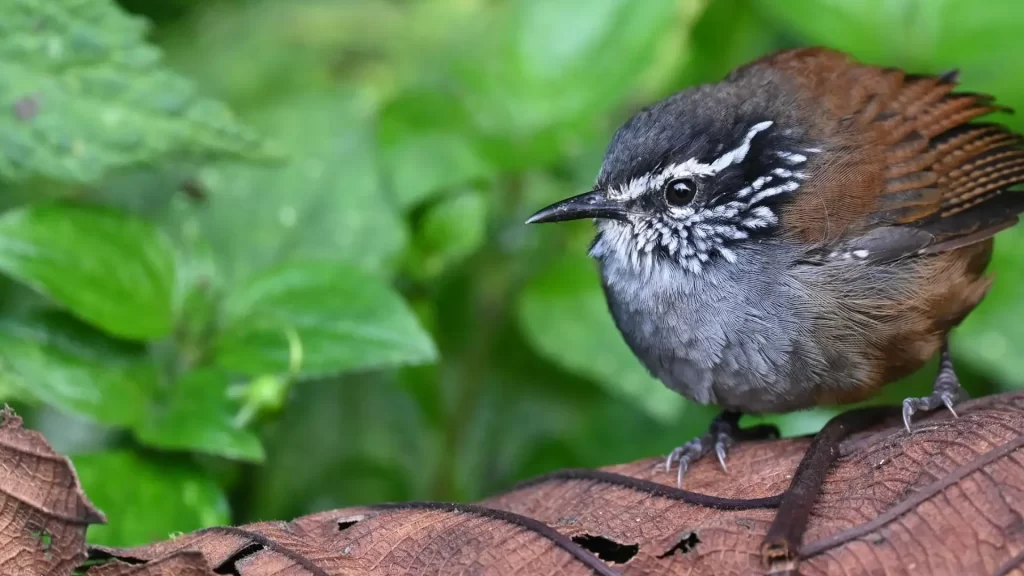
8. MUNCHIQUE PARK – COLOMBIA’S CLOUD FOREST BIRDING HEAVEN (CAUCA)
Munchique is a little-visited gem located in the western Andes. Known for its cloud forests and incredible biodiversity, it is one of the best places for bird watching, as more than 500 species live here.
The hiking trails lead you past waterfalls, through dense misty forests, and to peaceful viewpoints. This experience immerses you in the heart of Colombia.
9. PARQUE ARVÍ – URBAN NATURE MEETS ANDEAN FOREST (MEDELLÍN)
On the outskirts of Medellín, Arví Park offers an easy escape into nature, connected to the city by cable car. With more than 16,000 hectares of forests, trails, and pre-Hispanic paths, it is ideal for families and casual hikers.
You’ll find guided hikes, cultural markets, and environmental education centers. This proves that even large cities can commit to conservation and access to nature.

TIPS FOR HIKING IN COLOMBIA SAFELY AND RESPONSIBLY
Before venturing into Colombia’s wilderness, keep these tips in mind to ensure a rewarding and respectful experience:
- Hire local guides: especially in areas such as Caño Cristales, La Ciudad Perdida, or the páramos, guides will help you get around safely and provide you with essential cultural and environmental information.
- Respect the altitude: high-altitude excursions, such as the Páramo de Ocetá or Los Nevados, require acclimatization. Stay hydrated and rest when necessary.
- Leave no trace: stay on the trails, pick up all trash, and avoid disturbing wildlife.
- Ask about permits: Some areas require permits or are sacred indigenous lands. Always ask for permission and follow community protocols.
Be prepared for the weather: Bring clothing for sun, rain, and temperature changes, even on the same day. Colombia’s climate varies dramatically with altitude.
Our travelers also ask
What’s the best hike in Colombia for beginners?
Parque Arví near Medellín offers easy trails with cultural access. Cocora Valley’s short loop is also beginner-friendly with spectacular views.
Is the Lost City trek safe?
Yes, with certified guides. The route is monitored and managed by local operators in collaboration with Indigenous communities.
Can you hike Cocora Valley on your own?
Absolutely. The trail is well-marked and accessible without a guide, though hiring one adds cultural context and support.
Is Caño Cristales open all year?
No. The colorful plants bloom between June and November. During the dry season, access may be limited to preserve the ecosystem.
What’s a lesser-known destination for hiking in Colombia?
Páramo de Ocetá and Tamá National Park are both stunning and less frequented, ideal for travelers seeking solitude and raw landscapes.
Pourquoi la Colombie est-elle une destination de choix pour la randonnée et la découverte de la nature ?
BY RESPONSIBLE TRAVEL
Colombia’s unique location near the equator and its altitude variation, from sea level to over 5,000 meters, give rise to multiple ecosystems in a single trip. One day, you find yourself walking through wax palm forests at 2,000 meters, and the next, you immerse in a dense Amazon rainforest or stand beside a volcano crater.
9 UNMISSABLE NATURE SPOTS IN COLOMBIA
This biodiversity is sustained by:
- More than 60 nationally protected parks
- More than 1,900 species of birds (more than any other country)
- Hundreds of endemic plants
- Ancestral lands preserved by indigenous communities
The trails you walk serve as vibrant pathways through history, tradition, and thriving ecosystems.
1. COCORA VALLEY – THE LAND OF THE WAX PALMS (QUINDÍO)
Located in the heart of the Coffee Cultural Landscape, the Cocora Valley is home to the world’s tallest palm trees: the wax palms, Colombia’s national tree. These giants reach heights of 60 meters and rise from a green valley often shrouded in mist.
Hikers can choose between a 5- to 6-hour circular route that crosses wooden bridges, cloud forests, and panoramic viewpoints. Horseback riding is also available for a more relaxed tour. The early morning hours offer the best lighting for photos and the best opportunity to hear the silence of the valley before the day begins.
2. CHICAMOCHA CANYON – COLOMBIA’S GRAND CANYON (SANTANDER)
The Chicamocha Canyon is one of the largest in South America, with parts deeper than the Grand Canyon. It is a breathtaking landscape of ridges, cliffs, and golden hues, best explored on foot or by cable car.
One of the most memorable hikes is the Camino Real, a stone trail from colonial times that connects the town of Barichara with Guane. The trail descends into parts of the canyon, offering historical insights and immense views of the canyon walls.
3. PÁRAMO DE OCETÁ – COLOMBIA’S MOST BEAUTIFUL HIGH-ALTITUDE TREK (BOYACÁ)
Known by many as the most beautiful páramo in Colombia, Ocetá is a magical landscape of frailejones, rocky labyrinths, and misty peaks. Located near Monguí, this high-altitude ecosystem stretches between 3,000 and 4,000 meters.
Experience guided hikes that last between 5 and 6 hours, taking you past stunning lagoons, moss-covered rocks, and natural corridors shaped by flowing water. The landscape showcases a rugged yet delicate beauty, reminding visitors of the fragility inherent in high-altitude ecosystems.
4. THE LOST CITY TREK – JUNGLE, HISTORY AND SACRED SITES (SIERRA NEVADA DE SANTA MARTA)
This multi-day hike (usually between 4 and 5 days) takes hikers through dense jungle to the ancient site of Teyuna, Colombia’s “lost city.” It is believed to be older than Machu Picchu and is a sacred site for the Kogi, Wiwa, Arhuaco, and Kankuamo indigenous communities.
Hikers traverse rivers, ascend thousands of stone steps, and rest in camps nestled deep within the Sierra Nevada. The experience challenges the body, yet it leaves an indelible mark on the spirit.
5. CAÑO CRISTALES – THE FIVE-COLOURED RIVER (META)
Known as “the liquid rainbow,” Caño Cristales captivates with its vibrant shades of red, green, yellow, blue, and black. Aquatic plants, specifically Macarenia clavigera, bring vibrant color as they bloom during certain months, typically from June to November.
Experience guided tours spanning 3 to 7 kilometers through the stunning Serranía de la Macarena National Park. Here, waterfalls, unique rock formations, and rare wildlife come together to create a truly surreal adventure.
6. PACIFIC JUNGLE TRAILS – RAINFOREST TO OCEAN IN CHOCÓ
In Chocó, Colombia’s Pacific Coast meets one of the planet’s wettest rainforests. Near towns like Nuquí and Bahía Solano, jungle trails lead to hidden waterfalls, hot springs, and beaches that feel truly wild.
Explore the Utría National Natural Park, where day hikes lead you through vibrant primary rainforest, culminating in stunning black-sand beaches or breathtaking coral reefs. This region boasts an abundance of birdlife, frogs and monkeys.
7. LAKE OTÚN & LOS NEVADOS NATIONAL PARK (RISARALDA/CALDAS)
Lake Otún, perched at an altitude of 3,900 meters, draws in Andean condors and showcases stunning snow-covered landscapes amidst volcanic peaks. Los Nevados National Natural Park features stunning volcanoes like Nevado del Ruiz and breathtaking snow-covered fields.
This hiking route offers an ideal blend of refreshing mountain air, vibrant wildlife, and tranquil solitude. The trails present a range of challenges, yet each one promises exhilarating high-altitude adventures and stunning views perfect for photography.
8. MUNCHIQUE PARK – COLOMBIA’S CLOUD FOREST BIRDING HEAVEN (CAUCA)
Munchique is a little-visited gem located in the western Andes. Known for its cloud forests and incredible biodiversity, it is one of the best places for bird watching, as more than 500 species live here.
The hiking trails lead you past waterfalls, through dense misty forests, and to peaceful viewpoints. This experience immerses you in the heart of Colombia.
9. PARQUE ARVÍ – URBAN NATURE MEETS ANDEAN FOREST (MEDELLÍN)
On the outskirts of Medellín, Arví Park offers an easy escape into nature, connected to the city by cable car. With more than 16,000 hectares of forests, trails, and pre-Hispanic paths, it is ideal for families and casual hikers.
You’ll find guided hikes, cultural markets, and environmental education centers. This proves that even large cities can commit to conservation and access to nature.
TIPS FOR HIKING IN COLOMBIA SAFELY AND RESPONSIBLY
Before venturing into Colombia’s wilderness, keep these tips in mind to ensure a rewarding and respectful experience:
- Hire local guides: especially in areas such as Caño Cristales, La Ciudad Perdida, or the páramos, guides will help you get around safely and provide you with essential cultural and environmental information.
- Respect the altitude: high-altitude excursions, such as the Páramo de Ocetá or Los Nevados, require acclimatization. Stay hydrated and rest when necessary.
- Leave no trace: stay on the trails, pick up all trash, and avoid disturbing wildlife.
- Ask about permits: Some areas require permits or are sacred indigenous lands. Always ask for permission and follow community protocols.
Be prepared for the weather: Bring clothing for sun, rain, and temperature changes, even on the same day. Colombia’s climate varies dramatically with altitude.
Our travelers also ask
What’s the best hike in Colombia for beginners?
Parque Arví near Medellín offers easy trails with cultural access. Cocora Valley’s short loop is also beginner-friendly with spectacular views.
Is the Lost City trek safe?
Yes, with certified guides. The route is monitored and managed by local operators in collaboration with Indigenous communities.
Can you hike Cocora Valley on your own?
Absolutely. The trail is well-marked and accessible without a guide, though hiring one adds cultural context and support.
Is Caño Cristales open all year?
No. The colorful plants bloom between June and November. During the dry season, access may be limited to preserve the ecosystem.
What’s a lesser-known destination for hiking in Colombia?
Páramo de Ocetá and Tamá National Park are both stunning and less frequented, ideal for travelers seeking solitude and raw landscapes.
Explorez nos dernières nouvelles
18/09/2026
Cinq animaux fascinants de Bolivie : découvrez le chat Tilcayo et d’autres espèces difficiles à observer
04/08/2026
Huasquila Amazon Lodge : Situation, accès et activités
03/08/2026
Parc national d'Antisana : volcan, faune sauvage et La Mica
29/07/2026
Les chamans en Équateur : un voyage au cœur de la sagesse amazonienne
27/07/2026
À la découverte de la tribu des Waorani : le bouclier de l'Amazonie
24/07/2026
Quelles îles Darwin a-t-il visitées au cours de son expédition ?
Contenu le mieux noté
24/07/2026
Les grands lacs et lagunes d'Amérique du Sud : des paysages riches en histoire, en culture et en nature
24/07/2026
De magnifiques sentiers de randonnée en Équateur, adaptés aux randonneurs de tous niveaux
23/07/2026
Costa Rica ou Équateur : quelle est la meilleure destination pour une aventure durable ?
16/07/2026
Feria de las Flores de Medellín : guide du festival et de la tradition des « silleteros »
14/07/2026
La « Ruta del Spondylus » en Équateur : le road trip côtier par excellence ?
14/07/2026
La réserve naturelle de Cuyabeno : une forêt tropicale équatorienne unique, peuplée de « killas »
Contenu le plus vu
13/07/2026
Les pirogues traditionnelles d’Amazonie et l’histoire de la Killas
06/07/2026
Pourquoi devriez-vous partir en voyage le jour de votre anniversaire ?
21/05/2026
Qu'est-ce que le « Día de los Muertos » en Équateur ?
21/05/2026
Chimborazo, Équateur, 2023 : la montagne que vous n'oublierez jamais
21/05/2026
Les meilleures destinations touristiques en Équateur pour 2023 et 2024
21/05/2026
The Best Tourist Places to See in Cusco ?