




Lorsque vous arrivez en Équateur et que vous envisagez de vous rendre à laAmazonie équatorienne, vous avez sans doute déjà entendu un mot :« chaman »Terme général d'origine étrangère utilisé pour désigner diverses autorités spirituelles et les détenteurs de savoirs traditionnels. . C'est un bon point de départ. À partir de là, nous pouvons découvrir les personnes qui transmettent les savoirs liés à la santé, aux plantes, aux rêves et à la vie communautaire.
« Chaman » est un terme générique utilisé dans les domaines du tourisme et de la recherche universitaire. Les peuples d’Amazonie utilisent leurs propres noms. Chez les Kichwa, les termesyachakUn détenteur du savoir traditionnel kichwa, possédant des connaissances dans les domaines de la médecine, de la spiritualité et de la vie communautaire. ou « yachaj » sont utilisés ; chez les Shuar,uwishinUn spécialiste traditionnel shuar spécialisé dans les domaines de la santé, de la mémoire collective et du savoir spirituel. ; chez les Siona et les Secoya,curacaUne autorité spirituelle que l'on retrouve chez des peuples tels que les Siona et les Secoya. ; et chez les Cofán,coragaNom donné par les Cofán à une figure associée au savoir spirituel et botanique. . Chaque terme appartient à une langue et à une manière particulière de reconnaître ceux qui ont acquis ce savoir.
Pour bien comprendre les chamans en Équateur, il faut prendre en compte le peuple auquel ils appartiennent, la formation qu’ils ont reçue et le rôle qu’ils jouent au sein de leur communauté.
Les détenteurs de savoirs traditionnels peuvent répondre à des préoccupations sanitaires, accompagner les familles, préserver les connaissances sur les plantes ou participer à la vie collective. Leurs responsabilités dépendent de la formation qu’ils ont reçue et de la confiance que leur accorde leur communauté.
Dans les communautés kichwa, le yachak est reconnu pour ses connaissances médicales, spirituelles et communautaires. Un yachak peut traiter des problèmes de santé, accompagner les familles et participer aux décisions collectives.
Il existe différents domaines de spécialisation. Certains yachaks interviennent dans le domaine de la grossesse et de la petite enfance ; d’autres connaissent les plantes utilisées pour soigner des maladies physiques ou pour des traitements liés aux os et aux articulations. Il existe également des spécialistes des pratiques liées à la sphère spirituelle.
Leur autorité se forge par l'apprentissage, la pratique et le service. La communauté reconnaît lorsqu'une personne est prête à mettre en œuvre et à transmettre ce savoir.
Chez les Shuar, ce personnage est appelé « uwishin ». Son rôle est lié à la santé, à la mémoire collective et au savoir spirituel. Dans certaines situations, un uwishin peut également intervenir dans les questions d'organisation communautaire.
Une personne qui souhaite suivre une formation pour devenir uwishin doit trouver un maître reconnu. Ce parcours implique de la discipline, de la pratique et une préparation personnelle. Le maître accompagne l'apprenti pendant une longue période et lui transmet les responsabilités liées à ce rôle.
Un uwishin peut devenir une source fiable de conseils en matière de santé et de vie collective. La formation peut se poursuivre grâce à des échanges avec d’autres maîtres et à de nouvelles étapes de préparation.
Parmi lesSionaetSecoya, le terme « curaca » désigne une autorité spirituelle possédant des connaissances sur les plantes, les cérémonies et la vie communautaire.
Chez les Siona, cette fonction est associée à la santé, à la chasse, à la pêche, aux événements marquants du cycle de vie et à la sécurité de la population. La formation peut également porter sur la connaissance deyajéUne préparation utilisée dans certaines pratiques rituelles chez des peuples tels que les Siona et les Secoya. , utilisés dans le cadre des pratiques rituelles propres à cette tradition.
Les échanges culturels peuvent porter sur les plantes, les récits et les activités quotidiennes. Les pratiques cérémonielles privées restent du ressort de leurs participants.
Parmi lesLe peuple Cofán, également connus sous le nom d’A’i, on utilise le terme « coraga ». Ce rôle est associé à la connaissance spirituelle, aux plantes et à la relation avec l’environnement naturel.
Le coraga participe à des pratiques liées au bien-être et à l’ interprétation des savoirs transmis de génération en génération. Ce rôle s’inscrit dans le cadre de la langue, de l’histoire et de l’organisation sociale du peuple Cofán.
La reconnaissance en tant que yachak, uwishin, curaca ou coraga s'acquiert au fil des années d'entraînement et de service. L'apprentissage peut débuter au sein de la famille et se poursuivre auprès d'un maître qui transmet des connaissances plus spécialisées.
La communauté sait reconnaître ceux qui sont prêts à guider, à prendre soin des autres ou à transmettre ce savoir.
L'apprentissage se fait au sein de la famille, auprès de maîtres reconnus, par l'observation et la pratique. Il peut débuter dès l'enfance et se poursuivre pendant de nombreuses années.
La formation peut porter sur les plantes, les soins de santé, l'interprétation des rêves, les activités liées à la forêt tropicale et les pratiques cérémonielles. Son contenu dépend des participants, de la spécialisation et de la personne chargée de l'enseigner.
La famille est souvent le premier lieu d'apprentissage. Les enfants accompagnent leurs aînés et observent comment les plantes sont préparées, comment les activités sont organisées et comment les conseils sont transmis.
Chez les Kichwa, plusieurs sources décrivent la transmission du savoir des parents aux enfants. Les grands-parents et les aînés participent également à l'interprétation des rêves et à l'accompagnement des jeunes générations.
L'âge auquel commence l'apprentissage varie selon les familles et les communautés, même si certaines sources situent les premiers apprentissages à un âge très précoce.
Les connaissances spécialisées s'acquièrent auprès d'un maître. Ce dernier accompagne, corrige et détermine à quel moment l'apprenti est prêt à assumer de nouvelles responsabilités.
Dans le cas du yachak, le maître transmet des connaissances médicinales et rituelles. Dans la tradition shuar, un maître uwishin accompagne l’initié tout au long de son initiation et de sa préparation.
La formation peut inclure la discipline personnelle, des restrictions alimentaires, le travail avec les plantes et l'enseignement oral. Sa durée dépend de la tradition et du domaine de spécialisation.
Certaines pratiques peuvent être partagées avec les visiteurs. Les processus d'initiation et les cérémonies privées restent réservés à la communauté.

En Amazonie, les plantes sont utilisées dans l'alimentation, les soins quotidiens et certaines pratiques cérémonielles. Leur préparation et leur signification dépendent du contexte dans lequel elles sont utilisées.
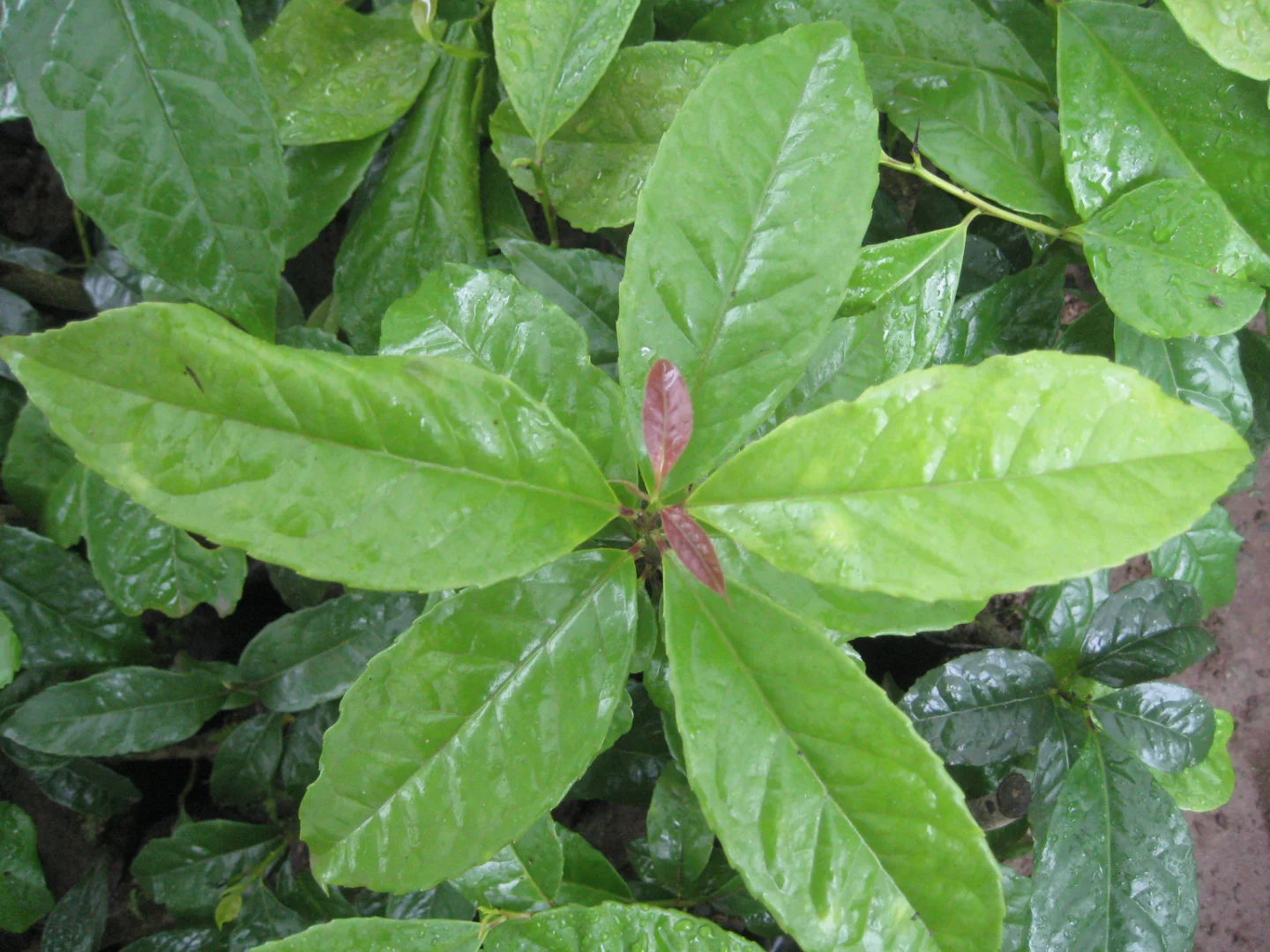
WayusaUne plante d'Amazonie utilisée pour préparer une infusion énergisante. est utilisé pour préparer une infusion énergisante. Dans plusieurs communautés kichwas, on le consomme avant l'aube, avant d'entamer les activités de la journée.
Les feuilles sont mises à bouillir dans de grandes marmites et la boisson est servie danspilchesRécipients traditionnels fabriqués à partir de la coque séchée d'une courge. . À cette occasion, les participants échangent des conseils, racontent des anecdotes et discutent de leurs rêves.
Sa préparation marque le début de la journée. Au sein de la communauté Añangu Kichwa, elle fait également partie d'une expérience culturelle ouverte aux visiteurs.
Le tabac, le piment et l'ortie apparaissent dans certainspratiques d'hygièneUne pratique guidée liée à la préparation, à la force ou à la purification dans des contextes culturels spécifiques. et les cérémonies. Leur utilisation dépend du contexte culturel et des indications données par la personne qui anime l'activité.
Lors de certaines cérémonies kichwa, on peut appliquer du piment sur les yeux, du tabac dans le nez et de l'ortie sur le corps. Ces gestes sont associés à des notions de force, de préparation ou de purification.
La participation des visiteurs doit être volontaire et se faire dans le respect des consignes données par les hôtes. Ces pratiques s’inscrivent dans des contextes spécifiques et ne reflètent pas le travail de tous les détenteurs de savoirs amazoniens.
La connaissance botanique consiste notamment à savoir où pousse une espèce, à quel moment elle peut être récoltée et quelle partie est utilisée. Les feuilles, l'écorce, les racines et les résines nécessitent des modes de préparation différents.
Une personne expérimentée apprend aux autres à identifier la bonne plante, à éviter de l'abîmer lors de la cueillette et à utiliser la quantité nécessaire pour chaque préparation.
Certaines visites comprennent des promenades botaniques et des explications sur les usages traditionnels. Les rituels impliquant des espèces psychoactives et certaines formes de savoirs thérapeutiques restent réservés à un public restreint.
Ce savoir consiste également à protéger les lieux où poussent les plantes et à leur permettre de se régénérer.
Wayusa UpinaUne pratique matinale kichwa consistant à partager du wayusa avant le début de la journée. Il s'agit d'une pratique matinale de la communauté Añangu Kichwa. Elle rassemble les participants avant le début des activités de la journée et allie la préparation de la boisson à des conversations, des récits et les conseils des aînés.
Le rassemblement commence avant l'aube, vers 3 h ou 4 h 30 du matin. Le wayusa est préparé dans de grandes marmites posées sur le feu, puis servi dans des pilches.
Cette boisson aide les participants à rester actifs et les accompagne dans leur préparation au travail au sein de lachakraUne zone de culture familiale exploitée par les communautés amazoniennes. et d'autres tâches quotidiennes.
Lors du Wayusa Upina, les aînés racontent des histoires, interprètent les rêves et donnent des conseils aux plus jeunes. Les mères et les pères participent également à ces conversations.
LerukullayayasLes grands-parents ou les aînés qui donnent des conseils et peuvent participer à l' interprétation des rêves. peut aider à interpréter les rêves et à les relier à des décisions ou des expériences récentes.

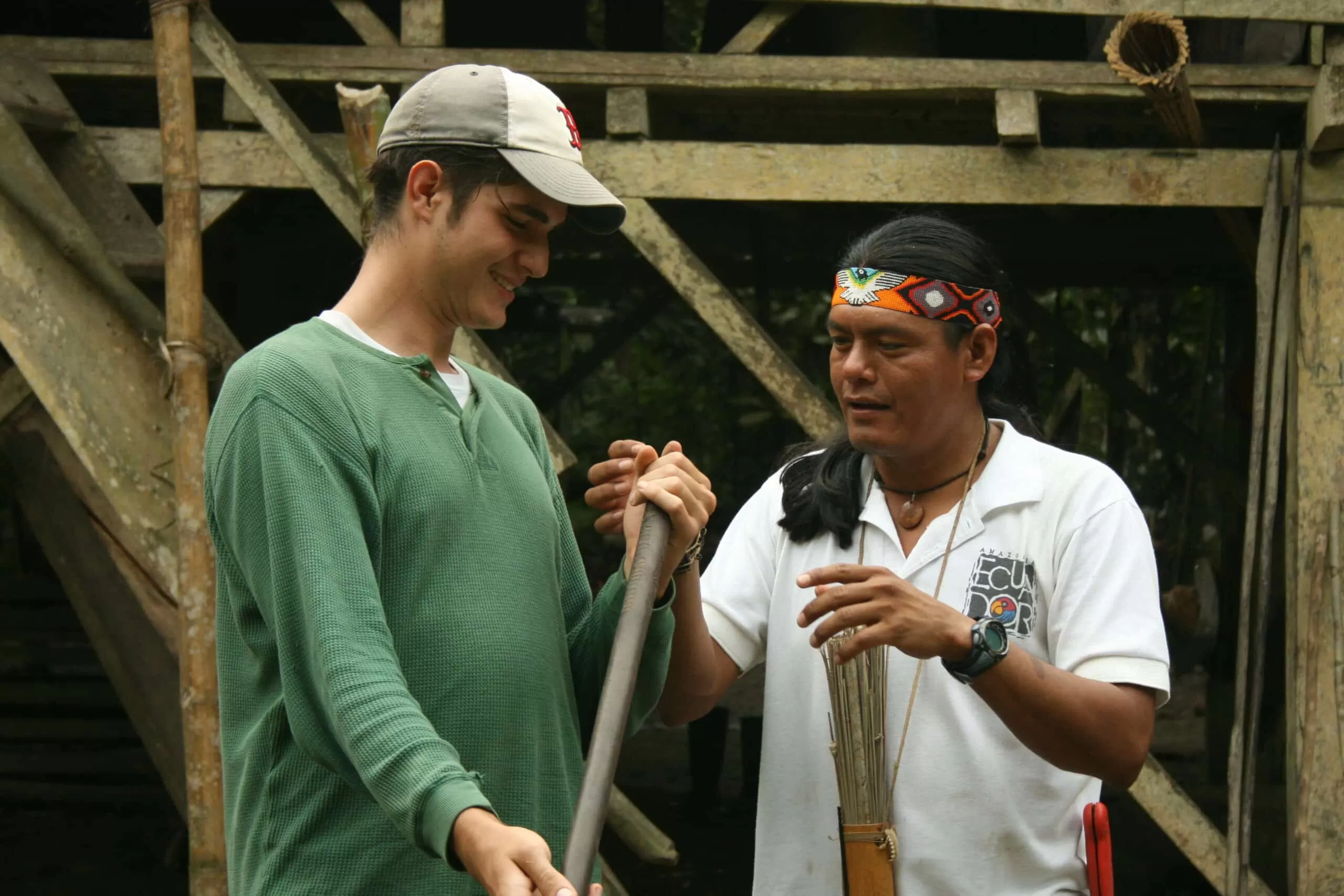
ÀCentre de protection de la faune sauvage de Napo, les visiteurs peuvent participer au Wayusa Upina avec la communauté Añangu Kichwa. Cette expérience consiste notamment à boire du wayusa, à écouter des chants, à découvrir des récits et à observer le déroulement de la cérémonie.
Certaines activités permettent de participer librement à des rituels de purification ou à d’autres pratiques guidées. Les animateurs expliquent en quoi consiste chaque activité et qui peut y prendre part.
L'utilisation d'appareils photo, l'accès à certains lieux et la participation à des cérémonies doivent respecter les consignes de la communauté.
À Cuyabeno, certains circuits comprennent la visite des communautés Siona et Cofán. Les voyageurs peuvent ainsi découvrir l'artisanat, la flore, les légendes et les activités liées à la vie dans la forêt tropicale.
Les descriptions des visites guidées utilisent des expressions telles que « chaman local » ou « chaman ». Chez les Siona, on utilise le terme « curaca », tandis que chez les Cofán, on parle de « coraga ». Le fait d’inclure ces noms permet de replacer chaque personnage dans son propre contexte culturel.
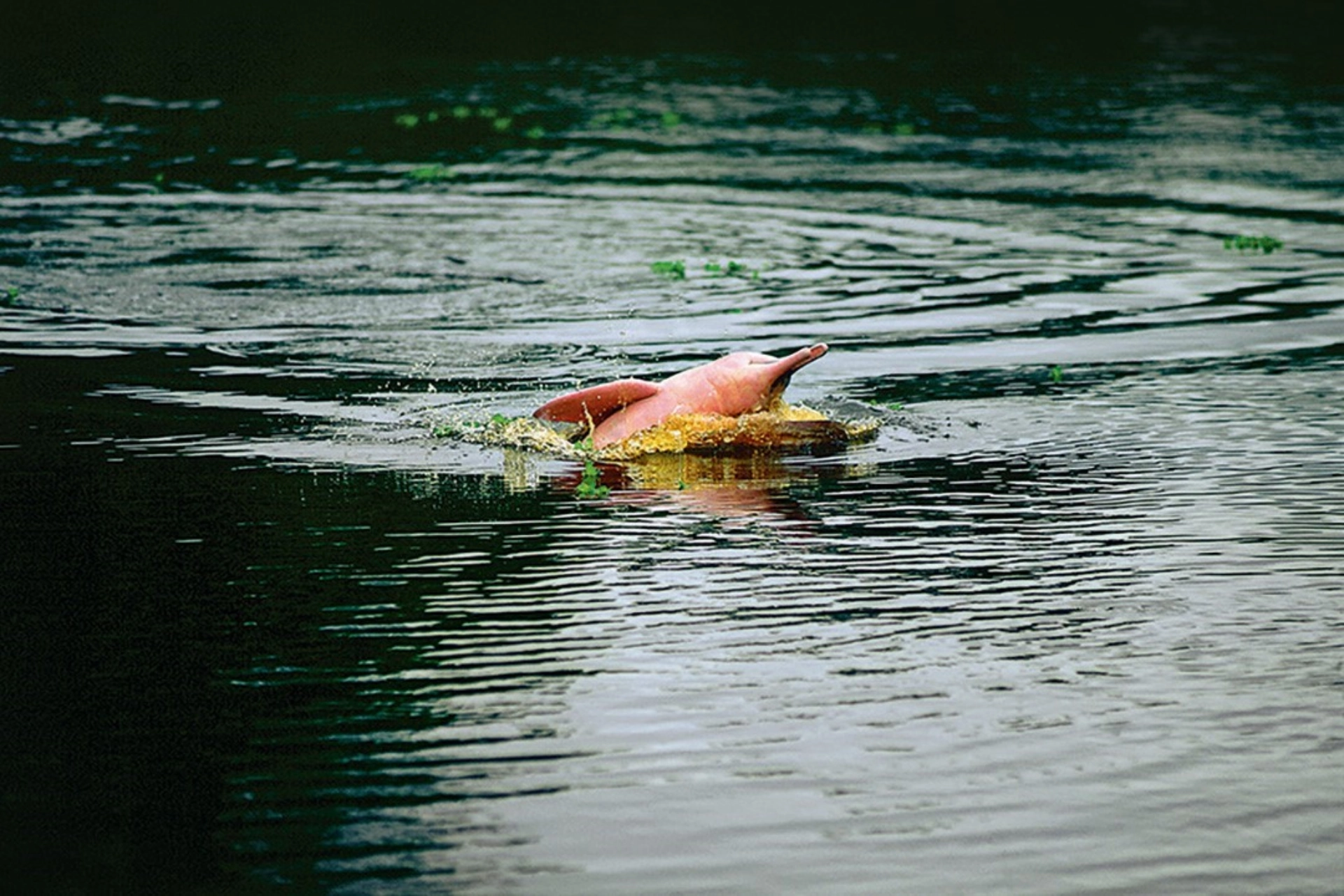
Au cours de ces rencontres, un détenteur de savoirs peut partager des informations sur les plantes et les pratiques culturales. Une visite peut également inclure des ateliers d’artisanat, la préparation de plats ou d’autres activités organisées par les hôtes.
Le contenu dépend de l'itinéraire, de la personne qui anime l'activité et des conditions du moment. Une conversation, une démonstration et une cérémonie sont des activités différentes et doivent être décrites avec précision.
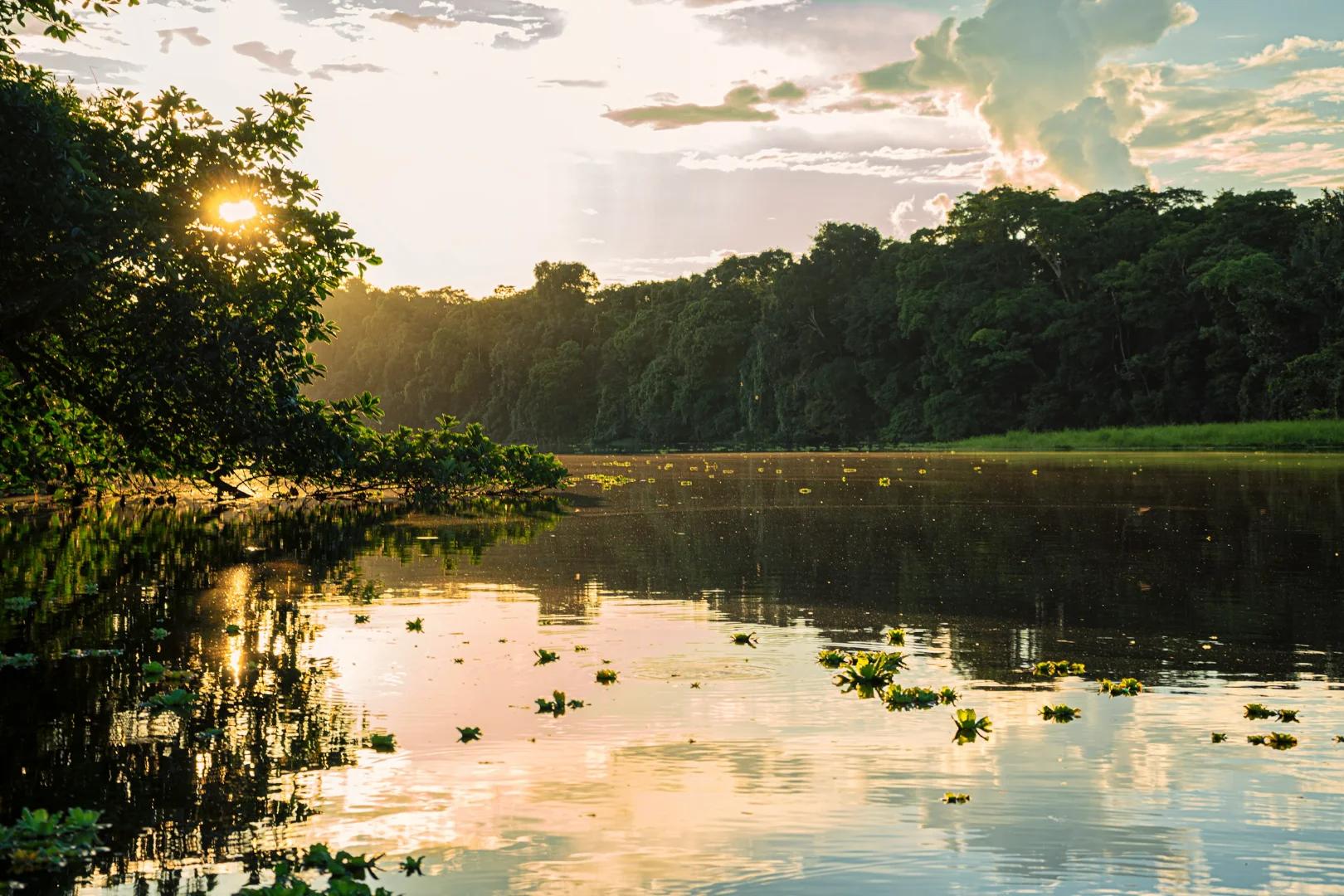
Cet itinéraire comprend des rencontres culturelles dans le cadre de l'expérience Cuyabeno. Ces activités peuvent porter sur la flore, les pratiques traditionnelles et la vie communautaire.
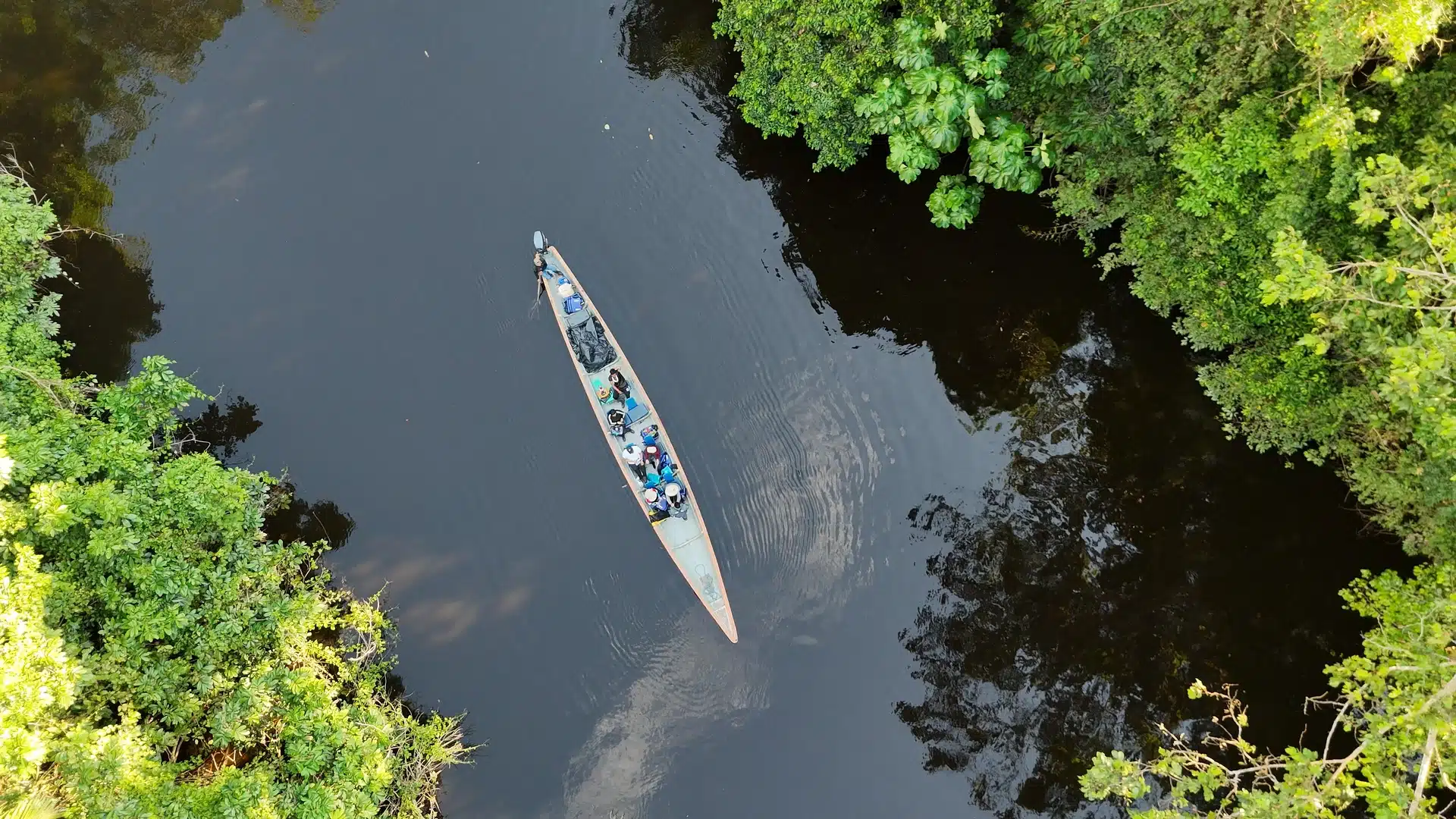
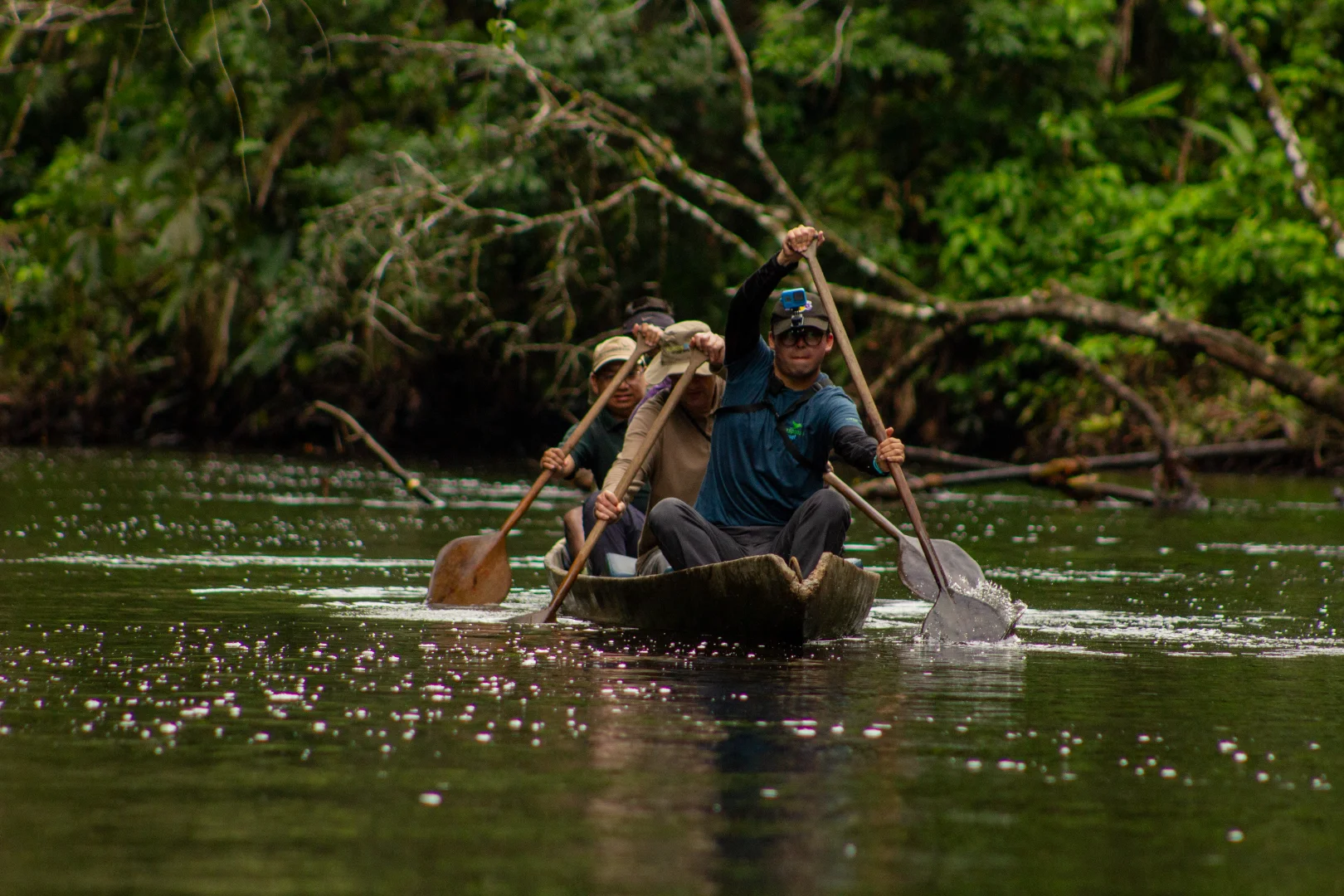
Ce programme allie la navigation traditionnelle en canoë, l'observation de la faune et des rencontres culturelles avec les communautés Cofán et Siona.
Cette expérience permet de parcourir le territoire des Cofán à bord de pirogues traditionnelles et comprend la visite d'une communauté dans le cadre de l'itinéraire.
Les connaissances d'un yachak, d'un uwishin, d'un curaca ou d'un coraga se développent sur le territoire où vit leur peuple. C'est là qu'ils apprennent à reconnaître les plantes, les saisons, les rivières et les lieux liés à l'alimentation, aux soins et aux pratiques cérémonielles.
La transformation ou la disparition de ces lieux affecte également la pérennité des savoirs qui reposent sur un contact direct avec la forêt.
Les activités proposées aux visiteurs peuvent inclure des discussions, des récits, la préparation du wayusa, des promenades pour découvrir la flore ou des pratiques de purification volontaire.
Les rites d'initiation et les cérémonies privées restent l'apanage de la communauté. Avant de participer, d'accéder à certains lieux ou de prendre des photos, les voyageurs doivent suivre les consignes de leurs hôtes.
« Chaman » est sans doute le premier mot qui vient à l’esprit d’un voyageur lorsqu’il cherche des informations sur ces traditions. Dans l’Amazonie équatorienne, il rencontrera des noms tels que yachak, uwishin, curaca et coraga, chacun étant associé à des peuples, des langues et des rôles spécifiques.
Pour bien comprendre les chamans en Équateur, il faut savoir comment ils sont formés, qui reconnaît leur autorité et quelles formes de savoir peuvent être partagées avec les visiteurs.
Certains programmes de tourisme responsable permettent de découvrir des pratiques culturelles ouvertes aux visiteurs par les communautés de Cuyabeno et de Yasuní, dans le cadre d’expériences qui comprennent également des excursions fluviales, l’observation de la faune et des activités locales.