

Explorez nos dernières nouvelles

04/08/2026
Huasquila Amazon Lodge : Situation, accès et activités
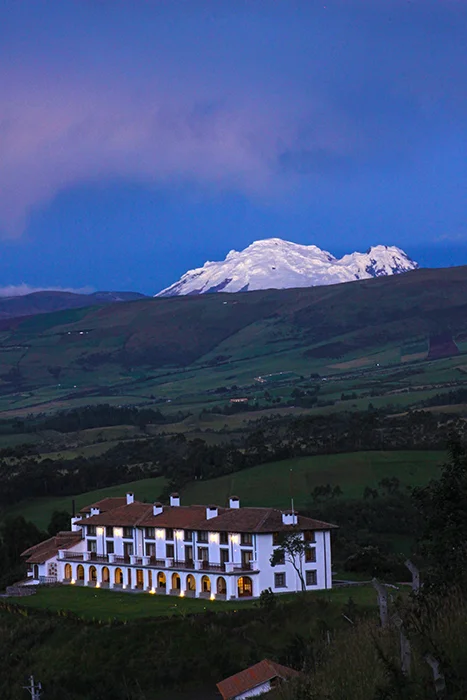
03/08/2026
Parc national d'Antisana : volcan, faune sauvage et La Mica
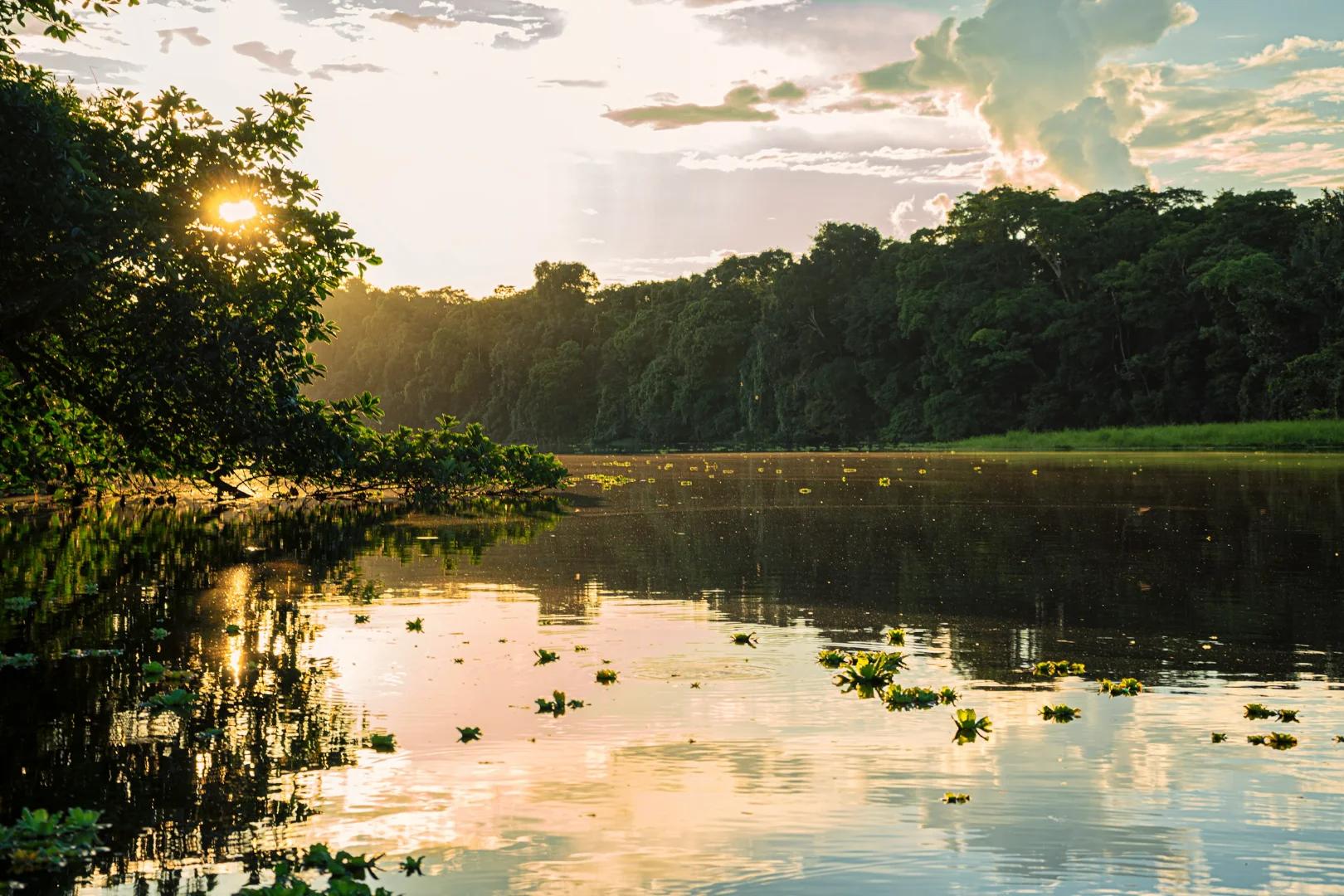
29/07/2026
Les chamans en Équateur : un voyage au cœur de la sagesse amazonienne
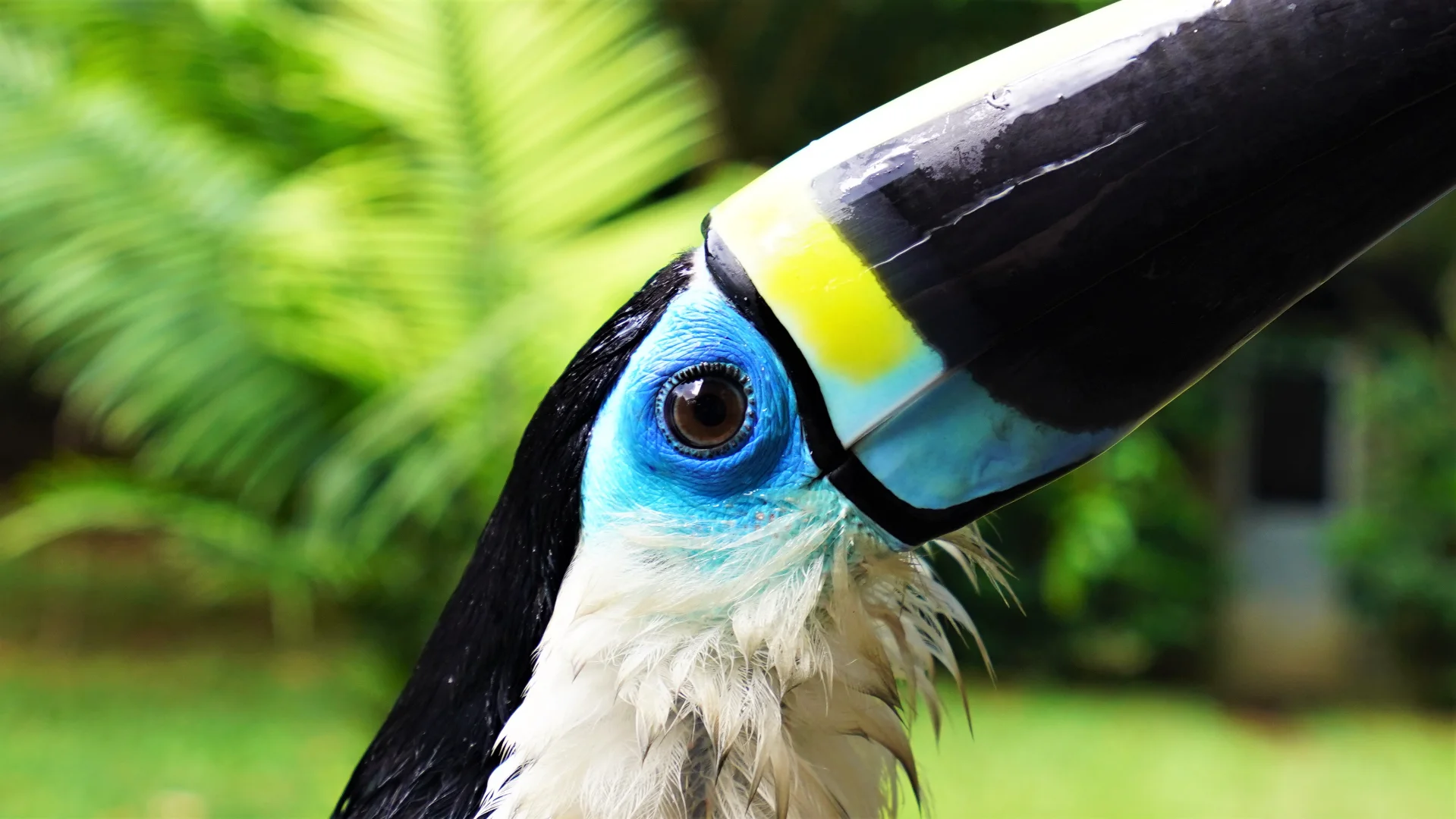
27/07/2026
À la découverte de la tribu des Waorani : le bouclier de l'Amazonie
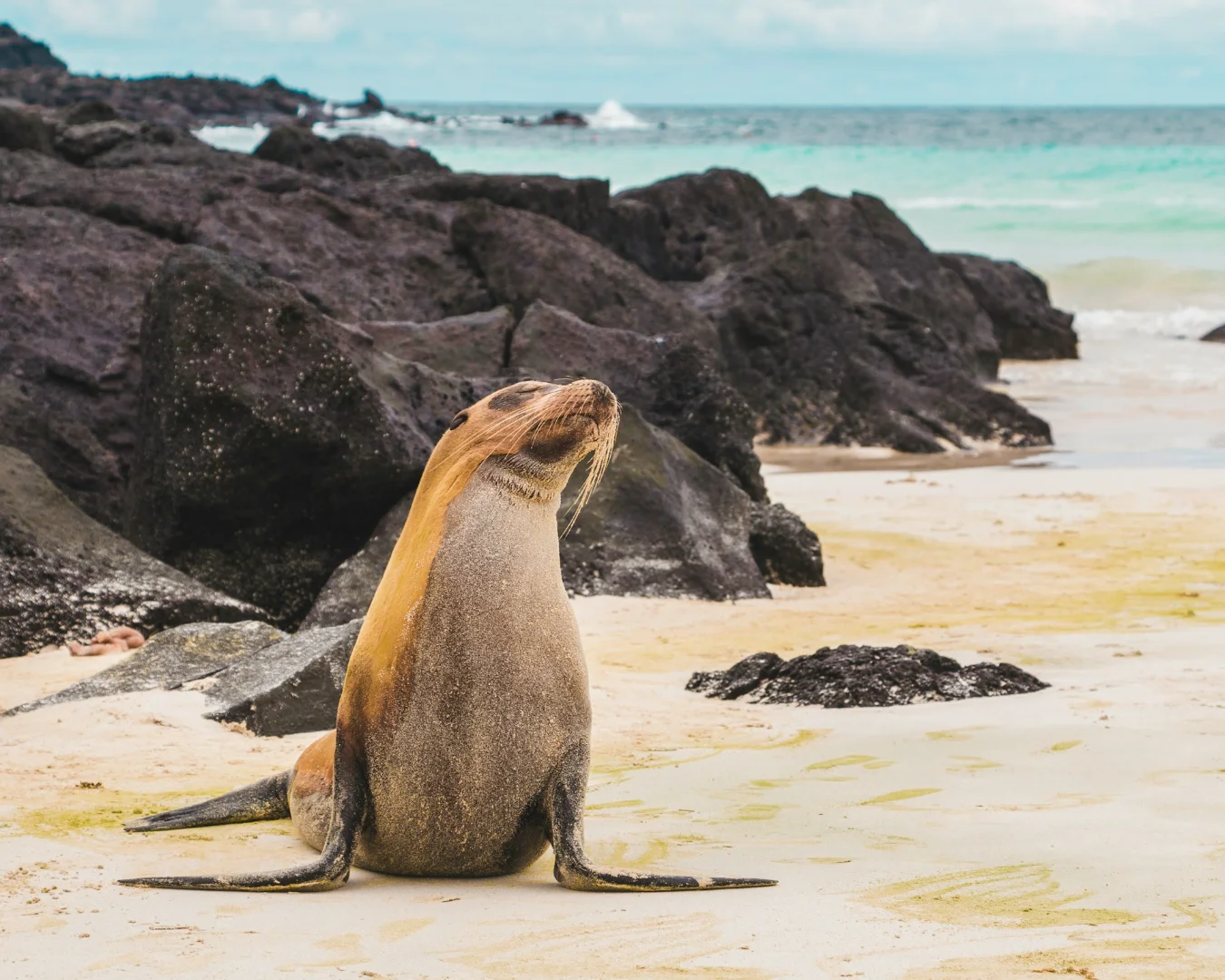
24/07/2026
Quelles îles Darwin a-t-il visitées au cours de son expédition ?
24/07/2026
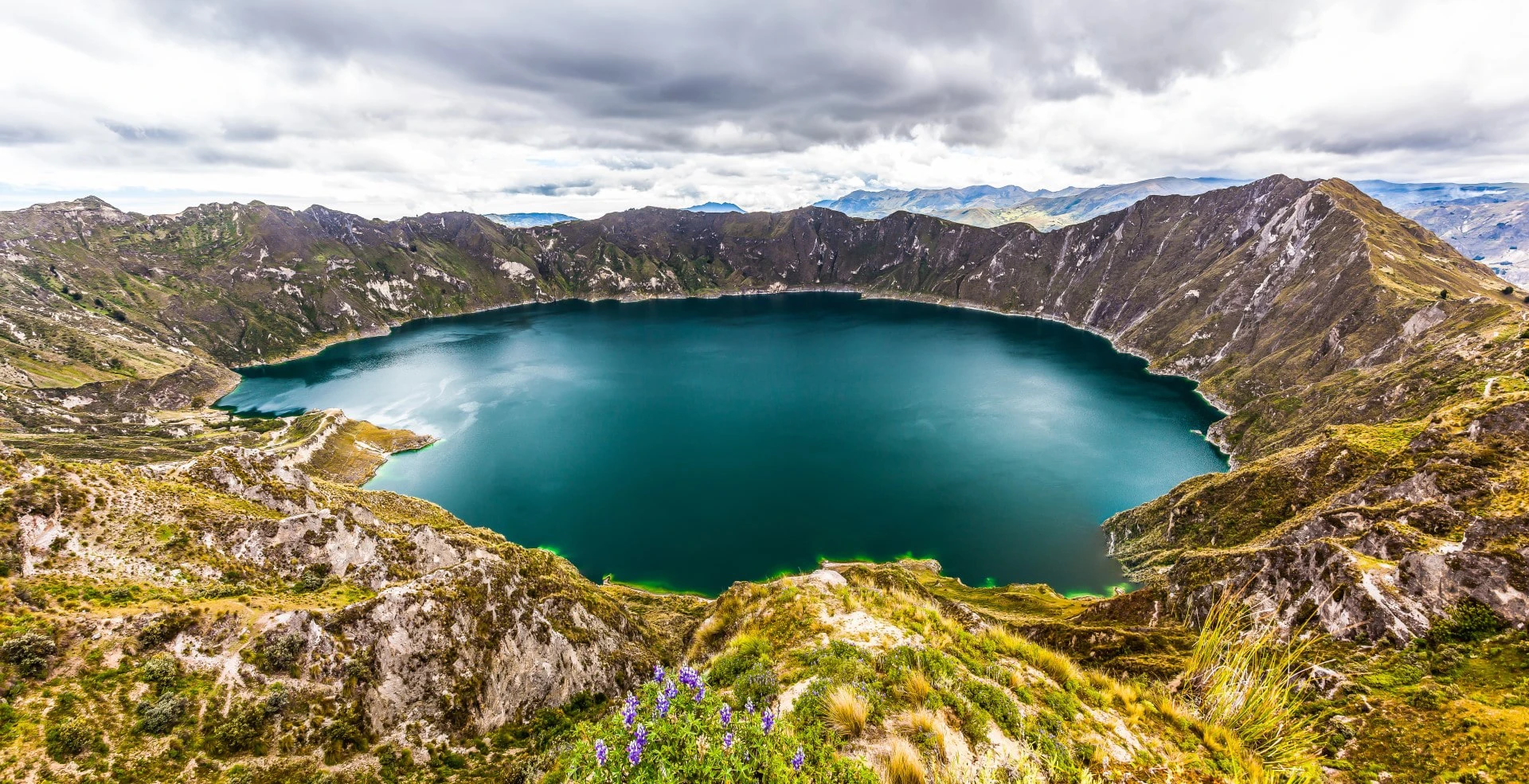
Les grands lacs et lagunes d'Amérique du Sud : des paysages riches en histoire, en culture et en nature
Contenu le mieux noté
24/07/2026
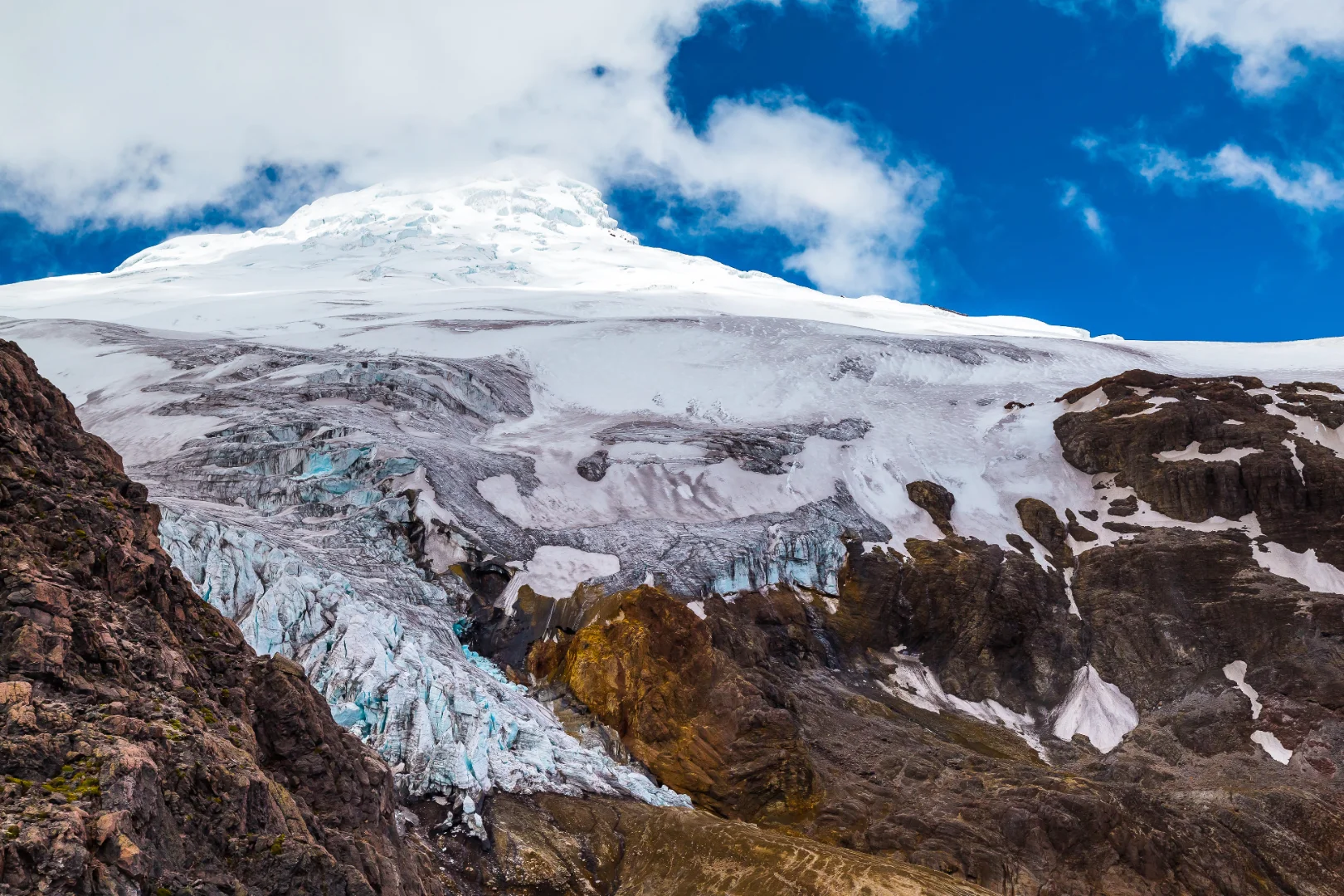
De magnifiques sentiers de randonnée en Équateur, adaptés aux randonneurs de tous niveaux
23/07/2026
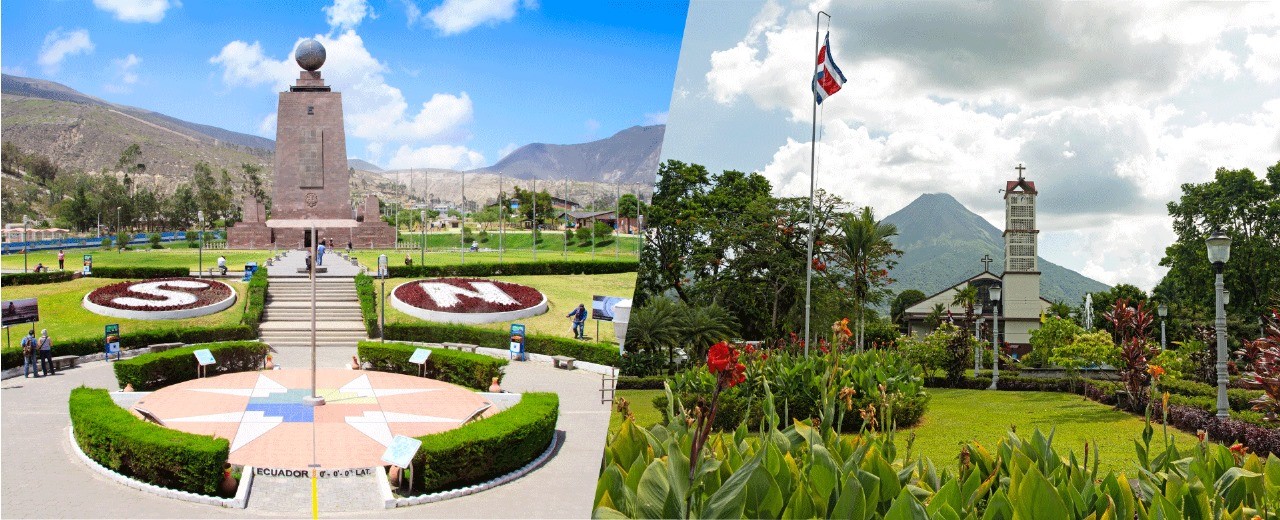
Costa Rica ou Équateur : quelle est la meilleure destination pour une aventure durable ?

16/07/2026
Feria de las Flores de Medellín : guide du festival et de la tradition des « silleteros »

14/07/2026
La « Ruta del Spondylus » en Équateur : le road trip côtier par excellence ?
14/07/2026
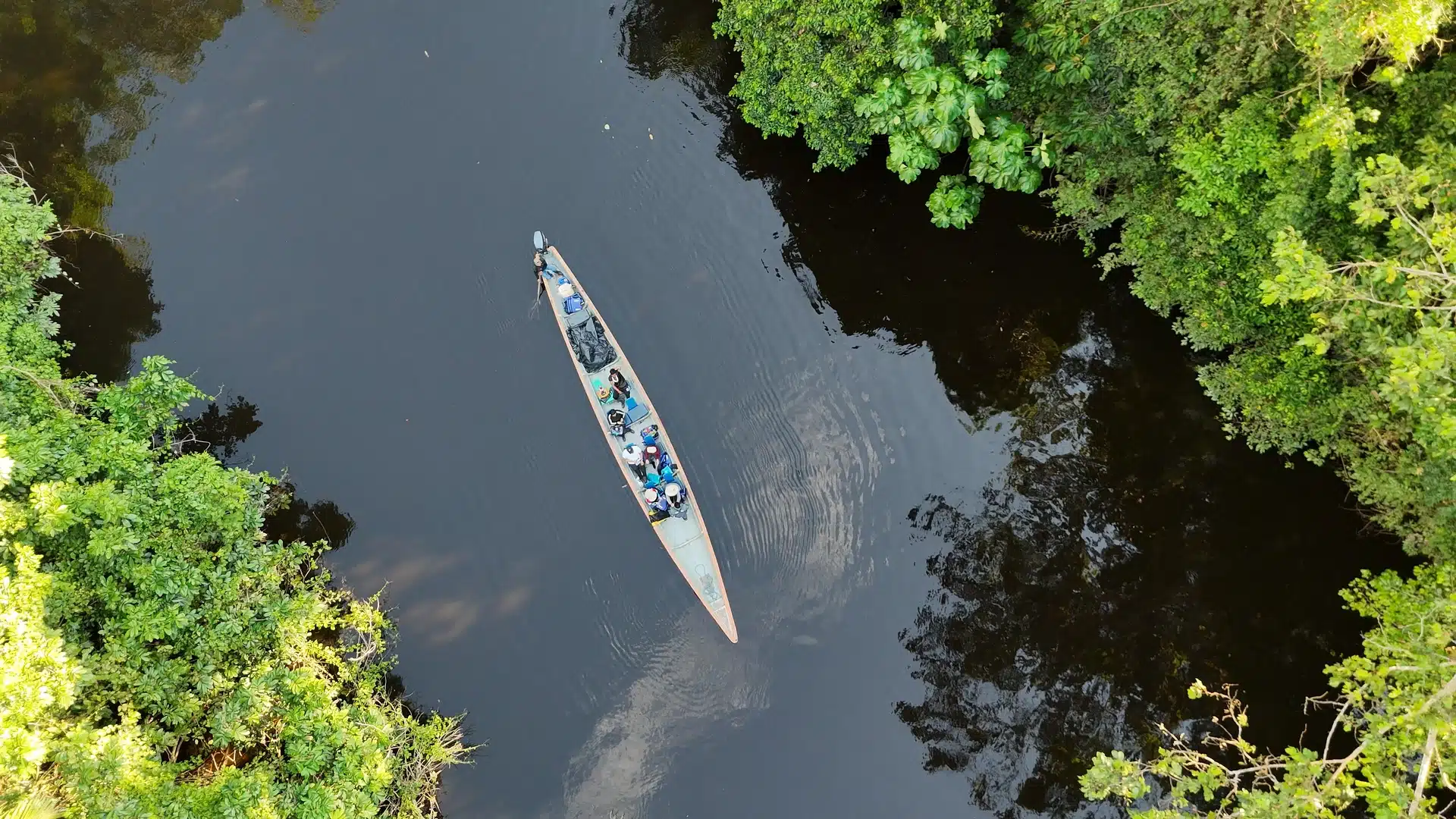
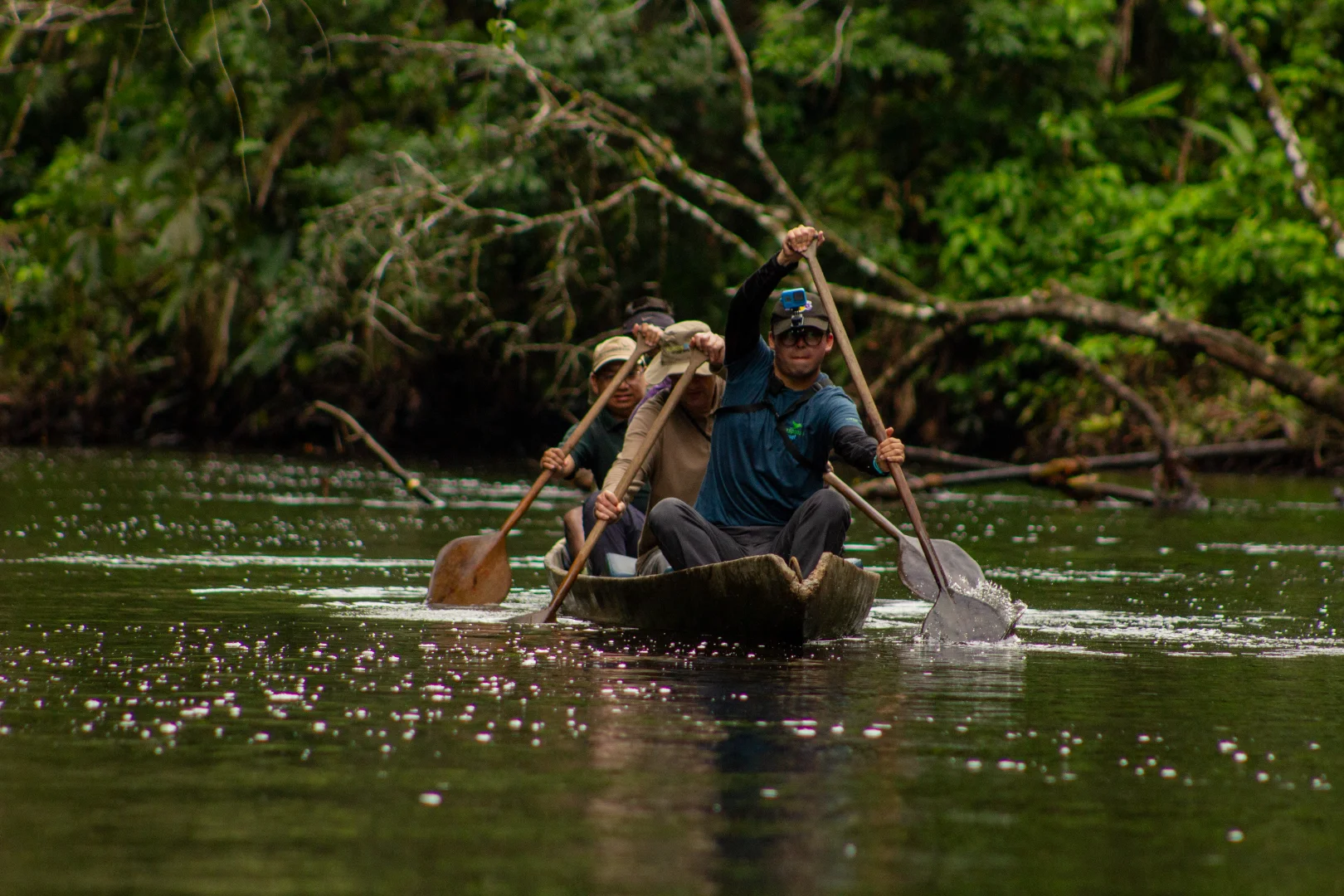
La réserve naturelle de Cuyabeno : une forêt tropicale équatorienne unique, peuplée de « killas »
13/07/2026
Les pirogues traditionnelles d’Amazonie et l’histoire de la Killas
Contenu le plus vu
06/07/2026
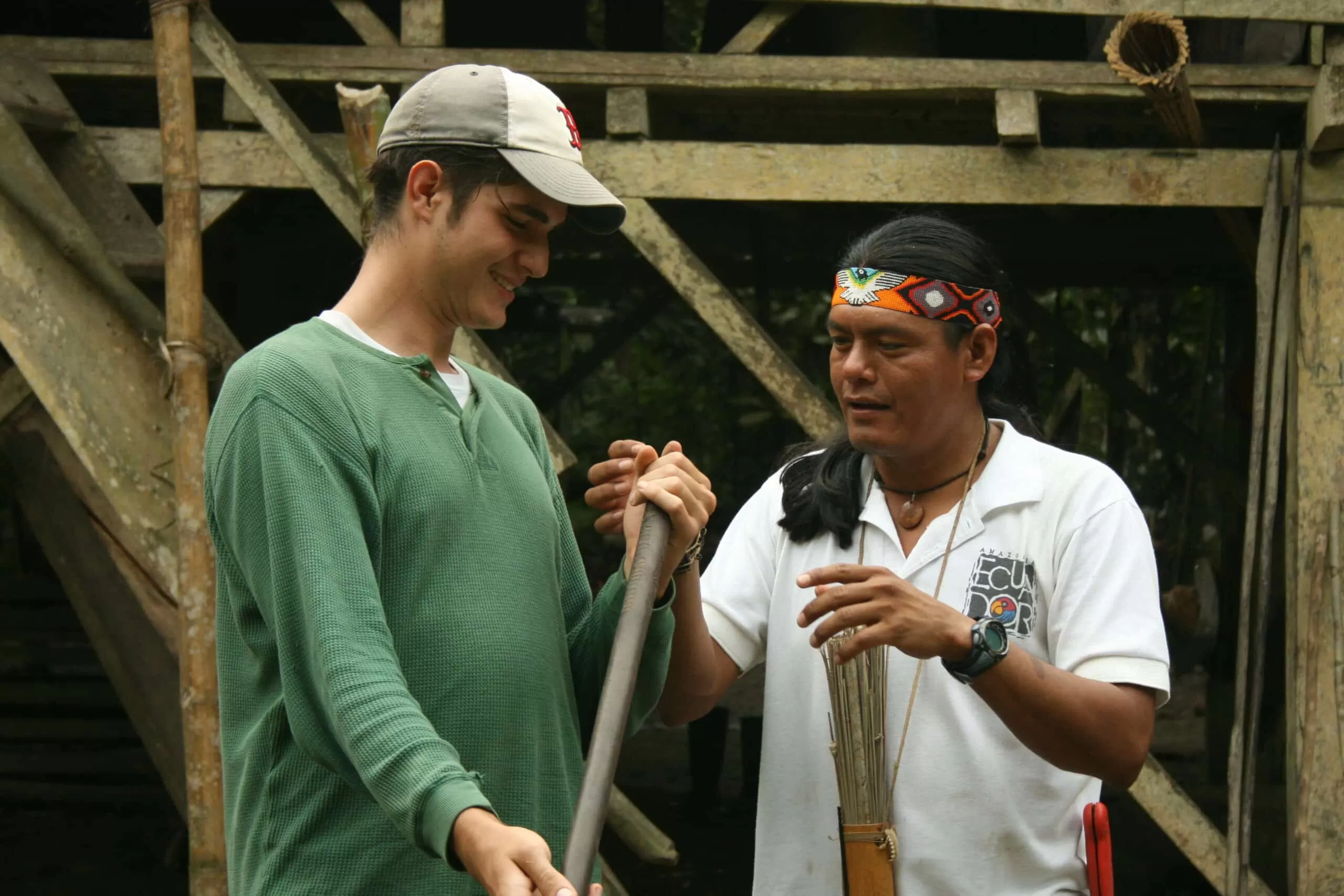
Pourquoi devriez-vous partir en voyage le jour de votre anniversaire ?
21/05/2026
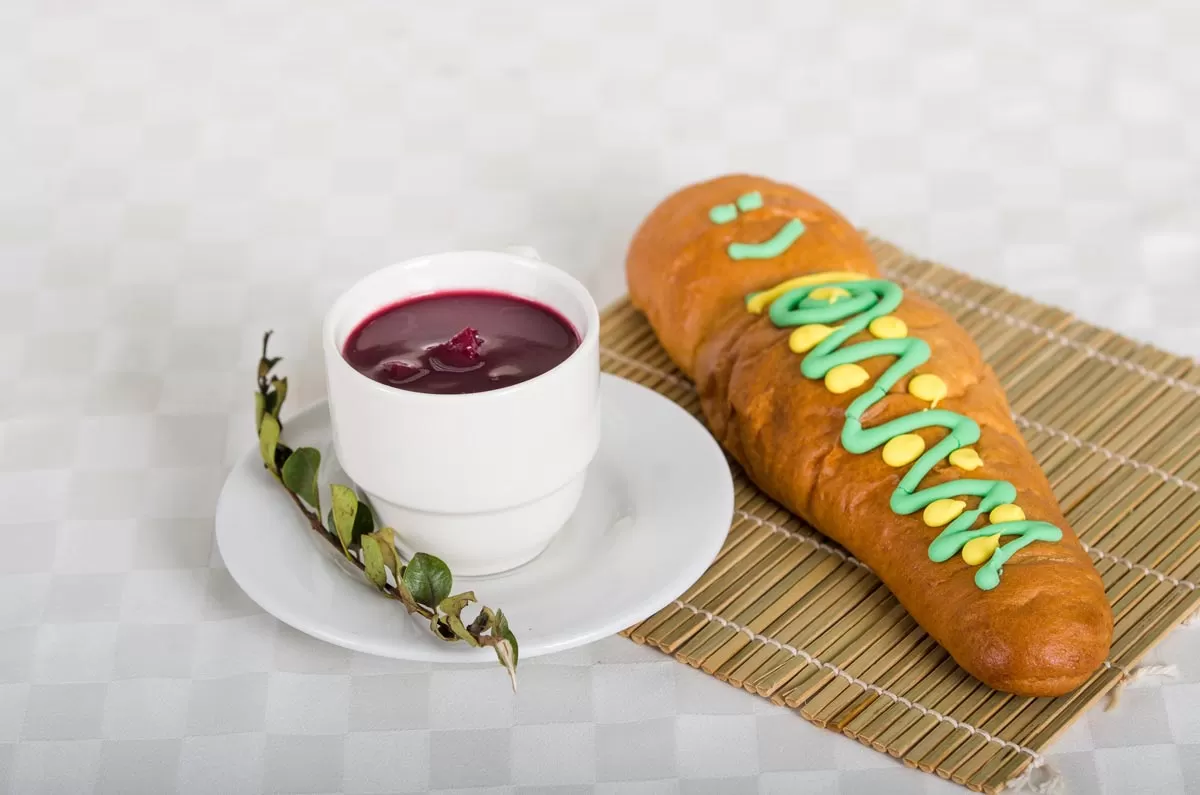
Qu'est-ce que le « Día de los Muertos » en Équateur ?
21/05/2026
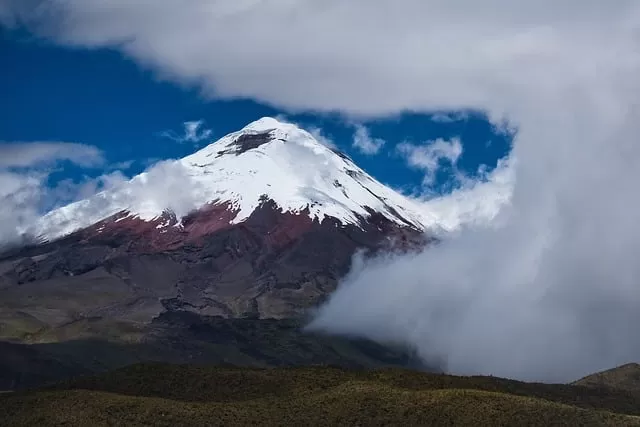
Chimborazo, Équateur, 2023 : la montagne que vous n'oublierez jamais
21/05/2026
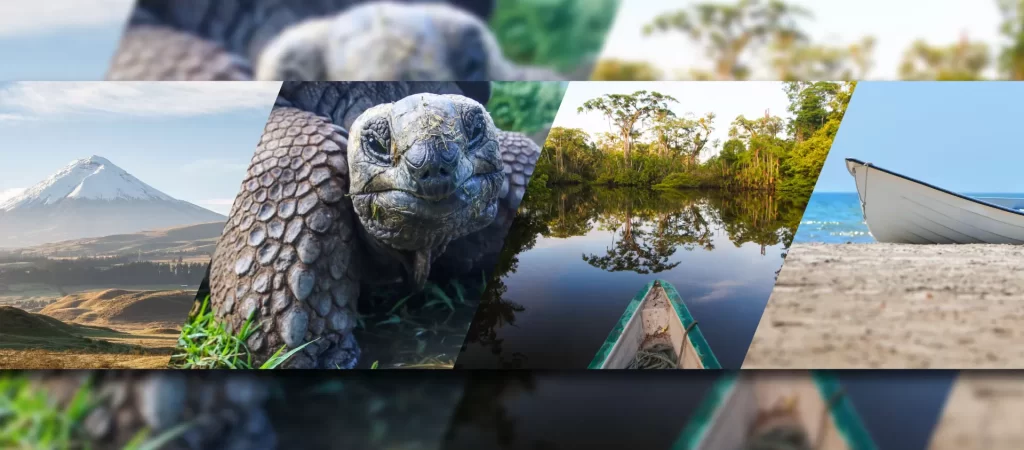
Les meilleures destinations touristiques en Équateur pour 2023 et 2024
21/05/2026
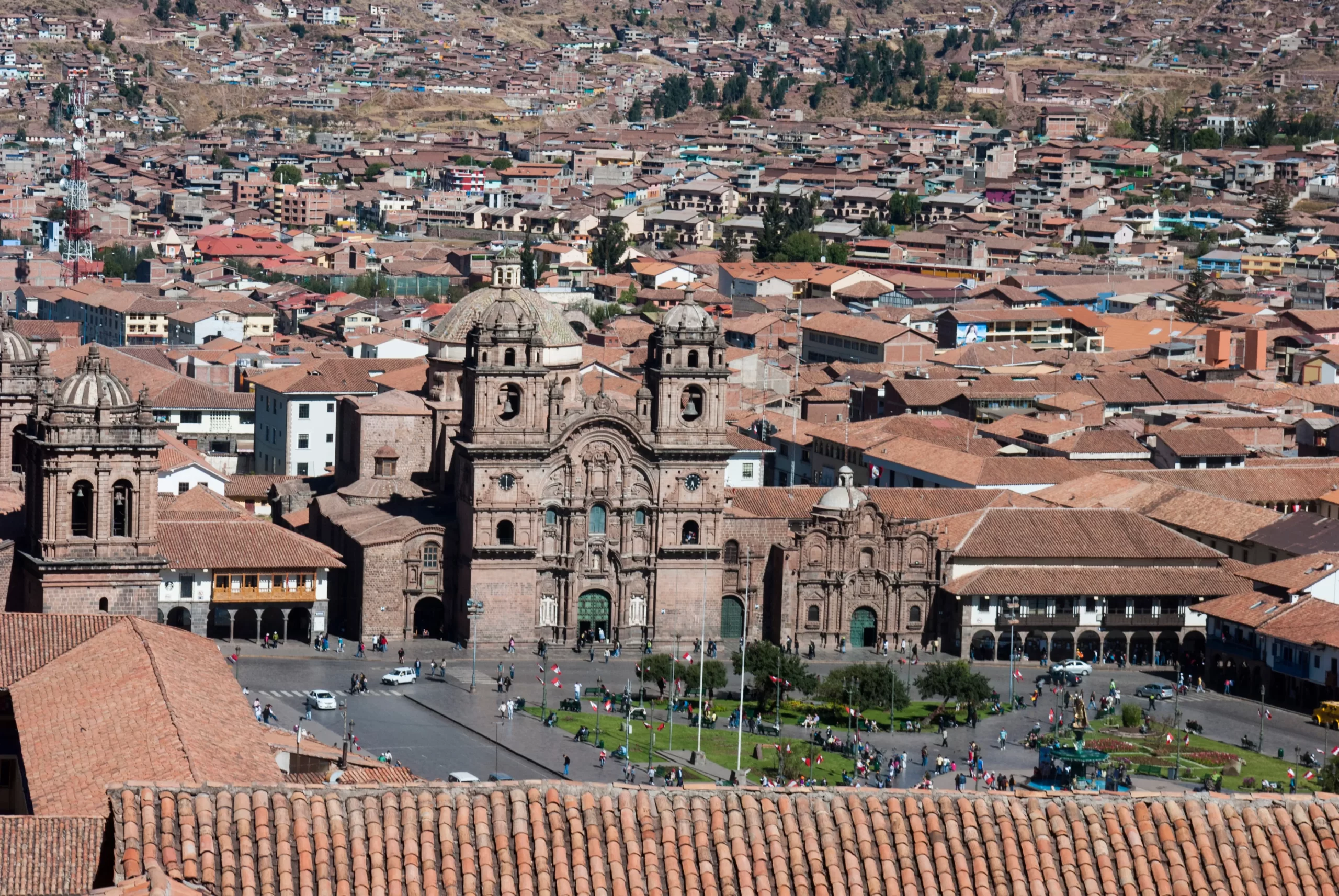
The Best Tourist Places to See in Cusco ?
21/05/2026
4 Reasons why traveling is way more than visiting places
HISTOIRE DU CHAPEAU PANAMÉ
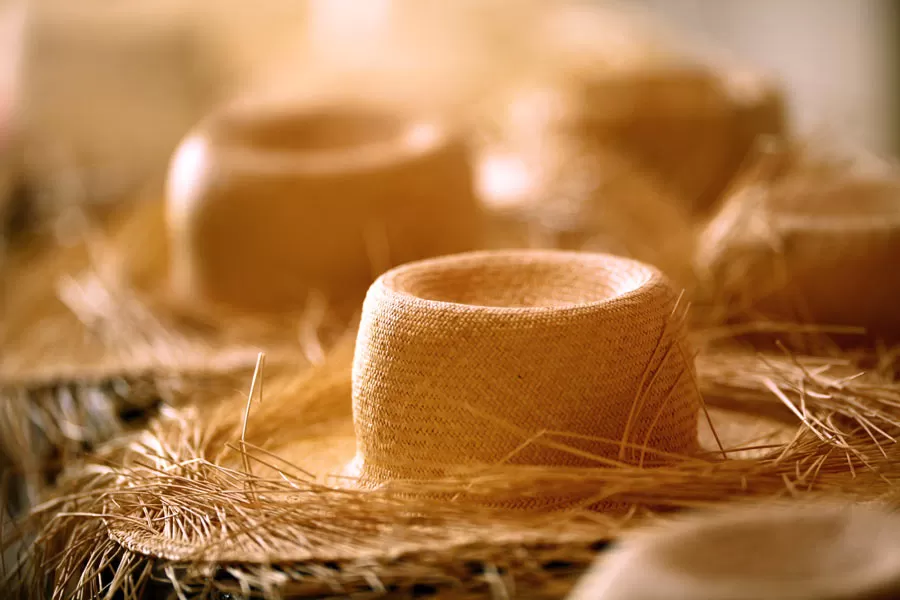
Vers 1630, les habitants de Manabí, en Équateur, ont commencé à fabriquer des chapeaux à partir des feuilles du palmier toquilla (Carludovica palmata), une plante qui pousse dans les régions les plus chaudes de l'Équateur et qui ressemble beaucoup à un palmier. C'est à cette époque que le chapeau de Panama a été porté pour la première fois. Avant cela, les habitants de la région fabriquaient déjà des chapeaux pour se protéger les oreilles.
Au cours du XVIIe siècle, ce tissu a commencé à être utilisé à la place du coton pour la confection de chapeaux. Les chapeliers de Montecristi et de Jipijapa étaient passés maîtres dans l’art de fabriquer un modèle de chapeau qui a précédé le chapeau Panama. Lors de l’Exposition universelle de Paris en 1855, ces chapeaux ont attiré l’attention du monde entier. En 1859, la reine Isabelle II d'Espagne ordonna à une compagnie d'infanterie de porter le « chapeau de Jipijapa » dans le cadre de son uniforme. Ce chapeau connut un succès immédiat et fut même commercialisé à l'étranger. Pendant la ruée vers l'or, les chercheurs d'or en route pour la Californie le portaient. Après le tournant du siècle, les ouvriers du canal de Panama le portaient.
QUEL EST LE RAPPORT ENTRE LE CHAPEAU PANAMA ET LE CANAL DE PANAMA ?
Il était courant que ces chapeaux soient acheminés via le Panama, où les autorités les marquaient pour leur acheminement vers l'Amérique du Nord et l'Europe. C'est ainsi qu'ils ont obtenu leur nom. Ce nom s'est imposé après la publication, en 1906, d'une photo du président américain Théodore Roosevelt portant un « Sombrero Fino » lors de sa visite au canal de Panama.
ACTUALITÉ
La plupart des chapeaux Panama sont fabriqués dans des ateliers situés près de Cuenca et dans des villes côtières de l'Équateur (Montecristi et Jipijapa).La fabrication peut prendre entre un jour et huit mois, selon la finesse des fils.
Ces chapeaux coûtent entre dix dollars et plusieurs milliers de dollars. Ils vont de la catégorie « Regular », qui est la plus basique, à « Fino », « Extra Fino » et « Supremo » ou « Super Fino », qui est la meilleure.
UNE RECONNAISSANCE MONDIALE
Le chapeau Panama reste très populaire aujourd'hui. Et en 2012, l'UNESCO a inscrit le chapeau Panama équatorien sur sa liste du patrimoine culturel immatériel le plus important au monde.
Il est important de souligner que ce prix met en évidence l'importance que revêt ce chapeau pour les peuples autochtones de l'Équateur, ainsi que les méthodes traditionnelles utilisées pour le fabriquer.


Si vous souhaitez savoir comment acheter ces superbes chapeaux directement depuis l'Équateur, envoyez-nous un e-mail à l'adresse suivante :info@egt.ecou consultez les lieux de nos visites guidées sur notre site webhttps://blog.responsibletravelsa.com et découvrez les meilleures visites guidées en Équateur tout en achetant de magnifiques objets d'artisanat.
HISTOIRE DU CHAPEAU PANAMÉ
Vers 1630, les habitants de Manabí, en Équateur, ont commencé à fabriquer des chapeaux à partir des feuilles du palmier toquilla (Carludovica palmata), une plante qui pousse dans les régions les plus chaudes de l'Équateur et qui ressemble beaucoup à un palmier. C'est à cette époque que le chapeau de Panama a été porté pour la première fois. Avant cela, les habitants de la région fabriquaient déjà des chapeaux pour se protéger les oreilles.
Au cours du XVIIe siècle, ce tissu a commencé à être utilisé à la place du coton pour la confection de chapeaux. Les chapeliers de Montecristi et de Jipijapa étaient passés maîtres dans l’art de fabriquer un modèle de chapeau qui a précédé le chapeau Panama. Lors de l’Exposition universelle de Paris en 1855, ces chapeaux ont attiré l’attention du monde entier. En 1859, la reine Isabelle II d'Espagne ordonna à une compagnie d'infanterie de porter le « chapeau de Jipijapa » dans le cadre de son uniforme. Ce chapeau connut un succès immédiat et fut même commercialisé à l'étranger. Pendant la ruée vers l'or, les chercheurs d'or en route pour la Californie le portaient. Après le tournant du siècle, les ouvriers du canal de Panama le portaient.
QUEL EST LE RAPPORT ENTRE LE CHAPEAU PANAMA ET LE CANAL DE PANAMA ?
Il était courant que ces chapeaux soient acheminés via le Panama, où les autorités les marquaient pour leur acheminement vers l'Amérique du Nord et l'Europe. C'est ainsi qu'ils ont obtenu leur nom. Ce nom s'est imposé après la publication, en 1906, d'une photo du président américain Théodore Roosevelt portant un « Sombrero Fino » lors de sa visite au canal de Panama.
ACTUALITÉ
La plupart des chapeaux Panama sont fabriqués dans des ateliers situés près de Cuenca et dans des villes côtières de l'Équateur (Montecristi et Jipijapa).La fabrication peut prendre entre un jour et huit mois, selon la finesse des fils.
Ces chapeaux coûtent entre dix dollars et plusieurs milliers de dollars. Ils vont de la catégorie « Regular », qui est la plus basique, à « Fino », « Extra Fino » et « Supremo » ou « Super Fino », qui est la meilleure.
UNE RECONNAISSANCE MONDIALE
Le chapeau Panama reste très populaire aujourd'hui. Et en 2012, l'UNESCO a inscrit le chapeau Panama équatorien sur sa liste du patrimoine culturel immatériel le plus important au monde.
Il est important de souligner que ce prix met en évidence l'importance que revêt ce chapeau pour les peuples autochtones de l'Équateur, ainsi que les méthodes traditionnelles utilisées pour le fabriquer.
Si vous souhaitez savoir comment acheter ces superbes chapeaux directement depuis l'Équateur, envoyez-nous un e-mail à l'adresse suivante :info@egt.ecou consultez les lieux de nos visites guidées sur notre site webhttps://blog.responsibletravelsa.com et découvrez les meilleures visites guidées en Équateur tout en achetant de magnifiques objets d'artisanat.
Explorez nos dernières nouvelles
04/08/2026
Huasquila Amazon Lodge : Situation, accès et activités
03/08/2026
Parc national d'Antisana : volcan, faune sauvage et La Mica
29/07/2026
Les chamans en Équateur : un voyage au cœur de la sagesse amazonienne
27/07/2026
À la découverte de la tribu des Waorani : le bouclier de l'Amazonie
24/07/2026
Quelles îles Darwin a-t-il visitées au cours de son expédition ?
24/07/2026
Les grands lacs et lagunes d'Amérique du Sud : des paysages riches en histoire, en culture et en nature
Contenu le mieux noté
24/07/2026
De magnifiques sentiers de randonnée en Équateur, adaptés aux randonneurs de tous niveaux
23/07/2026
Costa Rica ou Équateur : quelle est la meilleure destination pour une aventure durable ?
16/07/2026
Feria de las Flores de Medellín : guide du festival et de la tradition des « silleteros »
14/07/2026
La « Ruta del Spondylus » en Équateur : le road trip côtier par excellence ?
14/07/2026
La réserve naturelle de Cuyabeno : une forêt tropicale équatorienne unique, peuplée de « killas »
13/07/2026
Les pirogues traditionnelles d’Amazonie et l’histoire de la Killas
Contenu le plus vu
06/07/2026
Pourquoi devriez-vous partir en voyage le jour de votre anniversaire ?
21/05/2026
Qu'est-ce que le « Día de los Muertos » en Équateur ?
21/05/2026
Chimborazo, Équateur, 2023 : la montagne que vous n'oublierez jamais
21/05/2026
Les meilleures destinations touristiques en Équateur pour 2023 et 2024
21/05/2026
The Best Tourist Places to See in Cusco ?
21/05/2026
4 Reasons why traveling is way more than visiting places