

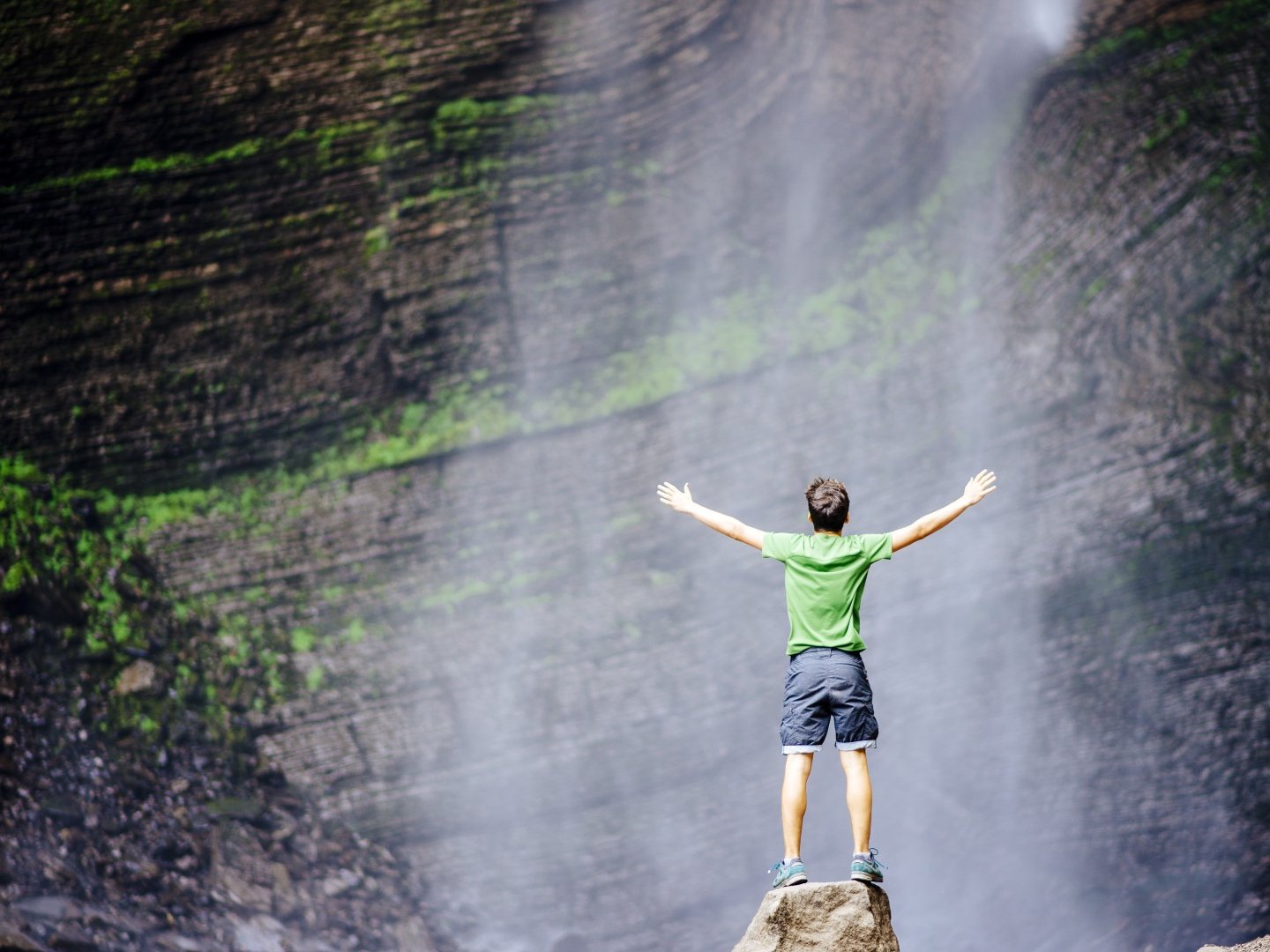
Deep in the cloud forests of northern Peru lies a natural wonder that few travelers discover, yet it leaves a lasting impression on all who visit. The Gocta Waterfall rises to an impressive height of approximately 771 meters (2,530 feet), making it one of the highest waterfalls in the world. Remarkably, it remains largely untouched by mass tourism. Discover a destination that seamlessly blends mystery, adventure, and sustainability. Here’s how to visit the Gocta Waterfall and why it deserves a prominent place on your itinerary in Peru.
Explorez nos dernières nouvelles
18/09/2026
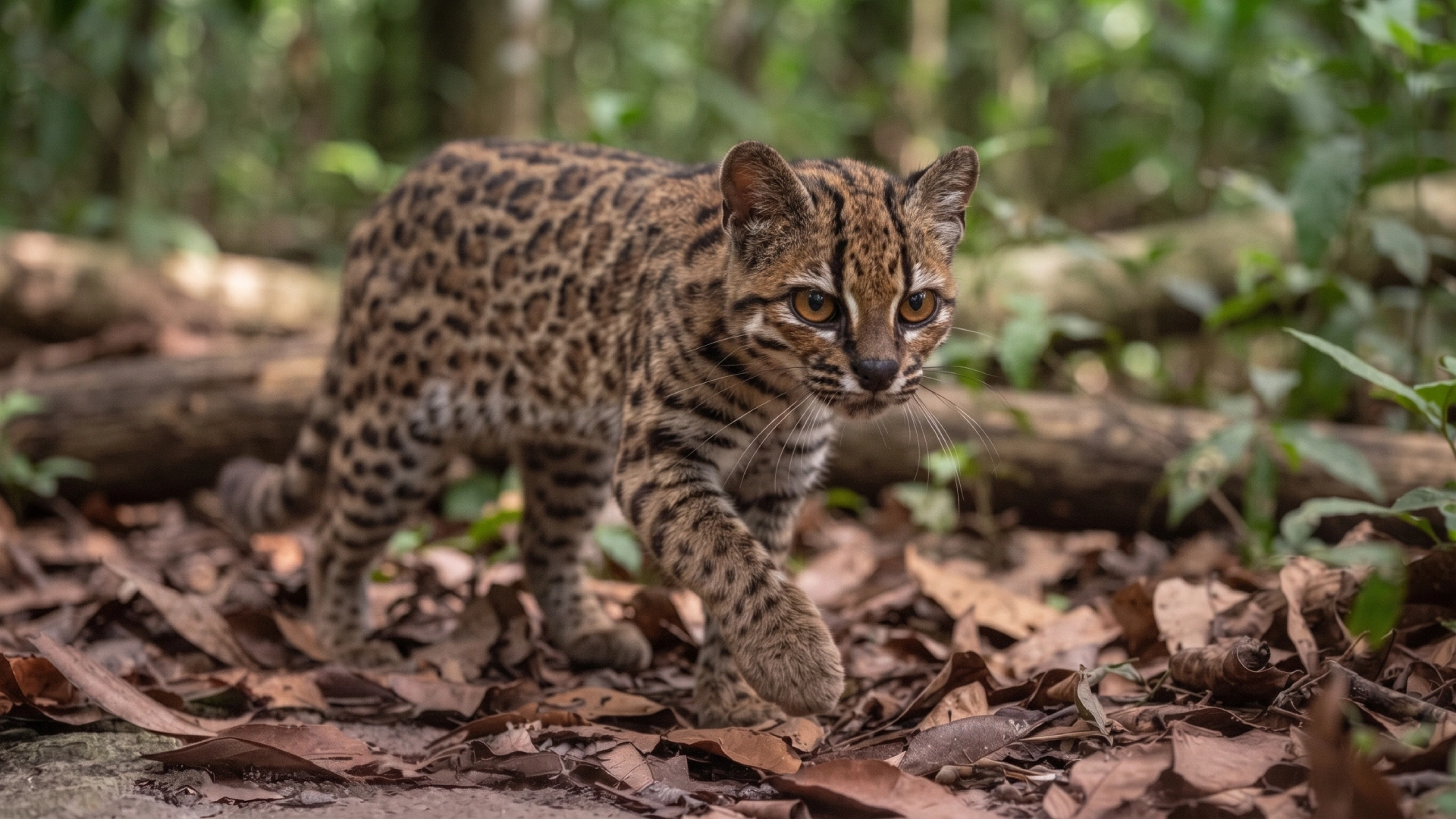
Cinq animaux fascinants de Bolivie : découvrez le chat Tilcayo et d’autres espèces difficiles à observer

04/08/2026
Huasquila Amazon Lodge : Situation, accès et activités
03/08/2026
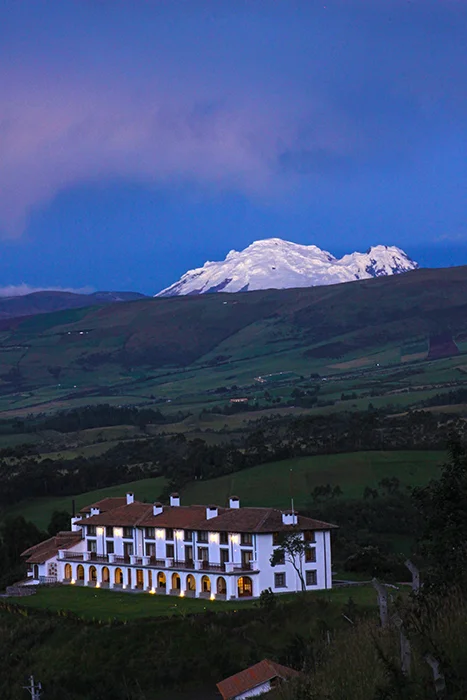
Parc national d'Antisana : volcan, faune sauvage et La Mica
29/07/2026
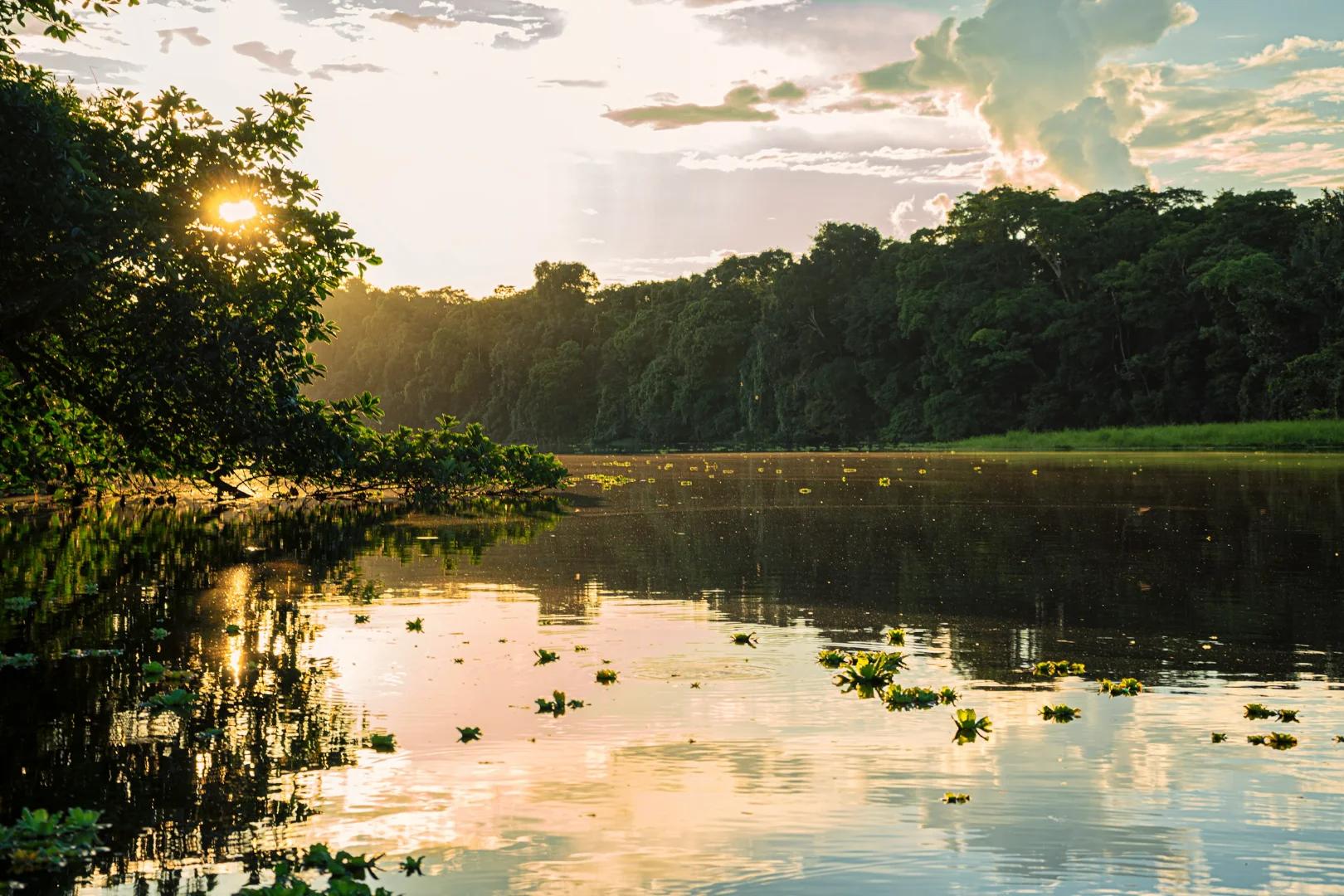
Les chamans en Équateur : un voyage au cœur de la sagesse amazonienne
27/07/2026
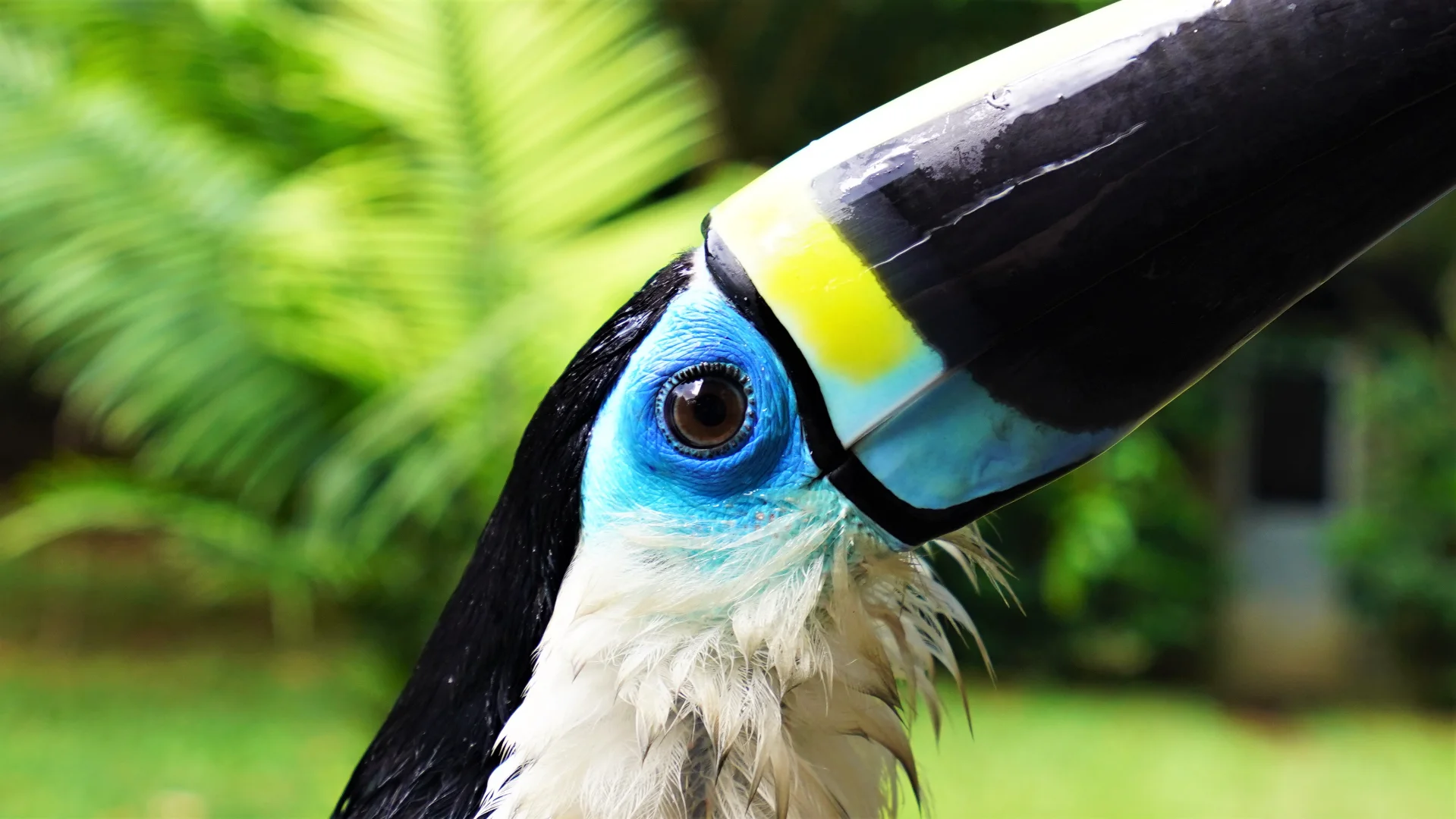
À la découverte de la tribu des Waorani : le bouclier de l'Amazonie
24/07/2026
Quelles îles Darwin a-t-il visitées au cours de son expédition ?
Contenu le mieux noté
24/07/2026
Les grands lacs et lagunes d'Amérique du Sud : des paysages riches en histoire, en culture et en nature
24/07/2026
De magnifiques sentiers de randonnée en Équateur, adaptés aux randonneurs de tous niveaux
23/07/2026
Costa Rica ou Équateur : quelle est la meilleure destination pour une aventure durable ?

16/07/2026
Feria de las Flores de Medellín : guide du festival et de la tradition des « silleteros »

14/07/2026
La « Ruta del Spondylus » en Équateur : le road trip côtier par excellence ?
14/07/2026
La réserve naturelle de Cuyabeno : une forêt tropicale équatorienne unique, peuplée de « killas »
Contenu le plus vu
13/07/2026
Les pirogues traditionnelles d’Amazonie et l’histoire de la Killas
06/07/2026
Pourquoi devriez-vous partir en voyage le jour de votre anniversaire ?
21/05/2026
Qu'est-ce que le « Día de los Muertos » en Équateur ?
21/05/2026
Chimborazo, Équateur, 2023 : la montagne que vous n'oublierez jamais
21/05/2026
Les meilleures destinations touristiques en Équateur pour 2023 et 2024
21/05/2026
The Best Tourist Places to See in Cusco ?
How to visit Gocta Waterfall: one of Peru’s highest and least known natural wonders
BY RESPONSIBLE TRAVEL
WHY THE GOCTA WATERFALL DESERVES A PLACE ON YOUR ITINERARY IN PERU
A REDISCOVERED GIANT
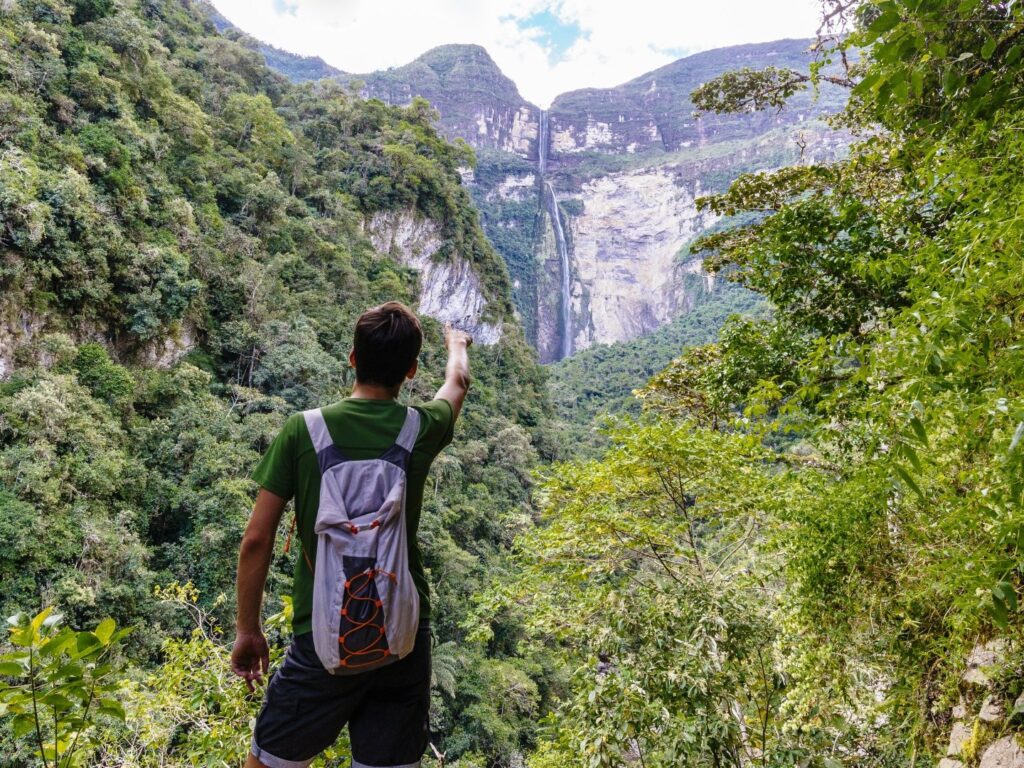
Locals have celebrated Gocta for centuries, but it gained international fame in 2002. This late debut enhances its charm: an imposing waterfall reveals itself in plain sight, embraced by dense jungle and steeped in ancient stories.
A TRULY OUT-OF-THE-ORDINARY EXPERIENCE
While Machu Picchu draws large crowds, Gocta provides a peaceful escape with its serene landscapes and tranquil atmosphere that truly inspire the spirit. Travelers eager to discover Peru’s hidden waterfalls will find this option both rewarding and accessible.
NATURE, CULTURE, AND CONSERVATION
Gocta boasts not only impressive height but also a vibrant ecosystem filled with rare birds, orchids, and monkeys. Additionally, it plays a significant role in the rich culture of the Chachapoyas region. By visiting, you actively support rural communities and contribute to conservation efforts in Amazonas, Peru.
WHERE IS THE GOCTA WATERFALL? WELCOME TO CHACHAPOYAS, AMAZONAS REGION
A HIDDEN GEM IN NORTHERN PERU
Gocta sits in the Amazon region of northern Peru, close to the town of Chachapoyas, which serves as a hub for eco-adventure and archaeology. This region stands out as more authentic and less commercial compared to Peru’s southern circuit.
MACAWS, MIST, AND MYSTERY
The surrounding forests teem with biodiversity. The fog rises around the waterfalls, creating a dreamlike atmosphere that transforms this place into one of the most enchanting natural wonders in Peru.
THE GOCTA FALLS HIKING TRAIL: WHAT TO EXPECT
LENGTH AND CONDITIONS OF THE TRAIL
- From Cocachimba: 5.5 km each way (moderate to difficult)
- From San Pablo: steeper, but closer to the upper falls
HIGHLIGHTS OF THE TRAIL
- Trails through the dense jungle with butterflies, toucans, and wild orchids
- Water crossings via rustic bridges
- Panoramic viewpoints ideal for photography
The entire round trip lasts between 5 and 6 hours, depending on your pace and the stops you choose to make.
THE BEST TIME TO VISIT THE GOCTA WATERFALL AND WHAT TO BRING
SEASON OVERVIEW
- Dry season (May-September): Best conditions for hiking, clear views
- Wet season (November-March): Higher water volume, but slippery trails
- Intermediate months (April, October): Fewer crowds, lush landscapes
PACKING LIST
- Comfortable walking shoes
- Sun protection (hat, sunscreen)
- Rain jacket (the weather can change quickly)
- Reusable water bottle
- Light snacks or energy bars
- Camera (but no drones, as this is a protected area)
WHERE TO STAY NEAR THE GOCTA WATERFALLS
ECOLODGES IN COCACHIMBA
Enjoy the convenience of being just a few minutes from the trailhead, where you can admire stunning views of the waterfalls right from your window. Here are some popular options:
- Gocta Andes Lodge: swimming pool and terrace overlooking the waterfall.
- Gocta Natura Cabins: eco-friendly accommodation with community involvement.
ACCOMMODATION IN CHACHAPOYAS
Combine your visit to Gocta with other incredible destinations like the fortress of Kuelap or the sarcophagi of Carajía for an unforgettable experience. Select guesthouses operated by local owners who actively promote sustainable tourism.
PLAN A RESPONSIBLE TRIP TO GOCTA WATERFALL
HIRE LOCAL GUIDES
Empower community members who understand the trail, share the stories, and prioritize safety considerations. Many operate through village tourist offices or certified tour operators.
FOLLOW PARK RULES
- Do not swim near the base (for safety and environmental reasons)
- Take your trash with you
- Avoid straying from marked trails
SPREAD THE WORD, NOT YOUR FOOTPRINTS
Share your experience to inspire others while promoting respectful and low-impact tourism.
GOCTA WATERFALL ALONGSIDE OTHER NATURAL WONDERS OF NORTHERN PERU
Gocta is indeed spectacular, but it is just one of many remarkable sights!
- Yumbilla Waterfalls: taller, but less known and more remote.
- Kuelap Fortress: ancient stone city of the Chachapoyas.
- Revash Mausoleums: red and white painted tombs on the cliff.
This itinerary through northern Peru combines mystery, culture, and natural beauty, creating an enriching experience.
INCLUDE GOCTA WATERFALL IN YOUR PERU ADVENTURE
If you want to explore Peru beyond the typical postcard locations, visit the Gocta waterfall, which offers an unforgettable journey through jungle trails, Andean villages, and waterfalls like you’ve never seen before.
Include this remarkable destination on your bucket list! Its height captivates, while the peaceful lessons it offers about beauty, conservation, and community inspire and uplift.
Ready to walk among the clouds and discover one of Peru’s best-kept secrets?
Frequently asked questions about the Gocta waterfall
Is the Gocta waterfall the highest in Peru?
It is considered the highest waterfall in Peru visible to the public. Yumbilla is technically higher, but more difficult to access.
Can you visit Gocta without a guide?
You can, but it is recommended to go with a guide to support the local economy and learn about the biodiversity and culture of the area.
How long does it take to visit Gocta?
A full day, including transportation and the hike. Half-day excursions are available, but they are very rushed.
Is the trail safe for families?
Yes, for children over 8 years old with a moderate level of fitness. Horses can be rented halfway if necessary.
Contact us to plan a personalized and responsible adventure to Gocta and beyond.
How to visit Gocta Waterfall: one of Peru’s highest and least known natural wonders
BY RESPONSIBLE TRAVEL
Deep in the cloud forests of northern Peru lies a natural wonder that few travelers discover, yet it leaves a lasting impression on all who visit. The Gocta Waterfall rises to an impressive height of approximately 771 meters (2,530 feet), making it one of the highest waterfalls in the world. Remarkably, it remains largely untouched by mass tourism. Discover a destination that seamlessly blends mystery, adventure, and sustainability. Here’s how to visit the Gocta Waterfall and why it deserves a prominent place on your itinerary in Peru.
WHY THE GOCTA WATERFALL DESERVES A PLACE ON YOUR ITINERARY IN PERU
A REDISCOVERED GIANT
Locals have celebrated Gocta for centuries, but it gained international fame in 2002. This late debut enhances its charm: an imposing waterfall reveals itself in plain sight, embraced by dense jungle and steeped in ancient stories.
A TRULY OUT-OF-THE-ORDINARY EXPERIENCE
While Machu Picchu draws large crowds, Gocta provides a peaceful escape with its serene landscapes and tranquil atmosphere that truly inspire the spirit. Travelers eager to discover Peru’s hidden waterfalls will find this option both rewarding and accessible.
NATURE, CULTURE, AND CONSERVATION
Gocta boasts not only impressive height but also a vibrant ecosystem filled with rare birds, orchids, and monkeys. Additionally, it plays a significant role in the rich culture of the Chachapoyas region. By visiting, you actively support rural communities and contribute to conservation efforts in Amazonas, Peru.
WHERE IS THE GOCTA WATERFALL? WELCOME TO CHACHAPOYAS, AMAZONAS REGION
A HIDDEN GEM IN NORTHERN PERU
Gocta sits in the Amazon region of northern Peru, close to the town of Chachapoyas, which serves as a hub for eco-adventure and archaeology. This region stands out as more authentic and less commercial compared to Peru’s southern circuit.
MACAWS, MIST, AND MYSTERY
The surrounding forests teem with biodiversity. The fog rises around the waterfalls, creating a dreamlike atmosphere that transforms this place into one of the most enchanting natural wonders in Peru.
THE GOCTA FALLS HIKING TRAIL: WHAT TO EXPECT
LENGTH AND CONDITIONS OF THE TRAIL
- From Cocachimba: 5.5 km each way (moderate to difficult)
- From San Pablo: steeper, but closer to the upper falls
HIGHLIGHTS OF THE TRAIL
- Trails through the dense jungle with butterflies, toucans, and wild orchids
- Water crossings via rustic bridges
- Panoramic viewpoints ideal for photography
The entire round trip lasts between 5 and 6 hours, depending on your pace and the stops you choose to make.
THE BEST TIME TO VISIT THE GOCTA WATERFALL AND WHAT TO BRING
SEASON OVERVIEW
- Dry season (May-September): Best conditions for hiking, clear views
- Wet season (November-March): Higher water volume, but slippery trails
- Intermediate months (April, October): Fewer crowds, lush landscapes
PACKING LIST
- Comfortable walking shoes
- Sun protection (hat, sunscreen)
- Rain jacket (the weather can change quickly)
- Reusable water bottle
- Light snacks or energy bars
- Camera (but no drones, as this is a protected area)
WHERE TO STAY NEAR THE GOCTA WATERFALLS
ECOLODGES IN COCACHIMBA
Enjoy the convenience of being just a few minutes from the trailhead, where you can admire stunning views of the waterfalls right from your window. Here are some popular options:
- Gocta Andes Lodge: swimming pool and terrace overlooking the waterfall.
- Gocta Natura Cabins: eco-friendly accommodation with community involvement.
ACCOMMODATION IN CHACHAPOYAS
Combine your visit to Gocta with other incredible destinations like the fortress of Kuelap or the sarcophagi of Carajía for an unforgettable experience. Select guesthouses operated by local owners who actively promote sustainable tourism.
PLAN A RESPONSIBLE TRIP TO GOCTA WATERFALL
HIRE LOCAL GUIDES
Empower community members who understand the trail, share the stories, and prioritize safety considerations. Many operate through village tourist offices or certified tour operators.
FOLLOW PARK RULES
- Do not swim near the base (for safety and environmental reasons)
- Take your trash with you
- Avoid straying from marked trails
SPREAD THE WORD, NOT YOUR FOOTPRINTS
Share your experience to inspire others while promoting respectful and low-impact tourism.
GOCTA WATERFALL ALONGSIDE OTHER NATURAL WONDERS OF NORTHERN PERU
Gocta is indeed spectacular, but it is just one of many remarkable sights!
- Yumbilla Waterfalls: taller, but less known and more remote.
- Kuelap Fortress: ancient stone city of the Chachapoyas.
- Revash Mausoleums: red and white painted tombs on the cliff.
This itinerary through northern Peru combines mystery, culture, and natural beauty, creating an enriching experience.
INCLUDE GOCTA WATERFALL IN YOUR PERU ADVENTURE
If you want to explore Peru beyond the typical postcard locations, visit the Gocta waterfall, which offers an unforgettable journey through jungle trails, Andean villages, and waterfalls like you’ve never seen before.
Include this remarkable destination on your bucket list! Its height captivates, while the peaceful lessons it offers about beauty, conservation, and community inspire and uplift.
Ready to walk among the clouds and discover one of Peru’s best-kept secrets?
Frequently asked questions about the Gocta waterfall
Is the Gocta waterfall the highest in Peru?
It is considered the highest waterfall in Peru visible to the public. Yumbilla is technically higher, but more difficult to access.
Can you visit Gocta without a guide?
You can, but it is recommended to go with a guide to support the local economy and learn about the biodiversity and culture of the area.
How long does it take to visit Gocta?
A full day, including transportation and the hike. Half-day excursions are available, but they are very rushed.
Is the trail safe for families?
Yes, for children over 8 years old with a moderate level of fitness. Horses can be rented halfway if necessary.
Contact us to plan a personalized and responsible adventure to Gocta and beyond.
Explorez nos dernières nouvelles
18/09/2026
Cinq animaux fascinants de Bolivie : découvrez le chat Tilcayo et d’autres espèces difficiles à observer
04/08/2026
Huasquila Amazon Lodge : Situation, accès et activités
03/08/2026
Parc national d'Antisana : volcan, faune sauvage et La Mica
29/07/2026
Les chamans en Équateur : un voyage au cœur de la sagesse amazonienne
27/07/2026
À la découverte de la tribu des Waorani : le bouclier de l'Amazonie
24/07/2026
Quelles îles Darwin a-t-il visitées au cours de son expédition ?
Contenu le mieux noté
24/07/2026
Les grands lacs et lagunes d'Amérique du Sud : des paysages riches en histoire, en culture et en nature
24/07/2026
De magnifiques sentiers de randonnée en Équateur, adaptés aux randonneurs de tous niveaux
23/07/2026
Costa Rica ou Équateur : quelle est la meilleure destination pour une aventure durable ?
16/07/2026
Feria de las Flores de Medellín : guide du festival et de la tradition des « silleteros »
14/07/2026
La « Ruta del Spondylus » en Équateur : le road trip côtier par excellence ?
14/07/2026
La réserve naturelle de Cuyabeno : une forêt tropicale équatorienne unique, peuplée de « killas »
Contenu le plus vu
13/07/2026
Les pirogues traditionnelles d’Amazonie et l’histoire de la Killas
06/07/2026
Pourquoi devriez-vous partir en voyage le jour de votre anniversaire ?
21/05/2026
Qu'est-ce que le « Día de los Muertos » en Équateur ?
21/05/2026
Chimborazo, Équateur, 2023 : la montagne que vous n'oublierez jamais
21/05/2026
Les meilleures destinations touristiques en Équateur pour 2023 et 2024
21/05/2026
The Best Tourist Places to See in Cusco ?