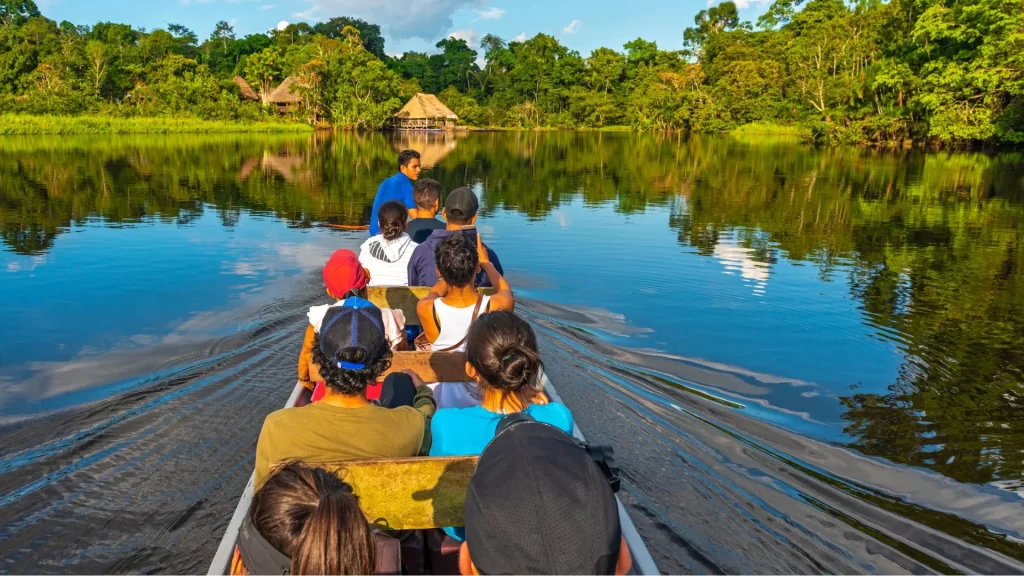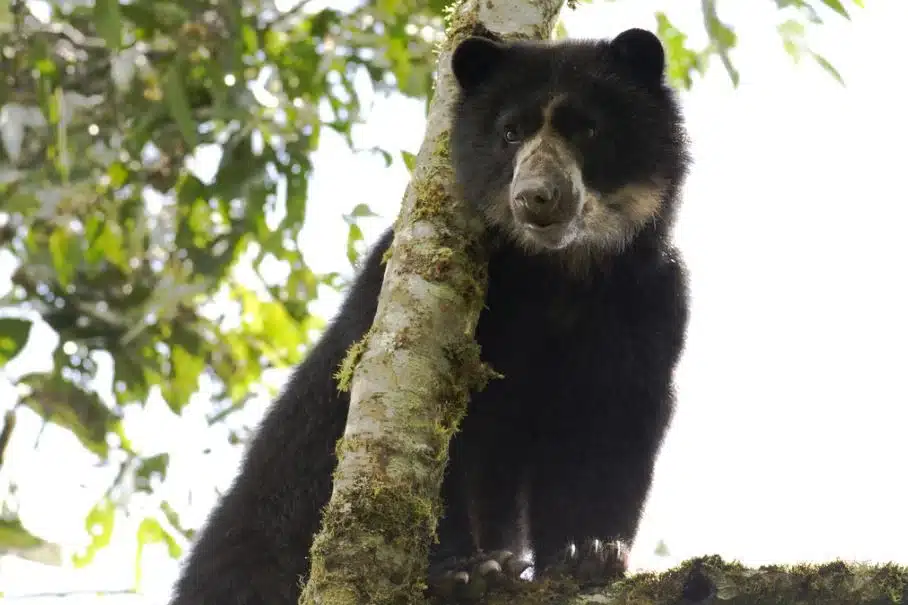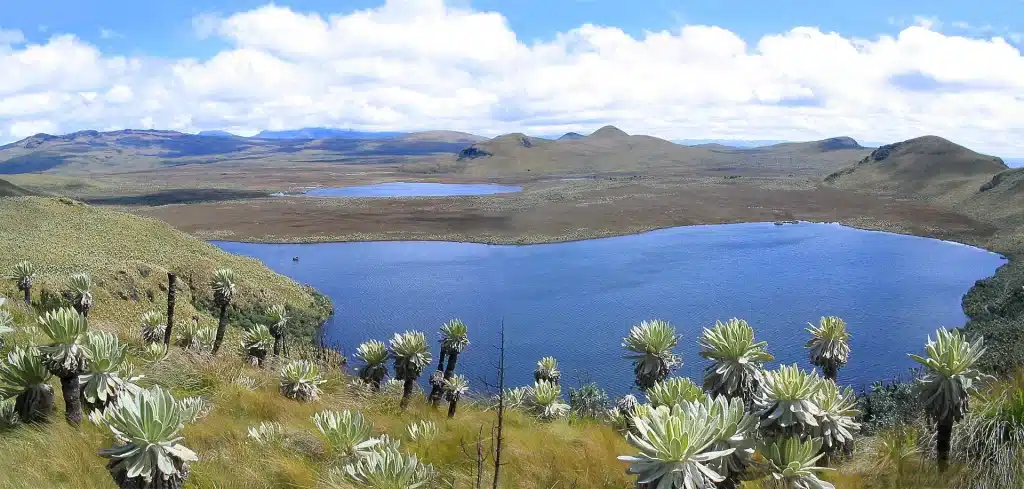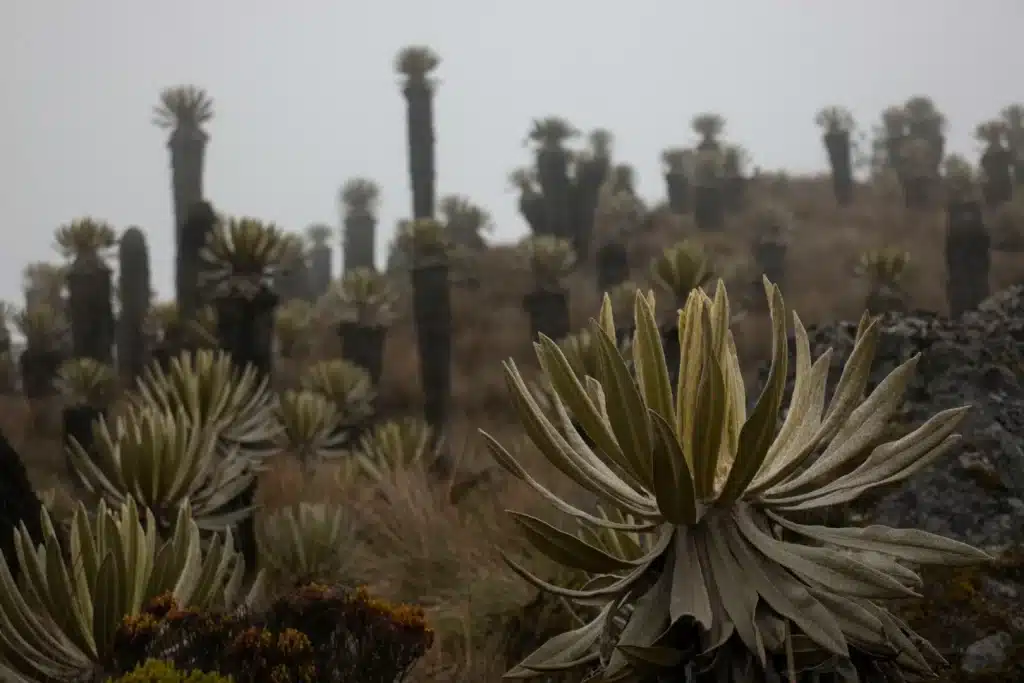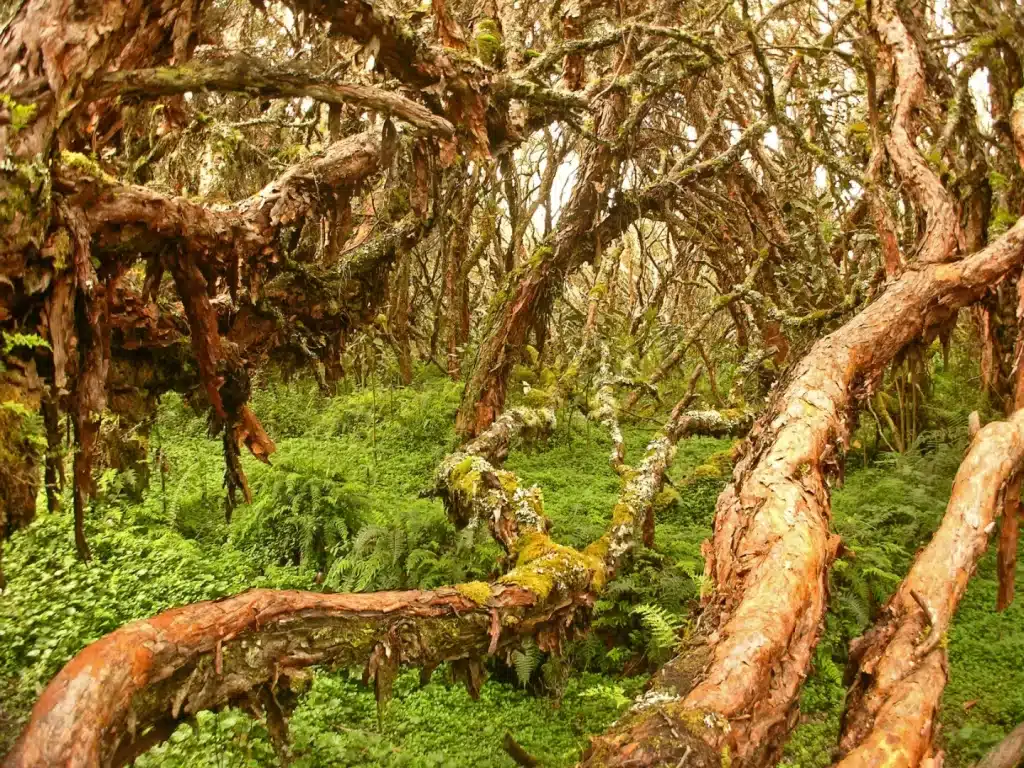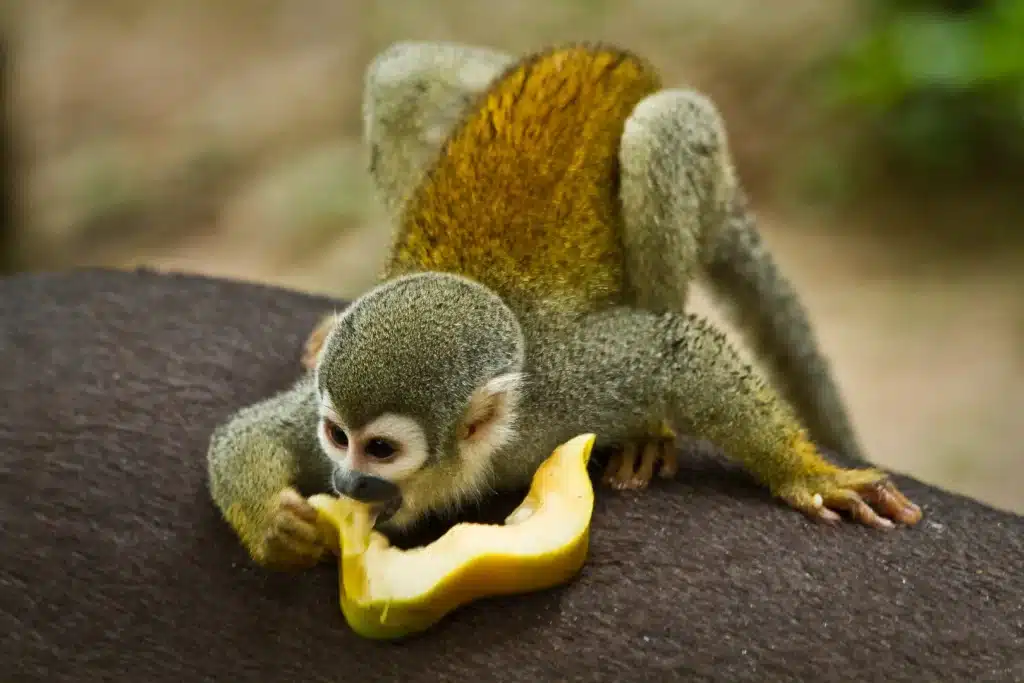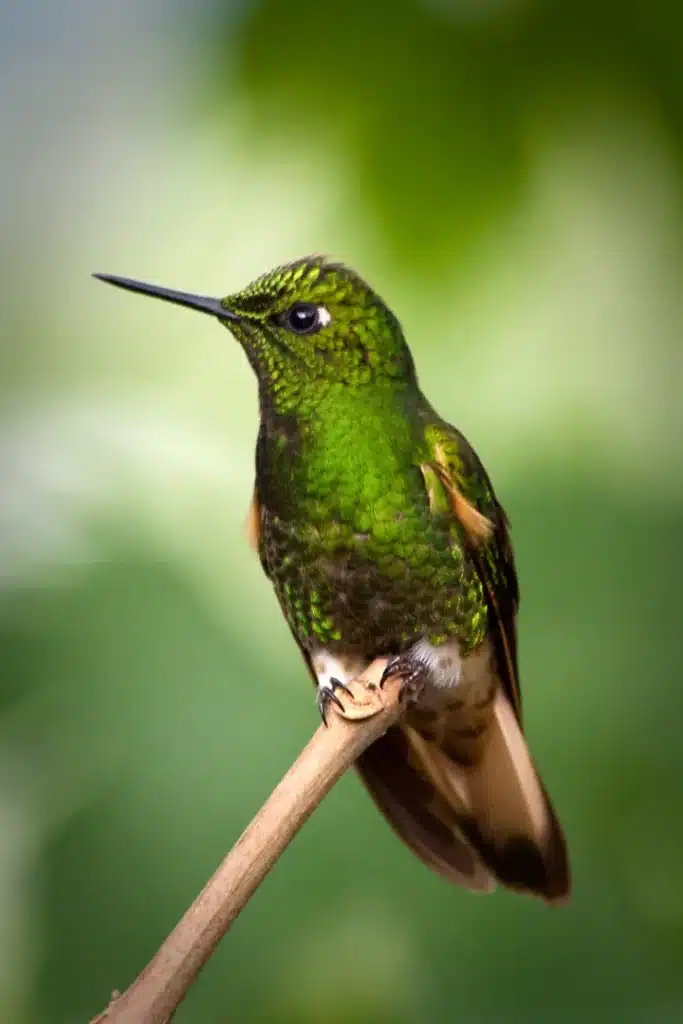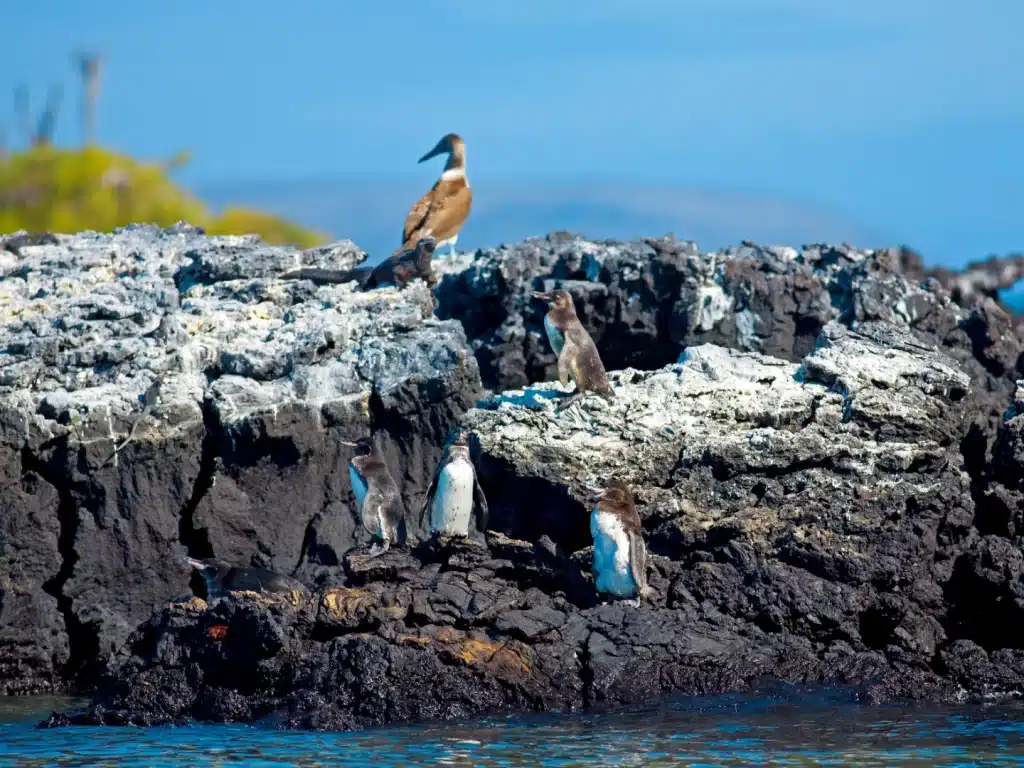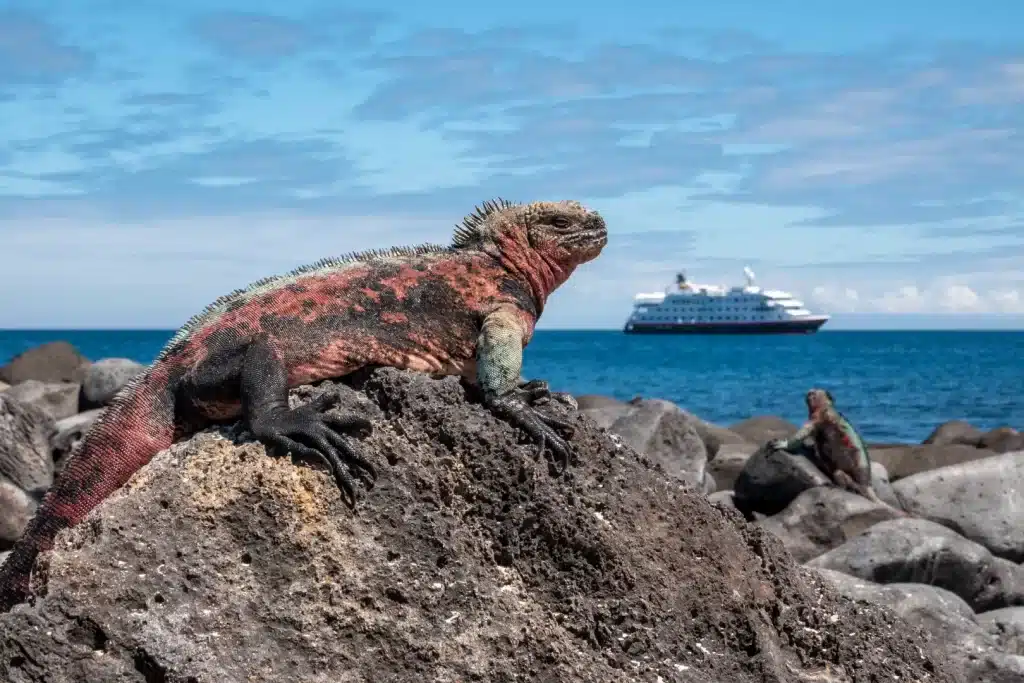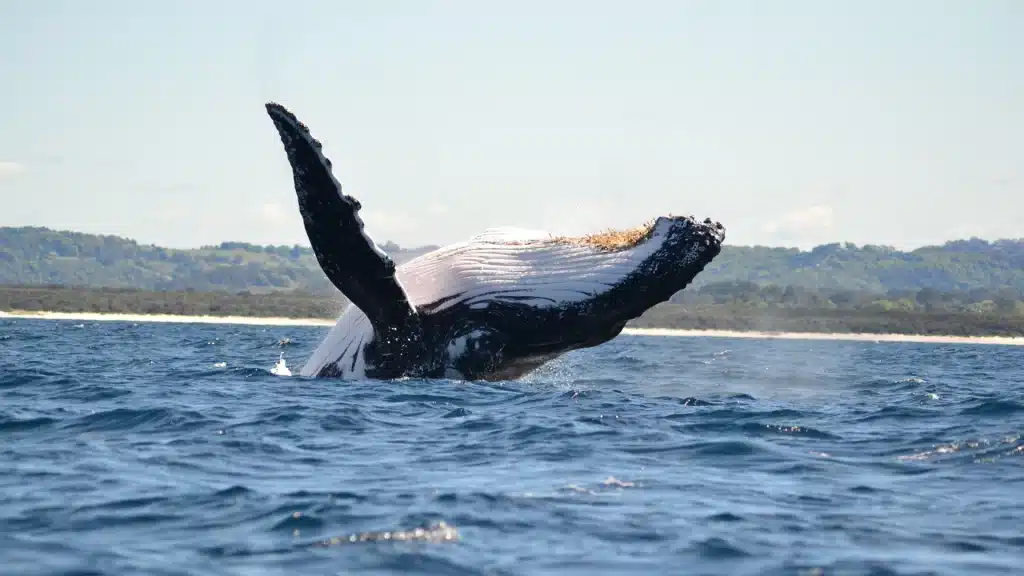
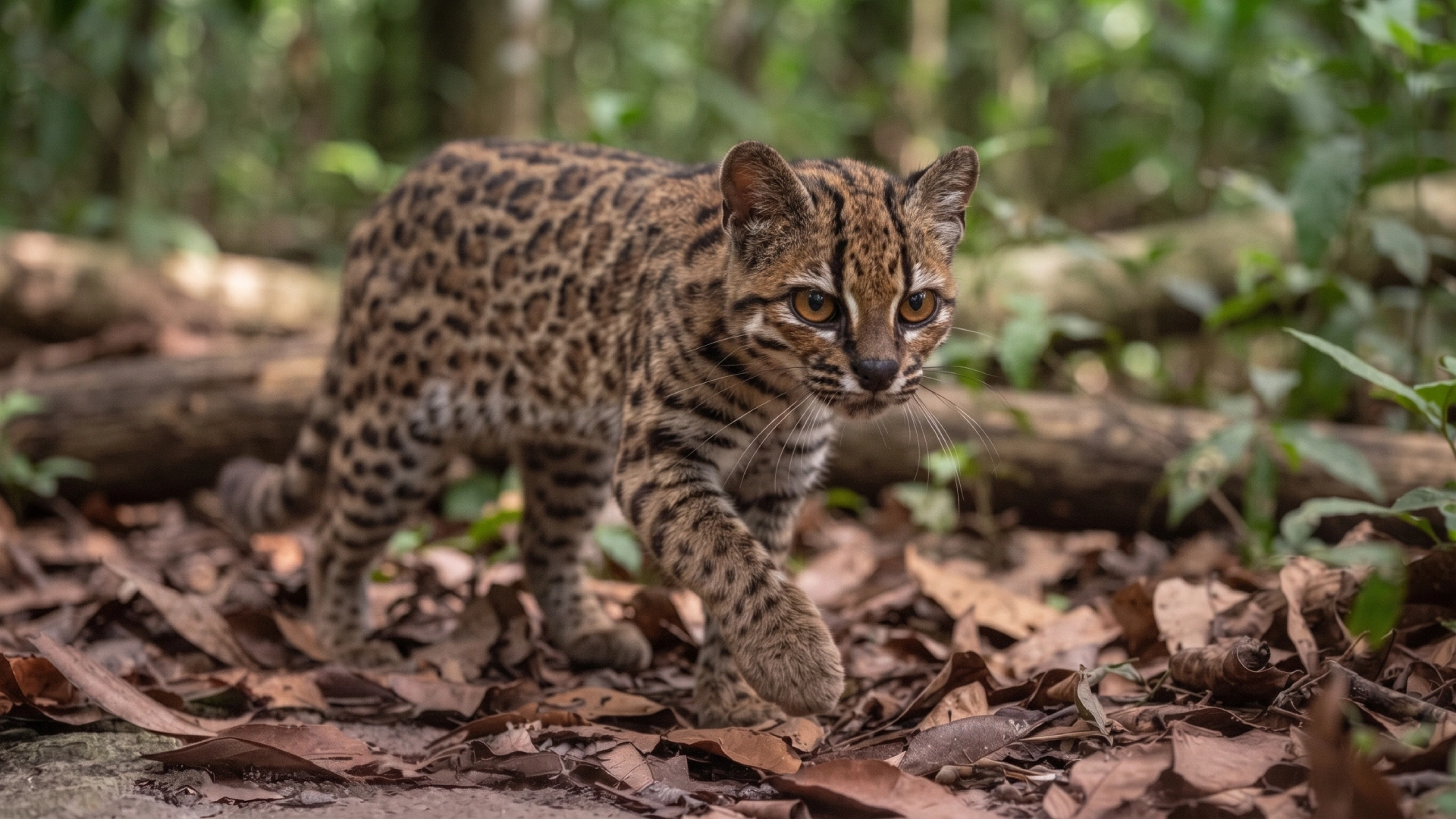

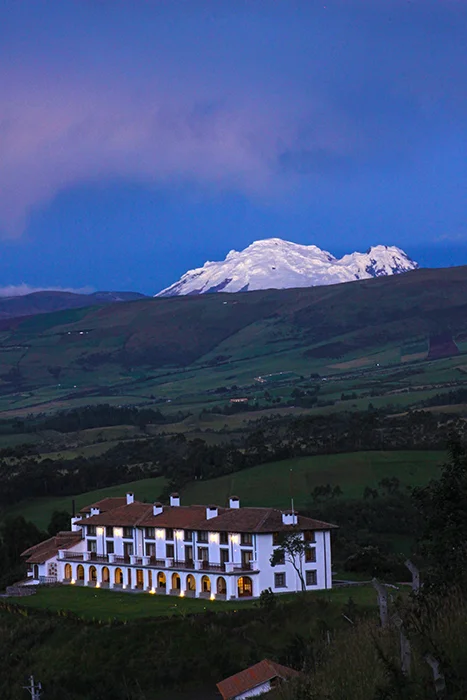
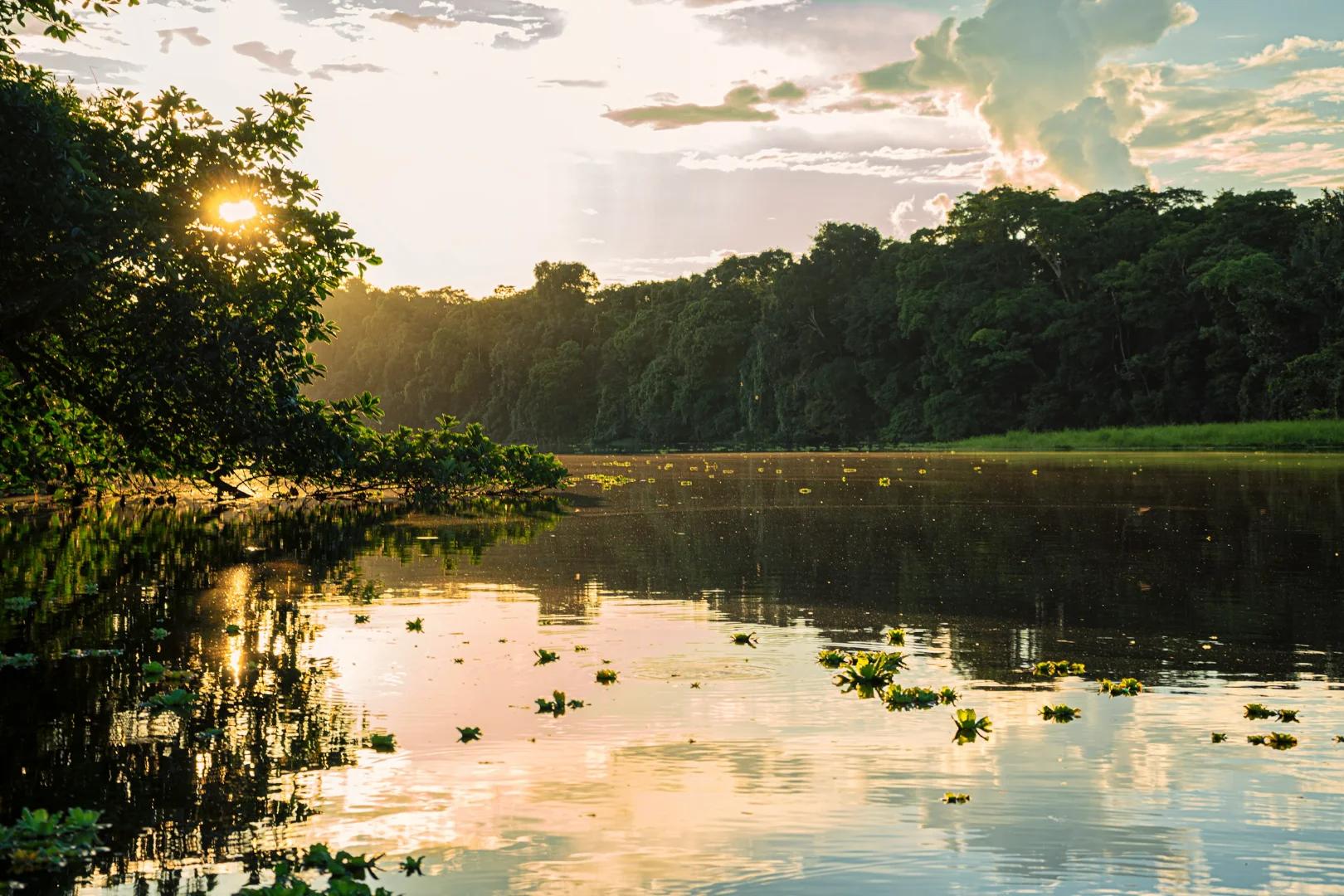
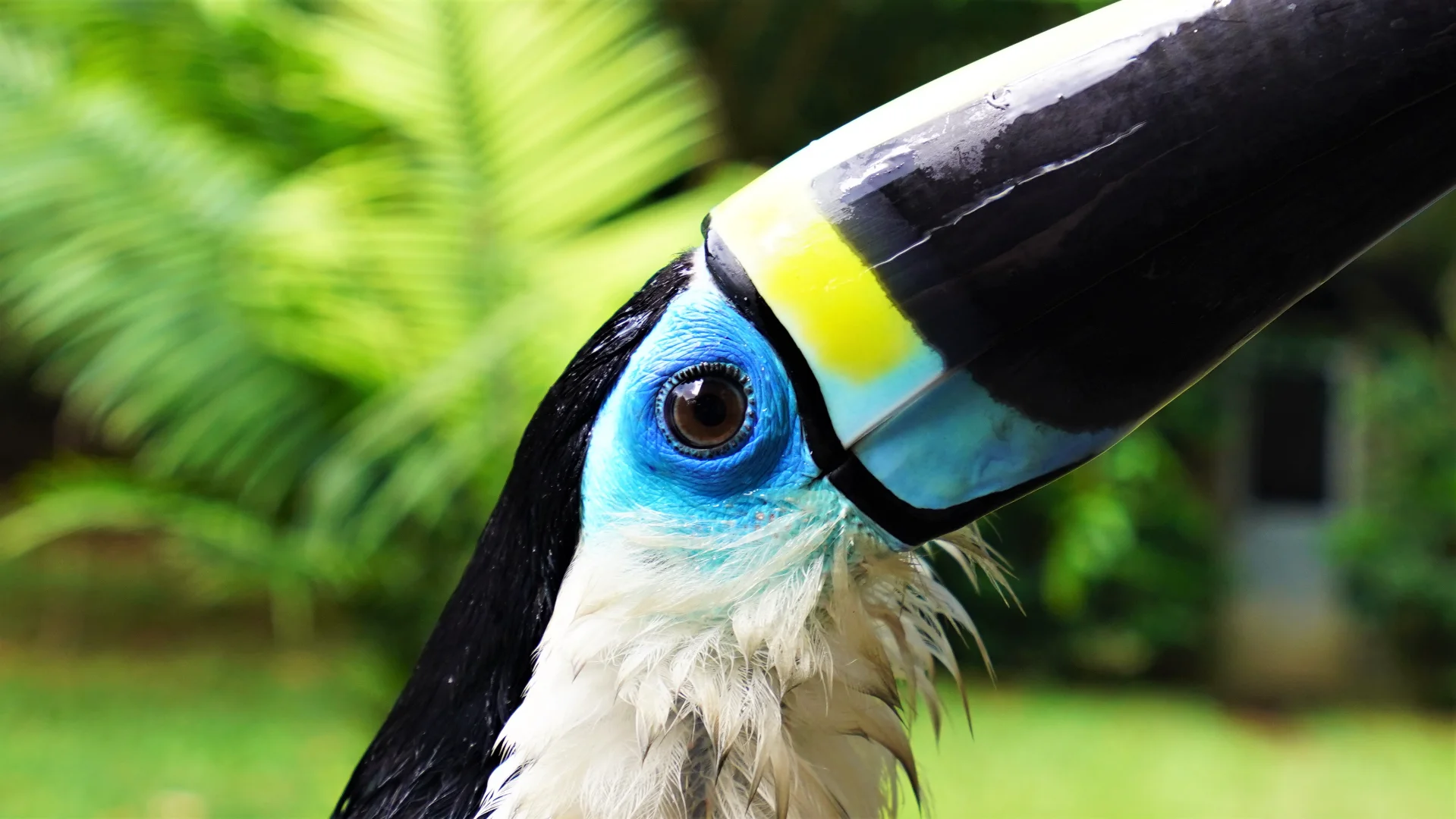
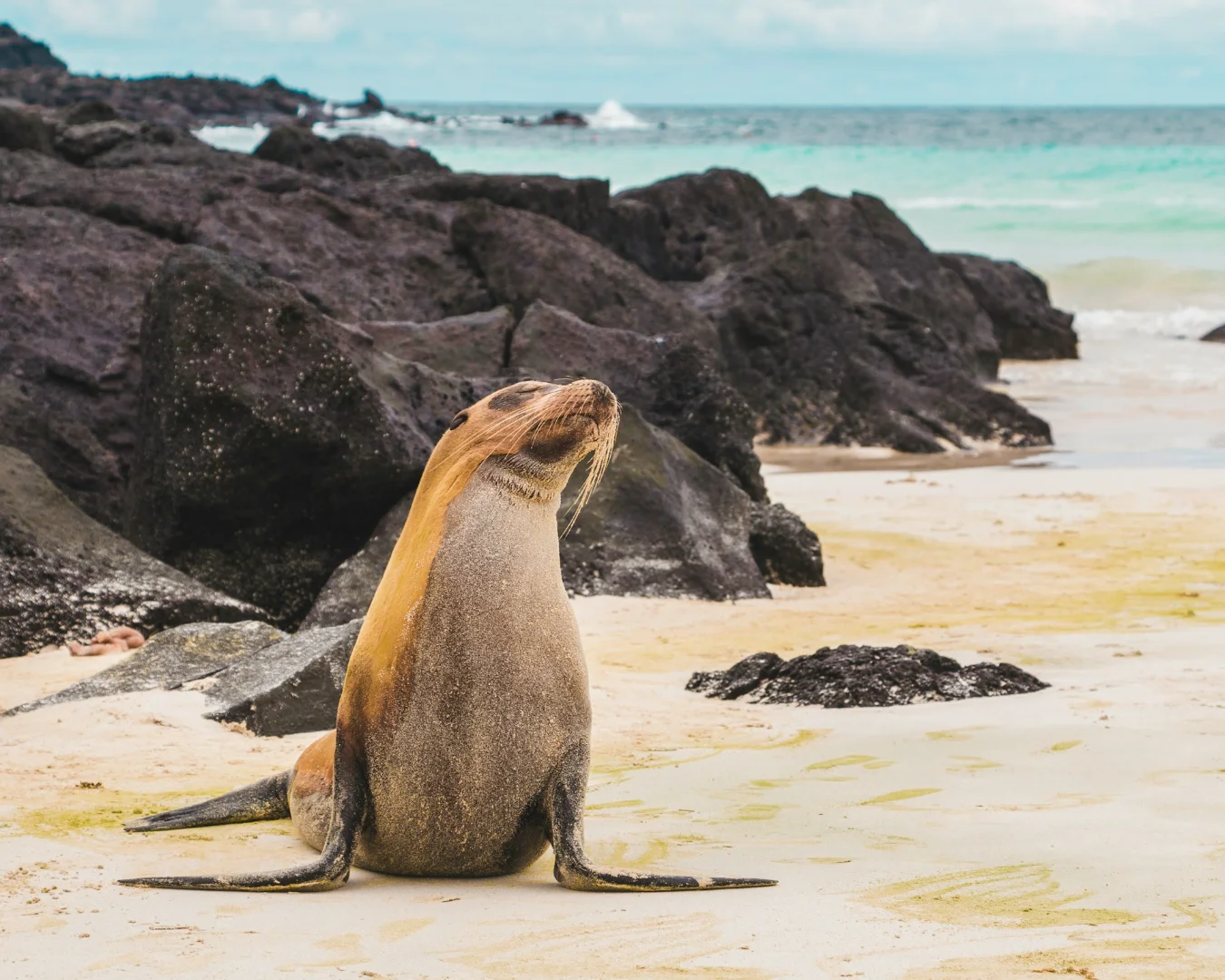
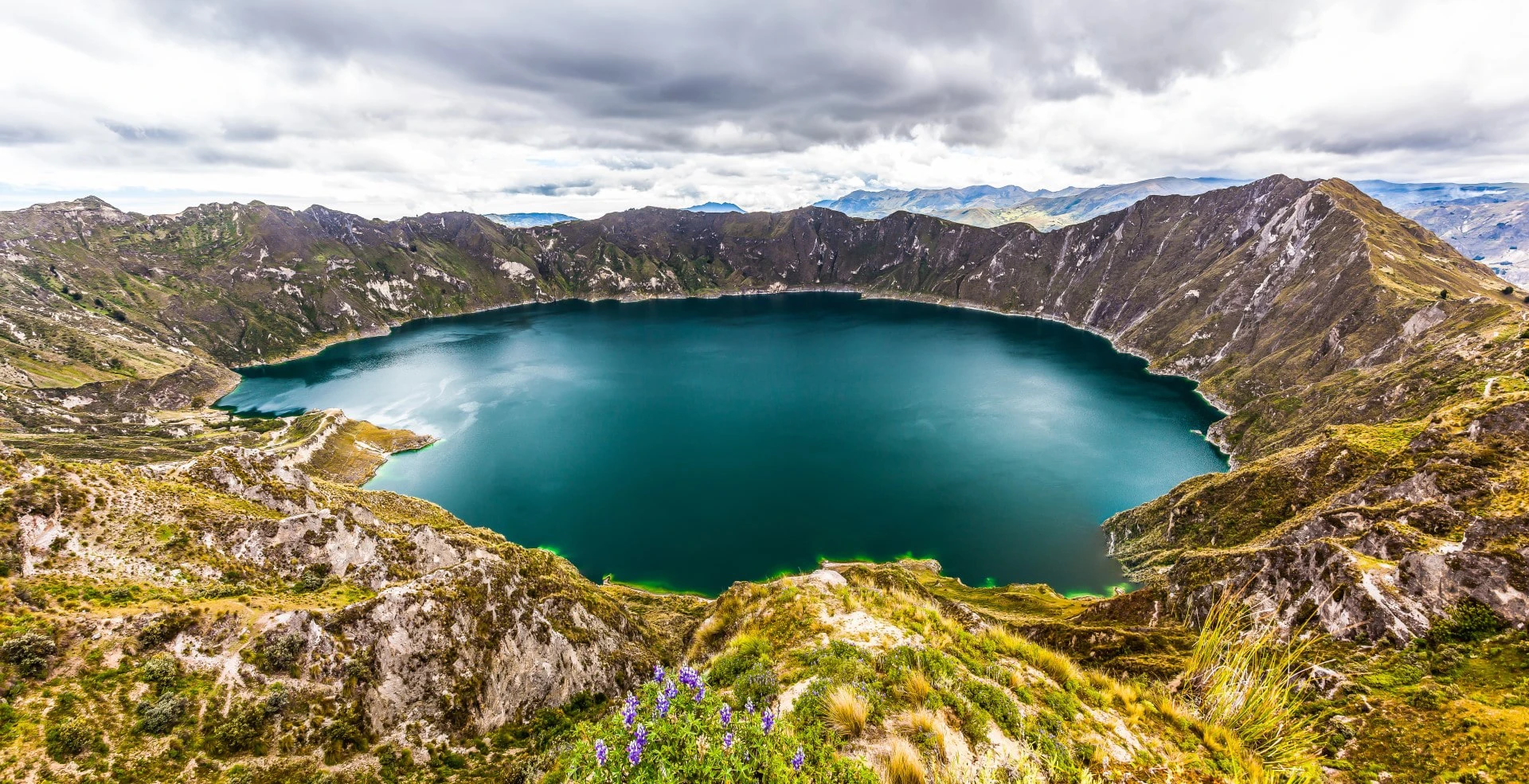
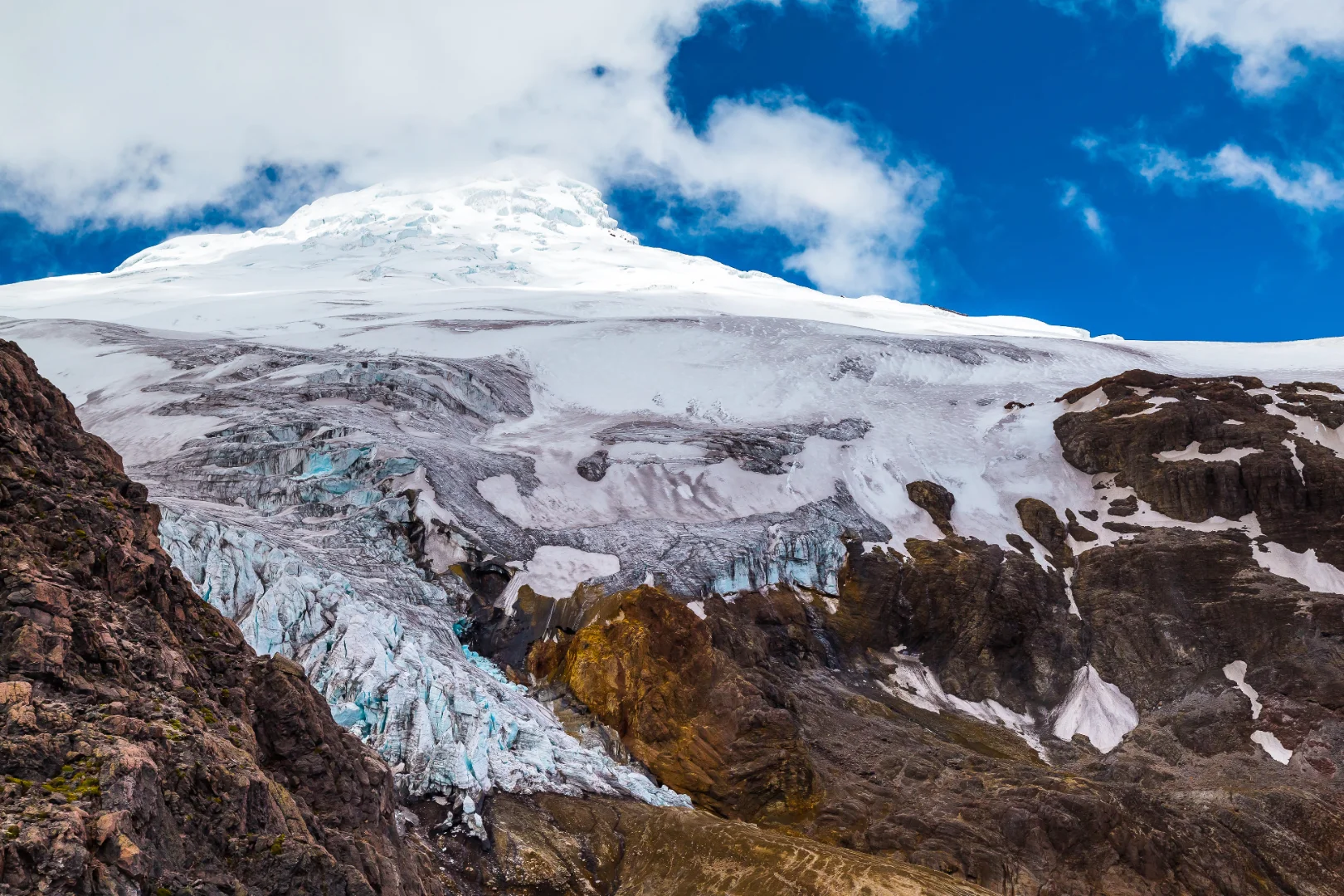
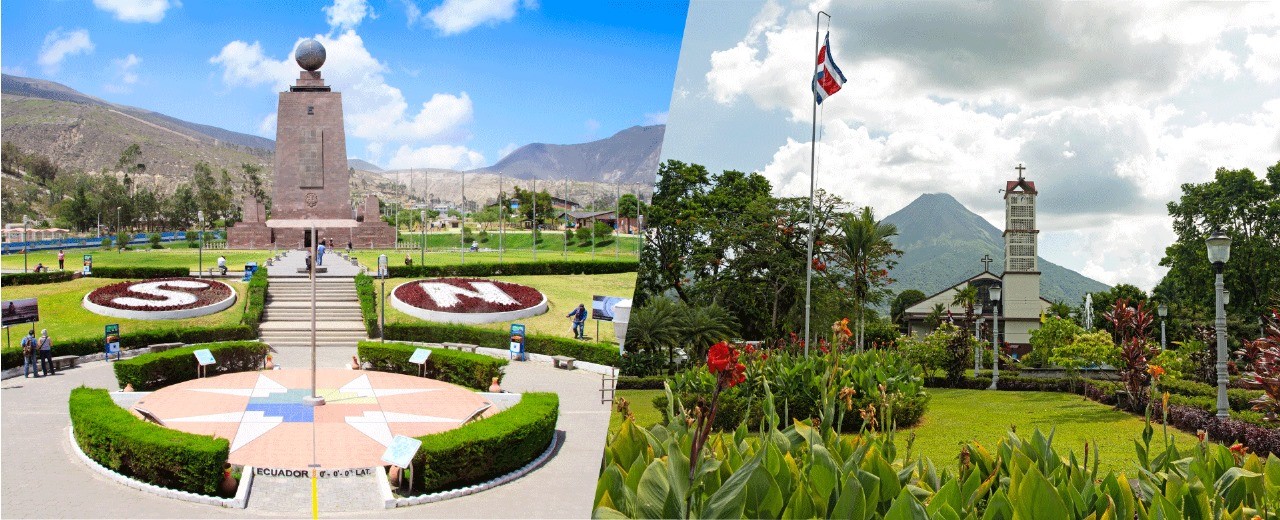


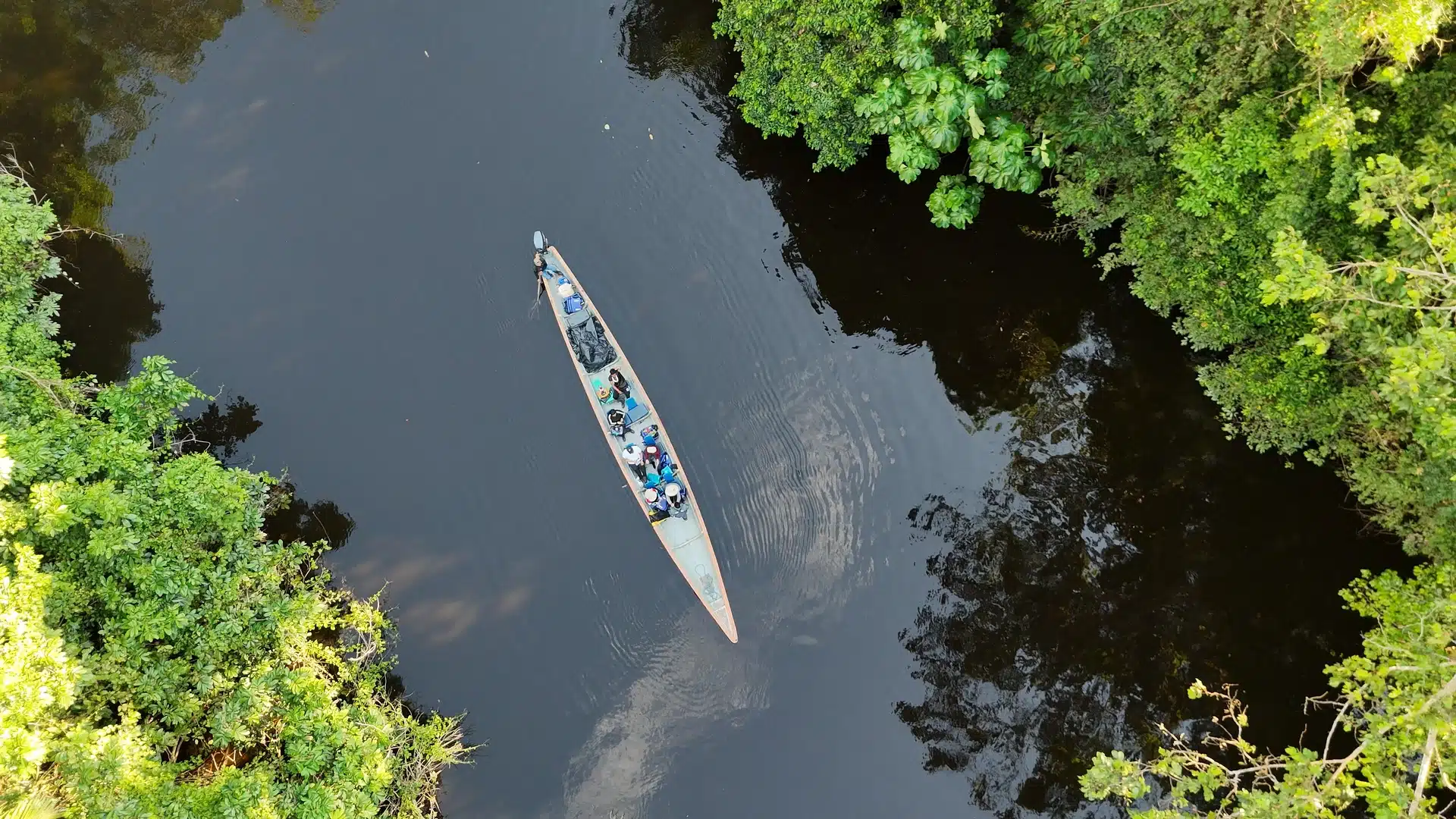
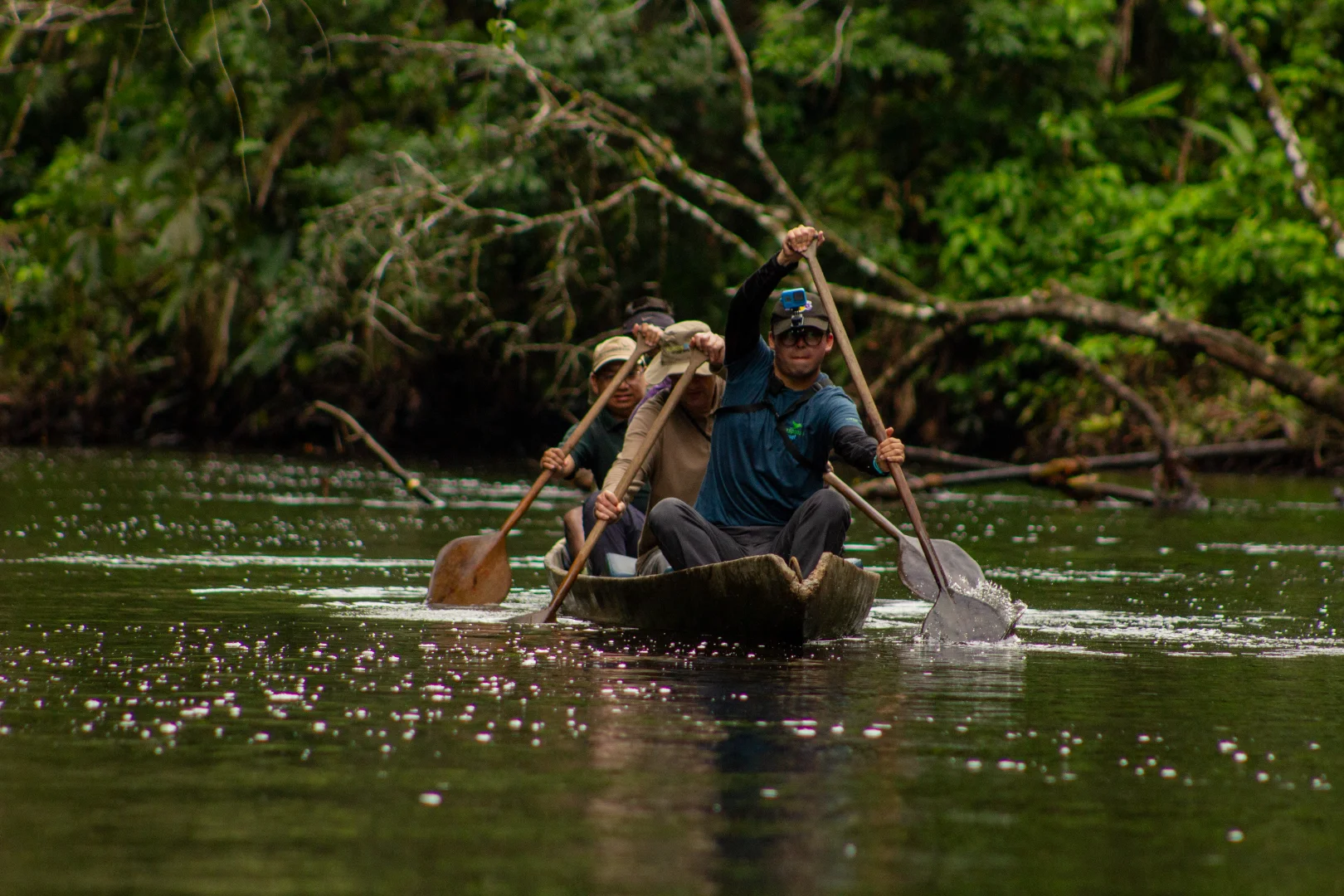

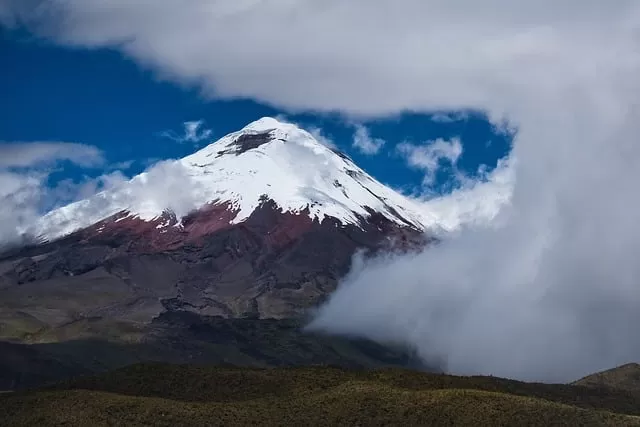
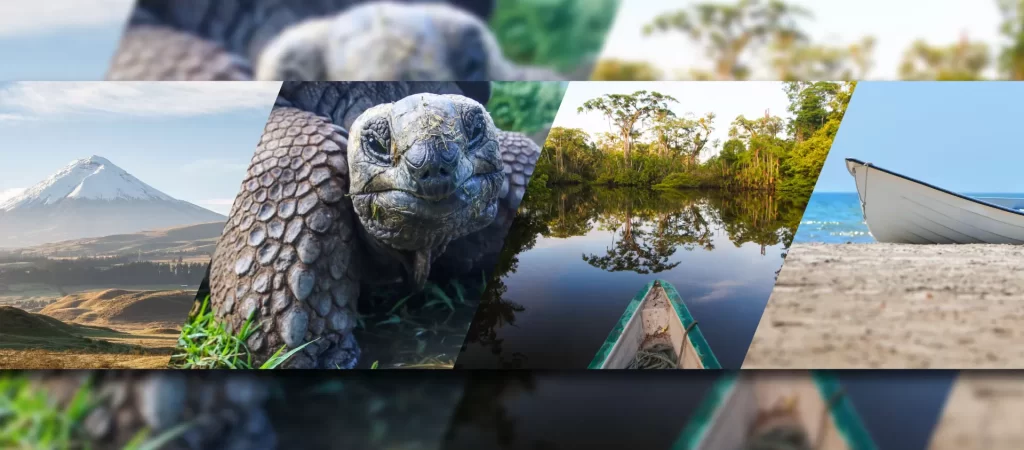
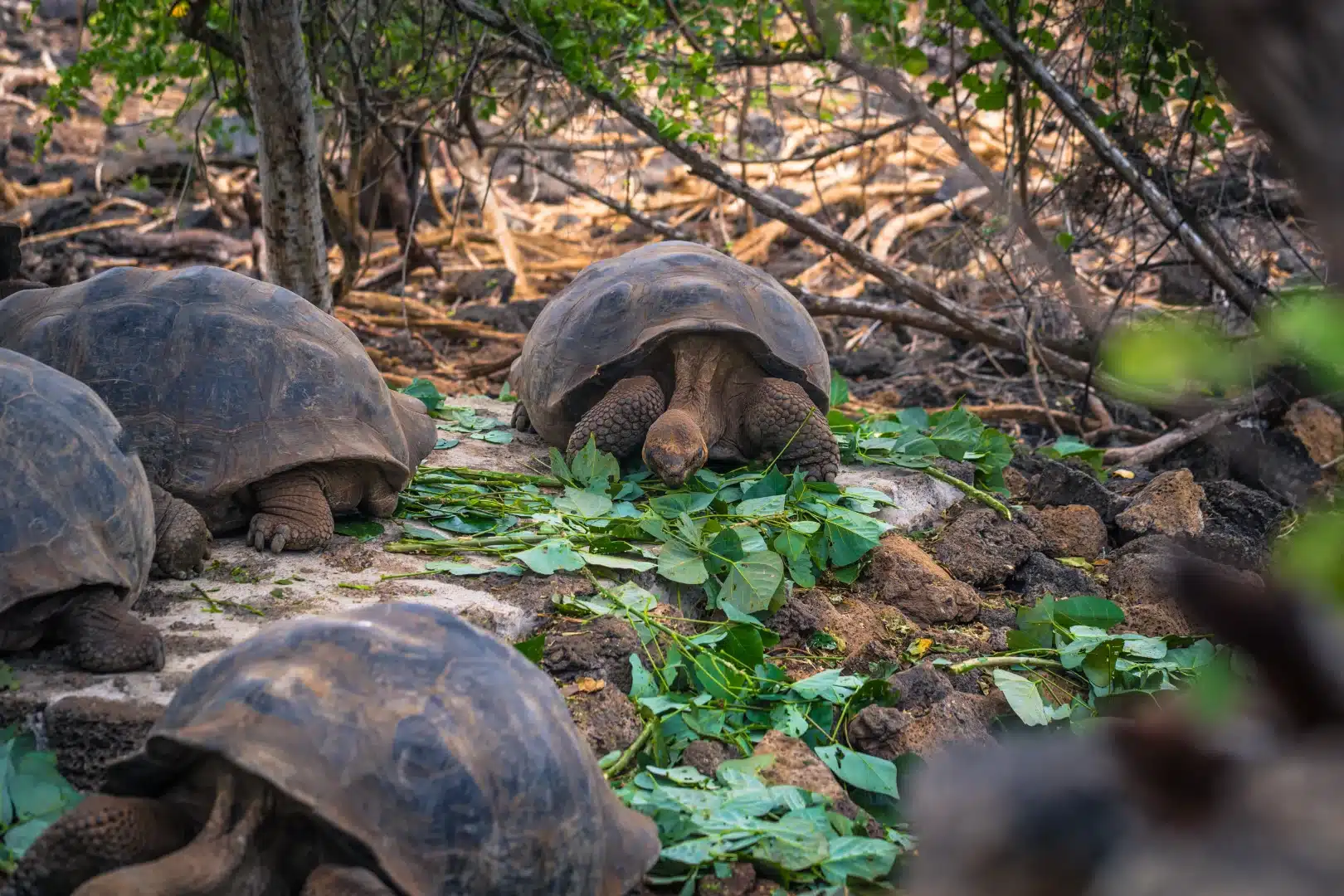
L'Équateur a beau paraître petit sur la carte, c'est comme si plusieurs pays avaient fusionné pour n'en former qu'un seul.Sur un territoire géographiquement restreint, le paysage passe des mangroves et des forêts sèches du Pacifique au páramo andin, à la forêt nuageuse, à la forêt tropicale amazonienne et aux îles volcaniques des Galápagos.
Cette concentration d'altitudes, de climats et de paysages contribue à expliquer pourquoi l'Équateur est reconnu comme l'un des pays les plus riches en biodiversité au monde. Les profils officiels sur la biodiversité décrivent le pays comme un territoire façonné par sa situation géographique dans la région néotropicale, la présence des Andes et l'influence des courants océaniques, avec quatre grandes régions naturelles et au moins91 types d'écosystèmes.
C'est ce qui rend les réserves de l'Équateur si fascinantes.Certaines protègent les mangroves, les zones humides et la vie marine. D’autres protègent les páramos, les forêts de nuages, les forêts sèches ou des espèces que l’on ne trouve nulle part ailleurs sur Terre. Ensemble, elles révèlent bien plus qu’un simple paysage : elles montrent comment un petit pays est devenu l’une des expressions les plus marquantes dediversité biologiquesur la planète.