






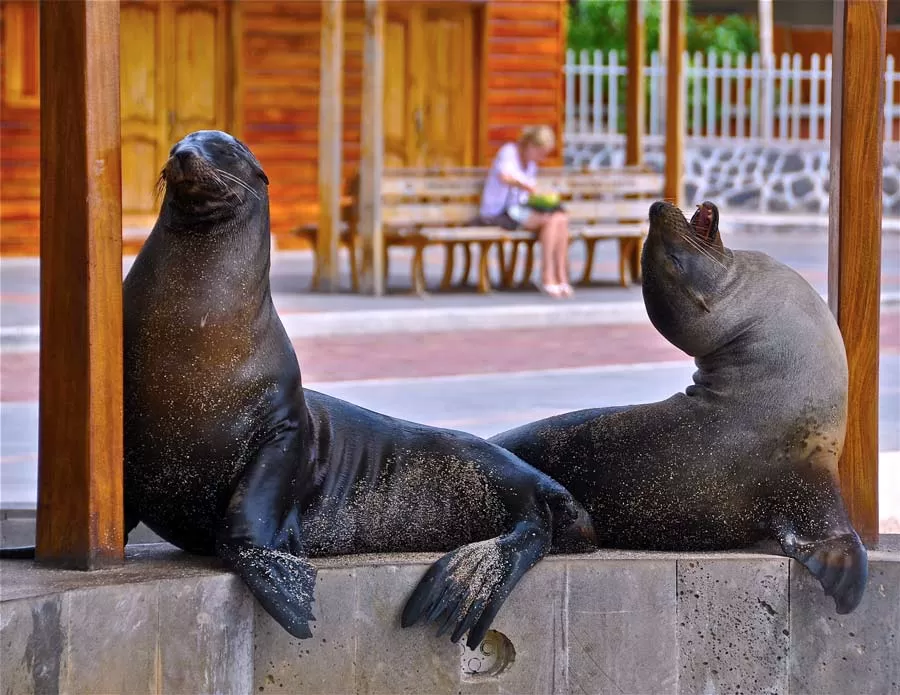
A short distance from Quito, Antisana protects páramo, wetlands, mountain forests and glacial landscapes between the provinces of Pichincha and Napo.
ANTISANA VOLCANO
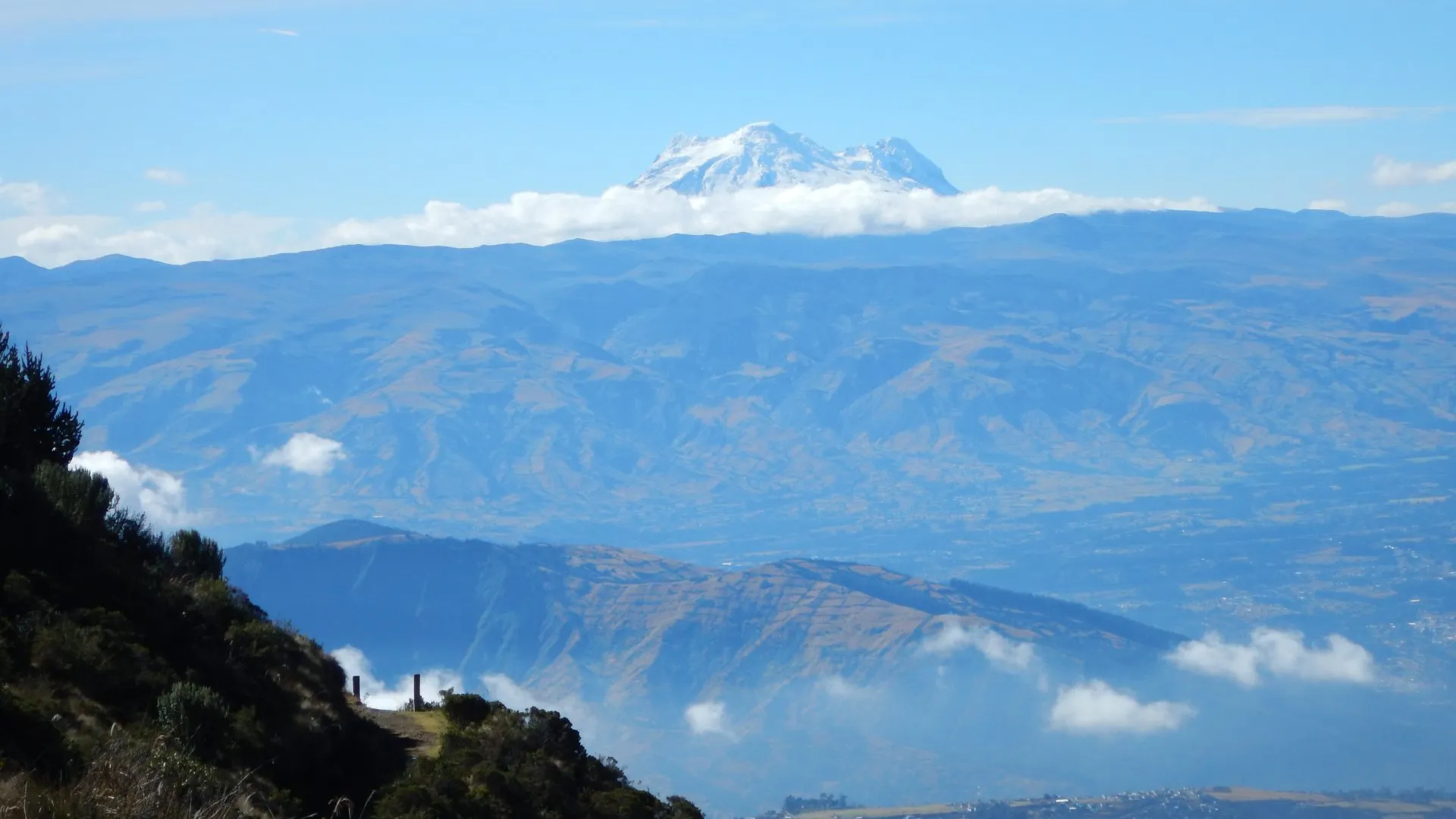
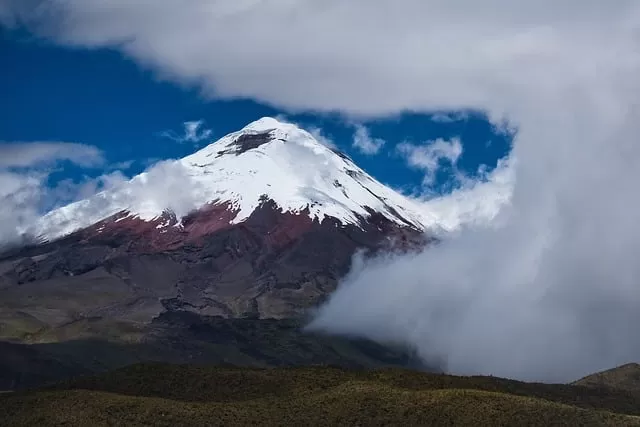
Antisana is a glacier-covered stratovolcano in Ecuador’s Eastern Cordillera. Its summit reaches approximately 5,753 metres above sea level.
Climbing Antisana requires high-altitude mountaineering experience, technical equipment and prior coordination with the protected-area authorities. It is not a regular hiking activity.
- Type: glacier-covered stratovolcano.
- Elevation: approximately 5,753 metres.
- Location: Eastern Cordillera of the Andes.
- Activity: technical mountaineering.
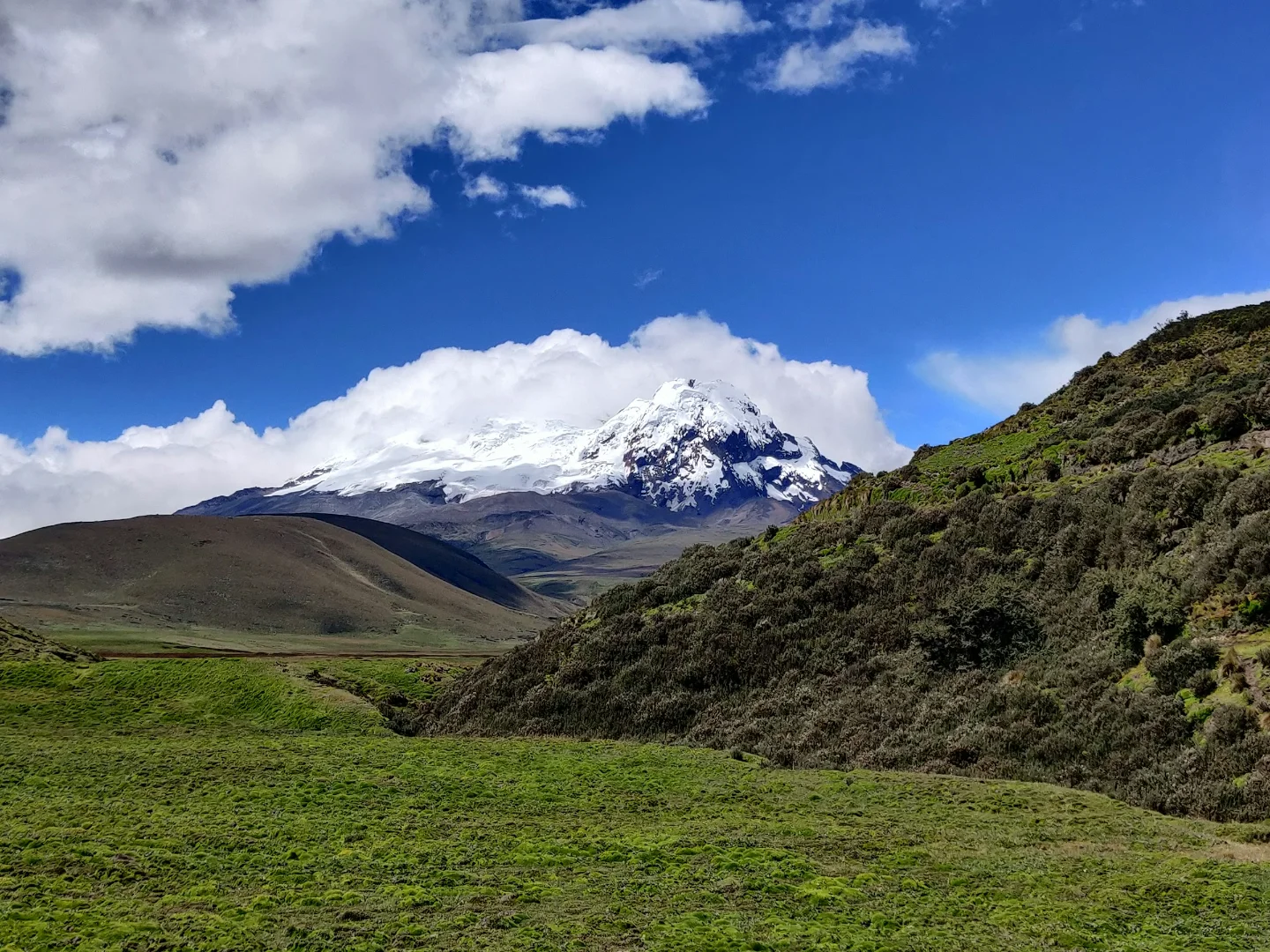
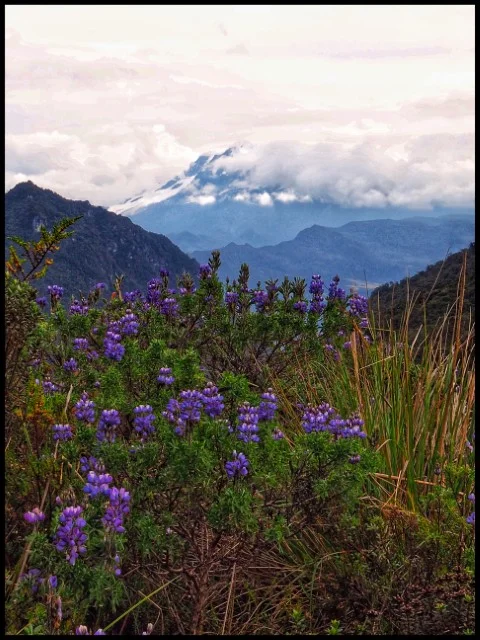
PÁRAMO, WETLANDS AND MOUNTAIN FORESTS
The park protects a transition of ecosystems from the highest parts of the mountain range to the eastern slopes descending towards Napo.
PÁRAMO
Grasslands and low vegetation adapted to cold, wind and moisture cover much of the higher terrain.
WETLANDS
These areas store water and release it gradually into rivers and water-supply systems.
MOUNTAIN FORESTS
On the eastern slopes, the vegetation changes and increases the diversity of habitats within the park.
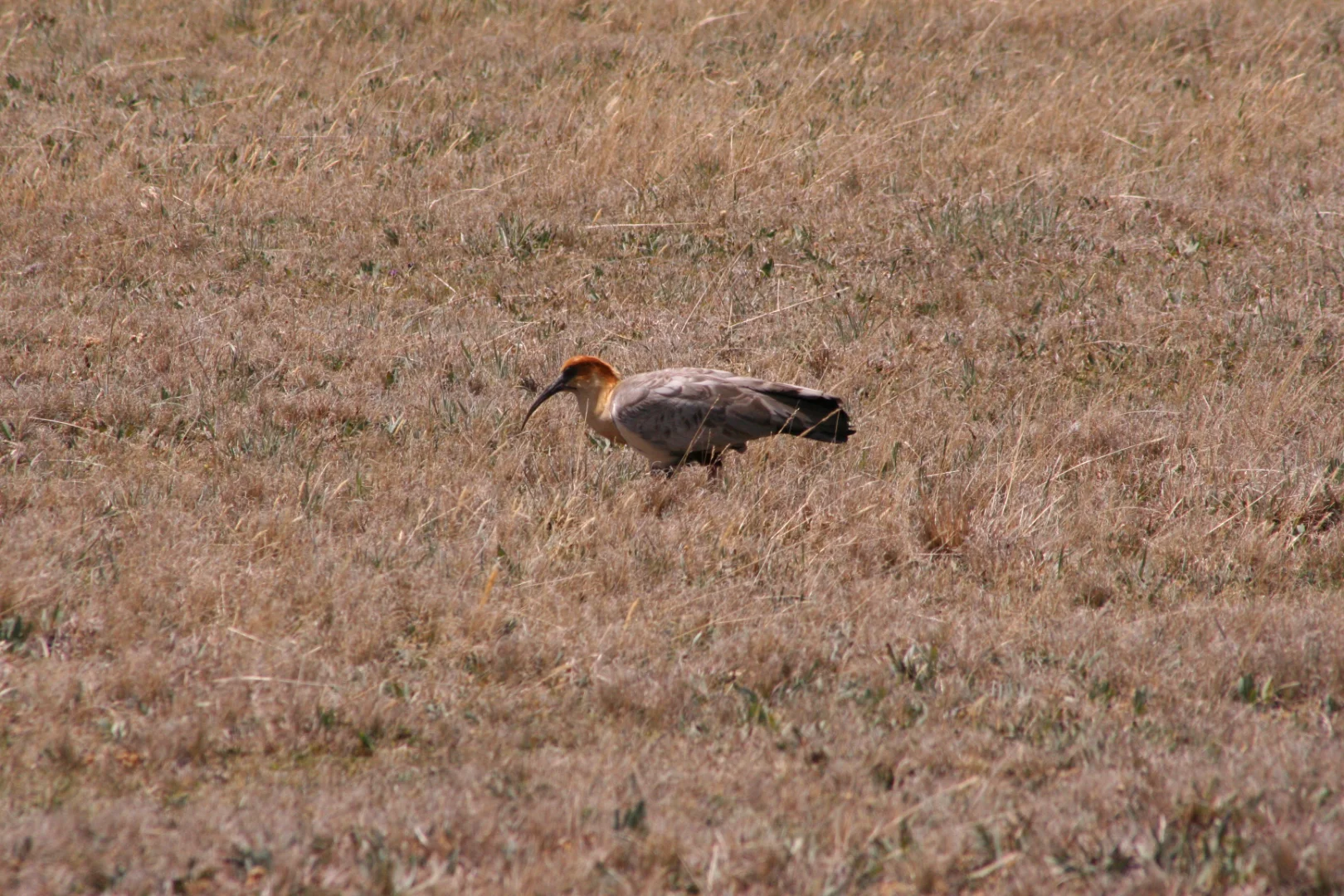
WILDLIFE AND ANDEAN CONDORS
Antisana is one of Ecuador’s most important places for the conservation and observation of the Andean condor.
The open páramo makes it easier to observe high-altitude birds and mammals. Sightings depend on weather, time of day and the natural behaviour of each species.
Wildlife should be observed from a distance, without feeding animals or approaching resting, feeding or nesting areas.
Chakana Reserve is a privately managed conservation area near Antisana. It is administered independently and is not part of the national park.
LA MICA
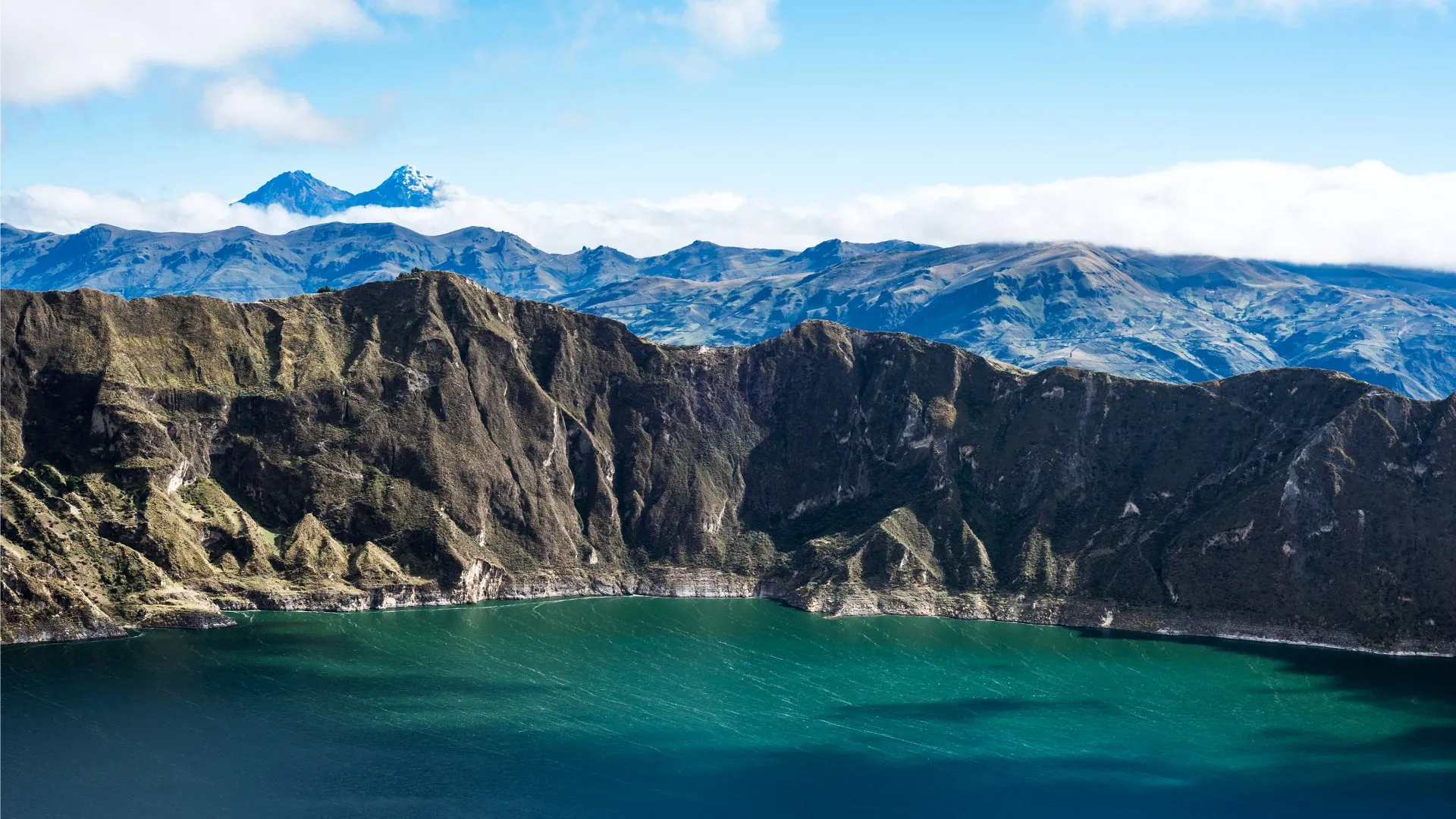
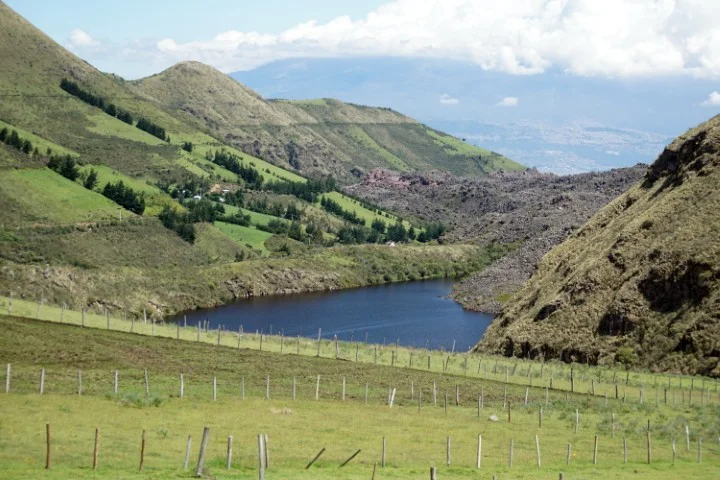
La Mica is a high-altitude lagoon and reservoir, as well as one of the park’s main visitor areas.
The area helps visitors understand the relationship between the páramo and the water supplied to Quito. It also offers opportunities for walking, wildlife observation and landscape photography.
HOW TO REACH ANTISANA
The usual route to La Mica leaves Quito, passes through Sangolquí and continues towards Píntag.
From Píntag’s central park, the journey is approximately 35 kilometres and usually takes around 45 minutes. Weather and road conditions may affect travel time.
Before travelling, confirm current opening hours, entry-registration requirements, possible temporary closures and access conditions.
WHAT TO DO IN ANTISANA
A day visit may focus on the following activities:
- Hiking: walks along authorised routes and permitted areas.
- Birdwatching: searching for condors and other páramo species.
- Wildlife observation: observing animals from a distance without disturbing them.
- Photography: landscapes, wetlands, birds and views of the volcano.
Climbing the volcano requires independent preparation, specialised equipment and prior coordination.
Review Responsible Travel’s good-practice guidelines
NATURE EXPERIENCES
Consulta las experiencias disponibles de Responsible Travel relacionadas con naturaleza, vida silvestre y paisajes de Ecuador y Sudamérica.