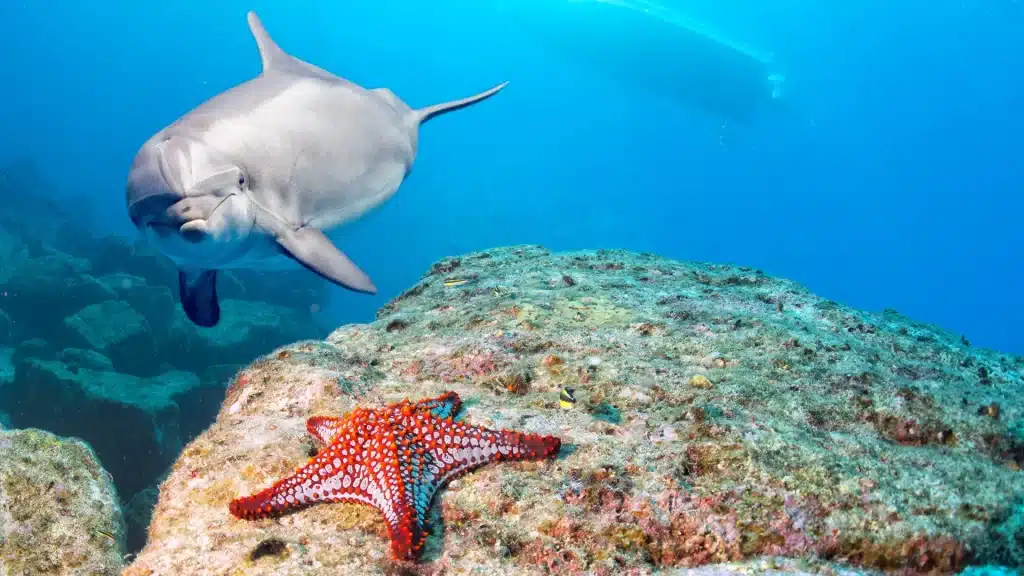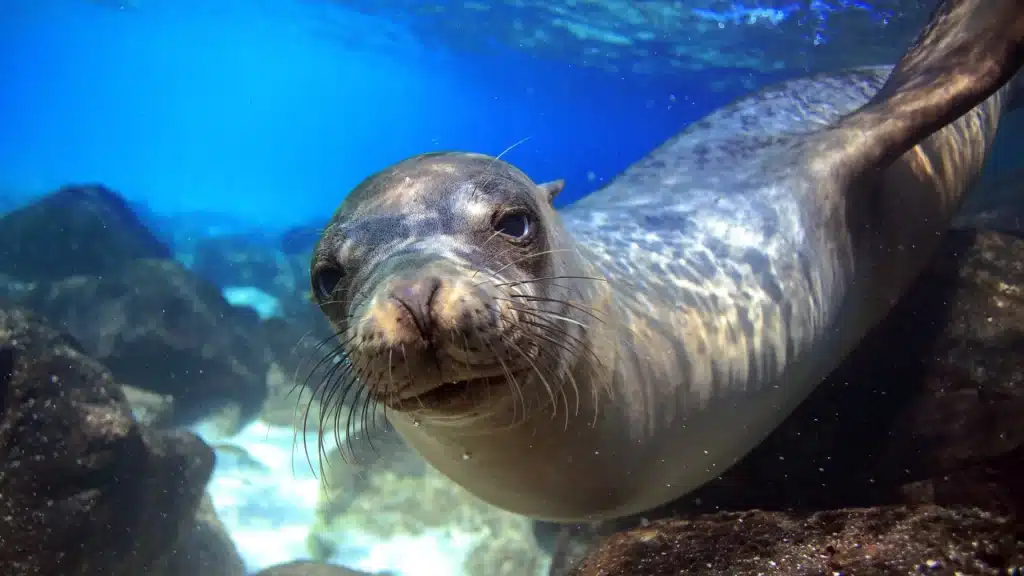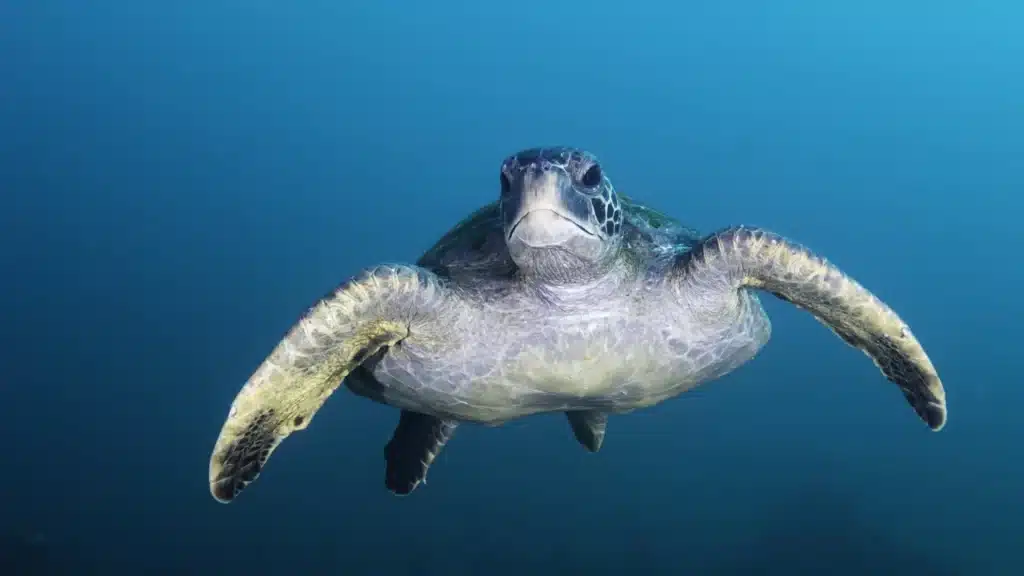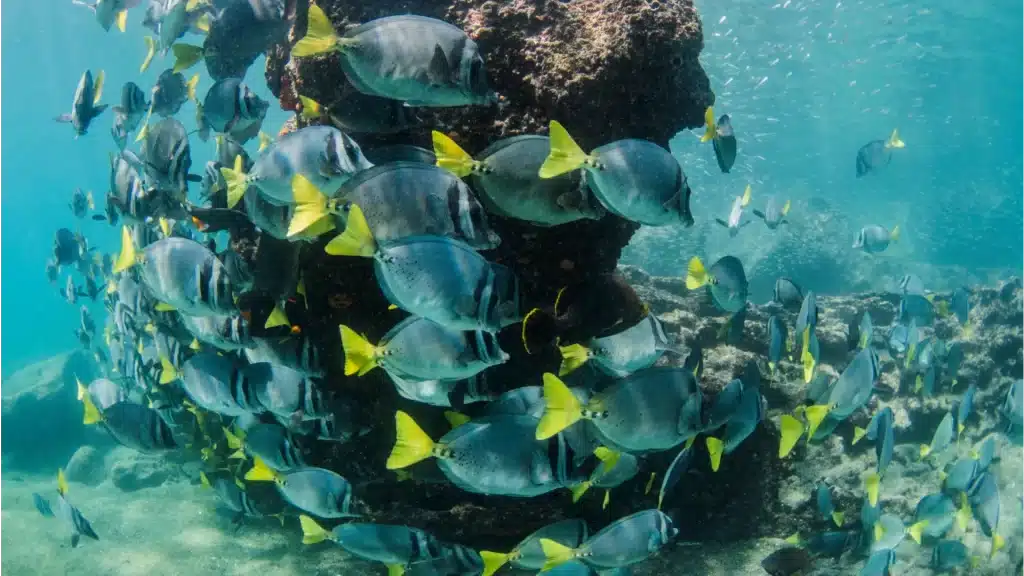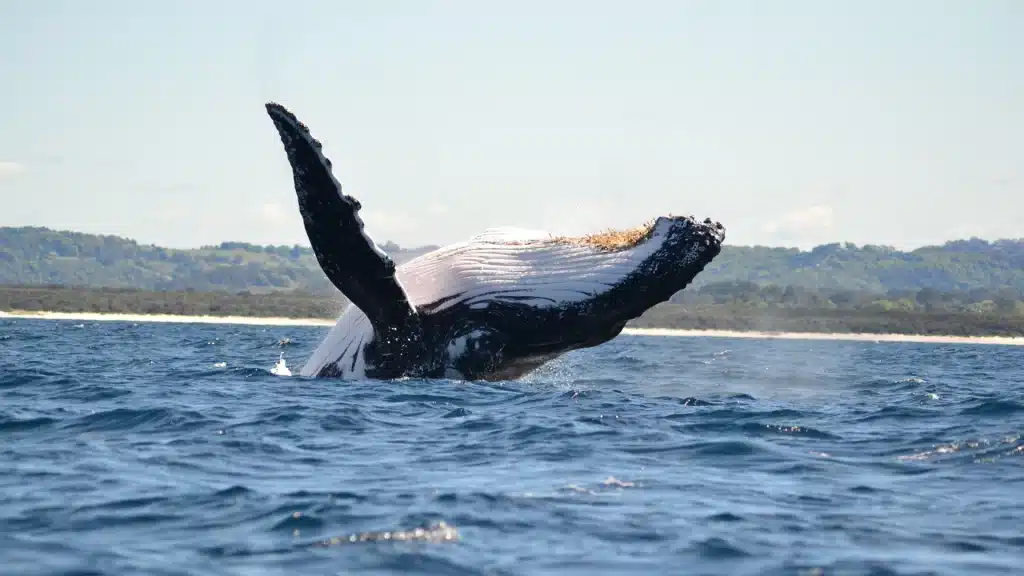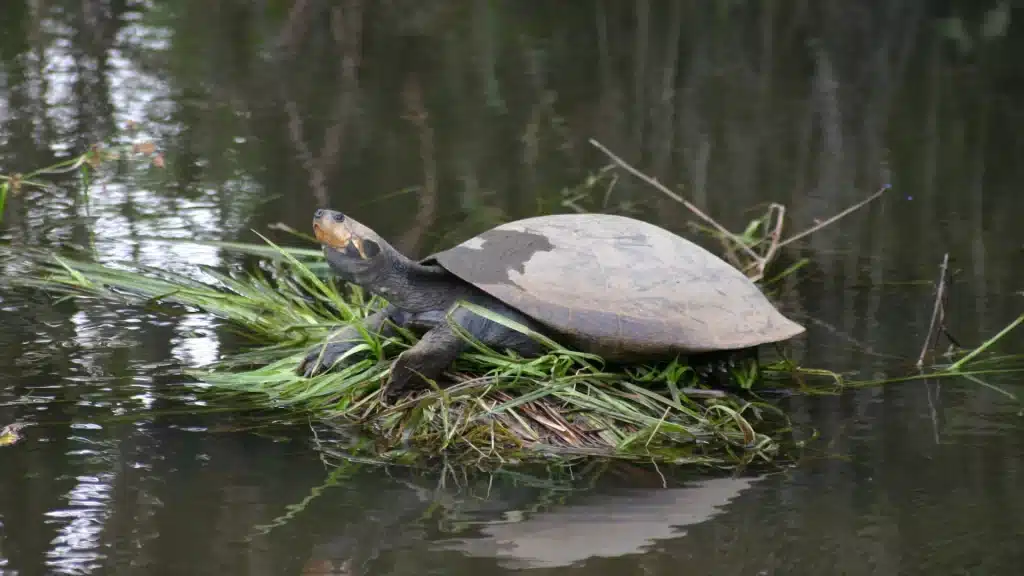
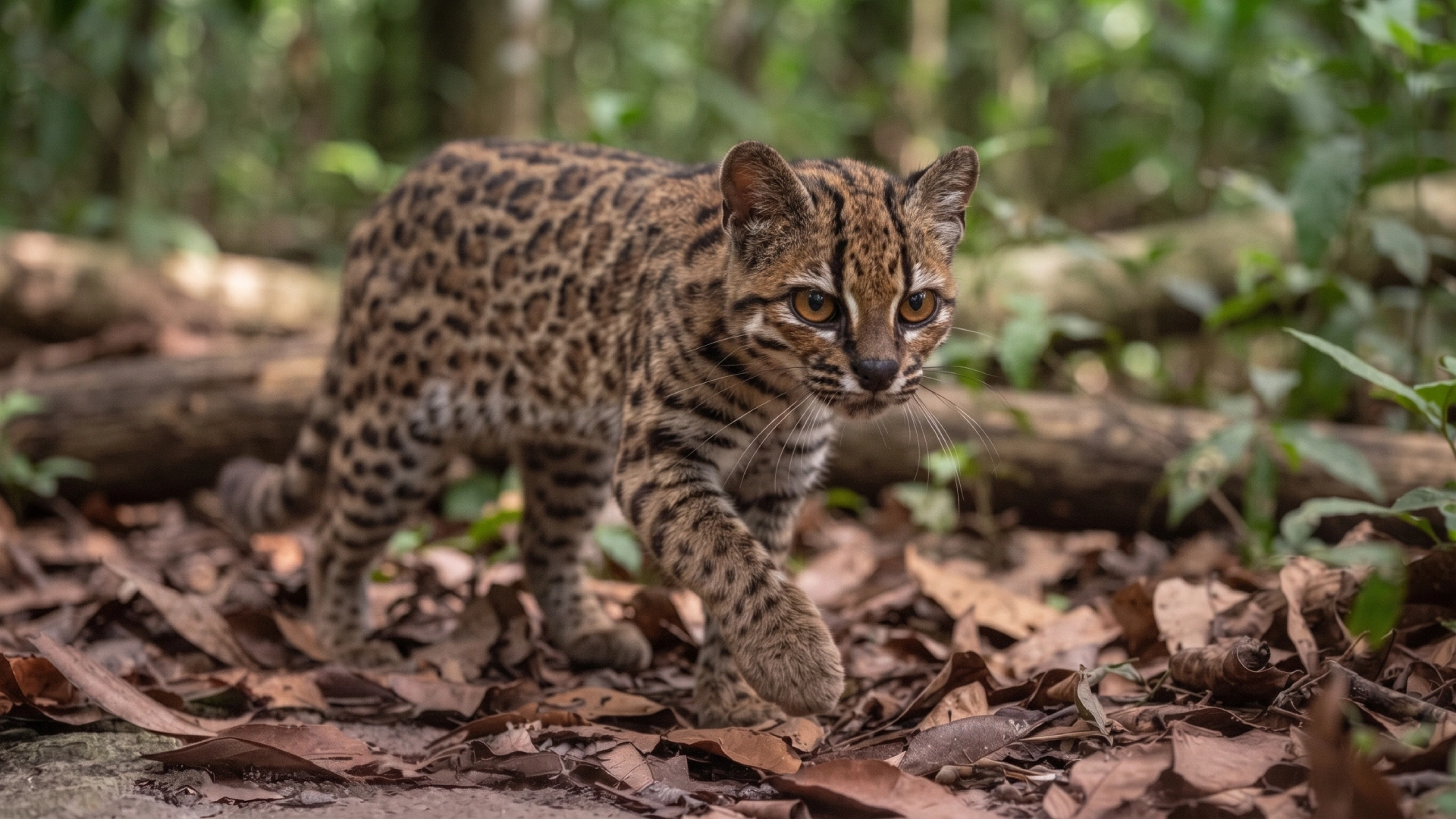

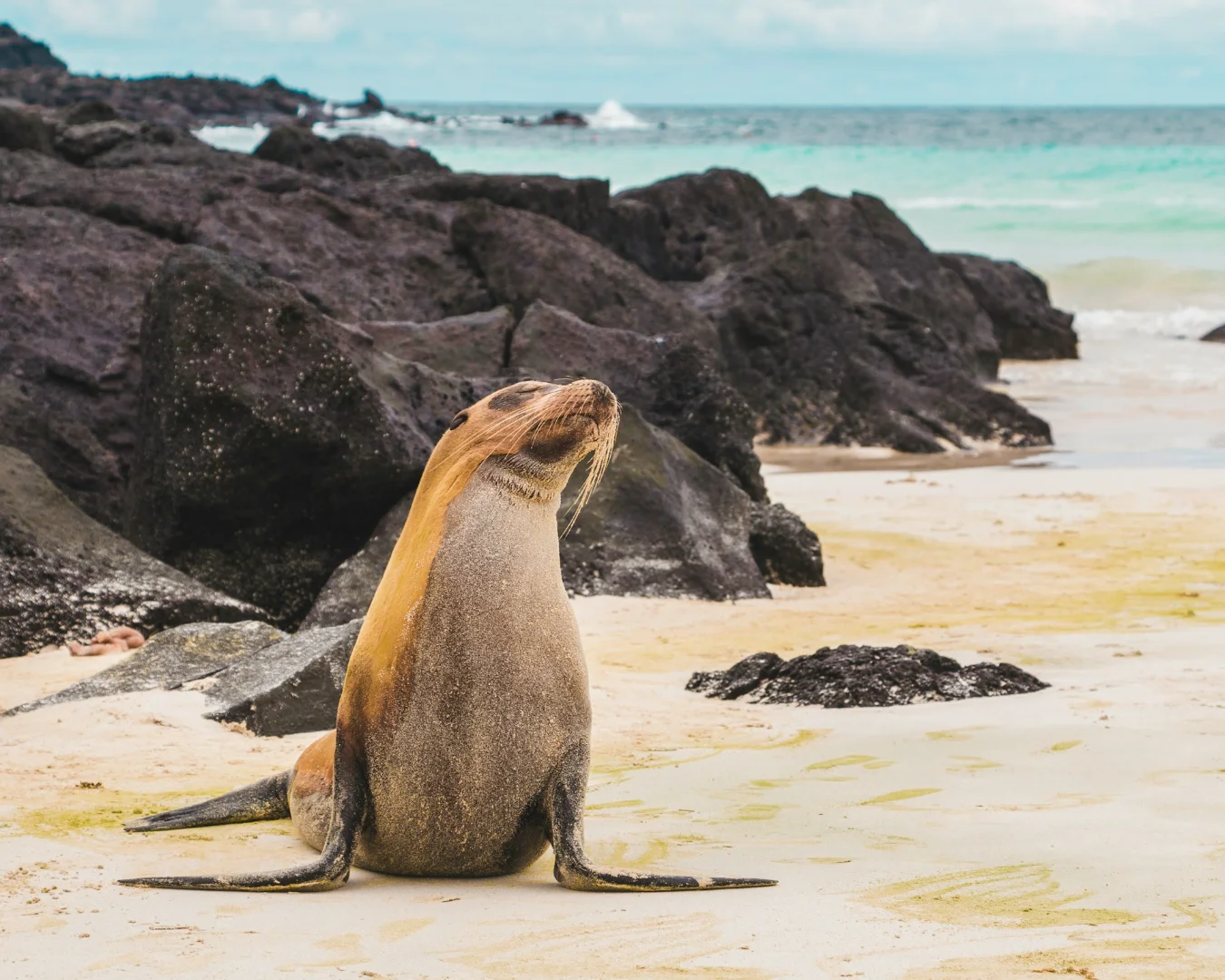



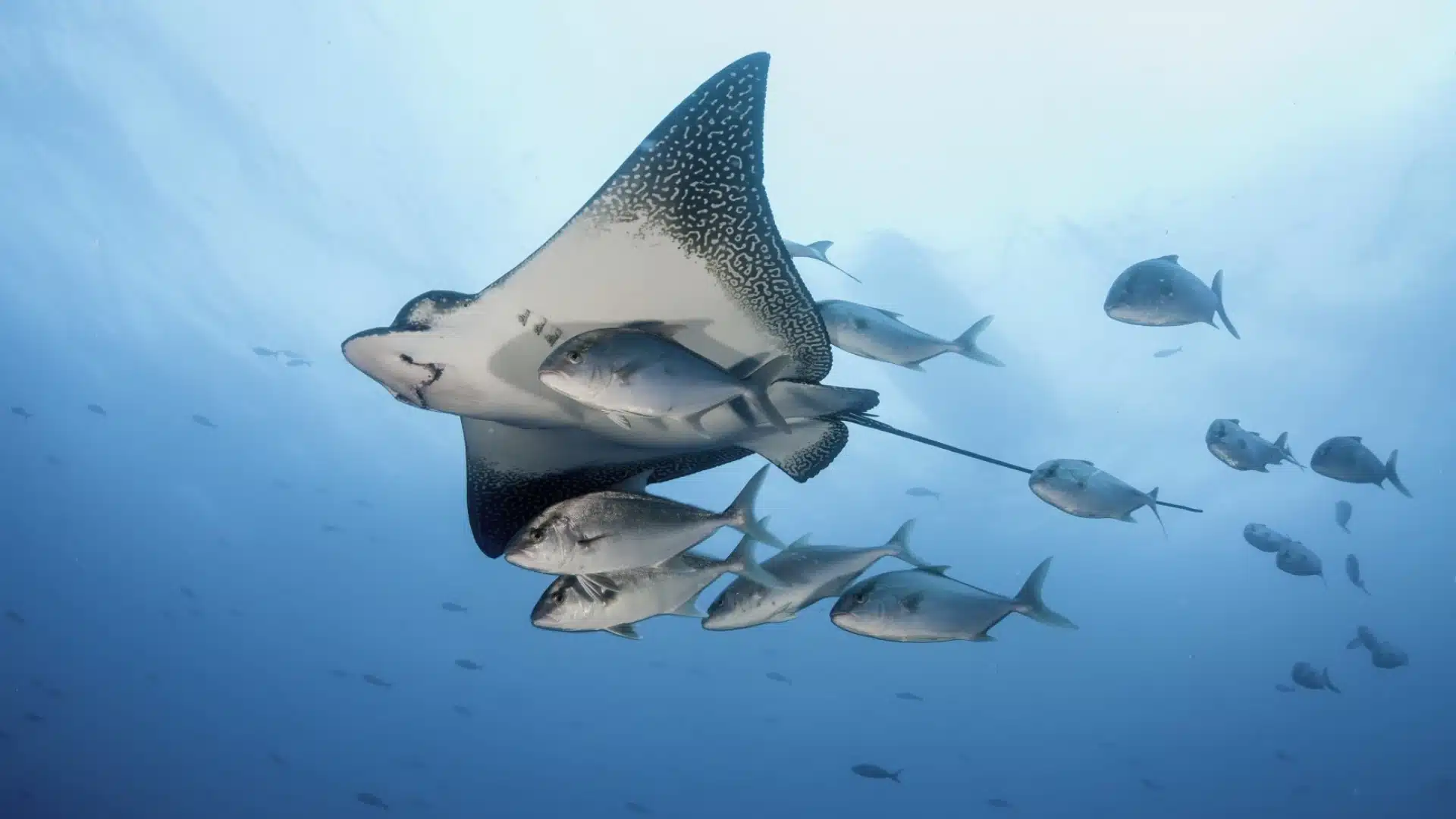
When we think of Ecuador’s seas, we almost always picture the coast or the Galápagos. But the reality is much broader. Beyond the waters of a single country lies a shared ocean where sharks, turtles, whales, and other migratory species roam. Protecting this space depends not only on isolated reserves, but also on agreements between countries, marine corridors, and global regulations.
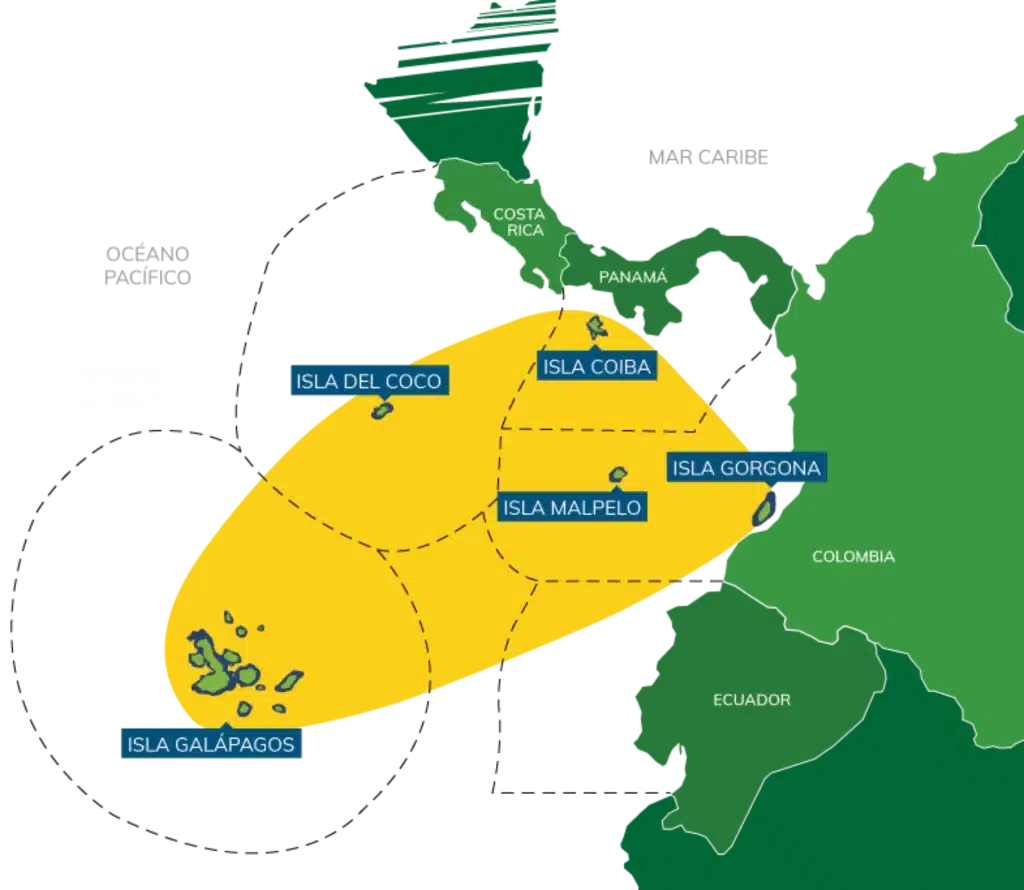
Ecuador participates in this network on several fronts. It is a member of UNCLOS, part of the Eastern Tropical Pacific Marine Corridor (CMAR) along with Costa Rica, Colombia, and Panama, and has also signed the BBNJ Agreement (Biodiversity Beyond National Jurisdictions), or “High Seas Treaty”B , to strengthen the protection of biodiversity in the high seas. To discuss this topic, you must understand how marine reserves connect and why caring for the ocean requires collaborative efforts that extend beyond the beach.