







This guide takes you on a journey through the islands Darwin visited during his expedition, highlighting the stunning volcanic peaks and the vibrant coral atolls that await discovery. Each island significantly enhanced his understanding of biodiversity, geology, and the natural forces that shape species.
In 1831 , a young Charles Darwin embarked on a journey aboard HMS Beagle . He was unaware that the islands he would explore over the next five years would revolutionize humanity’s understanding of life. His journey led him to coastlines, jungles, and mountains, yet it was the islands that profoundly influenced his revolutionary theory of evolution.
Why islands were important on Darwin’s voyage
Islands offer something rare in nature: isolation. This allowed Darwin to observe how different environments gave rise to unique adaptations in species . From Cape Verde to the Galapagos , each stop provided evidence that fueled the ideas that would later be published in The Origin of Species .
List of islands visited by Darwin during the Beagle voyage
Cape Verde Islands
- First stop on an island in the Atlantic
- Darwin studied volcanic layers and fossilized coral reefs
- His interest in time and geological changes was piqued
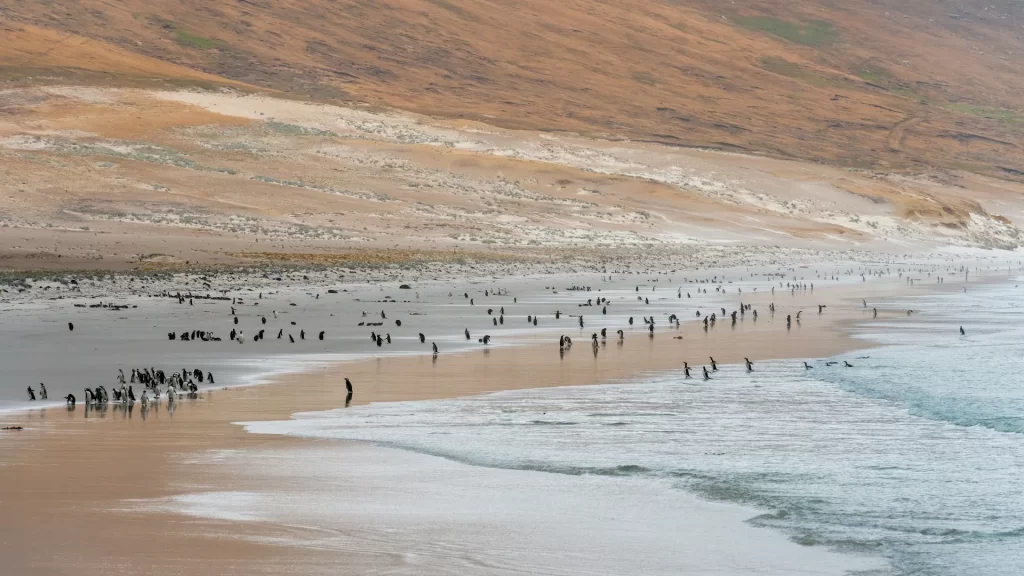
Falkland Islands and Tierra del Fuego
- He collected fossils of extinct mammals
- He observed hostile climates and remote human cultures
- He delved deeper into his questions about adaptation to the environment
Galapagos Islands (Ecuador)
- He visited San Cristobal, Santiago, Isabela, and Floreana
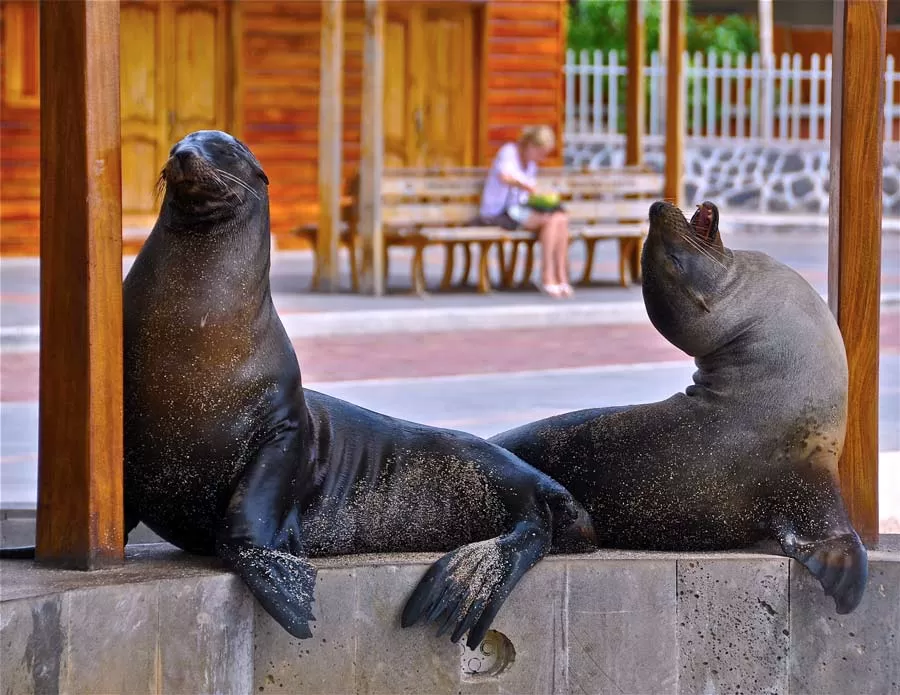
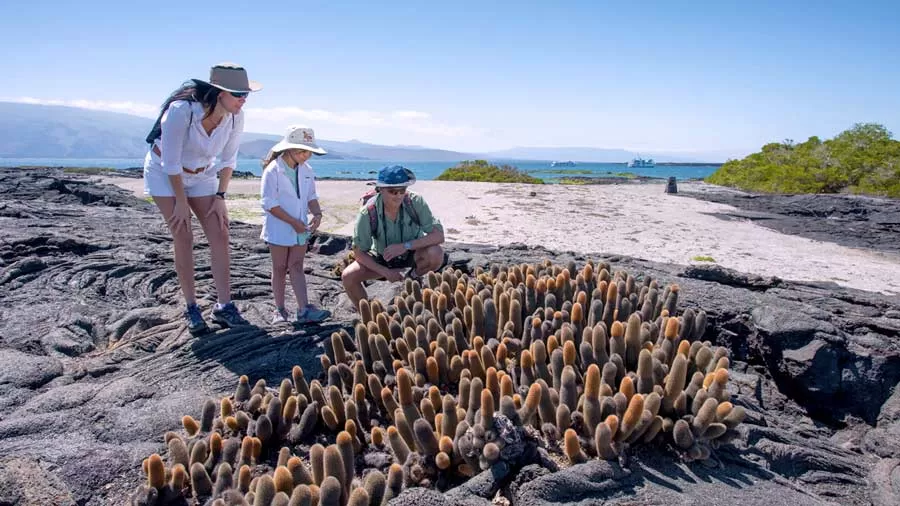
- He studied giant tortoises, marine iguanas , and the iconic Darwin’s finches
- Fundamental to the development of the theory of natural selection
Cocos (Keeling) Islands
- Located in the Indian Ocean
- Allowed Darwin to explore the formation of coral atolls
- His theories were later confirmed by geology
Tahiti and the Pacific Islands
- Observed volcanic activity , marine ecosystems , and Polynesian cultures .
- Compared biodiversity with other tropical islands.
New Zealand and Australia
- Technically large land masses, but function as island ecosystems .
- He studied marsupials and monotremes .
- He observed dramatic differences from European species.
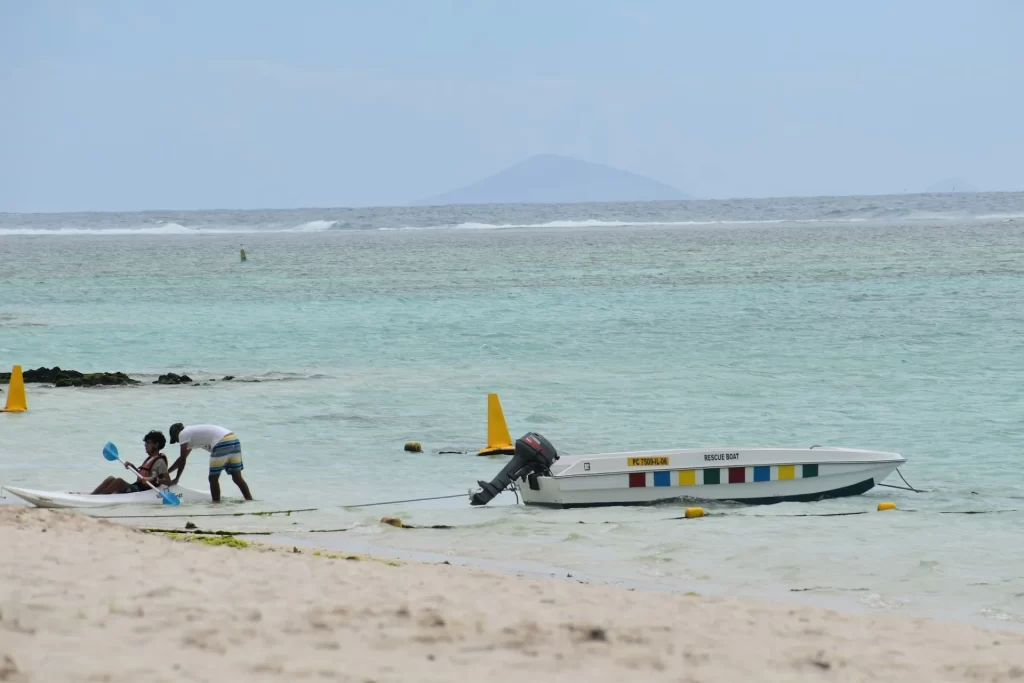
Mauritius
- He visited Mauritius briefly , observing tropical biodiversity and colonial influences .
St. Helena and Ascension Island
- Located in the South Atlantic .
- He focused on the volcanic terrain , climate , and vegetation .
- Ideal places for reflection and comparative analysis.
The Azores (Portugal)
- Last stop on the islands before returning to Europe.
- He collected specimens and observed similarities and differences in the landscape .
How islands shaped Darwin’s evolutionary thinking
The islands visited during the Beagle voyage exposed Darwin to contrasting climates, geological formations and degrees of isolation. Places such as the Galapagos and Cocos Islands gave him opportunities to compare how species and landscapes differed across remote environments.
The Galapagos finches later became an important example of adaptation and diversification. Darwin did not immediately understand their full significance while on the islands; their value became clearer after specialists in England examined the specimens alongside his notes on mockingbirds, tortoises and island geography.
The Galapagos Islands visited by Darwin and what he discovered
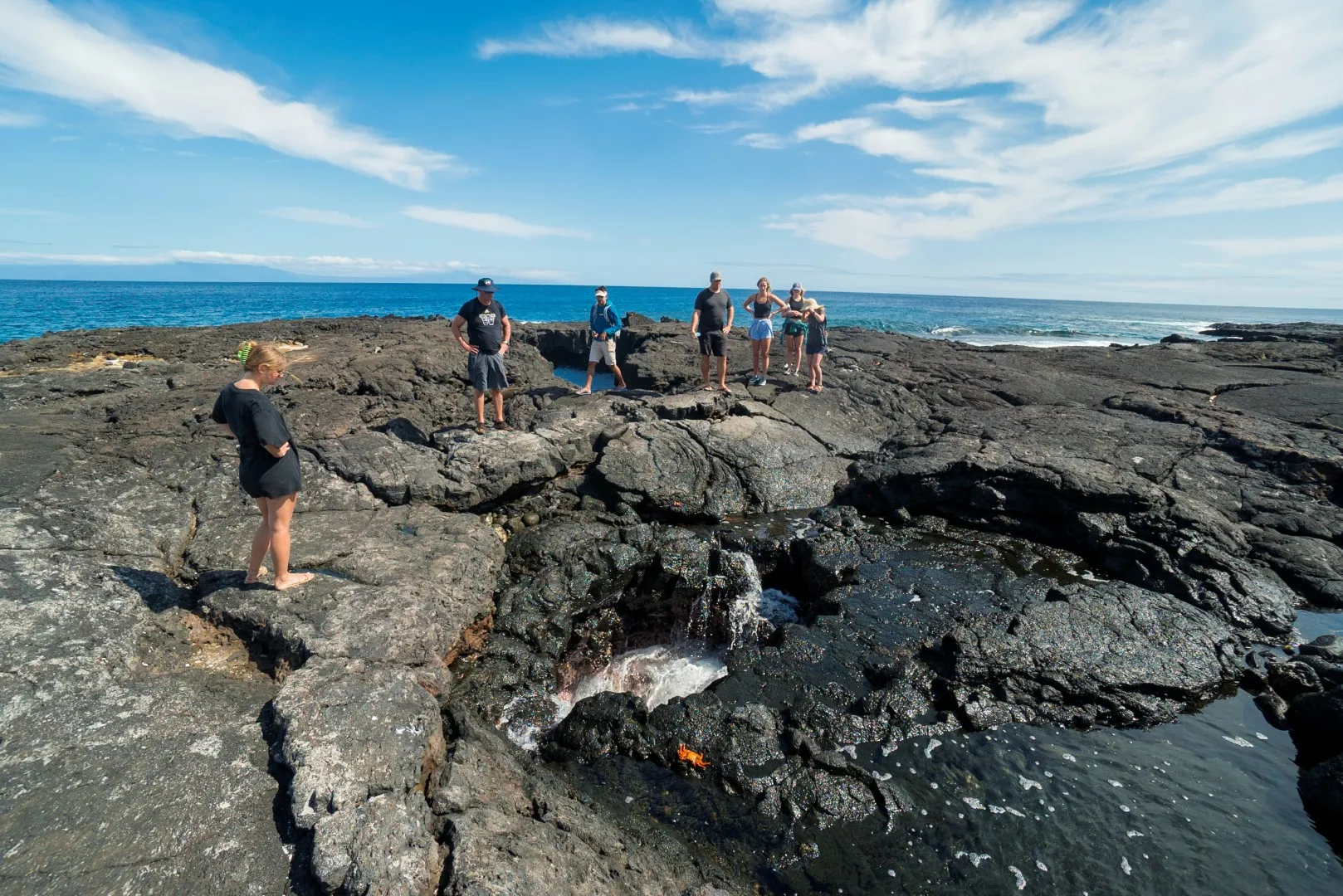
In 1835, Darwin explored four main islands during his stay in the Galapagos: San Cristóbal, Floreana, Isabela, and Santiago . Every island unveiled fresh insights and distinct variations among species, which would serve as essential components of his theory of natural selection .
San Cristóbal (Chatham Island)
- The first island Darwin visited in the Galapagos.
- He observed differences in the shape of turtle shells compared to other islands.
- He began to notice variations in mockingbirds and finches .
- He collected specimens and geological samples.
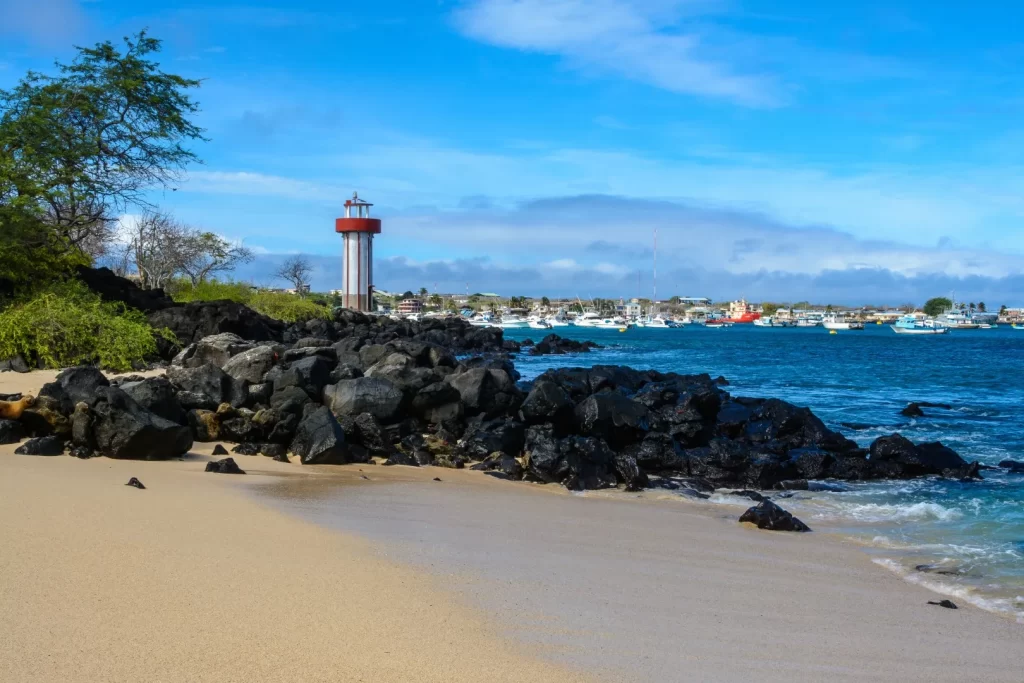
Floreana (Charles Island)
- Known for its human settlement at the time , which helped Darwin gather local knowledge.
- He found different species of finches and observed behavioral differences between the birds.
- He was told that the shells of the tortoises varied from island to island, a comment that greatly intrigued him.
Isabela Island (Albemarle)
- The largest of the islands .
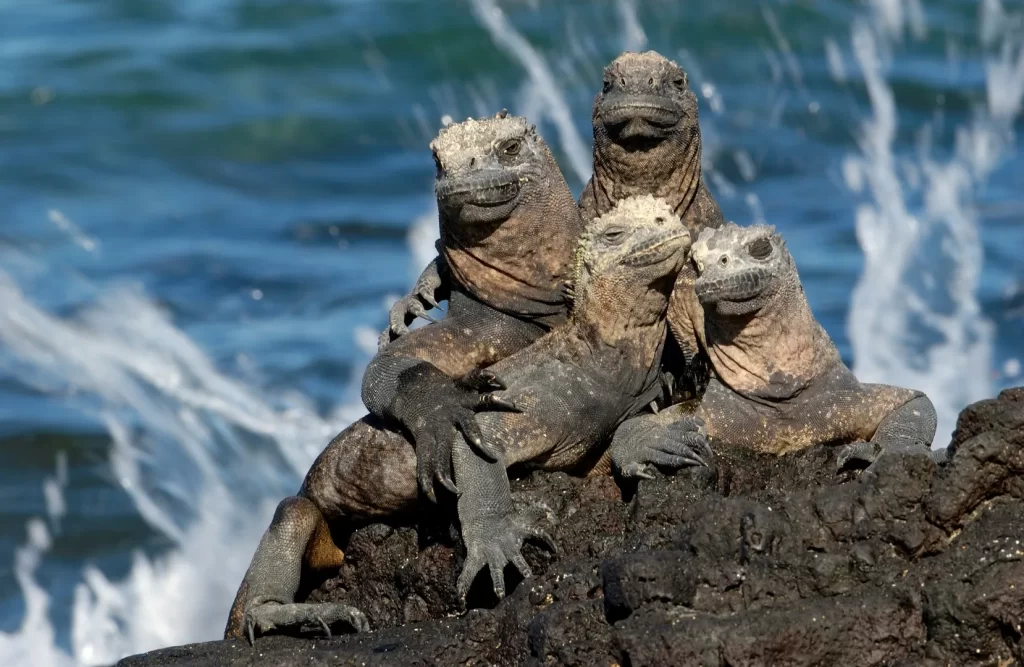
- Darwin observed marine iguanas feeding underwater.
- He saw how different populations of tortoises inhabited different parts of the island.
- He observed volcanic landscapes and recorded geological structures.
Santiago (James Island)
- Rich in biodiversity and ideal for prolonged observations .
- He studied finches with different beak shapes , depending on their diet and habitat.
- He collected numerous insects, reptiles, and plants .
- His notes and collections later contributed to comparisons between species, habitats and islands.
Why these observations were important
Initially, Darwin struggled to grasp the complete significance of his observations. He understood the evolutionary patterns only later while analyzing his specimens in England. The finches showcased adaptive radiation , where species evolved from a common ancestor to fulfill various ecological roles.
The differences between the fauna of the islands arose from isolation and environmental pressure, rather than randomness. This idea established the groundwork for the concept of natural selection .
Can you visit the islands Darwin explored today?
Yes, and many are protected or offer ecotourism experiences:
- Galapagos Islands : Strictly regulated for conservation.
- Travelers should embark on their journey with authorized naturalist guides. Cape Verde invites travelers eager to explore nature and science. St. Helena and Ascension may be isolated, yet they are easily accessible by air or cruise ship.
- Tahiti, Mauritius, and the Azores : Popular with travelers and still rich in natural beauty.
- The Falkland Islands and Tierra del Fuego : Remote, unspoiled, and ideal for wildlife viewing.
Modern scientific tours actively trace Darwin’s route , providing historical context while immersing participants in the wonders of nature .
The lasting impact of the islands on Darwin’s legacy
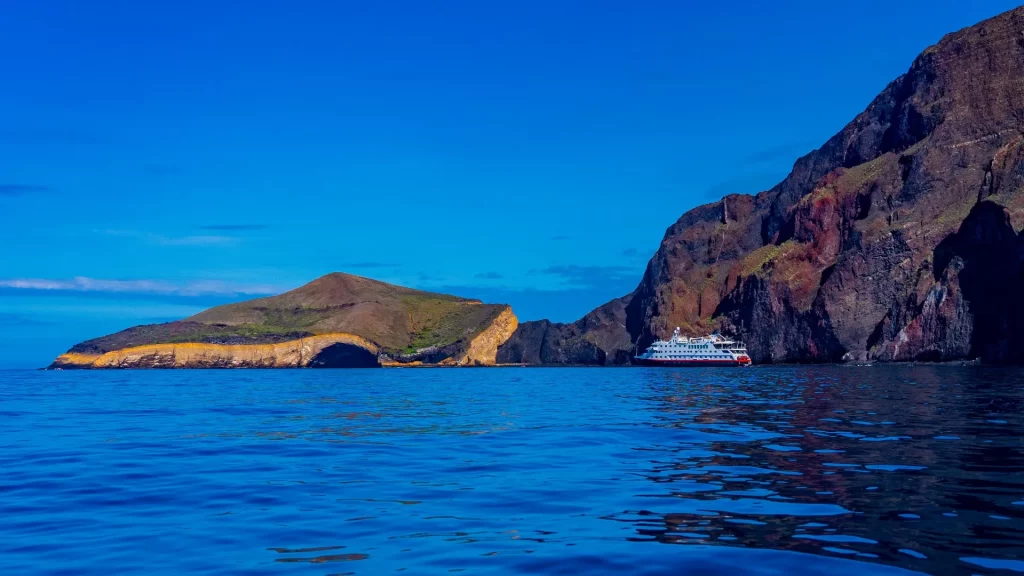
During his time on the islands, Darwin discovered that nature is dynamic . Species change, adapt, and branch out with resilience. This idea, once considered radical in the 19th century, emerged not from a laboratory or library, but from the vibrant ecosystems of the world’s islands, filled with birds, rocks, and reefs.
Today, the Darwin Islands he visited stand as symbols of research, discovery, and the beautiful complexity of life .
Want to explore one of the most iconic nature journeys in history?
Frequently Asked Questions About the Islands Darwin Visited
Which islands were most important to Darwin’s evolutionary thinking?
The Galapagos Islands were especially influential, although Darwin’s ideas developed through comparisons made across the entire Beagle voyage and through later study in England.
Did Darwin visit Madagascar?
No. Darwin visited Mauritius during the Beagle voyage, but Madagascar was not one of his documented stops.
How many island groups did Darwin visit?
He visited numerous islands and island groups during the nearly five-year voyage, including Cape Verde, the Falklands, Galapagos, Cocos, Tahiti, New Zealand, Mauritius, St. Helena, Ascension and the Azores.
Why were islands important to Darwin?
Their isolation made differences in species, geology and habitats easier to compare. These contrasts later helped Darwin think more deeply about adaptation and change over time.
Did the Galapagos finches immediately inspire natural selection?
No. Darwin did not fully recognize their importance while in Galapagos. Their significance became clearer after the specimens were examined in England together with his notes on other island species.